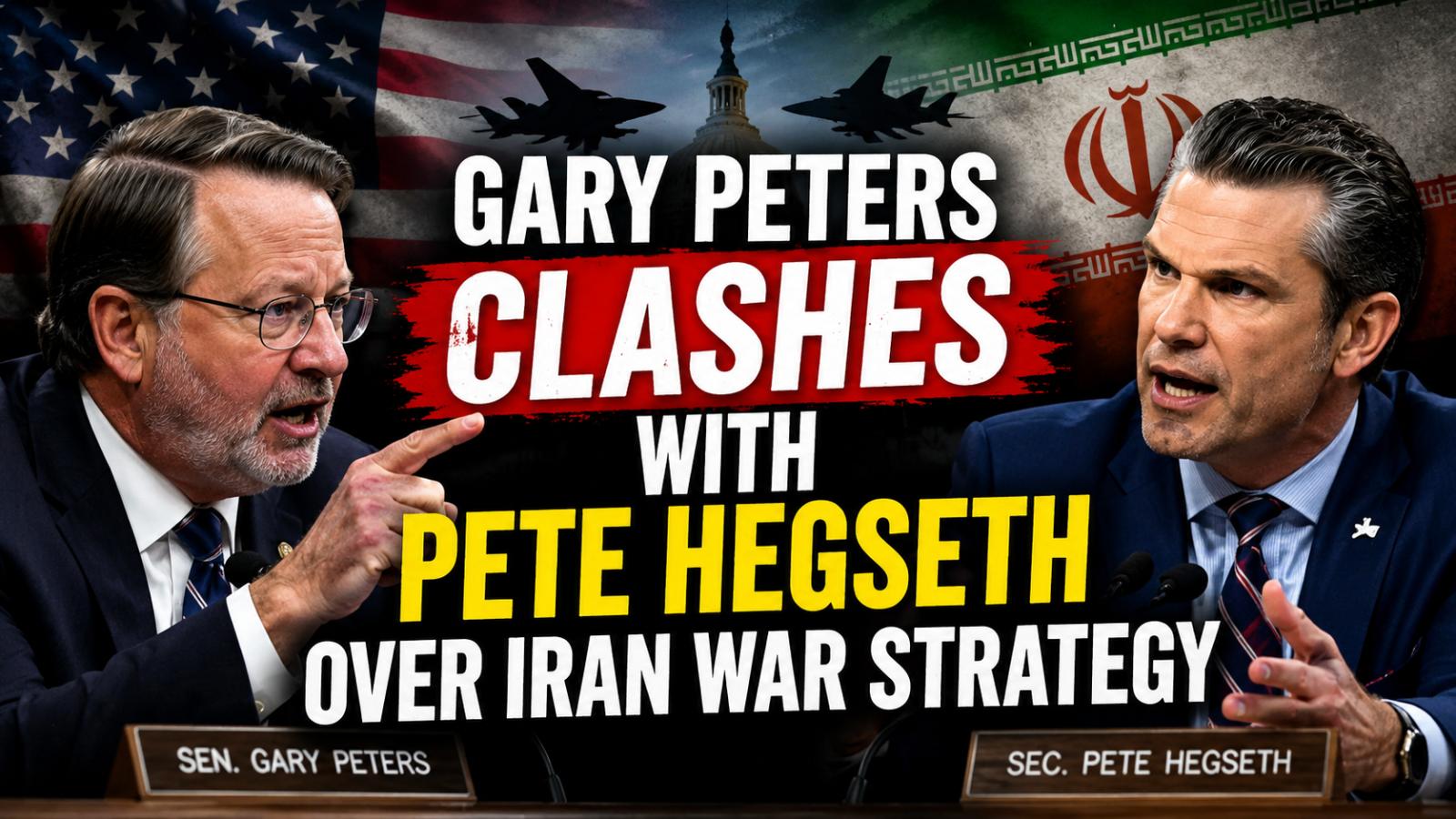
The Trump administration's handling of the Iran conflict came under intense scrutiny during a Senate hearing after a heated confrontation between Senator Gary Peters and Defence Secretary Pete Hegseth. The exchange quickly became the hearing's defining moment as lawmakers debated military strategy, troop support and billions of dollars in additional defence spending. The hearing also examined whether the administration has a clear long-term plan for the conflict, an issue that has drawn growing attention in Washington.
Senate Hearing Turns Into Heated Confrontation
Senator Gary Peters strongly criticised the administration's approach to the Iran war, arguing that Pentagon leadership had failed to present a convincing strategy for achieving long-term objectives. He described the administration's efforts as unsuccessful and questioned whether senior officials had developed a realistic plan to end the conflict.
Pete Hegseth rejected the criticism, saying such remarks unfairly undermined American service members deployed in the region. He argued that US troops continue to carry out difficult missions aimed at preventing Iran from developing a nuclear weapon and said their sacrifices should not be dismissed because of political disagreements over policy.
Pete Hegseth Defends Pentagon Strategy
The defence secretary maintained that the administration remains committed to its military objectives and accused critics of weakening public confidence in the armed forces. During the exchange, he argued that lawmakers should fully support military personnel while Congress continues debating defence funding.
Peters responded that his criticism was directed at Pentagon leadership rather than the men and women serving overseas. He praised American troops for their professionalism but insisted they deserved stronger leadership and a clearer strategy from senior officials responsible for directing the war.
Questions Over Iran War Leadership
Throughout the hearing, Peters repeatedly asked how the administration intended to achieve lasting success in the conflict. He argued that military personnel could accomplish their missions only if civilian leaders established a well-defined long-term strategy. Hegseth dismissed those concerns and accused Democratic lawmakers of turning national security into a partisan issue, adding that some critics continued to oppose the administration because of what he described as "Trump Derangement Syndrome."
Several lawmakers from both parties also sought more detailed explanations about recent US military operations against Iran and the administration's assessment of damage to Iranian nuclear facilities. Members requested greater transparency regarding military objectives and future planning.
US Defence Budget Faces Greater Scrutiny
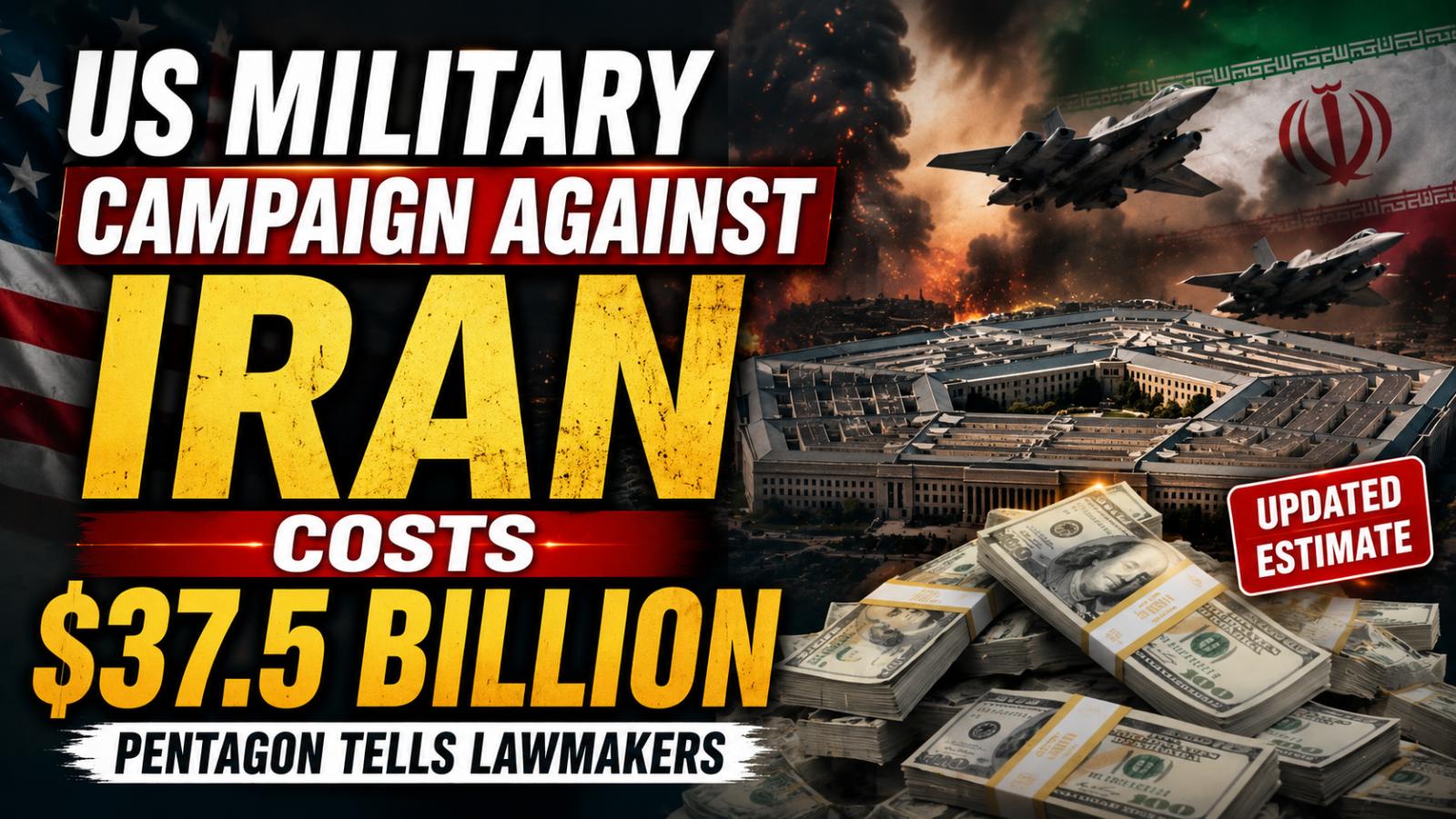
According to Pentagon officials during the hearing, Defence Secretary Pete Hegseth and Gen. Dan Caine defended an $87.6 billion supplemental funding request that would largely support continuing military operations in the Middle East. Hegseth also told lawmakers that the Iran war is expected to cost approximately $37.5 billion through the end of the current fiscal year.
The hearing highlighted continuing divisions in Congress over military spending, strategic planning and oversight of the conflict. While administration officials argued the funding is necessary to maintain operational readiness and national security, several senators said Congress needs clearer answers before approving additional spending. Information discussed during the hearing was attributed to statements made by Pentagon officials and members of the Senate during the official proceedings.