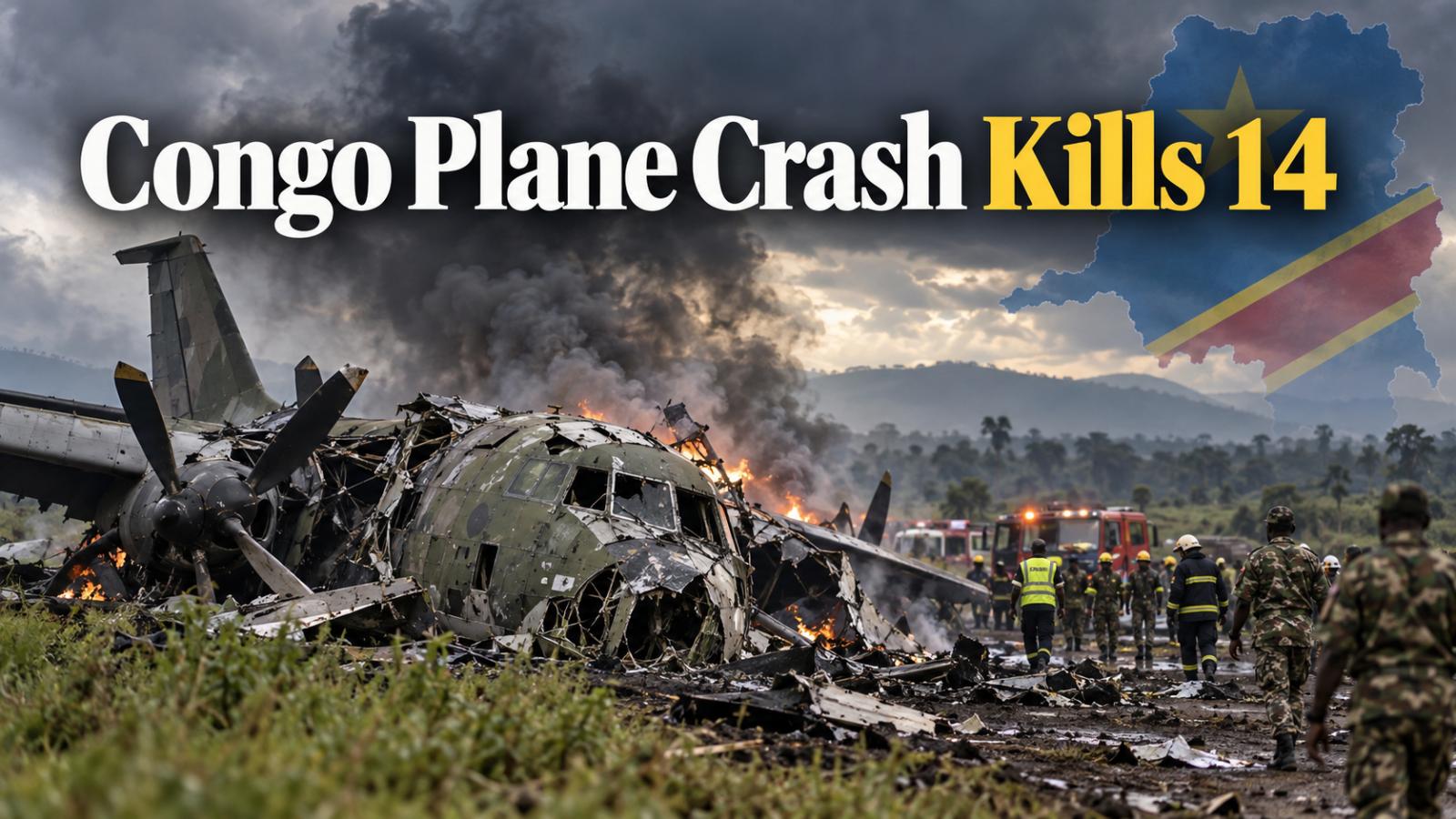
At least 14 people were reported killed after an aircraft carrying a Congolese military delegation crashed in Kenge on Friday, September 25. Two senior military justice officials were among the victims, while the FARDC has launched an investigation to establish the circumstances and exact cause of the accident.
Kenge crash
The aircraft went down in Kenge, the capital of Kwango province, while the delegation was returning from an official
At least 14 people were reported killed after an aircraft carrying a Congolese military delegation crashed in Kenge on Friday, September 25. Two senior military justice officials were among the victims, while the FARDC has launched an investigation to establish the circumstances and exact cause of the accident.
Kenge crash
The aircraft went down in Kenge, the capital of Kwango province, while the delegation was returning from an official
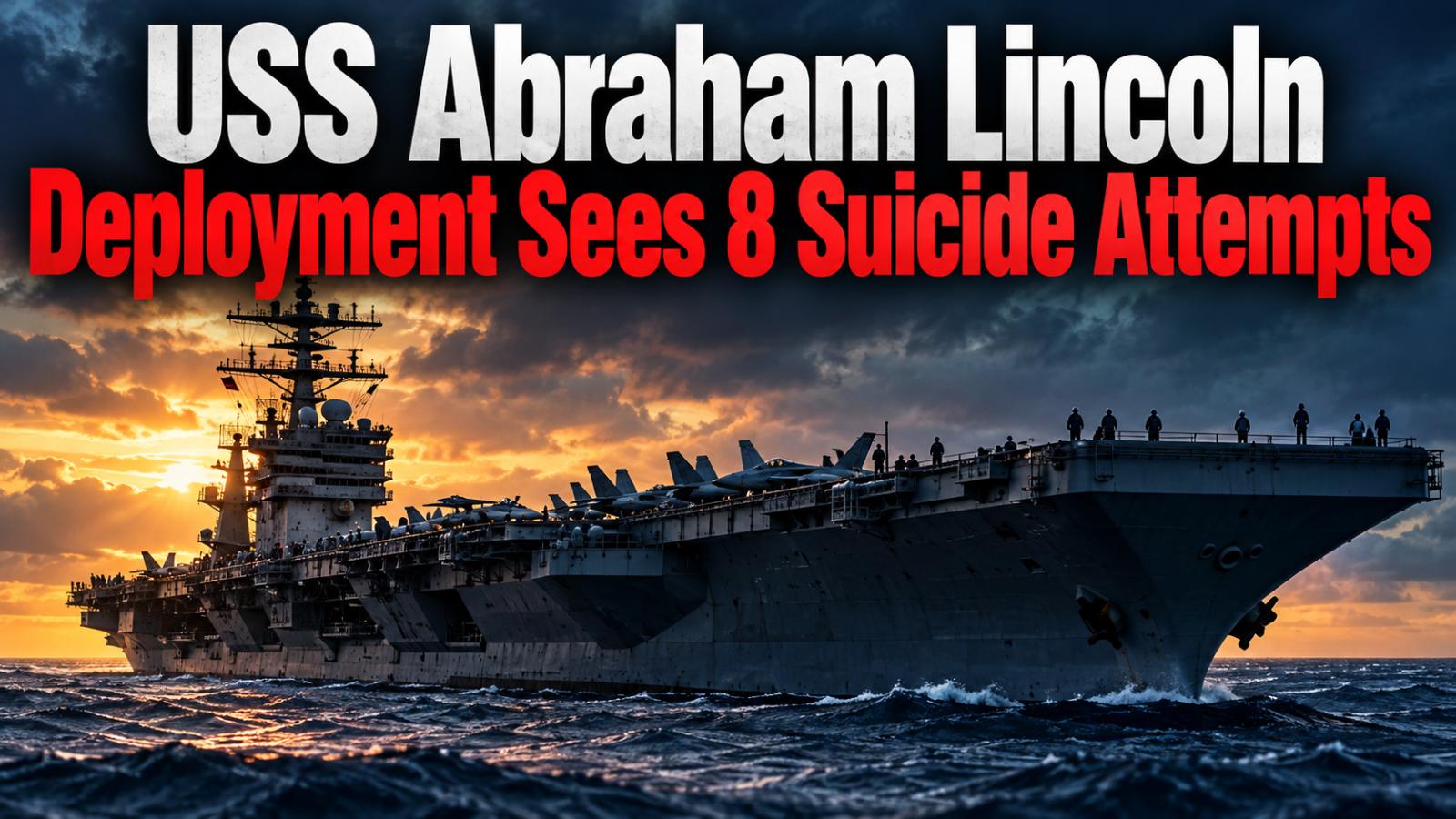
The USS Abraham Lincoln carrier strike group recorded eight suicide attempts during its prolonged deployment, Acting Navy Secretary Hung Cao has told Senator Kirsten Gillibrand. The disclosure has renewed scrutiny of Navy mental health support, crew welfare and the pressures created by an unusually long deployment that included combat operations connected to the Iran war.
Cao said the eight cases involved personnel from across the strike group, including the
The USS Abraham Lincoln carrier strike group recorded eight suicide attempts during its prolonged deployment, Acting Navy Secretary Hung Cao has told Senator Kirsten Gillibrand. The disclosure has renewed scrutiny of Navy mental health support, crew welfare and the pressures created by an unusually long deployment that included combat operations connected to the Iran war.
Cao said the eight cases involved personnel from across the strike group, including the
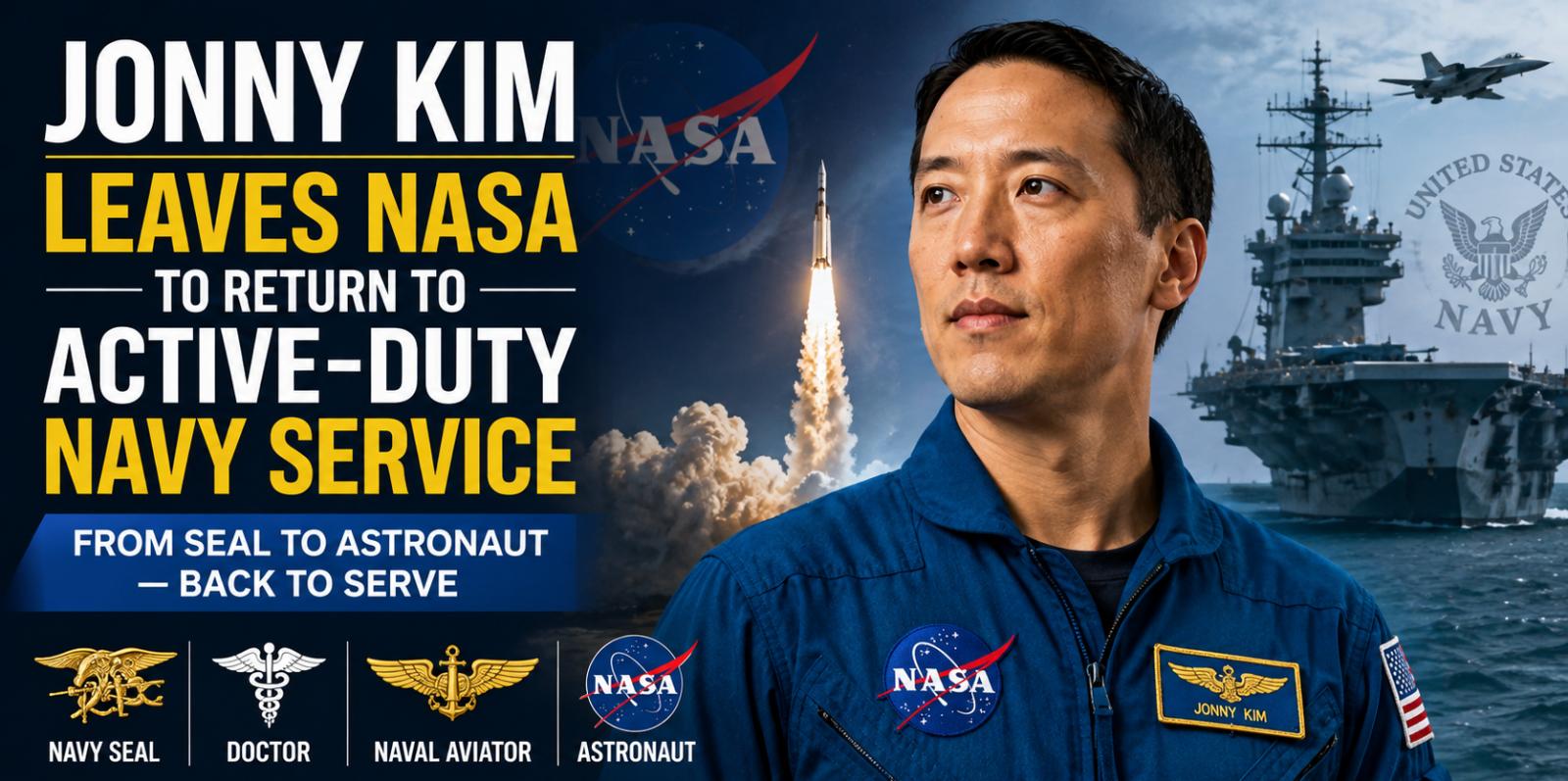
Former NASA astronaut Jonny Kim is returning to active-duty military service after nearly a decade with the space agency, closing a remarkable chapter that included work as an astronaut, engineer and International Space Station crew member.
Kim will continue serving as a lieutenant commander in the U.S. Navy and is expected to work in naval aviation training after leaving NASA.
Reflecting on his time with the agency, Kim said serving NASA and contributing to space explorat
Former NASA astronaut Jonny Kim is returning to active-duty military service after nearly a decade with the space agency, closing a remarkable chapter that included work as an astronaut, engineer and International Space Station crew member.
Kim will continue serving as a lieutenant commander in the U.S. Navy and is expected to work in naval aviation training after leaving NASA.
Reflecting on his time with the agency, Kim said serving NASA and contributing to space explorat
Official Pentagon data for FY2025 shows a further US military assault decline, with estimated unwanted sexual contact falling among active-duty women and men. The 2025 survey also found a higher reporting rate, while total sexual assault reports declined from recent years.
Pentagon data
The FY2025 Annual Report on Sexual Assault in the Military found that estimated unwanted sexual contact fell
Official Pentagon data for FY2025 shows a further US military assault decline, with estimated unwanted sexual contact falling among active-duty women and men. The 2025 survey also found a higher reporting rate, while total sexual assault reports declined from recent years.
Pentagon data
The FY2025 Annual Report on Sexual Assault in the Military found that estimated unwanted sexual contact fell
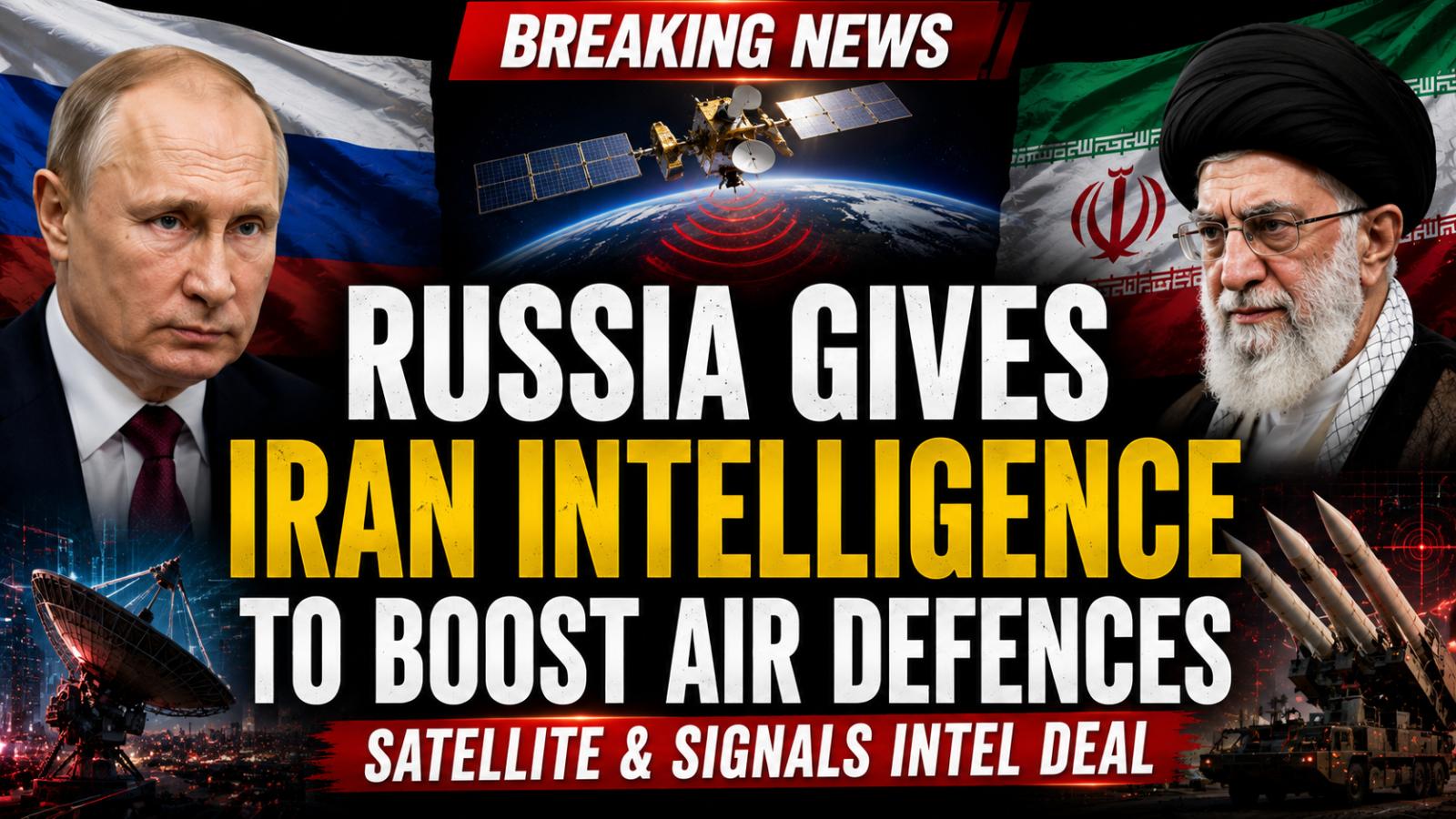
Russia is reportedly providing Iran with satellite surveillance and signals intelligence that could strengthen Tehran’s air defences, protect military assets and improve the accuracy of its drone and missile operations. The claims come from US and European officials, but neither Moscow nor Tehran has confirmed the alleged cooperation.
Russian Satellite Data May Strengthen Iran Air Defence
Off
Russia is reportedly providing Iran with satellite surveillance and signals intelligence that could strengthen Tehran’s air defences, protect military assets and improve the accuracy of its drone and missile operations. The claims come from US and European officials, but neither Moscow nor Tehran has confirmed the alleged cooperation.
Russian Satellite Data May Strengthen Iran Air Defence
Off
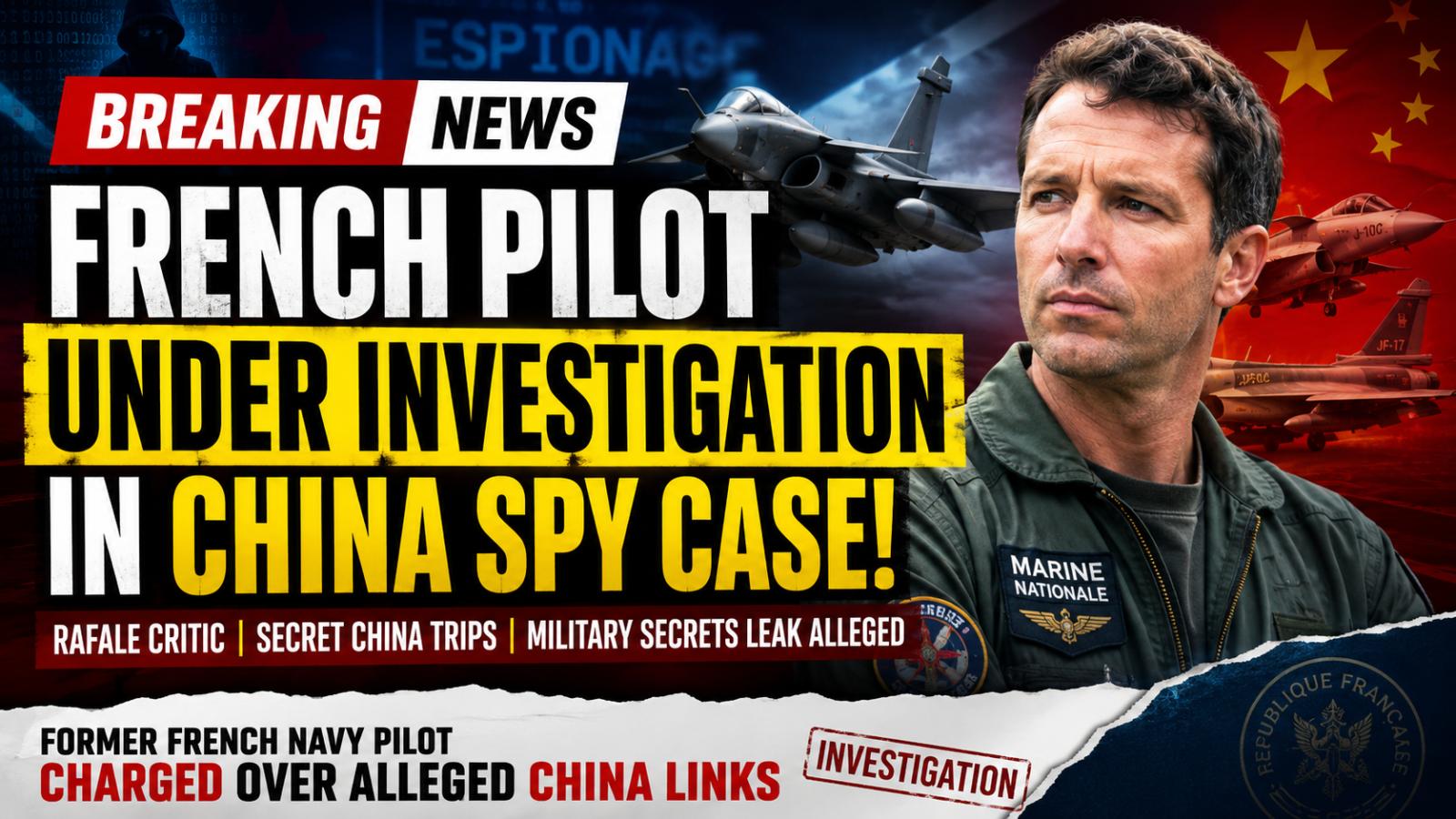
The French pilot China spy case has gained attention after former French Navy aviator Pierre-Henri Chuet was placed under investigation over alleged espionage links, undisclosed China visits, military pilot training and his earlier Rafale fighter controversy.
Pierre-Henri Chuet Investigation
The Frenc
The French pilot China spy case has gained attention after former French Navy aviator Pierre-Henri Chuet was placed under investigation over alleged espionage links, undisclosed China visits, military pilot training and his earlier Rafale fighter controversy.
Pierre-Henri Chuet Investigation
The Frenc
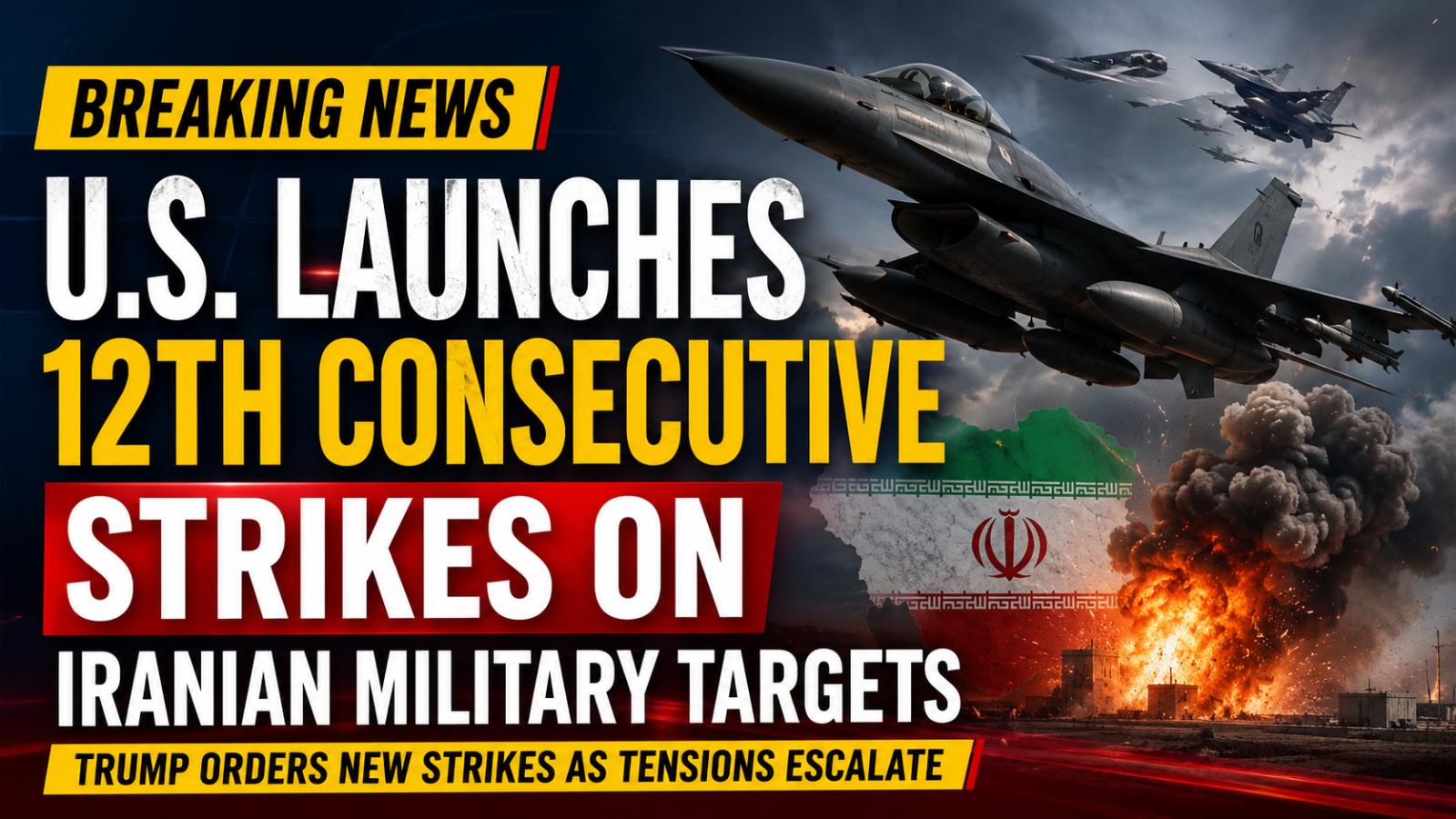
US launches 12th consecutive strikes on Iranian military targets as CENTCOM expands its military campaign against Iran under President Donald Trump's direction. The latest operation aims to reduce threats to commercial vessels and regional maritime security while tensions between Washington and Tehran continue to rise.
US military campaign against Iran continu
US launches 12th consecutive strikes on Iranian military targets as CENTCOM expands its military campaign against Iran under President Donald Trump's direction. The latest operation aims to reduce threats to commercial vessels and regional maritime security while tensions between Washington and Tehran continue to rise.
US military campaign against Iran continu
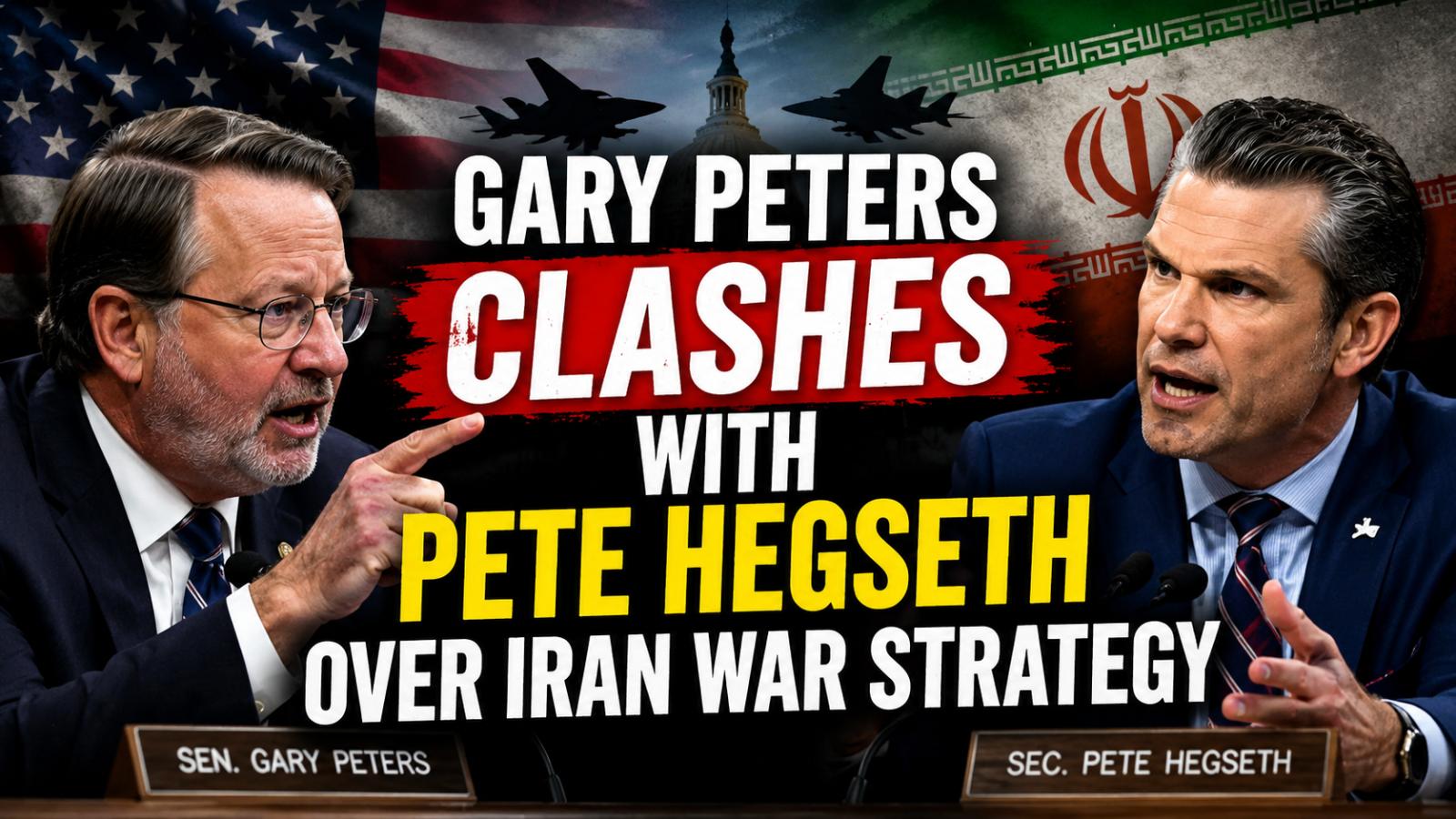
The Trump administration's handling of the Iran conflict came under intense scrutiny during a Senate hearing after a heated confrontation between Senator Gary Peters and Defence Secretary Pete Hegseth. The exchange quickly became the hearing's defining moment as lawmakers debated military strategy, troop support and billions of dollars in additional defence spending. The hearing also examined whether the administration has a clear long-term plan for the
The Trump administration's handling of the Iran conflict came under intense scrutiny during a Senate hearing after a heated confrontation between Senator Gary Peters and Defence Secretary Pete Hegseth. The exchange quickly became the hearing's defining moment as lawmakers debated military strategy, troop support and billions of dollars in additional defence spending. The hearing also examined whether the administration has a clear long-term plan for the
The US military testosterone screening program will introduce annual military medical screening for eligible service members to improve combat readiness. The policy also offers voluntary testosterone replacement therapy for troops diagnosed with low hormone levels.
US Military Testosterone Screening Introduced to Improve Combat Readiness
The United States D
The US military testosterone screening program will introduce annual military medical screening for eligible service members to improve combat readiness. The policy also offers voluntary testosterone replacement therapy for troops diagnosed with low hormone levels.
US Military Testosterone Screening Introduced to Improve Combat Readiness
The United States D
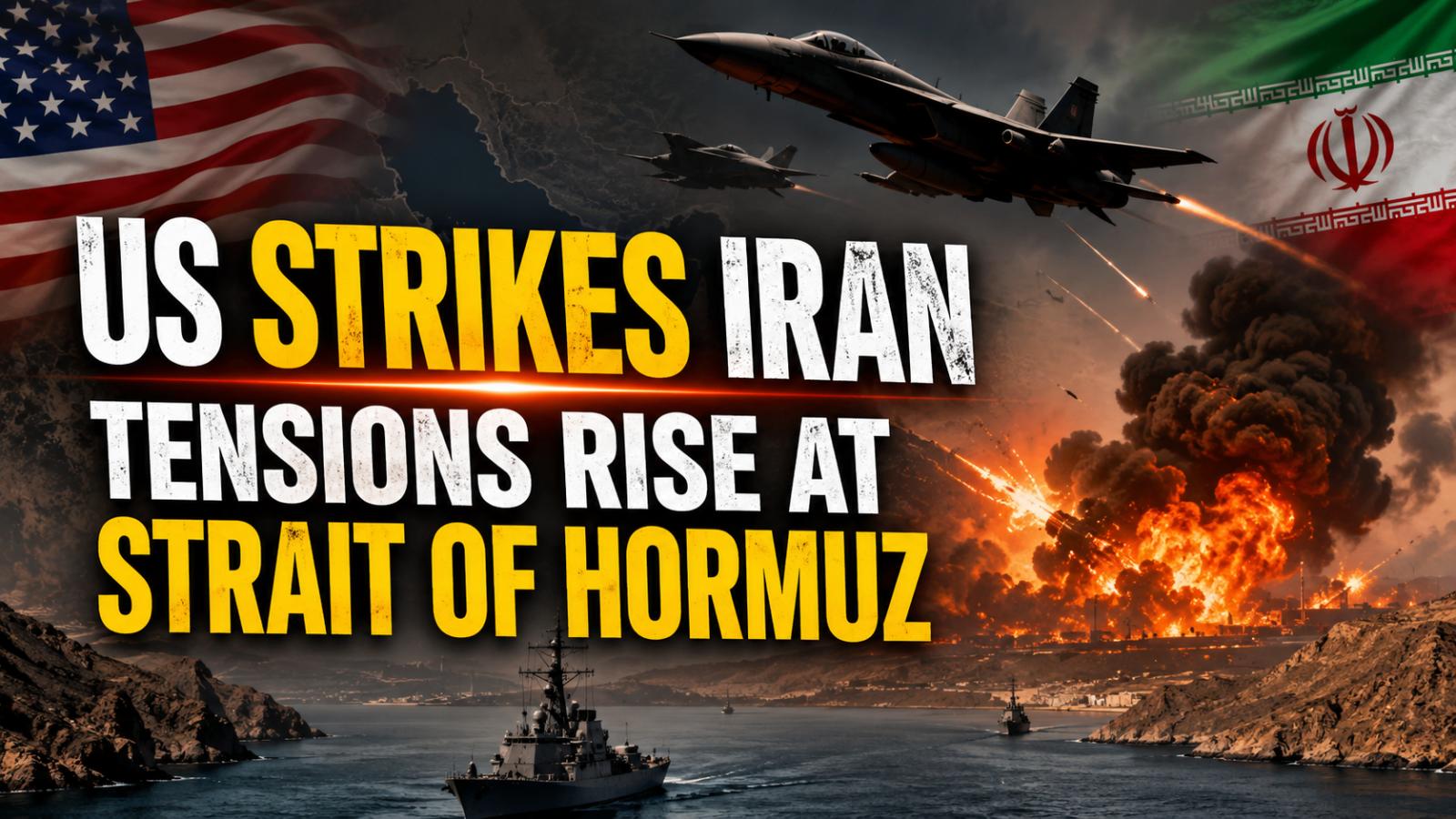
The United States carried out a new round of military strikes against Iranian targets on July 15, saying the operation was intended to protect commercial shipping passing through the Strait of Hormuz. The latest action adds to growing tensions between Washington and Tehran as one of the world's most important energy corridors remains under close international watch. According to US Central Command, the operation focused on military assets that it said posed a threat to vessels using the strategic waterway.
CENTCOM Iran operation targets maritime threats
US Central Command said the strikes began at 1900 GMT and were directed at Iranian military capabilities allegedly being used to threaten ships transiting through the Strait of Hormuz. In a statement posted on its official X account, CENTCOM said the objective was to safeguard freedom of navigation in the region. The Strait of Hormuz carries nearly 20 percent of global oil supplies, making security in the area a major concern for governments, shipping companies and energy markets worldwide.
The operation comes after weeks of heightened military activity across the Gulf region. Washington has repeatedly stated that maintaining open sea lanes remains a priority as regional tensions continue to increase.
Strait of Hormuz remains global energy focus
The Strait of Hormuz connects the Persian Gulf with the Arabian Sea and serves as one of the world's busiest maritime routes. Any disruption can quickly affect international oil prices, shipping costs and supply chains. Energy analysts continue to monitor developments closely as uncertainty grows over future military actions in the region.
Global governments have also urged restraint, warning that prolonged conflict could have significant economic consequences beyond the Middle East.
Iran blasts reported in Ahvaz and Chabahar
As the US operation unfolded, Iran's semi-official Mehr News Agency reported explosions in several locations. Blasts were heard in Ahvaz in southwestern Iran, although the exact source was not immediately confirmed. Mehr also reported three explosions in the southeastern port city of Chabahar.
Iranian authorities had not officially confirmed the cause of the explosions or released information regarding casualties at the time of reporting. Independent verification of the incidents also remained unavailable.
Iran Parliament says diplomacy will continue
Iranian Parliament Speaker Mohammad Bagher Ghalibaf said the country would continue diplomatic efforts while maintaining military preparedness. In an official statement, he said Iran had never sought war but must remain ready to defend its national security and strategic interests.
Ghalibaf accused the United States of attempting to weaken the Islamic Republic and described the current situation as an existential challenge. He argued that relying only on diplomacy or only on military action would be a strategic mistake, saying both approaches should remain available as the situation develops.
The latest developments highlight the fragile security environment surrounding the Strait of Hormuz. With military operations continuing and diplomatic channels still open, governments and energy markets are expected to monitor events closely. Information in this report is based on official statements from US Central Command, comments released by Iranian parliamentary leadership and reports published by Iran's Mehr News Agency.
Relevant internal links may include your Global News category, US News, Middle East coverage, Oil & Energy news, Geopolitics section, and previous articles covering the Strait of Hormuz, Iran-US relations, and CENTCOM operations.
The United States carried out a new round of military strikes against Iranian targets on July 15, saying the operation was intended to protect commercial shipping passing through the Strait of Hormuz. The latest action adds to growing tensions between Washington and Tehran as one of the world's most important energy corridors remains under close international watch. According to US Central Command, the operation focused on military assets that it said posed a threat to vessels using the strategic waterway.
CENTCOM Iran operation targets maritime threats
US Central Command said the strikes began at 1900 GMT and were directed at Iranian military capabilities allegedly being used to threaten ships transiting through the Strait of Hormuz. In a statement posted on its official X account, CENTCOM said the objective was to safeguard freedom of navigation in the region. The Strait of Hormuz carries nearly 20 percent of global oil supplies, making security in the area a major concern for governments, shipping companies and energy markets worldwide.
The operation comes after weeks of heightened military activity across the Gulf region. Washington has repeatedly stated that maintaining open sea lanes remains a priority as regional tensions continue to increase.
Strait of Hormuz remains global energy focus
The Strait of Hormuz connects the Persian Gulf with the Arabian Sea and serves as one of the world's busiest maritime routes. Any disruption can quickly affect international oil prices, shipping costs and supply chains. Energy analysts continue to monitor developments closely as uncertainty grows over future military actions in the region.
Global governments have also urged restraint, warning that prolonged conflict could have significant economic consequences beyond the Middle East.
Iran blasts reported in Ahvaz and Chabahar
As the US operation unfolded, Iran's semi-official Mehr News Agency reported explosions in several locations. Blasts were heard in Ahvaz in southwestern Iran, although the exact source was not immediately confirmed. Mehr also reported three explosions in the southeastern port city of Chabahar.
Iranian authorities had not officially confirmed the cause of the explosions or released information regarding casualties at the time of reporting. Independent verification of the incidents also remained unavailable.
Iran Parliament says diplomacy will continue
Iranian Parliament Speaker Mohammad Bagher Ghalibaf said the country would continue diplomatic efforts while maintaining military preparedness. In an official statement, he said Iran had never sought war but must remain ready to defend its national security and strategic interests.
Ghalibaf accused the United States of attempting to weaken the Islamic Republic and described the current situation as an existential challenge. He argued that relying only on diplomacy or only on military action would be a strategic mistake, saying both approaches should remain available as the situation develops.
The latest developments highlight the fragile security environment surrounding the Strait of Hormuz. With military operations continuing and diplomatic channels still open, governments and energy markets are expected to monitor events closely. Information in this report is based on official statements from US Central Command, comments released by Iranian parliamentary leadership and reports published by Iran's Mehr News Agency.
Relevant internal links may include your Global News category, US News, Middle East coverage, Oil & Energy news, Geopolitics section, and previous articles covering the Strait of Hormuz, Iran-US relations, and CENTCOM operations.
India’s proposed theaterisation plan could become its biggest military command reform. It aims to improve Army, Navy and Air Force coordination through integrated theatre commands, faster decisions and region-specific operational planning.
Integrated theatre commands and CDS reform
Reports indicate that Chief of Defence Staff General NS Raja Subramani may present the latest proposal to Defence Minister Rajnat
India’s proposed theaterisation plan could become its biggest military command reform. It aims to improve Army, Navy and Air Force coordination through integrated theatre commands, faster decisions and region-specific operational planning.
Integrated theatre commands and CDS reform
Reports indicate that Chief of Defence Staff General NS Raja Subramani may present the latest proposal to Defence Minister Rajnat
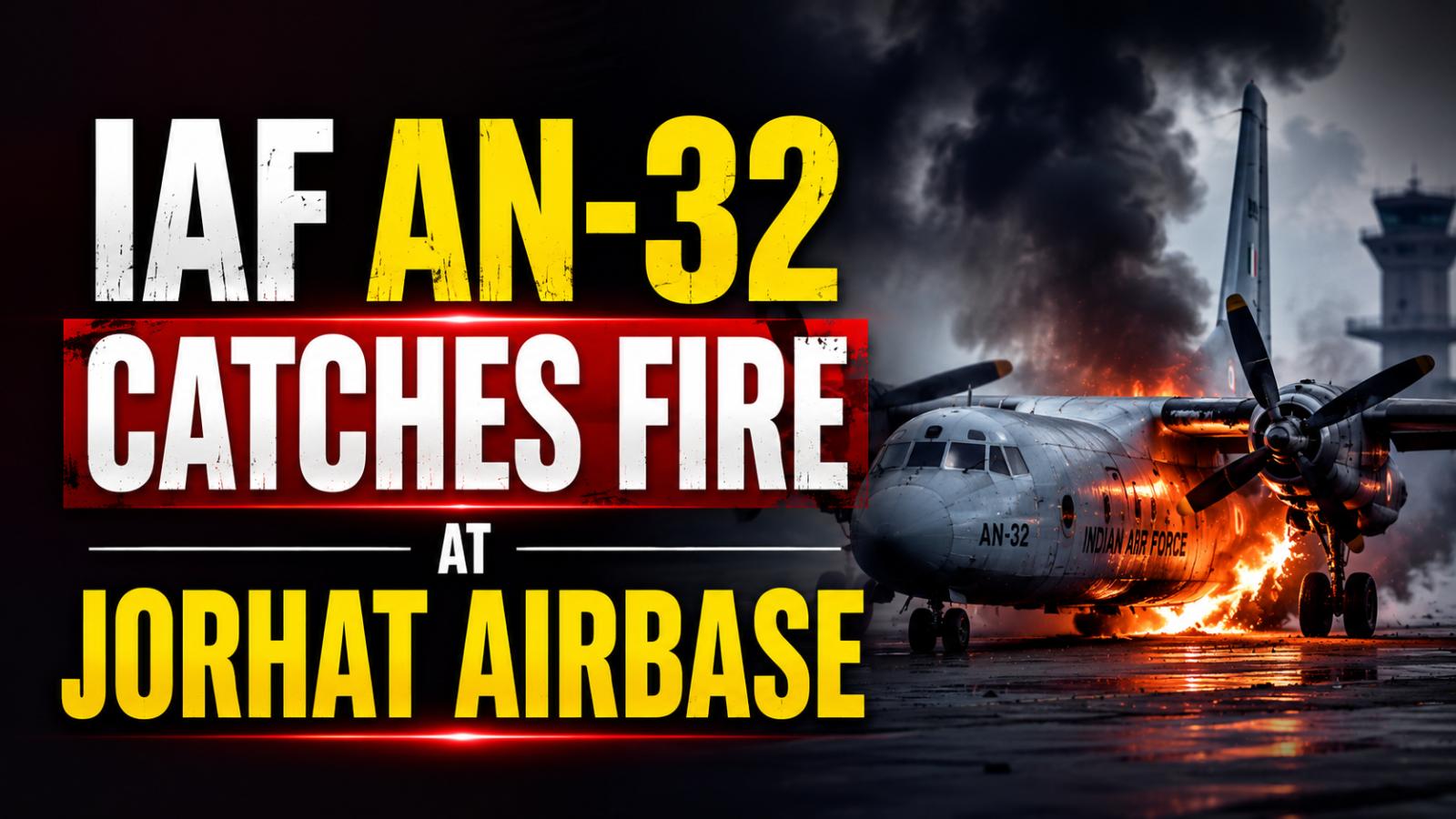
An Indian Air Force AN-32 transport aircraft met with an accident at Air Force Station Jorhat in Assam on Saturday, triggering an emergency response inside the military facility. Initial reports said the aircraft may have caught fire after landing, but officials have not yet confirmed the exact cause of the incident.
The Indian Air Force issued a brief statement confirming the accident. It said an AN-32 aircraft of the IAF met with an acci
An Indian Air Force AN-32 transport aircraft met with an accident at Air Force Station Jorhat in Assam on Saturday, triggering an emergency response inside the military facility. Initial reports said the aircraft may have caught fire after landing, but officials have not yet confirmed the exact cause of the incident.
The Indian Air Force issued a brief statement confirming the accident. It said an AN-32 aircraft of the IAF met with an acci
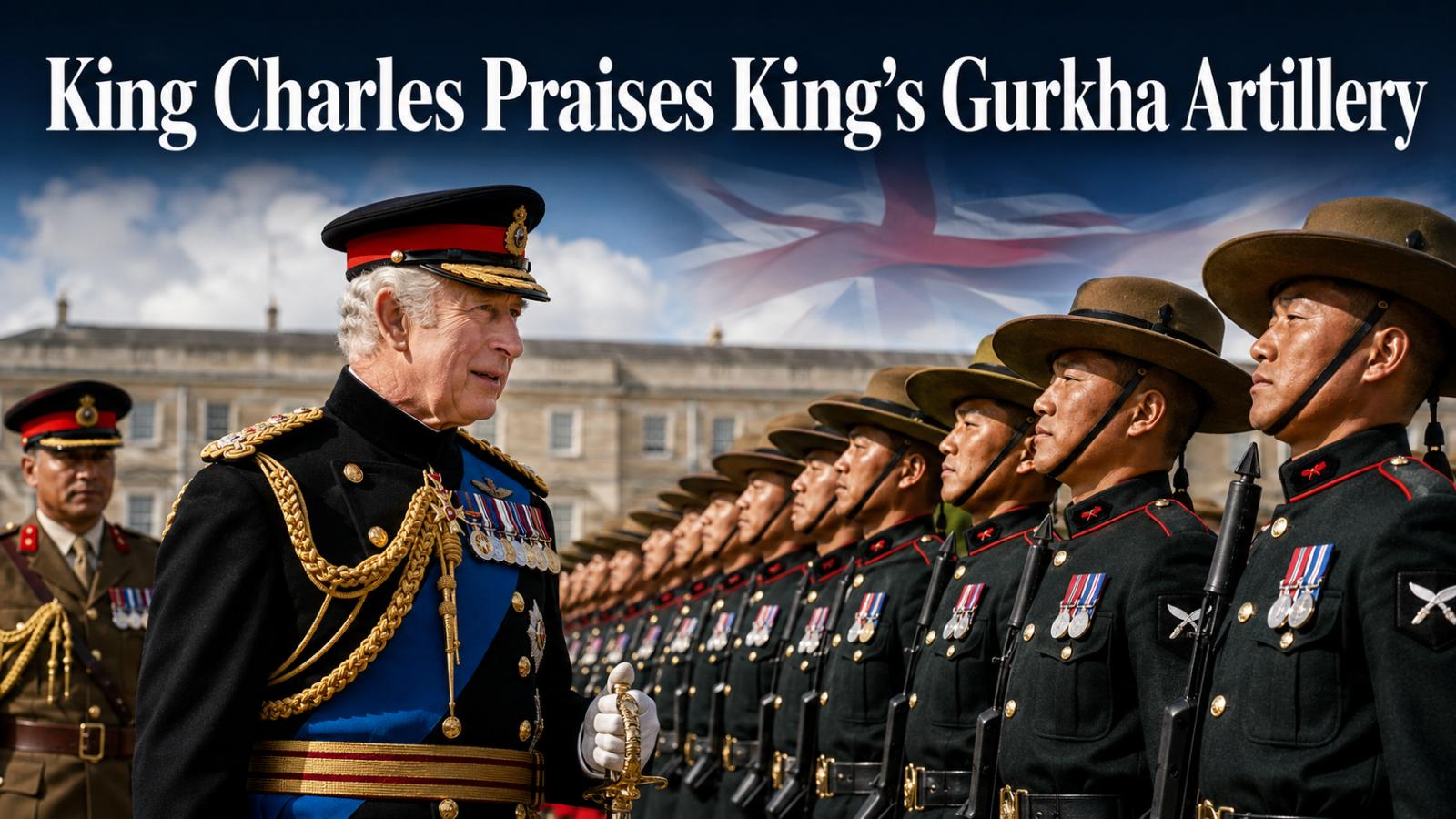
King Charles III praised the newly formed King’s Gurkha Artillery during a special formation parade at Larkhill Barracks in Wiltshire. The event marked an important milestone for Gurkha soldiers, as they begin a new chapter within the British Army’s Royal Artillery.
The creation of the unit is seen as a major recognition of the courage, discipline and long-standing service of Gurkha soldiers. For generations, Gurkhas have been respected for their loyalty and bravery, and this ne
King Charles III praised the newly formed King’s Gurkha Artillery during a special formation parade at Larkhill Barracks in Wiltshire. The event marked an important milestone for Gurkha soldiers, as they begin a new chapter within the British Army’s Royal Artillery.
The creation of the unit is seen as a major recognition of the courage, discipline and long-standing service of Gurkha soldiers. For generations, Gurkhas have been respected for their loyalty and bravery, and this ne
Iran Denies Responsibility
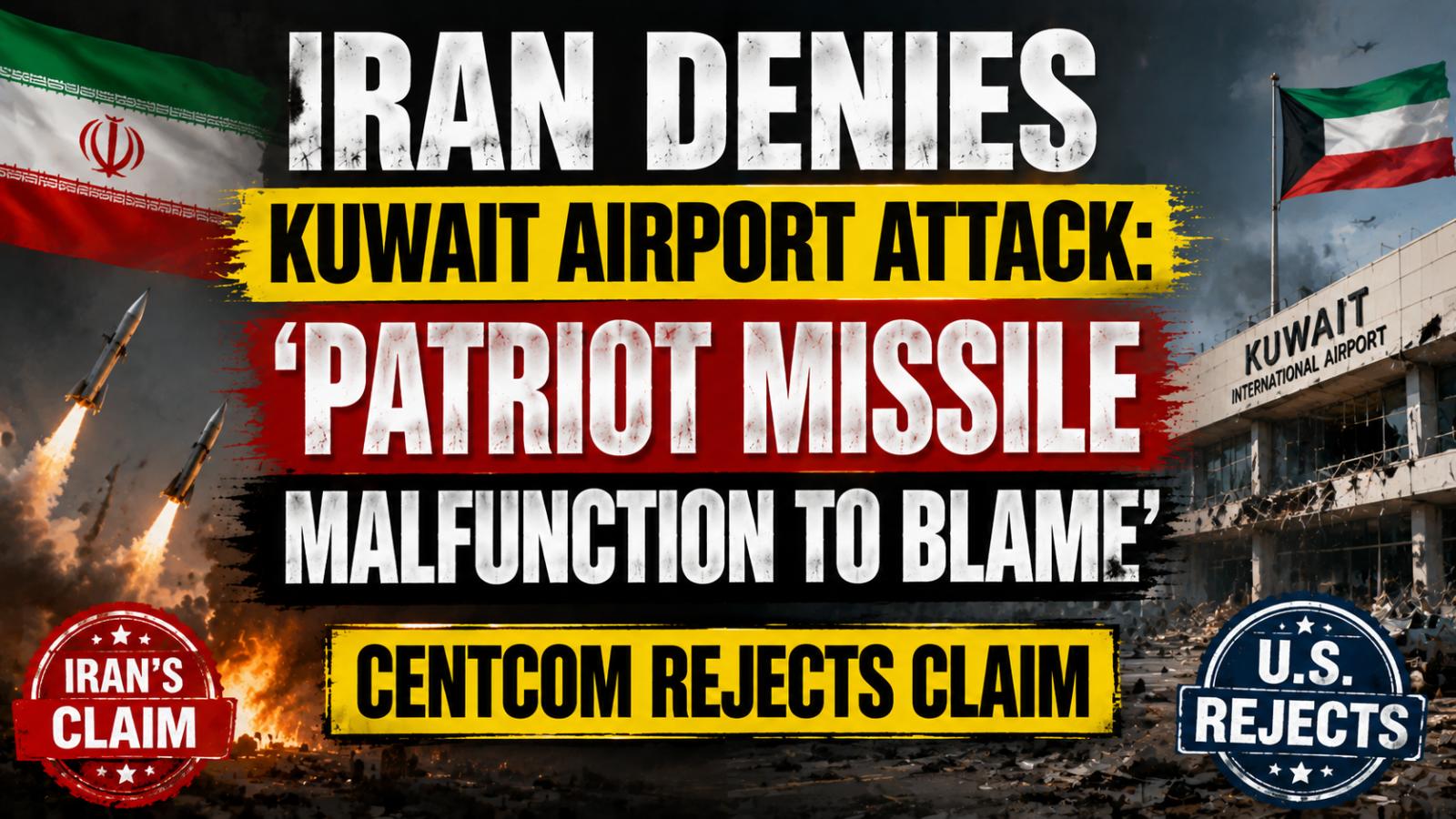
Iran’s Islamic Revolutionary Guard Corps (IRGC) has categorically denied involvement in the recent attack on Kuwait International Airport. The IRGC stated that the damage resulted from a malfunction in the US-made Patriot missile defence system, which failed to intercept incoming projectiles. According to a spokesperson, the Aerospace Force did not target the civilian airport, and the terminal was struck accidentally by malfunctioning defensive systems. The incident caused extensive damage to Passenger Terminal 1 (T1), killed one individual—a citizen of India—and injured 63 others. Kuwaiti authorities immediately closed national airspace, suspended commercial operations, and diverted incoming flights.
Regional Criticism and Concerns
Former Qatari Prime Minister Sheikh Hamad bin Jassim bin Jaber Al Thani strongly criticized Iran’s military activities against Gulf countries, labeling them as "astonishing" and "unjustifiable." While emphasizing Qatar’s intent to maintain constructive relations with Tehran, he stressed that Gulf states should adopt a coordinated stance to ensure regional stability. Al Thani questioned the rationale behind recent attacks on Bahrain and Kuwait and highlighted the importance of unified diplomatic and security measures in the face of escalating threats.
US Response and CENTCOM Statement
The United States Central Command (CENTCOM) rejected Iran’s claim, asserting that Tehran deliberately targeted Kuwait’s civilian airport. Officials described the attack as “unjustified” and stressed the potential threat to civilian safety in the region. CENTCOM continues to monitor developments and coordinate with Gulf partners to prevent further escalation. The conflicting accounts between Tehran and Washington underline growing tensions in the Middle East, highlighting the need for diplomatic engagement to avoid a wider regional conflict.
Strategic and Political Implications
The dispute underscores the fragility of security in the Gulf amid Iran’s military expansion and the broader geopolitical rivalries in the region. The use of defensive missile systems such as the Patriot has drawn scrutiny for its reliability and effectiveness in high-tension scenarios. Analysts note that the incident may influence future negotiations between Gulf countries and Iran and could prompt stronger regional defense cooperation. Both civilian safety and military escalation remain pressing concerns as authorities assess the implications of the incident.
International Repercussions
The attack has drawn global attention to the volatility of the Gulf region, with multiple countries urging restraint. International observers have called for transparent investigations into the incident and emphasized the importance of maintaining airspace security to prevent further civilian casualties. The events highlight the intersection of military technology, regional politics, and civilian safety, reinforcing the need for carefully coordinated responses to avoid unintended consequences in densely populated areas.
Iran Denies Responsibility
Iran’s Islamic Revolutionary Guard Corps (IRGC) has categorically denied involvement in the recent attack on Kuwait International Airport. The IRGC stated that the damage resulted from a malfunction in the US-made Patriot missile defence system, which failed to intercept incoming projectiles. According to a spokesperson, the Aerospace Force did not target the civilian airport, and the terminal was struck accidentally by malfunctioning defensive systems. The incident caused extensive damage to Passenger Terminal 1 (T1), killed one individual—a citizen of India—and injured 63 others. Kuwaiti authorities immediately closed national airspace, suspended commercial operations, and diverted incoming flights.
Regional Criticism and Concerns
Former Qatari Prime Minister Sheikh Hamad bin Jassim bin Jaber Al Thani strongly criticized Iran’s military activities against Gulf countries, labeling them as "astonishing" and "unjustifiable." While emphasizing Qatar’s intent to maintain constructive relations with Tehran, he stressed that Gulf states should adopt a coordinated stance to ensure regional stability. Al Thani questioned the rationale behind recent attacks on Bahrain and Kuwait and highlighted the importance of unified diplomatic and security measures in the face of escalating threats.
US Response and CENTCOM Statement
The United States Central Command (CENTCOM) rejected Iran’s claim, asserting that Tehran deliberately targeted Kuwait’s civilian airport. Officials described the attack as “unjustified” and stressed the potential threat to civilian safety in the region. CENTCOM continues to monitor developments and coordinate with Gulf partners to prevent further escalation. The conflicting accounts between Tehran and Washington underline growing tensions in the Middle East, highlighting the need for diplomatic engagement to avoid a wider regional conflict.
Strategic and Political Implications
The dispute underscores the fragility of security in the Gulf amid Iran’s military expansion and the broader geopolitical rivalries in the region. The use of defensive missile systems such as the Patriot has drawn scrutiny for its reliability and effectiveness in high-tension scenarios. Analysts note that the incident may influence future negotiations between Gulf countries and Iran and could prompt stronger regional defense cooperation. Both civilian safety and military escalation remain pressing concerns as authorities assess the implications of the incident.
International Repercussions
The attack has drawn global attention to the volatility of the Gulf region, with multiple countries urging restraint. International observers have called for transparent investigations into the incident and emphasized the importance of maintaining airspace security to prevent further civilian casualties. The events highlight the intersection of military technology, regional politics, and civilian safety, reinforcing the need for carefully coordinated responses to avoid unintended consequences in densely populated areas.
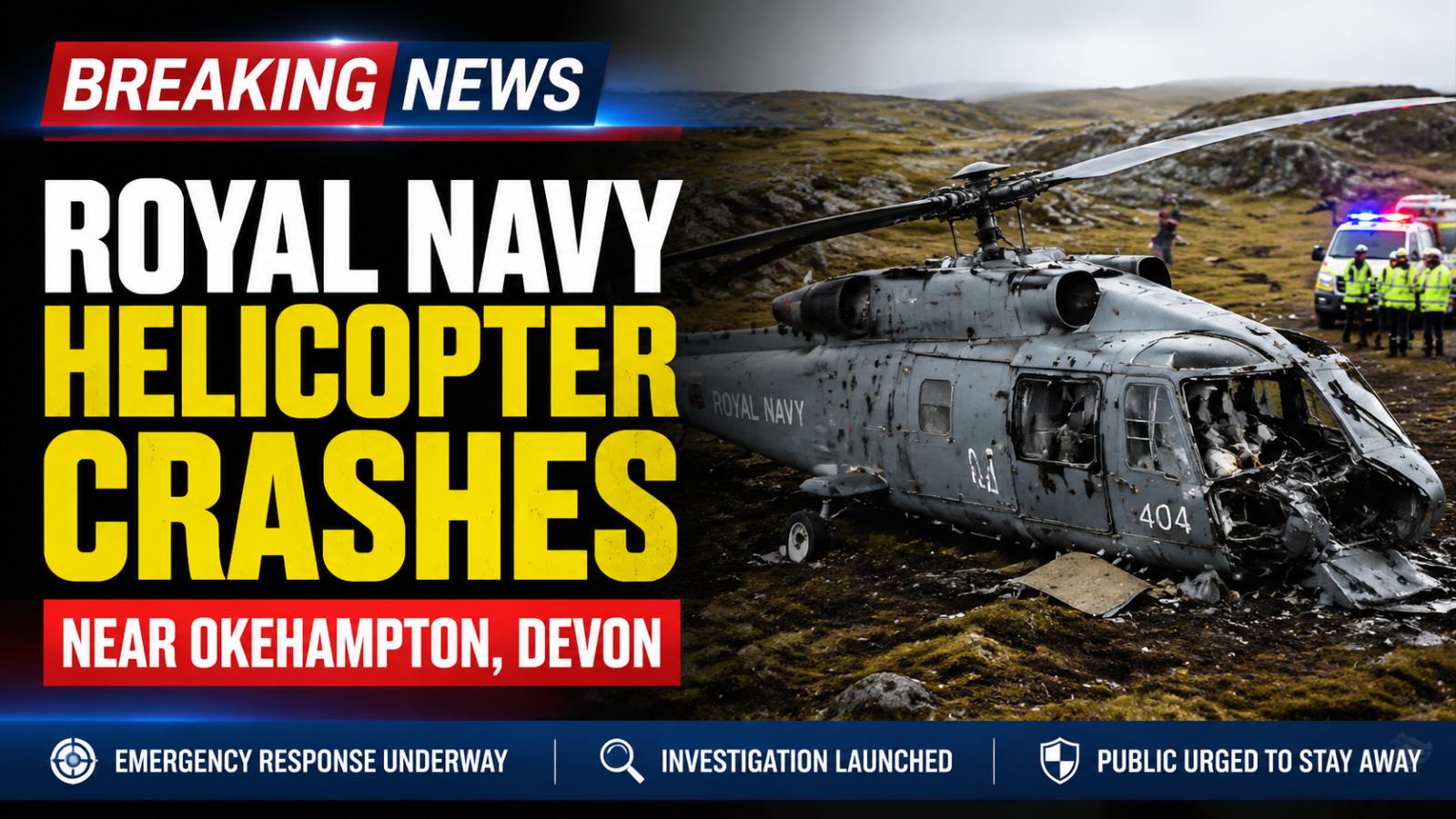
Early Wednesday morning, a Royal Navy helicopter crashed near Sourton Down, close to Okehampton in Devon. Authorities quickly dispatched emergency teams, including police and rescue units, to secure the area and assist personnel involved. The Ministry of Defence confirmed that an investigation is now underway to determine the cause of the incident.
Immediate Emergency Response
Local police and f
Early Wednesday morning, a Royal Navy helicopter crashed near Sourton Down, close to Okehampton in Devon. Authorities quickly dispatched emergency teams, including police and rescue units, to secure the area and assist personnel involved. The Ministry of Defence confirmed that an investigation is now underway to determine the cause of the incident.
Immediate Emergency Response
Local police and f
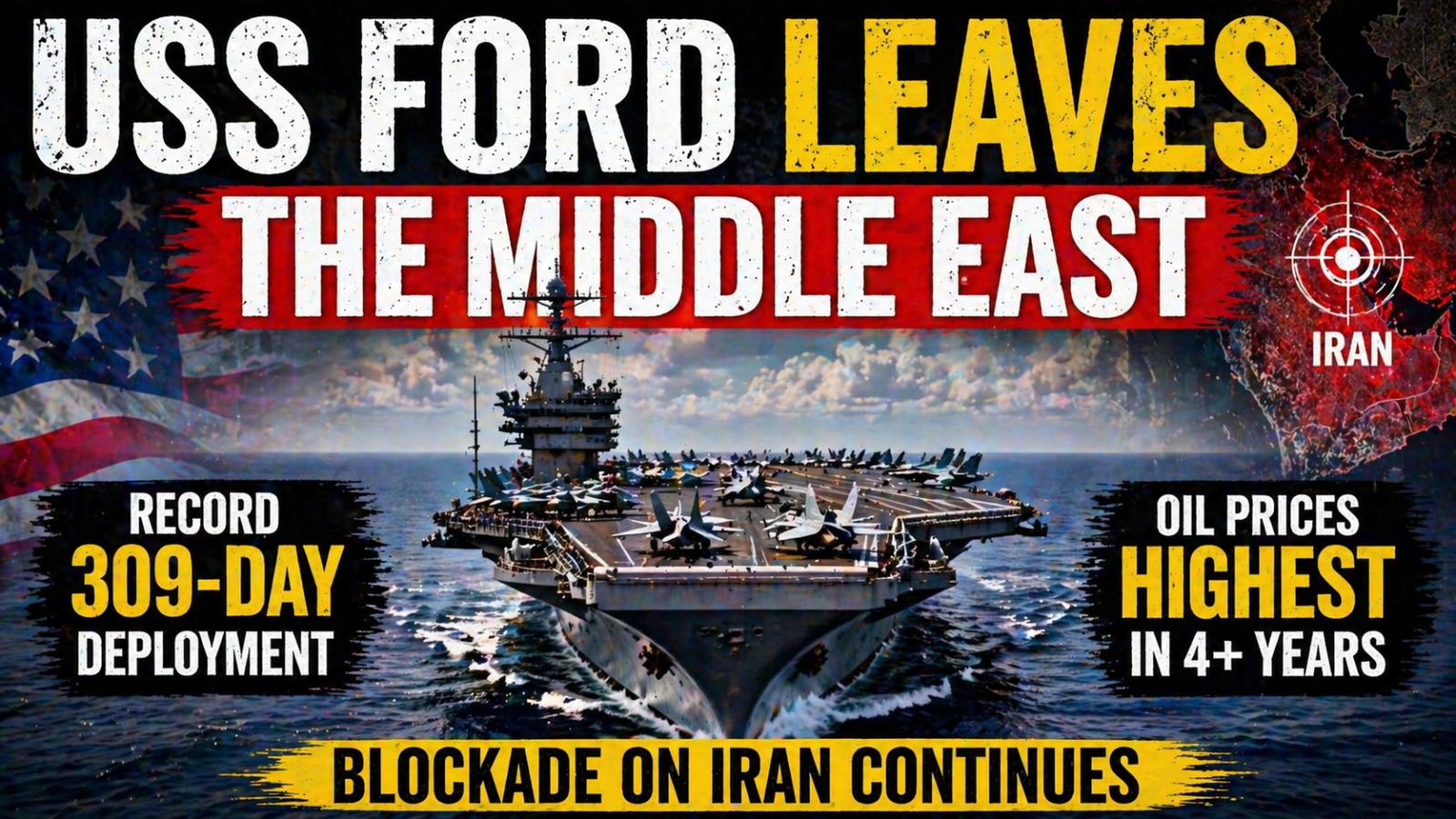
The USS Gerald R. Ford, the US Navy’s newest aircraft carrier, is preparing to leave the Middle East after completing a record 309-day deployment, marking the longest continuous mission for a modern American carrier. The vessel is expected to return to its home port at Naval Station Norfolk, Virginia, around mid-May, concluding an extended operational period that has drawn attention from lawmakers and defense officials.
The decision to bring the USS Ford back follows a demanding d
The USS Gerald R. Ford, the US Navy’s newest aircraft carrier, is preparing to leave the Middle East after completing a record 309-day deployment, marking the longest continuous mission for a modern American carrier. The vessel is expected to return to its home port at Naval Station Norfolk, Virginia, around mid-May, concluding an extended operational period that has drawn attention from lawmakers and defense officials.
The decision to bring the USS Ford back follows a demanding d
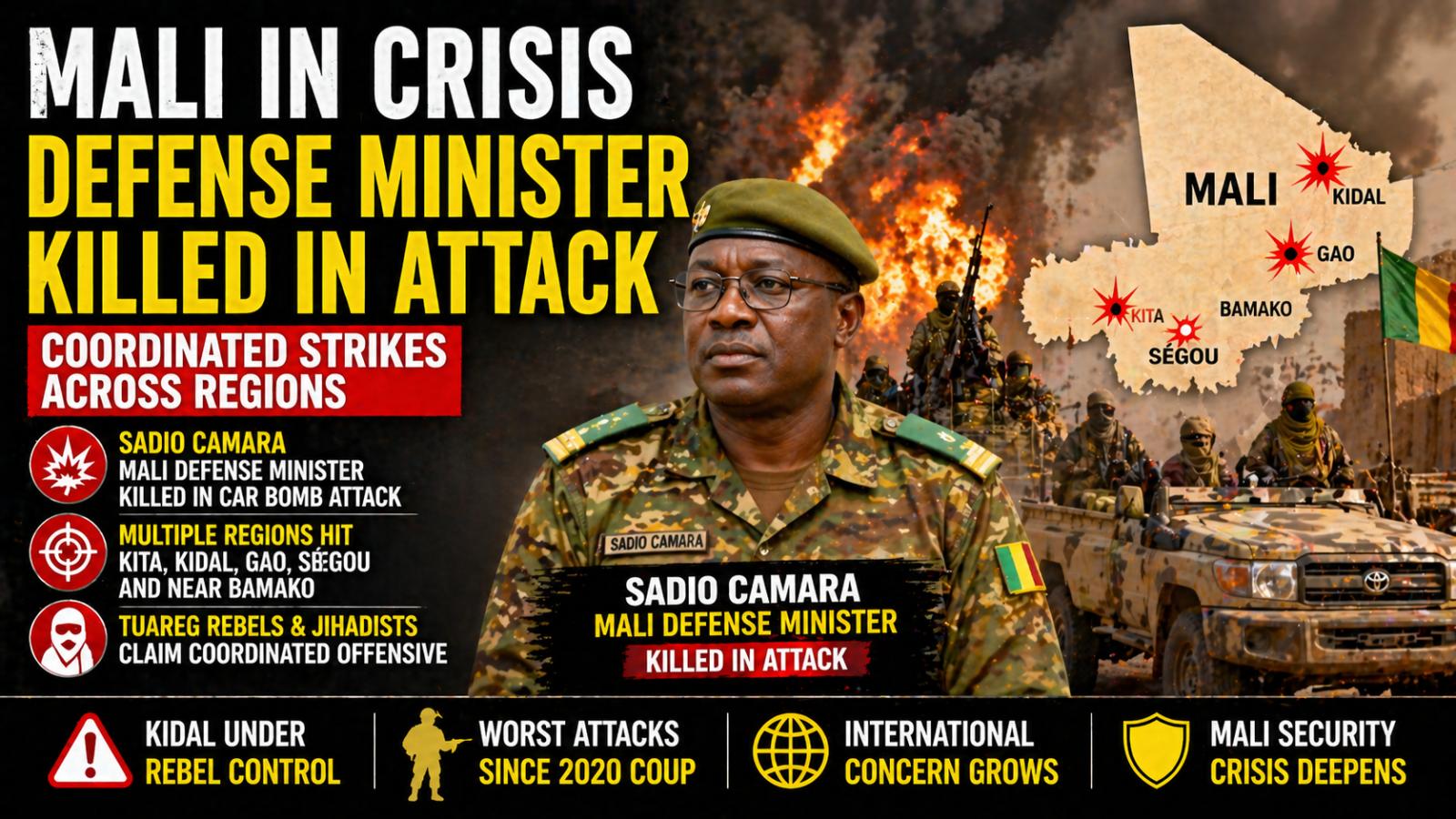
Mali’s defense minister Sadio Camara was killed in a coordinated attack as insurgent violence escalates across the country. Camara died alongside family members after a car bomb struck his residence in Kita, a key stronghold of the ruling military junta, according to family sources and officials cited by AFP.
The attack formed part of a broader wave of coordinated assaults that targeted multiple regions across Mali, including Kita, Kidal, Gao, and Ségou. Fighting continued into
Mali’s defense minister Sadio Camara was killed in a coordinated attack as insurgent violence escalates across the country. Camara died alongside family members after a car bomb struck his residence in Kita, a key stronghold of the ruling military junta, according to family sources and officials cited by AFP.
The attack formed part of a broader wave of coordinated assaults that targeted multiple regions across Mali, including Kita, Kidal, Gao, and Ségou. Fighting continued into
US deploys three aircraft carriers to the Middle East amid Iran tensions, expanding naval operations and reinforcing security in key maritime routes including the Strait of Hormuz.
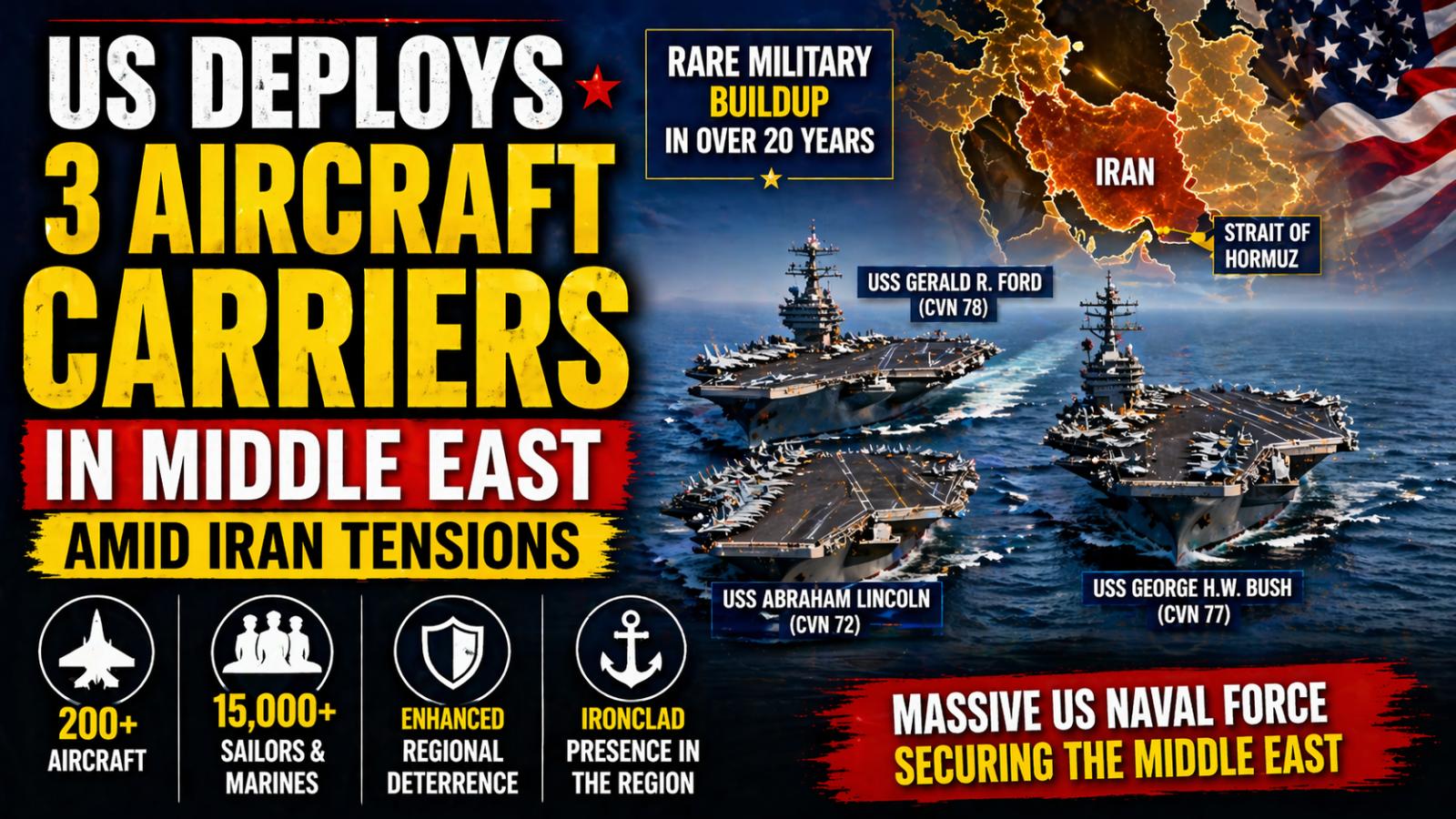
US deploys three aircraft carriers to Middle East amid Iran tensions as Washington significantly expands its military footprint across the region, marking one of the largest naval concentrations in more than two decades. Officials confirmed that three carrier strike groups—the USS Abraham Lincoln, USS Gerald R. Ford, and USS George H.W. Bush—are operating simultaneously, supported by more than 200 aircraft and approximately 15,000 sailors and Marines.
A statement from US Central Command on Thursday confirmed the rare deployment, describing it as a significant concentration of naval power aimed at maintaining operational readiness amid rising tensions involving Iran. The carrier groups and their air wings are conducting coordinated missions, underscoring the strategic importance of key maritime routes in the Middle East and reinforcing a broader posture of deterrence.
The announcement coincided with remarks from Donald Trump on Thursday, who declined to provide a timeline for a potential resolution to the Iran conflict. He indicated that any agreement would depend on conditions favorable to US interests, highlighting ongoing uncertainty surrounding diplomatic efforts. The absence of a clear timeline has aligned with increased military activity and messaging focused on regional stability.
Defense officials stated on Friday that the US blockade of Iranian vessels in the Strait of Hormuz remains “ironclad,” with additional naval assets expected to join the operation in the coming days. The expanding mission signals a broader enforcement effort in one of the world’s most critical shipping corridors. The USS George H.W. Bush, commissioned in 2009, is among the newest Nimitz-class carriers involved, measuring nearly 1,000 feet in length and powered by two nuclear reactors, with the capacity to carry more than 80 aircraft and support a crew exceeding 5,500 personnel.
US deploys three aircraft carriers to the Middle East amid Iran tensions, expanding naval operations and reinforcing security in key maritime routes including the Strait of Hormuz.
US deploys three aircraft carriers to Middle East amid Iran tensions as Washington significantly expands its military footprint across the region, marking one of the largest naval concentrations in more than two decades. Officials confirmed that three carrier strike groups—the USS Abraham Lincoln, USS Gerald R. Ford, and USS George H.W. Bush—are operating simultaneously, supported by more than 200 aircraft and approximately 15,000 sailors and Marines.
A statement from US Central Command on Thursday confirmed the rare deployment, describing it as a significant concentration of naval power aimed at maintaining operational readiness amid rising tensions involving Iran. The carrier groups and their air wings are conducting coordinated missions, underscoring the strategic importance of key maritime routes in the Middle East and reinforcing a broader posture of deterrence.
The announcement coincided with remarks from Donald Trump on Thursday, who declined to provide a timeline for a potential resolution to the Iran conflict. He indicated that any agreement would depend on conditions favorable to US interests, highlighting ongoing uncertainty surrounding diplomatic efforts. The absence of a clear timeline has aligned with increased military activity and messaging focused on regional stability.
Defense officials stated on Friday that the US blockade of Iranian vessels in the Strait of Hormuz remains “ironclad,” with additional naval assets expected to join the operation in the coming days. The expanding mission signals a broader enforcement effort in one of the world’s most critical shipping corridors. The USS George H.W. Bush, commissioned in 2009, is among the newest Nimitz-class carriers involved, measuring nearly 1,000 feet in length and powered by two nuclear reactors, with the capacity to carry more than 80 aircraft and support a crew exceeding 5,500 personnel.
A United States Army soldier has been indicted on multiple federal charges after authorities alleged he used classified information tied to a covert military operation for personal financial gain. The case centers on claims that sensitive intelligence was exploited to place high-value prediction market bets before key developments became public.
According to federal prosecutors, the accused, identified as Gannon Ken Van Dyke, was stationed in North Carolina and had access to restric
A United States Army soldier has been indicted on multiple federal charges after authorities alleged he used classified information tied to a covert military operation for personal financial gain. The case centers on claims that sensitive intelligence was exploited to place high-value prediction market bets before key developments became public.
According to federal prosecutors, the accused, identified as Gannon Ken Van Dyke, was stationed in North Carolina and had access to restric
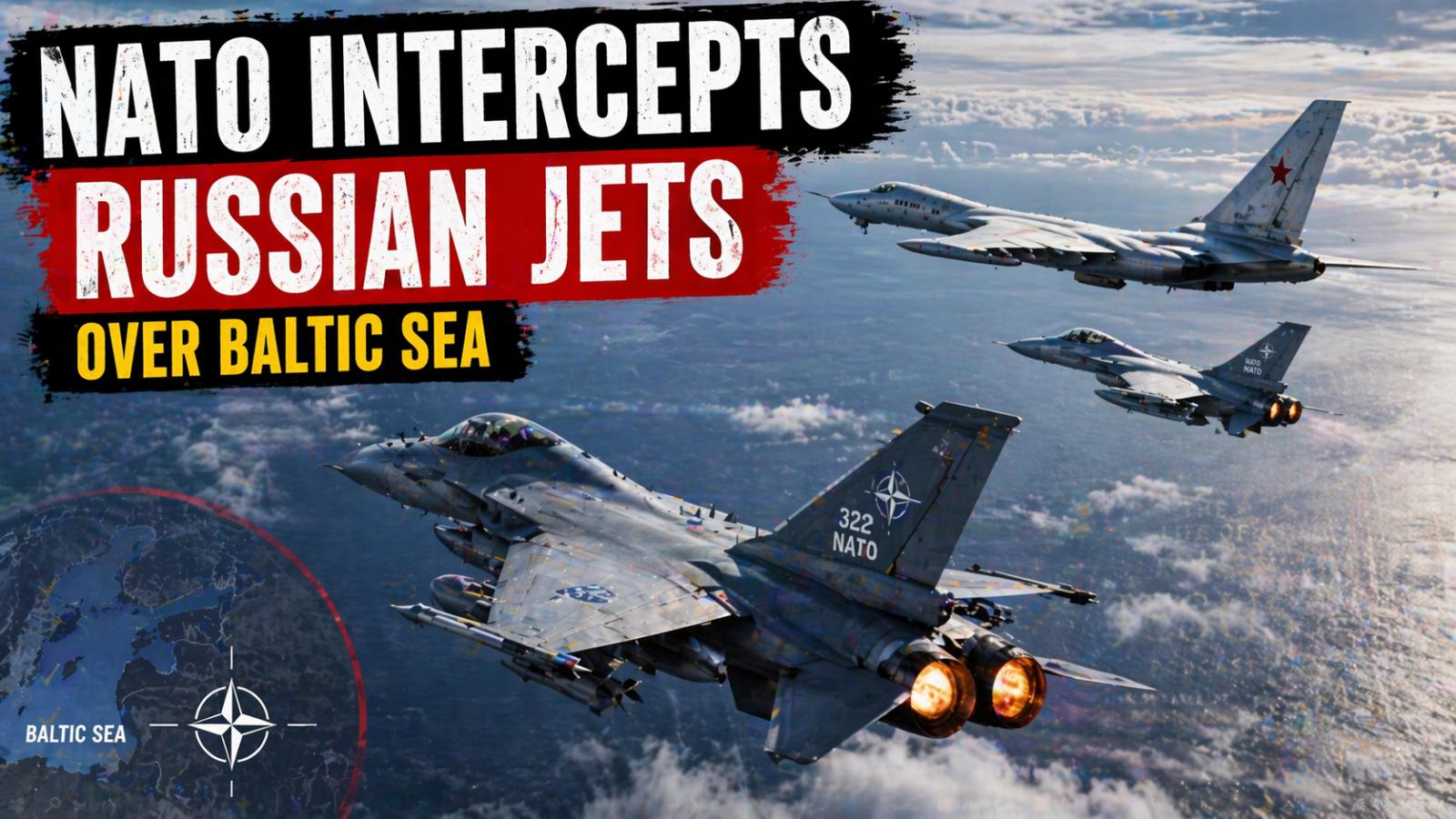
The NATO intercept Russian jets Baltic Sea incident has once again highlighted rising military tensions in Europe. Fighter jets from multiple NATO nations were scrambled to monitor Russian aircraft, signaling a strong show of force along the alliance’s eastern flank.
What happened and why it matters
On April 22, 2026, NATO forces launched a coordinated
The NATO intercept Russian jets Baltic Sea incident has once again highlighted rising military tensions in Europe. Fighter jets from multiple NATO nations were scrambled to monitor Russian aircraft, signaling a strong show of force along the alliance’s eastern flank.
What happened and why it matters
On April 22, 2026, NATO forces launched a coordinated