India Japan economic ties shift toward supply chain resilience
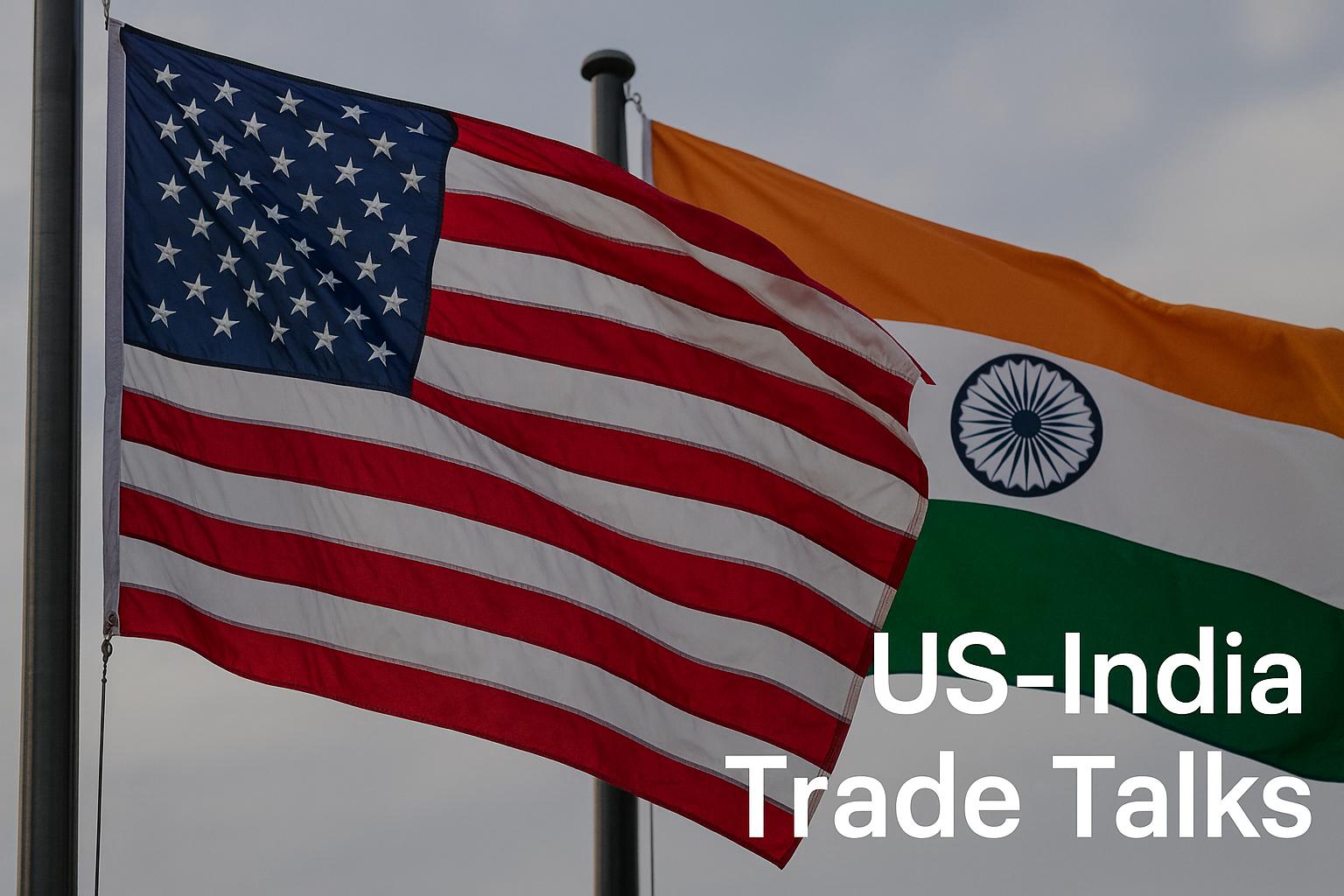
India and Japan are steadily moving their partnership beyond routine trade discussions into a broader realignment shaped by global risk and industrial restructuring. What looks like increased investment flows is actually part of a deeper repositioning of how both countries want to secure long-term economic stability in an uncertain global environment. Investment growth driven by risk recalibration Japanese companies are expanding their footprint in India not only for growth but also to reduce exposure to concentrated supply networks in East Asia. Rising geopolitical friction and periodic trade restrictions have forced firms to reconsider how dependent they are on single-country manufacturing systems. India is increasingly viewed as a viable diversification hub due to its scale, labor availability, and expanding industrial base. Supply chain restructuring becomes the core driver The most significant shift is happening in supply chains rather than headline investment figures. Japanese manufacturers are gradually redesigning sourcing and production models to reduce vulnerabilities in electronics, automotive components, and precision engineering. India fits into this transition as an alternative production and assembly base, especially for sectors where demand is growing but diversification is still limited. Technology and industrial cooperation deepen Cooperation is also expanding into advanced sectors such as semiconductors, digital systems, and artificial intelligence. These areas are no longer treated as purely commercial exchanges but as strategic capabilities. Both countries are aligning on technology resilience, where production continuity and security of supply matter as much as cost efficiency. Rare earths and critical materials gain importance Another emerging focus is critical minerals and rare earth supply chains. These materials are essential for electronics, renewable energy systems, and defence manufacturing. Dependence on concentrated suppliers has pushed both India and Japan to explore alternative sourcing strategies and joint development frameworks to reduce long-term risk. Financial flows signal long-term positioning Japanese capital inflows into Indian financial institutions and industrial projects suggest more than short-term investment interest. Financial participation typically indicates long-term confidence in policy stability and market expansion. However, the real test will be whether this capital flow expands into deeper manufacturing integration rather than remaining portfolio-based exposure. Economic security becomes the defining theme At the core of this evolving relationship is economic security. Trade decisions are increasingly shaped by geopolitical uncertainty rather than pure cost advantage. This marks a shift from efficiency-driven globalization to resilience-driven partnerships, where countries prioritize stability over optimization. A cautious but strategic realignment The India–Japan partnership is gradually becoming a case study in how middle and advanced economies adjust to global fragmentation. While the direction is clear—greater cooperation in technology, investment, and supply chains—the pace will depend on regulatory alignment, infrastructure readiness, and how effectively both sides manage external geopolitical pressures.
India Japan economic ties shift toward supply chain resilience
India and Japan are steadily moving their partnership beyond routine trade discussions into a broader realignment shaped by global risk and industrial restructuring. What looks like increased investment flows is actually part of a deeper repositioning of how both countries want to secure long-term economic stability in an uncertain global environment. Investment growth driven by risk recalibration Japanese companies are expanding their footprint in India not only for growth but also to reduce exposure to concentrated supply networks in East Asia. Rising geopolitical friction and periodic trade restrictions have forced firms to reconsider how dependent they are on single-country manufacturing systems. India is increasingly viewed as a viable diversification hub due to its scale, labor availability, and expanding industrial base. Supply chain restructuring becomes the core driver The most significant shift is happening in supply chains rather than headline investment figures. Japanese manufacturers are gradually redesigning sourcing and production models to reduce vulnerabilities in electronics, automotive components, and precision engineering. India fits into this transition as an alternative production and assembly base, especially for sectors where demand is growing but diversification is still limited. Technology and industrial cooperation deepen Cooperation is also expanding into advanced sectors such as semiconductors, digital systems, and artificial intelligence. These areas are no longer treated as purely commercial exchanges but as strategic capabilities. Both countries are aligning on technology resilience, where production continuity and security of supply matter as much as cost efficiency. Rare earths and critical materials gain importance Another emerging focus is critical minerals and rare earth supply chains. These materials are essential for electronics, renewable energy systems, and defence manufacturing. Dependence on concentrated suppliers has pushed both India and Japan to explore alternative sourcing strategies and joint development frameworks to reduce long-term risk. Financial flows signal long-term positioning Japanese capital inflows into Indian financial institutions and industrial projects suggest more than short-term investment interest. Financial participation typically indicates long-term confidence in policy stability and market expansion. However, the real test will be whether this capital flow expands into deeper manufacturing integration rather than remaining portfolio-based exposure. Economic security becomes the defining theme At the core of this evolving relationship is economic security. Trade decisions are increasingly shaped by geopolitical uncertainty rather than pure cost advantage. This marks a shift from efficiency-driven globalization to resilience-driven partnerships, where countries prioritize stability over optimization. A cautious but strategic realignment The India–Japan partnership is gradually becoming a case study in how middle and advanced economies adjust to global fragmentation. While the direction is clear—greater cooperation in technology, investment, and supply chains—the pace will depend on regulatory alignment, infrastructure readiness, and how effectively both sides manage external geopolitical pressures.
India Japan summit to review 10-year joint vision roadmap cooperation
India-Japan Summit to Review Long-Term Strategic Roadmap India is set to host Japanese Prime Minister Sanae Takaichi from July 1 to 3 for the 16th India-Japan Annual Summit, where both sides are expected to review progress under the Japan-India Joint Vision for the Next Decade. The framework, signed in Tokyo in August 2025, outlines a long-term roadmap aimed at streng
India Japan summit to review 10-year joint vision roadmap cooperation
India-Japan Summit to Review Long-Term Strategic Roadmap India is set to host Japanese Prime Minister Sanae Takaichi from July 1 to 3 for the 16th India-Japan Annual Summit, where both sides are expected to review progress under the Japan-India Joint Vision for the Next Decade. The framework, signed in Tokyo in August 2025, outlines a long-term roadmap aimed at streng
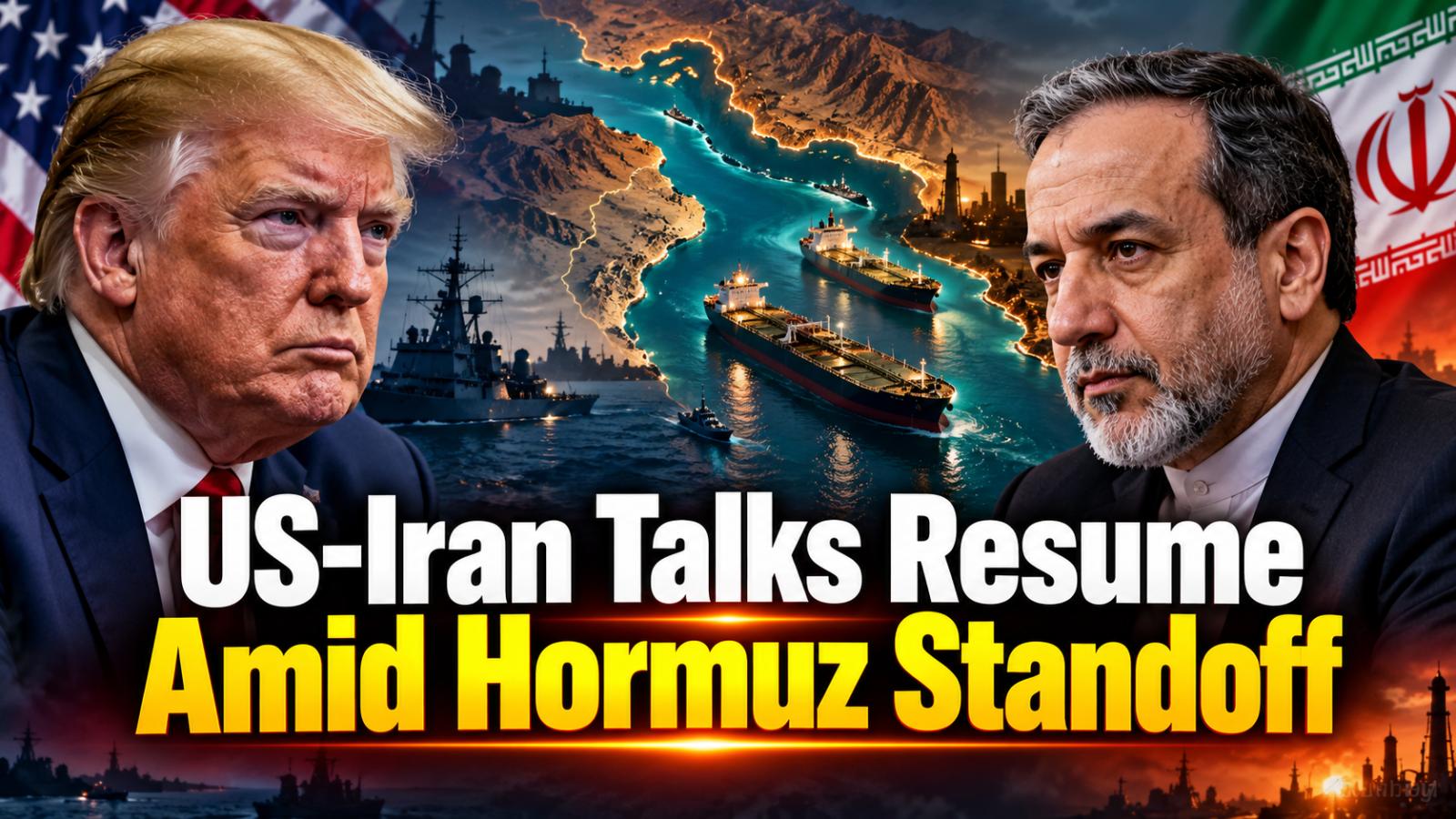
Tehran warns of response if ceasefire violations continue in Gulf
Iran Sets Conditions for Further US Negotiations Iran has stated that it is not yet prepared to move forward with a final agreement with the United States, emphasizing that key provisions of a recently signed 14-point Memorandum of Understanding must first be implemented. Senior Iranian officials indicated that only after these steps are fulfilled would comprehensive n
Tehran warns of response if ceasefire violations continue in Gulf
Iran Sets Conditions for Further US Negotiations Iran has stated that it is not yet prepared to move forward with a final agreement with the United States, emphasizing that key provisions of a recently signed 14-point Memorandum of Understanding must first be implemented. Senior Iranian officials indicated that only after these steps are fulfilled would comprehensive n
JD Vance says Iran-US relations at critical turning point
Washington Signals Uncertain Phase in Iran Relations US Vice President JD Vance has suggested that the coming weeks could play a decisive role in shaping future relations between Washington and Tehran, while emphasizing that outcomes remain highly uncertain. Speaking on a media program, he described the current situation as a potentially significant turning point in l
JD Vance says Iran-US relations at critical turning point
Washington Signals Uncertain Phase in Iran Relations US Vice President JD Vance has suggested that the coming weeks could play a decisive role in shaping future relations between Washington and Tehran, while emphasizing that outcomes remain highly uncertain. Speaking on a media program, he described the current situation as a potentially significant turning point in l
India-US defence ties remain stable amid Indo-Pacific changes
India and the United States continue to maintain stable defence cooperation despite recent adjustments in how Washington refers to its Indo-Pacific military structure. US Ambassador Sergio Gor reiterated that operational collaboration between the two countries is unaffected by the change in terminology, stressing continuity over symbolism. Military engagement remains active According to Gor, defence interaction between both nations is not only ongoing but expanding. Joint exercises, training programs, and coordinated operational planning continue across multiple domains. He noted that India remains one of the most frequently engaged partners in US military exercises globally, reflecting long-term strategic alignment rather than short-term political messaging. Indo-Pacific command terminology shift The discussion gained attention after the US reverted from the “Indo-Pacific Command” branding to its earlier designation. While the naming change sparked speculation about shifting priorities, officials clarified that command responsibilities and regional engagement remain unchanged. The operational scope still spans a vast area covering key maritime and security corridors in Asia-Pacific. Interpretation and political reactions The naming adjustment has been interpreted in different ways across policy circles, with some viewing it as symbolic recalibration. However, US officials have consistently pushed back on that narrative, arguing that defence cooperation with India is driven by shared strategic interests rather than administrative labels. Leadership relations and diplomatic tone Gor also highlighted the working relationship between former US President Donald Trump and Indian Prime Minister Narendra Modi, describing it as direct and pragmatic. He pointed to informal diplomatic interactions as evidence of sustained trust and coordination between leadership levels, which continues to influence broader strategic engagement. Long-term partnership outlook Despite periodic debates over terminology and diplomatic optics, both nations continue to prioritize defence, technology collaboration, and regional security coordination. The emphasis remains on sustained engagement in the Indo-Pacific region, where shared concerns over maritime security and strategic balance continue to drive cooperation rather than divergence.
India-US defence ties remain stable amid Indo-Pacific changes
India and the United States continue to maintain stable defence cooperation despite recent adjustments in how Washington refers to its Indo-Pacific military structure. US Ambassador Sergio Gor reiterated that operational collaboration between the two countries is unaffected by the change in terminology, stressing continuity over symbolism. Military engagement remains active According to Gor, defence interaction between both nations is not only ongoing but expanding. Joint exercises, training programs, and coordinated operational planning continue across multiple domains. He noted that India remains one of the most frequently engaged partners in US military exercises globally, reflecting long-term strategic alignment rather than short-term political messaging. Indo-Pacific command terminology shift The discussion gained attention after the US reverted from the “Indo-Pacific Command” branding to its earlier designation. While the naming change sparked speculation about shifting priorities, officials clarified that command responsibilities and regional engagement remain unchanged. The operational scope still spans a vast area covering key maritime and security corridors in Asia-Pacific. Interpretation and political reactions The naming adjustment has been interpreted in different ways across policy circles, with some viewing it as symbolic recalibration. However, US officials have consistently pushed back on that narrative, arguing that defence cooperation with India is driven by shared strategic interests rather than administrative labels. Leadership relations and diplomatic tone Gor also highlighted the working relationship between former US President Donald Trump and Indian Prime Minister Narendra Modi, describing it as direct and pragmatic. He pointed to informal diplomatic interactions as evidence of sustained trust and coordination between leadership levels, which continues to influence broader strategic engagement. Long-term partnership outlook Despite periodic debates over terminology and diplomatic optics, both nations continue to prioritize defence, technology collaboration, and regional security coordination. The emphasis remains on sustained engagement in the Indo-Pacific region, where shared concerns over maritime security and strategic balance continue to drive cooperation rather than divergence.
Japan PM visit pushes India Japan tech and defence cooperation
India and Japan have taken another step toward strengthening their long-term strategic relationship as high-level discussions were held in New Delhi focused on expanding cooperation across trade, defence, technology, and infrastructure. The engagement reflects a broader effort by both nations to build resilience in supply chains and increase coordination in the Indo-Pacific region amid shifting global economic and security dynamics. Rather than treating the relationship as routine diplomacy, both sides are increasingly positioning it as a structured partnership tied to economic security, innovation, and regional stability. Trade and investment becoming the core growth driver Economic cooperation continues to act as the backbone of the relationship. Japan remains one of India’s key foreign investors, with long-term commitments spread across manufacturing, transport, and urban development sectors. Japanese companies continue to expand their presence in India, particularly in automotive, electronics, and industrial technology. Infrastructure development remains a central pillar, with ongoing support for metro systems, freight corridors, and high-speed rail projects. Financial and institutional backing through Japanese development agencies has played a major role in shaping large-scale connectivity projects across Indian cities. However, both sides still face structural challenges such as slow project execution timelines and regulatory bottlenecks, which limit the speed of capital deployment despite strong political alignment. Defence cooperation expands beyond symbolic engagement Security collaboration between India and Japan has gradually shifted from occasional exercises to more consistent operational coordination. Joint drills such as maritime exercises and regional security training programs have strengthened interoperability between the two defence forces. The focus is increasingly on maritime domain awareness, especially in the Indo-Pacific region where strategic sea lanes remain critical for global trade. Both countries are also exploring ways to improve defence technology exchange, although this area remains sensitive due to regulatory and strategic constraints. Despite progress, defence cooperation is still relatively cautious compared to economic engagement, reflecting differing strategic thresholds and domestic policy considerations. Northeast India emerges as a strategic connectivity zone One of the most notable areas of cooperation is India’s northeastern region, which has gained attention as a key connectivity and development corridor. Japanese-supported infrastructure projects have contributed to road development, bridge construction, and logistics improvement in the region. Beyond physical infrastructure, skill development initiatives are also being introduced to improve employment readiness and cross-border workforce mobility. The region is increasingly being viewed as a bridge between South Asia and Southeast Asia, aligning with broader Indo-Pacific connectivity goals. Still, the region continues to face challenges including terrain constraints, limited industrial base, and slower private sector participation. Technology, AI and future-oriented collaboration Both countries are expanding cooperation in advanced technologies including artificial intelligence, clean energy systems, and digital infrastructure. Joint initiatives are being explored in areas such as smart manufacturing, automation, and next-generation communication systems. There is also growing interest in building more resilient supply chains for critical sectors like semiconductors and green energy technologies. This reflects a shared concern over global supply disruptions and overdependence on concentrated manufacturing hubs. While ambitions are high, actual implementation will depend on regulatory alignment and private sector participation, which remain uneven across sectors. Strategic outlook for the partnership The India–Japan relationship is increasingly being shaped by long-term geopolitical and economic considerations rather than short-term diplomatic exchanges. Both countries appear aligned on maintaining stability in the Indo-Pacific while expanding economic integration. However, the partnership is still evolving and remains uneven across sectors—strong in trade and infrastructure, moderate in defence, and still developing in advanced technology cooperation. The next phase will depend on execution efficiency and the ability to convert policy agreements into large-scale operational outcomes.

Japan PM visit pushes India Japan tech and defence cooperation
India and Japan have taken another step toward strengthening their long-term strategic relationship as high-level discussions were held in New Delhi focused on expanding cooperation across trade, defence, technology, and infrastructure. The engagement reflects a broader effort by both nations to build resilience in supply chains and increase coordination in the Indo-Pacific region amid shifting global economic and security dynamics. Rather than treating the relationship as routine diplomacy, both sides are increasingly positioning it as a structured partnership tied to economic security, innovation, and regional stability. Trade and investment becoming the core growth driver Economic cooperation continues to act as the backbone of the relationship. Japan remains one of India’s key foreign investors, with long-term commitments spread across manufacturing, transport, and urban development sectors. Japanese companies continue to expand their presence in India, particularly in automotive, electronics, and industrial technology. Infrastructure development remains a central pillar, with ongoing support for metro systems, freight corridors, and high-speed rail projects. Financial and institutional backing through Japanese development agencies has played a major role in shaping large-scale connectivity projects across Indian cities. However, both sides still face structural challenges such as slow project execution timelines and regulatory bottlenecks, which limit the speed of capital deployment despite strong political alignment. Defence cooperation expands beyond symbolic engagement Security collaboration between India and Japan has gradually shifted from occasional exercises to more consistent operational coordination. Joint drills such as maritime exercises and regional security training programs have strengthened interoperability between the two defence forces. The focus is increasingly on maritime domain awareness, especially in the Indo-Pacific region where strategic sea lanes remain critical for global trade. Both countries are also exploring ways to improve defence technology exchange, although this area remains sensitive due to regulatory and strategic constraints. Despite progress, defence cooperation is still relatively cautious compared to economic engagement, reflecting differing strategic thresholds and domestic policy considerations. Northeast India emerges as a strategic connectivity zone One of the most notable areas of cooperation is India’s northeastern region, which has gained attention as a key connectivity and development corridor. Japanese-supported infrastructure projects have contributed to road development, bridge construction, and logistics improvement in the region. Beyond physical infrastructure, skill development initiatives are also being introduced to improve employment readiness and cross-border workforce mobility. The region is increasingly being viewed as a bridge between South Asia and Southeast Asia, aligning with broader Indo-Pacific connectivity goals. Still, the region continues to face challenges including terrain constraints, limited industrial base, and slower private sector participation. Technology, AI and future-oriented collaboration Both countries are expanding cooperation in advanced technologies including artificial intelligence, clean energy systems, and digital infrastructure. Joint initiatives are being explored in areas such as smart manufacturing, automation, and next-generation communication systems. There is also growing interest in building more resilient supply chains for critical sectors like semiconductors and green energy technologies. This reflects a shared concern over global supply disruptions and overdependence on concentrated manufacturing hubs. While ambitions are high, actual implementation will depend on regulatory alignment and private sector participation, which remain uneven across sectors. Strategic outlook for the partnership The India–Japan relationship is increasingly being shaped by long-term geopolitical and economic considerations rather than short-term diplomatic exchanges. Both countries appear aligned on maintaining stability in the Indo-Pacific while expanding economic integration. However, the partnership is still evolving and remains uneven across sectors—strong in trade and infrastructure, moderate in defence, and still developing in advanced technology cooperation. The next phase will depend on execution efficiency and the ability to convert policy agreements into large-scale operational outcomes.



EU India trade talks near final approval stage
The proposed free trade agreement between the European Union and India has moved into its last procedural stage after years of negotiation. Both sides have already agreed on the core framework, and the current focus is on legal refinement and institutional clearance before formal approval. Officials describe this phase as technical but decisive, as even small wording changes can affect implementation across sectors. The agreement is being revi
EU India trade talks near final approval stage
The proposed free trade agreement between the European Union and India has moved into its last procedural stage after years of negotiation. Both sides have already agreed on the core framework, and the current focus is on legal refinement and institutional clearance before formal approval. Officials describe this phase as technical but decisive, as even small wording changes can affect implementation across sectors. The agreement is being revi
Italy’s Meloni calls for unity with US after Trump dispute
Meloni pushes back amid US controversy Italian Prime Minister Giorgia Meloni has responded to recent tensions with US President Donald Trump, stating that she is not anti-American but also refuses to be “kneeling” in political relationships. Her remarks come amid an ongoing public exchange that has drawn attention to the state of Italy–US relations and broader Western unity. Meloni stressed that her posit
Italy’s Meloni calls for unity with US after Trump dispute
Meloni pushes back amid US controversy Italian Prime Minister Giorgia Meloni has responded to recent tensions with US President Donald Trump, stating that she is not anti-American but also refuses to be “kneeling” in political relationships. Her remarks come amid an ongoing public exchange that has drawn attention to the state of Italy–US relations and broader Western unity. Meloni stressed that her posit
Iran says expert delegation to visit Doha for MoU talks with US
Iran clarifies Doha engagement plan Iran has confirmed that an expert delegation will travel to Doha later this week to discuss the implementation of a memorandum of understanding signed earlier this month with the United States. However, Iranian officials firmly denied that any direct meeting with US representatives has been scheduled, stressing that the current phase remains limited to technical discussions on agreed clauses rather than pol
Iran says expert delegation to visit Doha for MoU talks with US
Iran clarifies Doha engagement plan Iran has confirmed that an expert delegation will travel to Doha later this week to discuss the implementation of a memorandum of understanding signed earlier this month with the United States. However, Iranian officials firmly denied that any direct meeting with US representatives has been scheduled, stressing that the current phase remains limited to technical discussions on agreed clauses rather than pol
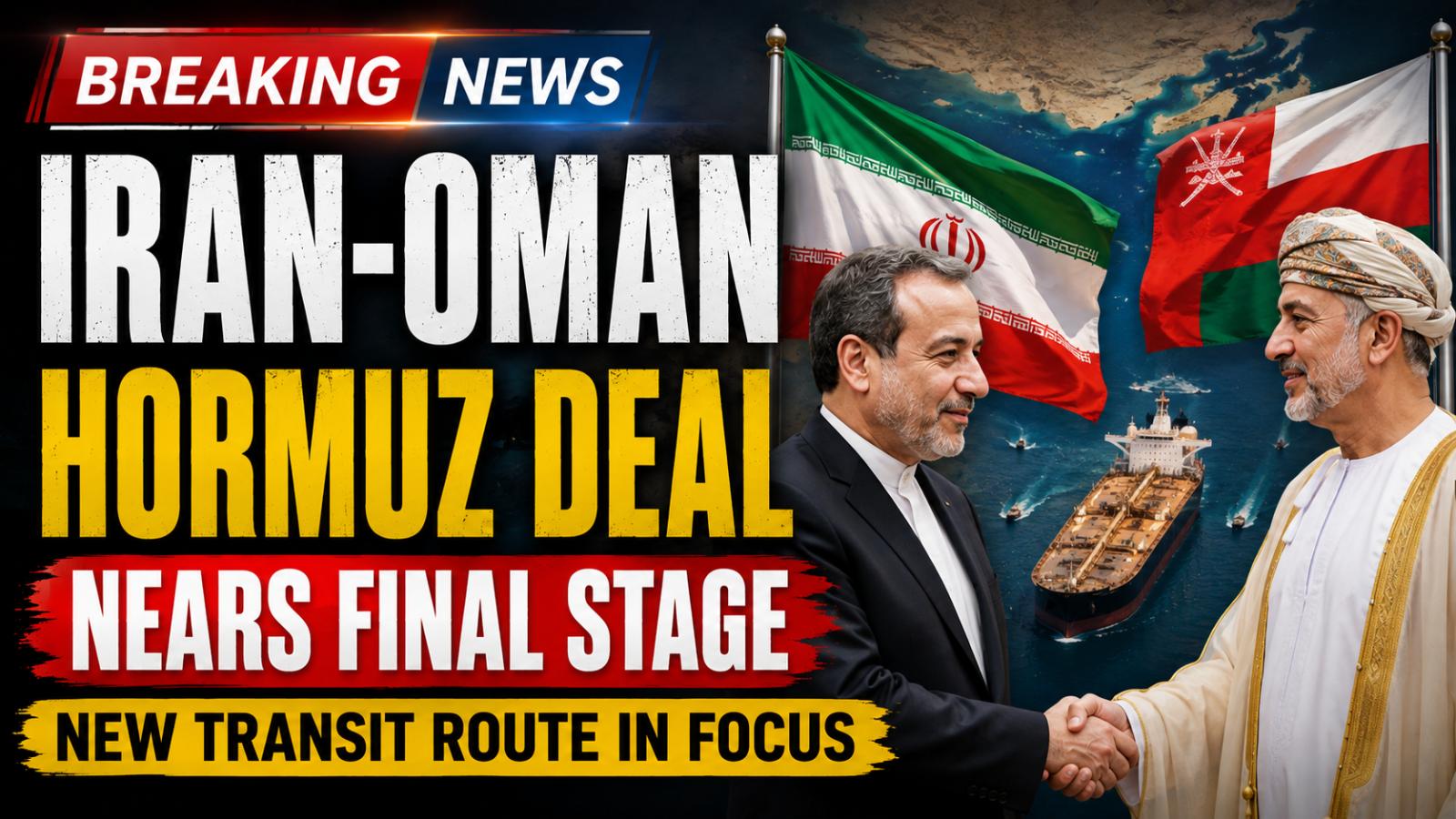
Iran and Oman open Hormuz talks in Muscat
Iran and Oman have opened fresh discussions in Muscat on the future management of the Strait of Hormuz, a key Gulf waterway that remains central to regional trade, energy movement and maritime security. The meeting marked the first formal session of a joint committee formed to discuss navigation, coastal rights and safe passage through one of the world’s most sensitive shipping lanes. The talks were held between senior officials from bot
Iran and Oman open Hormuz talks in Muscat
Iran and Oman have opened fresh discussions in Muscat on the future management of the Strait of Hormuz, a key Gulf waterway that remains central to regional trade, energy movement and maritime security. The meeting marked the first formal session of a joint committee formed to discuss navigation, coastal rights and safe passage through one of the world’s most sensitive shipping lanes. The talks were held between senior officials from bot
Iran emphasizes nuclear deterrence to counter U.S. and Israel
Iran Highlights Nuclear Deterrence as Strategic Priority A commentary published by Iran’s semi-official Fars news agency has presented a position suggesting the country may need to pursue nuclear deterrence to protect itself from potential military threats. The unsigned article asserts that nuclear capabilities would ensure Iran can negotiate from a position of strength, reducing the likelihood of armed conflict and increasing leverage in future disputes.
Iran emphasizes nuclear deterrence to counter U.S. and Israel
Iran Highlights Nuclear Deterrence as Strategic Priority A commentary published by Iran’s semi-official Fars news agency has presented a position suggesting the country may need to pursue nuclear deterrence to protect itself from potential military threats. The unsigned article asserts that nuclear capabilities would ensure Iran can negotiate from a position of strength, reducing the likelihood of armed conflict and increasing leverage in future disputes.
Gulf US talks focus Gaza rebuild, Iran risks and Hormuz security
A recent round of discussions between the United States and Gulf Cooperation Council members centered on the future of Gaza, with a strong emphasis on preventing forced displacement and prioritizing civilian safety. The participating sides underscored that any population movement must remain voluntary and reversible, rejecting any framework that would permanently alter the demographic structure of the territory. The talks also reflected growin
Gulf US talks focus Gaza rebuild, Iran risks and Hormuz security
A recent round of discussions between the United States and Gulf Cooperation Council members centered on the future of Gaza, with a strong emphasis on preventing forced displacement and prioritizing civilian safety. The participating sides underscored that any population movement must remain voluntary and reversible, rejecting any framework that would permanently alter the demographic structure of the territory. The talks also reflected growin
Trump criticizes Democrats amid Iran talks progress
US President Donald Trump intensified political debate around ongoing Iran negotiations while addressing broader security and trade concerns tied to global energy routes. Speaking alongside NATO Secretary General Mark Rutte, he presented the current stage of Iran discussions as advancing, while sharply criticizing domestic political opponents for their foreign policy stance. I
Trump criticizes Democrats amid Iran talks progress
US President Donald Trump intensified political debate around ongoing Iran negotiations while addressing broader security and trade concerns tied to global energy routes. Speaking alongside NATO Secretary General Mark Rutte, he presented the current stage of Iran discussions as advancing, while sharply criticizing domestic political opponents for their foreign policy stance. I
Trump signals softer tone on Zelensky amid Ukraine war shift
US President Donald Trump has recently shown a more measured tone when speaking about Ukrainian President Volodymyr Zelensky. During a public engagement alongside NATO leadership, Trump acknowledged Ukraine’s continued resistance in the war, describing its position as steady despite ongoing conflict. The comments mark a shift in tone compared to his earlier criticism and reflect a more cautious diplomatic posture from Washington. G7 coordination shapes US approach Recent discussions among G7 member nations have contributed to renewed alignment on Russia-related sanctions and energy strategy. Allied countries have been pushing for tighter coordination on restricting oil revenues linked to Moscow. This collective pressure has influenced US policy thinking, encouraging a more structured approach rather than isolated action. The focus remains on balancing economic pressure with long-term stability in global energy markets. Battlefield situation influences political messaging Developments on the ground in Ukraine continue to play a key role in shaping international responses. Reports of Ukraine expanding its operational reach and sustaining defensive positions have strengthened its bargaining position in diplomatic discussions. These battlefield realities are increasingly reflected in political messaging, as Western leaders reassess how the conflict may evolve over time. Energy markets and global risks remain central Global energy stability remains a key factor in foreign policy decisions. Earlier concerns linked to Middle East tensions and potential disruptions in key shipping routes had raised oil market uncertainty. As conditions show signs of stabilisation, policymakers are gaining more room to consider stricter measures on Russian energy exports without immediate economic disruption. Diplomatic outlook remains uncertain Despite continued international engagement, progress toward direct peace negotiations between Russia and Ukraine remains limited. Positions on territorial control and security guarantees continue to block meaningful breakthroughs. While diplomatic channels remain open, there is no clear indication of a near-term resolution. The current US approach reflects a balance between maintaining pressure and keeping space for future negotiations.
Trump signals softer tone on Zelensky amid Ukraine war shift
US President Donald Trump has recently shown a more measured tone when speaking about Ukrainian President Volodymyr Zelensky. During a public engagement alongside NATO leadership, Trump acknowledged Ukraine’s continued resistance in the war, describing its position as steady despite ongoing conflict. The comments mark a shift in tone compared to his earlier criticism and reflect a more cautious diplomatic posture from Washington. G7 coordination shapes US approach Recent discussions among G7 member nations have contributed to renewed alignment on Russia-related sanctions and energy strategy. Allied countries have been pushing for tighter coordination on restricting oil revenues linked to Moscow. This collective pressure has influenced US policy thinking, encouraging a more structured approach rather than isolated action. The focus remains on balancing economic pressure with long-term stability in global energy markets. Battlefield situation influences political messaging Developments on the ground in Ukraine continue to play a key role in shaping international responses. Reports of Ukraine expanding its operational reach and sustaining defensive positions have strengthened its bargaining position in diplomatic discussions. These battlefield realities are increasingly reflected in political messaging, as Western leaders reassess how the conflict may evolve over time. Energy markets and global risks remain central Global energy stability remains a key factor in foreign policy decisions. Earlier concerns linked to Middle East tensions and potential disruptions in key shipping routes had raised oil market uncertainty. As conditions show signs of stabilisation, policymakers are gaining more room to consider stricter measures on Russian energy exports without immediate economic disruption. Diplomatic outlook remains uncertain Despite continued international engagement, progress toward direct peace negotiations between Russia and Ukraine remains limited. Positions on territorial control and security guarantees continue to block meaningful breakthroughs. While diplomatic channels remain open, there is no clear indication of a near-term resolution. The current US approach reflects a balance between maintaining pressure and keeping space for future negotiations.
Iran Slams US Officials Over Contradictory Nuclear and Trade Claims
Iran Criticises Contradictory US Statements on MoU Iran’s Foreign Ministry has raised concerns over what it described as inconsistent statements from US officials regarding a memorandum of understanding aimed at ending recent conflict-related tensions. According to Foreign Ministry spokesperson Esmaeil Baghaei, the differing positions from Washington are reinforcing
Iran Slams US Officials Over Contradictory Nuclear and Trade Claims
Iran Criticises Contradictory US Statements on MoU Iran’s Foreign Ministry has raised concerns over what it described as inconsistent statements from US officials regarding a memorandum of understanding aimed at ending recent conflict-related tensions. According to Foreign Ministry spokesperson Esmaeil Baghaei, the differing positions from Washington are reinforcing
India weighs response to iran funeral invite for khamenei
Reports emerging from diplomatic channels suggest that Iran has extended formal communication to India regarding participation in upcoming state-level funeral and memorial ceremonies linked to its top leadership structure. While official confirmation from either government remains limited, the development is being viewed as part of ongoing West Asia diplomatic engagement. India reviews representation strategy
India weighs response to iran funeral invite for khamenei
Reports emerging from diplomatic channels suggest that Iran has extended formal communication to India regarding participation in upcoming state-level funeral and memorial ceremonies linked to its top leadership structure. While official confirmation from either government remains limited, the development is being viewed as part of ongoing West Asia diplomatic engagement. India reviews representation strategy
US Iran dispute deepens after Pakistan clarifies missile claims
Confusion over alleged discussions involving Iran’s missile capabilities in US–Iran diplomatic engagement was addressed by Pakistan after multiple conflicting interpretations surfaced from international officials. Prime Minister Shehbaz Sharif clarified that no such subject was included in any current structured understanding between Washington and Tehran, pushing back against circulating claims that had gained attention in diplomatic circles.
US Iran dispute deepens after Pakistan clarifies missile claims
Confusion over alleged discussions involving Iran’s missile capabilities in US–Iran diplomatic engagement was addressed by Pakistan after multiple conflicting interpretations surfaced from international officials. Prime Minister Shehbaz Sharif clarified that no such subject was included in any current structured understanding between Washington and Tehran, pushing back against circulating claims that had gained attention in diplomatic circles.
Trump–Meloni tensions ease as Italy–US diplomatic dispute cools down
Diplomatic tensions begin to cool between Italy and US Relations between Italy and the United States showed signs of stabilisation following several days of public disagreement between Italian Prime Minister Giorgia Meloni and US President Donald Trump. Speaking at a public event in Rome, Meloni indicated that she was not interested in extending the dispute and expressed a preference for moving forward, sign
Trump–Meloni tensions ease as Italy–US diplomatic dispute cools down
Diplomatic tensions begin to cool between Italy and US Relations between Italy and the United States showed signs of stabilisation following several days of public disagreement between Italian Prime Minister Giorgia Meloni and US President Donald Trump. Speaking at a public event in Rome, Meloni indicated that she was not interested in extending the dispute and expressed a preference for moving forward, sign
US–Iran tensions rise as Trump demands full IAEA inspection access
Trump signals pressure over nuclear inspections US President Donald Trump has stated that he is prepared to cancel ongoing technical discussions with Iran if Tehran refuses to allow full inspections by the International Atomic Energy Agency. He emphasized that Washington already believes an agreement on inspection access has been reached and dismissed concerns raised about Iran’s willingness to comply with
US–Iran tensions rise as Trump demands full IAEA inspection access
Trump signals pressure over nuclear inspections US President Donald Trump has stated that he is prepared to cancel ongoing technical discussions with Iran if Tehran refuses to allow full inspections by the International Atomic Energy Agency. He emphasized that Washington already believes an agreement on inspection access has been reached and dismissed concerns raised about Iran’s willingness to comply with
Strait of Hormuz crisis and Iran ceasefire spark global political debate
Ceasefire agreement raises human rights concerns The recent ceasefire understanding between the United States and Iran has triggered debate over its wider political and humanitarian implications. While the agreement aims to stabilize relations after months of conflict, critics argue that its language on non-interference could limit external pressure on Iran’s internal human rights situation. The inclusion of sovereignty clauses has been interpreted by analysts as a significant shift in diplomatic posture compared to earlier US positions. Debate over sovereignty and internal affairs The memorandum reportedly emphasizes mutual respect for sovereignty and non-interference in domestic matters. Observers note that this marks a departure from previous rhetoric that supported political change within Iran through public pressure and international condemnation. Human rights groups have expressed concern that such provisions may reduce accountability mechanisms at a time when reports of arrests, executions, and suppression of dissent continue to emerge. Humanitarian impact and ongoing instability Independent reports referenced in international discussions point to continued unrest and a heavy human cost during and after the conflict period. Allegations of mass detentions and restrictions on civil liberties have further intensified scrutiny of the ceasefire framework. Advocacy organizations warn that stabilizing military conditions without parallel human rights safeguards risks entrenching existing governance structures without addressing underlying grievances. Regional conflict and global economic disruption The broader conflict, including disruptions in the Strait of Hormuz, has had significant consequences for global energy flows and maritime trade. Temporary closure of key shipping routes led to economic pressure across multiple regions dependent on oil and liquefied natural gas supplies. While diplomatic mediation involving regional actors helped establish a pathway toward de-escalation, analysts caution that long-term stability will depend on sustained negotiations and enforcement clarity within the agreement framework.
Strait of Hormuz crisis and Iran ceasefire spark global political debate
Ceasefire agreement raises human rights concerns The recent ceasefire understanding between the United States and Iran has triggered debate over its wider political and humanitarian implications. While the agreement aims to stabilize relations after months of conflict, critics argue that its language on non-interference could limit external pressure on Iran’s internal human rights situation. The inclusion of sovereignty clauses has been interpreted by analysts as a significant shift in diplomatic posture compared to earlier US positions. Debate over sovereignty and internal affairs The memorandum reportedly emphasizes mutual respect for sovereignty and non-interference in domestic matters. Observers note that this marks a departure from previous rhetoric that supported political change within Iran through public pressure and international condemnation. Human rights groups have expressed concern that such provisions may reduce accountability mechanisms at a time when reports of arrests, executions, and suppression of dissent continue to emerge. Humanitarian impact and ongoing instability Independent reports referenced in international discussions point to continued unrest and a heavy human cost during and after the conflict period. Allegations of mass detentions and restrictions on civil liberties have further intensified scrutiny of the ceasefire framework. Advocacy organizations warn that stabilizing military conditions without parallel human rights safeguards risks entrenching existing governance structures without addressing underlying grievances. Regional conflict and global economic disruption The broader conflict, including disruptions in the Strait of Hormuz, has had significant consequences for global energy flows and maritime trade. Temporary closure of key shipping routes led to economic pressure across multiple regions dependent on oil and liquefied natural gas supplies. While diplomatic mediation involving regional actors helped establish a pathway toward de-escalation, analysts caution that long-term stability will depend on sustained negotiations and enforcement clarity within the agreement framework.