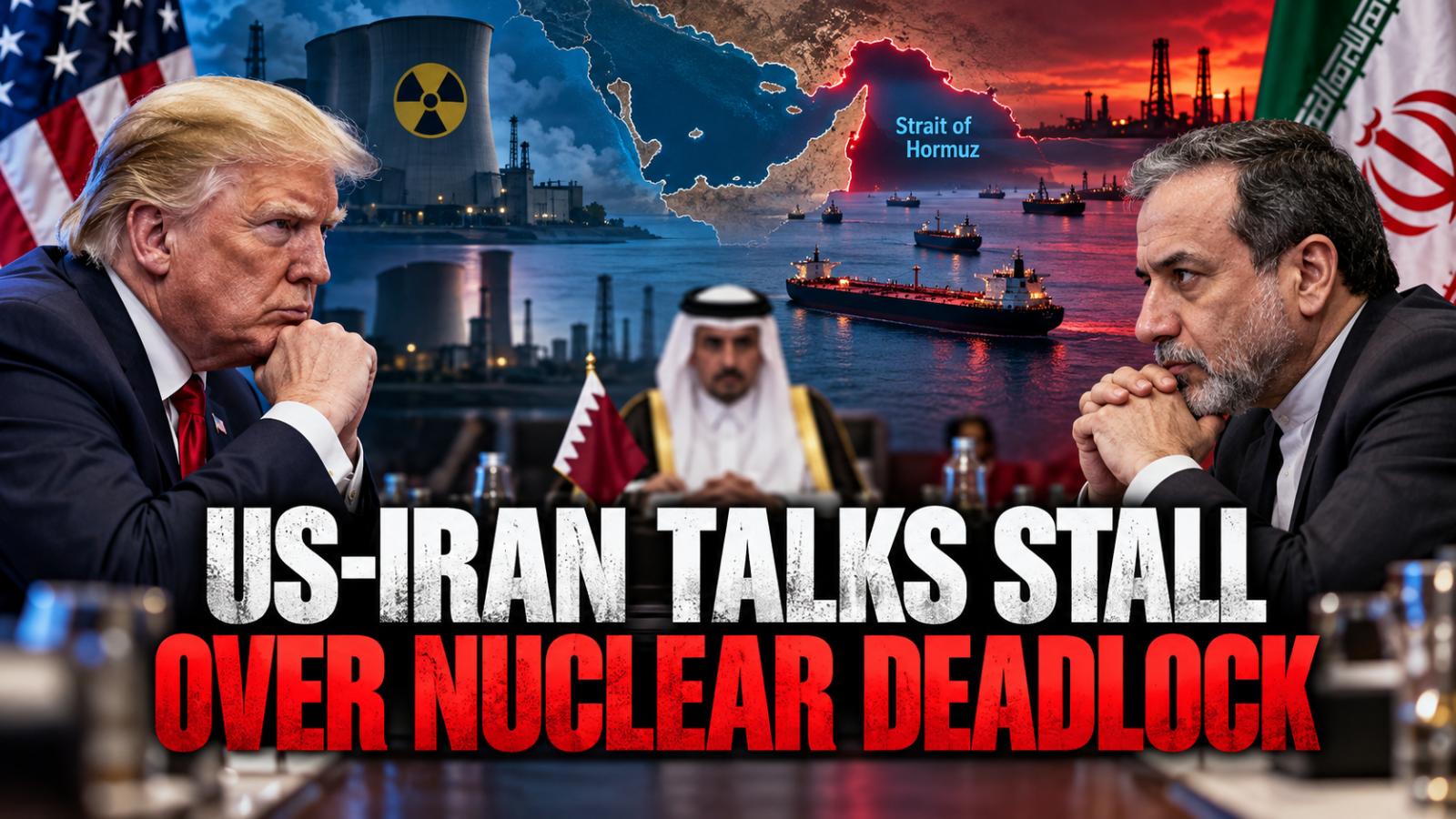
US-Iran peace talks have entered another critical phase as Qatari mediators shuttle messages between Washington and Tehran. Both governments say diplomacy remains possible, but deep disagreements over the Strait of Hormuz, sanctions and Iran’s nuclear programme continue to block a broader settlement.
Qatar mediation
Iranian Foreign Minister Abbas Araghchi has been engaging Qatari mediators while US officials hold separate discussions with the same intermediaries. The process remains indirect, with Qatar attempting to narrow the differences between the two governments rather than bringing them into formal face-to-face negotiations.
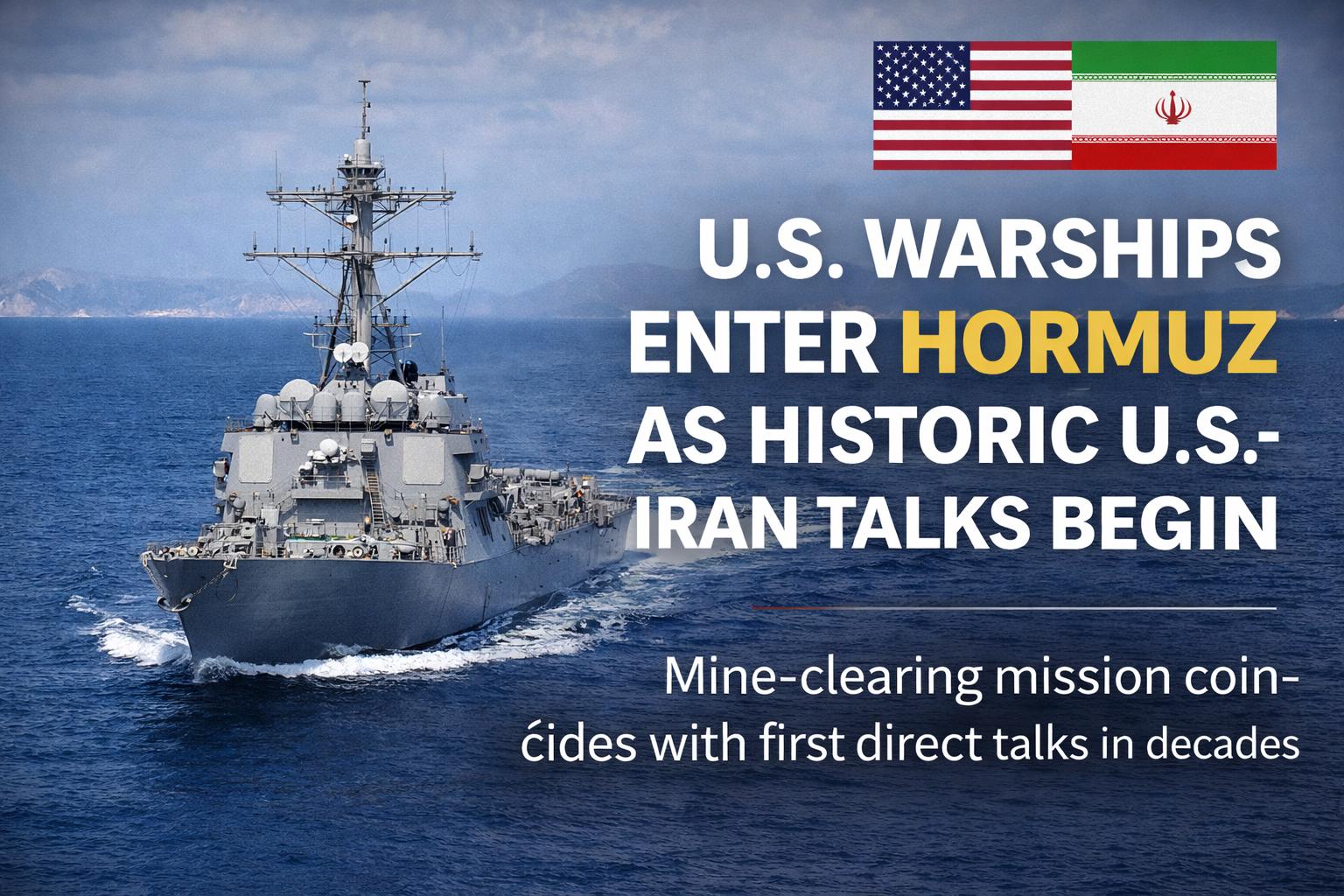
The immediate goal is to reduce fighting, restore safer commercial passage through Hormuz and create conditions for wider negotiations. Reuters reported that both sides remain in contact despite President Donald Trump’s rejection of Iran’s earlier proposal.
Hormuz plan
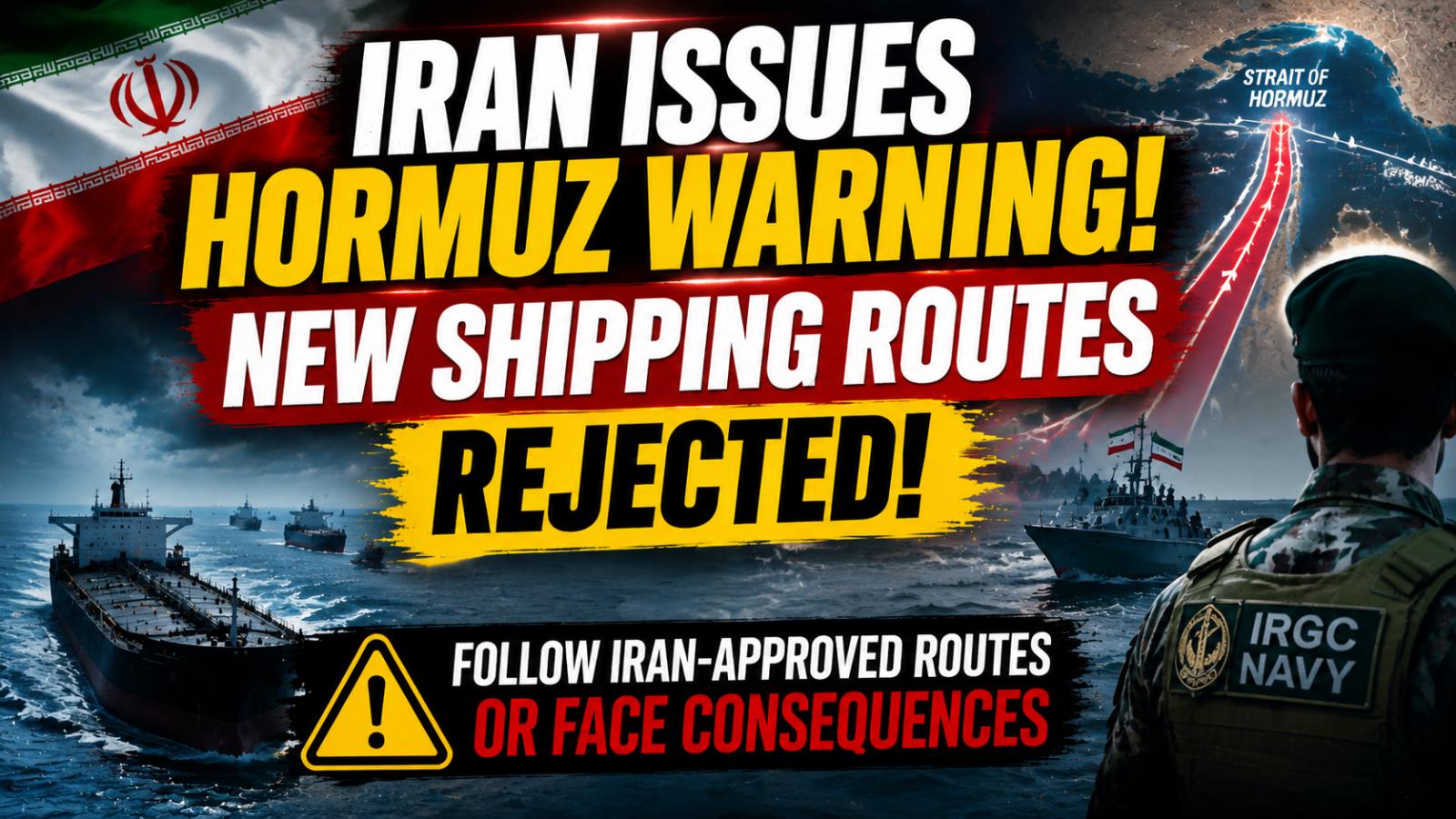
Iran presented a seven-day proposal that would lead toward reopening the Strait of Hormuz and restoring normal shipping. Tehran says the required US steps were already outlined in an earlier understanding and has placed responsibility on Washington to respond.
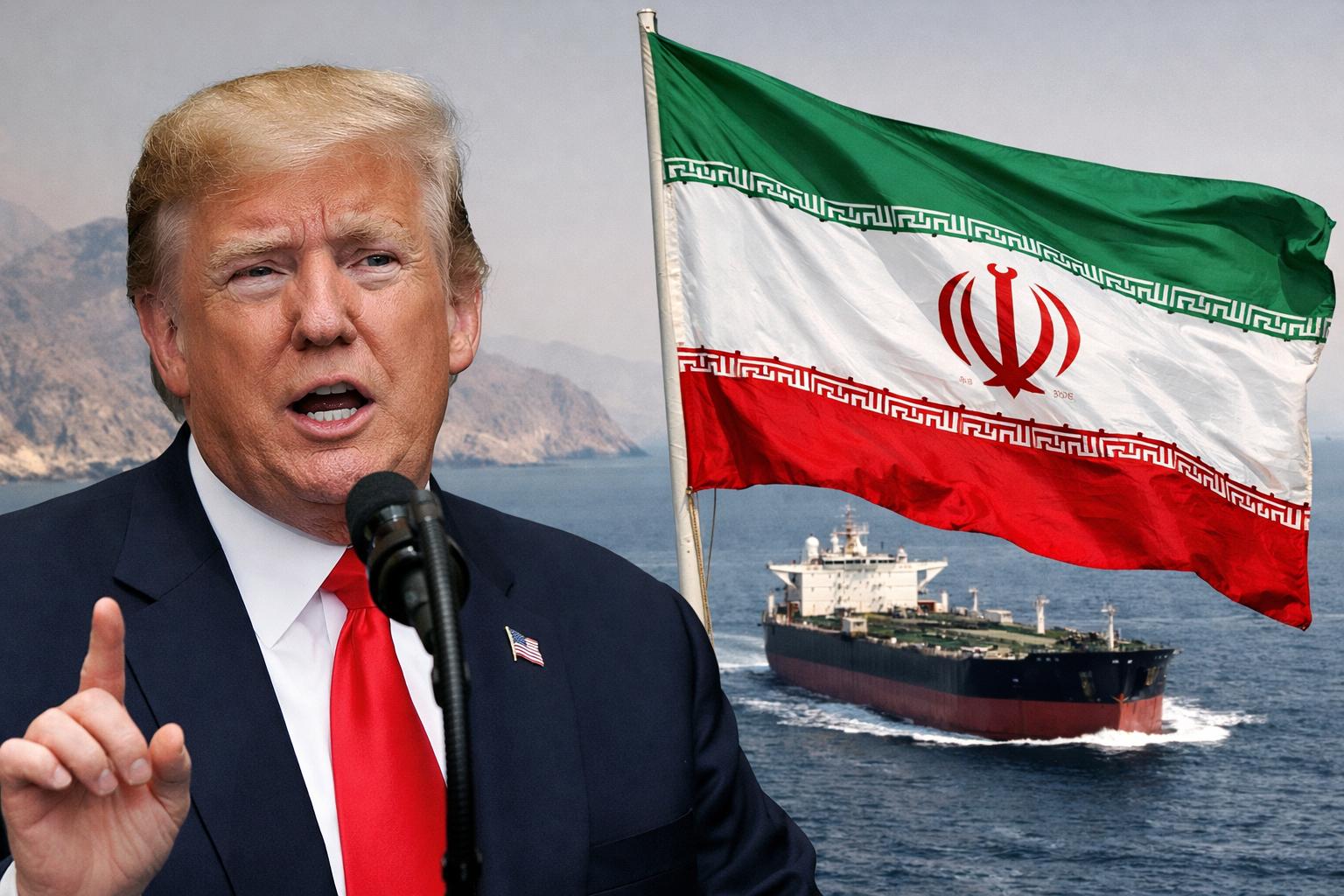
Trump publicly rejected the proposal, saying Iran should reopen Hormuz without the conditions Tehran had attached. Even so, subsequent mediator contacts have focused on whether an amended version of the plan could provide a basis for further talks.
The strait remains crucial because it normally carries a major share of global oil and gas exports. Continuing disruption has supported higher energy prices and added urgency to diplomatic efforts.
Nuclear talks
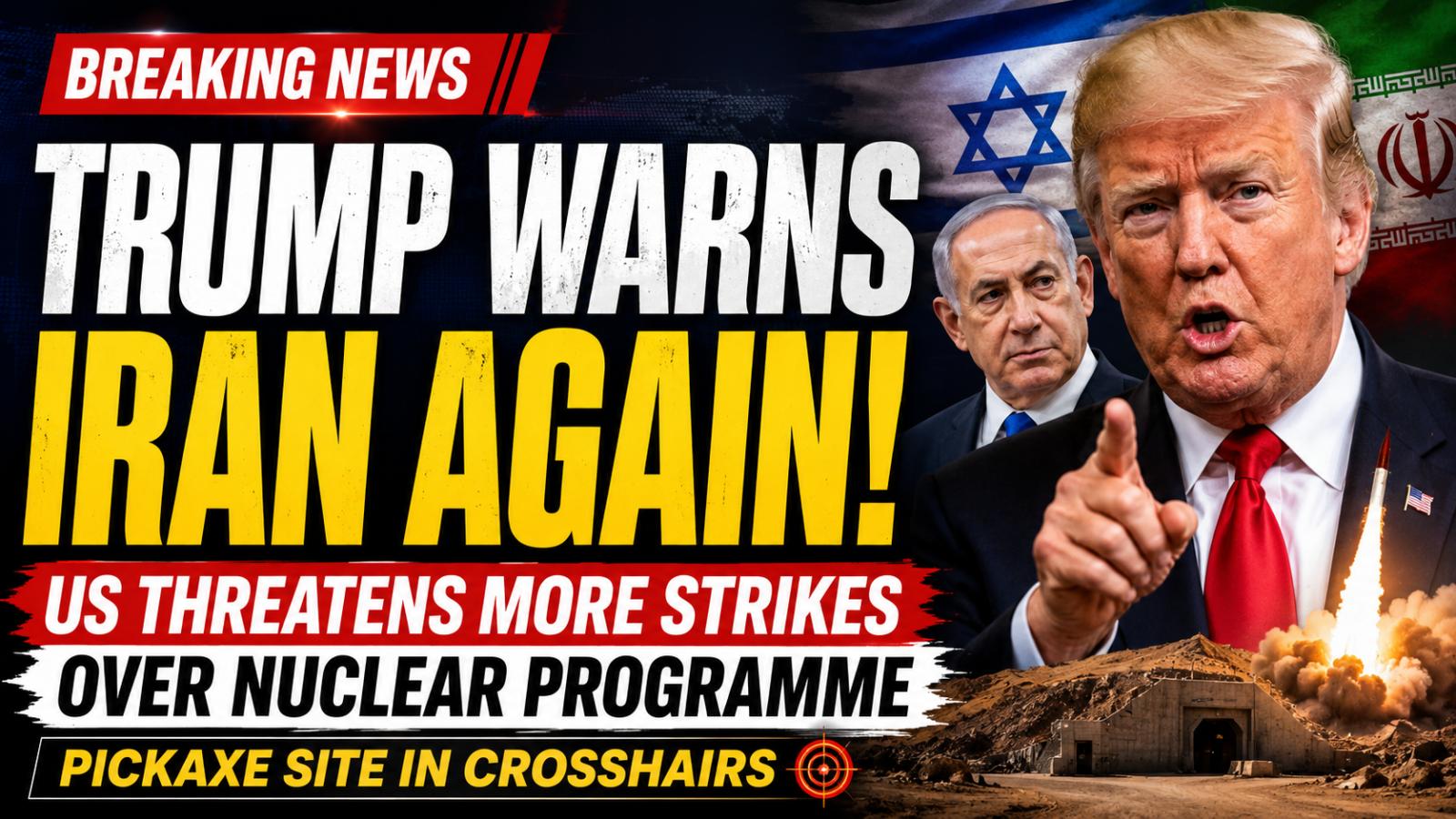
The central disagreement remains Iran’s nuclear programme. Washington wants concrete limits that would prevent Tehran from developing a nuclear weapon or rapidly rebuilding sensitive capabilities.
Iran says it does not seek nuclear weapons and insists that peaceful nuclear development remains a sovereign right. Iranian officials have said the country will not surrender that position simply to secure a ceasefire or reopen Hormuz.
That leaves the two sides negotiating from fundamentally different starting points: Washington wants nuclear restrictions embedded in any lasting settlement, while Tehran rejects what it considers coerced concessions.
Sanctions row
Another dispute concerns what economic incentives Washington might offer. Reports citing unnamed US officials suggested sanctions relief and access to frozen Iranian funds could be considered if Tehran made substantial nuclear concessions.
Trump rejected that account, saying he had offered Iran “nothing.” No formal US commitment to sanctions relief has therefore been publicly confirmed.
The conflicting accounts show how unsettled the negotiations remain. Economic relief could become part of a future package, but it should not yet be described as an agreed US offer.
Ceasefire outlook
For now, there is no permanent ceasefire and no final agreement. The negotiations are effectively dealing with three connected problems: ending military operations, restoring unrestricted shipping through Hormuz and defining limits around Iran’s nuclear programme.
Previous attempts to stop the fighting have failed, and officials on both sides continue to signal that military pressure remains an option. Reuters reported that Iran and the US were still substantially divided despite renewed shuttle diplomacy.
The next decisive step will be whether mediators can turn broad proposals into a sequence both governments accept: a halt in fighting, steps toward reopening Hormuz, economic arrangements and a framework for nuclear negotiations. Until that happens, the diplomatic activity represents an opening rather than a breakthrough.