#usirantalks
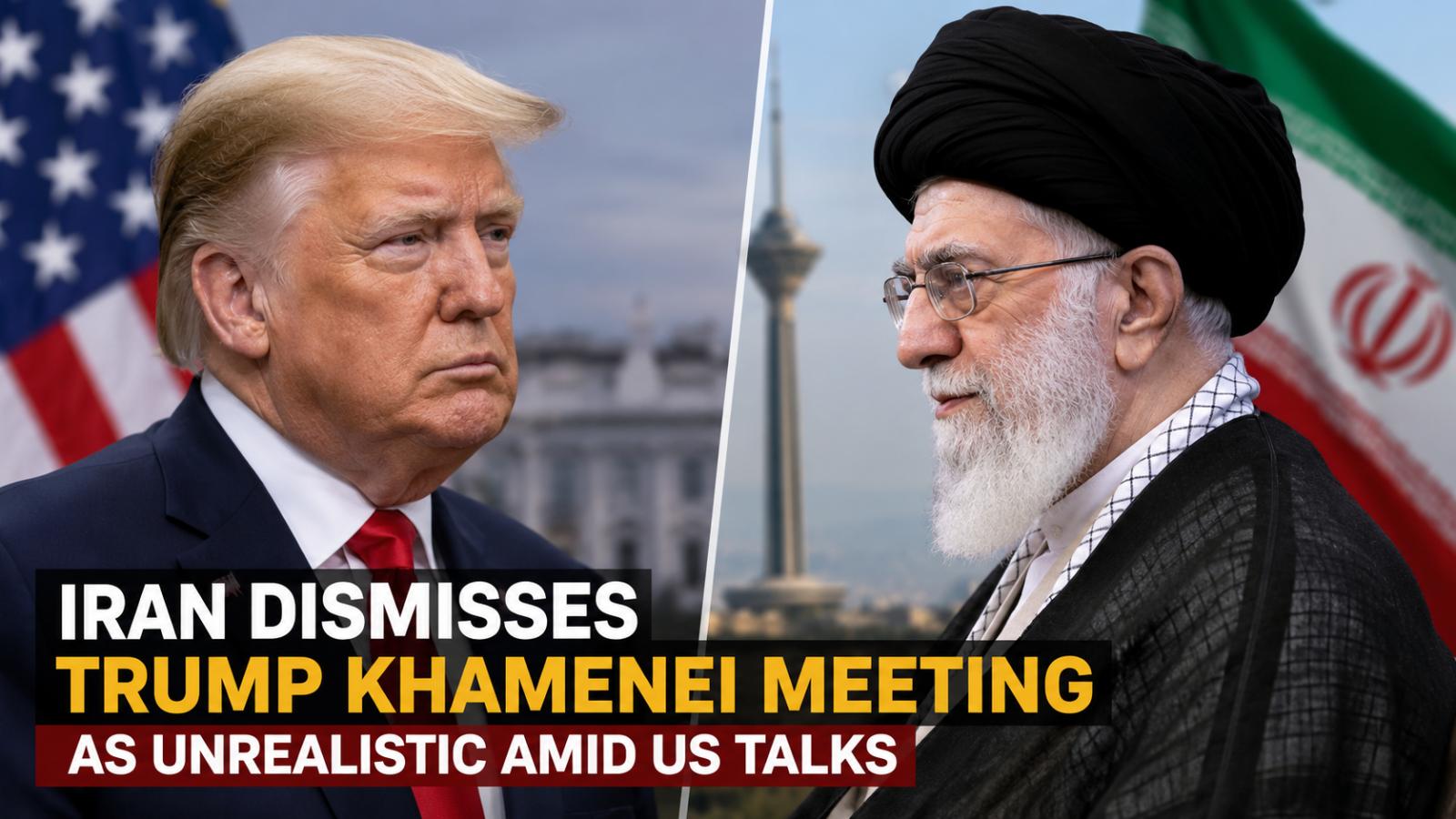
Iran Dismisses Trump Khamenei Meeting as Unrealistic Amid US Talks
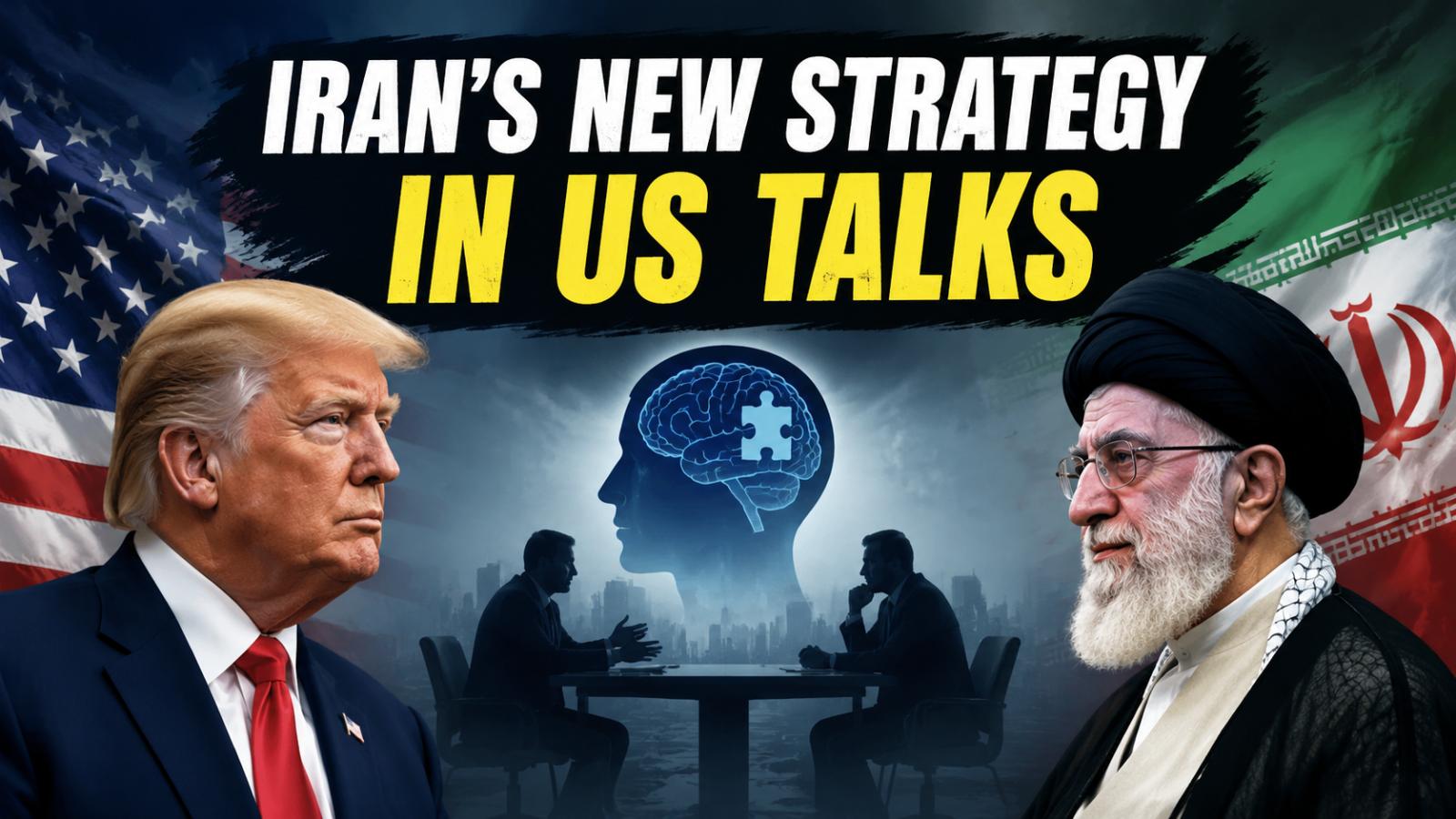
Iranian Foreign Minister Abbas Araghchi has dismissed the idea of a future Trump Khamenei meeting, saying expectations of such a high-level encounter are not realistic under current conditions. The remarks came after U.S. President Donald Trump said he would like to meet Iran’s Supreme Leader, Mojtaba Khamenei, if ongoing contacts between Washington and Tehran lead to progress. Iran Pushes Back on Trump Khamenei Meeting Speaking in an intervi
Iran Dismisses Trump Khamenei Meeting as Unrealistic Amid US Talks
Iranian Foreign Minister Abbas Araghchi has dismissed the idea of a future Trump Khamenei meeting, saying expectations of such a high-level encounter are not realistic under current conditions. The remarks came after U.S. President Donald Trump said he would like to meet Iran’s Supreme Leader, Mojtaba Khamenei, if ongoing contacts between Washington and Tehran lead to progress. Iran Pushes Back on Trump Khamenei Meeting Speaking in an intervi
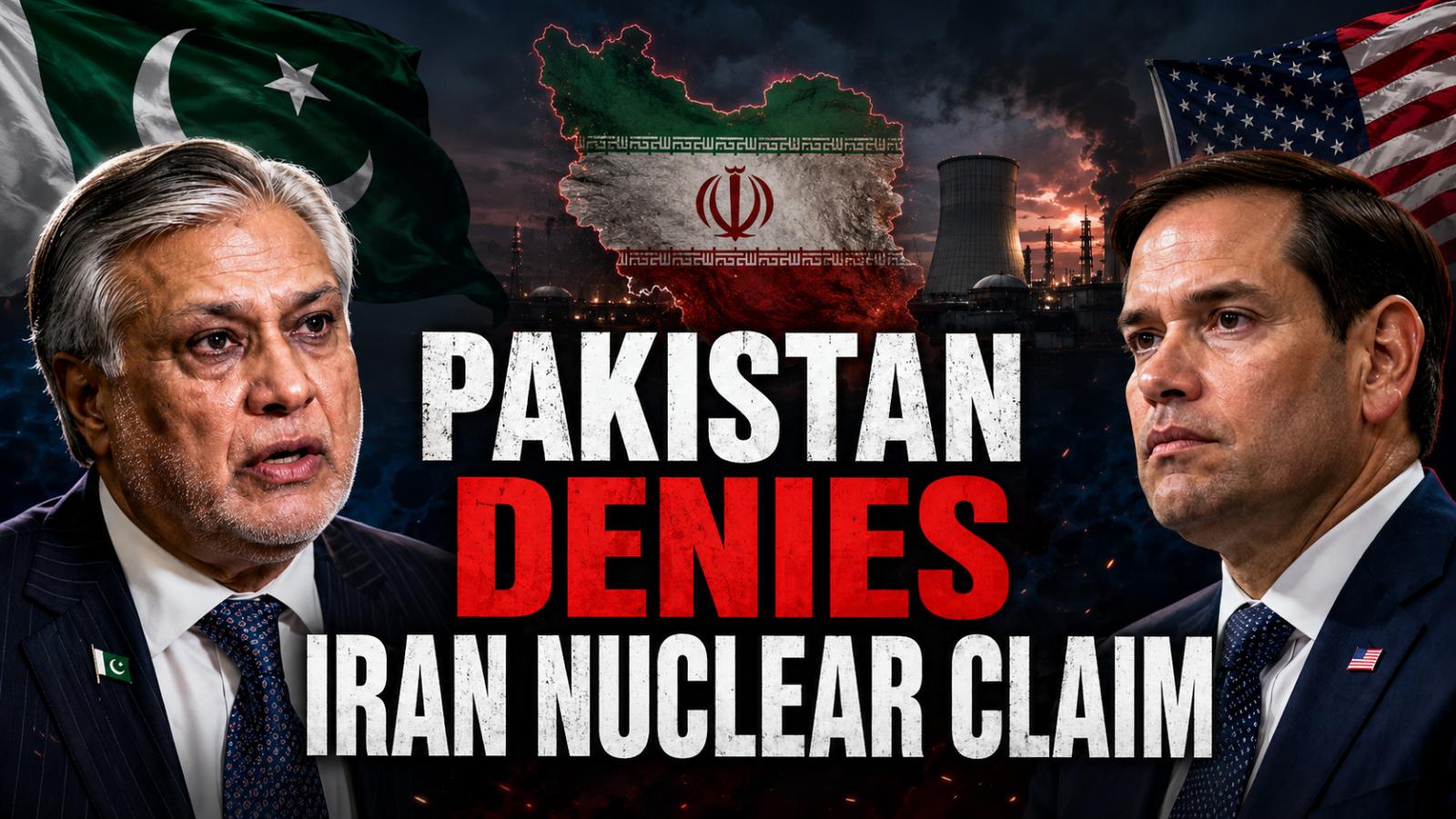
Pakistan Denies Iran Nuclear Claim as Ishaq Dar-Marco Rubio Talks Draw Attention
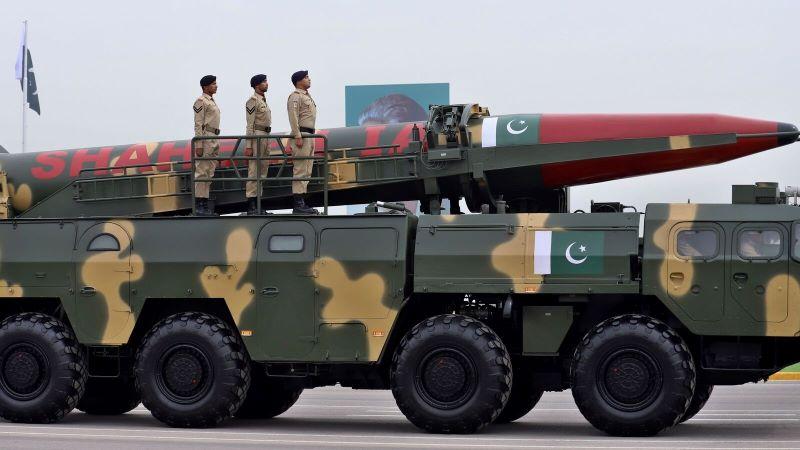
A new controversy over an Iran nuclear claim has placed Pakistan-US discussions under fresh attention. The issue began after former CIA analyst Larry Johnson alleged that Pakistan’s Deputy Prime Minister and Foreign Minister Ishaq Dar passed a sensitive “nuclear alert” message to US Secretary of State Marco Rubio. According to the claim, the message was linked to a possible major development in Iran’s nuclear position. Pakistan, however, has firmly denied the allegation and said no secret or confidential report about Iran’s nuclear activity was shared with the United States. Pakistan Rejects Secret Report Allegation The claim has brought renewed focus to the May 29 meeting between Ishaq Dar and Marco Rubio. While the official discussion was described as part of regular bilateral engagement, Johnson’s remarks turned the meeting into a wider debate involving Iran, Pakistan, the United States and regional security. Pakistan’s Foreign Office rejected the reports as baseless and speculative. It made clear that Islamabad did not hand over any secret nuclear document or intelligence report to Washington. This denial is important because the allegation involves a highly sensitive subject. Any suggestion of secret nuclear communication between Pakistan and the United States can quickly create diplomatic pressure, especially when Iran and Israel tensions are already high. Larry Johnson’s Claim Raises Questions Larry Johnson claimed that Iranian President Masoud Pezeshkian had informed Pakistan Prime Minister Shehbaz Sharif about Iran’s nuclear position. He further suggested that Tehran may be close to either declaring itself a nuclear power or showing its capability through a possible internal test. These are serious claims, but they remain unverified. So far, Iran, Pakistan and the United States have not confirmed any plan for a nuclear test or public nuclear declaration by Tehran. For readers, the key point is simple: Pakistan’s denial is official. Johnson’s claim is not officially proven. Iran’s Nuclear Doctrine Back in Debate The controversy has also revived discussion around Iran’s nuclear doctrine. Tehran has long maintained that nuclear weapons and weapons of mass destruction are forbidden under a religious decree associated with its leadership. This position is often described as Iran’s religious and political justification for not building nuclear weapons. However, some analysts believe Iran’s doctrine could change if regional threats increase. Others argue that there is still no clear evidence of Iran deciding to build, test or stockpile nuclear weapons. Because of this uncertainty, even an unconfirmed Iran nuclear claim can create serious concern among governments and security analysts. Why the Claim Matters for Regional Security ? The timing of the claim is sensitive. US-Iran talks, Israel-Iran tensions and Middle East security concerns are already under global attention. Any report suggesting that Iran may shift its nuclear position can increase fear in the region. Johnson also suggested that sensitive communication may have been allowed through a channel that Western and Israeli intelligence could detect. That claim too remains unproven and should be treated with caution. In geopolitics, even speculation can have consequences. A single unverified claim can affect diplomatic language, security planning and public debate. What Is Confirmed So Far ? At this stage, the confirmed fact is Pakistan’s denial. Islamabad has rejected the idea that it shared any confidential Iran nuclear report with the United States. There is no official confirmation from Iran about a nuclear test. There is no public confirmation from Washington that it received such a report from Pakistan. There is also no verified statement proving that Tehran is preparing to declare itself a nuclear power. The issue remains important because it touches three sensitive areas: Iran’s nuclear policy, Pakistan-US diplomatic communication and regional security fears.
Pakistan Denies Iran Nuclear Claim as Ishaq Dar-Marco Rubio Talks Draw Attention
A new controversy over an Iran nuclear claim has placed Pakistan-US discussions under fresh attention. The issue began after former CIA analyst Larry Johnson alleged that Pakistan’s Deputy Prime Minister and Foreign Minister Ishaq Dar passed a sensitive “nuclear alert” message to US Secretary of State Marco Rubio. According to the claim, the message was linked to a possible major development in Iran’s nuclear position. Pakistan, however, has firmly denied the allegation and said no secret or confidential report about Iran’s nuclear activity was shared with the United States. Pakistan Rejects Secret Report Allegation The claim has brought renewed focus to the May 29 meeting between Ishaq Dar and Marco Rubio. While the official discussion was described as part of regular bilateral engagement, Johnson’s remarks turned the meeting into a wider debate involving Iran, Pakistan, the United States and regional security. Pakistan’s Foreign Office rejected the reports as baseless and speculative. It made clear that Islamabad did not hand over any secret nuclear document or intelligence report to Washington. This denial is important because the allegation involves a highly sensitive subject. Any suggestion of secret nuclear communication between Pakistan and the United States can quickly create diplomatic pressure, especially when Iran and Israel tensions are already high. Larry Johnson’s Claim Raises Questions Larry Johnson claimed that Iranian President Masoud Pezeshkian had informed Pakistan Prime Minister Shehbaz Sharif about Iran’s nuclear position. He further suggested that Tehran may be close to either declaring itself a nuclear power or showing its capability through a possible internal test. These are serious claims, but they remain unverified. So far, Iran, Pakistan and the United States have not confirmed any plan for a nuclear test or public nuclear declaration by Tehran. For readers, the key point is simple: Pakistan’s denial is official. Johnson’s claim is not officially proven. Iran’s Nuclear Doctrine Back in Debate The controversy has also revived discussion around Iran’s nuclear doctrine. Tehran has long maintained that nuclear weapons and weapons of mass destruction are forbidden under a religious decree associated with its leadership. This position is often described as Iran’s religious and political justification for not building nuclear weapons. However, some analysts believe Iran’s doctrine could change if regional threats increase. Others argue that there is still no clear evidence of Iran deciding to build, test or stockpile nuclear weapons. Because of this uncertainty, even an unconfirmed Iran nuclear claim can create serious concern among governments and security analysts. Why the Claim Matters for Regional Security ? The timing of the claim is sensitive. US-Iran talks, Israel-Iran tensions and Middle East security concerns are already under global attention. Any report suggesting that Iran may shift its nuclear position can increase fear in the region. Johnson also suggested that sensitive communication may have been allowed through a channel that Western and Israeli intelligence could detect. That claim too remains unproven and should be treated with caution. In geopolitics, even speculation can have consequences. A single unverified claim can affect diplomatic language, security planning and public debate. What Is Confirmed So Far ? At this stage, the confirmed fact is Pakistan’s denial. Islamabad has rejected the idea that it shared any confidential Iran nuclear report with the United States. There is no official confirmation from Iran about a nuclear test. There is no public confirmation from Washington that it received such a report from Pakistan. There is also no verified statement proving that Tehran is preparing to declare itself a nuclear power. The issue remains important because it touches three sensitive areas: Iran’s nuclear policy, Pakistan-US diplomatic communication and regional security fears.
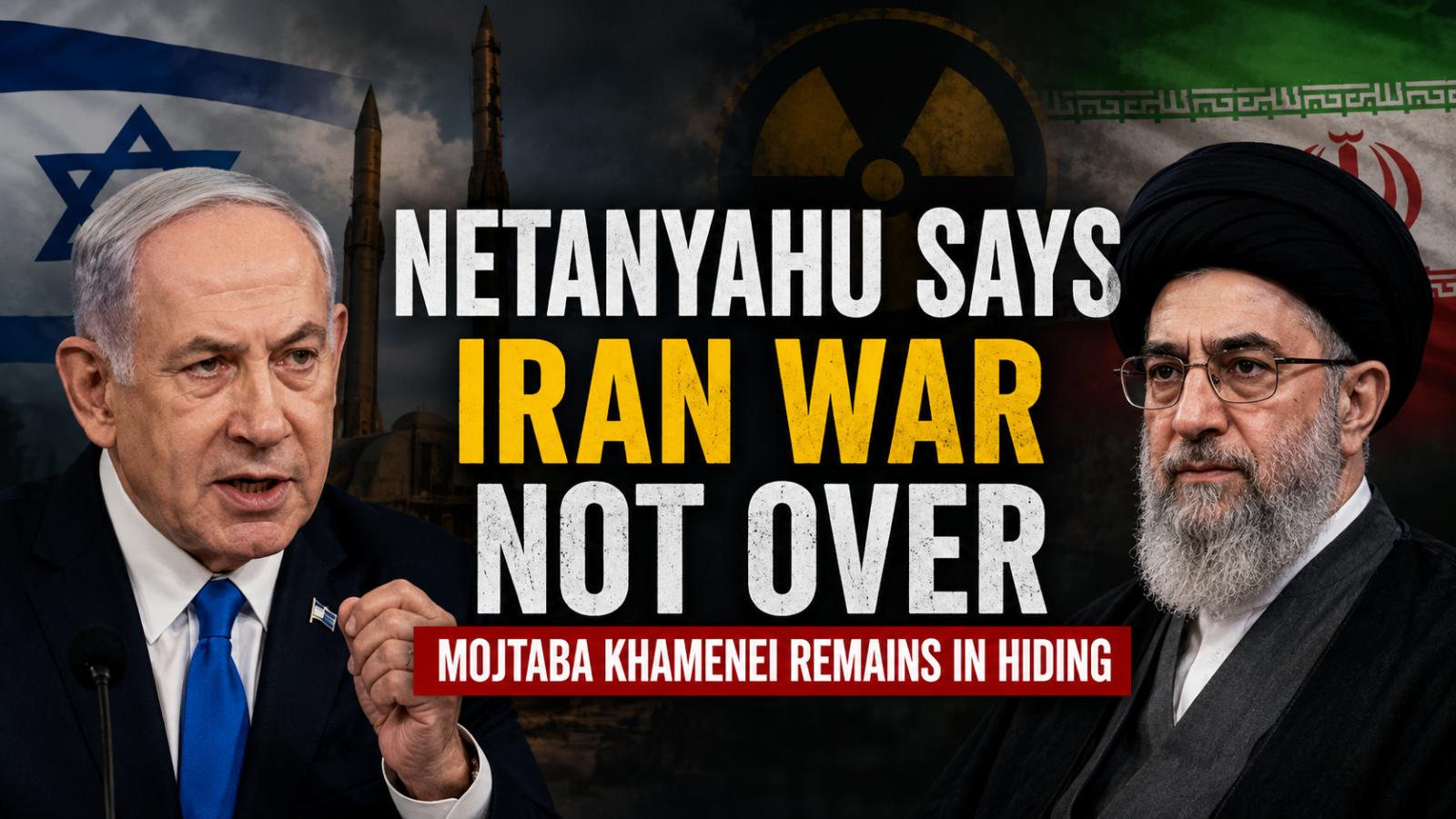
Netanyahu claims Mojtaba Khamenei is alive amid ongoing Iran conflict
Israeli Prime Minister Benjamin Netanyahu said Iran’s conflict with Israel is still ongoing and warned that Tehran’s nuclear program continues to remain a major concern. Netanyahu also claimed that Iran’s Supreme Leader Mojtaba Khamenei is alive and believed to be hiding in a secret bunker after taking power following the reported death of Ali Khamenei during a US-Israeli airstrike. Netanyahu said Iran still possesses enriched uranium and nuclear facilities that must be dismantled befor
Netanyahu claims Mojtaba Khamenei is alive amid ongoing Iran conflict
Israeli Prime Minister Benjamin Netanyahu said Iran’s conflict with Israel is still ongoing and warned that Tehran’s nuclear program continues to remain a major concern. Netanyahu also claimed that Iran’s Supreme Leader Mojtaba Khamenei is alive and believed to be hiding in a secret bunker after taking power following the reported death of Ali Khamenei during a US-Israeli airstrike. Netanyahu said Iran still possesses enriched uranium and nuclear facilities that must be dismantled befor
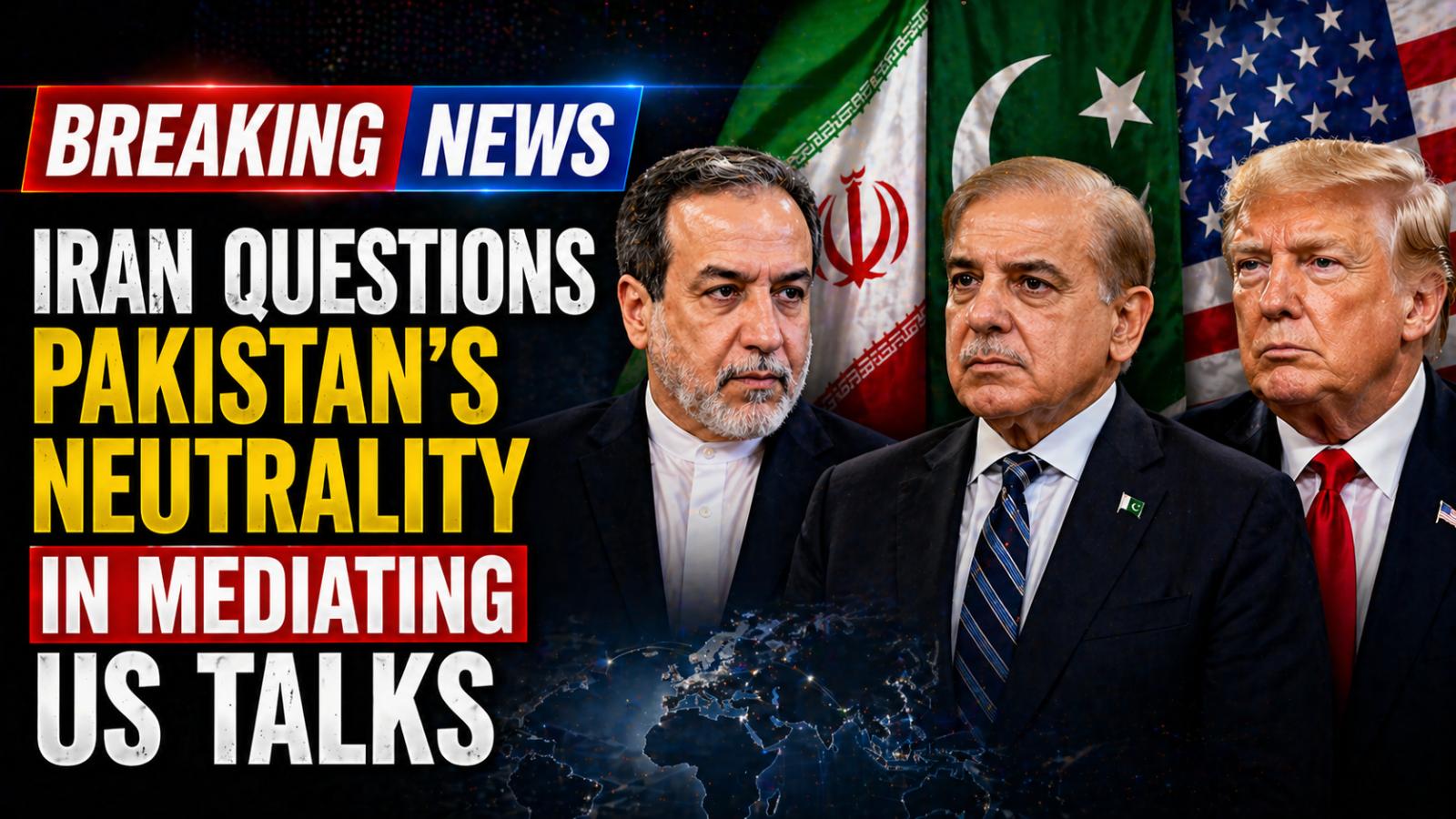
Tehran Raises Doubts Over Pakistan Role in US-Iran Negotiations
Iran has raised concerns about Pakistan’s role as a mediator in ongoing diplomatic efforts with the United States, with officials questioning Islamabad’s neutrality. Ebrahim Rezaei, spokesperson for Iran’s National Security and Foreign Policy Commission, said Pakistan lacks the credibility required to act as an impartial intermediary in sensitive negotiations. Rezaei argued that Paki

Tehran Raises Doubts Over Pakistan Role in US-Iran Negotiations
Iran has raised concerns about Pakistan’s role as a mediator in ongoing diplomatic efforts with the United States, with officials questioning Islamabad’s neutrality. Ebrahim Rezaei, spokesperson for Iran’s National Security and Foreign Policy Commission, said Pakistan lacks the credibility required to act as an impartial intermediary in sensitive negotiations. Rezaei argued that Paki

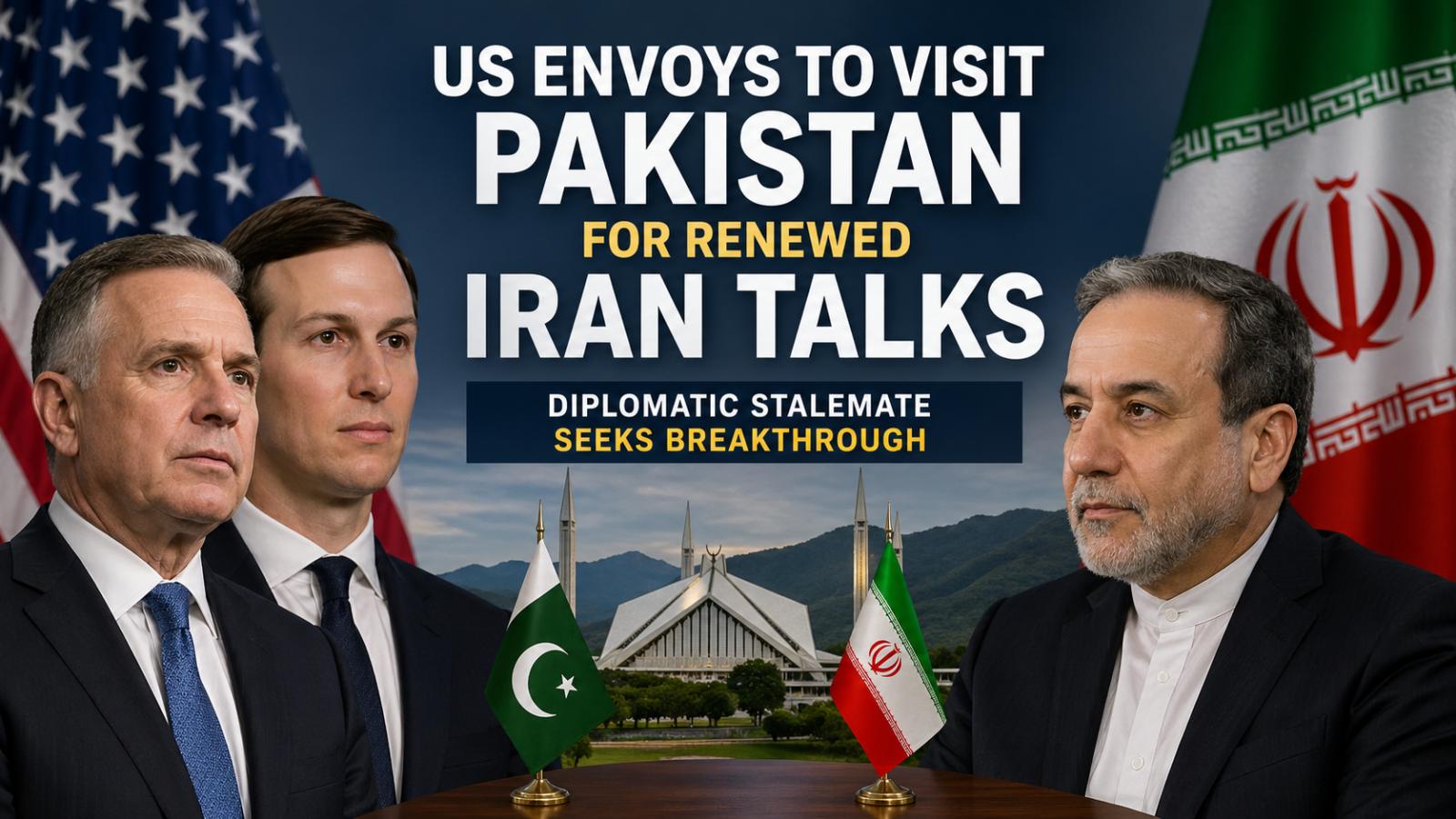
US envoys to visit Pakistan for renewed Iran talks amid ongoing tensions
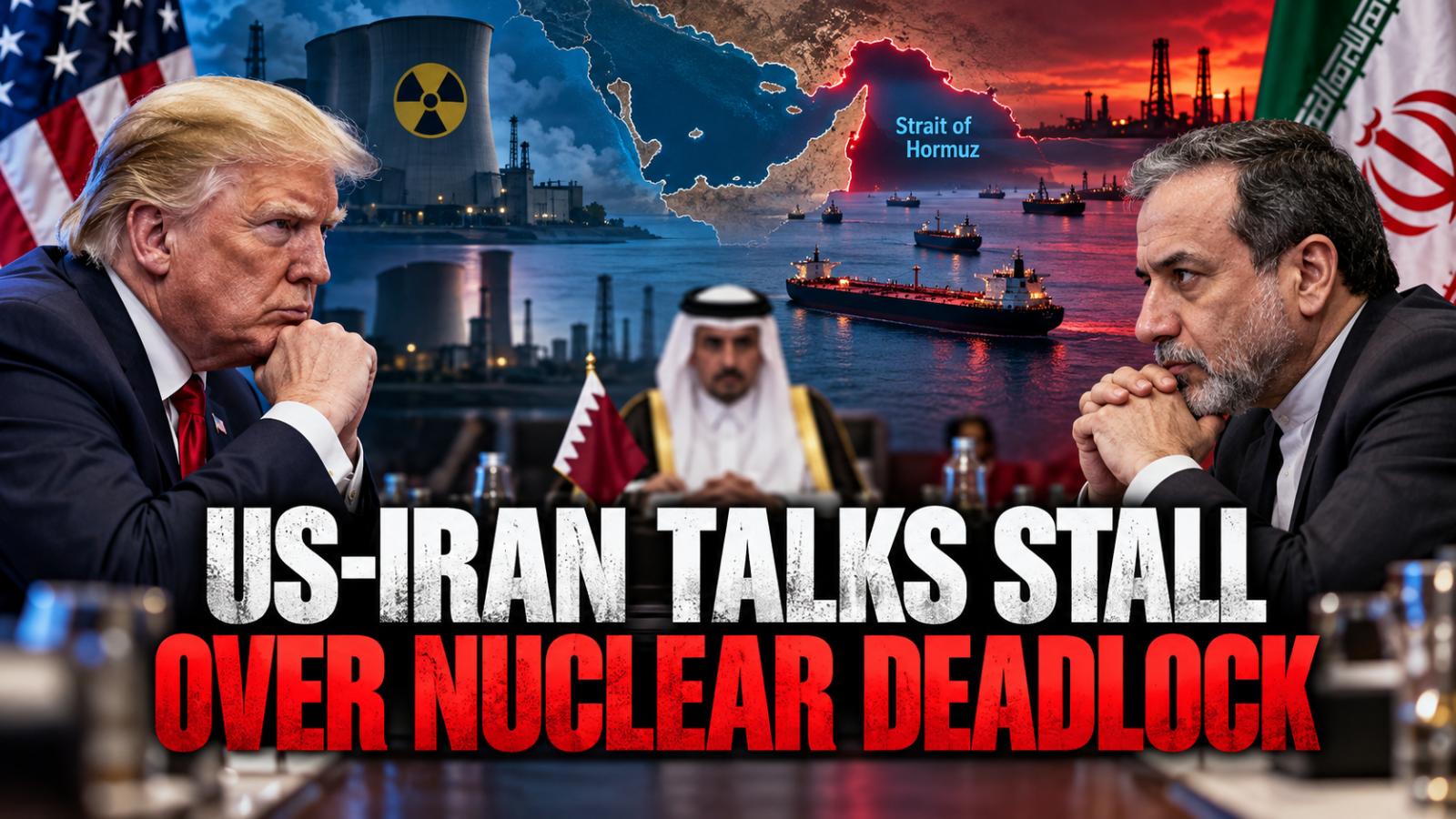
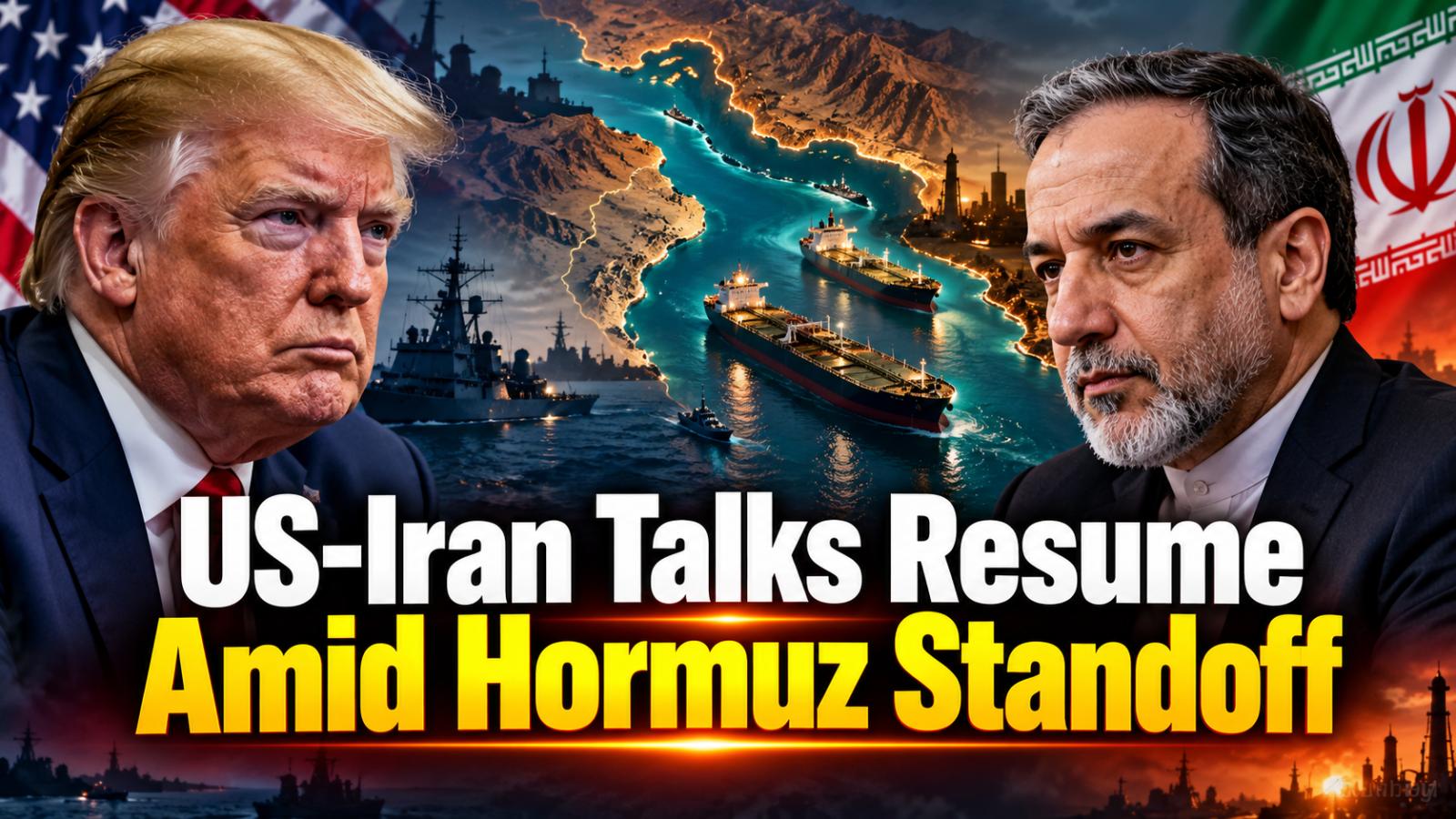
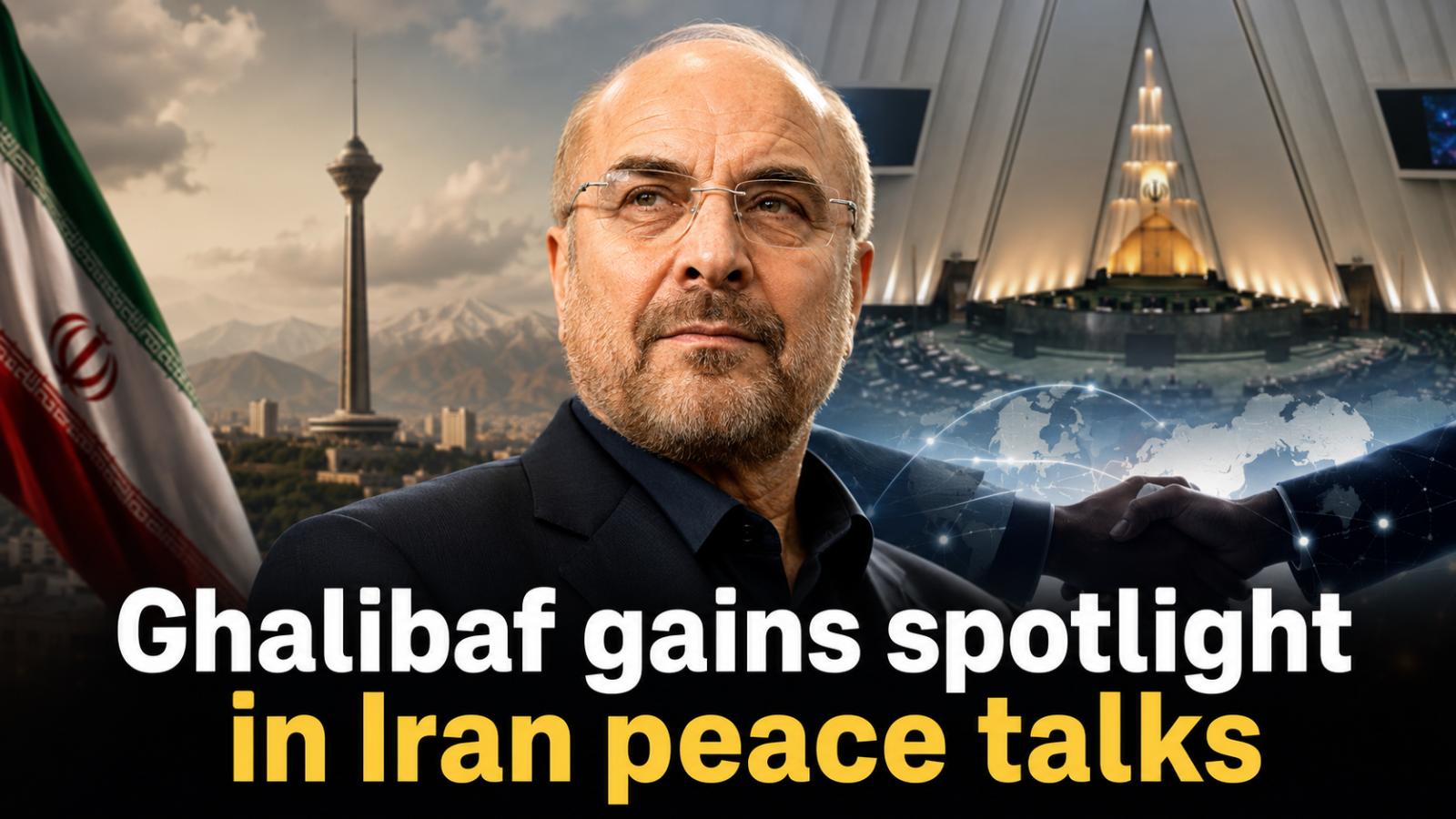
After several days of diplomatic deadlock, the United States has confirmed that senior envoys Steve Witkoff and Jared Kushner will travel to Pakistan for a fresh round of negotiations with Iran, signaling a renewed effort to address escalating tensions between the two nations. The visit is scheduled for Saturday and follows Iran’s request for direct, in-person discussions. White House Press Secretary Karoline Leavitt stated that the move comes after Iran reached out for dialogue, aligning with earlier calls from US leadership to reopen communication channels. She emphasized that the envoys will assess the situation on the ground and report back to President Donald Trump and Vice President JD Vance, while additional officials remain on standby if required. The upcoming talks mark the second round of discussions in Pakistan, following initial meetings held earlier this month. However, notable figures such as Vice President Vance and Iranian parliamentary leader Mohammad Bagher Ghalibaf, who were involved previously, will not participate in this phase. Their absence highlights a shift in the structure of the negotiations. Iran’s Foreign Minister Abbas Araghchi recently announced a regional diplomatic tour that includes Pakistan, Oman, and Russia. His stated objective is to strengthen coordination with key partners on bilateral and regional issues, underlining Iran’s strategic engagement with neighboring countries during a period of heightened geopolitical tension. What are the main sticking points in the talks? The primary disagreements revolve around Iran’s nuclear program and control over the Strait of Hormuz. Iran has insisted it will not proceed with negotiations unless the United States lifts its blockade in the strategic waterway. In contrast, the US is demanding verifiable guarantees that Iran will halt its nuclear ambitions and ease its own restrictions in the region. At a recent Pentagon briefing, US Defense Secretary Pete Hegseth reiterated that the United States is not under pressure to finalize an agreement quickly. He indicated that Washington is prepared for prolonged negotiations, while also stressing that Iran has an opportunity to secure a favorable and pragmatic deal if it chooses to engage constructively. The renewed diplomatic effort in Pakistan reflects a cautious but significant step toward resolving one of the most critical international disputes, with both sides maintaining firm positions as negotiations resume.
US envoys to visit Pakistan for renewed Iran talks amid ongoing tensions
After several days of diplomatic deadlock, the United States has confirmed that senior envoys Steve Witkoff and Jared Kushner will travel to Pakistan for a fresh round of negotiations with Iran, signaling a renewed effort to address escalating tensions between the two nations. The visit is scheduled for Saturday and follows Iran’s request for direct, in-person discussions. White House Press Secretary Karoline Leavitt stated that the move comes after Iran reached out for dialogue, aligning with earlier calls from US leadership to reopen communication channels. She emphasized that the envoys will assess the situation on the ground and report back to President Donald Trump and Vice President JD Vance, while additional officials remain on standby if required. The upcoming talks mark the second round of discussions in Pakistan, following initial meetings held earlier this month. However, notable figures such as Vice President Vance and Iranian parliamentary leader Mohammad Bagher Ghalibaf, who were involved previously, will not participate in this phase. Their absence highlights a shift in the structure of the negotiations. Iran’s Foreign Minister Abbas Araghchi recently announced a regional diplomatic tour that includes Pakistan, Oman, and Russia. His stated objective is to strengthen coordination with key partners on bilateral and regional issues, underlining Iran’s strategic engagement with neighboring countries during a period of heightened geopolitical tension. What are the main sticking points in the talks? The primary disagreements revolve around Iran’s nuclear program and control over the Strait of Hormuz. Iran has insisted it will not proceed with negotiations unless the United States lifts its blockade in the strategic waterway. In contrast, the US is demanding verifiable guarantees that Iran will halt its nuclear ambitions and ease its own restrictions in the region. At a recent Pentagon briefing, US Defense Secretary Pete Hegseth reiterated that the United States is not under pressure to finalize an agreement quickly. He indicated that Washington is prepared for prolonged negotiations, while also stressing that Iran has an opportunity to secure a favorable and pragmatic deal if it chooses to engage constructively. The renewed diplomatic effort in Pakistan reflects a cautious but significant step toward resolving one of the most critical international disputes, with both sides maintaining firm positions as negotiations resume.
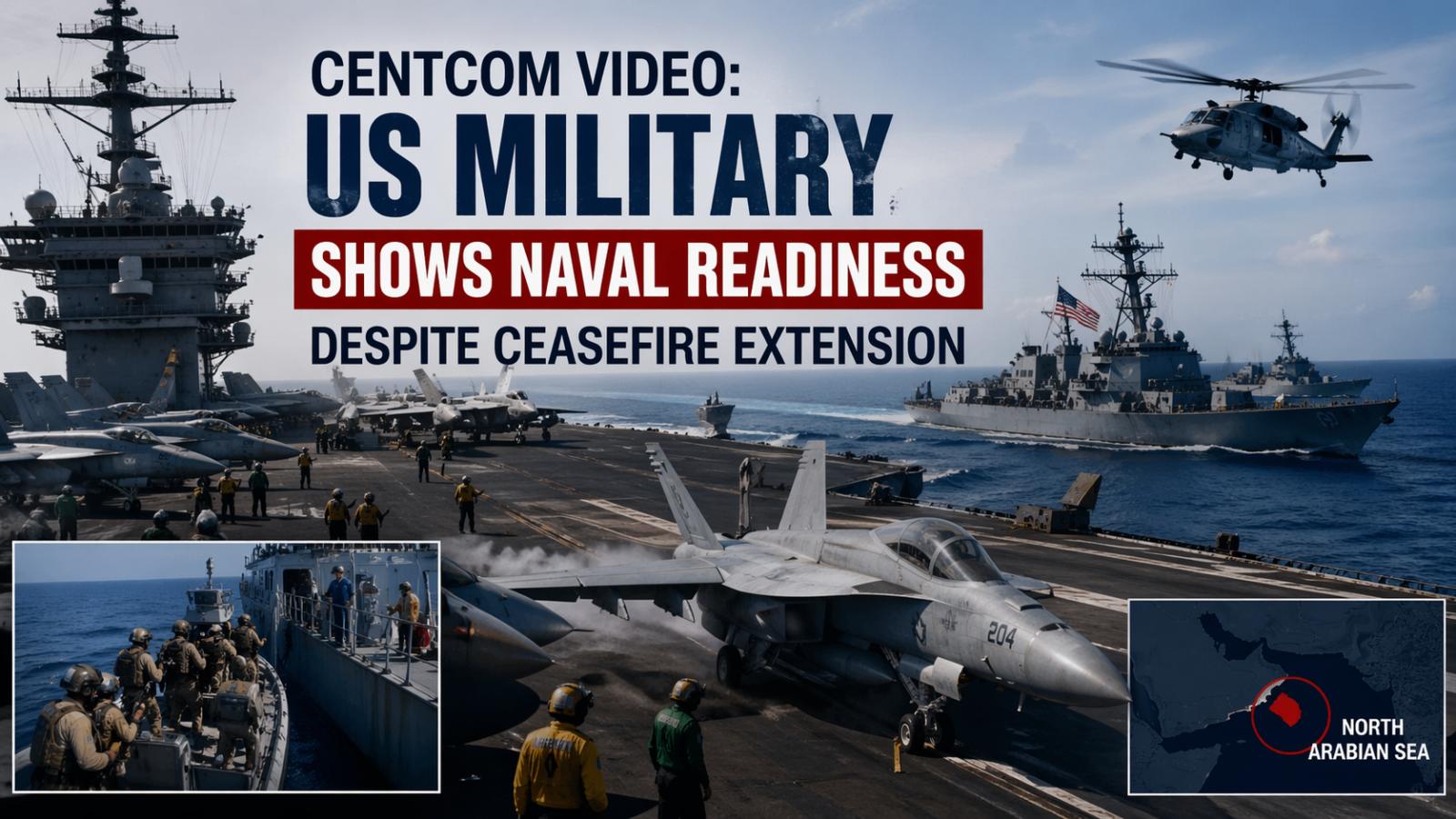
CENTCOM shows naval blockade operations in North Arabian Sea amid truce
A newly released video by United States Central Command highlights continued US military readiness and naval operations in the North Arabian Sea, even as a ceasefire extension remains in place. The footage, published shortly after Donald Trump announced an extension of the truce, underscores the United Sta
CENTCOM shows naval blockade operations in North Arabian Sea amid truce
A newly released video by United States Central Command highlights continued US military readiness and naval operations in the North Arabian Sea, even as a ceasefire extension remains in place. The footage, published shortly after Donald Trump announced an extension of the truce, underscores the United Sta
US-Iran talks in doubt as ceasefire deadline nears, tensions escalate
US-Iran talks uncertainty deepens as second round in Pakistan remains undecided Uncertainty has grown over the much-anticipated second round of US-Iran peace talks in Pakistan, as both sides continue strategic posturing ahead of a critical deadline. The discussions, expected to take place in Islamabad, come at a time when tensions remain high and diplomatic clarity is still lacking. The situation is particularly sensitive
US-Iran talks in doubt as ceasefire deadline nears, tensions escalate
US-Iran talks uncertainty deepens as second round in Pakistan remains undecided Uncertainty has grown over the much-anticipated second round of US-Iran peace talks in Pakistan, as both sides continue strategic posturing ahead of a critical deadline. The discussions, expected to take place in Islamabad, come at a time when tensions remain high and diplomatic clarity is still lacking. The situation is particularly sensitive
Israel warns of escalation as Iran rejects US talks in Pakistan
Israeli Prime Minister Benjamin Netanyahu has warned that tensions with Iran could escalate rapidly, underscoring the fragile state of the ongoing geopolitical situation. Speaking alongside Javier Milei, Netanyahu said the conflict remains unpredictable and developments could unfold at any moment. He empha
Israel warns of escalation as Iran rejects US talks in Pakistan
Israeli Prime Minister Benjamin Netanyahu has warned that tensions with Iran could escalate rapidly, underscoring the fragile state of the ongoing geopolitical situation. Speaking alongside Javier Milei, Netanyahu said the conflict remains unpredictable and developments could unfold at any moment. He empha
Trump signals possible resumption of US-Iran talks in Pakistan within days
U.S. President Donald Trump indicated that negotiations between the United States and Iran could resume within the next two days following a recent breakdown in talks held in Pakistan. Speaking in an interview publi
Trump signals possible resumption of US-Iran talks in Pakistan within days
U.S. President Donald Trump indicated that negotiations between the United States and Iran could resume within the next two days following a recent breakdown in talks held in Pakistan. Speaking in an interview publi
US-Iran talks in Pakistan end without agreement, raising ceasefire concerns
U.S. Vice President JD Vance said no agreement was reached with Iran following extended negotiations held in Pakistan, signaling a setback after Washington presented what it described as its “final and best offer.” Iranian officials also expressed dissatisfaction, with their lead negotiator stating that U.S. representatives failed to build sufficient trust during the discussions. The outcome leaves significant uncertainty around the fragile ceasefire that began Tuesday, though no specific date was provided for the start of the truce. Without a clear commitment from Iran to reopen the Strait of Hormuz, concerns are growing over continued disruptions to global energy markets, as the strategic waterway remains a critical route for oil shipments. Regional tensions remain elevated beyond the stalled talks. Diplomatic engagement between Israeli and Lebanese officials is expected in the coming week, even as hostilities persist. Israeli forces reported overnight strikes in southern Lebanon, stating they targeted and destroyed a rocket launcher prepared for imminent use. The strikes reportedly resulted in casualties, underscoring the ongoing volatility in the region. The lack of progress in negotiations highlights broader challenges in restoring stability, with both diplomatic and military developments shaping an increasingly uncertain outlook.
US-Iran talks in Pakistan end without agreement, raising ceasefire concerns
U.S. Vice President JD Vance said no agreement was reached with Iran following extended negotiations held in Pakistan, signaling a setback after Washington presented what it described as its “final and best offer.” Iranian officials also expressed dissatisfaction, with their lead negotiator stating that U.S. representatives failed to build sufficient trust during the discussions. The outcome leaves significant uncertainty around the fragile ceasefire that began Tuesday, though no specific date was provided for the start of the truce. Without a clear commitment from Iran to reopen the Strait of Hormuz, concerns are growing over continued disruptions to global energy markets, as the strategic waterway remains a critical route for oil shipments. Regional tensions remain elevated beyond the stalled talks. Diplomatic engagement between Israeli and Lebanese officials is expected in the coming week, even as hostilities persist. Israeli forces reported overnight strikes in southern Lebanon, stating they targeted and destroyed a rocket launcher prepared for imminent use. The strikes reportedly resulted in casualties, underscoring the ongoing volatility in the region. The lack of progress in negotiations highlights broader challenges in restoring stability, with both diplomatic and military developments shaping an increasingly uncertain outlook.
US-Iran negotiations face hurdles as Netanyahu declares military gains
Israeli Prime Minister Benjamin Netanyahu said on Saturday, April 12, 2026, that Israel and the United States had achieved major strategic objectives against Iran, as high-level negotiations between Washington and Tehran continued amid visible strain in Islamabad, Pakistan. In a televised address, Netanyahu stated that joint efforts had “crushed” Iran’s nuclear and ballistic missile pr
US-Iran negotiations face hurdles as Netanyahu declares military gains
Israeli Prime Minister Benjamin Netanyahu said on Saturday, April 12, 2026, that Israel and the United States had achieved major strategic objectives against Iran, as high-level negotiations between Washington and Tehran continued amid visible strain in Islamabad, Pakistan. In a televised address, Netanyahu stated that joint efforts had “crushed” Iran’s nuclear and ballistic missile pr
Ceasefire talks start as Iran seeks assets release and Lebanon inclusion
Ceasefire negotiations between the United States and Iran formally began on Saturday, April 11, 2026, in Islamabad, Pakistan, marking a major diplomatic effort to stabilize escalating tensions in the Middle East. The talks represent the first direct high-level engagement between the two nations in years and are being closely watched for signs of progress toward a broader peace framework. The United States delegation is led by Vice President
Ceasefire talks start as Iran seeks assets release and Lebanon inclusion
Ceasefire negotiations between the United States and Iran formally began on Saturday, April 11, 2026, in Islamabad, Pakistan, marking a major diplomatic effort to stabilize escalating tensions in the Middle East. The talks represent the first direct high-level engagement between the two nations in years and are being closely watched for signs of progress toward a broader peace framework. The United States delegation is led by Vice President
US-Iran talks face uncertainty as Tehran sets strict preconditions
Delegations from the United States and Iran are scheduled to meet in Islamabad on Saturday, though the planned talks face significant uncertainty amid escalating regional tensions and unresolved preconditions set by Tehran. The negotiations come at a time when a fragile two-week ceasefire is already under strain, particularly due to renewed violence in Lebanon. On Friday, April 10, 2026, Iran’s parliament speaker
US-Iran talks face uncertainty as Tehran sets strict preconditions
Delegations from the United States and Iran are scheduled to meet in Islamabad on Saturday, though the planned talks face significant uncertainty amid escalating regional tensions and unresolved preconditions set by Tehran. The negotiations come at a time when a fragile two-week ceasefire is already under strain, particularly due to renewed violence in Lebanon. On Friday, April 10, 2026, Iran’s parliament speaker
Israeli attack on Iran energy site raises tensions over Strait of Hormuz
DUBAI, United Arab Emirates — Israel carried out a major strike on Iran’s South Pars natural gas field, targeting a key petrochemical facility that accounts for a significant portion of the country’s production, in an escalation that threatens ongoing efforts to broker a ceasefire between Tehran and Washington. Israeli officials confirmed the operation, describing it as a decisive blow to Iran’s energy infrastructure, while warning that further actions could follow despite diplomatic neg
Israeli attack on Iran energy site raises tensions over Strait of Hormuz
DUBAI, United Arab Emirates — Israel carried out a major strike on Iran’s South Pars natural gas field, targeting a key petrochemical facility that accounts for a significant portion of the country’s production, in an escalation that threatens ongoing efforts to broker a ceasefire between Tehran and Washington. Israeli officials confirmed the operation, describing it as a decisive blow to Iran’s energy infrastructure, while warning that further actions could follow despite diplomatic neg
US-Iran Ceasefire Efforts on the Brink: Will a 45-Day Truce Hold?
The ongoing conflict between the United States and Iran has reached a critical juncture, with efforts to negotiate a 45-day ceasefire pushing towards a narrow window for a breakthrough. Sources involved in the discussions reveal that while negotiations continue, the chances of a deal within the next 48 hours are slim. This ceasefire is seen as a last-ditch effort to avoid large-scale military strikes on Iranian infrastructure, which could trigger retaliatory attacks on vital energy and water
US-Iran Ceasefire Efforts on the Brink: Will a 45-Day Truce Hold?
The ongoing conflict between the United States and Iran has reached a critical juncture, with efforts to negotiate a 45-day ceasefire pushing towards a narrow window for a breakthrough. Sources involved in the discussions reveal that while negotiations continue, the chances of a deal within the next 48 hours are slim. This ceasefire is seen as a last-ditch effort to avoid large-scale military strikes on Iranian infrastructure, which could trigger retaliatory attacks on vital energy and water
US and Iran hold second round of nuclear talks in Geneva
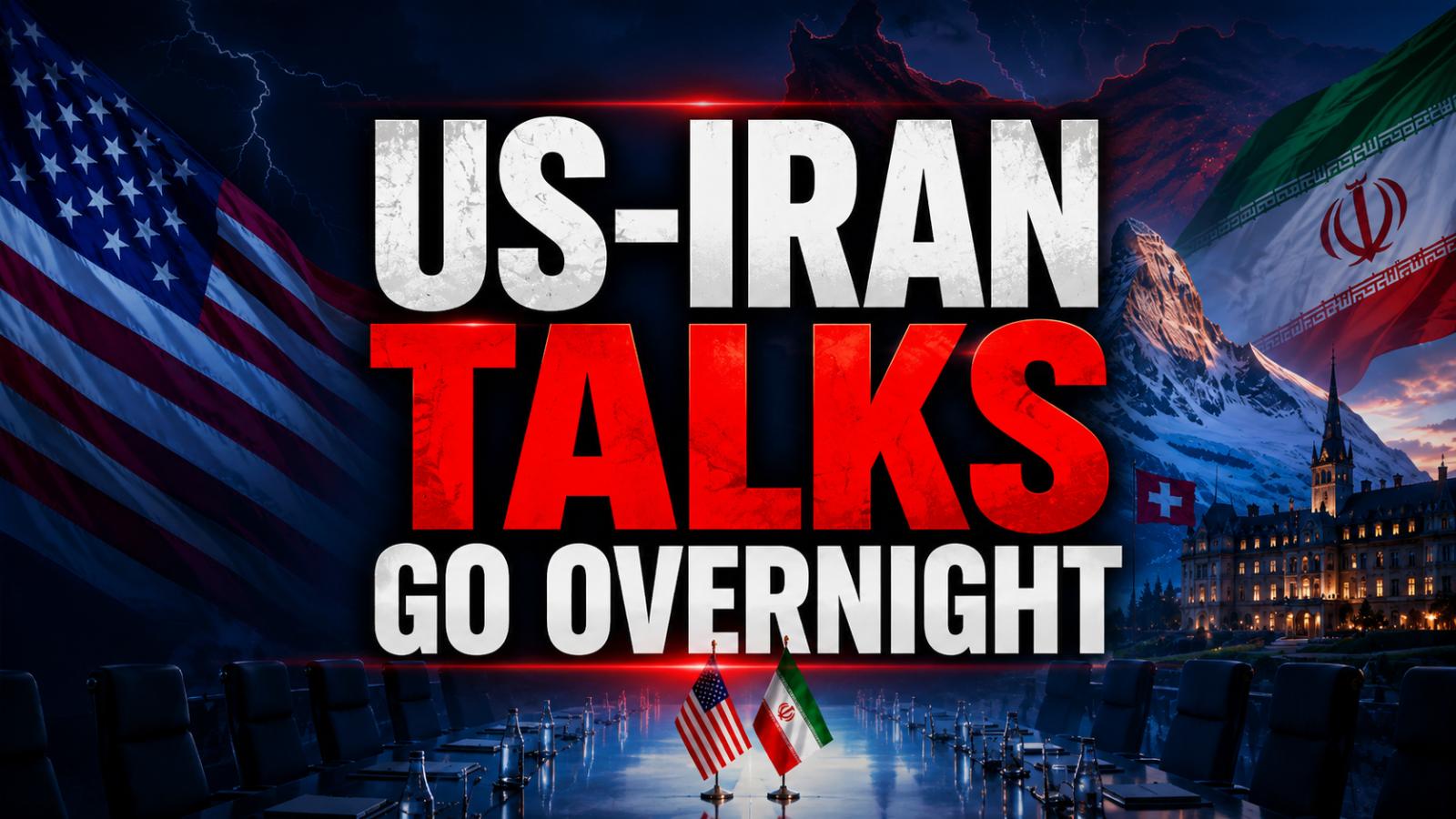
The second round of talks between the United States and Iran concluded in Geneva on Tuesday, with both sides signaling cautious optimism about the path forward. The Geneva meet, facilitated through Oman mediation, comes at a sensitive moment in US Iran relations, with diplomatic and military signals unfolding simultaneously across the Middle East. Speaking at the Conference on Disarmament, Iran FM Abbas Araghchi described the latest engagement as a potential turning point. He said a
US and Iran hold second round of nuclear talks in Geneva
The second round of talks between the United States and Iran concluded in Geneva on Tuesday, with both sides signaling cautious optimism about the path forward. The Geneva meet, facilitated through Oman mediation, comes at a sensitive moment in US Iran relations, with diplomatic and military signals unfolding simultaneously across the Middle East. Speaking at the Conference on Disarmament, Iran FM Abbas Araghchi described the latest engagement as a potential turning point. He said a