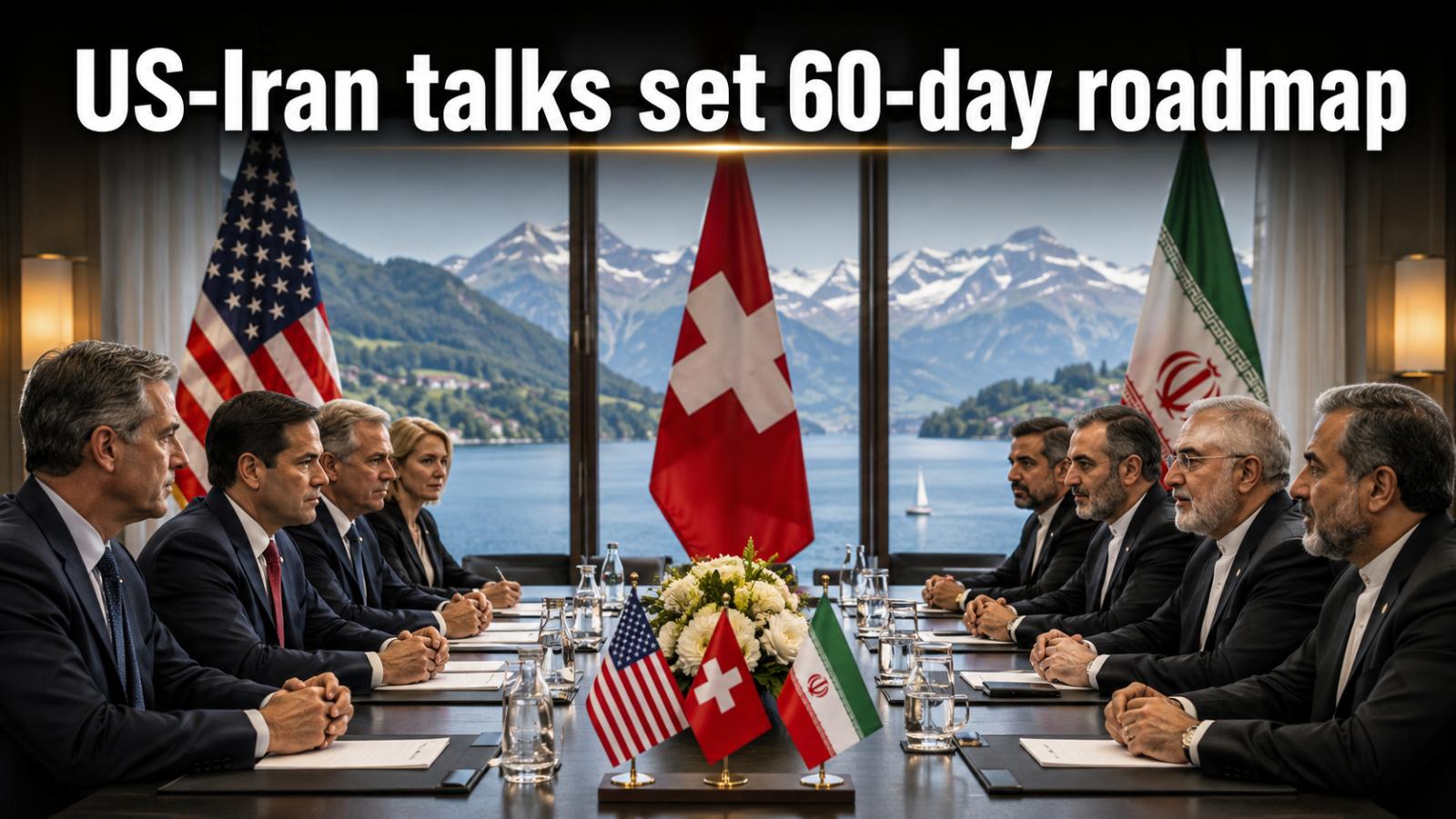
US-Iran talks in Switzerland have ended with cautious progress after senior officials from Washington and Tehran agreed to continue discussions through a 60-day roadmap. The meeting, supported by Pakistan and Qatar as mediators, did not deliver a final agreement, but it gave both sides a structured process to address sanctions, nuclear concerns, regional security and the safety of shipping through the Strait of Hormuz.
The talks were held at the Lake Lucerne Summit in Burgenstock, where officials from the United States, Iran and mediation teams discussed ways to reduce tensions across the Middle East. The meeting came at a sensitive time, with fears that any miscalculation between the two sides could affect energy markets, commercial shipping and wider regional stability.
Roadmap focuses on sanctions and nuclear issues
The main outcome of the Switzerland talks was the creation of a 60-day diplomatic roadmap. Under this plan, a high-level committee will review progress and guide smaller technical groups working on specific issues. These discussions are expected to include sanctions relief, nuclear limits, monitoring arrangements, dispute resolution and broader security concerns.
For Iran, sanctions remain one of the biggest issues on the table, especially those affecting oil exports, petrochemical trade and access to frozen assets. For the United States, nuclear restrictions and verification measures are expected to remain central demands. Both sides appear to have moved toward dialogue, but the most difficult decisions have not yet been made.
Hormuz safety becomes a key concern
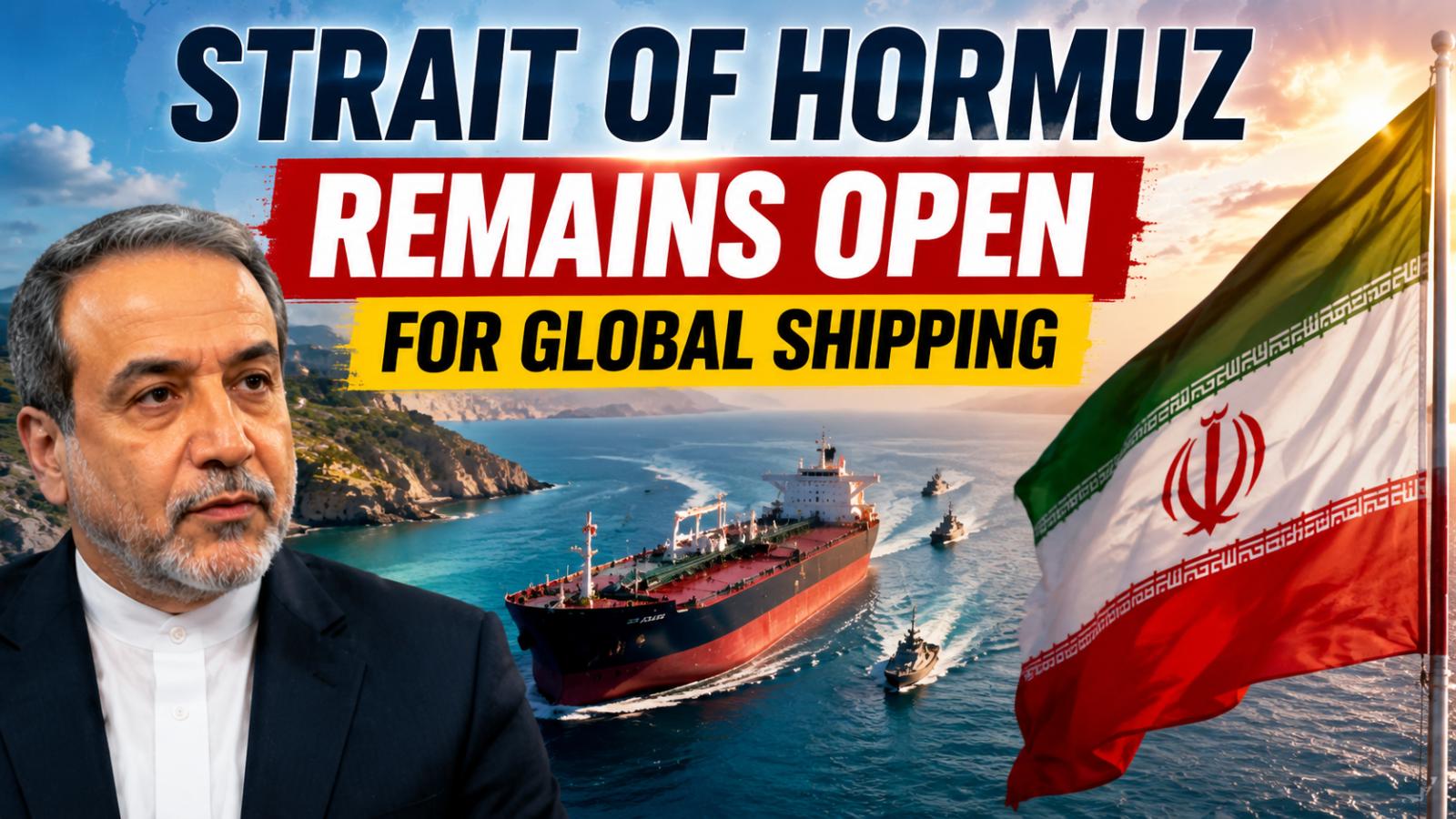
Another important part of the talks was the proposal for a direct communication line between Washington and Tehran. The purpose of the hotline is to reduce the risk of confusion, military accidents or sudden escalation, particularly around the Strait of Hormuz.
The waterway is one of the world’s most important oil routes, and any disruption there can quickly affect global prices and shipping confidence. A direct channel between both governments could help prevent local incidents from turning into a wider crisis.
Lebanon deconfliction cell added to framework
The Swiss summit also included discussions on a Lebanon deconfliction cell involving Iran, the United States and Lebanon. The cell is meant to monitor possible flashpoints and reduce the chances of renewed clashes. While this step does not resolve the region’s deeper conflicts, it gives the parties a practical mechanism to manage risks before they expand.
Major issues still remain unresolved
Despite the positive tone after the meeting, the roadmap is still only a process, not a peace deal. The next 60 days will decide whether the talks can produce real commitments or simply delay another round of tensions.
Questions remain over how much sanctions relief Washington may consider, what nuclear restrictions Tehran may accept and how any future commitments would be verified. The Switzerland talks have opened a diplomatic window, but both sides will need to show political will if the framework is to become more than another temporary pause in US-Iran tensions.