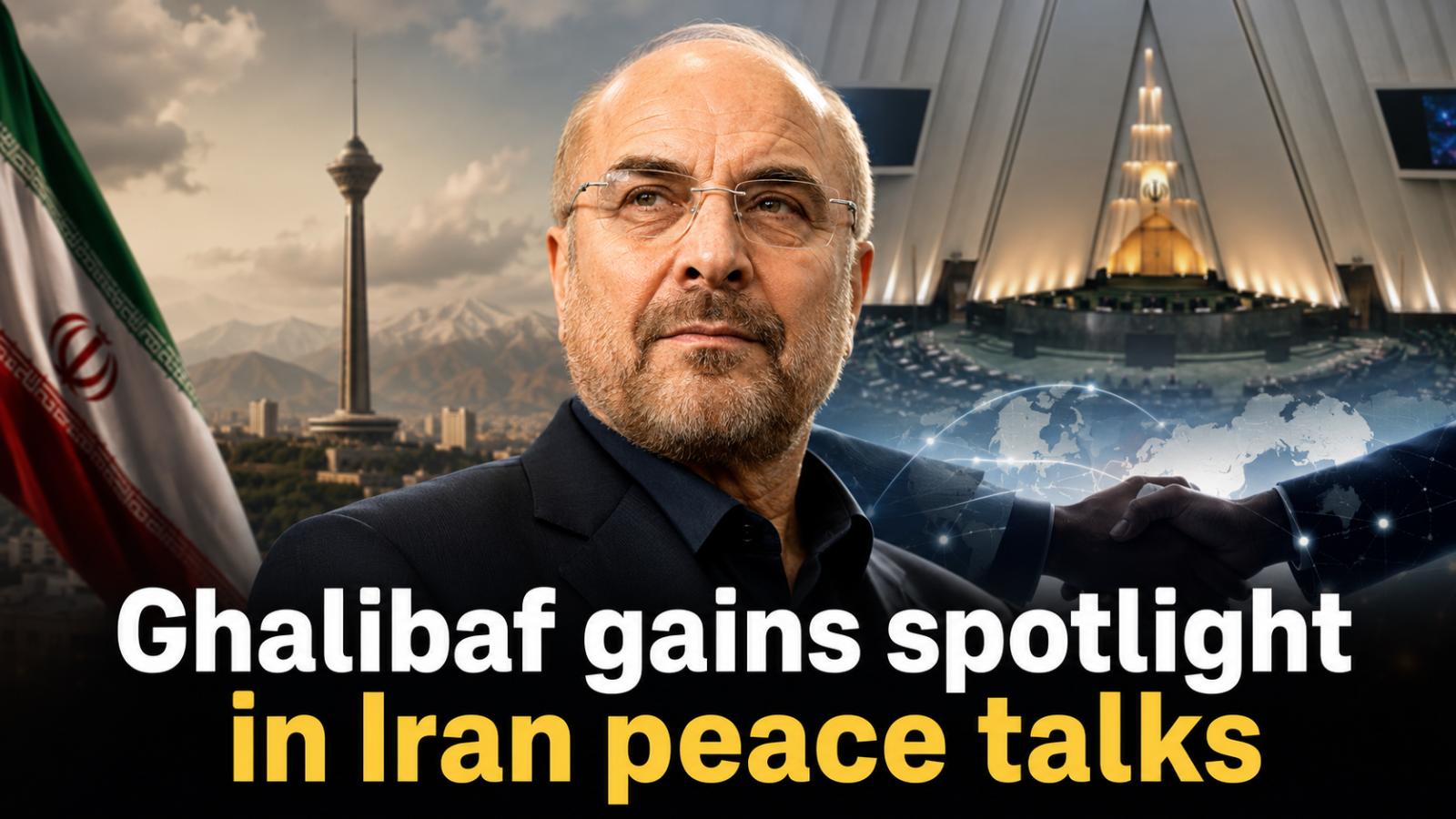
Mohammad Bagher Ghalibaf has become one of the most closely watched political figures in Iran as the country moves through a sensitive phase of diplomacy, conflict recovery and internal power balancing. The Iranian Parliament Speaker has gained attention for his role in Tehran’s political response during a difficult period marked by military pressure, sanctions concerns and renewed international negotiations.
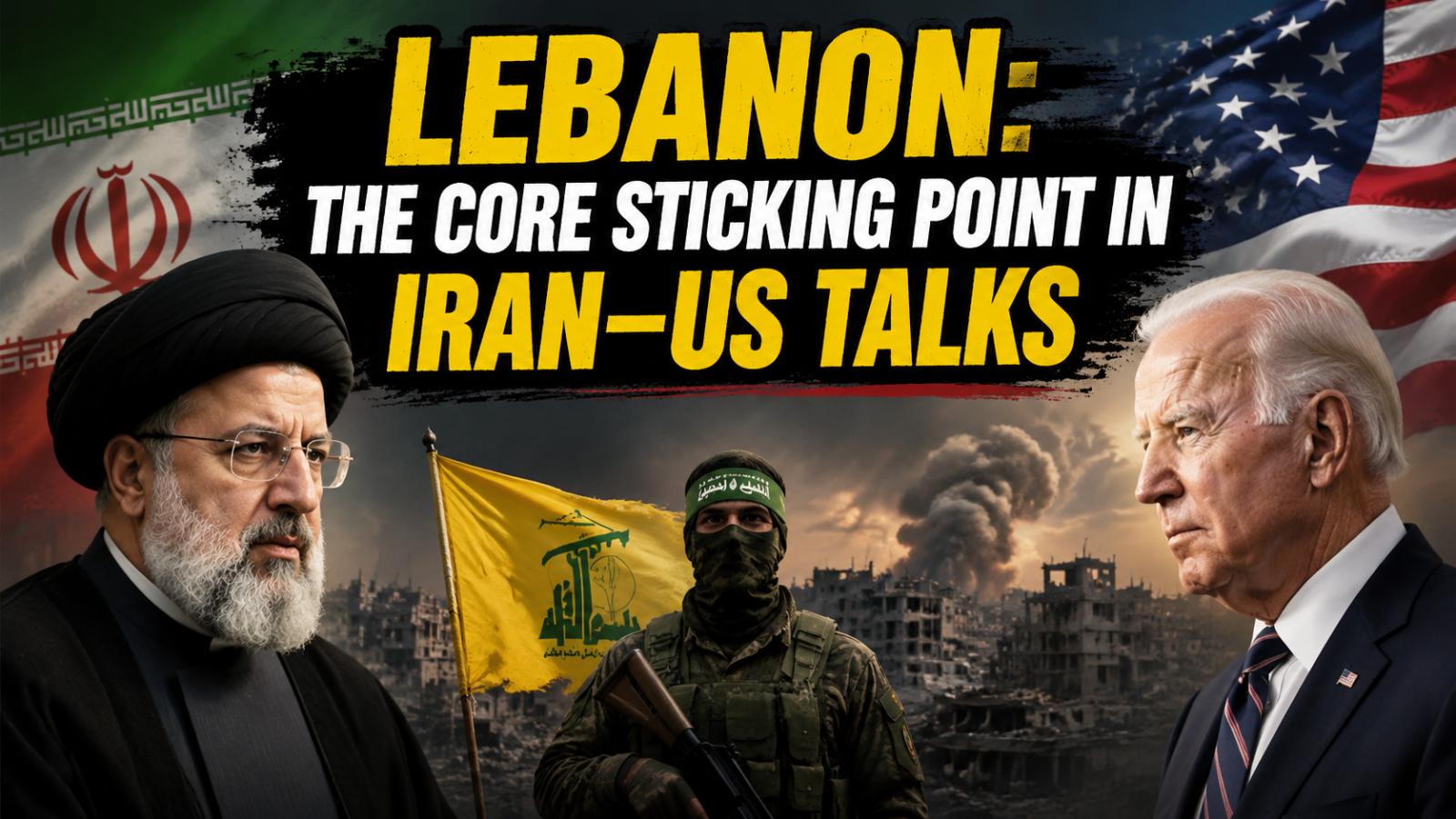
His growing visibility comes at a time when Iran is trying to manage both external pressure and domestic expectations. Peace efforts linked to the wider US-Iran standoff have placed senior Iranian officials under close public and diplomatic attention. In that environment, Ghalibaf is being viewed as a serious establishment figure who can speak to hardliners at home while also representing Tehran in high-stakes political discussions.
A powerful figure in Tehran politics
Ghalibaf is not a newcomer to Iran’s power structure. He has held several major positions over the past three decades, including roles connected to the Revolutionary Guards, national policing, Tehran’s municipal administration and parliament. This background has helped him build an image as both a security-minded official and an experienced administrator.
His career has also made him one of Iran’s most prominent non-clerical politicians. Unlike figures who rose mainly through religious institutions, Ghalibaf’s public profile has been shaped by security, governance and political management. That mix gives him influence, but it also brings criticism from opponents who question his past role in security affairs and political crackdowns.
Why his role matters now
Ghalibaf’s importance has increased because Iran needs officials who can handle pressure from multiple sides. Tehran is dealing with economic strain, regional tensions, sanctions-related demands and questions over how far it should go in talks with the United States and other international players.
His reported involvement in diplomatic discussions has made him a key name in Iran peace talks. At the same time, he is not seen as acting independently. Iran’s political system is complex, and major foreign policy decisions usually involve the supreme leadership, the Revolutionary Guards, parliament and senior diplomatic officials. Ghalibaf’s rise should therefore be seen as part of a broader power arrangement rather than a single-person shift.
China ties and economic pressure
Another reason Ghalibaf is being watched is Iran’s economic dependence on energy exports and its relationship with China. China remains a major buyer of Iranian oil, making the Iran-China relationship highly important during any sanctions debate or peace process. If Tehran wants to stabilize its economy, it must protect key trade channels while negotiating carefully on security and nuclear issues.
This gives Ghalibaf’s role added weight. A politician who understands both domestic power networks and foreign economic priorities can become useful during uncertain diplomatic moments. However, the challenge is difficult. Any peace process that appears too soft may anger hardliners, while any rigid position could deepen Iran’s isolation.
A career built on ambition
Ghalibaf has long been seen as ambitious. He has contested presidential elections in the past and remained active despite political setbacks. Supporters describe him as practical, experienced and capable of managing institutions. Critics argue that his record carries baggage and that his rise reflects the continued strength of Iran’s security-linked political class.
His current position gives him another opportunity to shape his national image. If peace talks move forward, he may present himself as a steady official during a tense period. If talks fail or internal opposition grows, his role could become politically risky.
What his rise means for Iran
Ghalibaf’s growing profile shows that Iran is relying on seasoned establishment figures as it faces one of its most delicate political moments. His influence may help Tehran project stability, but it does not mean Iran’s internal divisions have disappeared.
The bigger question is whether Ghalibaf can balance hardline expectations, economic needs and diplomatic pressure. His future will depend on how Iran’s peace process develops, how sanctions talks progress and whether Tehran’s leadership continues to see him as a useful public face during a changing political phase.