







#tehrannews
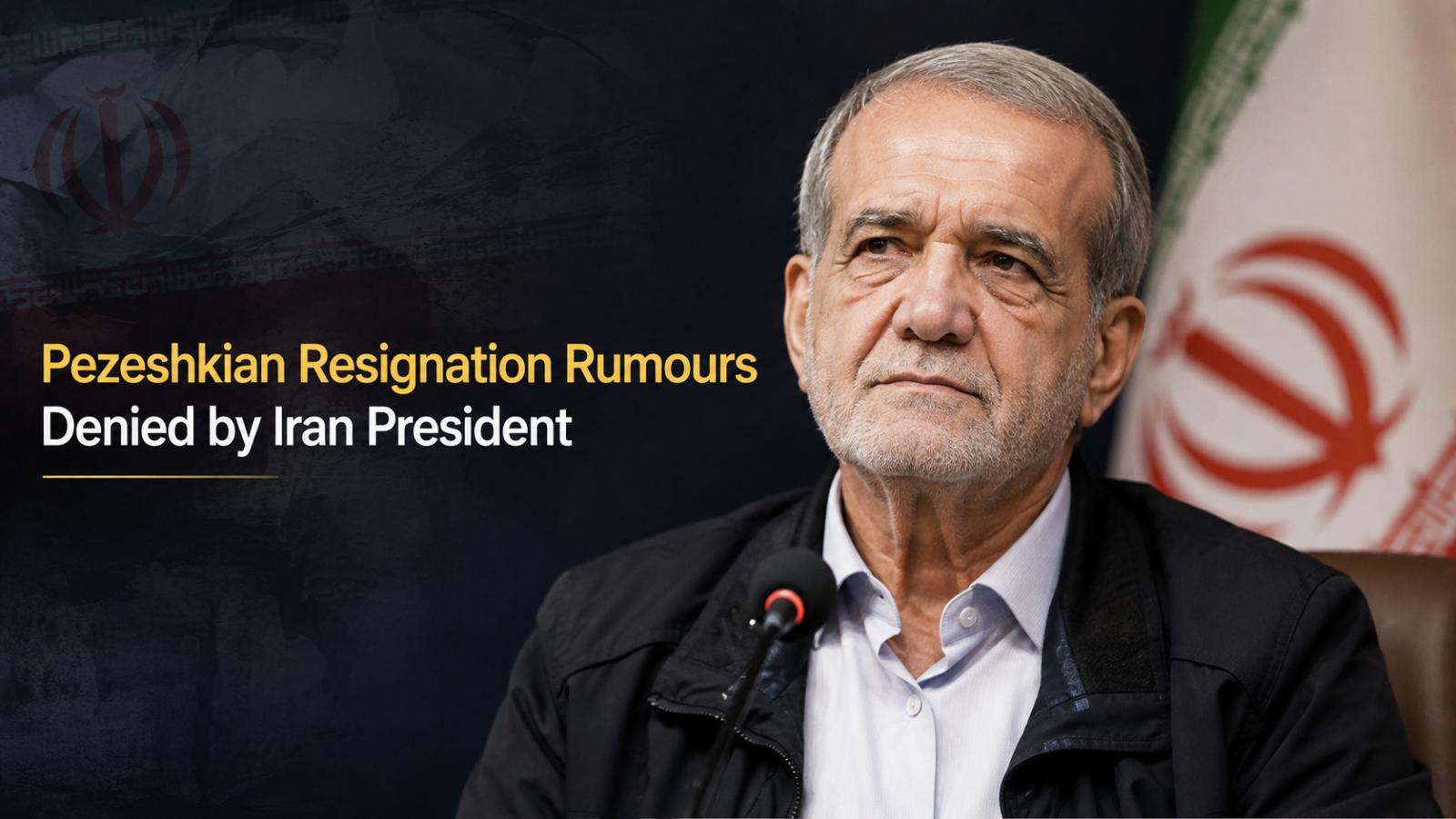
Masoud Pezeshkian Resignation Rumours Denied by Iran President
Masoud Pezeshkian resignation rumours have spread online after a senior Iranian cleric claimed the president had repeatedly considered stepping down. Pezeshkian, however, has publicly rejected the reports, while his office has described the allegation as false and politically motivated. Pezeshkian denial Iranian President Masoud Pezeshkian said he would remain in office and continue performing
Masoud Pezeshkian Resignation Rumours Denied by Iran President
Masoud Pezeshkian resignation rumours have spread online after a senior Iranian cleric claimed the president had repeatedly considered stepping down. Pezeshkian, however, has publicly rejected the reports, while his office has described the allegation as false and politically motivated. Pezeshkian denial Iranian President Masoud Pezeshkian said he would remain in office and continue performing
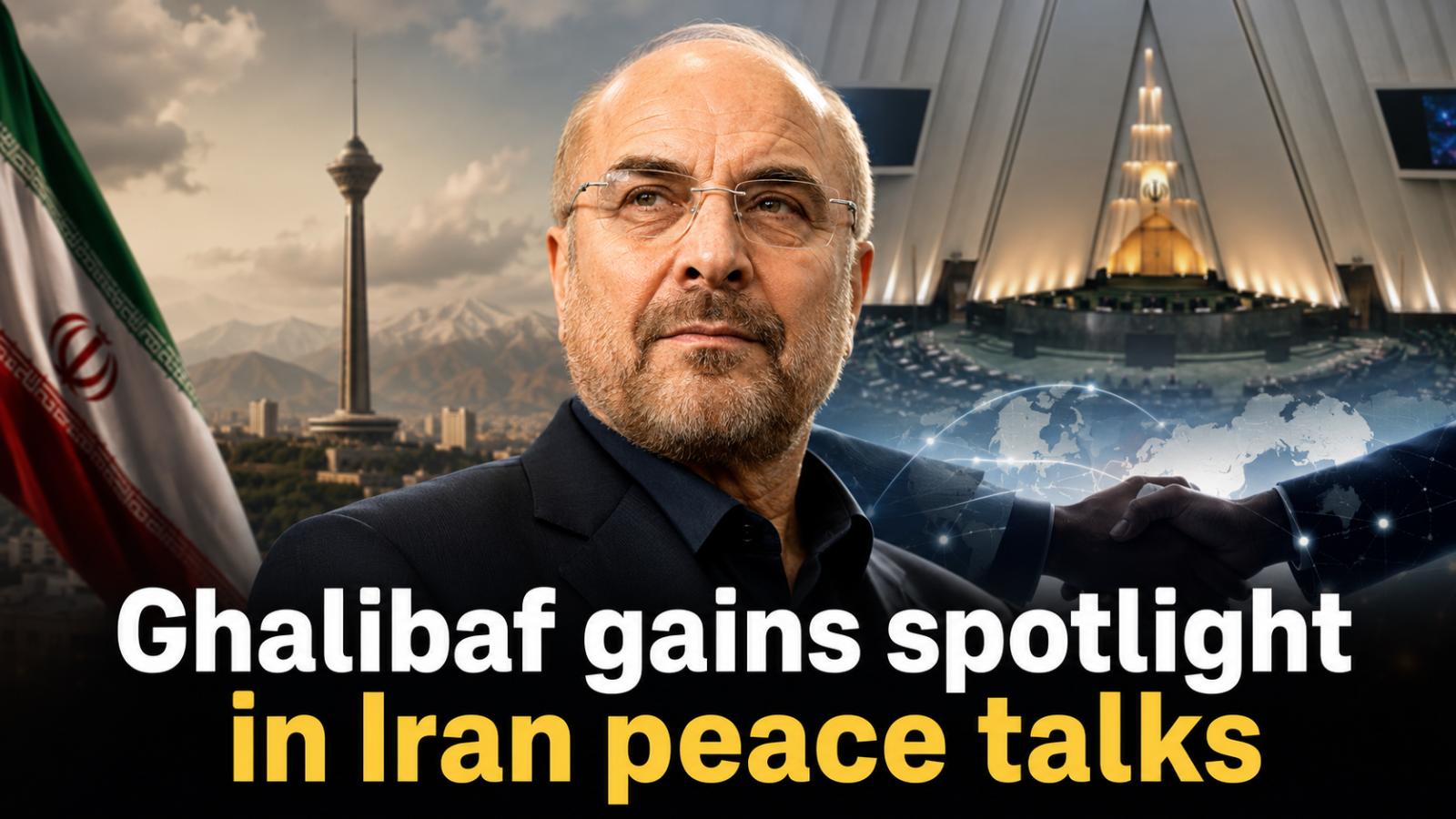
Ghalibaf gains spotlight in Iran peace talks
Mohammad Bagher Ghalibaf has become one of the most closely watched political figures in Iran as the country moves through a sensitive phase of diplomacy, conflict recovery and internal power balancing. The Iranian Parliament Speaker has gained attention for his role in Tehran’s political response during a difficult period marked by military pressure, sanctions concerns and renewed international negotiations. His growing visibility comes
Ghalibaf gains spotlight in Iran peace talks
Mohammad Bagher Ghalibaf has become one of the most closely watched political figures in Iran as the country moves through a sensitive phase of diplomacy, conflict recovery and internal power balancing. The Iranian Parliament Speaker has gained attention for his role in Tehran’s political response during a difficult period marked by military pressure, sanctions concerns and renewed international negotiations. His growing visibility comes
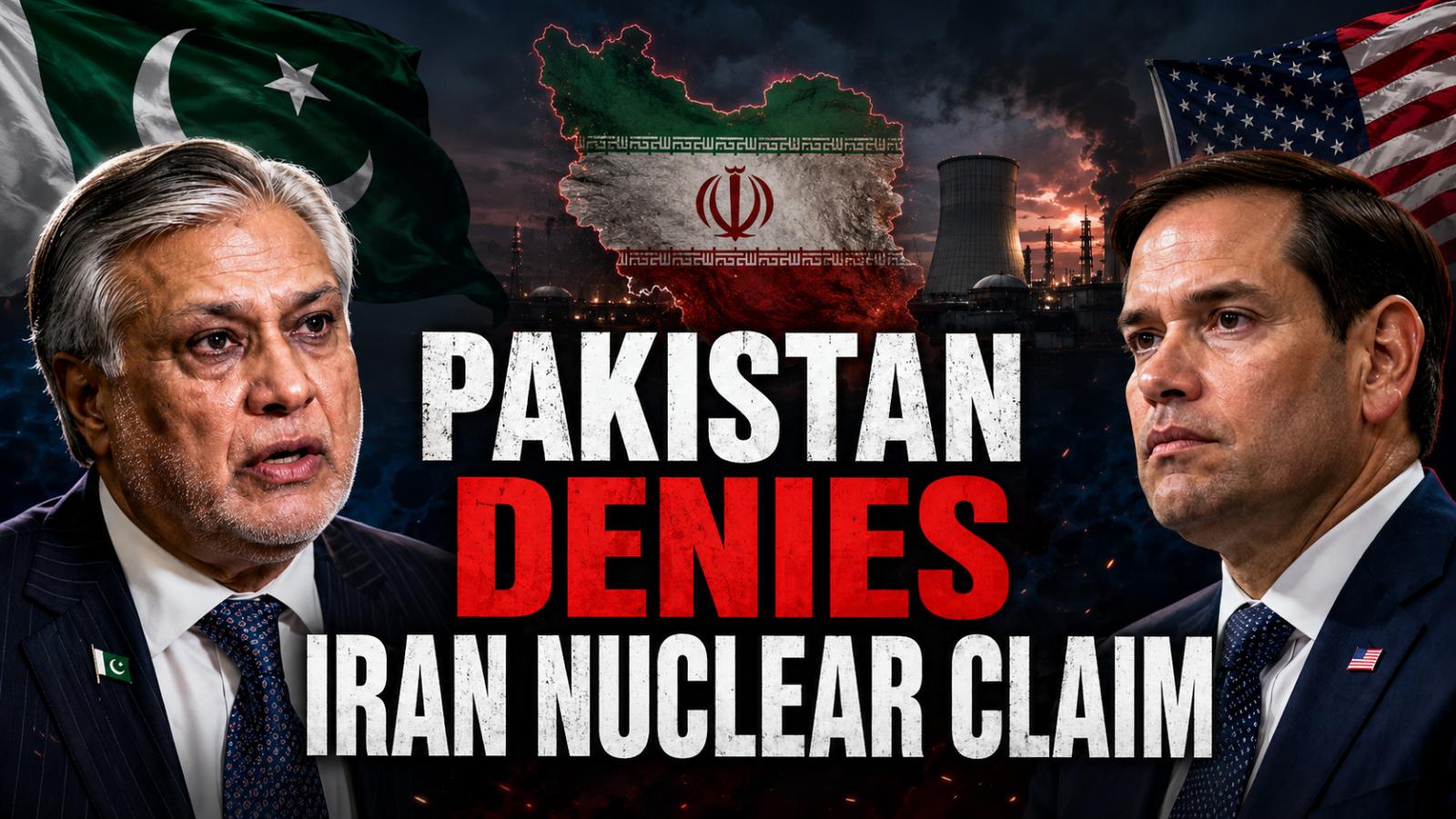
Pakistan Denies Iran Nuclear Claim as Ishaq Dar-Marco Rubio Talks Draw Attention
A new controversy over an Iran nuclear claim has placed Pakistan-US discussions under fresh attention. The issue began after former CIA analyst Larry Johnson alleged that Pakistan’s Deputy Prime Minister and Foreign Minister Ishaq Dar passed a sensitive “nuclear alert” message to US Secretary of State Marco Rubio. According to the claim, the message was linked to a possible major development in Iran’s nuclear position. Pakistan, however, has firmly denied the allegation and said no secret or confidential report about Iran’s nuclear activity was shared with the United States. Pakistan Rejects Secret Report Allegation The claim has brought renewed focus to the May 29 meeting between Ishaq Dar and Marco Rubio. While the official discussion was described as part of regular bilateral engagement, Johnson’s remarks turned the meeting into a wider debate involving Iran, Pakistan, the United States and regional security. Pakistan’s Foreign Office rejected the reports as baseless and speculative. It made clear that Islamabad did not hand over any secret nuclear document or intelligence report to Washington. This denial is important because the allegation involves a highly sensitive subject. Any suggestion of secret nuclear communication between Pakistan and the United States can quickly create diplomatic pressure, especially when Iran and Israel tensions are already high. Larry Johnson’s Claim Raises Questions Larry Johnson claimed that Iranian President Masoud Pezeshkian had informed Pakistan Prime Minister Shehbaz Sharif about Iran’s nuclear position. He further suggested that Tehran may be close to either declaring itself a nuclear power or showing its capability through a possible internal test. These are serious claims, but they remain unverified. So far, Iran, Pakistan and the United States have not confirmed any plan for a nuclear test or public nuclear declaration by Tehran. For readers, the key point is simple: Pakistan’s denial is official. Johnson’s claim is not officially proven. Iran’s Nuclear Doctrine Back in Debate The controversy has also revived discussion around Iran’s nuclear doctrine. Tehran has long maintained that nuclear weapons and weapons of mass destruction are forbidden under a religious decree associated with its leadership. This position is often described as Iran’s religious and political justification for not building nuclear weapons. However, some analysts believe Iran’s doctrine could change if regional threats increase. Others argue that there is still no clear evidence of Iran deciding to build, test or stockpile nuclear weapons. Because of this uncertainty, even an unconfirmed Iran nuclear claim can create serious concern among governments and security analysts. Why the Claim Matters for Regional Security ? The timing of the claim is sensitive. US-Iran talks, Israel-Iran tensions and Middle East security concerns are already under global attention. Any report suggesting that Iran may shift its nuclear position can increase fear in the region. Johnson also suggested that sensitive communication may have been allowed through a channel that Western and Israeli intelligence could detect. That claim too remains unproven and should be treated with caution. In geopolitics, even speculation can have consequences. A single unverified claim can affect diplomatic language, security planning and public debate. What Is Confirmed So Far ? At this stage, the confirmed fact is Pakistan’s denial. Islamabad has rejected the idea that it shared any confidential Iran nuclear report with the United States. There is no official confirmation from Iran about a nuclear test. There is no public confirmation from Washington that it received such a report from Pakistan. There is also no verified statement proving that Tehran is preparing to declare itself a nuclear power. The issue remains important because it touches three sensitive areas: Iran’s nuclear policy, Pakistan-US diplomatic communication and regional security fears.
Pakistan Denies Iran Nuclear Claim as Ishaq Dar-Marco Rubio Talks Draw Attention
A new controversy over an Iran nuclear claim has placed Pakistan-US discussions under fresh attention. The issue began after former CIA analyst Larry Johnson alleged that Pakistan’s Deputy Prime Minister and Foreign Minister Ishaq Dar passed a sensitive “nuclear alert” message to US Secretary of State Marco Rubio. According to the claim, the message was linked to a possible major development in Iran’s nuclear position. Pakistan, however, has firmly denied the allegation and said no secret or confidential report about Iran’s nuclear activity was shared with the United States. Pakistan Rejects Secret Report Allegation The claim has brought renewed focus to the May 29 meeting between Ishaq Dar and Marco Rubio. While the official discussion was described as part of regular bilateral engagement, Johnson’s remarks turned the meeting into a wider debate involving Iran, Pakistan, the United States and regional security. Pakistan’s Foreign Office rejected the reports as baseless and speculative. It made clear that Islamabad did not hand over any secret nuclear document or intelligence report to Washington. This denial is important because the allegation involves a highly sensitive subject. Any suggestion of secret nuclear communication between Pakistan and the United States can quickly create diplomatic pressure, especially when Iran and Israel tensions are already high. Larry Johnson’s Claim Raises Questions Larry Johnson claimed that Iranian President Masoud Pezeshkian had informed Pakistan Prime Minister Shehbaz Sharif about Iran’s nuclear position. He further suggested that Tehran may be close to either declaring itself a nuclear power or showing its capability through a possible internal test. These are serious claims, but they remain unverified. So far, Iran, Pakistan and the United States have not confirmed any plan for a nuclear test or public nuclear declaration by Tehran. For readers, the key point is simple: Pakistan’s denial is official. Johnson’s claim is not officially proven. Iran’s Nuclear Doctrine Back in Debate The controversy has also revived discussion around Iran’s nuclear doctrine. Tehran has long maintained that nuclear weapons and weapons of mass destruction are forbidden under a religious decree associated with its leadership. This position is often described as Iran’s religious and political justification for not building nuclear weapons. However, some analysts believe Iran’s doctrine could change if regional threats increase. Others argue that there is still no clear evidence of Iran deciding to build, test or stockpile nuclear weapons. Because of this uncertainty, even an unconfirmed Iran nuclear claim can create serious concern among governments and security analysts. Why the Claim Matters for Regional Security ? The timing of the claim is sensitive. US-Iran talks, Israel-Iran tensions and Middle East security concerns are already under global attention. Any report suggesting that Iran may shift its nuclear position can increase fear in the region. Johnson also suggested that sensitive communication may have been allowed through a channel that Western and Israeli intelligence could detect. That claim too remains unproven and should be treated with caution. In geopolitics, even speculation can have consequences. A single unverified claim can affect diplomatic language, security planning and public debate. What Is Confirmed So Far ? At this stage, the confirmed fact is Pakistan’s denial. Islamabad has rejected the idea that it shared any confidential Iran nuclear report with the United States. There is no official confirmation from Iran about a nuclear test. There is no public confirmation from Washington that it received such a report from Pakistan. There is also no verified statement proving that Tehran is preparing to declare itself a nuclear power. The issue remains important because it touches three sensitive areas: Iran’s nuclear policy, Pakistan-US diplomatic communication and regional security fears.
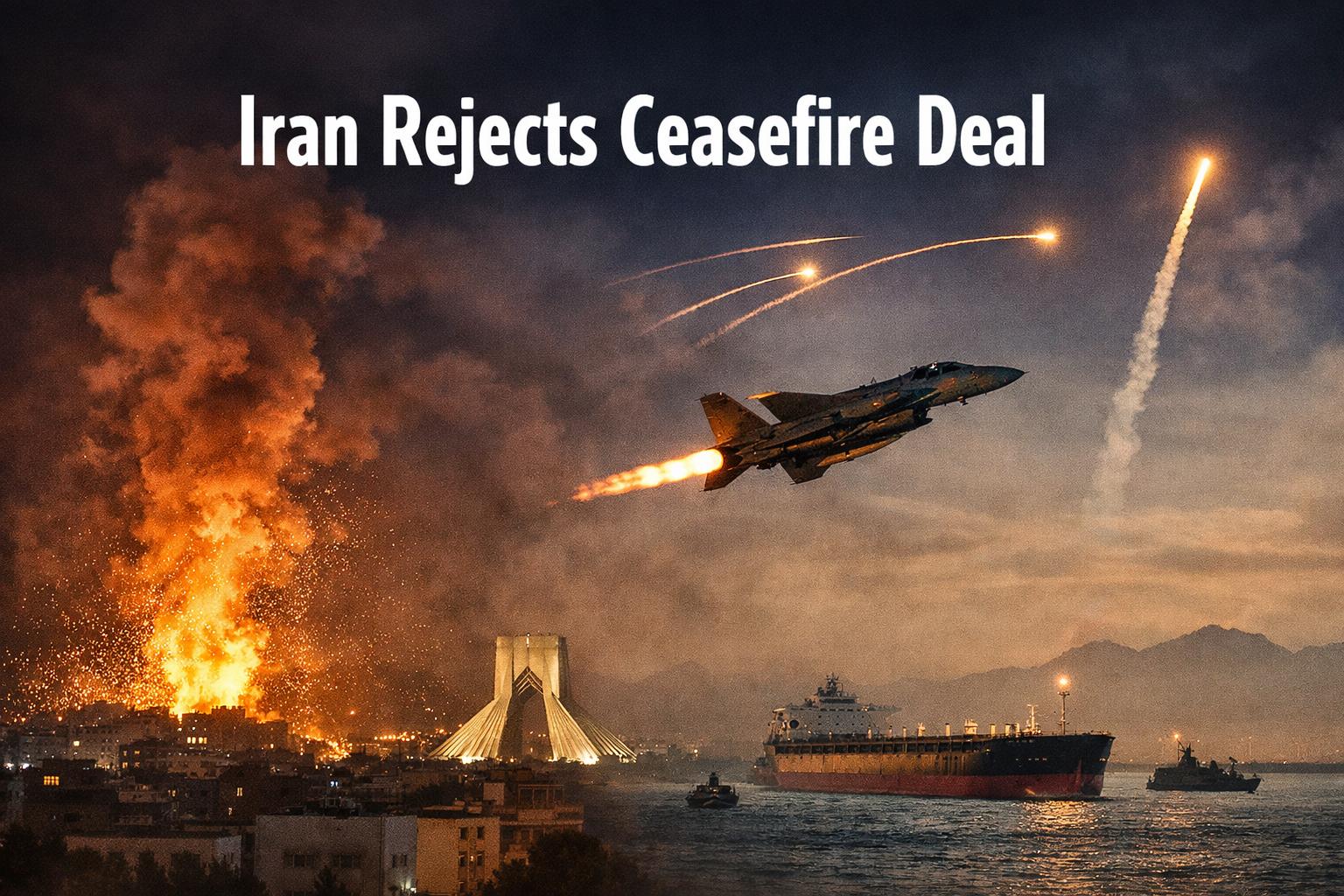
Iran rejects ceasefire proposal, demands permanent end to conflict
TEHRAN, Iran — Iran has rejected a proposed ceasefire agreement and is instead calling for a permanent end to hostilities, intensifying an already volatile situation in the Middle East. The development was reported on Monday, April 6, 2026, local time in Iran, amid rising pressure from the United States and escalating military actions involving Israel. Mojtaba Ferdousi Pour, head of Iran’s diplomatic mission in Cairo, stated that Tehran would not agree to a temporary truce without guarantees of long-term security. He emphasized that Iran seeks a definitive end to the conflict with assurances that future attacks would not occur. According to Iranian officials, the country conveyed its position through Pakistan, which has been acting as a key mediator in ongoing diplomatic efforts. The rejection comes as U.S. President Donald Trump has imposed a deadline tied to the reopening of the Strait of Hormuz, a critical global shipping route through which roughly 20% of the world’s oil supply passes during peacetime. Iranian and Omani officials are reportedly working on a mechanism to manage traffic through the strategic waterway. Disruptions in the strait have already contributed to rising oil prices and heightened concerns about the global economy. Tensions further escalated following Israeli strikes on Iran’s South Pars natural gas field, a major energy hub shared with Qatar and vital to Iran’s electricity production. The strikes also reportedly killed senior figures within Iran’s Revolutionary Guard, including intelligence chief Maj. Gen. Majid Khademi and a commander linked to the Quds Force. Israeli officials indicated that targeting Iran’s economic and military infrastructure remains a priority. Simultaneously, explosions were reported across Tehran, with residents describing sustained aerial activity, including drones and low-flying aircraft. Israeli forces also claimed to have struck multiple airports in the Iranian capital, damaging military assets. Efforts by mediators from Egypt, Pakistan, and Turkey to broker a 45-day ceasefire and reopen the Strait of Hormuz are ongoing, though progress appears uncertain. Iranian officials have reiterated that negotiations cannot proceed under threats or ultimatums. Regional tensions have also spread to neighboring Gulf countries, with Kuwait, the United Arab Emirates, and Saudi Arabia activating air defenses in response to Iranian missile and drone activity. In Israel, missile strikes reportedly hit residential areas in Haifa, resulting in civilian casualties. The situation continues to evolve, with significant implications for global energy markets and regional stability.
Iran rejects ceasefire proposal, demands permanent end to conflict
TEHRAN, Iran — Iran has rejected a proposed ceasefire agreement and is instead calling for a permanent end to hostilities, intensifying an already volatile situation in the Middle East. The development was reported on Monday, April 6, 2026, local time in Iran, amid rising pressure from the United States and escalating military actions involving Israel. Mojtaba Ferdousi Pour, head of Iran’s diplomatic mission in Cairo, stated that Tehran would not agree to a temporary truce without guarantees of long-term security. He emphasized that Iran seeks a definitive end to the conflict with assurances that future attacks would not occur. According to Iranian officials, the country conveyed its position through Pakistan, which has been acting as a key mediator in ongoing diplomatic efforts. The rejection comes as U.S. President Donald Trump has imposed a deadline tied to the reopening of the Strait of Hormuz, a critical global shipping route through which roughly 20% of the world’s oil supply passes during peacetime. Iranian and Omani officials are reportedly working on a mechanism to manage traffic through the strategic waterway. Disruptions in the strait have already contributed to rising oil prices and heightened concerns about the global economy. Tensions further escalated following Israeli strikes on Iran’s South Pars natural gas field, a major energy hub shared with Qatar and vital to Iran’s electricity production. The strikes also reportedly killed senior figures within Iran’s Revolutionary Guard, including intelligence chief Maj. Gen. Majid Khademi and a commander linked to the Quds Force. Israeli officials indicated that targeting Iran’s economic and military infrastructure remains a priority. Simultaneously, explosions were reported across Tehran, with residents describing sustained aerial activity, including drones and low-flying aircraft. Israeli forces also claimed to have struck multiple airports in the Iranian capital, damaging military assets. Efforts by mediators from Egypt, Pakistan, and Turkey to broker a 45-day ceasefire and reopen the Strait of Hormuz are ongoing, though progress appears uncertain. Iranian officials have reiterated that negotiations cannot proceed under threats or ultimatums. Regional tensions have also spread to neighboring Gulf countries, with Kuwait, the United Arab Emirates, and Saudi Arabia activating air defenses in response to Iranian missile and drone activity. In Israel, missile strikes reportedly hit residential areas in Haifa, resulting in civilian casualties. The situation continues to evolve, with significant implications for global energy markets and regional stability.
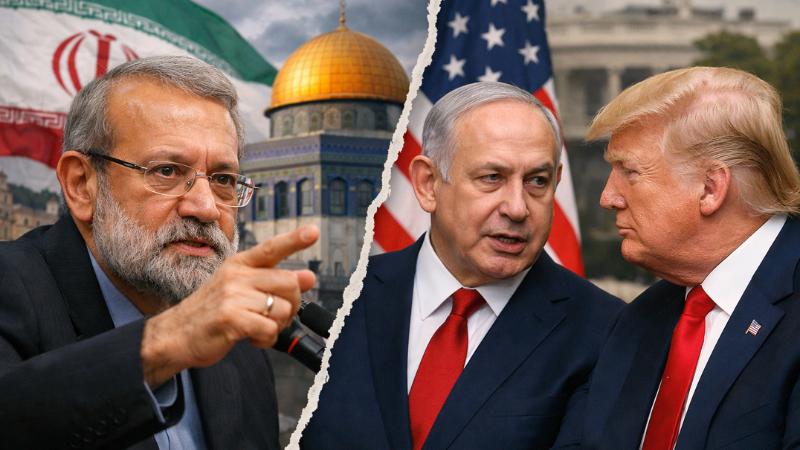
Iran warns US over Netanyahu visit amid rising nuclear tensions
A senior Iranian security official has issued a sharp warning to the United States ahead of Israeli Prime Minister Benjamin Netanyahu’s visit to Washington, underscoring escalating rhetoric between Tehran and Tel Aviv as diplomatic efforts around Iran’s nuclear program continue to shape regional politics. Ali Larijani, a prominent figure in Iran’s political and security establishment, addressed the matter in a post on social media on Tuesday, urging American policymakers and citizens to exercise caution. He said the United States should “think wisely” and remain alert to what he described as the “destructive role of the Zionists,” signaling Tehran’s deep distrust of Israeli influence over Washington’s foreign policy decisions. Larijani criticized Netanyahu’s planned trip, suggesting that the Israeli leader intended to sway the United States’ stance on negotiations related to Iran’s nuclear activities. In his remarks, Larijani argued that Netanyahu might attempt to frame the direction of nuclear negotiations before arriving in the United States. He warned that such messaging could mislead American officials and complicate ongoing diplomatic efforts. The comments reflect broader concerns in Tehran that Israel seeks to derail talks that could ease tensions between Iran and the United States or lead to a new agreement governing Iran’s nuclear program. Separately, Iran’s judiciary chief, Gholamhossein Mohseni Ejei, reinforced the government’s hardline posture. Speaking publicly, he said the Islamic Republic had demonstrated “compassion” since its founding but stressed that authorities would not hesitate to confront individuals or groups deemed disloyal. Ejei warned that the judiciary would take action against those acting “in tandem with Israel and other enemies of the Islamic revolution,” a statement widely interpreted as a message to domestic critics and alleged collaborators. Meanwhile, Netanyahu confirmed that discussions about Iran’s nuclear ambitions would be a central part of his agenda in Washington. Before departing for the US capital, the Israeli prime minister told reporters that he intended to present Israel’s approach and core principles regarding negotiations with Tehran. He described these principles as essential not only for Israel’s security but for any country seeking peace and stability in the Middle East. Netanyahu also emphasized the close relationship between Israel and the United States, highlighting frequent meetings with former US President Donald Trump as evidence of strong diplomatic and personal ties. According to the Israeli leader, this partnership plays a critical role in shaping policy on issues ranging from nuclear talks to the ongoing conflict in Gaza. He indicated that a range of regional security concerns would be discussed during the visit. The exchange of pointed statements from both sides illustrates the persistent tensions surrounding Iran’s nuclear program and the broader geopolitical rivalry between Iran and Israel. As Washington prepares to engage with Israeli leadership while weighing its approach to Tehran, the coming discussions are likely to influence not only bilateral US-Israel relations but also the future trajectory of diplomacy and security across the Middle East.
Iran warns US over Netanyahu visit amid rising nuclear tensions
A senior Iranian security official has issued a sharp warning to the United States ahead of Israeli Prime Minister Benjamin Netanyahu’s visit to Washington, underscoring escalating rhetoric between Tehran and Tel Aviv as diplomatic efforts around Iran’s nuclear program continue to shape regional politics. Ali Larijani, a prominent figure in Iran’s political and security establishment, addressed the matter in a post on social media on Tuesday, urging American policymakers and citizens to exercise caution. He said the United States should “think wisely” and remain alert to what he described as the “destructive role of the Zionists,” signaling Tehran’s deep distrust of Israeli influence over Washington’s foreign policy decisions. Larijani criticized Netanyahu’s planned trip, suggesting that the Israeli leader intended to sway the United States’ stance on negotiations related to Iran’s nuclear activities. In his remarks, Larijani argued that Netanyahu might attempt to frame the direction of nuclear negotiations before arriving in the United States. He warned that such messaging could mislead American officials and complicate ongoing diplomatic efforts. The comments reflect broader concerns in Tehran that Israel seeks to derail talks that could ease tensions between Iran and the United States or lead to a new agreement governing Iran’s nuclear program. Separately, Iran’s judiciary chief, Gholamhossein Mohseni Ejei, reinforced the government’s hardline posture. Speaking publicly, he said the Islamic Republic had demonstrated “compassion” since its founding but stressed that authorities would not hesitate to confront individuals or groups deemed disloyal. Ejei warned that the judiciary would take action against those acting “in tandem with Israel and other enemies of the Islamic revolution,” a statement widely interpreted as a message to domestic critics and alleged collaborators. Meanwhile, Netanyahu confirmed that discussions about Iran’s nuclear ambitions would be a central part of his agenda in Washington. Before departing for the US capital, the Israeli prime minister told reporters that he intended to present Israel’s approach and core principles regarding negotiations with Tehran. He described these principles as essential not only for Israel’s security but for any country seeking peace and stability in the Middle East. Netanyahu also emphasized the close relationship between Israel and the United States, highlighting frequent meetings with former US President Donald Trump as evidence of strong diplomatic and personal ties. According to the Israeli leader, this partnership plays a critical role in shaping policy on issues ranging from nuclear talks to the ongoing conflict in Gaza. He indicated that a range of regional security concerns would be discussed during the visit. The exchange of pointed statements from both sides illustrates the persistent tensions surrounding Iran’s nuclear program and the broader geopolitical rivalry between Iran and Israel. As Washington prepares to engage with Israeli leadership while weighing its approach to Tehran, the coming discussions are likely to influence not only bilateral US-Israel relations but also the future trajectory of diplomacy and security across the Middle East.