



#mohammadbagherghalibaf
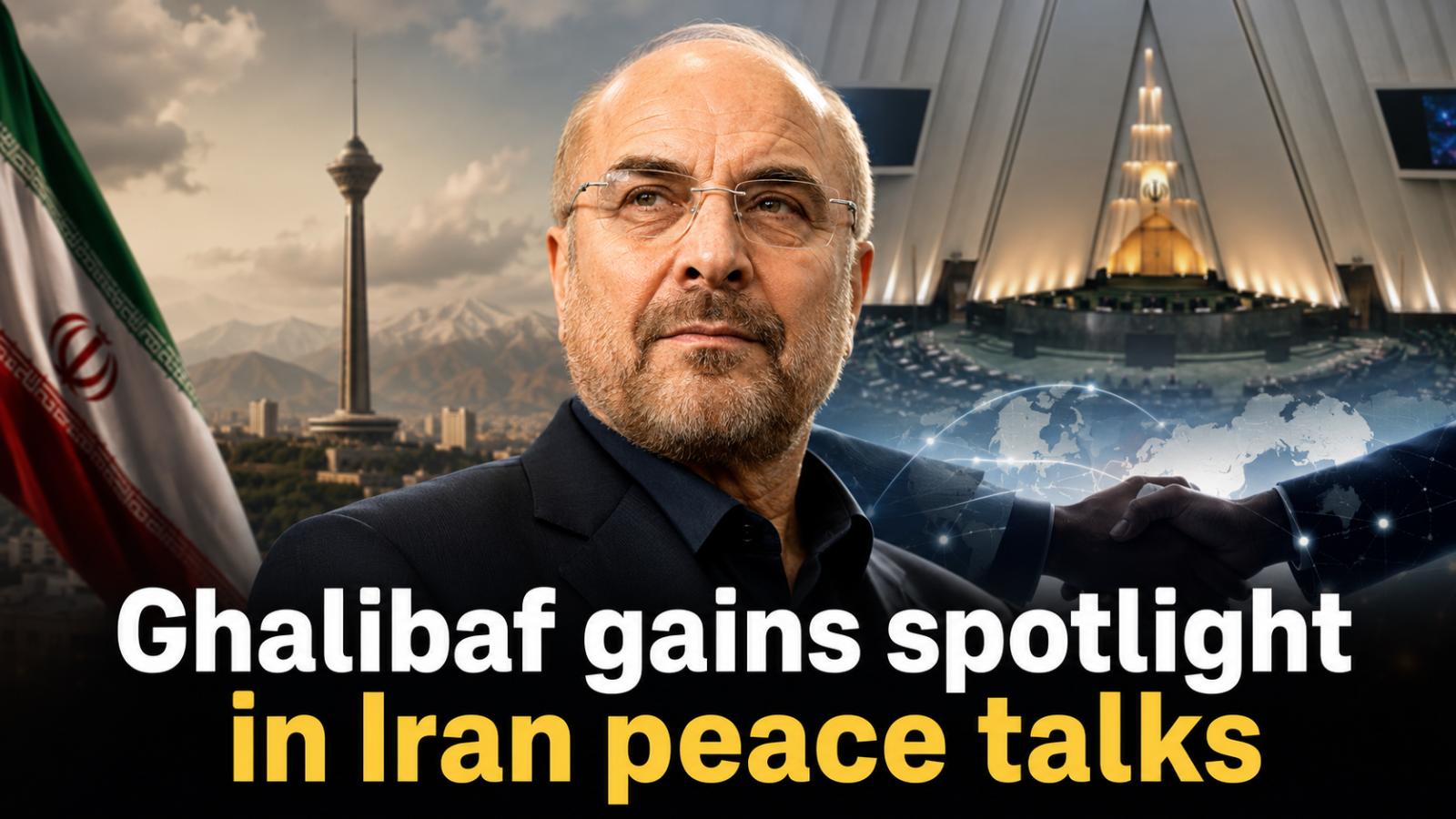
Ghalibaf gains spotlight in Iran peace talks
Mohammad Bagher Ghalibaf has become one of the most closely watched political figures in Iran as the country moves through a sensitive phase of diplomacy, conflict recovery and internal power balancing. The Iranian Parliament Speaker has gained attention for his role in Tehran’s political response during a difficult period marked by military pressure, sanctions concerns and renewed international negotiations. His growing visibility comes
Ghalibaf gains spotlight in Iran peace talks
Mohammad Bagher Ghalibaf has become one of the most closely watched political figures in Iran as the country moves through a sensitive phase of diplomacy, conflict recovery and internal power balancing. The Iranian Parliament Speaker has gained attention for his role in Tehran’s political response during a difficult period marked by military pressure, sanctions concerns and renewed international negotiations. His growing visibility comes
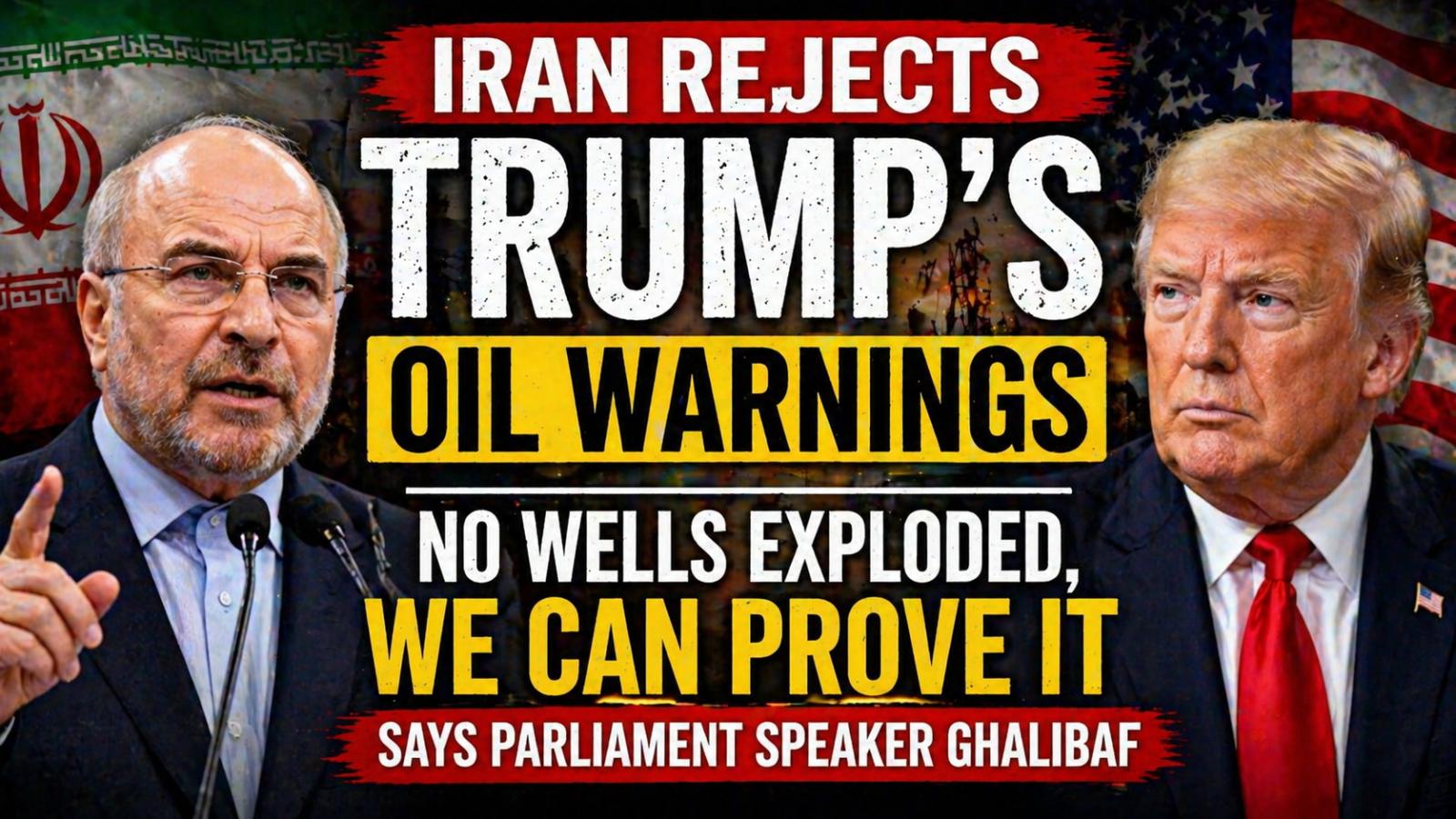
Iran Pushes Back on Trump’s Oil Warnings, Defends Export Capacity
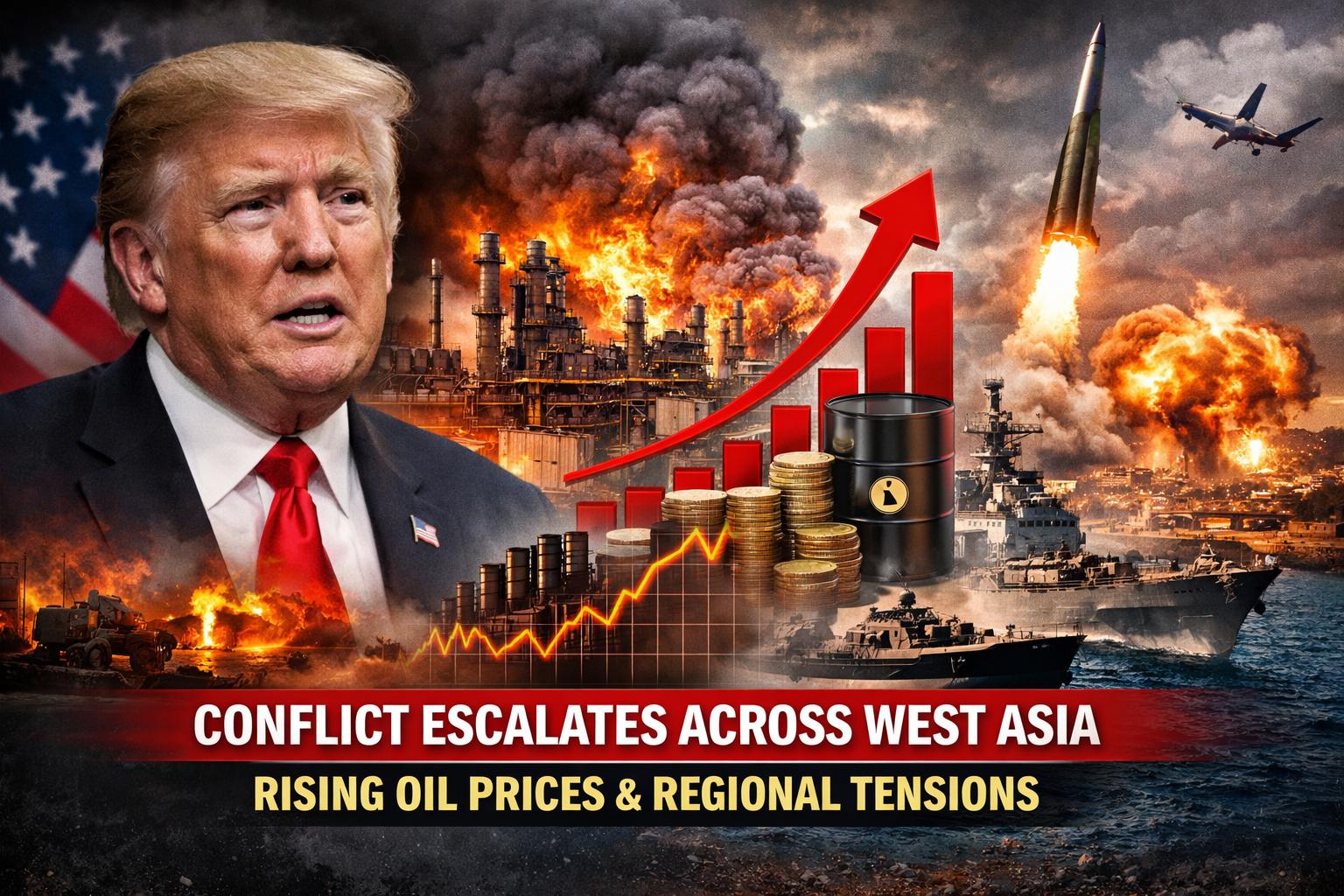
The Speaker of Iran’s Parliament, Mohammad Bagher Ghalibaf, has rejected recent claims made by US President Donald Trump regarding the stability of Iran’s oil infrastructure. Responding to warnings that Iran’s oil facilities were nearing critical failure, Ghalibaf dismissed the remarks as inaccurate and politically motivated, stating that conditions on the ground do not support such assessments. He emphasized that several days have passed without any reported incidents and suggested that extended monitoring could further demonstrate the resilience of Iran’s oil sector. Ghalibaf also criticized the broader economic reasoning behind US policy measures, arguing that sanctions-based strategies have produced unintended consequences. He stated that approaches centered on economic pressure have contributed to rising oil prices rather than stabilizing global markets. According to his remarks, such policies reflect not only flawed strategies but also a deeper issue in decision-making. The exchange follows recent developments in US policy toward Iranian oil exports. Washington moved to temporarily ease restrictions on a significant volume of Iranian crude already stored on tankers, allowing limited transactions involving existing shipments. US officials described the move as a calculated effort to influence oil markets while maintaining restrictions on new production or expanded trade. Earlier, Trump had suggested that storage limitations and sanctions pressure could lead to disruptions in Iran’s oil infrastructure. However, Iranian officials have consistently maintained that both land-based and offshore storage capacities remain sufficient to manage production and exports. They argue that the country’s energy sector continues to operate within manageable limits despite ongoing sanctions. The situation highlights continuing tensions between Tehran and Washington over energy policy and economic measures. As both sides present differing assessments, the broader impact on global oil markets and geopolitical stability remains closely watched.
Iran Pushes Back on Trump’s Oil Warnings, Defends Export Capacity
The Speaker of Iran’s Parliament, Mohammad Bagher Ghalibaf, has rejected recent claims made by US President Donald Trump regarding the stability of Iran’s oil infrastructure. Responding to warnings that Iran’s oil facilities were nearing critical failure, Ghalibaf dismissed the remarks as inaccurate and politically motivated, stating that conditions on the ground do not support such assessments. He emphasized that several days have passed without any reported incidents and suggested that extended monitoring could further demonstrate the resilience of Iran’s oil sector. Ghalibaf also criticized the broader economic reasoning behind US policy measures, arguing that sanctions-based strategies have produced unintended consequences. He stated that approaches centered on economic pressure have contributed to rising oil prices rather than stabilizing global markets. According to his remarks, such policies reflect not only flawed strategies but also a deeper issue in decision-making. The exchange follows recent developments in US policy toward Iranian oil exports. Washington moved to temporarily ease restrictions on a significant volume of Iranian crude already stored on tankers, allowing limited transactions involving existing shipments. US officials described the move as a calculated effort to influence oil markets while maintaining restrictions on new production or expanded trade. Earlier, Trump had suggested that storage limitations and sanctions pressure could lead to disruptions in Iran’s oil infrastructure. However, Iranian officials have consistently maintained that both land-based and offshore storage capacities remain sufficient to manage production and exports. They argue that the country’s energy sector continues to operate within manageable limits despite ongoing sanctions. The situation highlights continuing tensions between Tehran and Washington over energy policy and economic measures. As both sides present differing assessments, the broader impact on global oil markets and geopolitical stability remains closely watched.
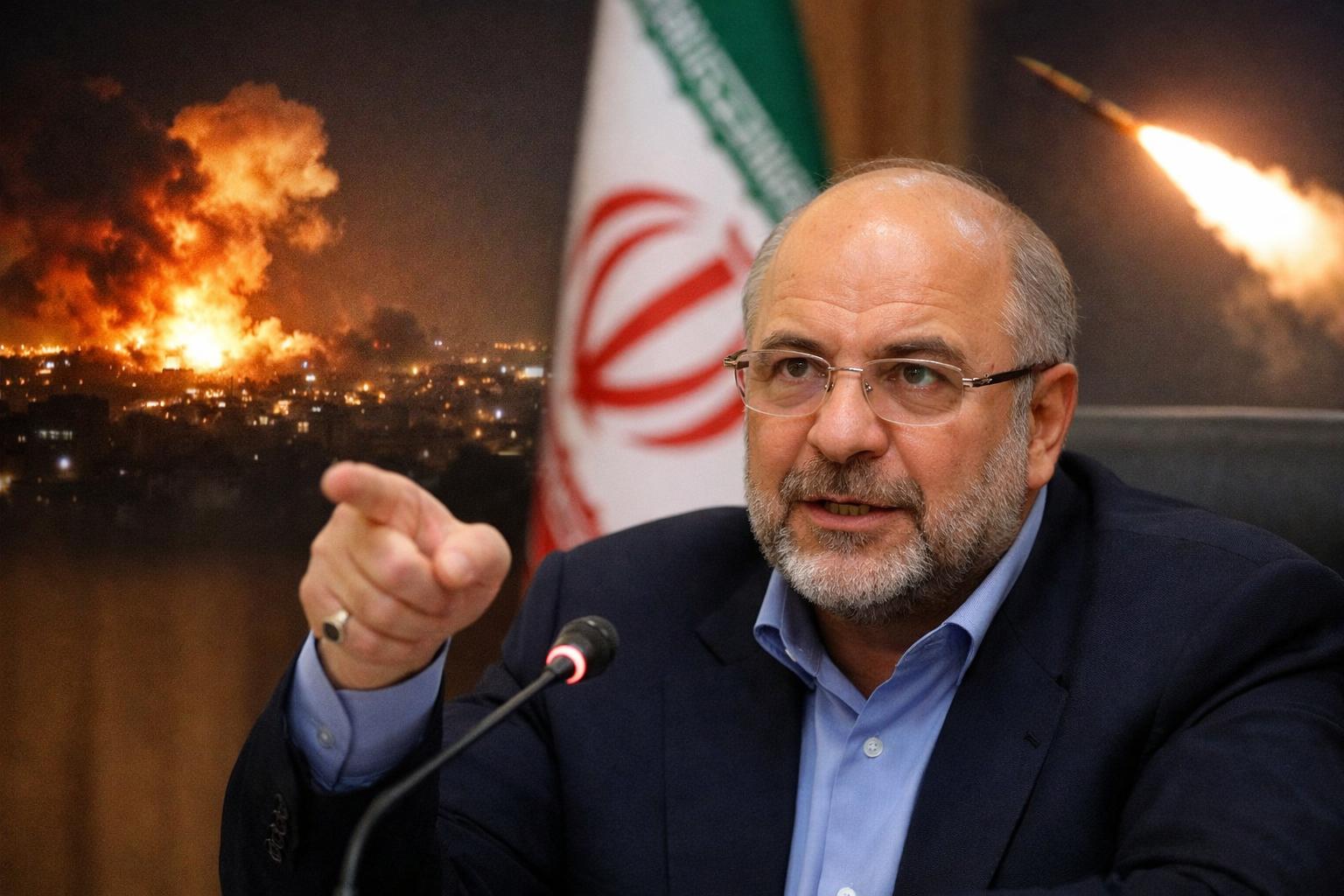
US–Israel–Iran War | Iran warns of direct retaliation if infrastructure is targeted amid rising Middle East tensions
Iran’s parliament speaker Mohammad Bagher Ghalibaf warned on Tuesday that any attack targeting the country’s infrastructure would provoke an immediate and proportional response, as tensions continue to rise following recent US-Israel strikes that have escalated the Middle East conflict. In a message posted on the social media platform X, Ghalibaf said Iran would not hesitate to retaliate if its critical facilities were attacked, emphasizing that the country would respond according to what he
US–Israel–Iran War | Iran warns of direct retaliation if infrastructure is targeted amid rising Middle East tensions
Iran’s parliament speaker Mohammad Bagher Ghalibaf warned on Tuesday that any attack targeting the country’s infrastructure would provoke an immediate and proportional response, as tensions continue to rise following recent US-Israel strikes that have escalated the Middle East conflict. In a message posted on the social media platform X, Ghalibaf said Iran would not hesitate to retaliate if its critical facilities were attacked, emphasizing that the country would respond according to what he