US–Israel–Iran War | Iran warns of direct retaliation if infrastructure is targeted amid rising Middle East tensions
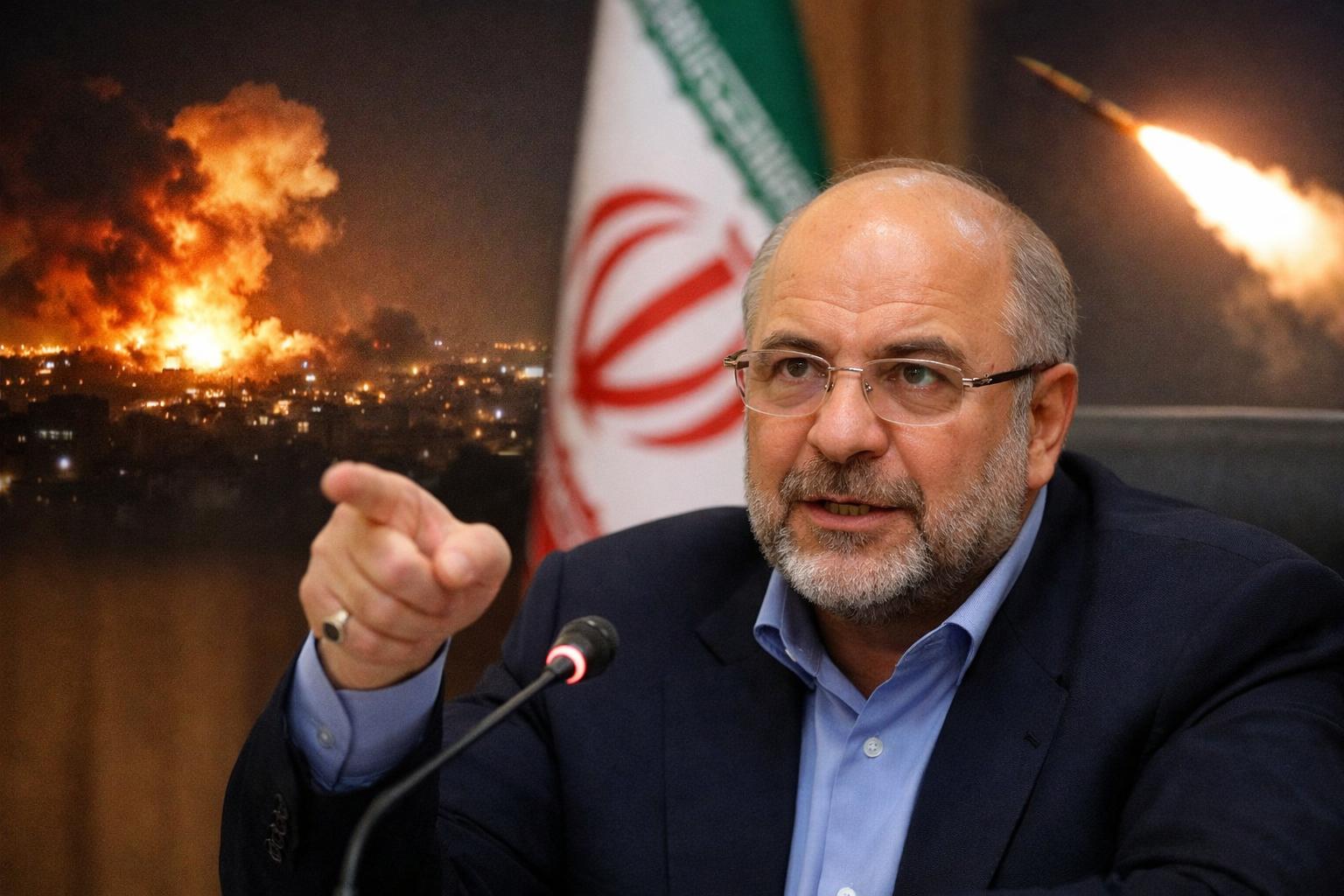
Ghalibaf’s remarks come more than a week after the latest phase of hostilities began with coordinated strikes by the United States and Israel on Iranian targets, intensifying an already fragile regional security situation. According to the parliament speaker, Iran would respond without compromise if its infrastructure were deliberately targeted. He stated that any hostile action against Iranian facilities would lead to a direct counterstrike on the infrastructure of those responsible.
Meanwhile, Iran’s intelligence ministry reported the arrest of a foreign national accused of espionage activities allegedly carried out on behalf of the United States and Israel. Authorities claim the individual was operating as a proxy for two Gulf countries, although further details regarding the suspect’s identity and operations have not been publicly disclosed. In addition, state media said security forces detained around 30 other individuals in recent days, describing them as suspected spies, internal collaborators, or operational agents connected to Israel and the United States.
The arrests were announced amid heightened security concerns within Iran as the conflict continues to evolve. Officials indicated that investigations are ongoing and that further arrests could follow as intelligence agencies attempt to dismantle networks suspected of assisting foreign actors.
In Washington, U.S. Defense Secretary Pete Hegseth addressed the situation during a Pentagon briefing on Tuesday, stating that the United States intends to continue its military campaign against Iran until the adversary is “totally and decisively defeated.” He added that the direction and duration of the conflict ultimately rest with President Donald Trump, who will determine the strategy and timeline for concluding the military operation.
The exchange of warnings and military rhetoric highlights the growing risk of further escalation in the region, as both sides signal their readiness to respond forcefully to developments on the battlefield and beyond.