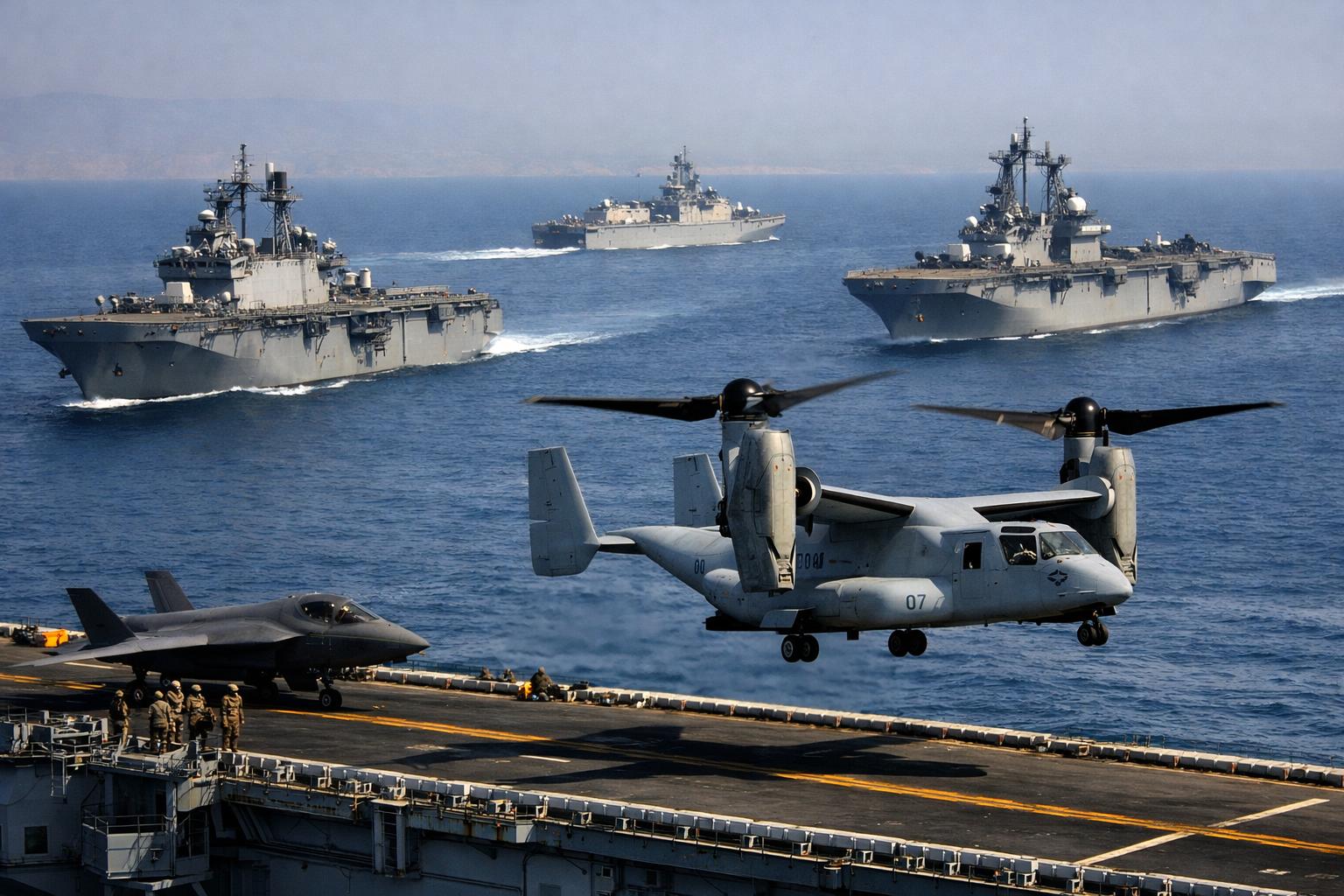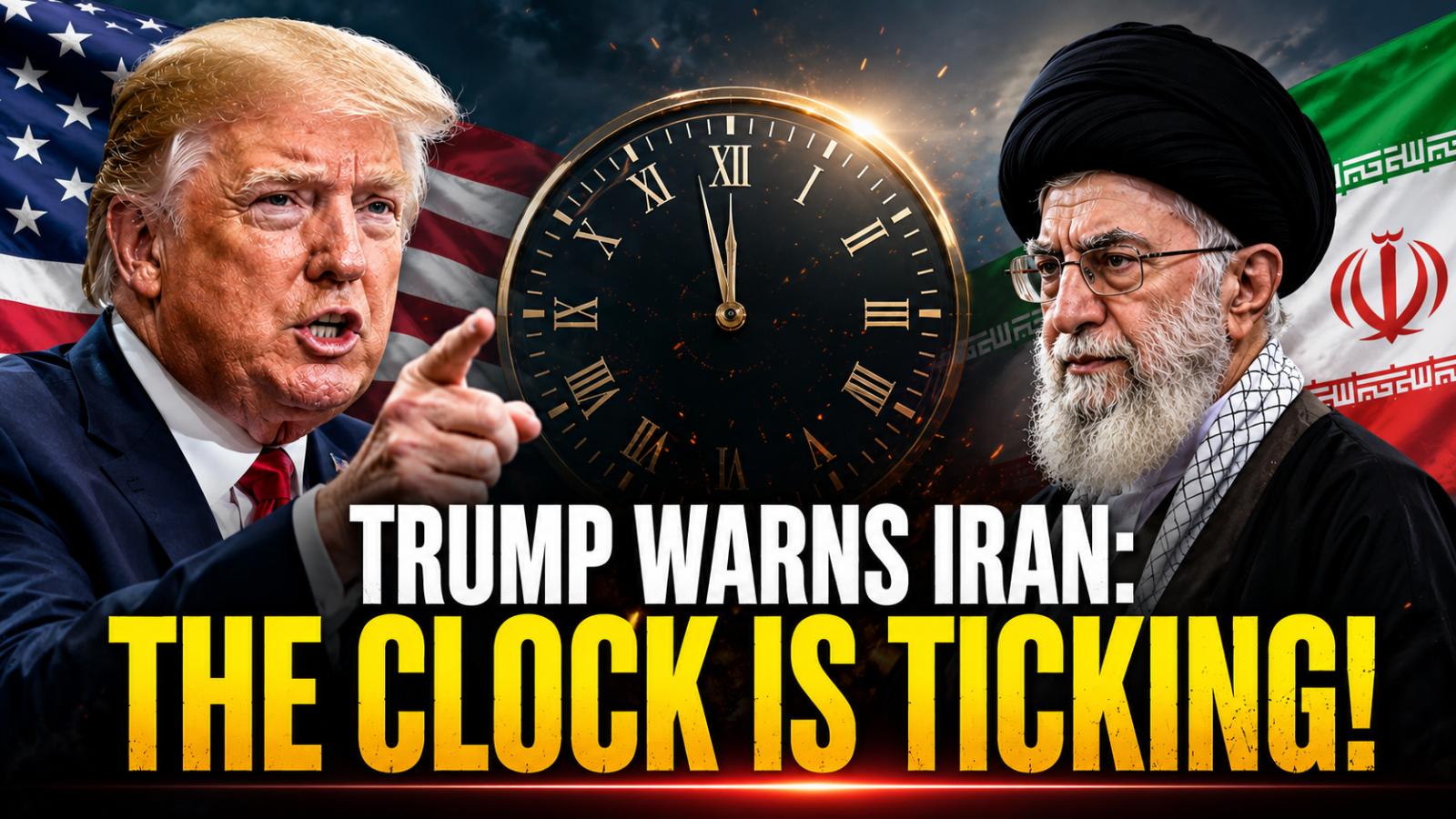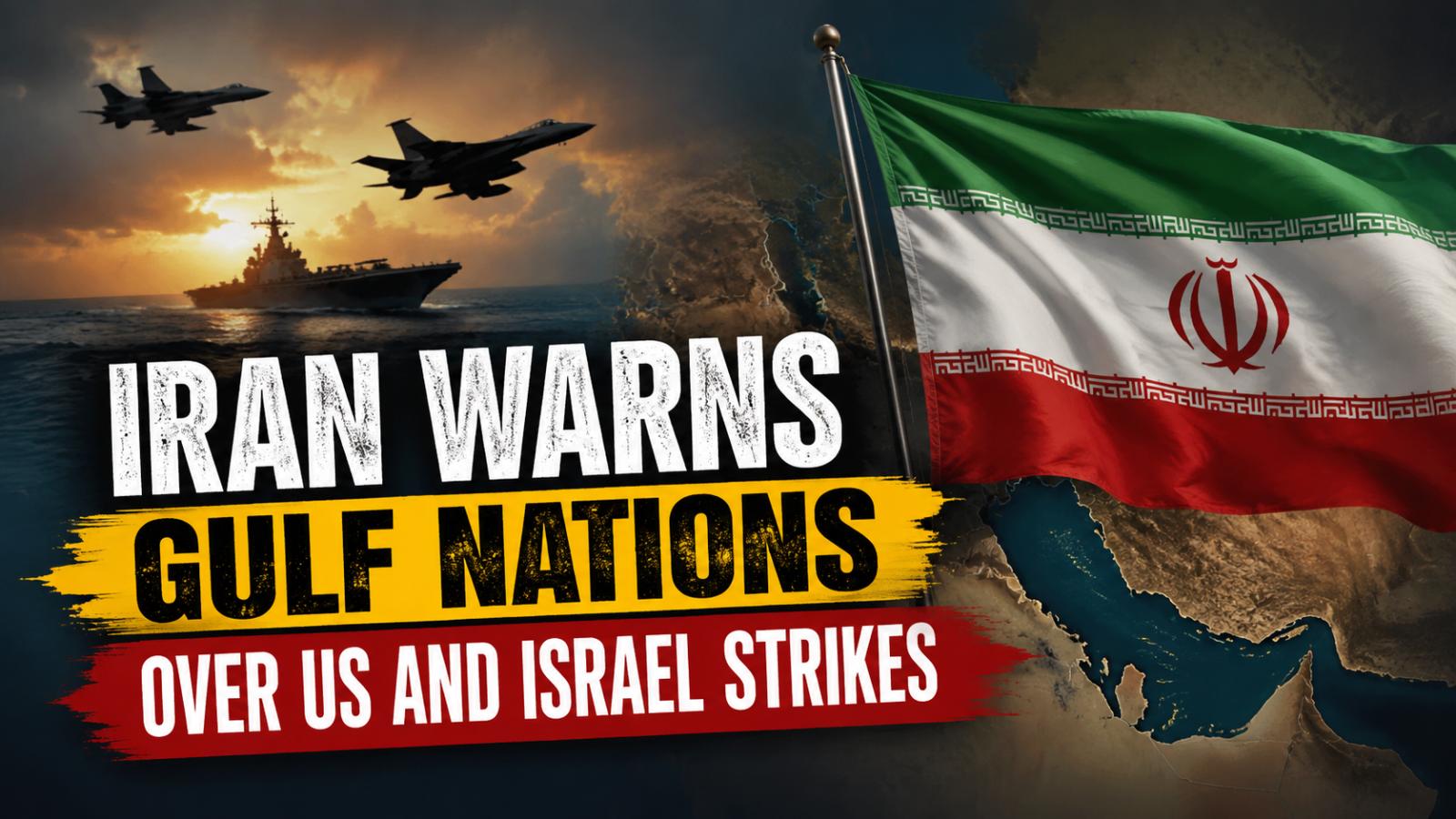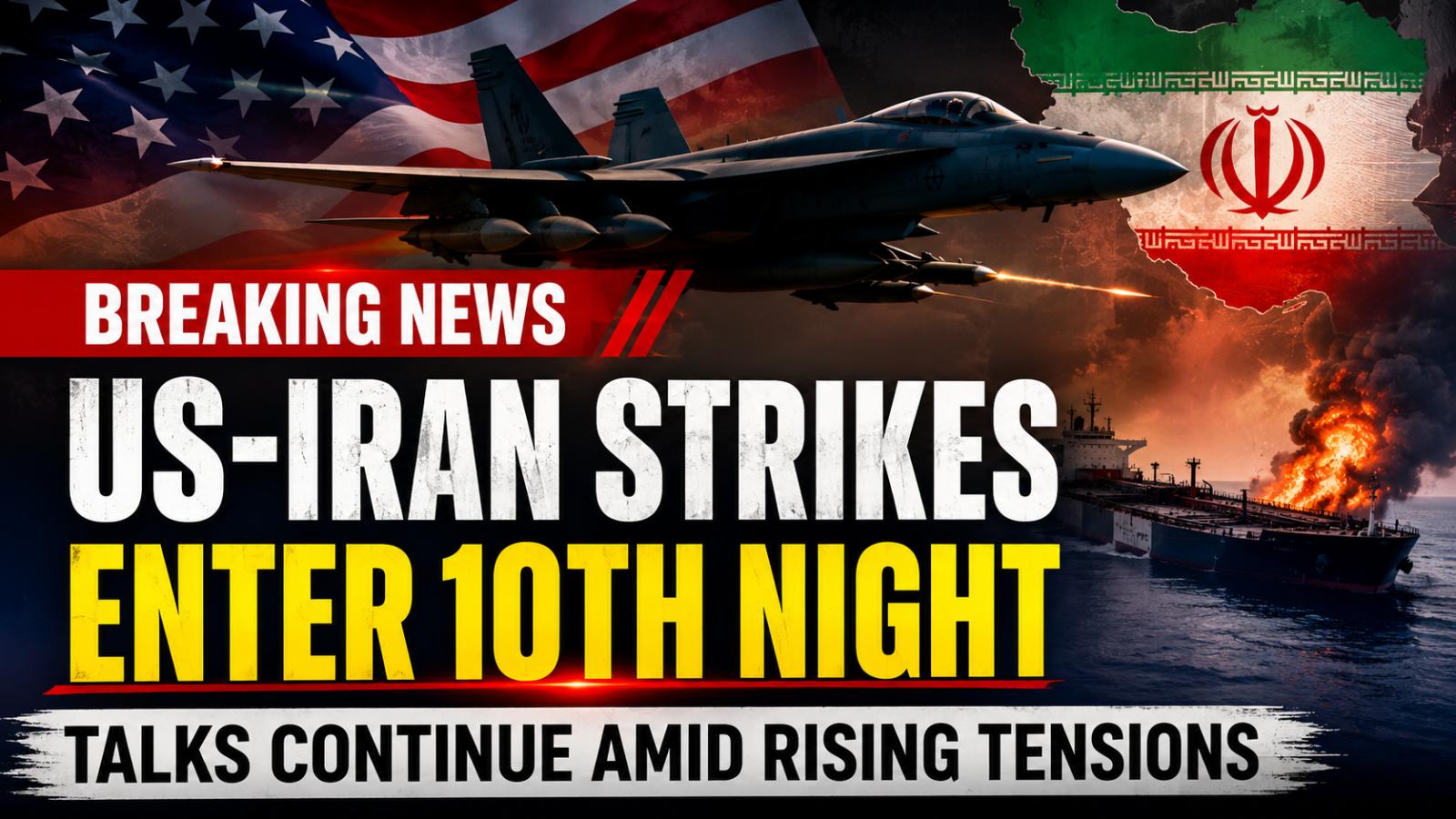
Tensions in the Middle East escalated sharply after coordinated military strikes by the United States and Israel targeted Iran on February 28, reportedly killing Iran’s Supreme Leader Ali Khamenei along with several senior Iranian officials. The operation, named “Epic Fury” by the United States and “Lion’s Roar” by Israel, came during a period of heightened friction between Washington and Tehran, particularly surrounding negotiations over Iran’s nuclear program and regional security concerns.
The attacks triggered swift retaliation from Iran, which launched strikes against Israeli territory and several United States military installations across the region. Targets reportedly included bases and strategic sites in Bahrain, Kuwait, the United Arab Emirates, Iraq, Qatar, Saudi Arabia, Jordan, and Azerbaijan. The retaliatory actions raised fears of a wider regional conflict as multiple governments moved to strengthen security around military facilities and key infrastructure.
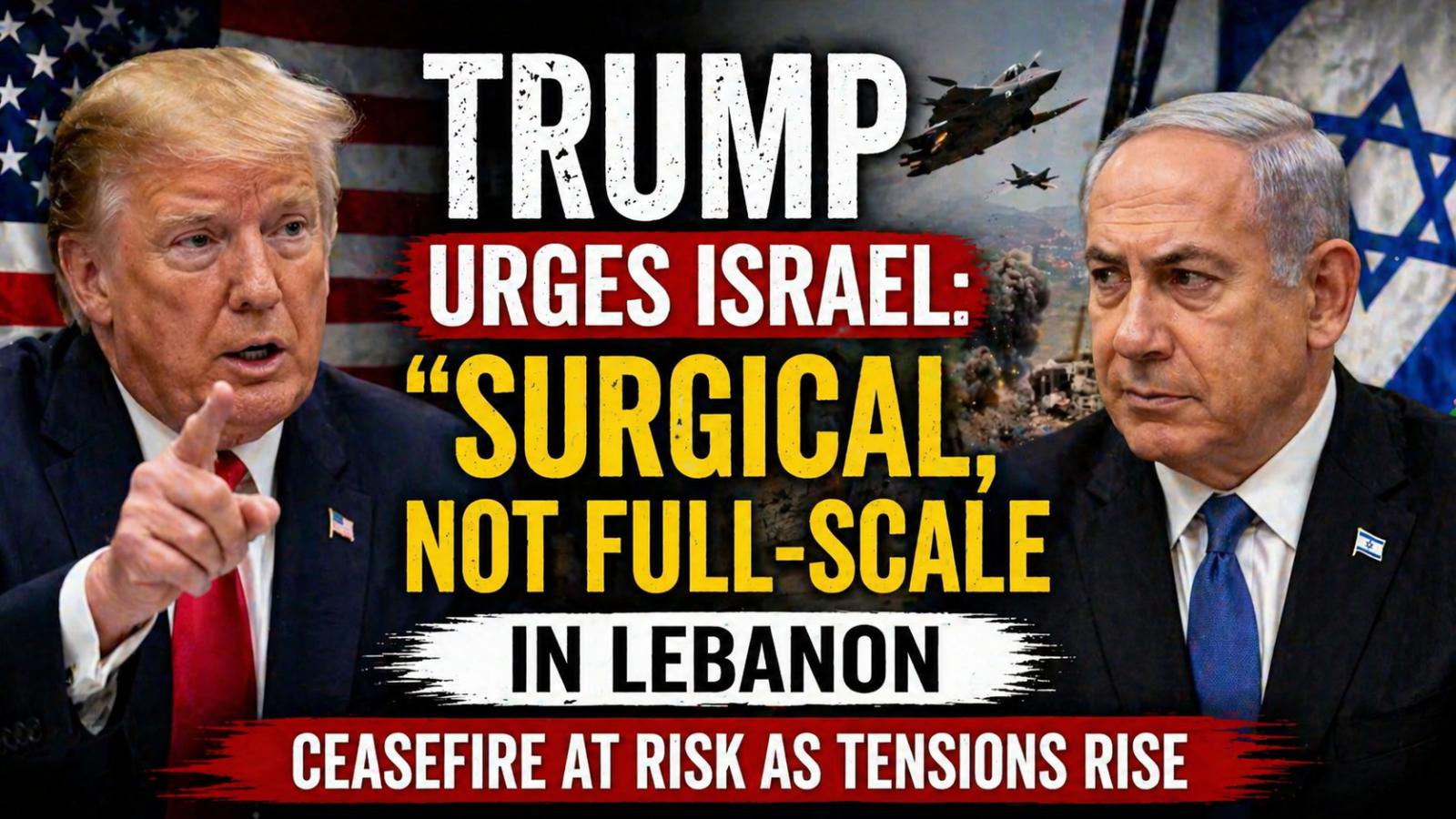
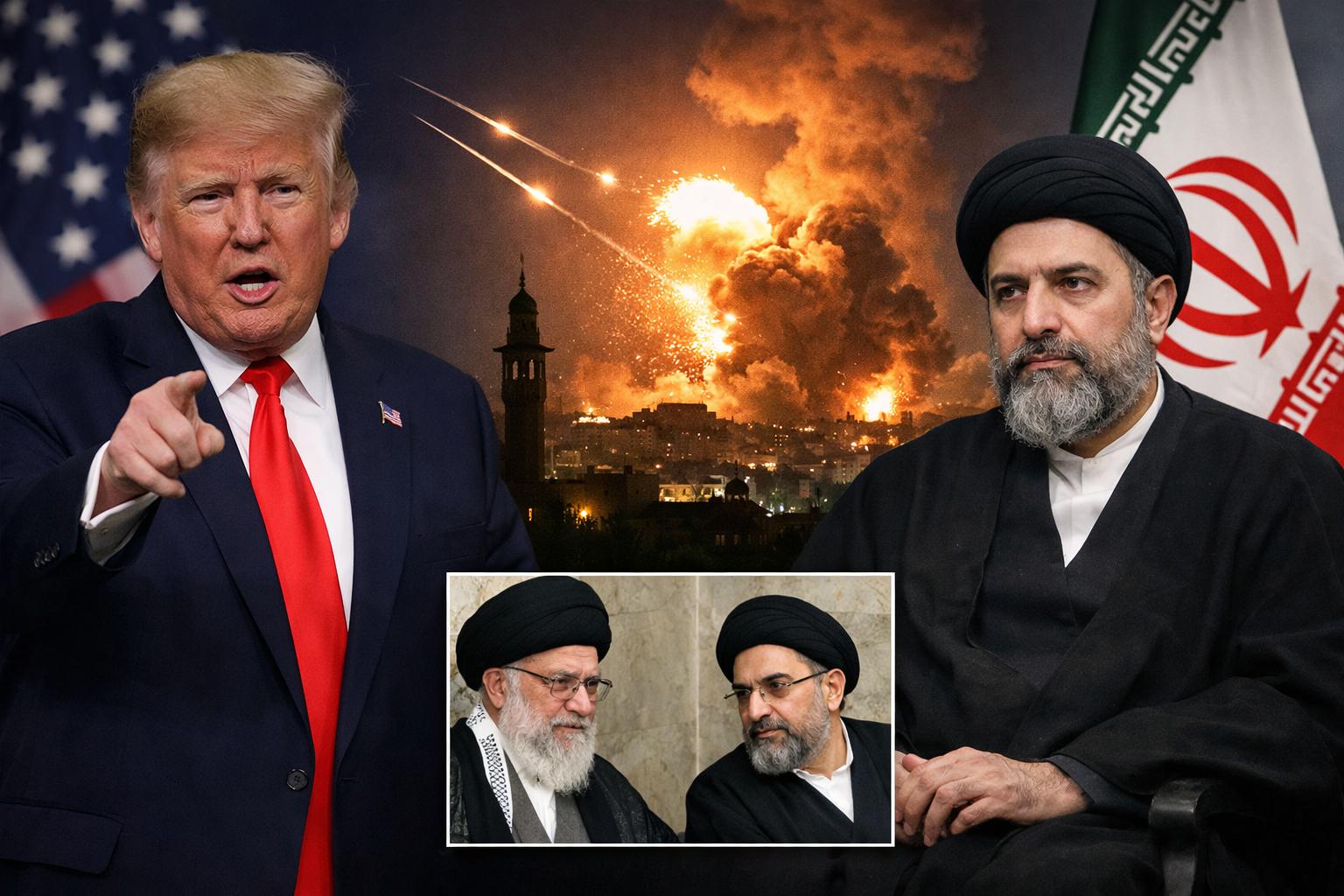
Amid the rapidly unfolding situation, United States President Donald Trump publicly declared that the conflict had already been won by Washington and its allies. Speaking on March 11, Trump asserted that the outcome of the confrontation was decided almost immediately. He stated that victory had been achieved within the first hour of operations, though he did not present specific evidence to support the claim. His remarks added another layer of controversy to an already volatile geopolitical situation.
Iran, however, has taken a sharply different position regarding the conflict and the path toward peace. Iranian President Masoud Pezeshkian outlined three key conditions that he said must be met before hostilities could end. According to Pezeshkian, any resolution would require international recognition of Iran’s legitimate rights, financial reparations for damages caused by the strikes, and binding international guarantees designed to prevent further military aggression against the country.
Meanwhile, Iran’s political leadership has undergone a historic transition following the reported death of Ali Khamenei. On March 8, the country’s Assembly of Experts announced that Mojtaba Khamenei, the late leader’s son, had been selected as the new Supreme Leader. The appointment marks the first time in the Islamic Republic’s history that the position has passed directly from father to son, a development that has drawn significant attention both inside Iran and internationally.
Reports surrounding the selection process suggest that the decision may not have been unanimous. Several accounts indicate that the Islamic Revolutionary Guard Corps played a decisive role in pushing the leadership transition, while a number of influential clerics were reportedly opposed to the move. Some clerics are believed to have boycotted the meeting in which Mojtaba Khamenei’s appointment was finalized, highlighting divisions within Iran’s religious and political establishment during a period of intense regional tension.