US Iran talks end with cautious optimism
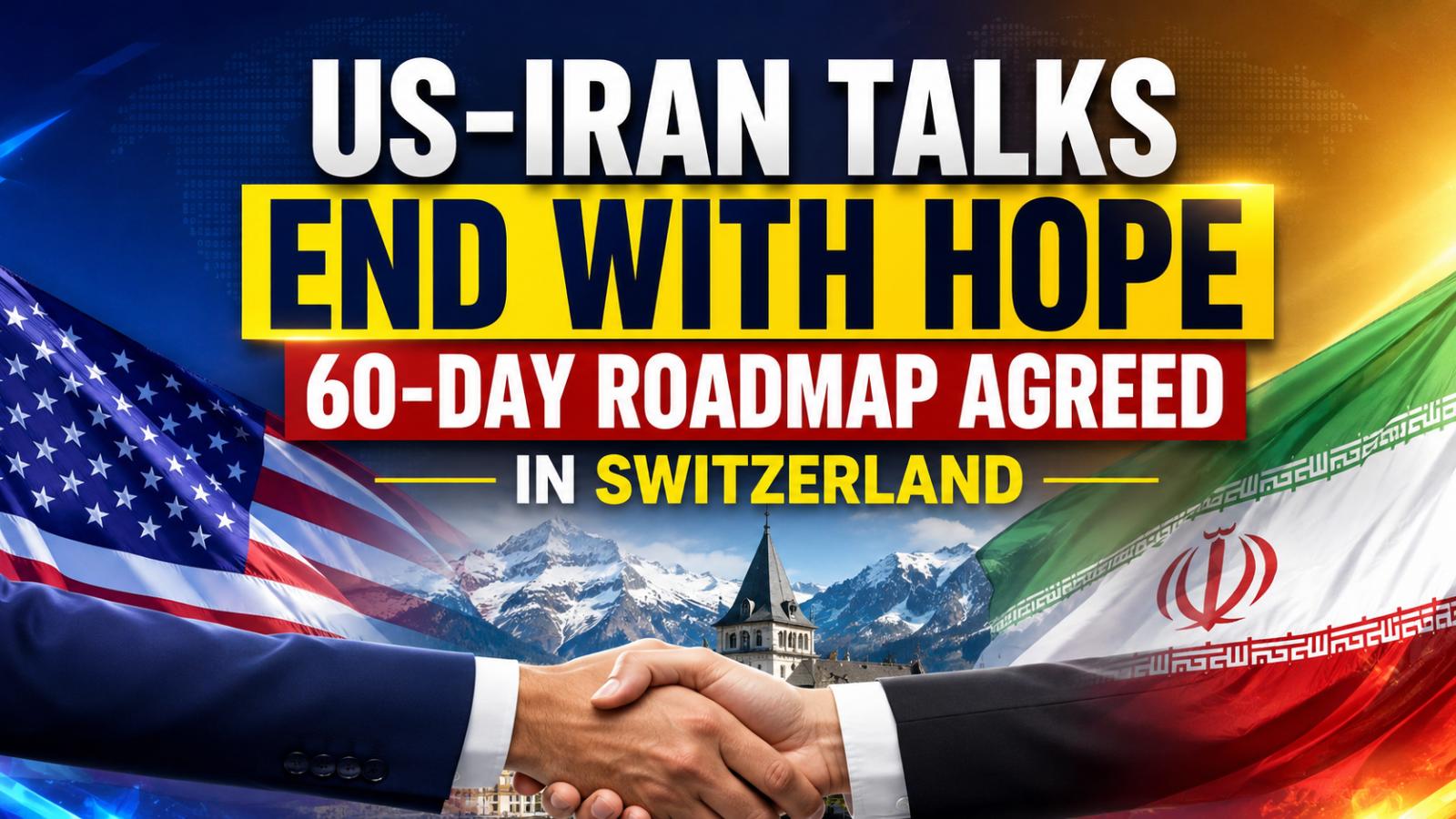
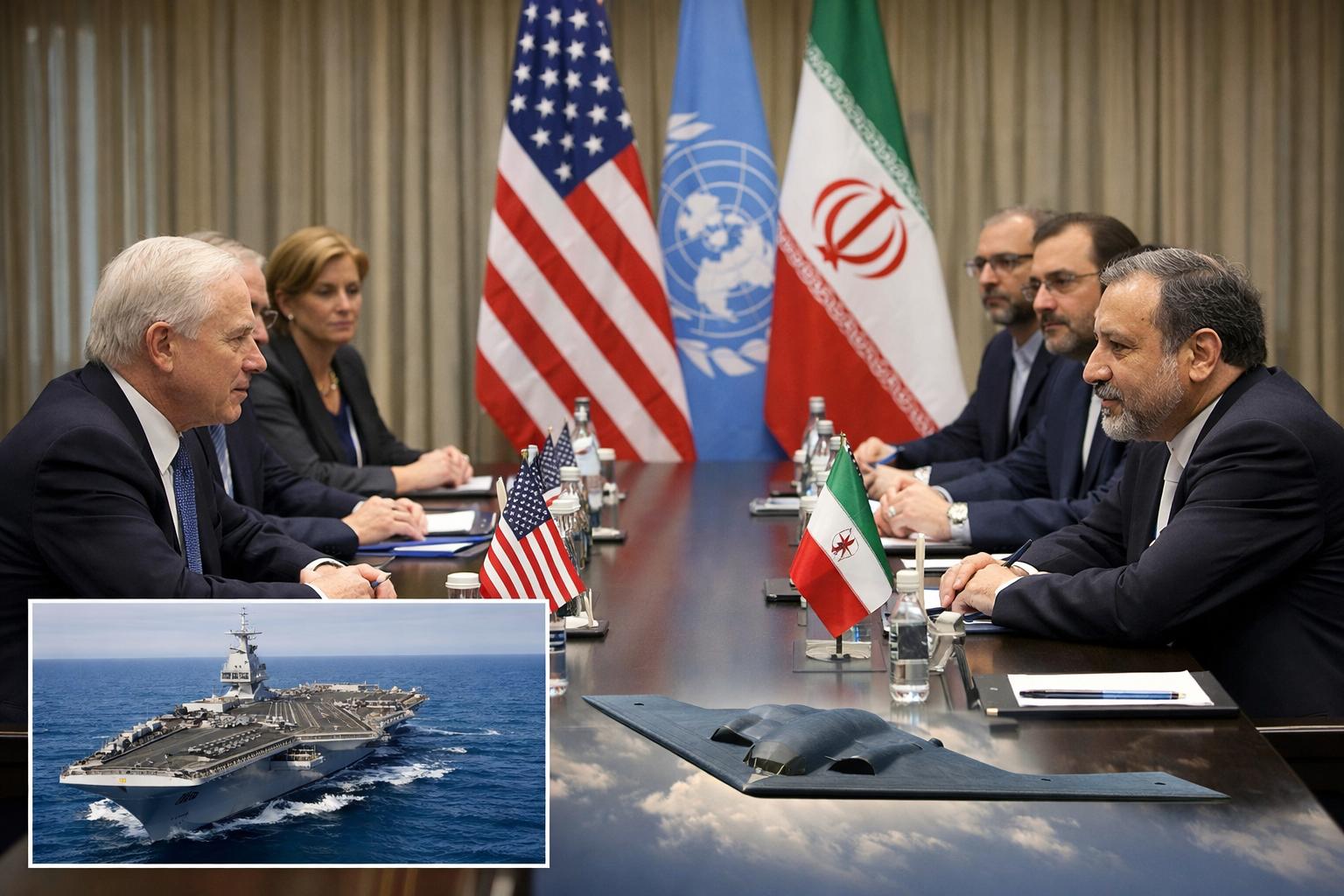
The first round of US Iran talks in Switzerland has concluded with cautious optimism, according to a joint statement issued by mediators Pakistan and Qatar on Monday, June 22. The discussions, held at the Lake Lucerne Summit, focused on ending the wider Middle East conflict and creating a framework for continued negotiations. Mediators described the session as constructive and positive, while noting th
US Iran talks end with cautious optimism
The first round of US Iran talks in Switzerland has concluded with cautious optimism, according to a joint statement issued by mediators Pakistan and Qatar on Monday, June 22. The discussions, held at the Lake Lucerne Summit, focused on ending the wider Middle East conflict and creating a framework for continued negotiations. Mediators described the session as constructive and positive, while noting th
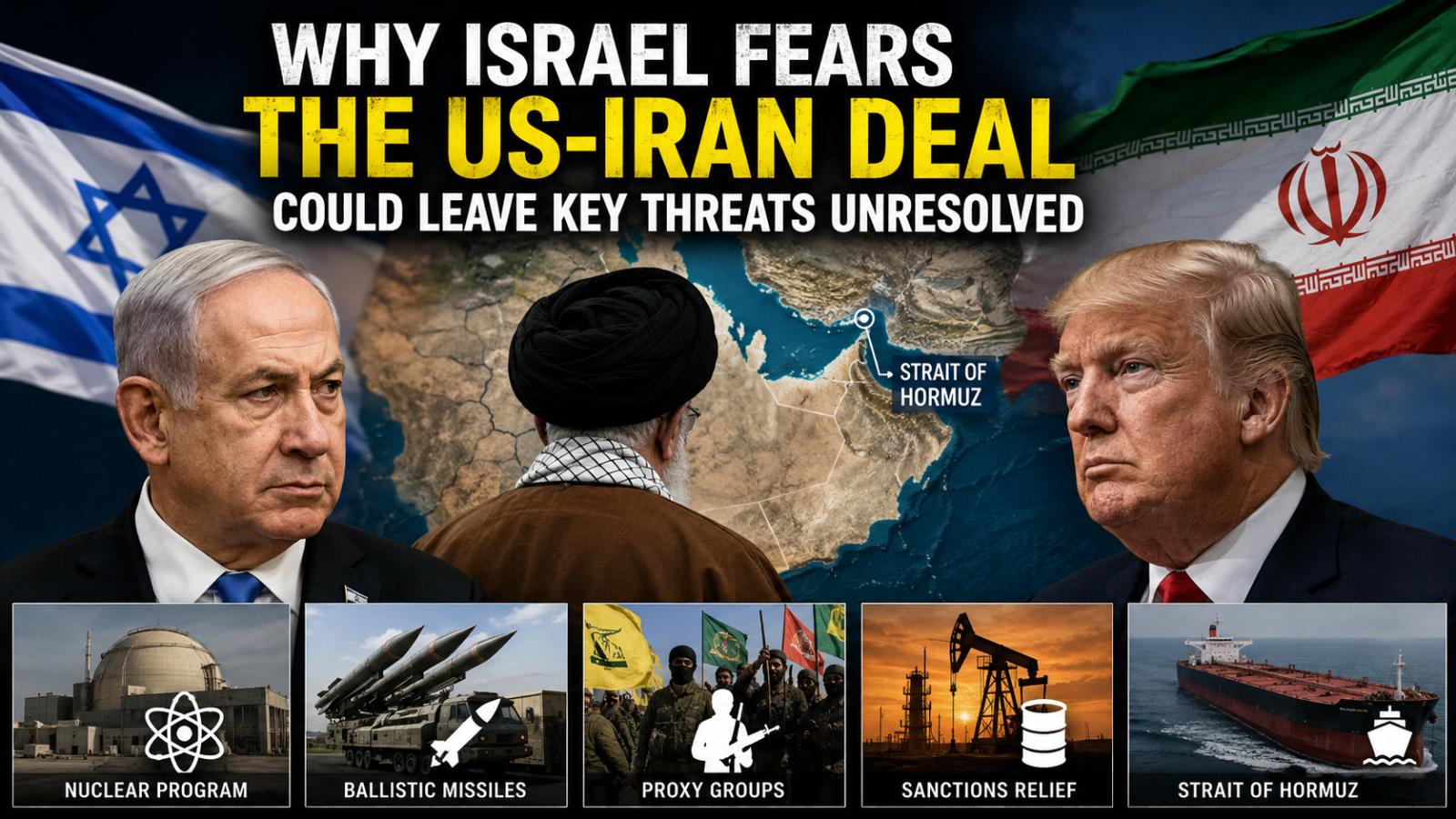
The US-Iran deal has opened a 60-day diplomatic window, but it has also sharpened security concerns in Israel. Israeli officials and analysts worry that Tehran could receive economic relief while decisions on uranium enrichment, ballistic missiles and regional armed groups remain unsettled.
The negotiation period began on Thursday, June 18, 2026, under an interim memorandum approved by President Donald Trump and Iranian leaders. The framework seeks to halt hostiliti
The US-Iran deal has opened a 60-day diplomatic window, but it has also sharpened security concerns in Israel. Israeli officials and analysts worry that Tehran could receive economic relief while decisions on uranium enrichment, ballistic missiles and regional armed groups remain unsettled.
The negotiation period began on Thursday, June 18, 2026, under an interim memorandum approved by President Donald Trump and Iranian leaders. The framework seeks to halt hostiliti
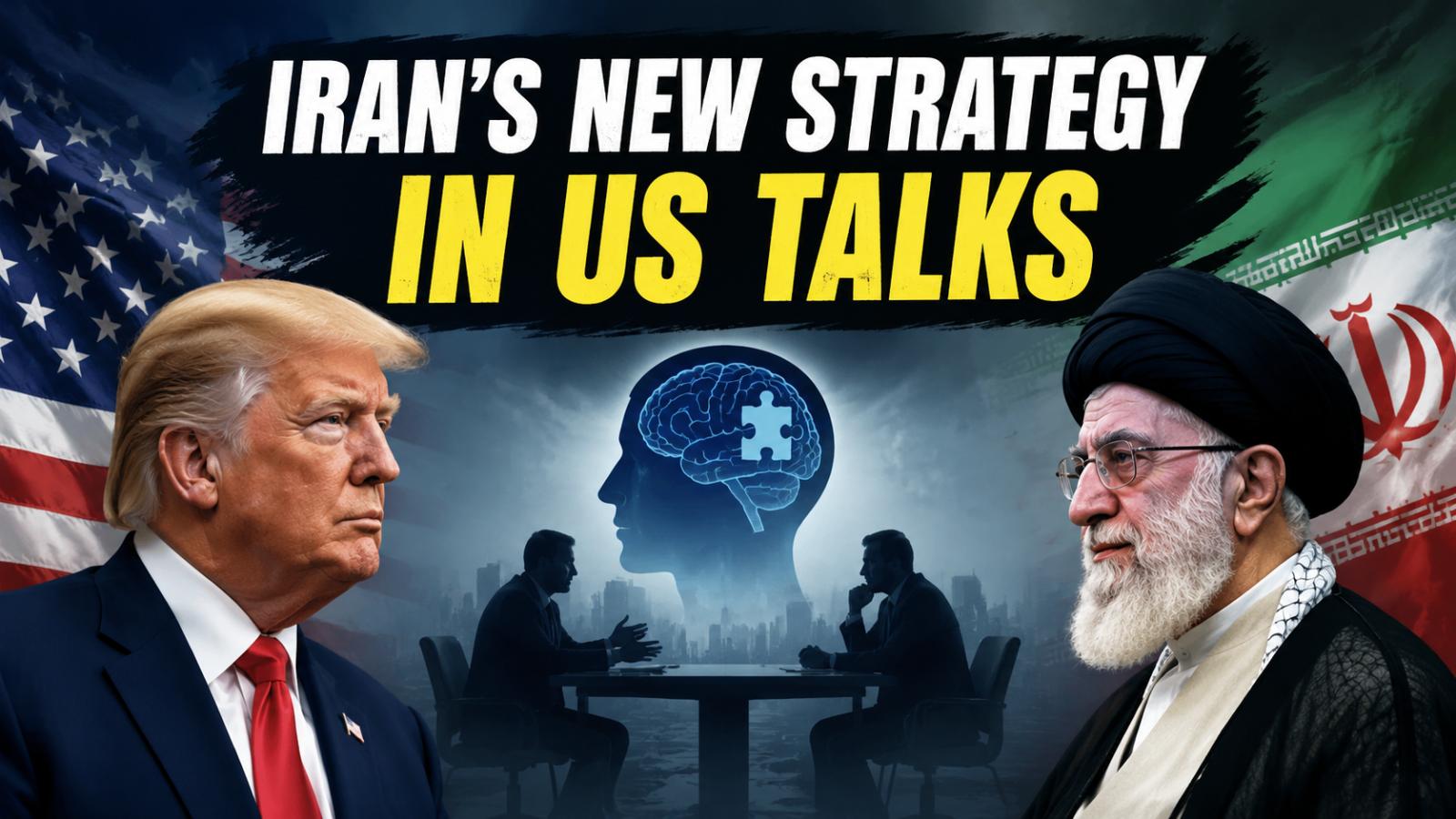
Recent reports indicate a shift in Iran’s diplomatic approach toward negotiations with the United States, with a stronger emphasis on how messages are framed during high-stakes discussions. The change is linked to efforts to improve clarity, control perception, and reduce misinterpretation during sensitive exchanges tied to long-running geopolitical tensions.
Inclusion of behavioral expertise in advisory setup
Recent reports indicate a shift in Iran’s diplomatic approach toward negotiations with the United States, with a stronger emphasis on how messages are framed during high-stakes discussions. The change is linked to efforts to improve clarity, control perception, and reduce misinterpretation during sensitive exchanges tied to long-running geopolitical tensions.
Inclusion of behavioral expertise in advisory setup
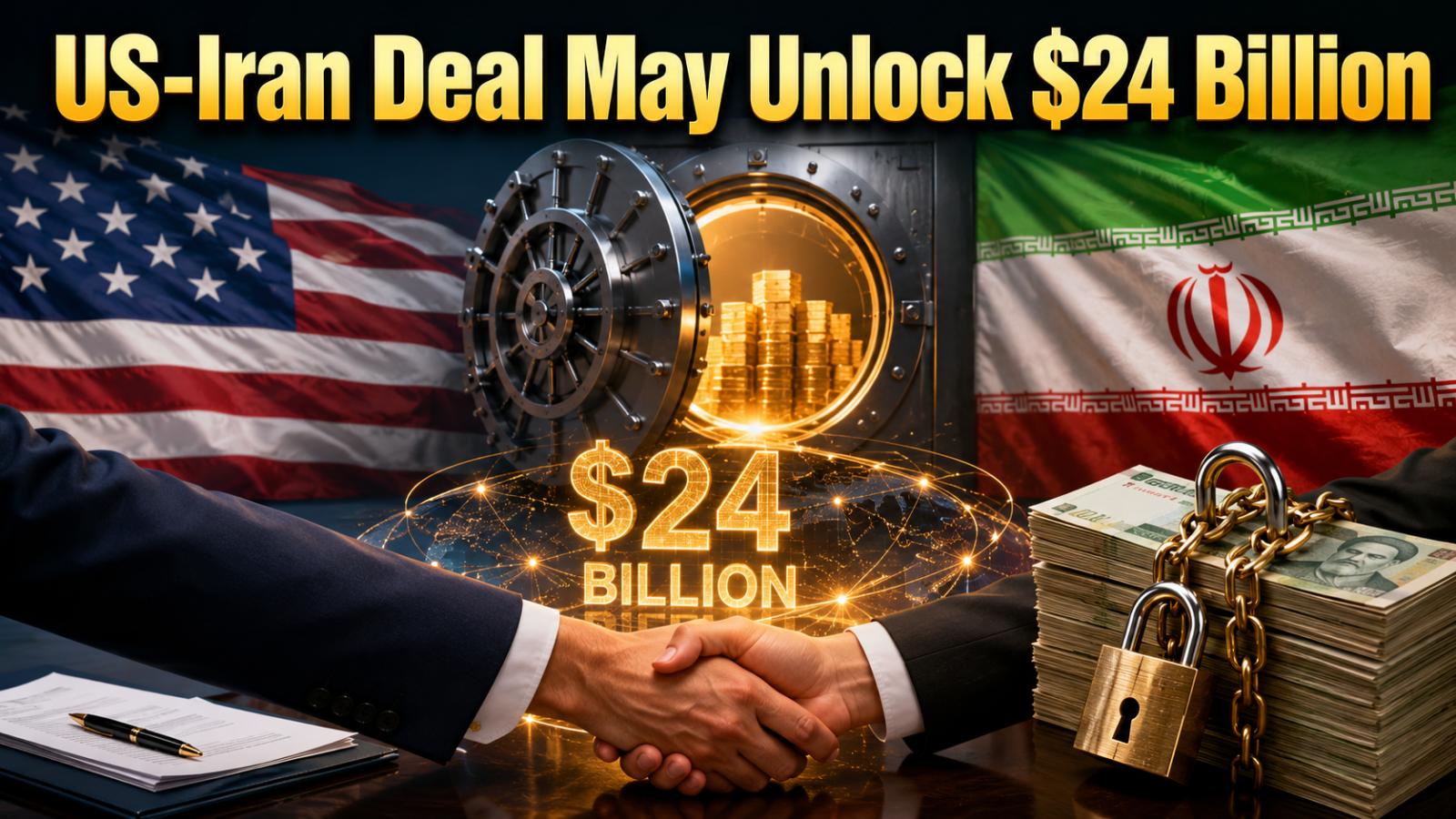
A reported US-Iran draft agreement has brought renewed attention to Iran’s frozen assets, with the proposal said to include the possible release of around $24 billion in blocked Iranian funds. The plan is being discussed as part of a wider diplomatic framework involving sanctions relief, nuclear restrictions and a fresh round of negotiations between Washington and Tehran.
Under the reported proposal, part of the money could be made avail
A reported US-Iran draft agreement has brought renewed attention to Iran’s frozen assets, with the proposal said to include the possible release of around $24 billion in blocked Iranian funds. The plan is being discussed as part of a wider diplomatic framework involving sanctions relief, nuclear restrictions and a fresh round of negotiations between Washington and Tehran.
Under the reported proposal, part of the money could be made avail
Talks Move Closer To A Deal
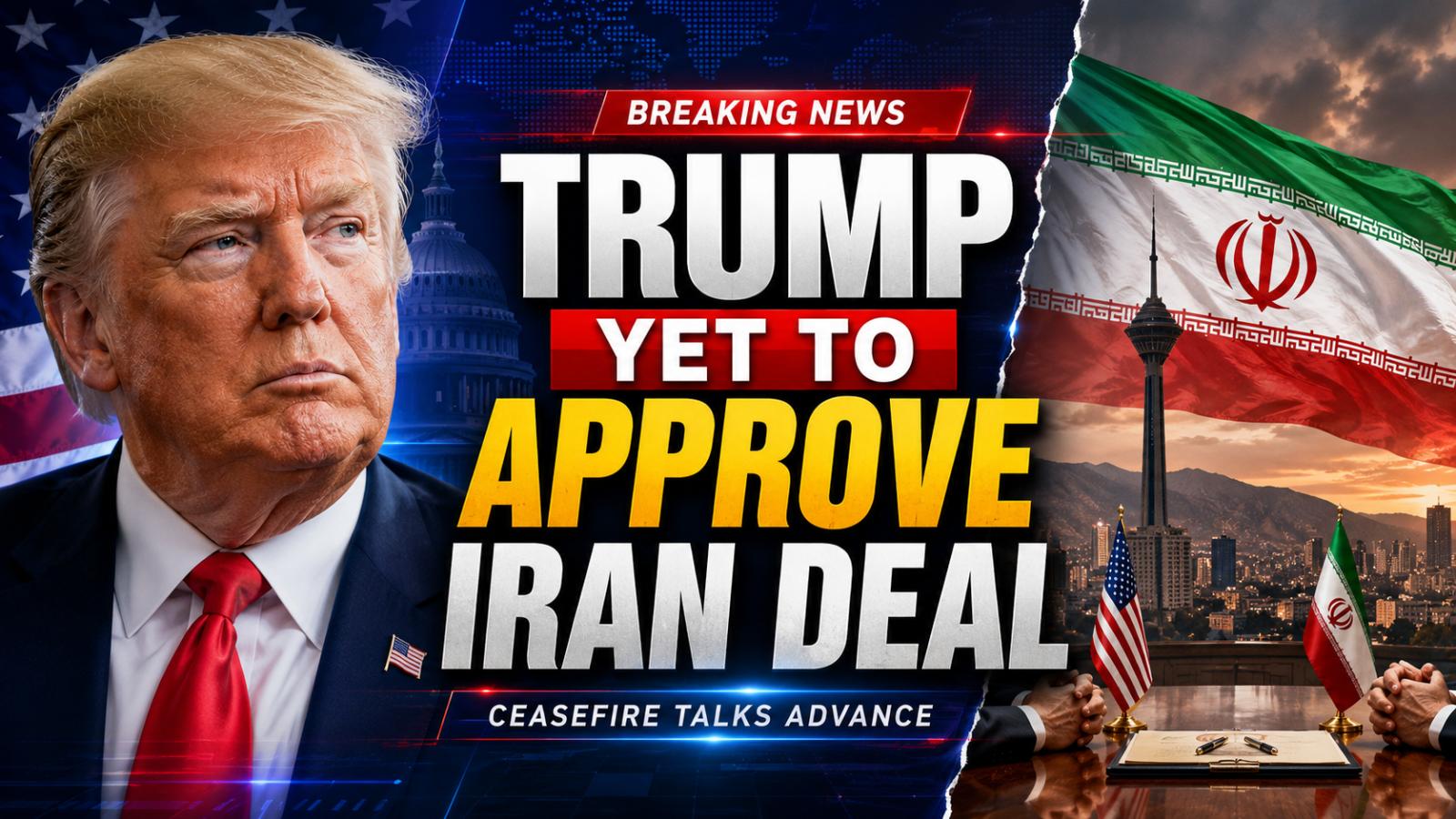
The United States and Iran have made progress toward extending their ceasefire agreement, but President Donald Trump has not yet decided whether to approve the proposal, Vice President JD Vance said on Thursday, May 28. Speaking to reporters, Vance said both sides were still reviewing specific language in the agreement, even as US officials indicated that Washington and Tehran had
Talks Move Closer To A Deal
The United States and Iran have made progress toward extending their ceasefire agreement, but President Donald Trump has not yet decided whether to approve the proposal, Vice President JD Vance said on Thursday, May 28. Speaking to reporters, Vance said both sides were still reviewing specific language in the agreement, even as US officials indicated that Washington and Tehran had
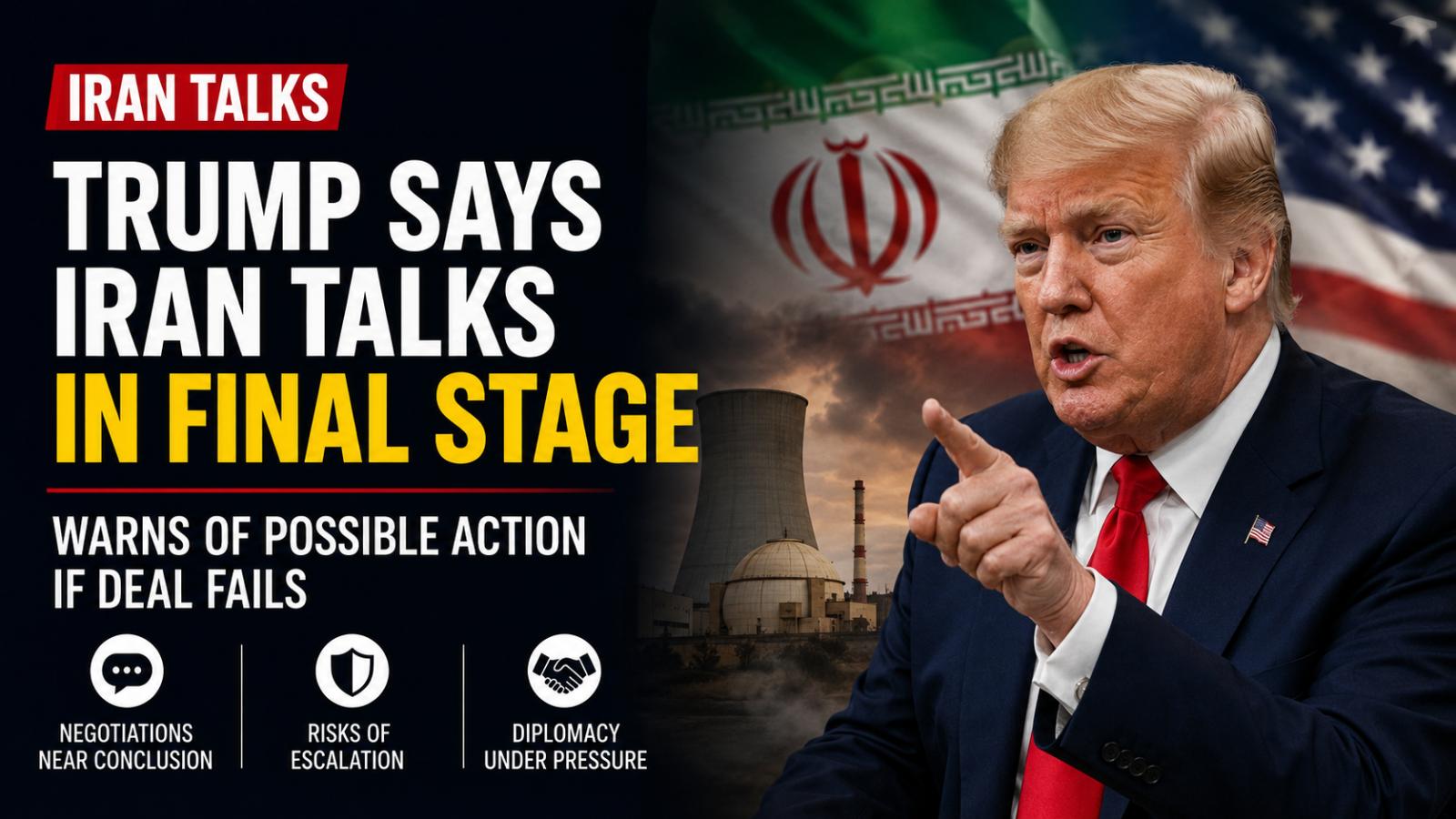
Iran nuclear talks are nearing a critical stage as US President Donald Trump warns that Washington may take tougher action if diplomacy fails.
Trump said in Washington, DC, on Wednesday, May 20, 2026, that the United States is close to either securing a deal with Iran or moving toward further steps if no agreement is reached.
Iran Nuclear Talks Enter Final Stage
Speaking to reporter
Iran nuclear talks are nearing a critical stage as US President Donald Trump warns that Washington may take tougher action if diplomacy fails.
Trump said in Washington, DC, on Wednesday, May 20, 2026, that the United States is close to either securing a deal with Iran or moving toward further steps if no agreement is reached.
Iran Nuclear Talks Enter Final Stage
Speaking to reporter
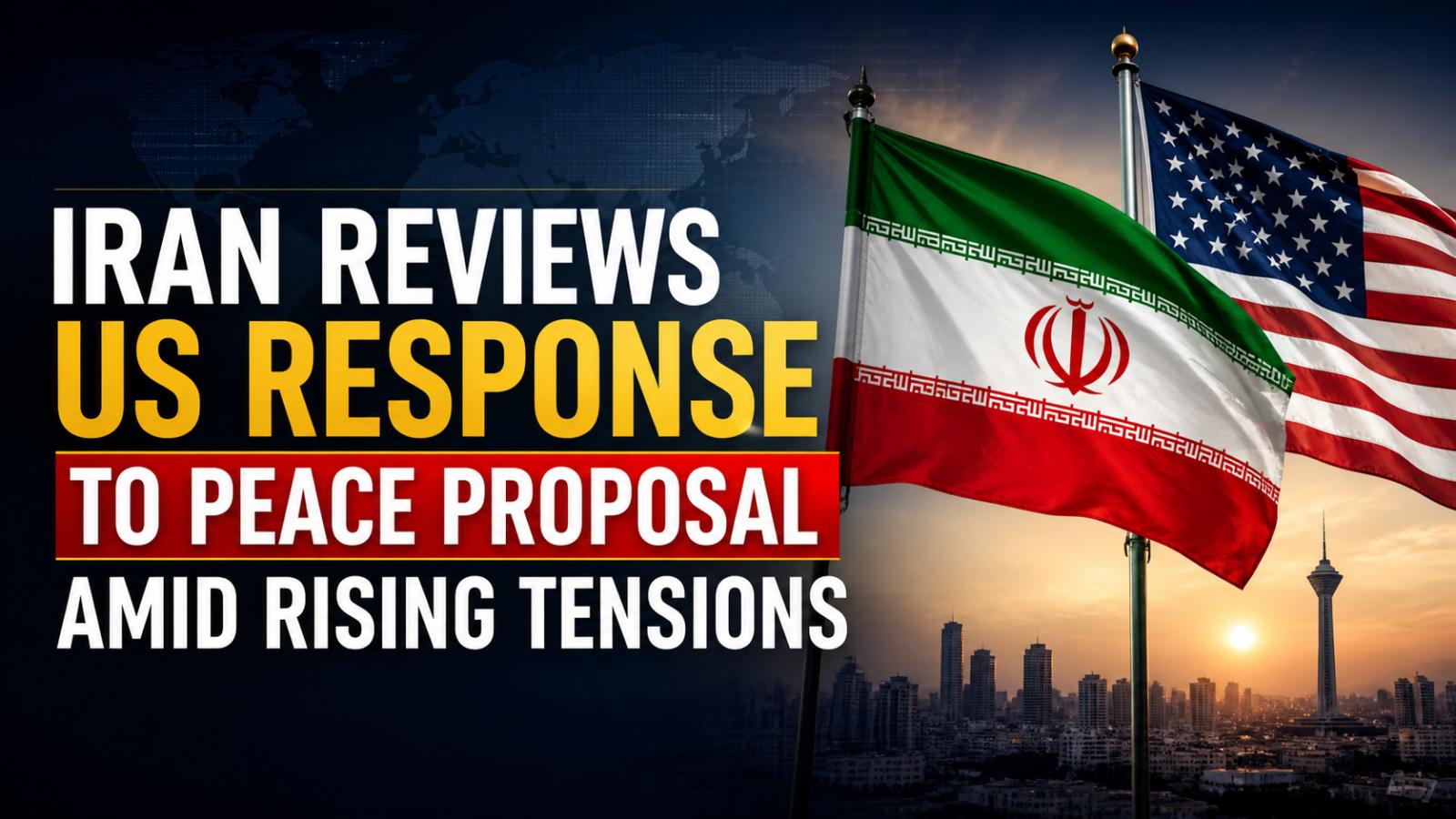
Iran reviews US response to peace proposal as tensions with Washington continue to shape the future of diplomacy and conflict in the region. In a recent press briefing, Iran’s Foreign Ministry confirmed that it has received Washington’s reply to a 14-point peace proposal, but officials say the response includes demands that could complicate progress. The development highlights key areas such as peace negotiations, diplomatic efforts, and the ongoing conflict resolution process.
Iran reviews US response to peace proposal as tensions with Washington continue to shape the future of diplomacy and conflict in the region. In a recent press briefing, Iran’s Foreign Ministry confirmed that it has received Washington’s reply to a 14-point peace proposal, but officials say the response includes demands that could complicate progress. The development highlights key areas such as peace negotiations, diplomatic efforts, and the ongoing conflict resolution process.
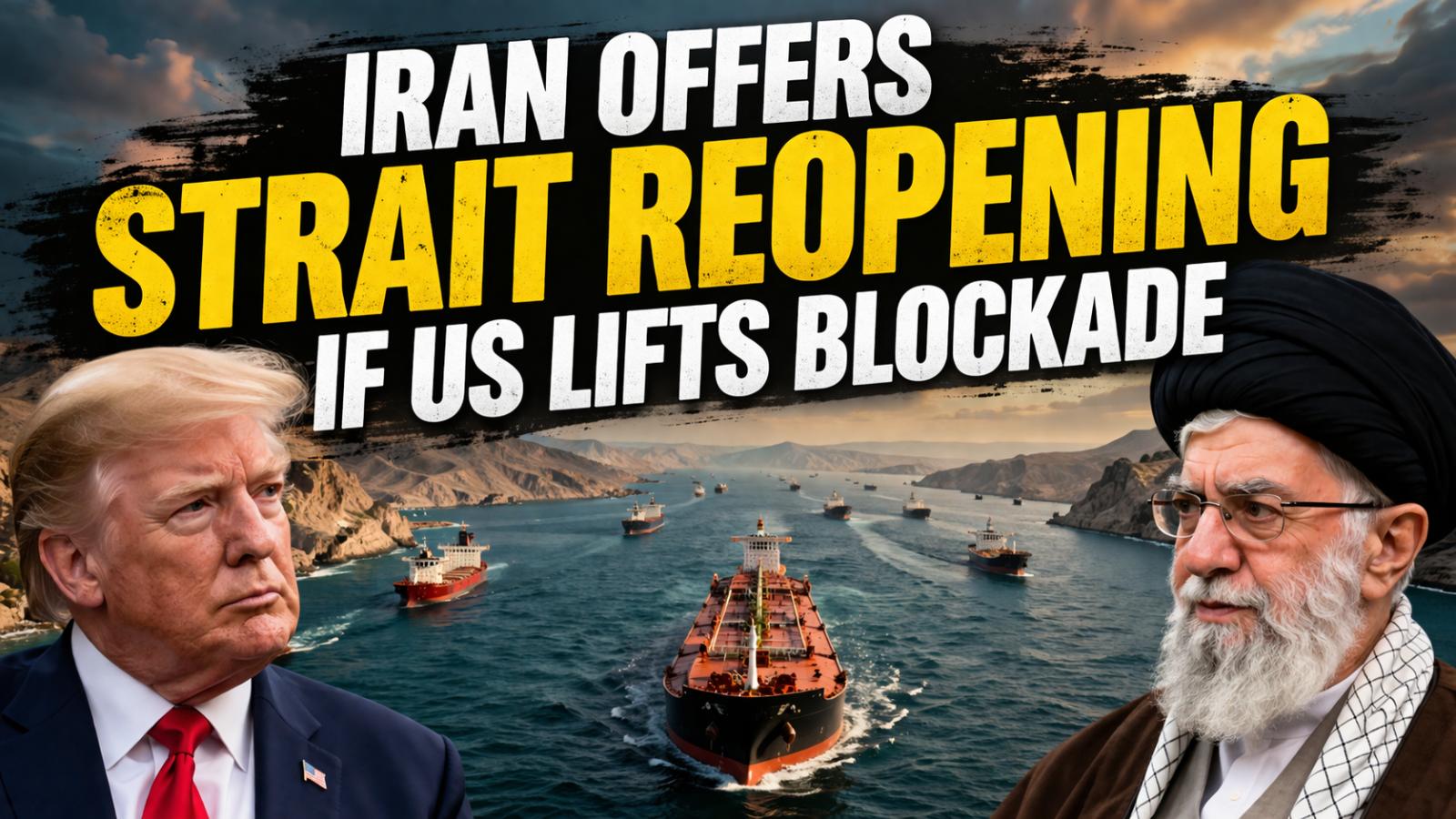
Iran offered to reopen the Strait of Hormuz if the U.S. lifts its blockade and ends hostilities, but Washington insists any deal must address Tehran’s nuclear program, leaving tensions high and global energy markets under strain.
Iran has proposed reopening the Strait of Hormuz if the United States lifts its blockade and agrees to end hostilities, according to regional officials familiar with negotiations disclosed on Monday, April 28, 2026. The proposal, deliver
Iran offered to reopen the Strait of Hormuz if the U.S. lifts its blockade and ends hostilities, but Washington insists any deal must address Tehran’s nuclear program, leaving tensions high and global energy markets under strain.
Iran has proposed reopening the Strait of Hormuz if the United States lifts its blockade and agrees to end hostilities, according to regional officials familiar with negotiations disclosed on Monday, April 28, 2026. The proposal, deliver
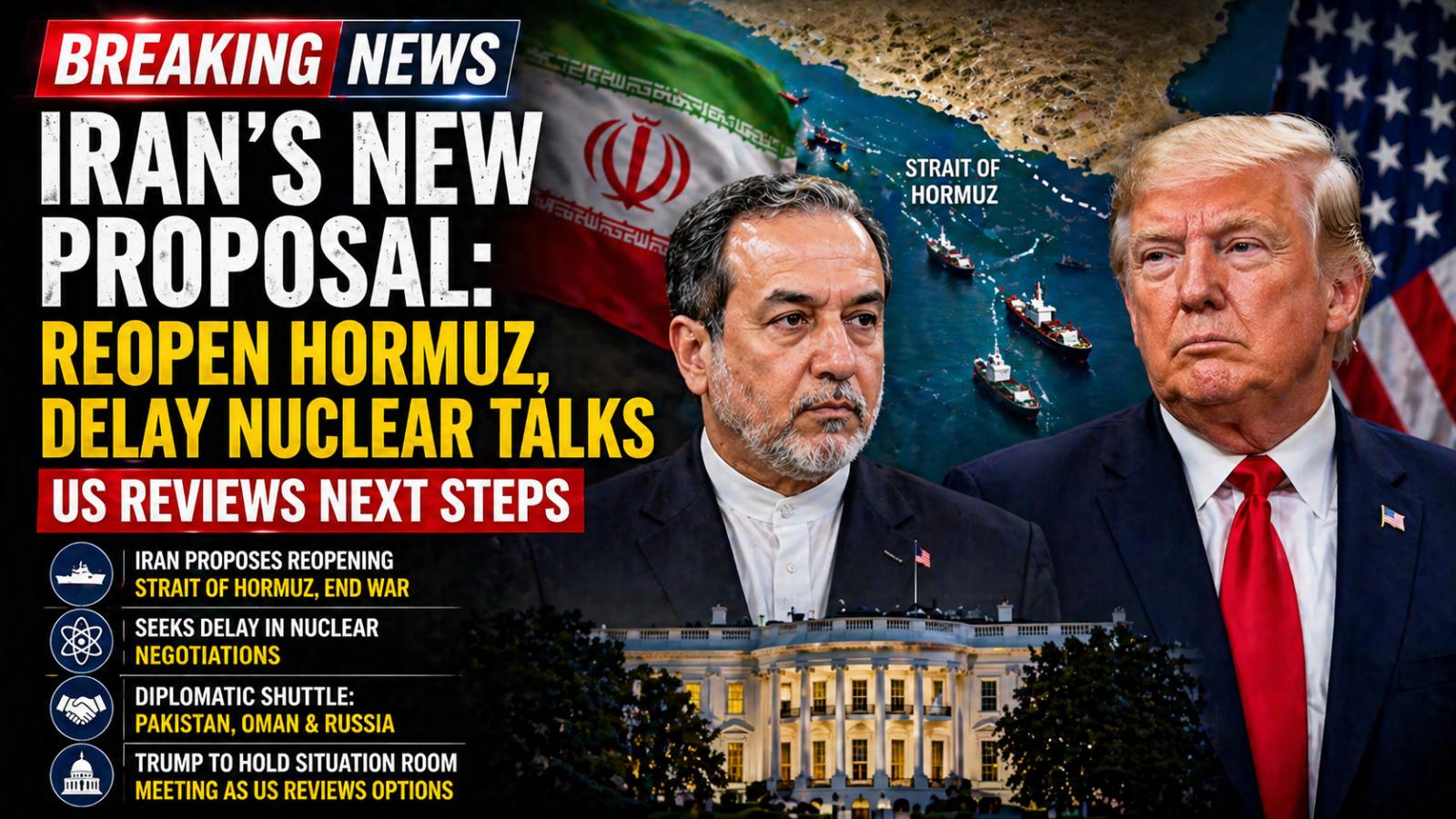
Iran has reportedly put forward a new proposal aimed at reopening the Strait of Hormuz and easing ongoing tensions, while suggesting that nuclear negotiations be postponed. The development comes as US officials review the offer, with President Donald Trump expected to meet with senior national security advisers to assess the situation and determine next steps.
According to sources familiar with the discussions, the proposal was conveyed through intermediaries and focuses on de-escalation measures tied to maritime security and regional stability. However, Iranian officials have indicated that broader nuclear negotiations should be deferred until key issues, including economic restrictions and security concerns, are addressed. There has been no official confirmation from either side regarding the specifics of the proposal.
The latest diplomatic activity follows a series of engagements by Abbas Araghchi, who recently traveled between Pakistan and Oman in an effort to facilitate dialogue. Iranian authorities emphasized that no direct meetings with US representatives were scheduled during his visit to Islamabad. Earlier, planned discussions involving US envoys were canceled, adding to the uncertainty surrounding the negotiation process.
Tensions have been further complicated by differing expectations between Washington and Tehran. US officials have reiterated that any agreement must include strict limitations on Iran’s nuclear capabilities, including restrictions on enrichment activities. Iranian leaders, meanwhile, have maintained that negotiations cannot proceed under pressure, citing concerns over ongoing restrictions and security measures affecting the country.
The situation remains fluid as diplomatic channels continue to operate through regional mediators. Iran’s leadership has also engaged with international partners, including Russia, as part of broader efforts to manage the crisis. While the proposal to reopen the Strait of Hormuz signals a potential pathway toward de-escalation, the delay in nuclear talks underscores the challenges that remain in reaching a comprehensive agreement.
Iran has reportedly put forward a new proposal aimed at reopening the Strait of Hormuz and easing ongoing tensions, while suggesting that nuclear negotiations be postponed. The development comes as US officials review the offer, with President Donald Trump expected to meet with senior national security advisers to assess the situation and determine next steps.
According to sources familiar with the discussions, the proposal was conveyed through intermediaries and focuses on de-escalation measures tied to maritime security and regional stability. However, Iranian officials have indicated that broader nuclear negotiations should be deferred until key issues, including economic restrictions and security concerns, are addressed. There has been no official confirmation from either side regarding the specifics of the proposal.
The latest diplomatic activity follows a series of engagements by Abbas Araghchi, who recently traveled between Pakistan and Oman in an effort to facilitate dialogue. Iranian authorities emphasized that no direct meetings with US representatives were scheduled during his visit to Islamabad. Earlier, planned discussions involving US envoys were canceled, adding to the uncertainty surrounding the negotiation process.
Tensions have been further complicated by differing expectations between Washington and Tehran. US officials have reiterated that any agreement must include strict limitations on Iran’s nuclear capabilities, including restrictions on enrichment activities. Iranian leaders, meanwhile, have maintained that negotiations cannot proceed under pressure, citing concerns over ongoing restrictions and security measures affecting the country.
The situation remains fluid as diplomatic channels continue to operate through regional mediators. Iran’s leadership has also engaged with international partners, including Russia, as part of broader efforts to manage the crisis. While the proposal to reopen the Strait of Hormuz signals a potential pathway toward de-escalation, the delay in nuclear talks underscores the challenges that remain in reaching a comprehensive agreement.
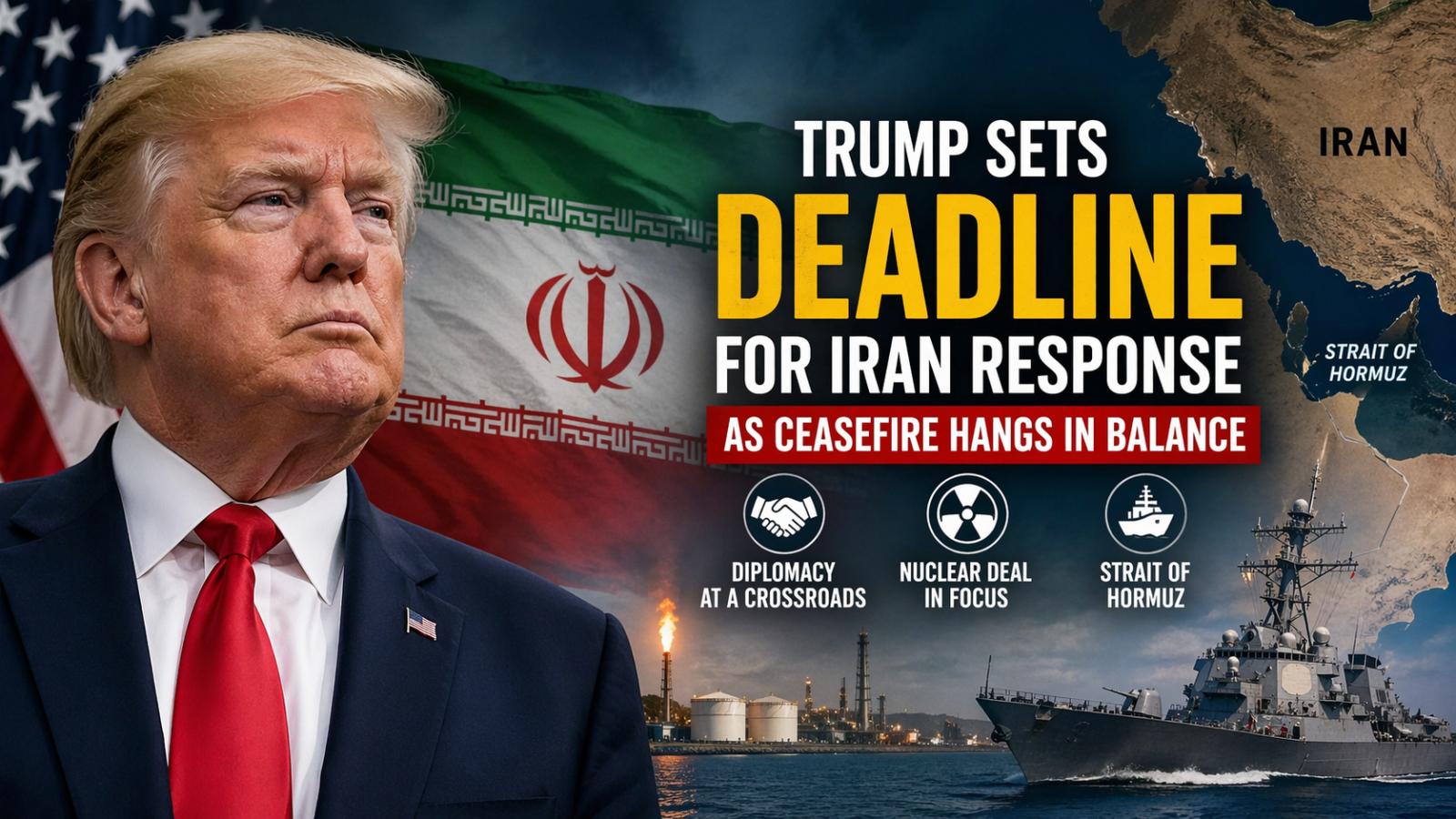
The Trump administration has set a narrow window for Iran to respond to a proposed agreement aimed at sustaining a ceasefire and addressing Tehran’s nuclear program, signaling that the pause in hostilities may soon expire without progress. According to U.S. officials, President Donald Trump is willing to allow only a few additional days for Iranian leadership to present a unified position, underscoring growing impatience in Washington over stalled diplomacy.
Officials familiar with internal discussions said the administration still views a negotiated resolution as achievable but is increasingly concerned about what it sees as divisions within Iran’s leadership. Reports indicate tensions between military figures tied to the Islamic Revolutionary Guard Corps and civilian negotiators, complicating Tehran’s ability to respond decisively to U.S. proposals. Disagreements reportedly surfaced after initial talks in Islamabad, where military leaders rejected elements discussed by diplomatic representatives.
Iran has yet to formally commit to a second round of negotiations, and a planned U.S. delegation visit—expected to include Vice President JD Vance—was ultimately canceled. The delay has fueled frustration within the White House, where senior officials have debated whether to extend diplomatic efforts or consider renewed military action. Following consultations with top advisers, including Marco Rubio and Pete Hegseth, Trump opted to allow more time for negotiations.
Despite U.S. claims of internal fractures in Tehran, some analysts dispute that assessment. Mehran Kamrava of Georgetown University Qatar has argued that Iran’s leadership remains broadly cohesive, even amid leadership transitions and limited public visibility from senior figures.
Trump has also emphasized economic pressure as a key lever, pointing to restrictions affecting Iran’s oil exports through the Strait of Hormuz. While he has signaled reluctance to escalate militarily, officials caution that force remains an option if diplomatic efforts fail within the current timeframe.
The Trump administration has set a narrow window for Iran to respond to a proposed agreement aimed at sustaining a ceasefire and addressing Tehran’s nuclear program, signaling that the pause in hostilities may soon expire without progress. According to U.S. officials, President Donald Trump is willing to allow only a few additional days for Iranian leadership to present a unified position, underscoring growing impatience in Washington over stalled diplomacy.
Officials familiar with internal discussions said the administration still views a negotiated resolution as achievable but is increasingly concerned about what it sees as divisions within Iran’s leadership. Reports indicate tensions between military figures tied to the Islamic Revolutionary Guard Corps and civilian negotiators, complicating Tehran’s ability to respond decisively to U.S. proposals. Disagreements reportedly surfaced after initial talks in Islamabad, where military leaders rejected elements discussed by diplomatic representatives.
Iran has yet to formally commit to a second round of negotiations, and a planned U.S. delegation visit—expected to include Vice President JD Vance—was ultimately canceled. The delay has fueled frustration within the White House, where senior officials have debated whether to extend diplomatic efforts or consider renewed military action. Following consultations with top advisers, including Marco Rubio and Pete Hegseth, Trump opted to allow more time for negotiations.
Despite U.S. claims of internal fractures in Tehran, some analysts dispute that assessment. Mehran Kamrava of Georgetown University Qatar has argued that Iran’s leadership remains broadly cohesive, even amid leadership transitions and limited public visibility from senior figures.
Trump has also emphasized economic pressure as a key lever, pointing to restrictions affecting Iran’s oil exports through the Strait of Hormuz. While he has signaled reluctance to escalate militarily, officials caution that force remains an option if diplomatic efforts fail within the current timeframe.
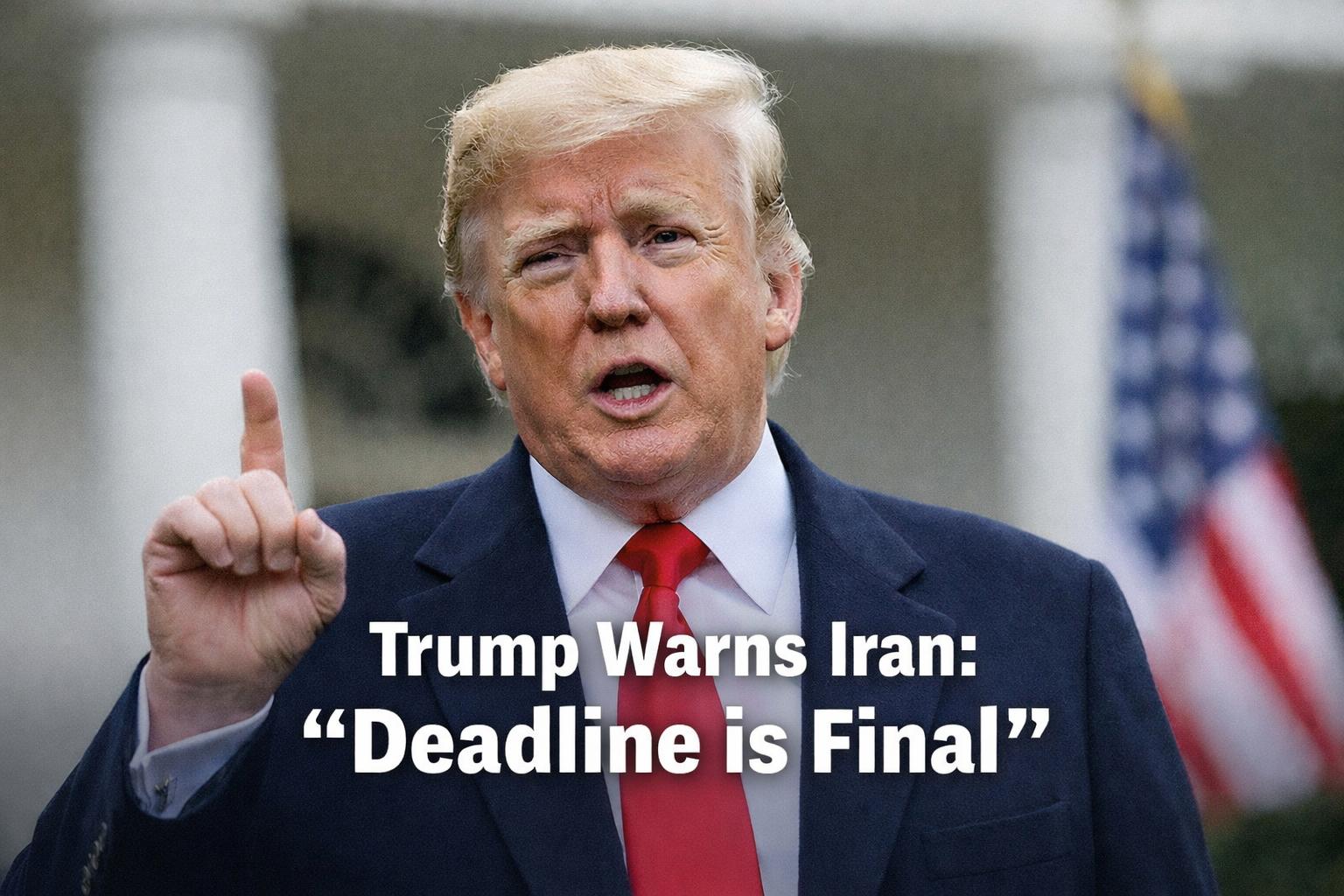
US President Donald Trump stated on Monday April 6, 2026, that the deadline he set for Iran to reach a negotiated agreement remains final, signaling increased pressure on Tehran amid ongoing diplomatic efforts. Speaking during a public event on the White House South Lawn, Trump described Iran’s latest proposal as a meaningful step forward but emphasized that it falls short of US expectations.
According to his remarks, the proposal reflects progress in negotiations, yet does not meet the conditions the United States considers necessary for a resolution. Trump indicated that Iranian officials are aware of the specific requirements being sought, suggesting that discussions have been conducted in what he characterized as good faith.
The president also reiterated his warning that failure to meet the Tuesday deadline could result in significant military consequences. He stated that US forces are prepared to carry out broad attacks targeting Iranian infrastructure if an agreement is not reached within the specified timeframe. This position underscores a sharp escalation in rhetoric as diplomatic channels remain active but uncertain.
Iran has rejected the imposed deadline, maintaining its stance against external pressure in the negotiation process. The divergence highlights ongoing challenges in reaching consensus, as both sides continue to navigate complex political and strategic considerations.
Trump added that a resolution could be achieved quickly if Iran complies with the outlined demands, suggesting that the situation remains fluid despite the firm deadline. The developments reflect heightened geopolitical tensions, with global observers closely monitoring whether diplomacy or confrontation will shape the next phase of US-Iran relations.
US President Donald Trump stated on Monday April 6, 2026, that the deadline he set for Iran to reach a negotiated agreement remains final, signaling increased pressure on Tehran amid ongoing diplomatic efforts. Speaking during a public event on the White House South Lawn, Trump described Iran’s latest proposal as a meaningful step forward but emphasized that it falls short of US expectations.
According to his remarks, the proposal reflects progress in negotiations, yet does not meet the conditions the United States considers necessary for a resolution. Trump indicated that Iranian officials are aware of the specific requirements being sought, suggesting that discussions have been conducted in what he characterized as good faith.
The president also reiterated his warning that failure to meet the Tuesday deadline could result in significant military consequences. He stated that US forces are prepared to carry out broad attacks targeting Iranian infrastructure if an agreement is not reached within the specified timeframe. This position underscores a sharp escalation in rhetoric as diplomatic channels remain active but uncertain.
Iran has rejected the imposed deadline, maintaining its stance against external pressure in the negotiation process. The divergence highlights ongoing challenges in reaching consensus, as both sides continue to navigate complex political and strategic considerations.
Trump added that a resolution could be achieved quickly if Iran complies with the outlined demands, suggesting that the situation remains fluid despite the firm deadline. The developments reflect heightened geopolitical tensions, with global observers closely monitoring whether diplomacy or confrontation will shape the next phase of US-Iran relations.
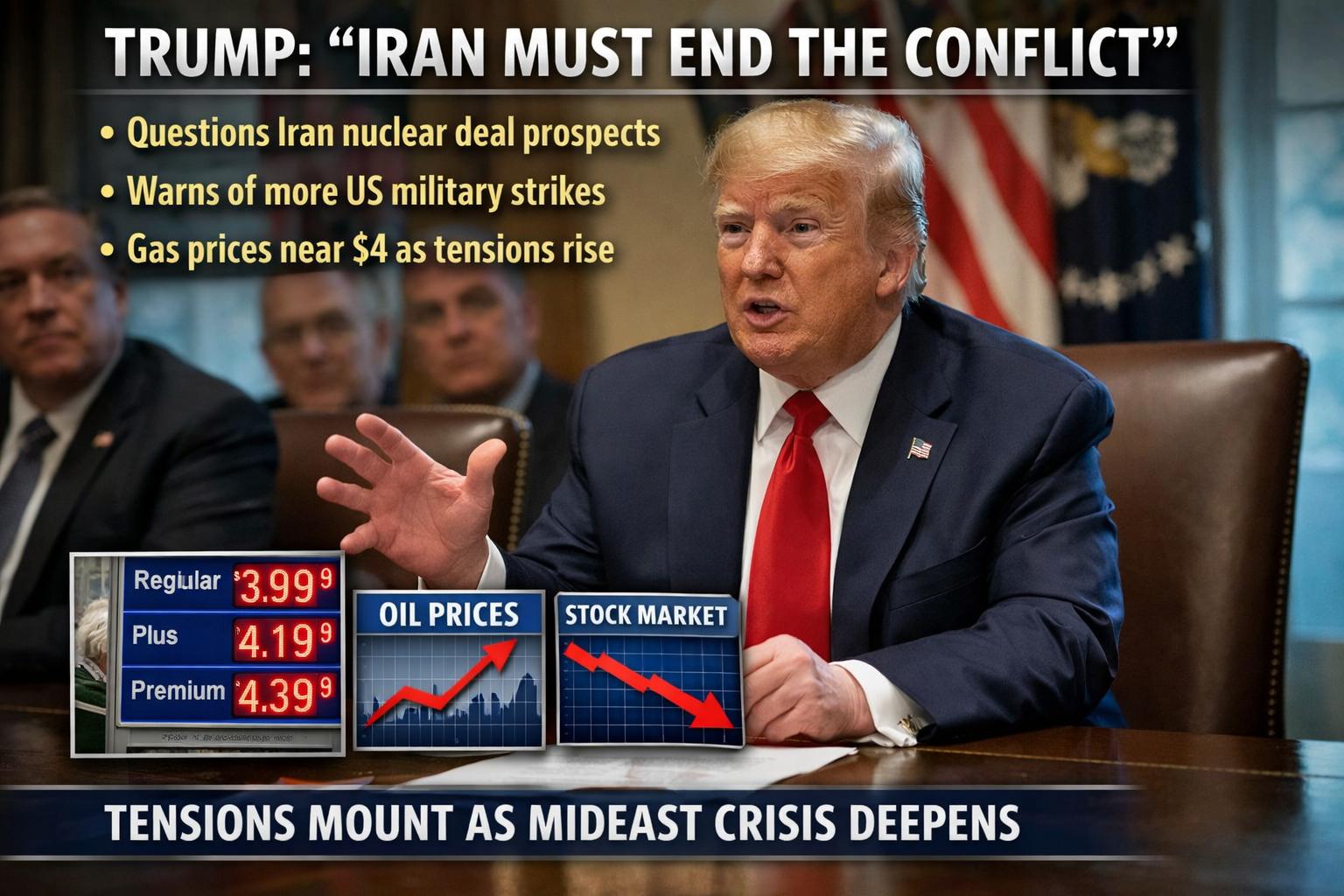
WASHINGTON — March 26, 2026: President Donald Trump on Thursday cast renewed doubt on the likelihood of reaching a peace agreement with Iran, indicating that any meaningful progress would depend on Tehran’s willingness to shift its current stance amid ongoing tensions between the two countries.
Speaking during a Cabinet meeting at the White House, Trump emphasized that Iran must take the first step if a deal is to materialize. He expressed uncertainty over wheth
WASHINGTON — March 26, 2026: President Donald Trump on Thursday cast renewed doubt on the likelihood of reaching a peace agreement with Iran, indicating that any meaningful progress would depend on Tehran’s willingness to shift its current stance amid ongoing tensions between the two countries.
Speaking during a Cabinet meeting at the White House, Trump emphasized that Iran must take the first step if a deal is to materialize. He expressed uncertainty over wheth
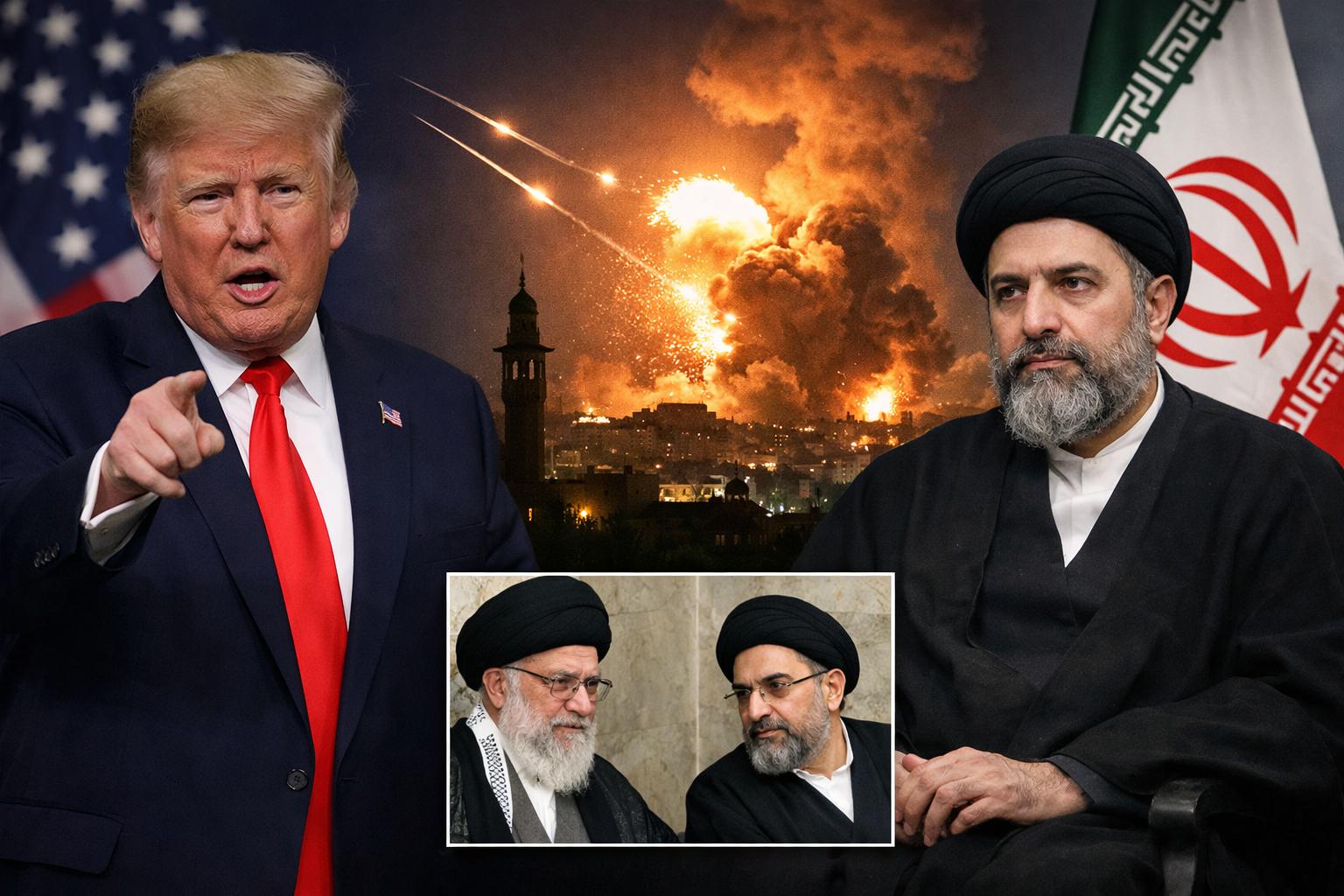
Tensions in the Middle East escalated sharply after coordinated military strikes by the United States and Israel targeted Iran on February 28, reportedly killing Iran’s Supreme Leader Ali Khamenei along with several senior Iranian officials. The operation, named “Epic Fury” by the United States and “Lion’s Roar” by Israel, came during a period of heightened friction between Washington and Tehran, particularly surrounding negotiations over Iran’s nuclear program and regional secu
Tensions in the Middle East escalated sharply after coordinated military strikes by the United States and Israel targeted Iran on February 28, reportedly killing Iran’s Supreme Leader Ali Khamenei along with several senior Iranian officials. The operation, named “Epic Fury” by the United States and “Lion’s Roar” by Israel, came during a period of heightened friction between Washington and Tehran, particularly surrounding negotiations over Iran’s nuclear program and regional secu
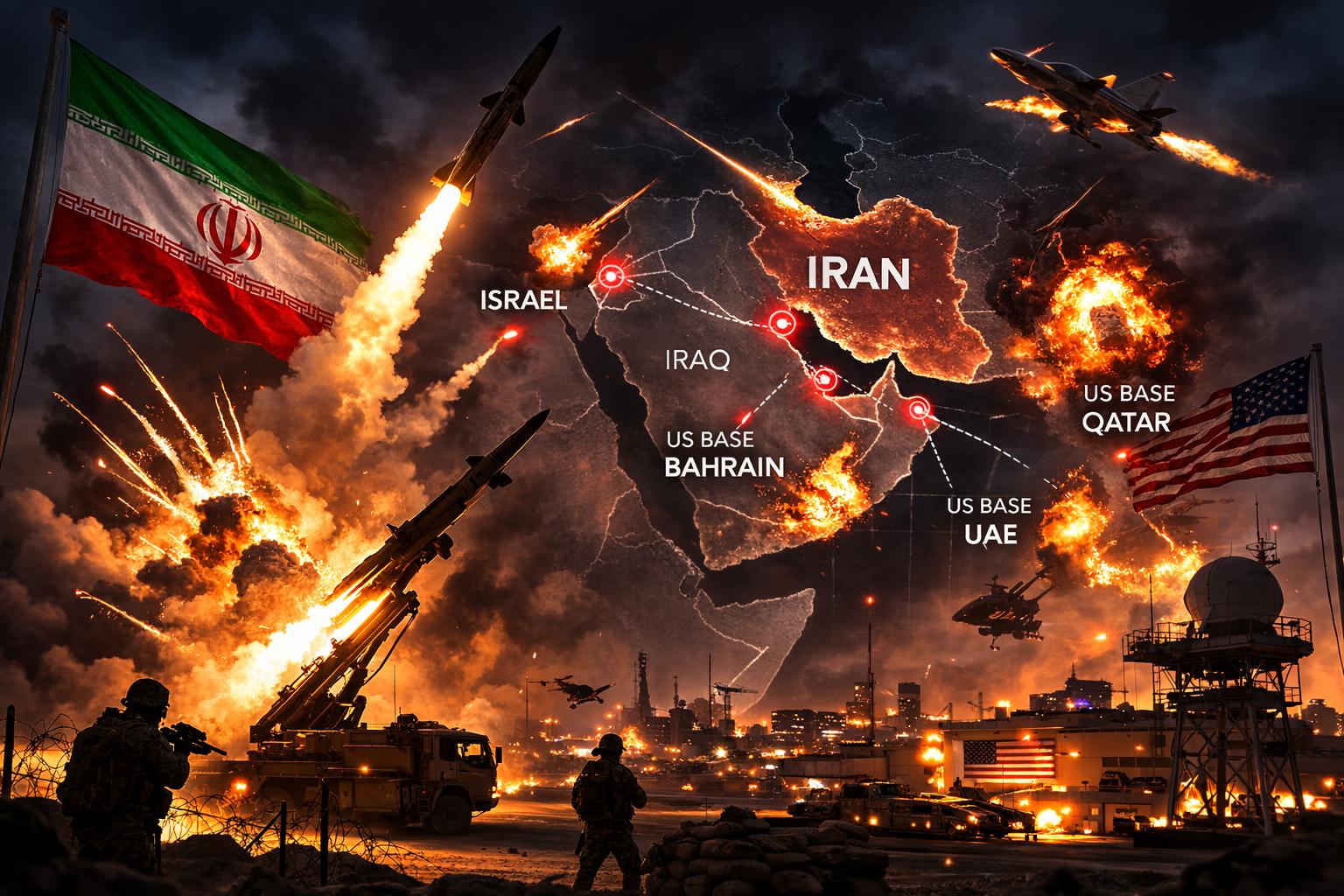
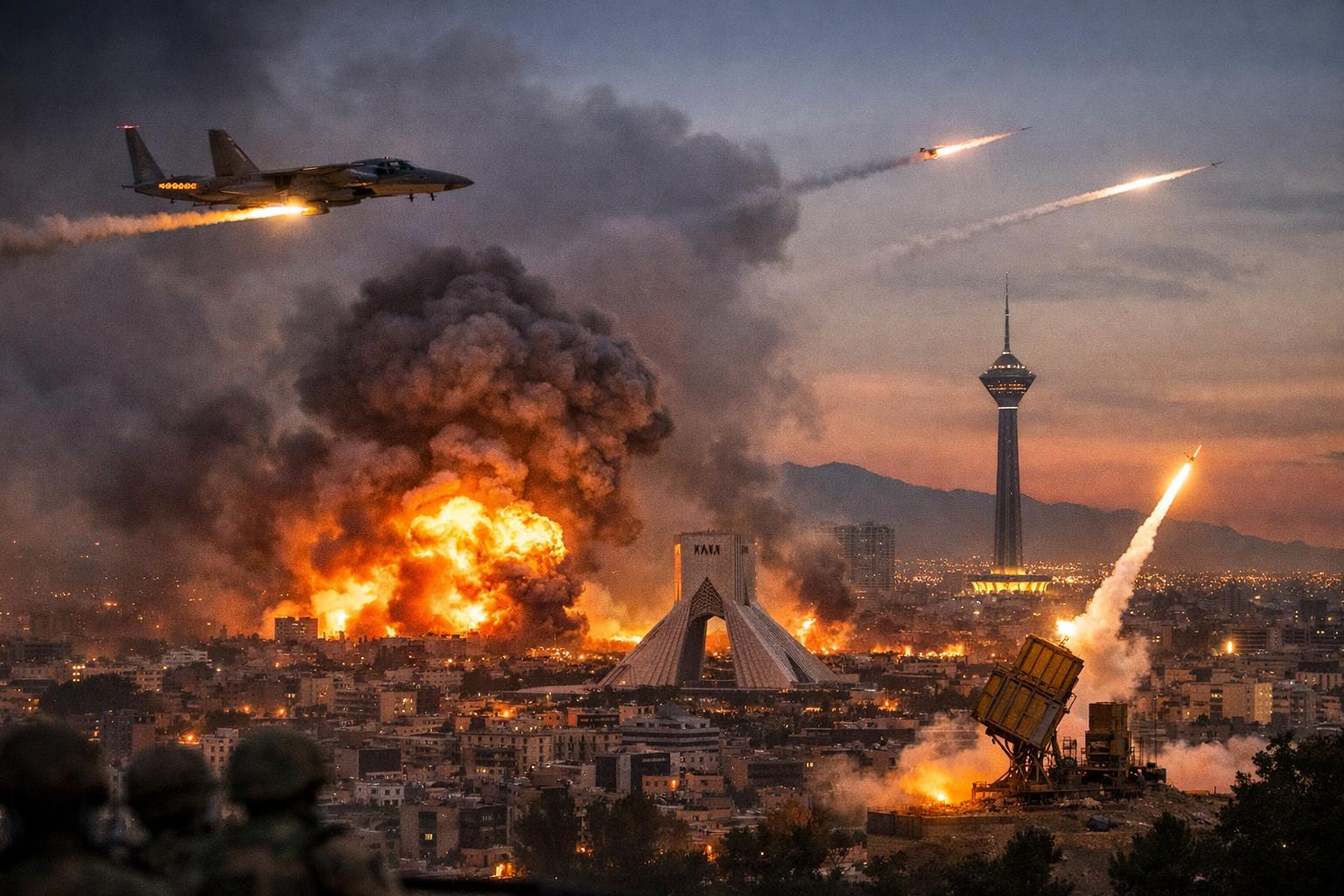
Iran launched large-scale retaliatory strikes on Saturday after the United States and Israel carried out coordinated military attacks on multiple targets across Iranian territory following the collapse of recent nuclear negotiations held in Oman and Switzerland. The joint offensive, described by Israel as Operation Roaring Lion and by the United States as Operation Epic Fury, reportedly struck more than 30 locations, including government facilities in Tehran and sites suspected of involvement in
Iran launched large-scale retaliatory strikes on Saturday after the United States and Israel carried out coordinated military attacks on multiple targets across Iranian territory following the collapse of recent nuclear negotiations held in Oman and Switzerland. The joint offensive, described by Israel as Operation Roaring Lion and by the United States as Operation Epic Fury, reportedly struck more than 30 locations, including government facilities in Tehran and sites suspected of involvement in
The collapse of the Geneva nuclear talks on February 26, 2026, marked a decisive setback in months of diplomatic efforts aimed at resolving the long-running dispute over Iran’s nuclear program. Mediators had earlier indicated that progress was being made, but negotiations ultimately failed after both sides refused to compromise on core demands. Officials confirmed that technical-level discussions were scheduled to continue in Vienna, though the situation deteriorated rapidly following milit
The collapse of the Geneva nuclear talks on February 26, 2026, marked a decisive setback in months of diplomatic efforts aimed at resolving the long-running dispute over Iran’s nuclear program. Mediators had earlier indicated that progress was being made, but negotiations ultimately failed after both sides refused to compromise on core demands. Officials confirmed that technical-level discussions were scheduled to continue in Vienna, though the situation deteriorated rapidly following milit
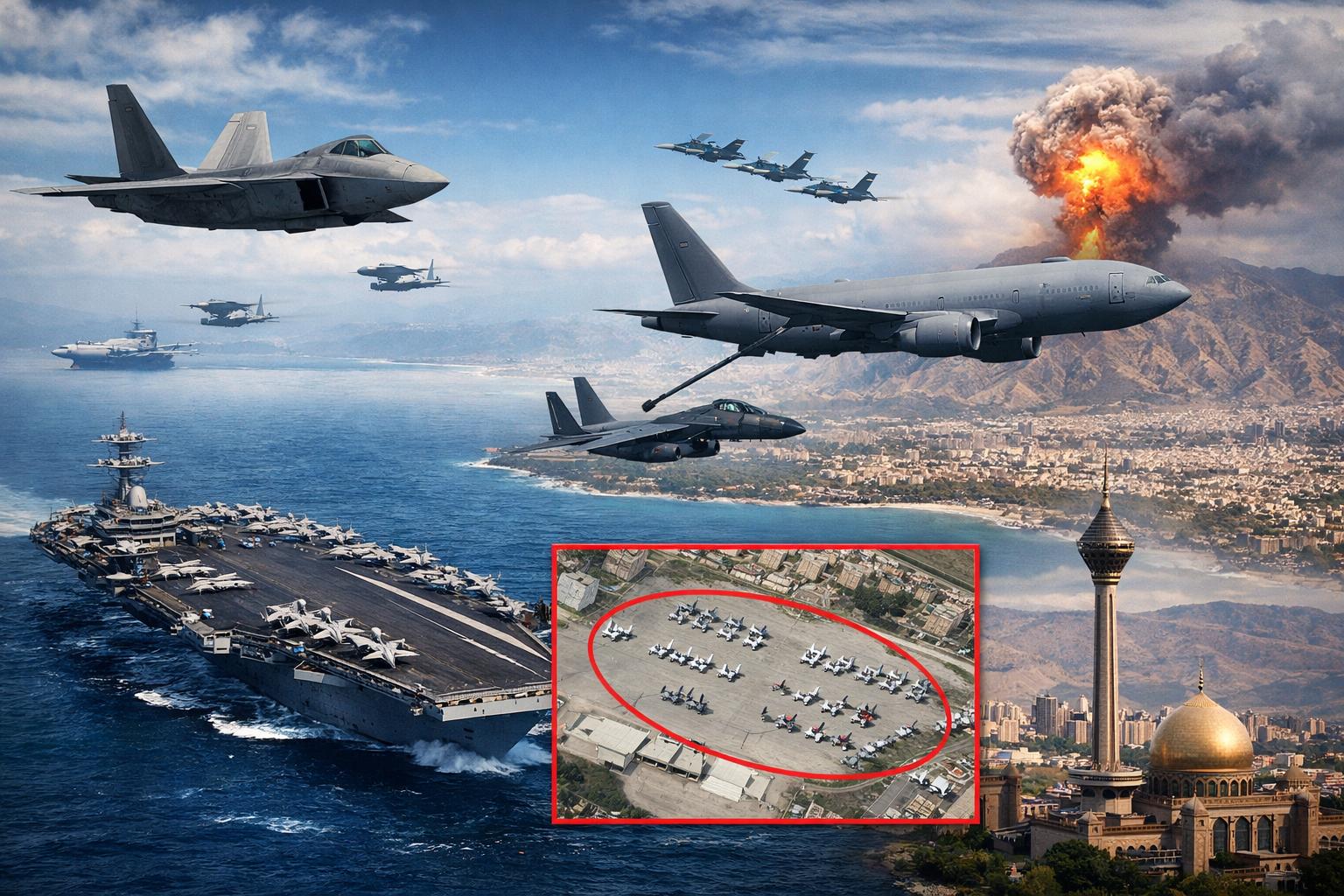
Satellite imagery and open-source flight tracking data indicate that the United States has significantly expanded its military presence across Europe and the Middle East as tensions with Iran intensify over Tehran’s nuclear programme. More than 150 American military aircraft have reportedly been repositioned to forward operating bases in what analysts describe as one of the largest regional force deployments in over two decades. The aircraft include heavy cargo planes, aerial refuelling tanker
Satellite imagery and open-source flight tracking data indicate that the United States has significantly expanded its military presence across Europe and the Middle East as tensions with Iran intensify over Tehran’s nuclear programme. More than 150 American military aircraft have reportedly been repositioned to forward operating bases in what analysts describe as one of the largest regional force deployments in over two decades. The aircraft include heavy cargo planes, aerial refuelling tanker
The second round of talks between the United States and Iran concluded in Geneva on Tuesday, with both sides signaling cautious optimism about the path forward. The Geneva meet, facilitated through Oman mediation, comes at a sensitive moment in US Iran relations, with diplomatic and military signals unfolding simultaneously across the Middle East.
Speaking at the Conference on Disarmament, Iran FM Abbas Araghchi described the latest engagement as a potential turning point. He said a
The second round of talks between the United States and Iran concluded in Geneva on Tuesday, with both sides signaling cautious optimism about the path forward. The Geneva meet, facilitated through Oman mediation, comes at a sensitive moment in US Iran relations, with diplomatic and military signals unfolding simultaneously across the Middle East.
Speaking at the Conference on Disarmament, Iran FM Abbas Araghchi described the latest engagement as a potential turning point. He said a
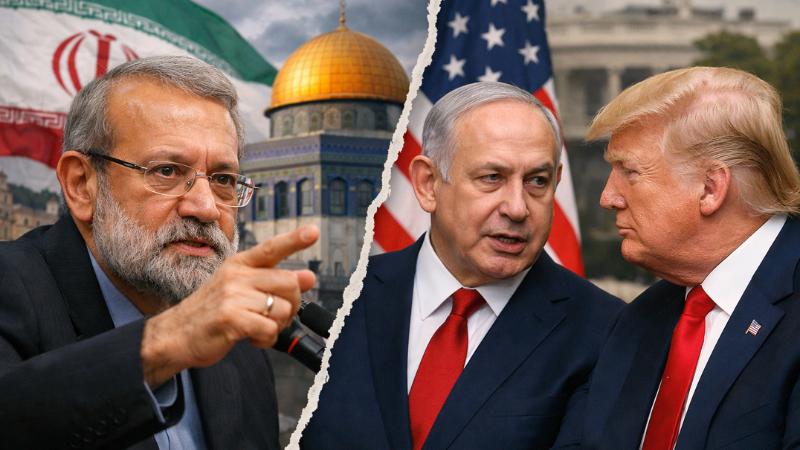
A senior Iranian security official has issued a sharp warning to the United States ahead of Israeli Prime Minister Benjamin Netanyahu’s visit to Washington, underscoring escalating rhetoric between Tehran and Tel Aviv as diplomatic efforts around Iran’s nuclear program continue to shape regional politics.
Ali Larijani, a prominent figure in Iran’s political and security establishment, addressed the matter in a post on social media on Tuesday, urging American policymakers and citizens to exercise caution. He said the United States should “think wisely” and remain alert to what he described as the “destructive role of the Zionists,” signaling Tehran’s deep distrust of Israeli influence over Washington’s foreign policy decisions. Larijani criticized Netanyahu’s planned trip, suggesting that the Israeli leader intended to sway the United States’ stance on negotiations related to Iran’s nuclear activities.
In his remarks, Larijani argued that Netanyahu might attempt to frame the direction of nuclear negotiations before arriving in the United States. He warned that such messaging could mislead American officials and complicate ongoing diplomatic efforts. The comments reflect broader concerns in Tehran that Israel seeks to derail talks that could ease tensions between Iran and the United States or lead to a new agreement governing Iran’s nuclear program.
Separately, Iran’s judiciary chief, Gholamhossein Mohseni Ejei, reinforced the government’s hardline posture. Speaking publicly, he said the Islamic Republic had demonstrated “compassion” since its founding but stressed that authorities would not hesitate to confront individuals or groups deemed disloyal. Ejei warned that the judiciary would take action against those acting “in tandem with Israel and other enemies of the Islamic revolution,” a statement widely interpreted as a message to domestic critics and alleged collaborators.
Meanwhile, Netanyahu confirmed that discussions about Iran’s nuclear ambitions would be a central part of his agenda in Washington. Before departing for the US capital, the Israeli prime minister told reporters that he intended to present Israel’s approach and core principles regarding negotiations with Tehran. He described these principles as essential not only for Israel’s security but for any country seeking peace and stability in the Middle East.
Netanyahu also emphasized the close relationship between Israel and the United States, highlighting frequent meetings with former US President Donald Trump as evidence of strong diplomatic and personal ties. According to the Israeli leader, this partnership plays a critical role in shaping policy on issues ranging from nuclear talks to the ongoing conflict in Gaza. He indicated that a range of regional security concerns would be discussed during the visit.
The exchange of pointed statements from both sides illustrates the persistent tensions surrounding Iran’s nuclear program and the broader geopolitical rivalry between Iran and Israel. As Washington prepares to engage with Israeli leadership while weighing its approach to Tehran, the coming discussions are likely to influence not only bilateral US-Israel relations but also the future trajectory of diplomacy and security across the Middle East.
A senior Iranian security official has issued a sharp warning to the United States ahead of Israeli Prime Minister Benjamin Netanyahu’s visit to Washington, underscoring escalating rhetoric between Tehran and Tel Aviv as diplomatic efforts around Iran’s nuclear program continue to shape regional politics.
Ali Larijani, a prominent figure in Iran’s political and security establishment, addressed the matter in a post on social media on Tuesday, urging American policymakers and citizens to exercise caution. He said the United States should “think wisely” and remain alert to what he described as the “destructive role of the Zionists,” signaling Tehran’s deep distrust of Israeli influence over Washington’s foreign policy decisions. Larijani criticized Netanyahu’s planned trip, suggesting that the Israeli leader intended to sway the United States’ stance on negotiations related to Iran’s nuclear activities.
In his remarks, Larijani argued that Netanyahu might attempt to frame the direction of nuclear negotiations before arriving in the United States. He warned that such messaging could mislead American officials and complicate ongoing diplomatic efforts. The comments reflect broader concerns in Tehran that Israel seeks to derail talks that could ease tensions between Iran and the United States or lead to a new agreement governing Iran’s nuclear program.
Separately, Iran’s judiciary chief, Gholamhossein Mohseni Ejei, reinforced the government’s hardline posture. Speaking publicly, he said the Islamic Republic had demonstrated “compassion” since its founding but stressed that authorities would not hesitate to confront individuals or groups deemed disloyal. Ejei warned that the judiciary would take action against those acting “in tandem with Israel and other enemies of the Islamic revolution,” a statement widely interpreted as a message to domestic critics and alleged collaborators.
Meanwhile, Netanyahu confirmed that discussions about Iran’s nuclear ambitions would be a central part of his agenda in Washington. Before departing for the US capital, the Israeli prime minister told reporters that he intended to present Israel’s approach and core principles regarding negotiations with Tehran. He described these principles as essential not only for Israel’s security but for any country seeking peace and stability in the Middle East.
Netanyahu also emphasized the close relationship between Israel and the United States, highlighting frequent meetings with former US President Donald Trump as evidence of strong diplomatic and personal ties. According to the Israeli leader, this partnership plays a critical role in shaping policy on issues ranging from nuclear talks to the ongoing conflict in Gaza. He indicated that a range of regional security concerns would be discussed during the visit.
The exchange of pointed statements from both sides illustrates the persistent tensions surrounding Iran’s nuclear program and the broader geopolitical rivalry between Iran and Israel. As Washington prepares to engage with Israeli leadership while weighing its approach to Tehran, the coming discussions are likely to influence not only bilateral US-Israel relations but also the future trajectory of diplomacy and security across the Middle East.
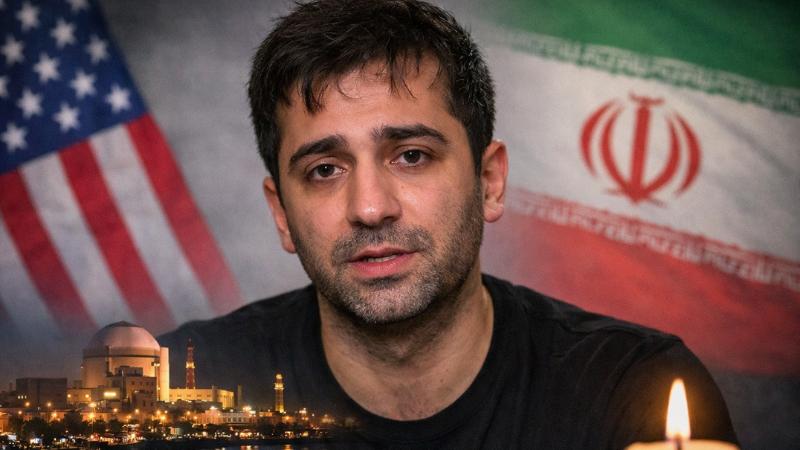
An Iranian man has reportedly taken his own life after recording and sharing a video message in which he appealed directly to former US President Donald Trump to halt any diplomatic engagement with Iran’s current leadership. The man, identified by activists and Iranian media as Pouria Hamidi, was from the southern port city of Bushehr. His death has drawn renewed attention to ongoing political tensions inside Iran and the wider international debate surrounding Tehran’s relations with Wash
An Iranian man has reportedly taken his own life after recording and sharing a video message in which he appealed directly to former US President Donald Trump to halt any diplomatic engagement with Iran’s current leadership. The man, identified by activists and Iranian media as Pouria Hamidi, was from the southern port city of Bushehr. His death has drawn renewed attention to ongoing political tensions inside Iran and the wider international debate surrounding Tehran’s relations with Wash
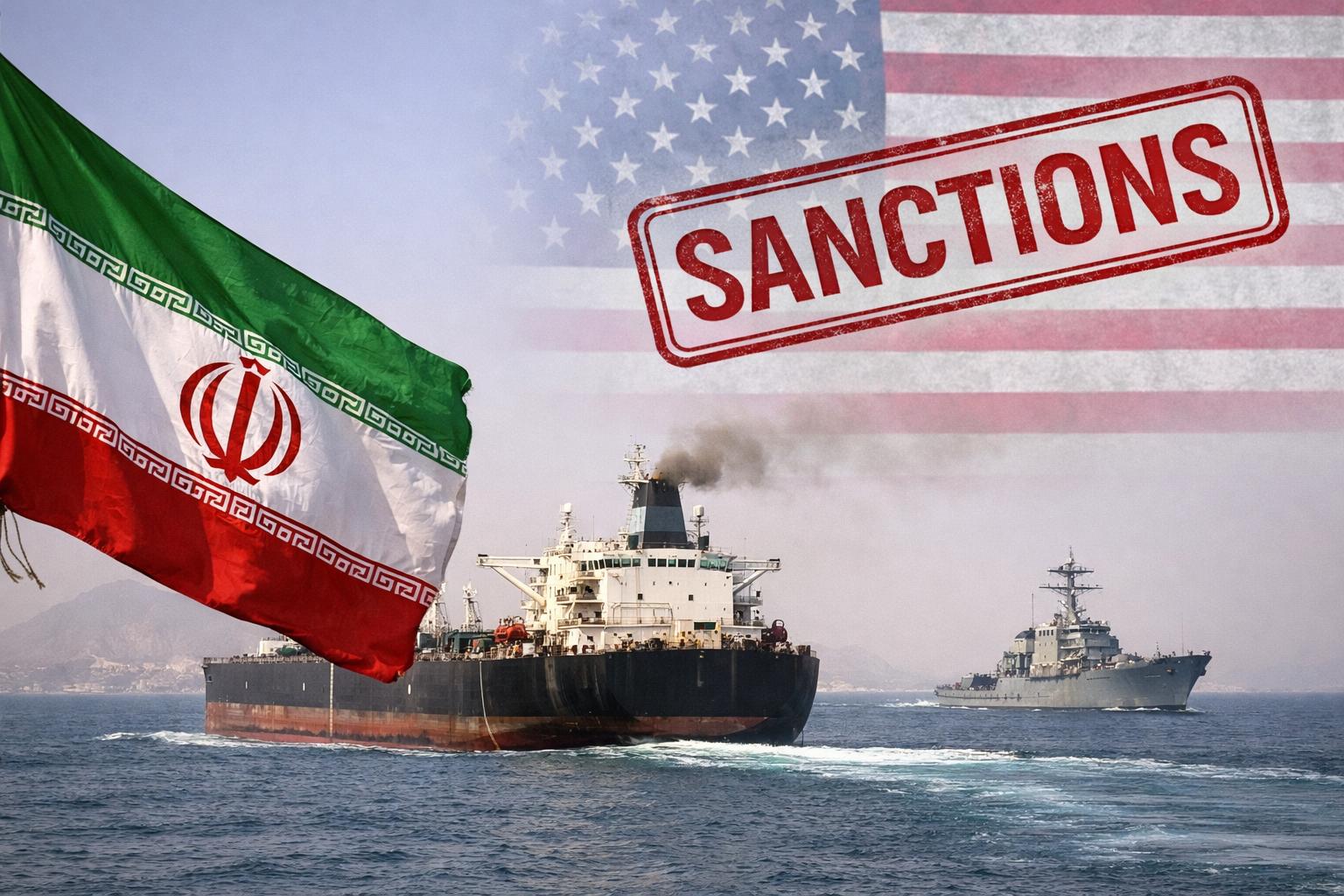
The United States announced a new round of sanctions on Friday targeting Iran’s oil and petrochemical trade, hours after indirect diplomatic talks between Tehran and Washington concluded in Oman, underscoring the fragile balance between pressure and engagement as both sides attempt to manage tensions surrounding Iran’s nuclear programme.
The measures, unveiled by the US State Department, apply to 15 entities and 14 vessels that officials say are linked to Iran’s so-called shad
The United States announced a new round of sanctions on Friday targeting Iran’s oil and petrochemical trade, hours after indirect diplomatic talks between Tehran and Washington concluded in Oman, underscoring the fragile balance between pressure and engagement as both sides attempt to manage tensions surrounding Iran’s nuclear programme.
The measures, unveiled by the US State Department, apply to 15 entities and 14 vessels that officials say are linked to Iran’s so-called shad