US Iran talks end with cautious optimism
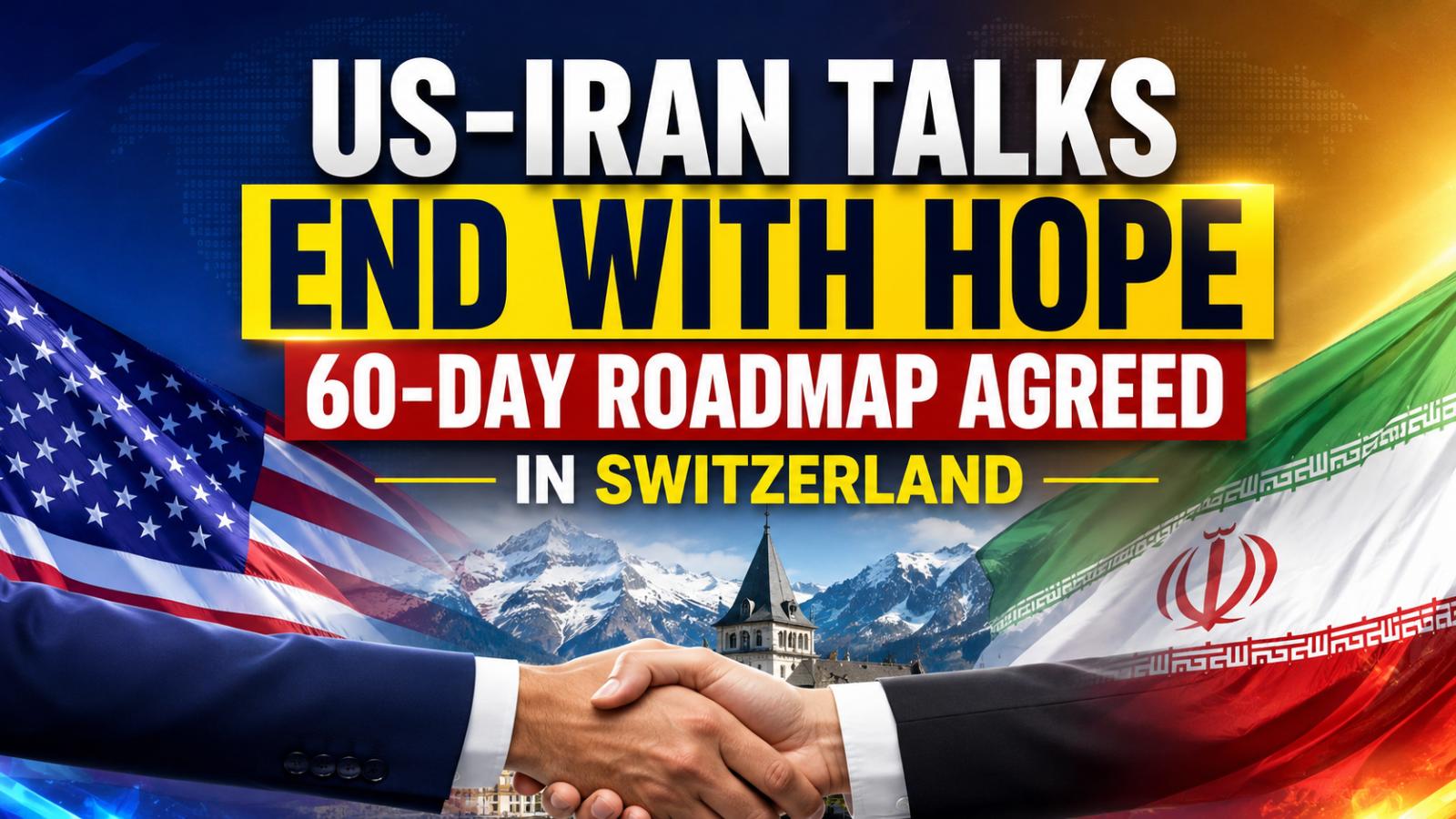
The first round of US Iran talks in Switzerland has concluded with cautious optimism, according to a joint statement issued by mediators Pakistan and Qatar on Monday, June 22. The discussions, held at the Lake Lucerne Summit, focused on ending the wider Middle East conflict and creating a framework for continued negotiations. Mediators described the session as constructive and positive, while noting that both sides still face major disagreements on security, sanctions and nuclear-related issues.
Negotiators agreed to keep the process moving through a roadmap aimed at reaching a broader agreement within 60 days. The Switzerland talks followed weeks of heightened regional tension and concern over the impact of conflict on global energy markets and trade routes. While the first round did not produce a final deal, the decision to continue structured talks was presented as a significant diplomatic step.
Araghchi cites major progress
Iranian Foreign Minister Seyed Abbas Araghchi said major progress had been achieved through the mediation efforts of Qatar and Pakistan. In a post on X, he said the talks had helped move efforts forward to end the Lebanon war and included steps related to Iranian oil and petrochemical exports. According to Araghchi, restrictions on those exports would be eased, blockades affecting Iranian trade routes would be lifted, part of Iran’s frozen assets would be released and a large reconstruction and development programme would be launched for the country.
Those claims remain part of the negotiation framework and will depend on further implementation. Still, the references to oil waivers, frozen assets and trade routes suggest that sanctions relief is becoming a central part of the diplomatic agenda.
New committee to oversee negotiations
The joint statement also said the parties agreed to establish a new High-Level Committee to provide political oversight for the negotiations. The committee is expected to receive regular updates from chief negotiators and supervise working groups handling the most sensitive parts of the talks.
Those working groups will focus on nuclear matters, sanctions relief, monitoring mechanisms and dispute-resolution procedures. Their role will be to ensure both sides follow commitments outlined in the memorandum of understanding. The next phase of talks will test whether cautious progress can become a durable agreement.