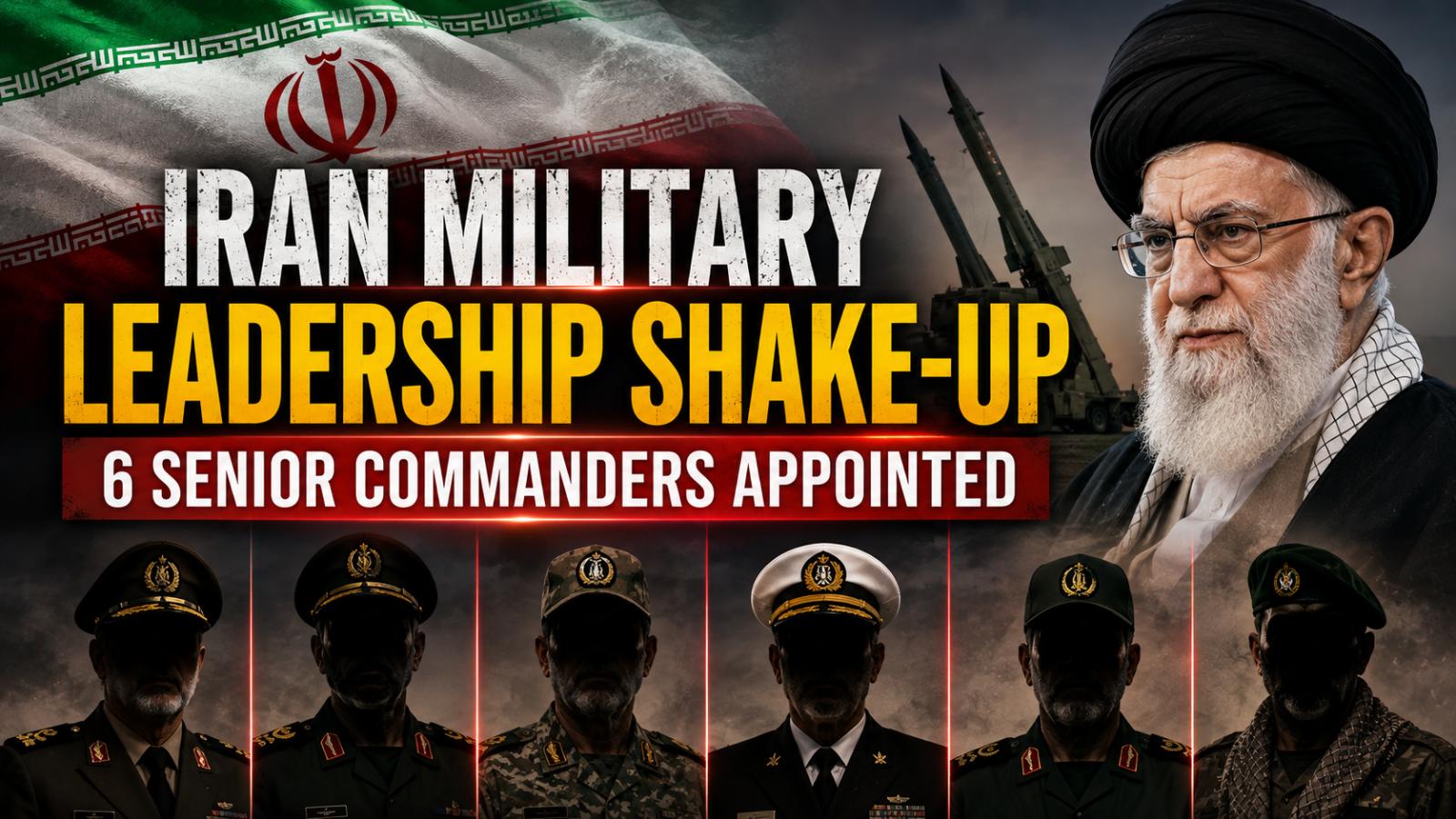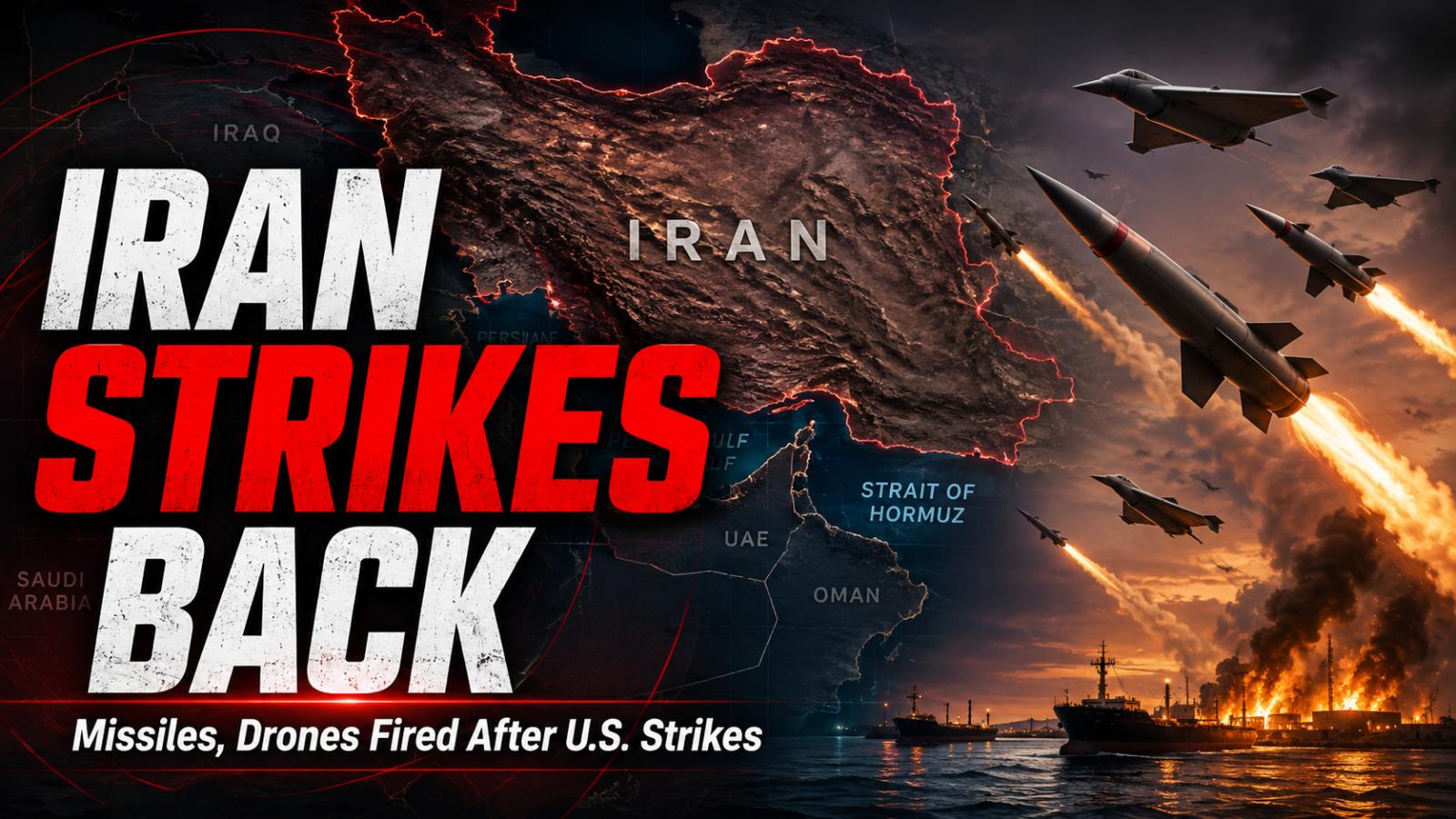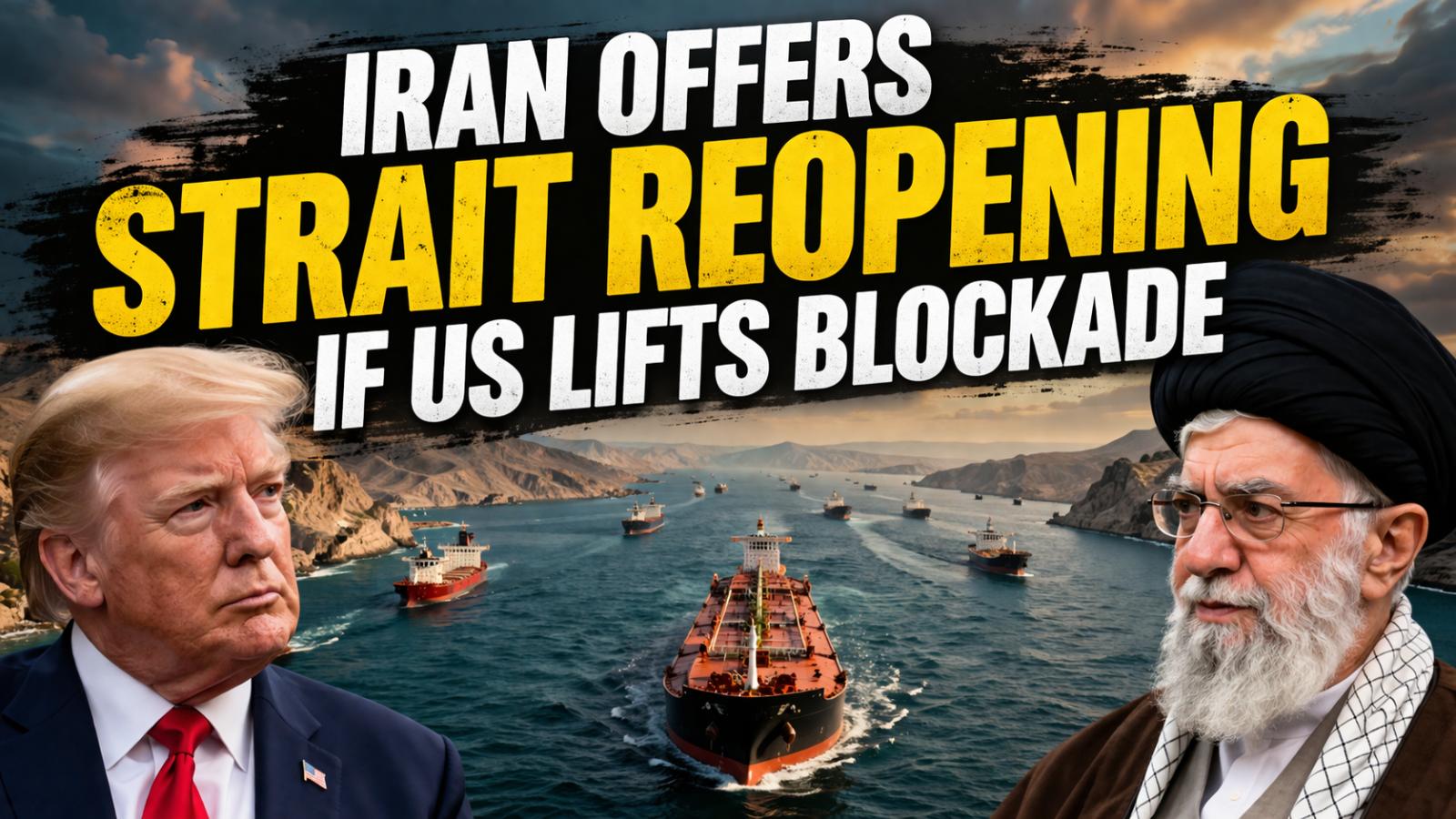
Iran offered to reopen the Strait of Hormuz if the U.S. lifts its blockade and ends hostilities, but Washington insists any deal must address Tehran’s nuclear program, leaving tensions high and global energy markets under strain.
Iran has proposed reopening the Strait of Hormuz if the United States lifts its blockade and agrees to end hostilities, according to regional officials familiar with negotiations disclosed on Monday, April 28, 2026. The proposal, delivered through Pakistan, would postpone discussions over Tehran’s nuclear program, a central issue driving the conflict that began on Friday, February 28, 2026.
U.S. officials have signaled resistance to the offer. Secretary of State Marco Rubio stated in an interview on Monday, April 28, 2026, that any agreement must ensure Iran cannot develop nuclear weapons. President Donald Trump has also emphasized that curbing Iran’s nuclear capabilities remains a key objective.
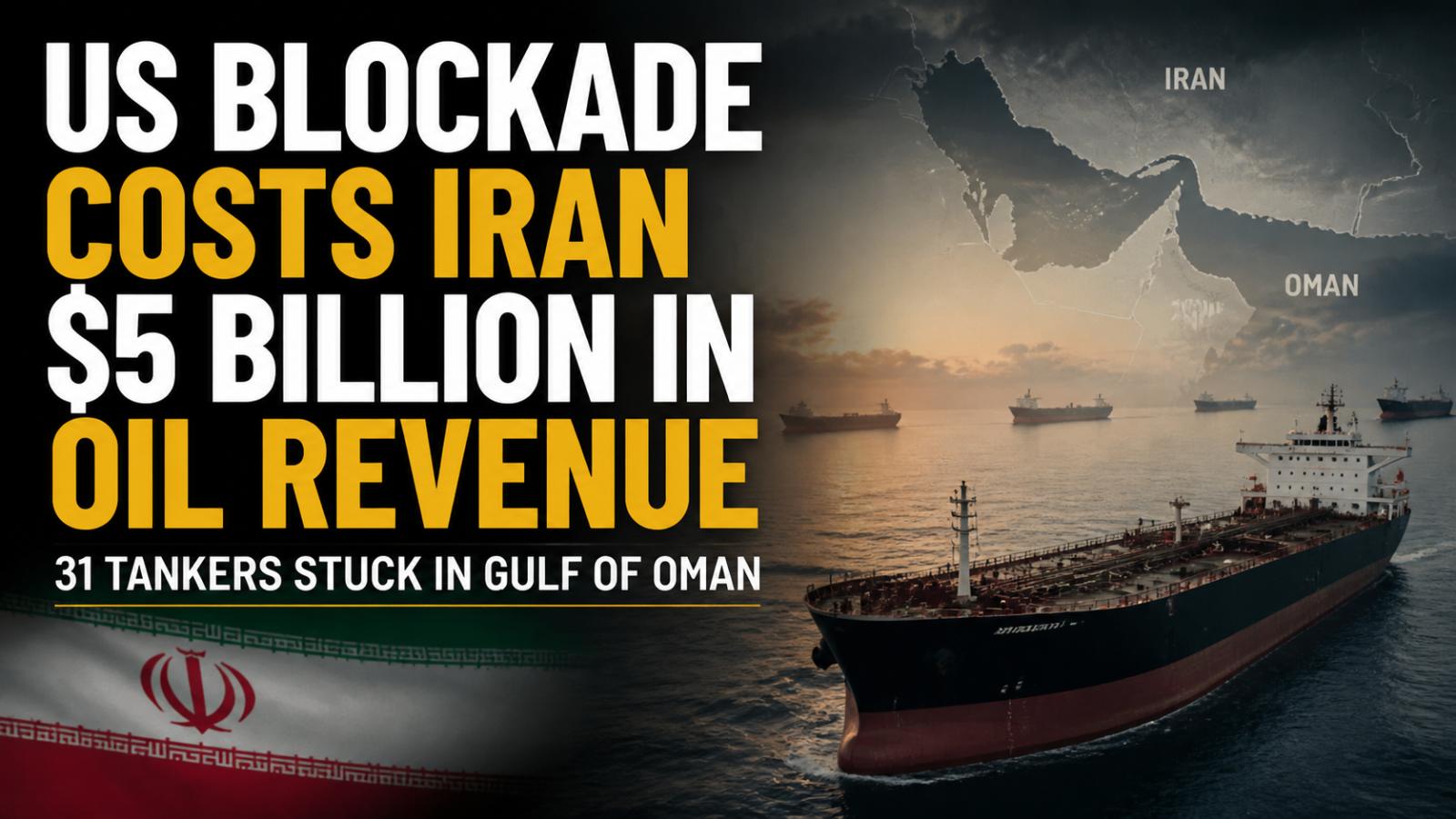
The Strait of Hormuz, a narrow passage connecting the Persian Gulf to global shipping routes, carries roughly 20% of the world’s traded oil and gas under normal conditions. Its closure has sharply driven up energy prices, with Brent crude surpassing $108 per barrel on Monday, April 28, 2026, reflecting a roughly 50% increase since the conflict began. The disruption has strained global supply chains, increasing costs for fuel, food, and fertilizers.
The U.S. blockade aims to halt Iran’s oil exports, cutting off critical revenue streams. However, the move has also intensified economic pressure globally and politically within the United States, where rising fuel costs are affecting consumers ahead of midterm elections.
International concern is mounting, with multiple countries calling for the reopening of the strait in a joint statement led by Bahrain on Monday, April 28, 2026. United Nations Secretary-General António Guterres warned the Security Council that the crisis is worsening humanitarian conditions, leading to shortages of fuel and essential goods.
Meanwhile, diplomatic efforts continue. Iran’s Foreign Minister Abbas Araghchi met Russian President Vladimir Putin in St. Petersburg on Monday, April 28, 2026, as Moscow reiterated support for regional stability. Pakistan has been attempting to mediate talks, though negotiations remain stalled over key disagreements, including Iran’s insistence on lifting the blockade before resuming broader discussions.
Despite a ceasefire extended on Monday, April 7, 2026, tensions persist, and a lasting resolution remains uncertain as both sides weigh strategic and economic pressures tied to one of the world’s most critical energy corridors.