US mortgage rates over 7% are adding fresh strain to household budgets as rising oil prices, higher Treasury yields and persistent inflation make borrowing and energy more expensive. Homebuyers now face a difficult mix of elevated financing costs, still-high property prices and broader economic uncertainty.
Oil surge raises energy concerns
Brent crude moved above $107 a barrel on Thursday as re
US mortgage rates over 7% are adding fresh strain to household budgets as rising oil prices, higher Treasury yields and persistent inflation make borrowing and energy more expensive. Homebuyers now face a difficult mix of elevated financing costs, still-high property prices and broader economic uncertainty.
Oil surge raises energy concerns
Brent crude moved above $107 a barrel on Thursday as re
US President Donald Trump used his Republican midterm convention speech in Dallas to defend his economic policies, address rising oil prices and intensify his criticism of Iran. Speaking on September 9, Trump argued that previous administrations contributed to the affordability crisis while promising that his policies would eventually bring household and energy costs lower.
Trump Dallas Speech Targets Affordability Crisis
US President Donald Trump used his Republican midterm convention speech in Dallas to defend his economic policies, address rising oil prices and intensify his criticism of Iran. Speaking on September 9, Trump argued that previous administrations contributed to the affordability crisis while promising that his policies would eventually bring household and energy costs lower.
Trump Dallas Speech Targets Affordability Crisis
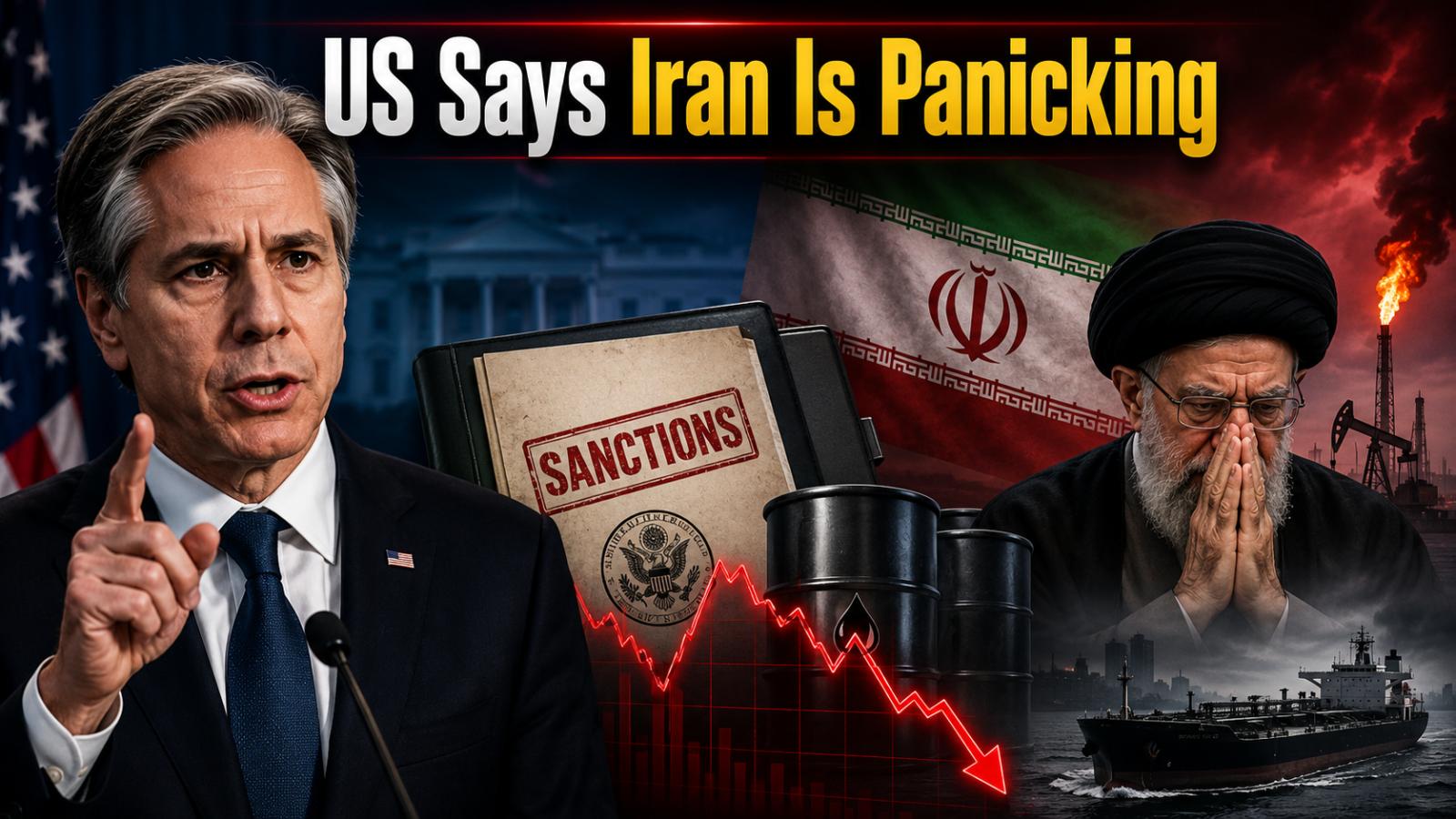
Iran sanctions pressure has intensified after US Treasury Secretary Scott Bessent claimed Tehran’s leadership is showing signs that Washington’s new economic campaign is working. Iranian officials rejected that assessment, while oil prices fell despite continuing US-Iran tensions.
Bessent claim focuses on Iranian leaders
Bessent said on
Iran sanctions pressure has intensified after US Treasury Secretary Scott Bessent claimed Tehran’s leadership is showing signs that Washington’s new economic campaign is working. Iranian officials rejected that assessment, while oil prices fell despite continuing US-Iran tensions.
Bessent claim focuses on Iranian leaders
Bessent said on
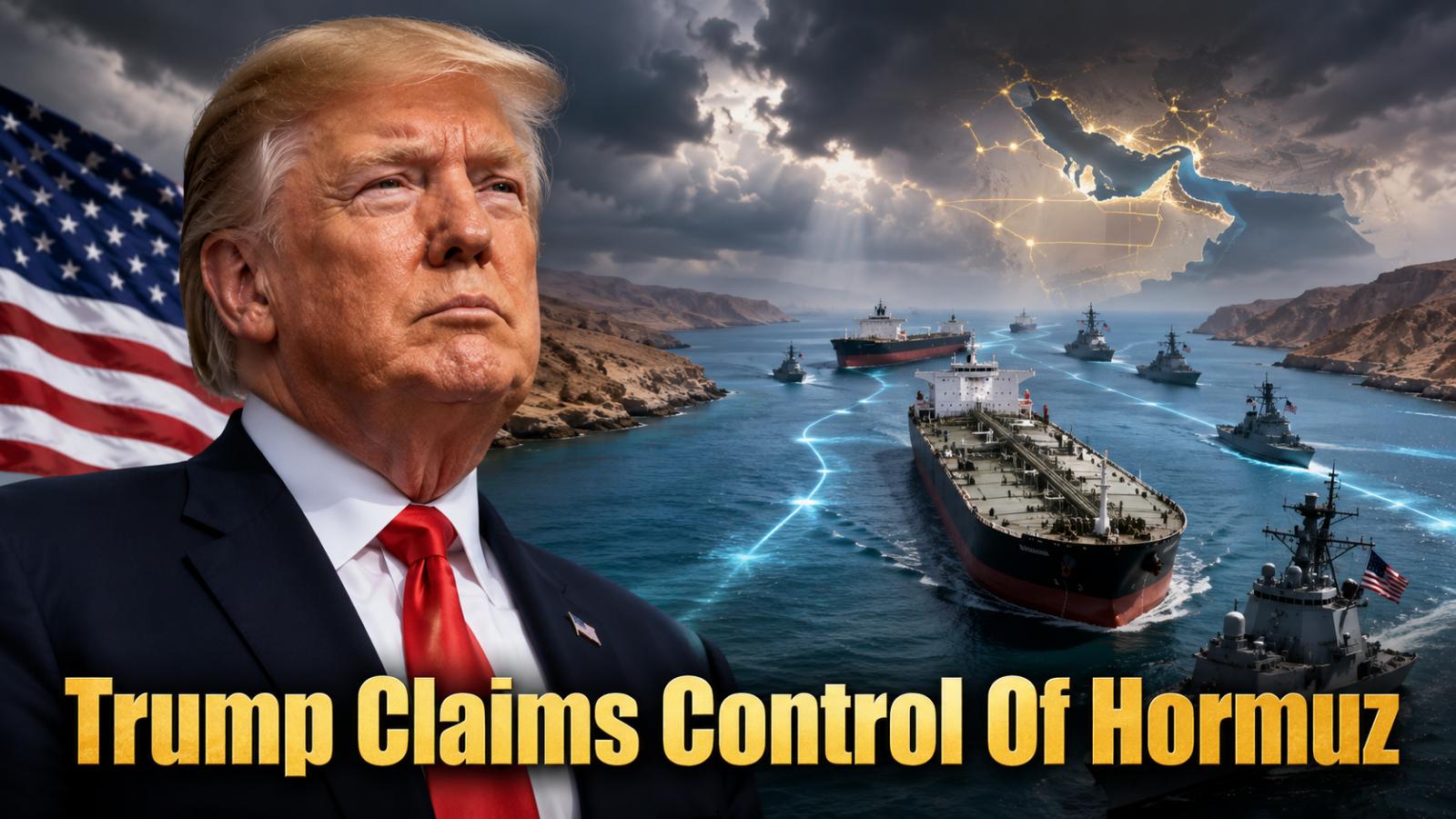
President Donald Trump has renewed his US Hormuz control claim, saying Washington has “complete control” of the Strait of Hormuz as more oil tankers move through the strategic waterway. Shipping remains well below normal levels, however, while Iran continues to dispute American claims of control.
Trump Hormuz claim
Trump told reporters on Wednesday that a large number of vessels had recentl
President Donald Trump has renewed his US Hormuz control claim, saying Washington has “complete control” of the Strait of Hormuz as more oil tankers move through the strategic waterway. Shipping remains well below normal levels, however, while Iran continues to dispute American claims of control.
Trump Hormuz claim
Trump told reporters on Wednesday that a large number of vessels had recentl
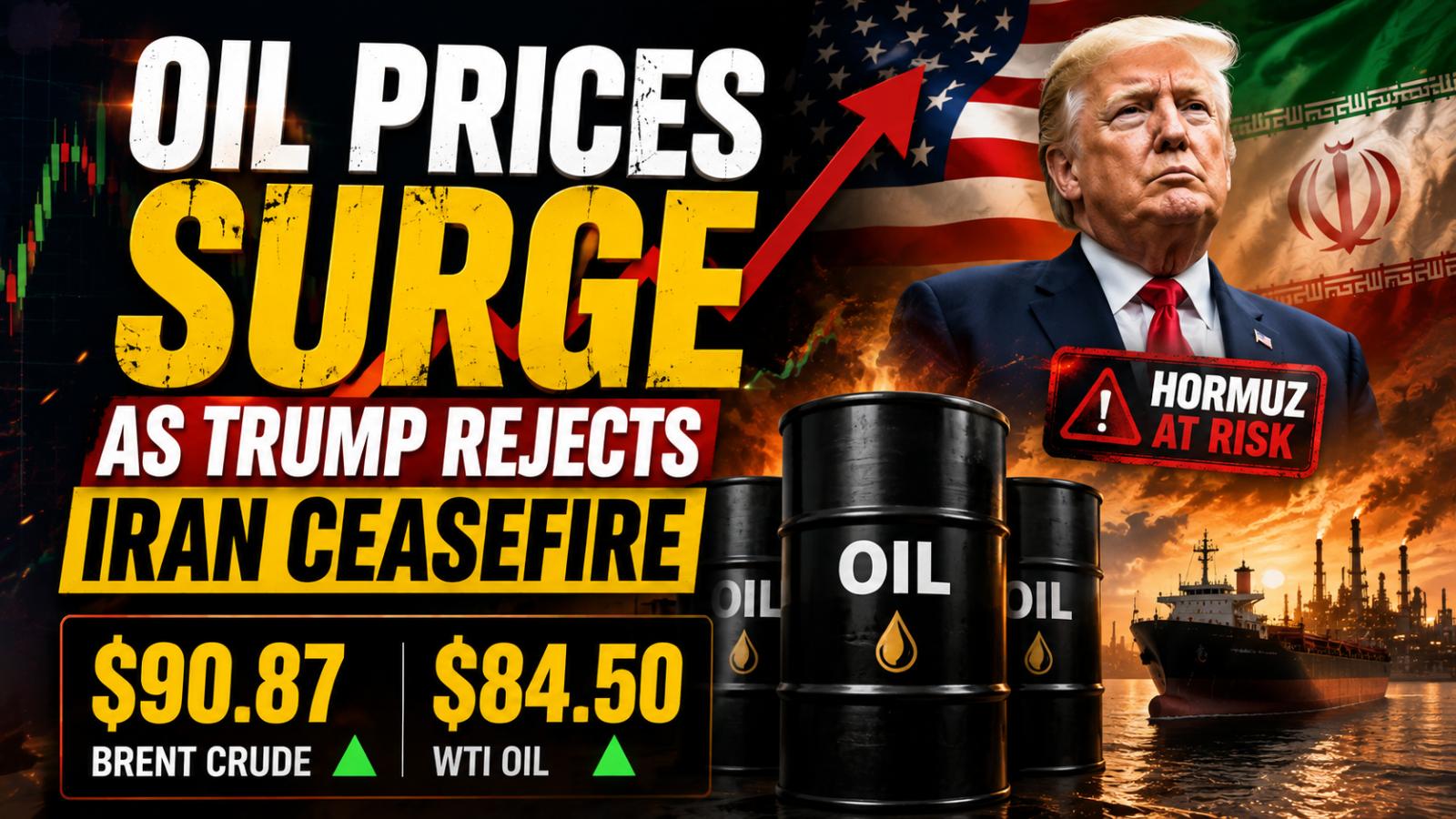
Oil prices surged on Monday as fading hopes for a US-Iran settlement renewed fears of prolonged supply disruptions in the Strait of Hormuz. Brent crude closed above $90 a barrel, while WTI oil also climbed sharply as traders reacted to stalled diplomacy and Iran's warning of possible military escalation.
Brent crude rises as Iran ceasefire hopes fade
Brent crude futures settled $2.22 higher at
Oil prices surged on Monday as fading hopes for a US-Iran settlement renewed fears of prolonged supply disruptions in the Strait of Hormuz. Brent crude closed above $90 a barrel, while WTI oil also climbed sharply as traders reacted to stalled diplomacy and Iran's warning of possible military escalation.
Brent crude rises as Iran ceasefire hopes fade
Brent crude futures settled $2.22 higher at
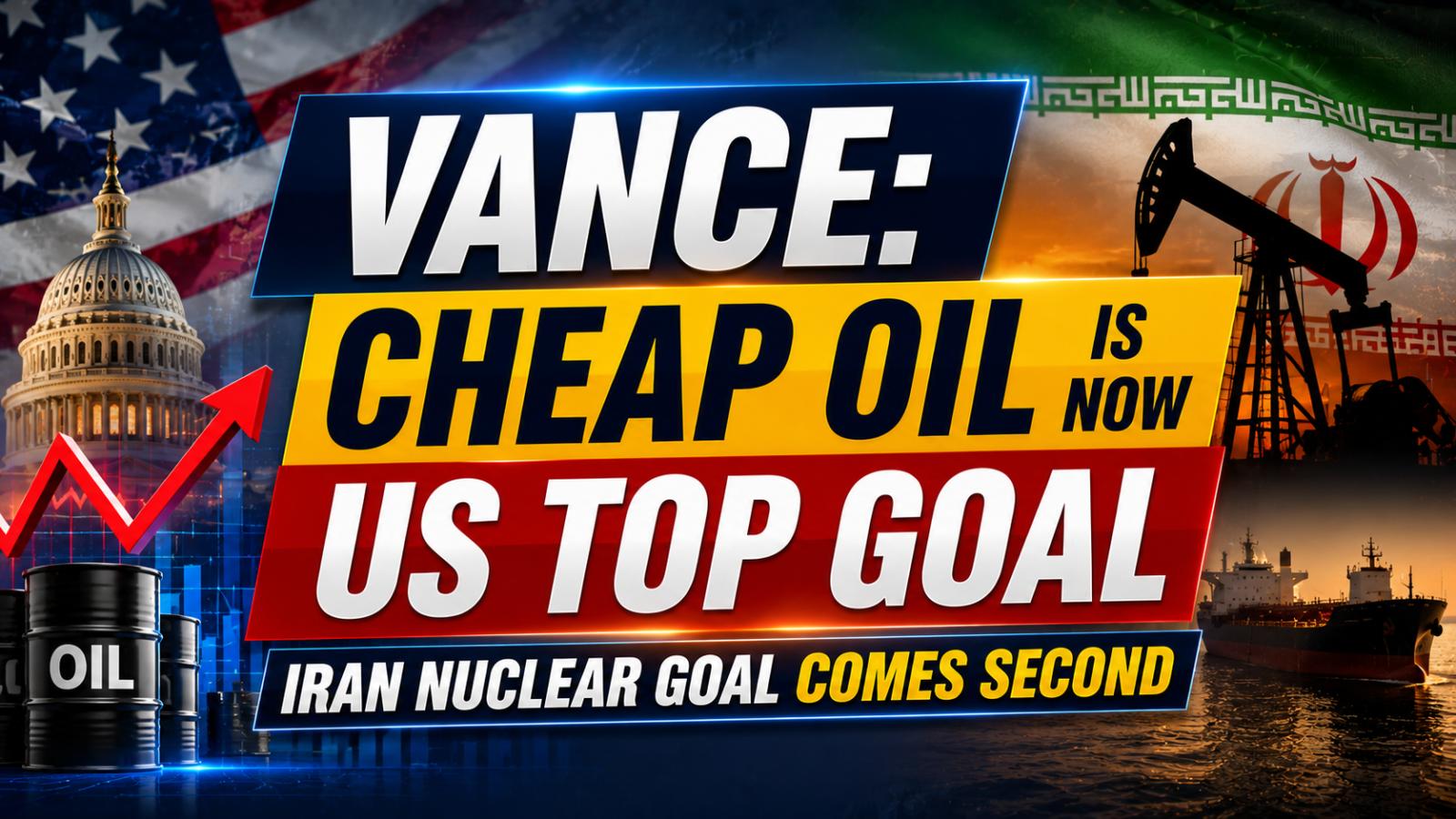
US Vice President JD Vance says Vance Iran war goals now place affordable oil and gasoline for Americans at the top of Washington’s priorities, followed by preventing Iran from acquiring a nuclear weapon. His remarks also put renewed focus on the Strait of Hormuz and its impact on energy markets.
Oil price goal moves to top of Vance’s priorities
Speaking in a Fox News interview on August 13
US Vice President JD Vance says Vance Iran war goals now place affordable oil and gasoline for Americans at the top of Washington’s priorities, followed by preventing Iran from acquiring a nuclear weapon. His remarks also put renewed focus on the Strait of Hormuz and its impact on energy markets.
Oil price goal moves to top of Vance’s priorities
Speaking in a Fox News interview on August 13
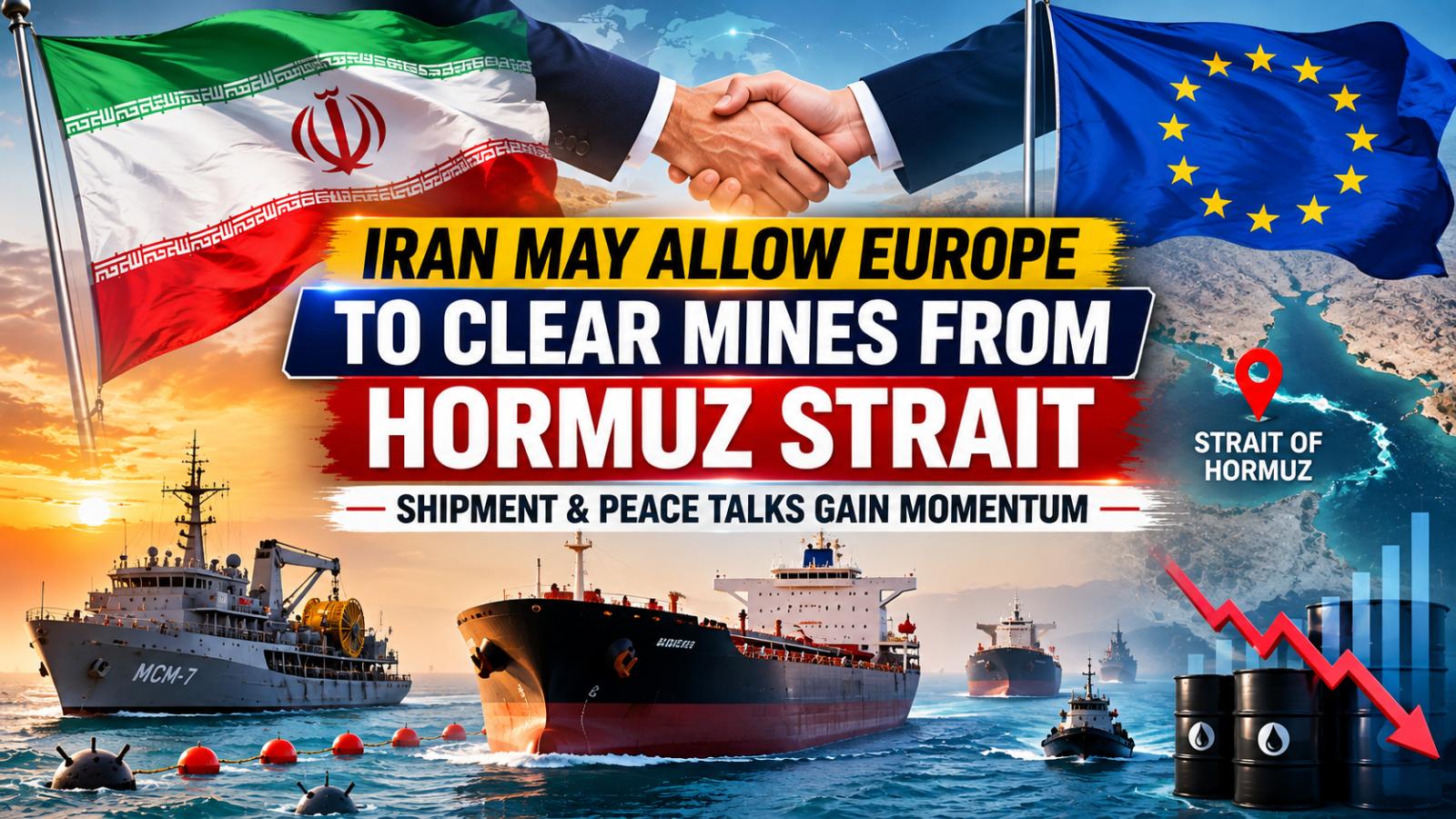
Iran Hormuz Demining Plan Signals Possible Shipping Deal
Iran Hormuz demining discussions could allow European countries to help clear mines from the strategic waterway. Progress in Iran-Oman talks, US diplomatic involvement and falling oil prices have raised hopes for safer Gulf shipping and broader peace negotiations.
Europe mine mission marks possible Iranian shift
Iran Hormuz Demining Plan Signals Possible Shipping Deal
Iran Hormuz demining discussions could allow European countries to help clear mines from the strategic waterway. Progress in Iran-Oman talks, US diplomatic involvement and falling oil prices have raised hopes for safer Gulf shipping and broader peace negotiations.
Europe mine mission marks possible Iranian shift
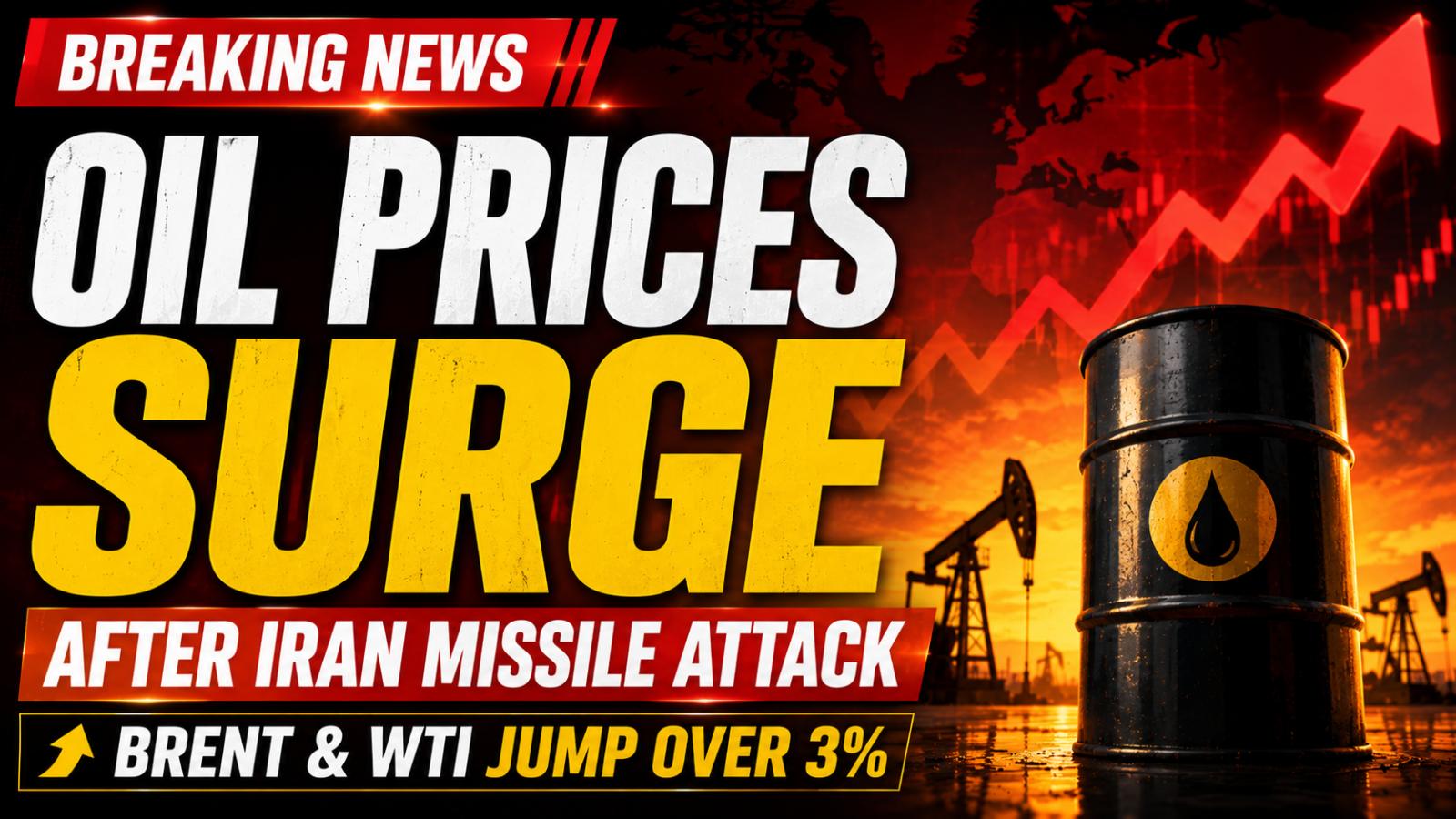
Oil prices surged in early Asian trading on Wednesday after Iran launched multiple ballistic missiles at US forces in the Middle East. The renewed military exchange pushed Brent and WTI crude higher as traders reassessed supply risks linked to the conflict and the Strait of Hormuz.
Oil Prices Surge in Asian Trading
Global oil prices climbed by more than 3 per cent during early trading on July 29 as renewed fighting between Iran and the U
Oil prices surged in early Asian trading on Wednesday after Iran launched multiple ballistic missiles at US forces in the Middle East. The renewed military exchange pushed Brent and WTI crude higher as traders reassessed supply risks linked to the conflict and the Strait of Hormuz.
Oil Prices Surge in Asian Trading
Global oil prices climbed by more than 3 per cent during early trading on July 29 as renewed fighting between Iran and the U
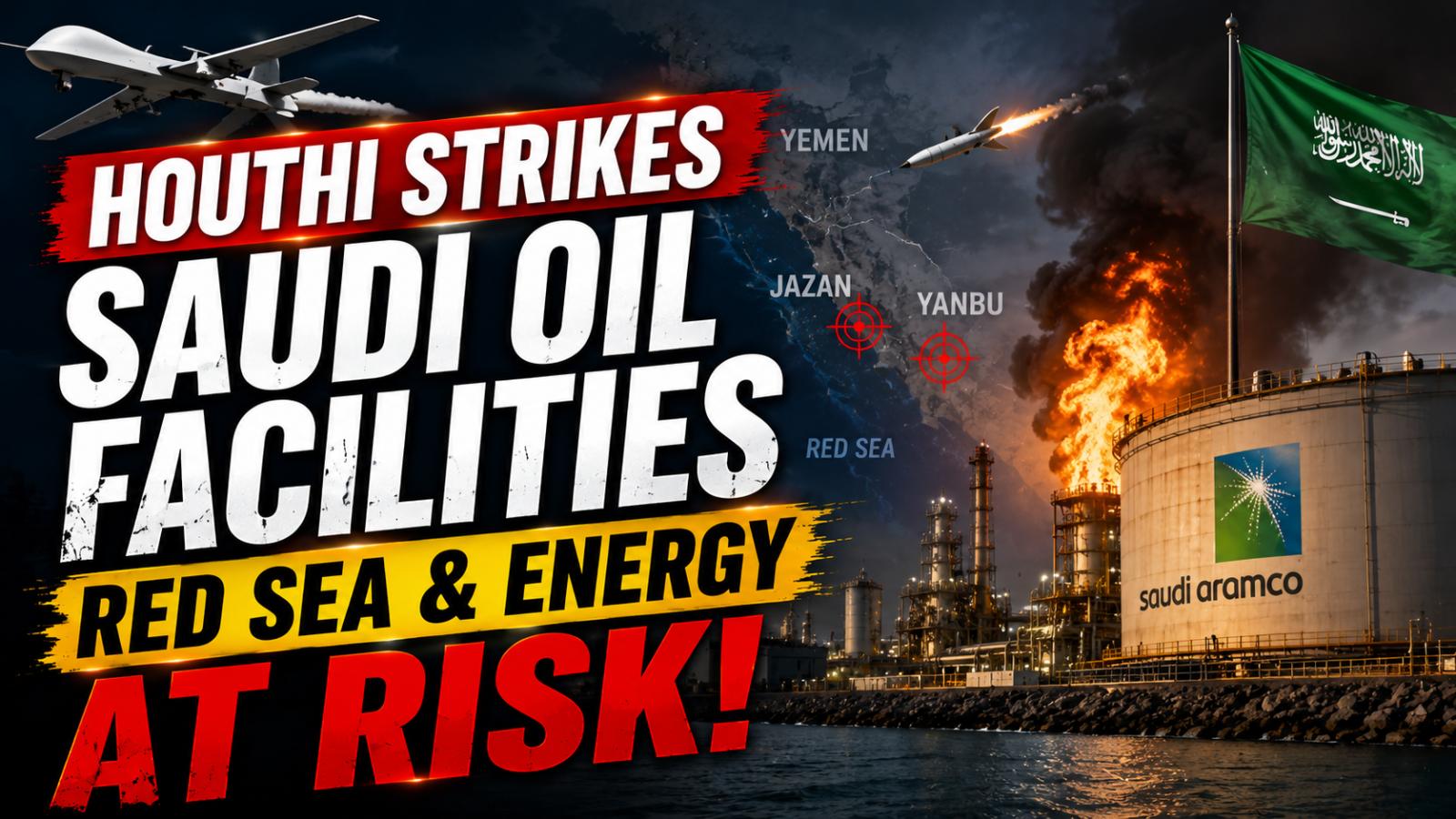
Houthi Saudi Aramco attack claims have intensified concerns over Middle East stability after the Iran-backed group said it targeted key Saudi oil facilities in Jazan and Yanbu. The reported strikes, coupled with claims of downing a Saudi drone and Iran's announcement that it has paused retaliatory operations, have added fresh uncertainty to regional security and global energy markets.
Houthi Saudi Aramco attack claims have intensified concerns over Middle East stability after the Iran-backed group said it targeted key Saudi oil facilities in Jazan and Yanbu. The reported strikes, coupled with claims of downing a Saudi drone and Iran's announcement that it has paused retaliatory operations, have added fresh uncertainty to regional security and global energy markets.
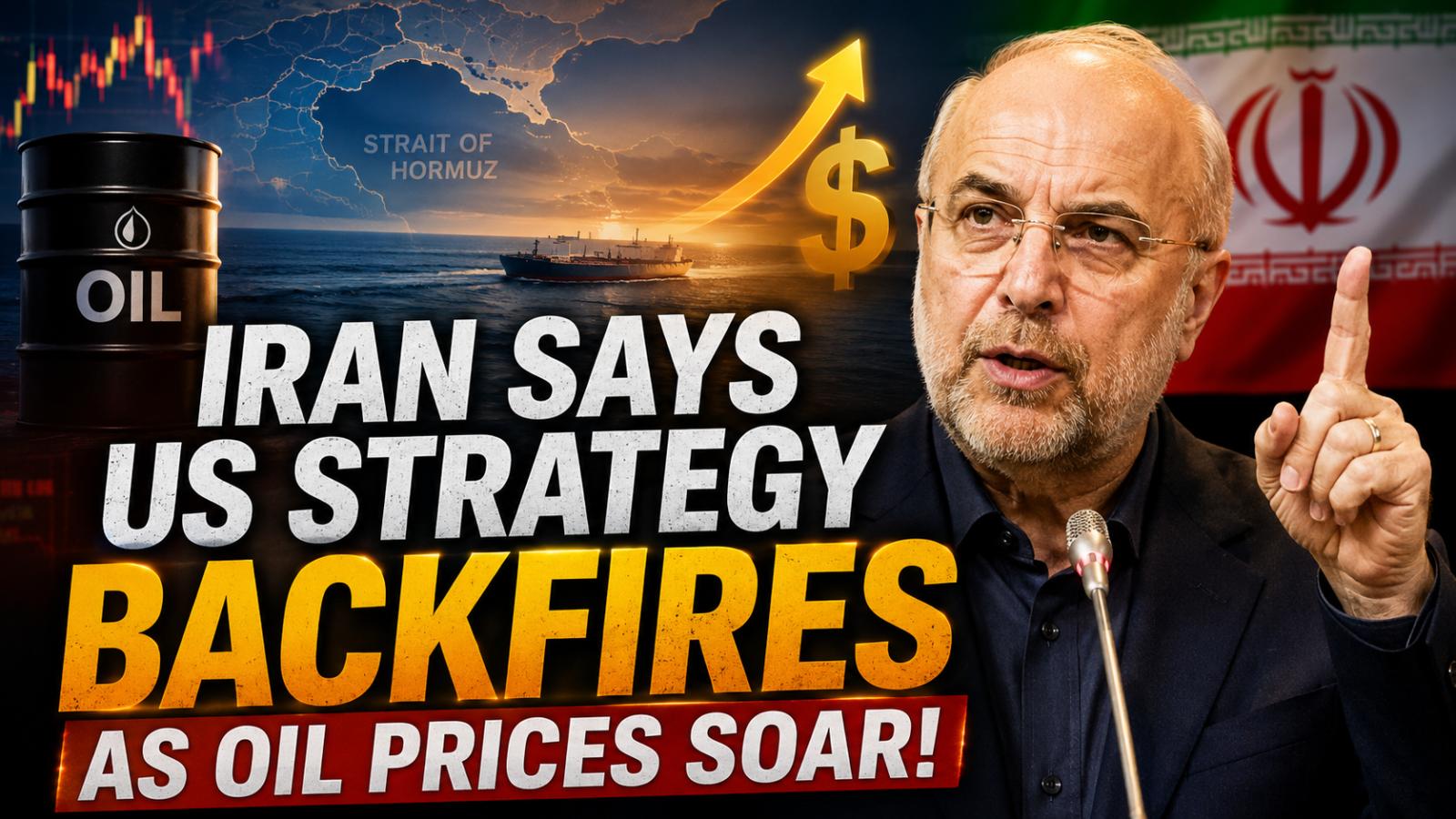
Iran Strait of Hormuz oil price warning has reignited global attention after Parliament Speaker Mohammad Bagher Ghalibaf argued that US pressure on Tehran has instead pushed oil prices higher. As Brent crude briefly crossed $100 a barrel, markets, governments and investors are closely watching developments around one of the world's most critical energy routes.
Iran Strait of Hormuz oil price warning has reignited global attention after Parliament Speaker Mohammad Bagher Ghalibaf argued that US pressure on Tehran has instead pushed oil prices higher. As Brent crude briefly crossed $100 a barrel, markets, governments and investors are closely watching developments around one of the world's most critical energy routes.
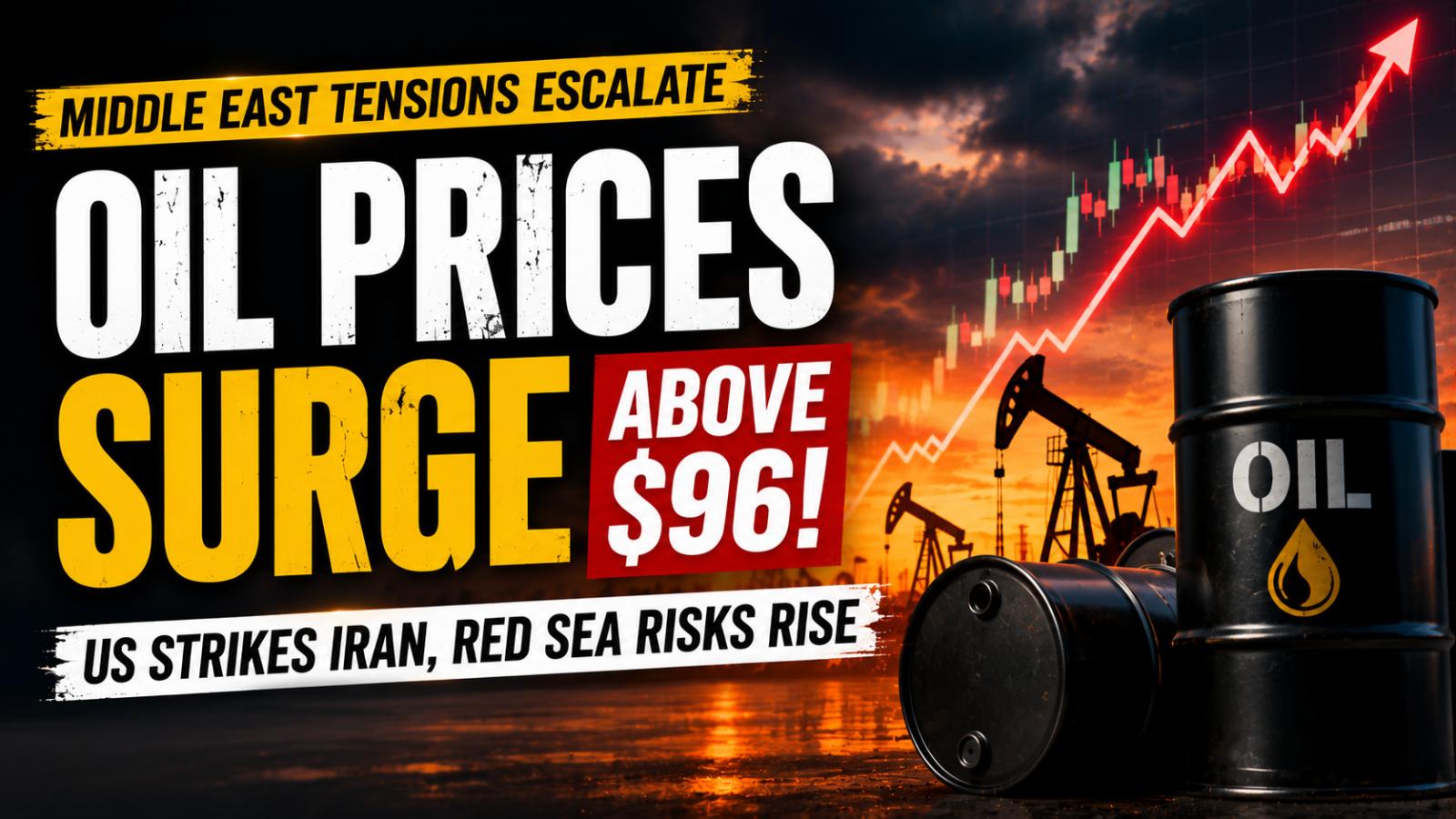
Oil prices rise as US strikes Iran and renewed attacks on Houthi targets heighten concerns over global energy supplies. Brent crude climbed above $96 a barrel while WTI gained sharply as traders reacted to escalating military tensions in the Middle East and potential risks to key shipping routes.
Brent crude climbs above $96
Global oil prices extended their rally on Thursday, July 23, after ren
Oil prices rise as US strikes Iran and renewed attacks on Houthi targets heighten concerns over global energy supplies. Brent crude climbed above $96 a barrel while WTI gained sharply as traders reacted to escalating military tensions in the Middle East and potential risks to key shipping routes.
Brent crude climbs above $96
Global oil prices extended their rally on Thursday, July 23, after ren
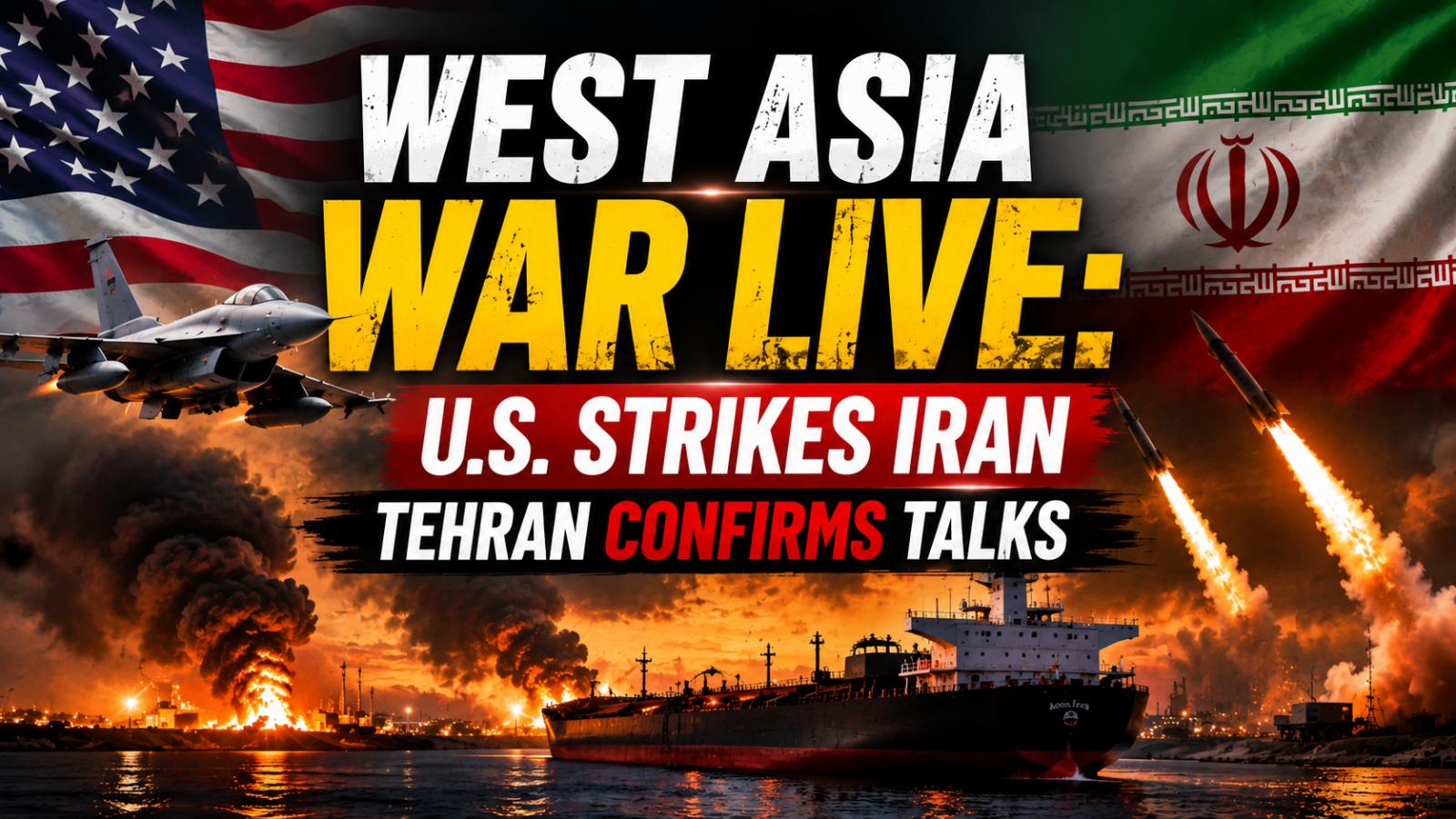
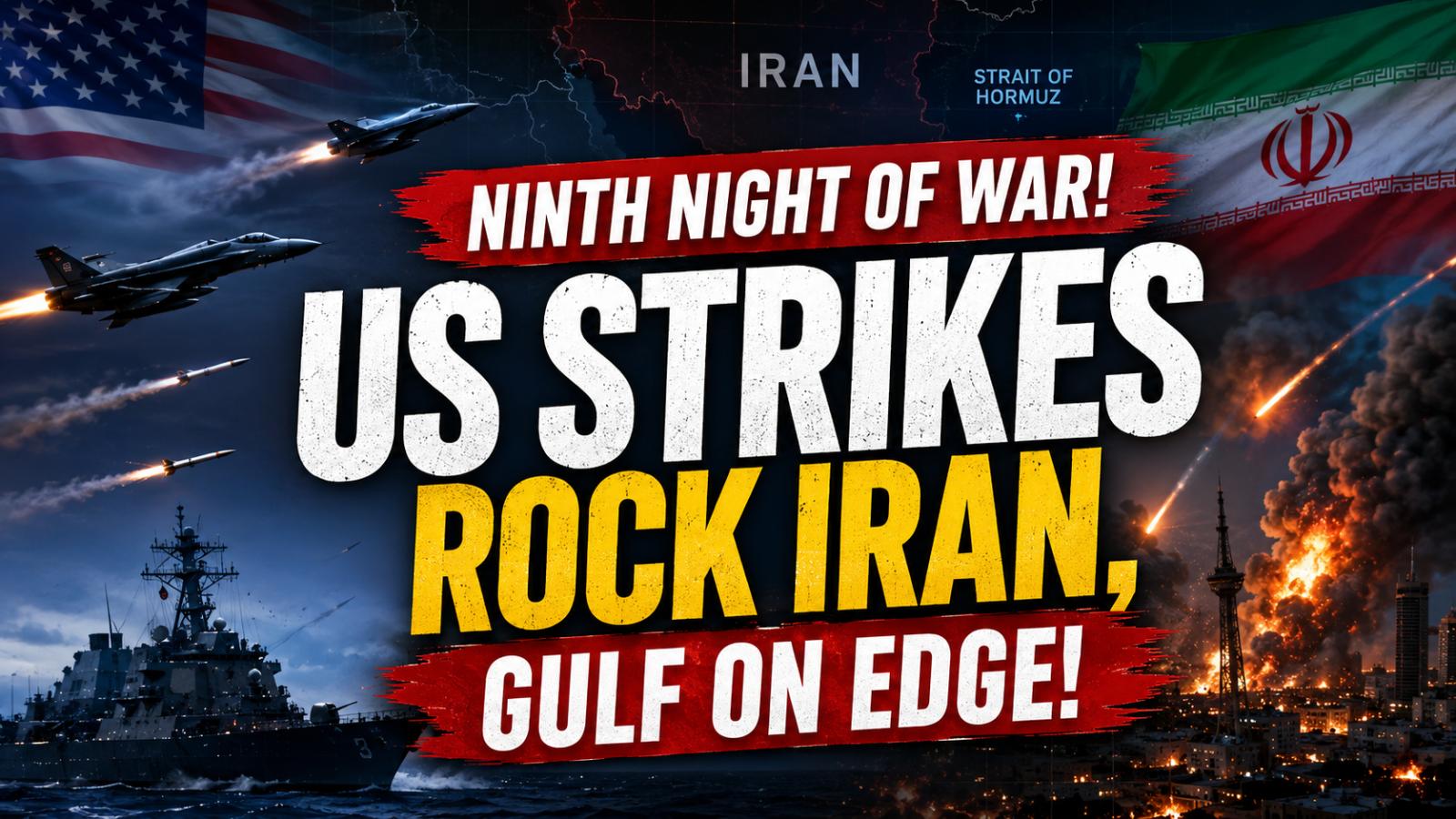
The West Asia war intensified on Monday as the United States carried out another round of strikes on Iran, Tehran acknowledged continuing diplomatic exchanges, and reported tanker explosions raised fresh concerns over the Strait of Hormuz and global energy supplies.
U.S. strikes continue for ninth consecutive night
The United States conducted a fresh wave of airstrikes against targets in Iran e
The West Asia war intensified on Monday as the United States carried out another round of strikes on Iran, Tehran acknowledged continuing diplomatic exchanges, and reported tanker explosions raised fresh concerns over the Strait of Hormuz and global energy supplies.
U.S. strikes continue for ninth consecutive night
The United States conducted a fresh wave of airstrikes against targets in Iran e
The US Iran ninth night strikes deepened the regional crisis as CENTCOM targeted Iranian military capabilities. Missile alerts spread across the Gulf, another US soldier died in Iraq, and rising oil prices reflected growing fears over the Strait of Hormuz.
US Iran ninth night strikes announced by CENTCOM
The US military launched a ninth consecutive night of attacks against Iran on Sunday, July 19, as the conflict entered another dangerous phase. US Central Command said on X that operations began at 7 p.m. Eastern Time and would continue targeting Iranian capabilities used to attack commercial vessels crossing the Strait of Hormuz.
CENTCOM’s website had earlier confirmed eight consecutive nights of strikes through July 18 and listed several rounds of attacks conducted since July 11. It also confirmed that the United States had resumed its naval blockade against Iranian ports on July 13.
Iranian state media reported explosions in several cities after the latest operation began, including Tabriz and areas near important ports. Reports from inside Iran also claimed that air-defence forces shot down a drone over the country’s south. These battlefield accounts had not been independently verified when they emerged.
US soldier killed by Iranian drone ordnance
CENTCOM announced that a US service member died in northern Iraq during a controlled detonation of unexploded ordnance from a downed Iranian one-way attack drone. Another service member suffered a minor injury during the incident.
The death brought the reported number of US military fatalities linked to the wider Iran conflict to 17. Recent casualties have included service members killed during Iranian attacks in Jordan and other incidents across the region.
The latest death highlights a risk that extends beyond direct missile and drone impacts. Unexploded weapons can remain dangerous after interception or crashing, placing military disposal teams and nearby communities at continued risk.
Kuwait attack and Bahrain alerts widen crisis
The confrontation also spread further across Gulf states. Bahrain activated warning sirens and instructed residents to seek shelter, while Kuwait said its air defences were responding to Iranian missile and drone attacks.
Kuwaiti authorities accused Iran of damaging energy, water and oil-related facilities and causing fires. Gulf governments condemned the attacks as concerns grew that retaliatory operations could draw more countries into direct confrontation.
The Strait of Hormuz remains at the centre of the crisis because disruptions there can affect major international energy shipments. CENTCOM says its latest attacks aim to reduce Iran’s ability to threaten vessels using the waterway. The renewed US blockade has added pressure on maritime traffic and increased fears of prolonged supply disruption.
Strait of Hormuz crisis pushes oil above $90
Oil markets reacted quickly as fighting continued. Brent crude moved above $90 a barrel, while US crude traded above $84 during Sunday trading. Market reports linked the increase to renewed strikes, Iranian retaliation and uncertainty surrounding shipping through the Strait of Hormuz.
The price rise shows how quickly a military escalation can spread beyond the battlefield. Higher crude costs can increase transport, manufacturing and consumer prices, particularly when traders expect shipping delays or damage to regional energy infrastructure.
Iran also announced that it was suspending commitments connected to its ceasefire understanding with Washington. Iranian officials accused the United States of violating the arrangement by continuing military attacks. Those claims reflect Tehran’s position and require comparison with the original agreement and statements from all parties.
With diplomacy weakening, casualties rising and Gulf infrastructure facing attacks, neither side appears close to de-escalation. The immediate danger is no longer limited to targets inside Iran. It now includes military bases, ports, commercial shipping and essential facilities across the wider region.
Relevant internal links include previous coverage of the CENTCOM strikes on Iran, the Chabahar Port attack, Iranian missile interceptions over Gulf states and the full US-Iran conflict timeline.
The US Iran ninth night strikes deepened the regional crisis as CENTCOM targeted Iranian military capabilities. Missile alerts spread across the Gulf, another US soldier died in Iraq, and rising oil prices reflected growing fears over the Strait of Hormuz.
US Iran ninth night strikes announced by CENTCOM
The US military launched a ninth consecutive night of attacks against Iran on Sunday, July 19, as the conflict entered another dangerous phase. US Central Command said on X that operations began at 7 p.m. Eastern Time and would continue targeting Iranian capabilities used to attack commercial vessels crossing the Strait of Hormuz.
CENTCOM’s website had earlier confirmed eight consecutive nights of strikes through July 18 and listed several rounds of attacks conducted since July 11. It also confirmed that the United States had resumed its naval blockade against Iranian ports on July 13.
Iranian state media reported explosions in several cities after the latest operation began, including Tabriz and areas near important ports. Reports from inside Iran also claimed that air-defence forces shot down a drone over the country’s south. These battlefield accounts had not been independently verified when they emerged.
US soldier killed by Iranian drone ordnance
CENTCOM announced that a US service member died in northern Iraq during a controlled detonation of unexploded ordnance from a downed Iranian one-way attack drone. Another service member suffered a minor injury during the incident.
The death brought the reported number of US military fatalities linked to the wider Iran conflict to 17. Recent casualties have included service members killed during Iranian attacks in Jordan and other incidents across the region.
The latest death highlights a risk that extends beyond direct missile and drone impacts. Unexploded weapons can remain dangerous after interception or crashing, placing military disposal teams and nearby communities at continued risk.
Kuwait attack and Bahrain alerts widen crisis
The confrontation also spread further across Gulf states. Bahrain activated warning sirens and instructed residents to seek shelter, while Kuwait said its air defences were responding to Iranian missile and drone attacks.
Kuwaiti authorities accused Iran of damaging energy, water and oil-related facilities and causing fires. Gulf governments condemned the attacks as concerns grew that retaliatory operations could draw more countries into direct confrontation.
The Strait of Hormuz remains at the centre of the crisis because disruptions there can affect major international energy shipments. CENTCOM says its latest attacks aim to reduce Iran’s ability to threaten vessels using the waterway. The renewed US blockade has added pressure on maritime traffic and increased fears of prolonged supply disruption.
Strait of Hormuz crisis pushes oil above $90
Oil markets reacted quickly as fighting continued. Brent crude moved above $90 a barrel, while US crude traded above $84 during Sunday trading. Market reports linked the increase to renewed strikes, Iranian retaliation and uncertainty surrounding shipping through the Strait of Hormuz.
The price rise shows how quickly a military escalation can spread beyond the battlefield. Higher crude costs can increase transport, manufacturing and consumer prices, particularly when traders expect shipping delays or damage to regional energy infrastructure.
Iran also announced that it was suspending commitments connected to its ceasefire understanding with Washington. Iranian officials accused the United States of violating the arrangement by continuing military attacks. Those claims reflect Tehran’s position and require comparison with the original agreement and statements from all parties.
With diplomacy weakening, casualties rising and Gulf infrastructure facing attacks, neither side appears close to de-escalation. The immediate danger is no longer limited to targets inside Iran. It now includes military bases, ports, commercial shipping and essential facilities across the wider region.
Relevant internal links include previous coverage of the CENTCOM strikes on Iran, the Chabahar Port attack, Iranian missile interceptions over Gulf states and the full US-Iran conflict timeline.
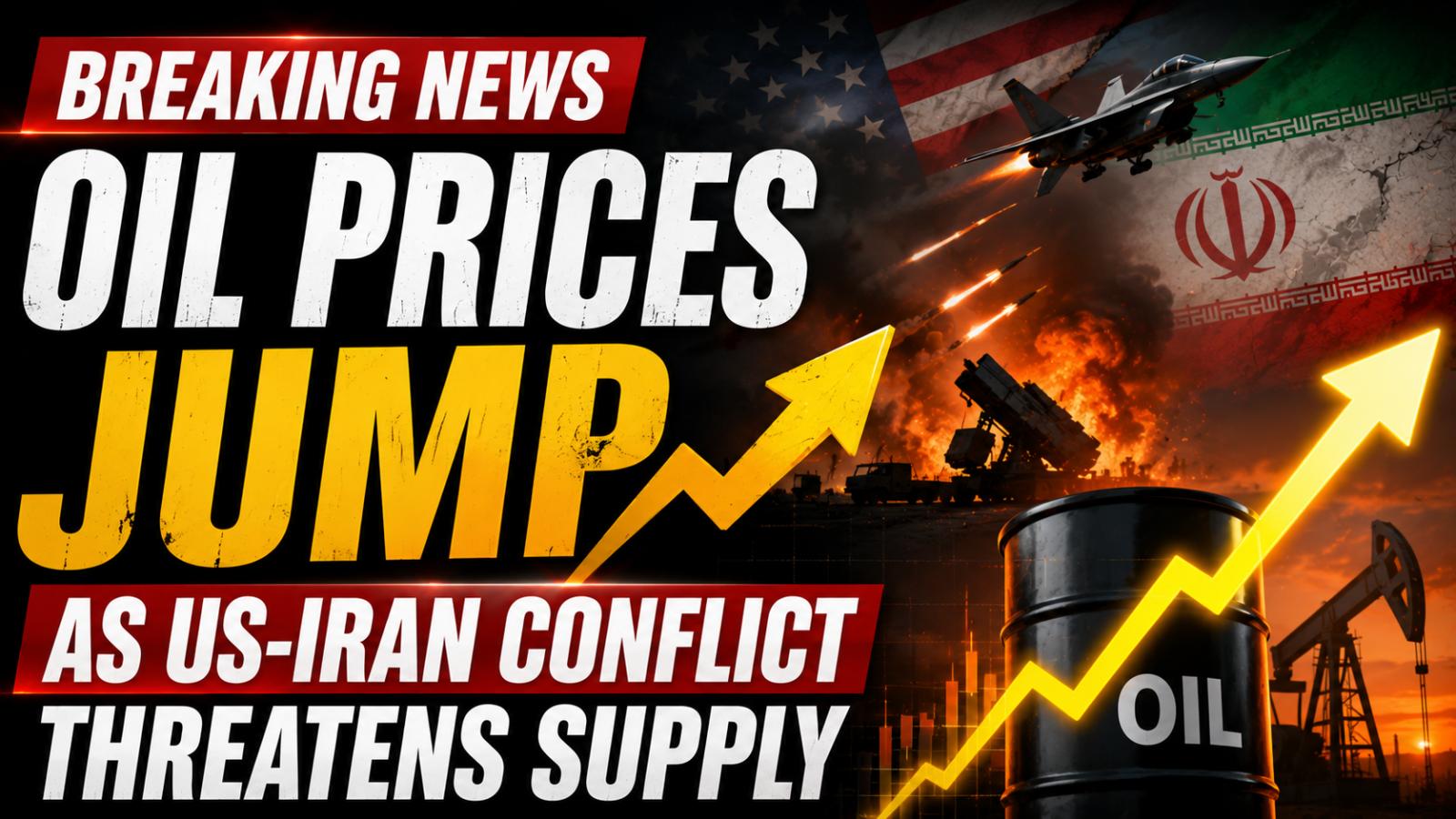
Oil prices jump as US-Iran conflict intensifies, raising fears of disruptions to global energy supplies through the Strait of Hormuz and the Red Sea. Brent crude and WTI posted strong weekly gains as traders priced in growing geopolitical risks while the International Energy Agency warned that prolonged instability could threaten energy security.
Oil Prices J
Oil prices jump as US-Iran conflict intensifies, raising fears of disruptions to global energy supplies through the Strait of Hormuz and the Red Sea. Brent crude and WTI posted strong weekly gains as traders priced in growing geopolitical risks while the International Energy Agency warned that prolonged instability could threaten energy security.
Oil Prices J
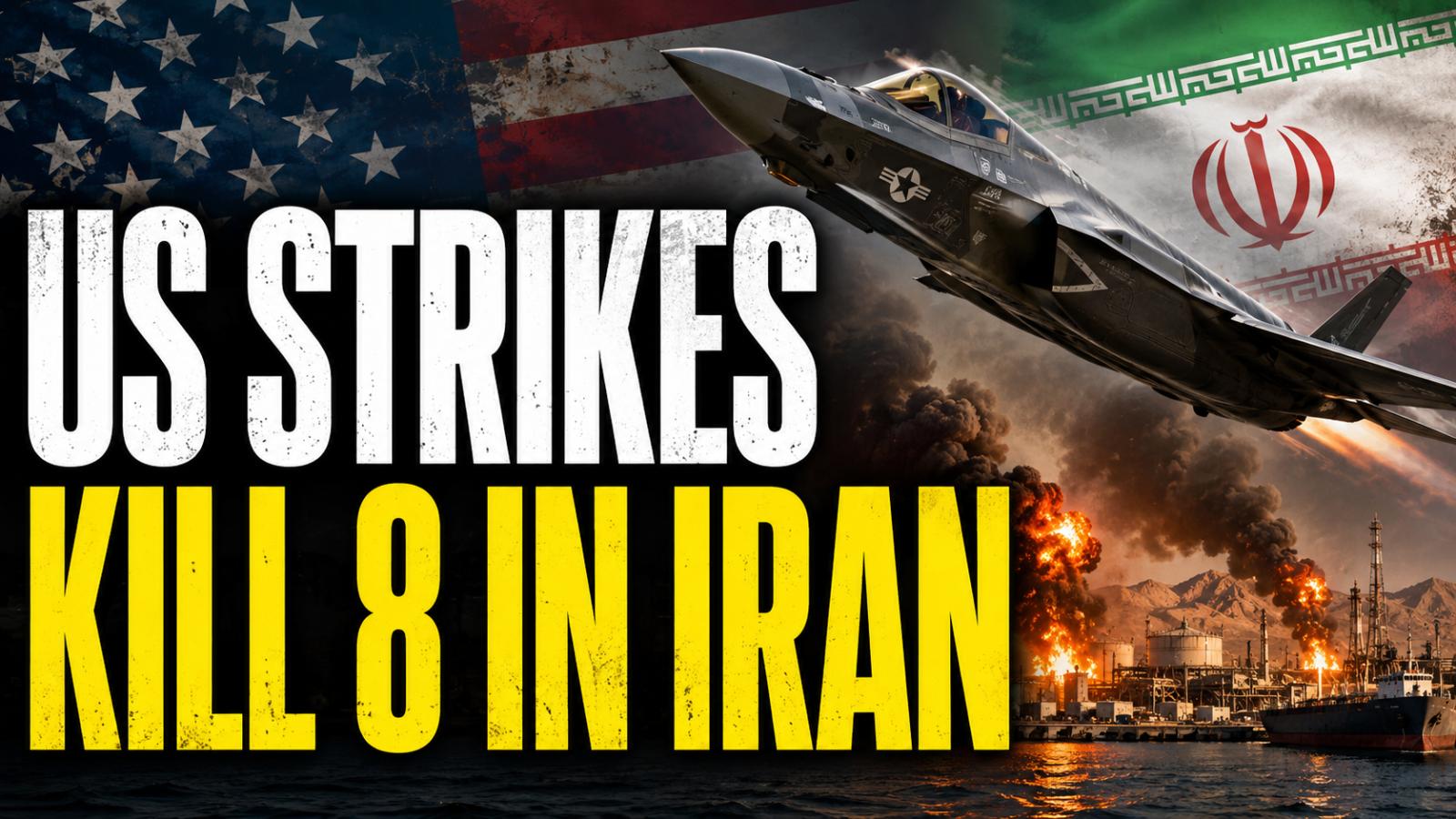
Iran says eight troops killed
Iranian state television reported that eight military personnel were killed in the latest US strikes on southern Iran, as tensions between Washington and Tehran escalated around the Strait of Hormuz. The report said the dead were members of Iran’s air and naval forces and that the strikes affected areas including Bandar Abbas and Bushehr
Iran says eight troops killed
Iranian state television reported that eight military personnel were killed in the latest US strikes on southern Iran, as tensions between Washington and Tehran escalated around the Strait of Hormuz. The report said the dead were members of Iran’s air and naval forces and that the strikes affected areas including Bandar Abbas and Bushehr
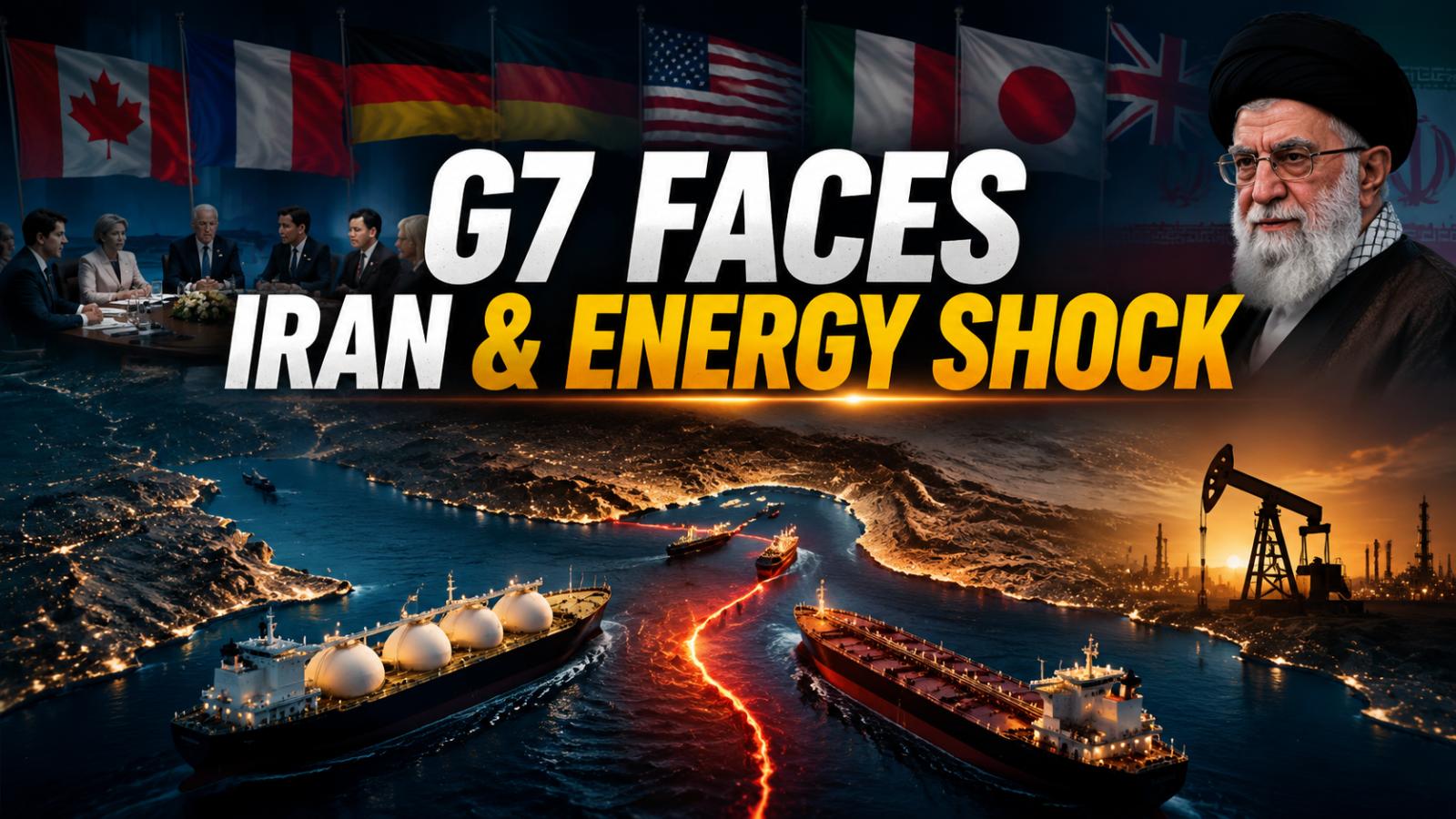
The G7 summit in France unfolded under the shadow of growing instability linked to tensions involving Iran and wider regional security concerns. While political disagreements remained in the background, the more immediate concern for leaders was the economic impact spreading across global energy markets. Rising uncertainty around shipping routes and oil supply quickly turned the discussions toward inflation, fuel pricing, and trade resilience.
The G7 summit in France unfolded under the shadow of growing instability linked to tensions involving Iran and wider regional security concerns. While political disagreements remained in the background, the more immediate concern for leaders was the economic impact spreading across global energy markets. Rising uncertainty around shipping routes and oil supply quickly turned the discussions toward inflation, fuel pricing, and trade resilience.
Oil Falls On Peace Deal Hopes
Oil prices fell sharply on Friday, June 12, 2026 as renewed hopes for a peace agreement between Iran and the United States eased fears of prolonged disruption to global energy supplies. Brent crude dropped below $86 a barrel during trading before recovering part of its losses, while market attention remained focused on whether diplomatic progress could reduce risks around Middle
Oil Falls On Peace Deal Hopes
Oil prices fell sharply on Friday, June 12, 2026 as renewed hopes for a peace agreement between Iran and the United States eased fears of prolonged disruption to global energy supplies. Brent crude dropped below $86 a barrel during trading before recovering part of its losses, while market attention remained focused on whether diplomatic progress could reduce risks around Middle
Oil prices rose sharply as Brent crude touched $98.20 per barrel on Wednesday, fueled by rising tensions between the United States and Iran. Recent missile activity in the Gulf region and disrupted shipping routes have intensified concerns about energy supply. Although strategic oil reserves remain untapped for now, the market is reacting to potential risks in the Strait of Hormuz. August contracts have jumped over 2% since early June and more than 5% in just the past week.
Oil prices rose sharply as Brent crude touched $98.20 per barrel on Wednesday, fueled by rising tensions between the United States and Iran. Recent missile activity in the Gulf region and disrupted shipping routes have intensified concerns about energy supply. Although strategic oil reserves remain untapped for now, the market is reacting to potential risks in the Strait of Hormuz. August contracts have jumped over 2% since early June and more than 5% in just the past week.
Recent developments in Iran have sent shockwaves through global financial markets. Investors are recalibrating portfolios as oil prices climb, geopolitical uncertainty rises, and economic pressures mount. While energy producers, defense companies, and AI-driven technology firms see gains, sectors like airlines and energy-importing economies face increasing strain. The US dollar and other safe-haven assets are also attracting attention amid market volatility.
Recent developments in Iran have sent shockwaves through global financial markets. Investors are recalibrating portfolios as oil prices climb, geopolitical uncertainty rises, and economic pressures mount. While energy producers, defense companies, and AI-driven technology firms see gains, sectors like airlines and energy-importing economies face increasing strain. The US dollar and other safe-haven assets are also attracting attention amid market volatility.
US-Iran peace talks have entered a critical stage after President Donald Trump said a possible agreement with Iran has been “largely negotiated.” The statement, made on Saturday, May 23, 2026, has raised hopes that the three-month-long conflict between the United States and Iran may be moving toward a diplomatic breakthrough. However, the agreement is not final yet, and both sides still appear to have major issues to resolve.
According to Trump, the proposed understanding could
US-Iran peace talks have entered a critical stage after President Donald Trump said a possible agreement with Iran has been “largely negotiated.” The statement, made on Saturday, May 23, 2026, has raised hopes that the three-month-long conflict between the United States and Iran may be moving toward a diplomatic breakthrough. However, the agreement is not final yet, and both sides still appear to have major issues to resolve.
According to Trump, the proposed understanding could