In a significant policy reversal, U.S. President Donald Trump has imposed sweeping sanctions on Russia’s two largest oil producers, Rosneft and Lukoil, marking one of the most consequential economic measures against Moscow since the escalation of the war in Ukraine. The decision immediately triggered a 5% surge in global oil prices and prompted India, one of Russia’s biggest energy buyers, to reconsider its import strategy.
The sanctions, announced on Wednesday, target companies that collectively produce more than 5% of the world’s oil supply. The move also signaled the cancellation of a planned Trump–Putin summit in Budapest, which had been expected to discuss a possible resolution to the conflict. Trump, speaking to reporters at the White House, said the meeting “just didn’t feel right,” citing a lack of progress in previous discussions with Russian President Vladimir Putin. “We weren’t getting to the place we needed to be,” he said. “So I cancelled it, but maybe we’ll do it in the future.”
Russia responded swiftly, dismissing the sanctions as unproductive and insisting that its terms for ending the conflict remain unchanged. Moscow’s conditions—viewed by Kyiv and its European allies as tantamount to surrender—continue to demand territorial concessions from Ukraine. Meanwhile, European Union leaders met Ukrainian President Volodymyr Zelenskiy in Brussels to discuss financial assistance, including a proposal to use frozen Russian assets to issue a €140 billion loan to Ukraine. The Kremlin warned that seizing its assets would provoke a “painful response.”
On the ground, fighting persisted as Russian drones struck Kyiv for the second consecutive night, injuring nine people, while Moscow’s air defenses reportedly intercepted 139 Ukrainian drones. The ongoing violence underscored the deepening deadlock despite international efforts to broker peace.
Announcing the sanctions, U.S. Treasury Secretary Scott Bessent emphasized that Washington was determined to curb Russia’s ability to fund what he described as “Europe’s largest land war since World War Two.” “Given President Putin’s refusal to end this senseless war, Treasury is sanctioning Russia’s two largest oil companies that fund the Kremlin’s war machine,” Bessent said. “We encourage our allies to join us in enforcing these measures.”
Russia’s oil and gas revenues, which account for roughly a quarter of its federal budget, have already fallen by more than 20% compared with last year. However, analysts note that the country’s primary source of revenue comes from taxing production rather than exports, which could buffer the short-term financial blow. Russian Foreign Ministry spokeswoman Maria Zakharova downplayed the impact, claiming the country had developed a “strong immunity” to Western economic pressure.
Lukoil, one of the sanctioned firms, had planned to hold a board meeting on dividends but cancelled it after the sanctions were announced, citing “the new circumstances.” Rosneft, the state-backed energy giant, has yet to issue an official response.
Ukrainian President Zelenskiy welcomed the move, describing the sanctions as “very important” while urging further action. “Pressure must continue until Russia understands that peace, not aggression, is the only way forward,” he said.
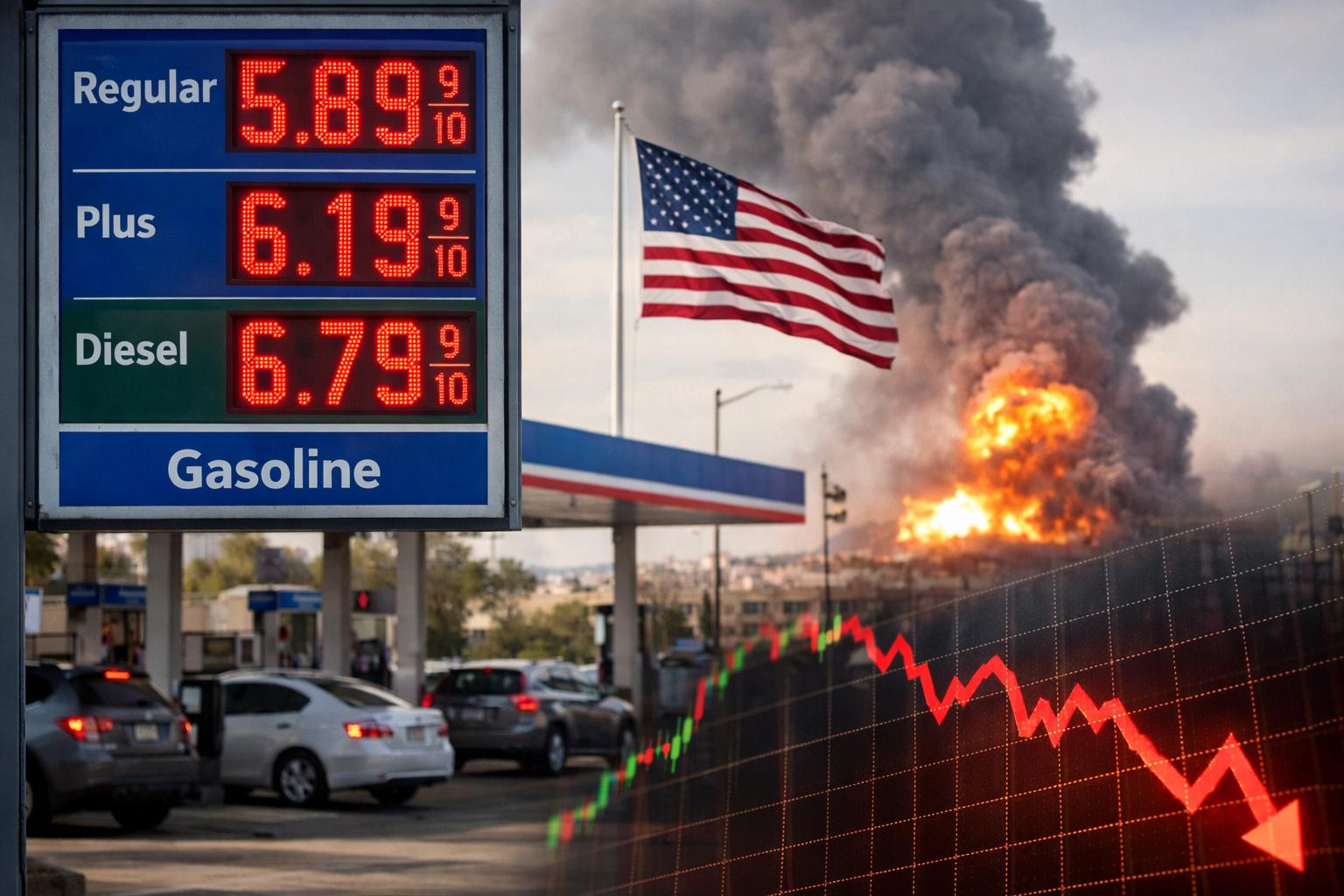
Oil markets reacted immediately, with prices climbing by 5% amid fears of supply disruptions. Energy industry sources in India, which has become the largest buyer of discounted Russian oil since Western nations imposed earlier sanctions, said refiners were preparing to sharply reduce imports to comply with U.S. restrictions. The U.S. Treasury has given companies until November 21 to phase out their dealings with Russian producers.
Some analysts believe the new measures will compel Russia to offer deeper discounts to maintain its market share, although any loss in revenue could be partially offset by rising global prices. The sanctions have added further volatility to an already fragile energy market, which remains sensitive to geopolitical tensions.
Trump’s latest action also reflects his evolving stance on the Ukraine conflict. After a meeting with Putin in Alaska in August, he had softened his tone, dropping his call for an immediate ceasefire and expressing interest in negotiating a comprehensive peace agreement. However, in recent days, he has returned to advocating for a ceasefire, aligning more closely with Kyiv’s position. Moscow, for its part, has rejected the idea, arguing that a temporary truce would allow Ukraine to rearm and regroup.
The Kremlin continues to insist that any meaningful peace settlement must include recognition of Russian control over territories it has occupied. Kyiv has called those terms unacceptable, describing them as equivalent to surrender. Russian officials have also characterized the latest U.S. sanctions as “an act of economic aggression.” Former Russian President Dmitry Medvedev went further, calling them “an act of war.”
As Washington prepares to enforce its new measures, the global energy and diplomatic fallout remains uncertain. What is clear, however, is that the sanctions mark a major shift in U.S. policy toward Moscow—one that could reshape both the balance of power in Eastern Europe and the global oil market in the weeks to come.