Chandrachud Russia Arbiter in Oschadbank Ukraine Dispute
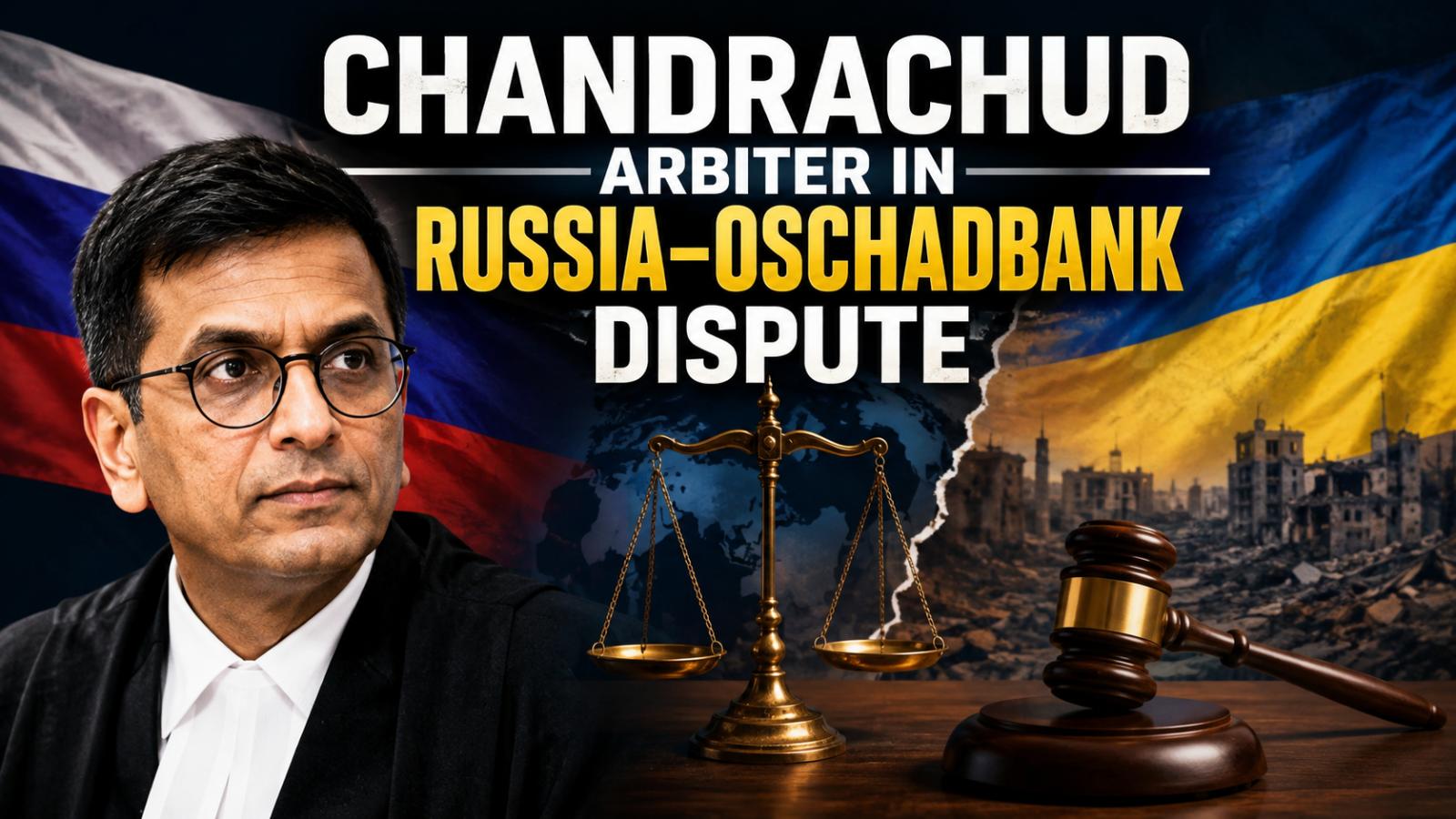
Former Chief Justice of India DY Chandrachud has been appointed by Russia to an international arbitral tribunal hearing Ukrainian state-owned Oschadbank’s claim over assets and operations lost during the war. The treaty case involves losses in four Ukrainian regions and marks a notable new international role for the former CJI. Oschadbank claim Oschadbank’s claim concerns assets and busines
Chandrachud Russia Arbiter in Oschadbank Ukraine Dispute
Former Chief Justice of India DY Chandrachud has been appointed by Russia to an international arbitral tribunal hearing Ukrainian state-owned Oschadbank’s claim over assets and operations lost during the war. The treaty case involves losses in four Ukrainian regions and marks a notable new international role for the former CJI. Oschadbank claim Oschadbank’s claim concerns assets and busines
Navarro says Trump, Modi can resolve Russian oil tariff dispute
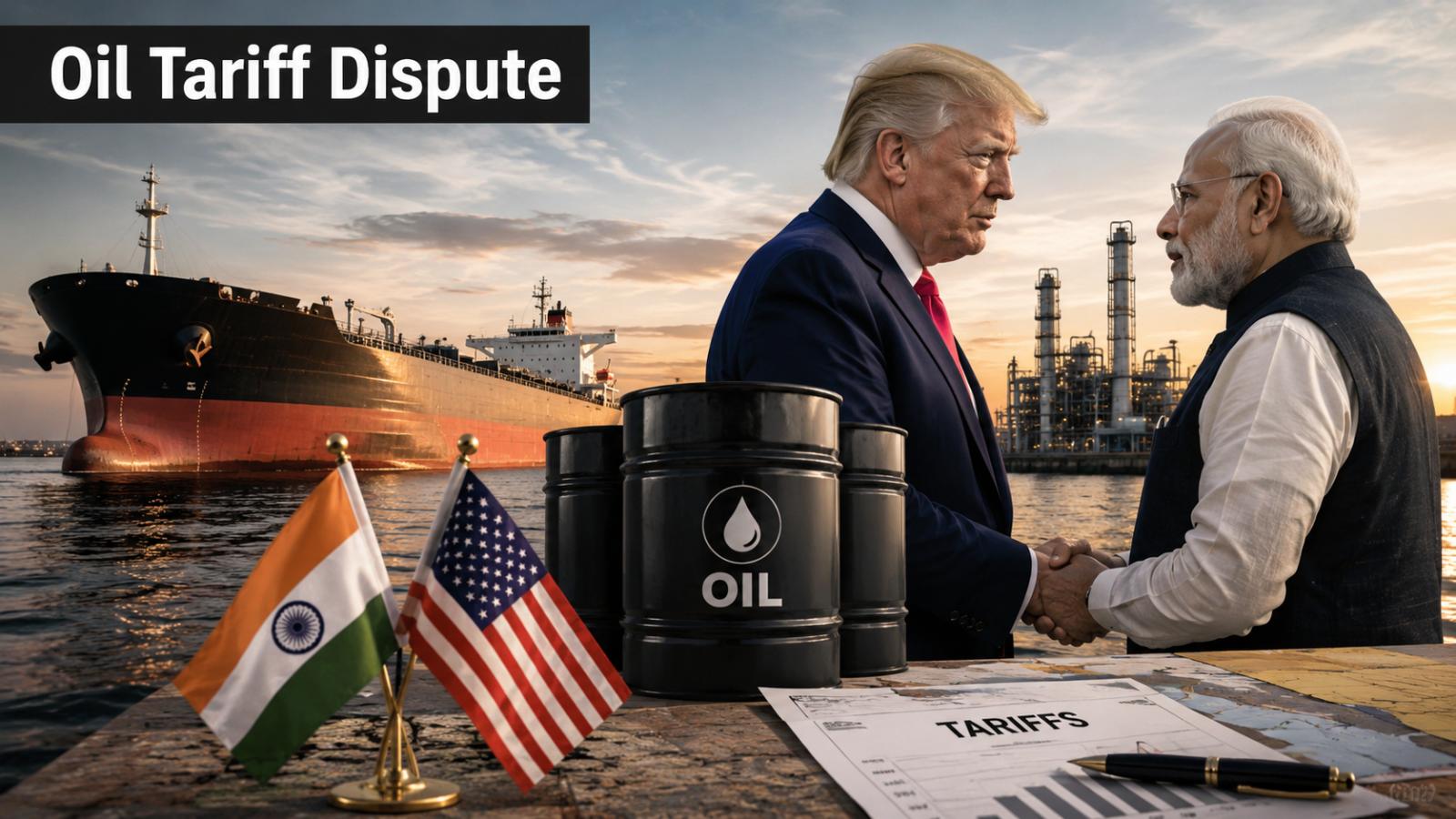
Peter Navarro says Donald Trump and Narendra Modi can manage the Russian oil tariff dispute as Congress advances a sanctions package targeting major Russian energy buyers. The Senate passed the bill 86-11, while an identical House companion was introduced on August 11, 2026. A bipartisan U.S. sanctions push targeting major buyers of Russian energy is putting renewed pressure on India-U.S. trade ties, but White House Senior
Navarro says Trump, Modi can resolve Russian oil tariff dispute
Peter Navarro says Donald Trump and Narendra Modi can manage the Russian oil tariff dispute as Congress advances a sanctions package targeting major Russian energy buyers. The Senate passed the bill 86-11, while an identical House companion was introduced on August 11, 2026. A bipartisan U.S. sanctions push targeting major buyers of Russian energy is putting renewed pressure on India-U.S. trade ties, but White House Senior
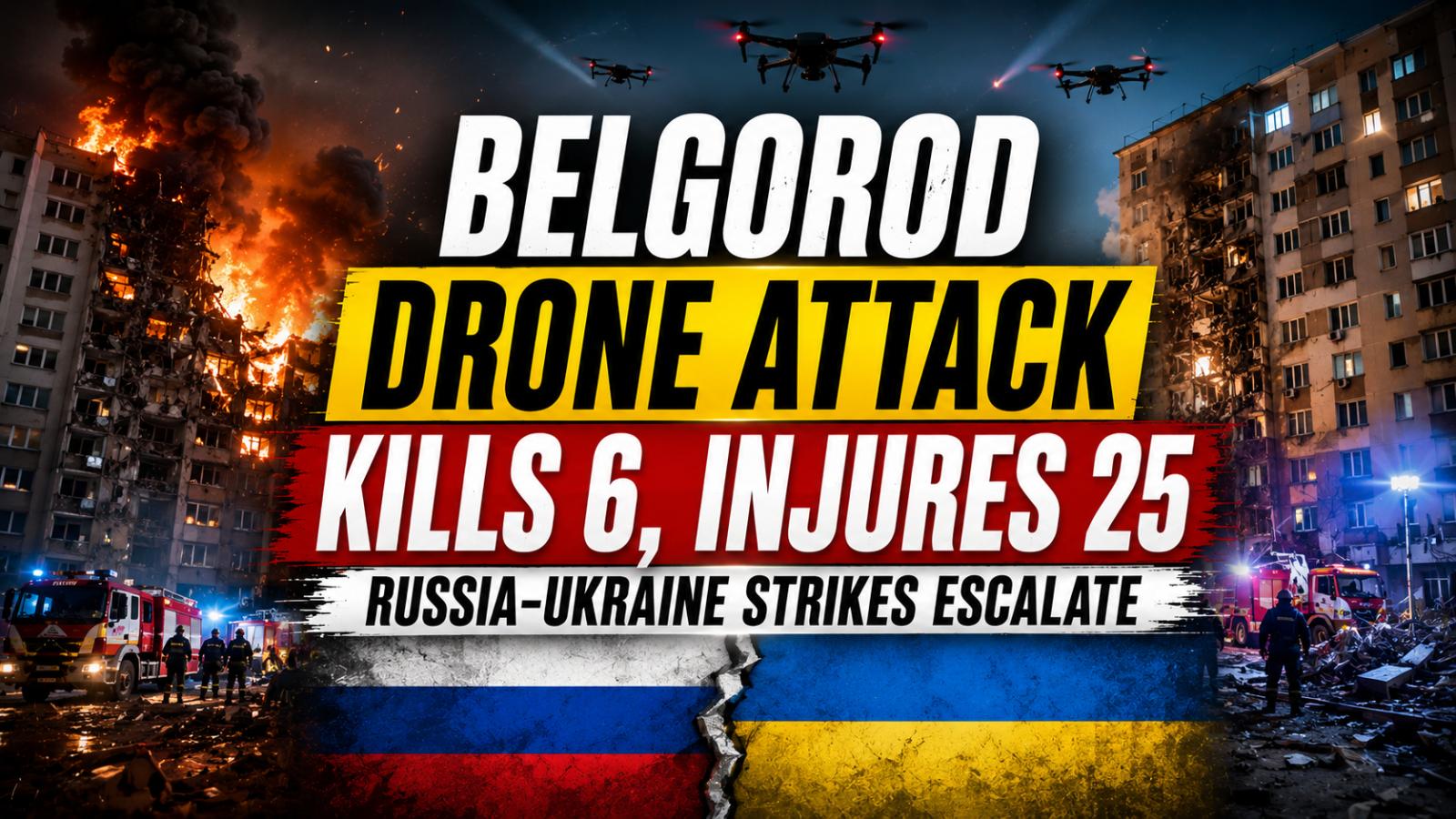
Belgorod Drone Attack Kills Six as Russia-Ukraine Strikes Escalate
A Belgorod drone attack killed six people and injured 25 as Russia and Ukraine exchanged another wave of deadly strikes. Residential areas were damaged in Belgorod and Kharkiv, while attacks around Odesa highlighted the growing focus on ports, energy and logistics. Belgorod Drone Attack Kills Six Civilians Six people were killed and 25 others injured in an overnight Ukrainian drone attack on th
Belgorod Drone Attack Kills Six as Russia-Ukraine Strikes Escalate
A Belgorod drone attack killed six people and injured 25 as Russia and Ukraine exchanged another wave of deadly strikes. Residential areas were damaged in Belgorod and Kharkiv, while attacks around Odesa highlighted the growing focus on ports, energy and logistics. Belgorod Drone Attack Kills Six Civilians Six people were killed and 25 others injured in an overnight Ukrainian drone attack on th
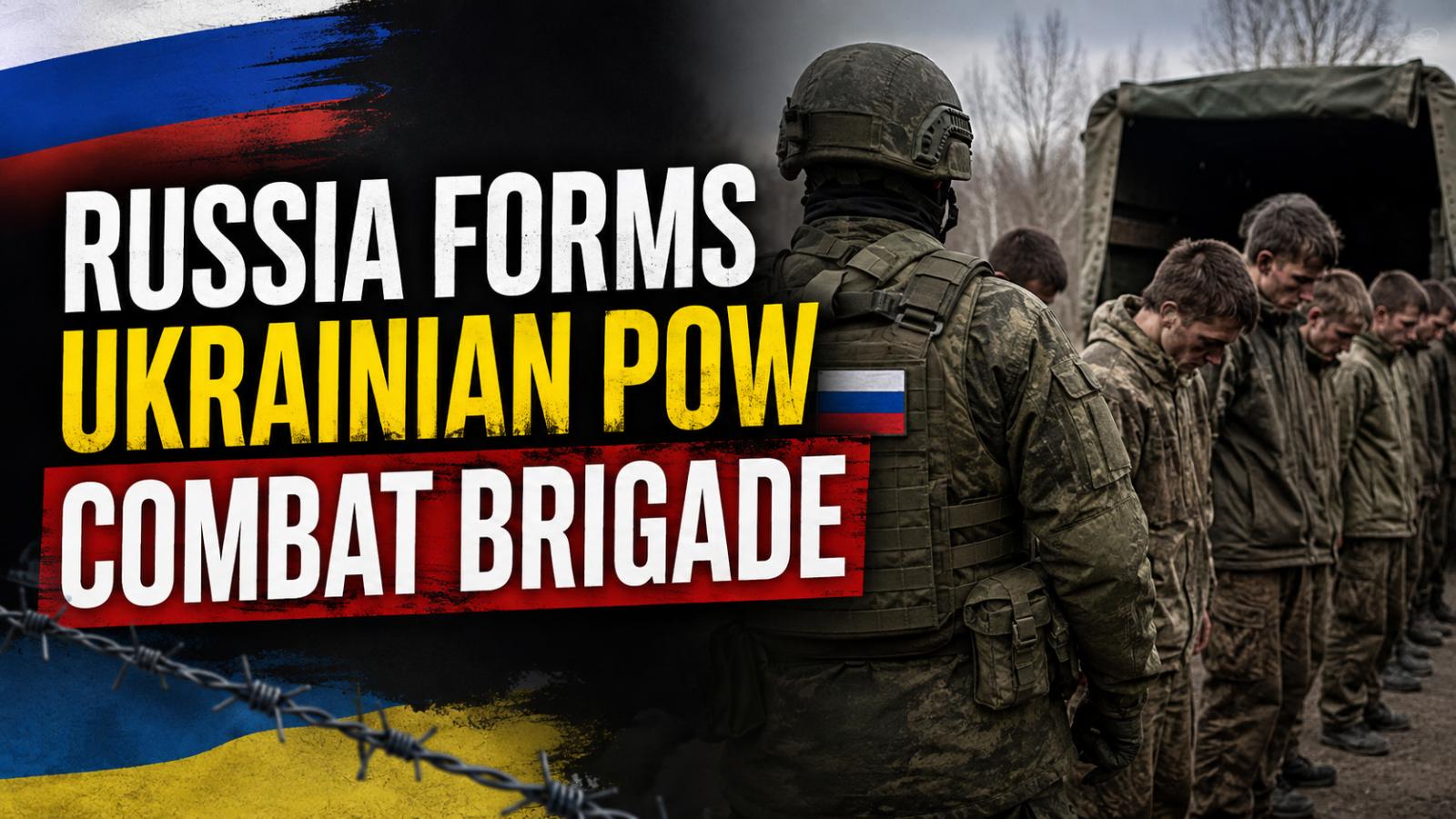
Russia's Ukrainian POW Combat Brigade Raises Legal Concerns
Russia has merged several irregular combat units into a new Ukrainian Volunteer Spetsnaz Brigade, according to the Institute for the Study of War (ISW). The move has renewed concerns over the alleged use of Ukrainian prisoners of war in frontline combat, raising questions about compliance with international humanitarian law. Russia Forms Brigade Using Ukraini
Russia's Ukrainian POW Combat Brigade Raises Legal Concerns
Russia has merged several irregular combat units into a new Ukrainian Volunteer Spetsnaz Brigade, according to the Institute for the Study of War (ISW). The move has renewed concerns over the alleged use of Ukrainian prisoners of war in frontline combat, raising questions about compliance with international humanitarian law. Russia Forms Brigade Using Ukraini
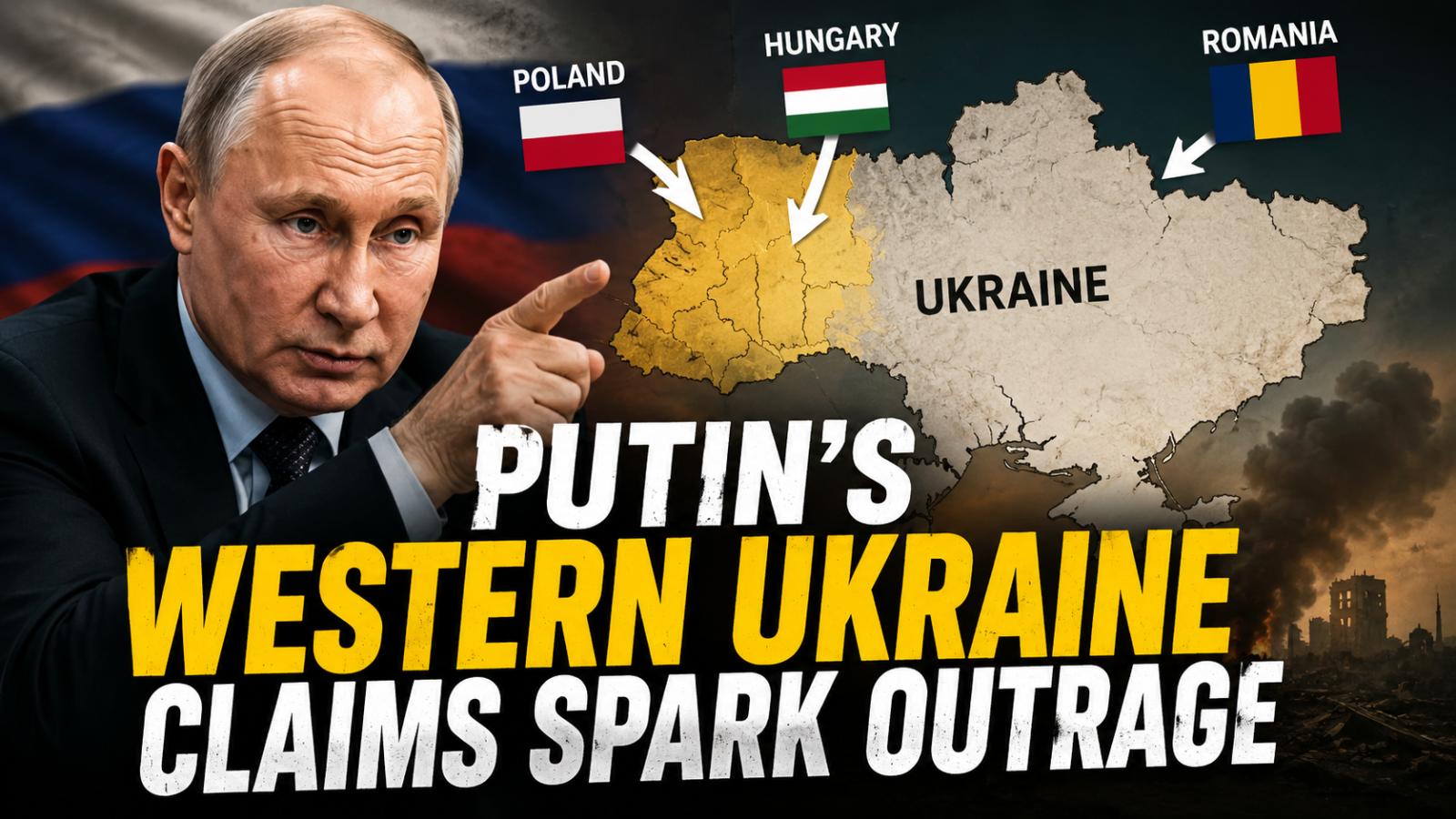
Putin’s Western Ukraine Claims Raise New Territorial Row
Russian President Vladimir Putin has revived disputed historical arguments about western Ukraine, suggesting that some territories could eventually pass to Poland, Hungary and Romania. His remarks came during a televised meeting with Russian Navy personnel on July 26, 2026, as Moscow held scaled-down Navy Day observances. Putin’s Western Ukraine Claims During the meeting, Putin described part
Putin’s Western Ukraine Claims Raise New Territorial Row
Russian President Vladimir Putin has revived disputed historical arguments about western Ukraine, suggesting that some territories could eventually pass to Poland, Hungary and Romania. His remarks came during a televised meeting with Russian Navy personnel on July 26, 2026, as Moscow held scaled-down Navy Day observances. Putin’s Western Ukraine Claims During the meeting, Putin described part
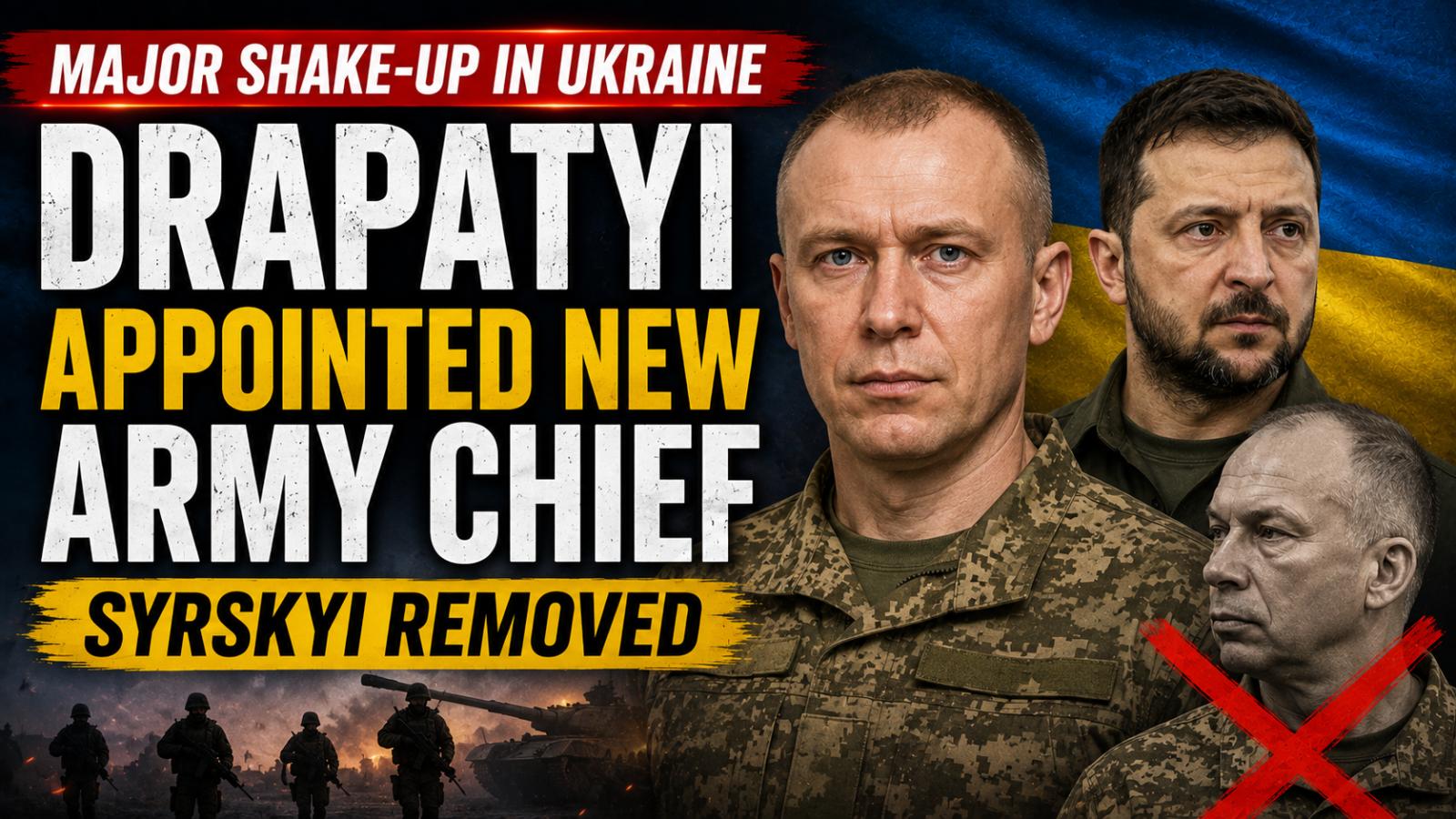
Mykhailo Drapatyi Replaces Syrskyi as Ukraine Army Chief
Ukrainian President Volodymyr Zelensky has appointed Mykhailo Drapatyi as Ukraine’s new army chief, replacing Oleksandr Syrskyi amid nationwide protests. The leadership change places military reform, technology, mobilisation and long-range strikes at the centre of Ukraine’s war strategy. Zelensky Appoints Mykhailo Drapatyi as Ukraine Army Chief Mykhailo Drapatyi Becomes Ukraine Army Chief
Mykhailo Drapatyi Replaces Syrskyi as Ukraine Army Chief
Ukrainian President Volodymyr Zelensky has appointed Mykhailo Drapatyi as Ukraine’s new army chief, replacing Oleksandr Syrskyi amid nationwide protests. The leadership change places military reform, technology, mobilisation and long-range strikes at the centre of Ukraine’s war strategy. Zelensky Appoints Mykhailo Drapatyi as Ukraine Army Chief Mykhailo Drapatyi Becomes Ukraine Army Chief
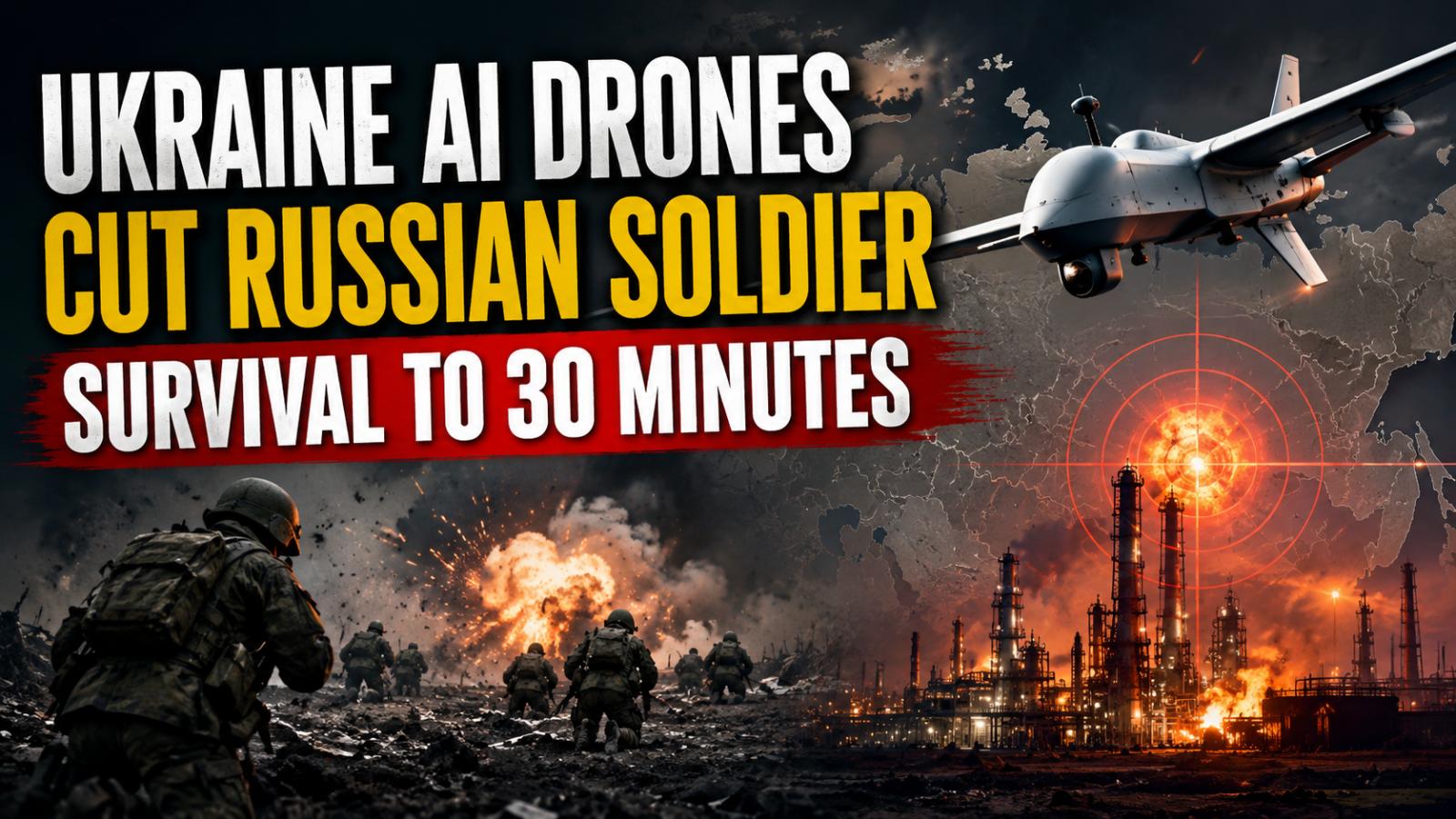
Ukraine AI Drones Cut Russian Soldier Survival to 30 Minutes: CIA
Ukraine's AI drones are changing the battlefield, according to CIA Director John Ratcliffe, who said Russian soldiers arriving at the front are surviving only 20 to 30 minutes on average. The remarks highlight how low-cost drone technology and long-range strikes are reshaping the war between Ukraine and Russia. CIA Director Highlights AI Warfare CIA Directo
Ukraine AI Drones Cut Russian Soldier Survival to 30 Minutes: CIA
Ukraine's AI drones are changing the battlefield, according to CIA Director John Ratcliffe, who said Russian soldiers arriving at the front are surviving only 20 to 30 minutes on average. The remarks highlight how low-cost drone technology and long-range strikes are reshaping the war between Ukraine and Russia. CIA Director Highlights AI Warfare CIA Directo
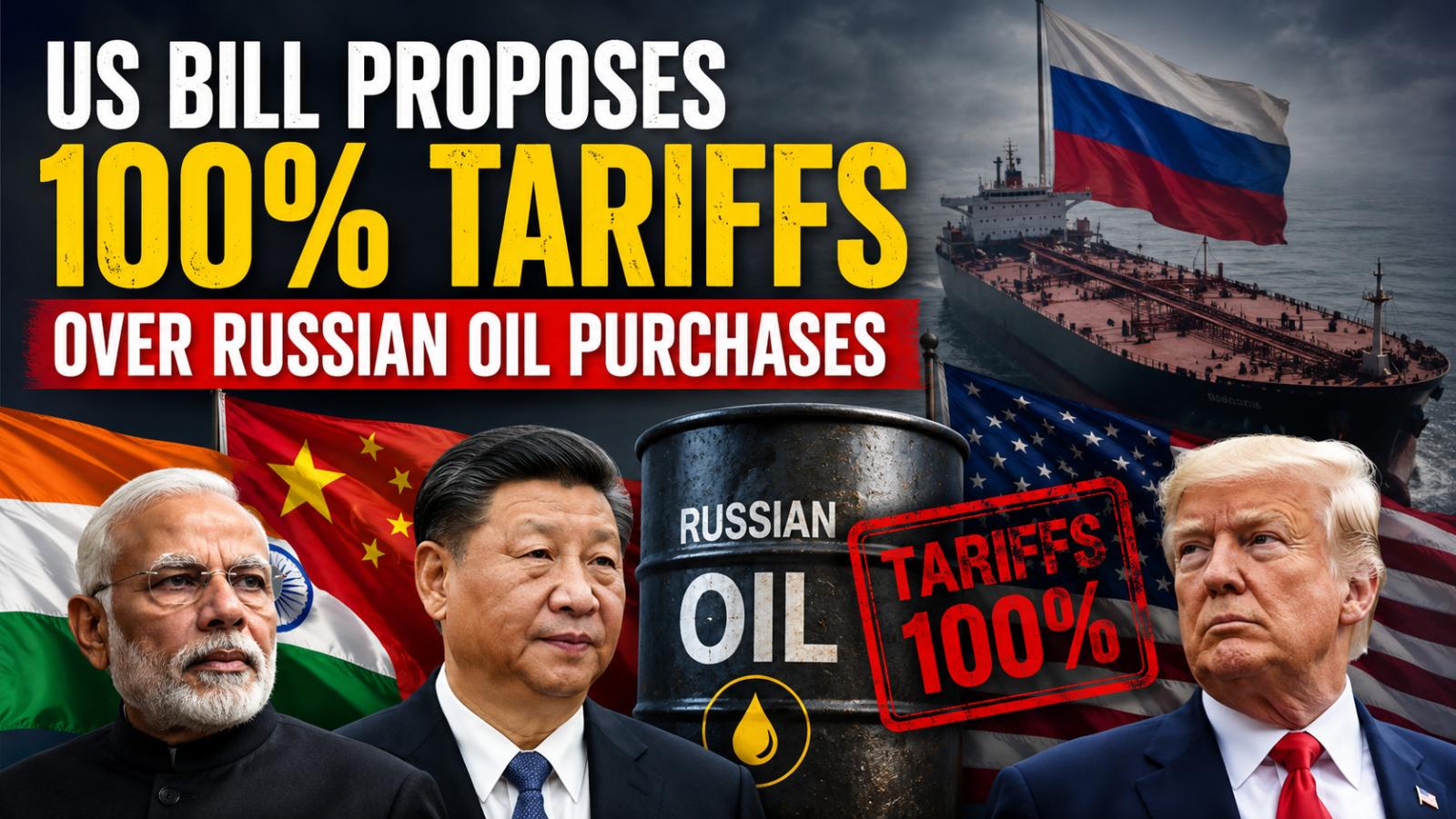
US Bill Proposes 100% Tariffs Over Russian Oil Purchases
A bipartisan group of US senators has introduced a revised sanctions bill that could impose tariffs of up to 100% on goods from countries purchasing large amounts of Russian oil and gas. India and China are among the five countries specifically targeted, placing renewed pressure on their energy trade with Moscow while raising questions about the future of India-US commercial relations. India tariff threat under revised US bill
US Bill Proposes 100% Tariffs Over Russian Oil Purchases
A bipartisan group of US senators has introduced a revised sanctions bill that could impose tariffs of up to 100% on goods from countries purchasing large amounts of Russian oil and gas. India and China are among the five countries specifically targeted, placing renewed pressure on their energy trade with Moscow while raising questions about the future of India-US commercial relations. India tariff threat under revised US bill
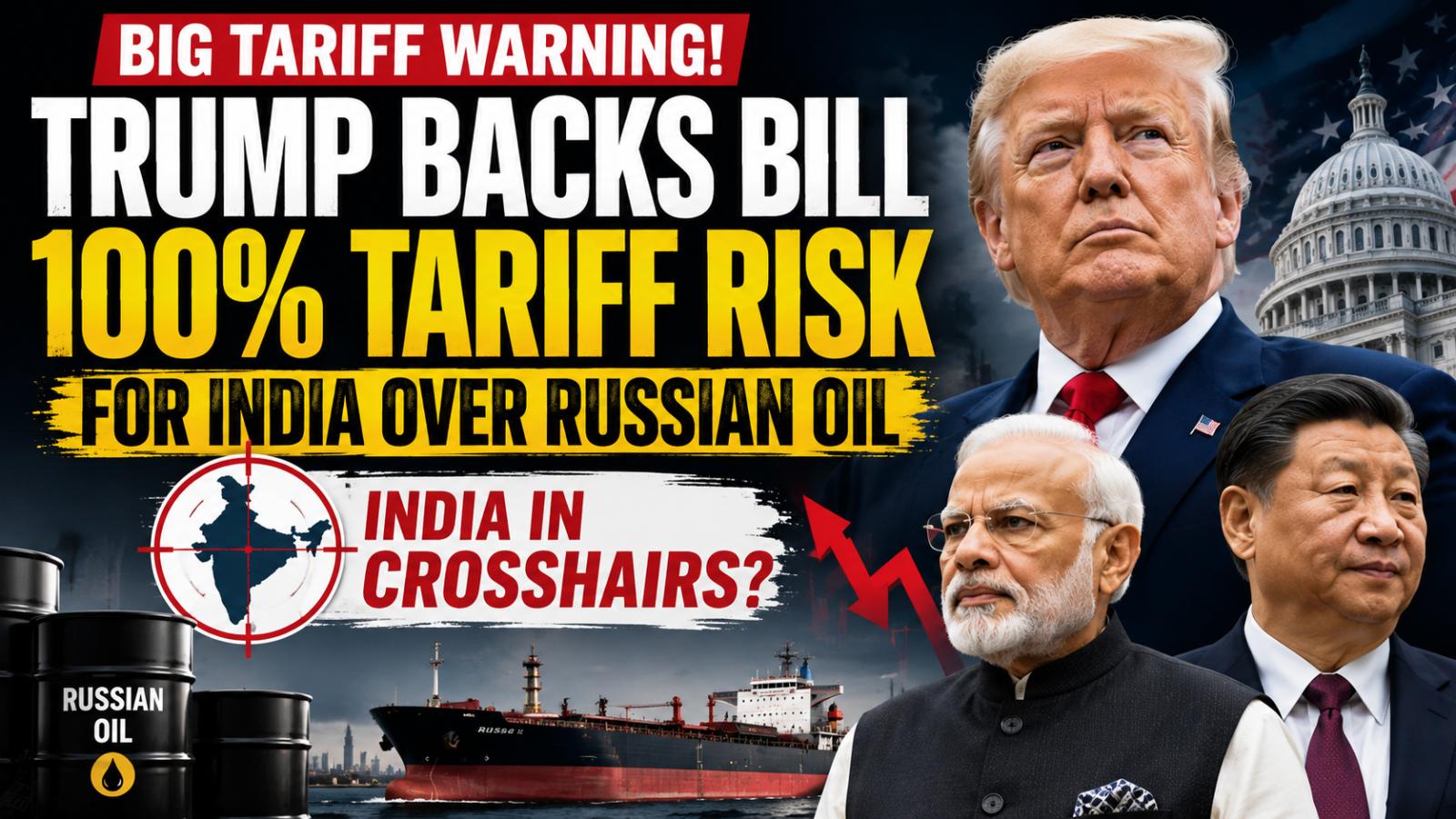
Trump-Backed Russia Bill Puts 100% Tariff Risk on India
Trump-Backed Russia Bill Puts 100% Tariff Risk on India India could face tariffs of up to 100% under a revised US sanctions bill aimed at countries that remain major buyers of Russian oil and gas. President Donald Trump has backed the legislation, which would give the White House broad authority to use trade penalties to reduce the energy revenue available to Moscow. The updated proposal is
Trump-Backed Russia Bill Puts 100% Tariff Risk on India
Trump-Backed Russia Bill Puts 100% Tariff Risk on India India could face tariffs of up to 100% under a revised US sanctions bill aimed at countries that remain major buyers of Russian oil and gas. President Donald Trump has backed the legislation, which would give the White House broad authority to use trade penalties to reduce the energy revenue available to Moscow. The updated proposal is
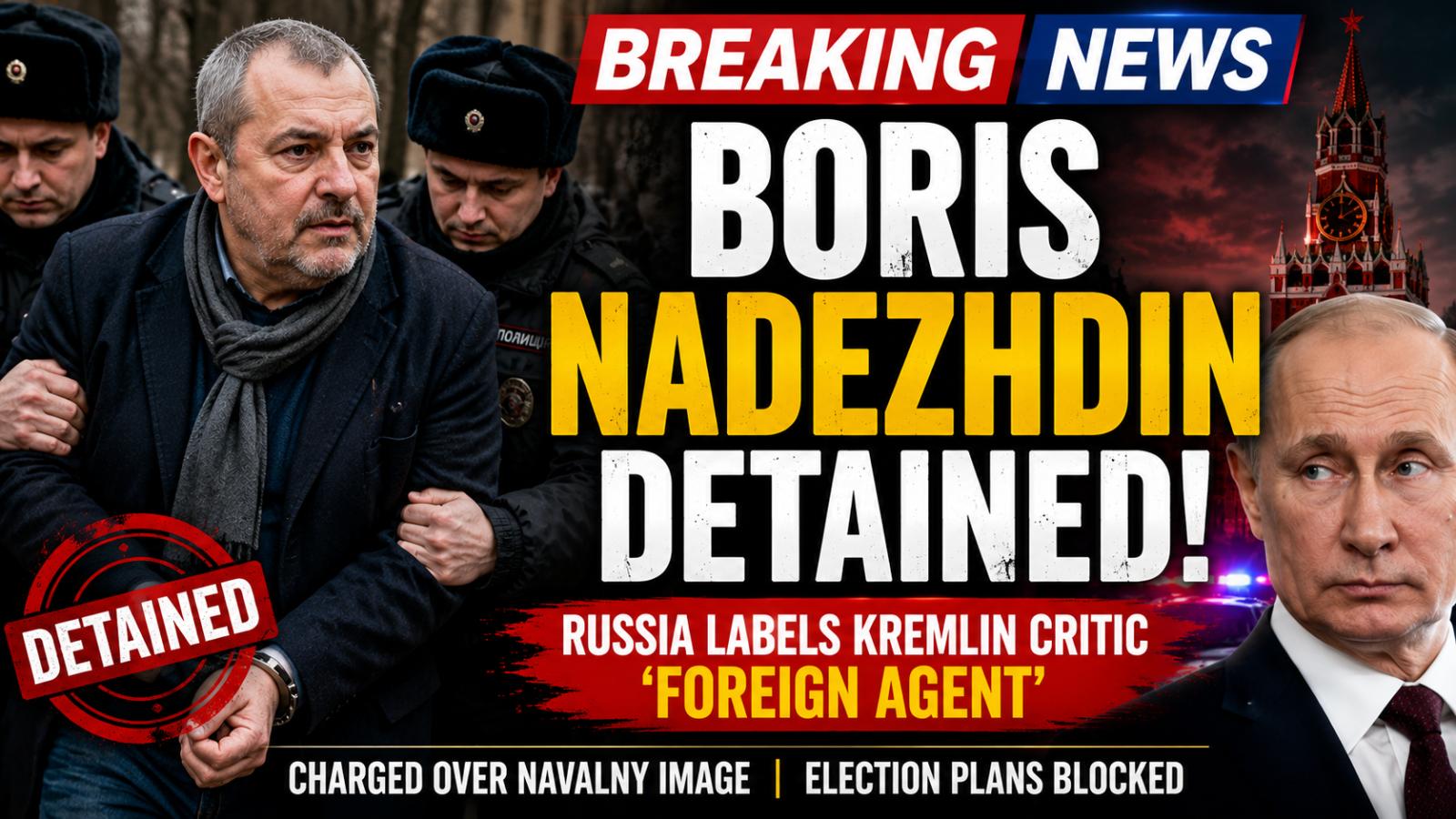
Boris Nadezhdin Detained After Russia Labels Him Foreign Agent
Russian anti-war politician Boris Nadezhdin was briefly detained on Monday, July 13, days after authorities designated him a “foreign agent.” Police charged the former presidential hopeful with displaying extremist symbols over an older online video connected to Alexei Navalny. Boris Nadezhdin detained near Moscow Nadezhdin announced the arrival of poli
Boris Nadezhdin Detained After Russia Labels Him Foreign Agent
Russian anti-war politician Boris Nadezhdin was briefly detained on Monday, July 13, days after authorities designated him a “foreign agent.” Police charged the former presidential hopeful with displaying extremist symbols over an older online video connected to Alexei Navalny. Boris Nadezhdin detained near Moscow Nadezhdin announced the arrival of poli
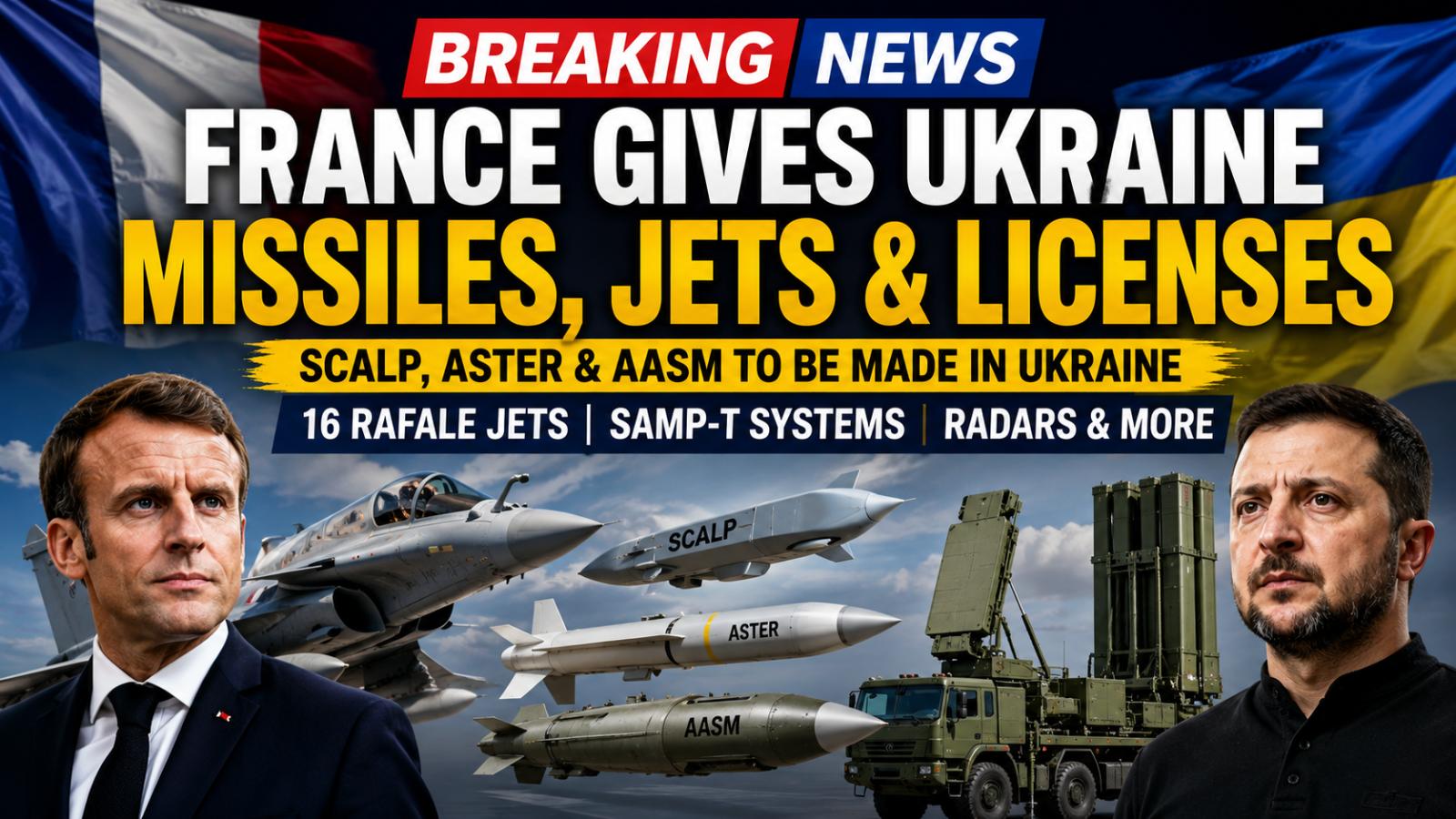
France Lets Ukraine Produce SCALP and Aster Missiles
France will allow Ukraine to manufacture French-designed missiles and precision-guided bombs under a new bilateral defence roadmap. The agreement also covers radars, next-generation SAMP-T air defence systems and 16 Rafale fighter jets, significantly expanding Paris’ long-term military partnership with Kyiv. France grants Ukraine missile production licences French President Emmanuel Macron announced the roadmap after meeting Ukrainian President Volodymyr Zelenskyy during a gathering of Ukraine’s allies in Paris on Monday, July 13. Macron said the plan would implement defence commitments agreed in principle between the two countries in November. Under the arrangement, Ukraine will receive licences to produce SCALP long-range cruise missiles, Aster air defence interceptor missiles and AASM Hammer precision-guided air-to-ground bombs. It marks the first time France has authorised the production of these weapons inside Ukraine. Local production could help Ukraine rebuild weapons stocks more quickly and reduce its reliance on deliveries from foreign factories. However, the agreement’s impact will depend on financing, industrial capacity, component supplies and the security of Ukrainian manufacturing sites. Rafale jets and SAMP-T systems strengthen air power Macron confirmed that Ukraine had ordered 16 Rafale fighter jets, with the aircraft expected to become operational between 2028 and 2029. Training for Ukrainian pilots and technical personnel is expected to begin before the jets enter service. The Rafale acquisition will support Ukraine’s longer-term effort to modernise its air force alongside existing Western aircraft. The delivery schedule means the jets are primarily intended to strengthen Ukraine’s future defence structure rather than provide an immediate battlefield solution. Kyiv has also ordered next-generation SAMP-T air defence systems. France plans to complete deliveries of the current version before supplying the upgraded systems and additional Aster interceptor missiles. France to transfer radars and air defence technology The defence roadmap includes the transfer of radar systems designed to improve Ukraine’s ability to detect incoming aircraft, drones and missiles. These systems will complement the SAMP-T network and other air defence platforms already used by Ukrainian forces. The new arrangement shifts French support beyond direct weapons deliveries toward licensed production, technical cooperation and domestic defence manufacturing. Ukraine could gain greater control over maintenance and replenishment, while French companies deepen their role in rebuilding the country’s military industry. Allies plan exercises near Ukraine Macron also said Ukraine’s allies would begin military exercises in neighbouring countries. The drills are intended to prepare forces that could support a proposed multinational security mission after a ceasefire with Russia takes effect. At the Paris meeting, Ukraine and nine European countries also announced a coalition aimed at developing stronger protection against ballistic missiles. The initiative seeks to combine Ukraine’s battlefield experience with European defence technology and industrial resources. The latest commitments show France moving from short-term military assistance toward a broader strategy involving production licences, aircraft, missile defence and future force development. Their success will depend on whether the roadmap produces weapons and operational capability quickly enough to meet Ukraine’s evolving security needs.
France Lets Ukraine Produce SCALP and Aster Missiles
France will allow Ukraine to manufacture French-designed missiles and precision-guided bombs under a new bilateral defence roadmap. The agreement also covers radars, next-generation SAMP-T air defence systems and 16 Rafale fighter jets, significantly expanding Paris’ long-term military partnership with Kyiv. France grants Ukraine missile production licences French President Emmanuel Macron announced the roadmap after meeting Ukrainian President Volodymyr Zelenskyy during a gathering of Ukraine’s allies in Paris on Monday, July 13. Macron said the plan would implement defence commitments agreed in principle between the two countries in November. Under the arrangement, Ukraine will receive licences to produce SCALP long-range cruise missiles, Aster air defence interceptor missiles and AASM Hammer precision-guided air-to-ground bombs. It marks the first time France has authorised the production of these weapons inside Ukraine. Local production could help Ukraine rebuild weapons stocks more quickly and reduce its reliance on deliveries from foreign factories. However, the agreement’s impact will depend on financing, industrial capacity, component supplies and the security of Ukrainian manufacturing sites. Rafale jets and SAMP-T systems strengthen air power Macron confirmed that Ukraine had ordered 16 Rafale fighter jets, with the aircraft expected to become operational between 2028 and 2029. Training for Ukrainian pilots and technical personnel is expected to begin before the jets enter service. The Rafale acquisition will support Ukraine’s longer-term effort to modernise its air force alongside existing Western aircraft. The delivery schedule means the jets are primarily intended to strengthen Ukraine’s future defence structure rather than provide an immediate battlefield solution. Kyiv has also ordered next-generation SAMP-T air defence systems. France plans to complete deliveries of the current version before supplying the upgraded systems and additional Aster interceptor missiles. France to transfer radars and air defence technology The defence roadmap includes the transfer of radar systems designed to improve Ukraine’s ability to detect incoming aircraft, drones and missiles. These systems will complement the SAMP-T network and other air defence platforms already used by Ukrainian forces. The new arrangement shifts French support beyond direct weapons deliveries toward licensed production, technical cooperation and domestic defence manufacturing. Ukraine could gain greater control over maintenance and replenishment, while French companies deepen their role in rebuilding the country’s military industry. Allies plan exercises near Ukraine Macron also said Ukraine’s allies would begin military exercises in neighbouring countries. The drills are intended to prepare forces that could support a proposed multinational security mission after a ceasefire with Russia takes effect. At the Paris meeting, Ukraine and nine European countries also announced a coalition aimed at developing stronger protection against ballistic missiles. The initiative seeks to combine Ukraine’s battlefield experience with European defence technology and industrial resources. The latest commitments show France moving from short-term military assistance toward a broader strategy involving production licences, aircraft, missile defence and future force development. Their success will depend on whether the roadmap produces weapons and operational capability quickly enough to meet Ukraine’s evolving security needs.
Russia Signals Europe Talks as EU Leaders Remain Divided
Russia-Europe talks could resume, but European governments remain divided over whether renewed contact with Moscow would support Ukraine peace efforts or weaken pressure on the Kremlin. Kremlin spokesman Dmitry Peskov said Russia was open to dialogue with European countries, while rejecting negotiations framed around Russian weakness or external demands. President Vladimir Putin has also said he would consider talks, but has argued that Europe should take the first step after ties w
Russia Signals Europe Talks as EU Leaders Remain Divided
Russia-Europe talks could resume, but European governments remain divided over whether renewed contact with Moscow would support Ukraine peace efforts or weaken pressure on the Kremlin. Kremlin spokesman Dmitry Peskov said Russia was open to dialogue with European countries, while rejecting negotiations framed around Russian weakness or external demands. President Vladimir Putin has also said he would consider talks, but has argued that Europe should take the first step after ties w
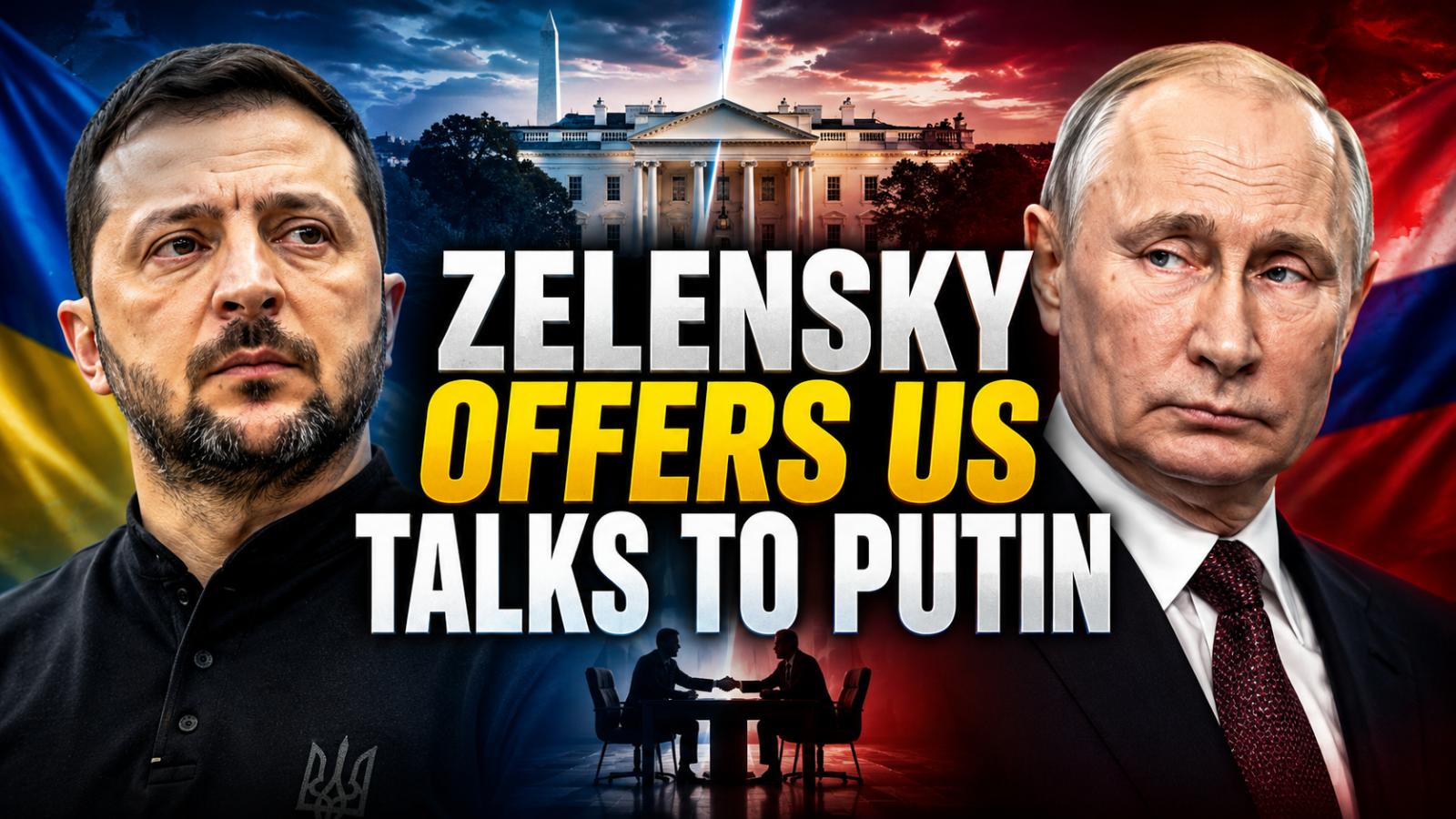
Zelensky Offers US Venue for Direct Putin Talks
Zelensky Pushes Direct Meeting Ukrainian President Volodymyr Zelensky said he is prepared to hold direct talks with Russian President Vladimir Putin in the United States, arguing that a US-based format could make it harder for Moscow to reject a face-to-face meeting. Zelensky said he discussed the idea with US President Donald Trump and was waiting to see whether the proposal would move forward. He also sai
Zelensky Offers US Venue for Direct Putin Talks
Zelensky Pushes Direct Meeting Ukrainian President Volodymyr Zelensky said he is prepared to hold direct talks with Russian President Vladimir Putin in the United States, arguing that a US-based format could make it harder for Moscow to reject a face-to-face meeting. Zelensky said he discussed the idea with US President Donald Trump and was waiting to see whether the proposal would move forward. He also sai
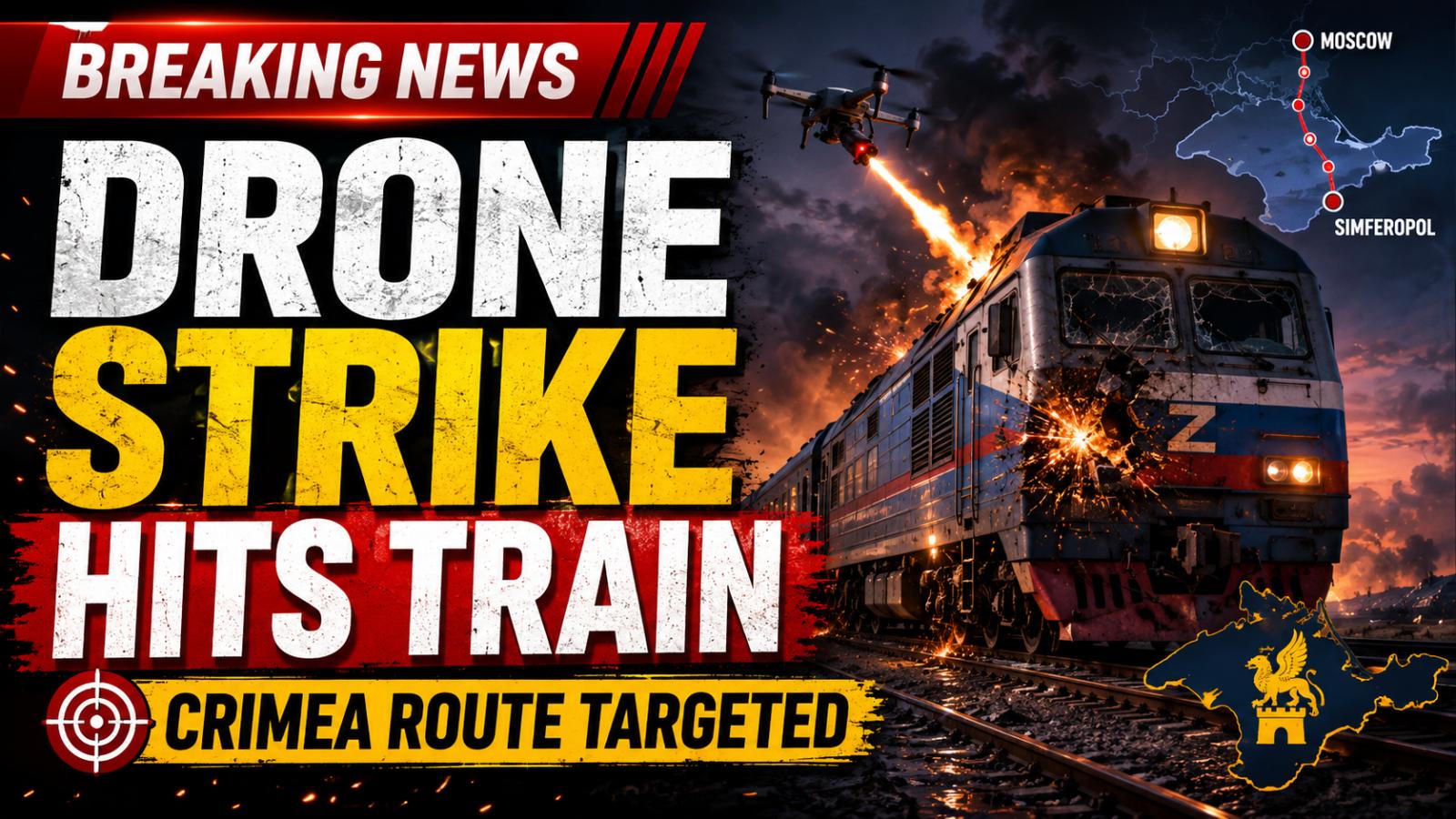
Ukraine Drone Strike Hits Crimea-Bound Train
Drone Strike Hits Passenger Train A Ukrainian drone struck the locomotive of a passenger train travelling on the Moscow-Simferopol route, killing the assistant driver and injuring the train driver, according to Sergey Aksyonov, the Moscow-installed head of Crimea. Aksyonov said no passengers were hurt in the incident, based on preliminary information. The reported strike adds to growing concern over the use
Ukraine Drone Strike Hits Crimea-Bound Train
Drone Strike Hits Passenger Train A Ukrainian drone struck the locomotive of a passenger train travelling on the Moscow-Simferopol route, killing the assistant driver and injuring the train driver, according to Sergey Aksyonov, the Moscow-installed head of Crimea. Aksyonov said no passengers were hurt in the incident, based on preliminary information. The reported strike adds to growing concern over the use
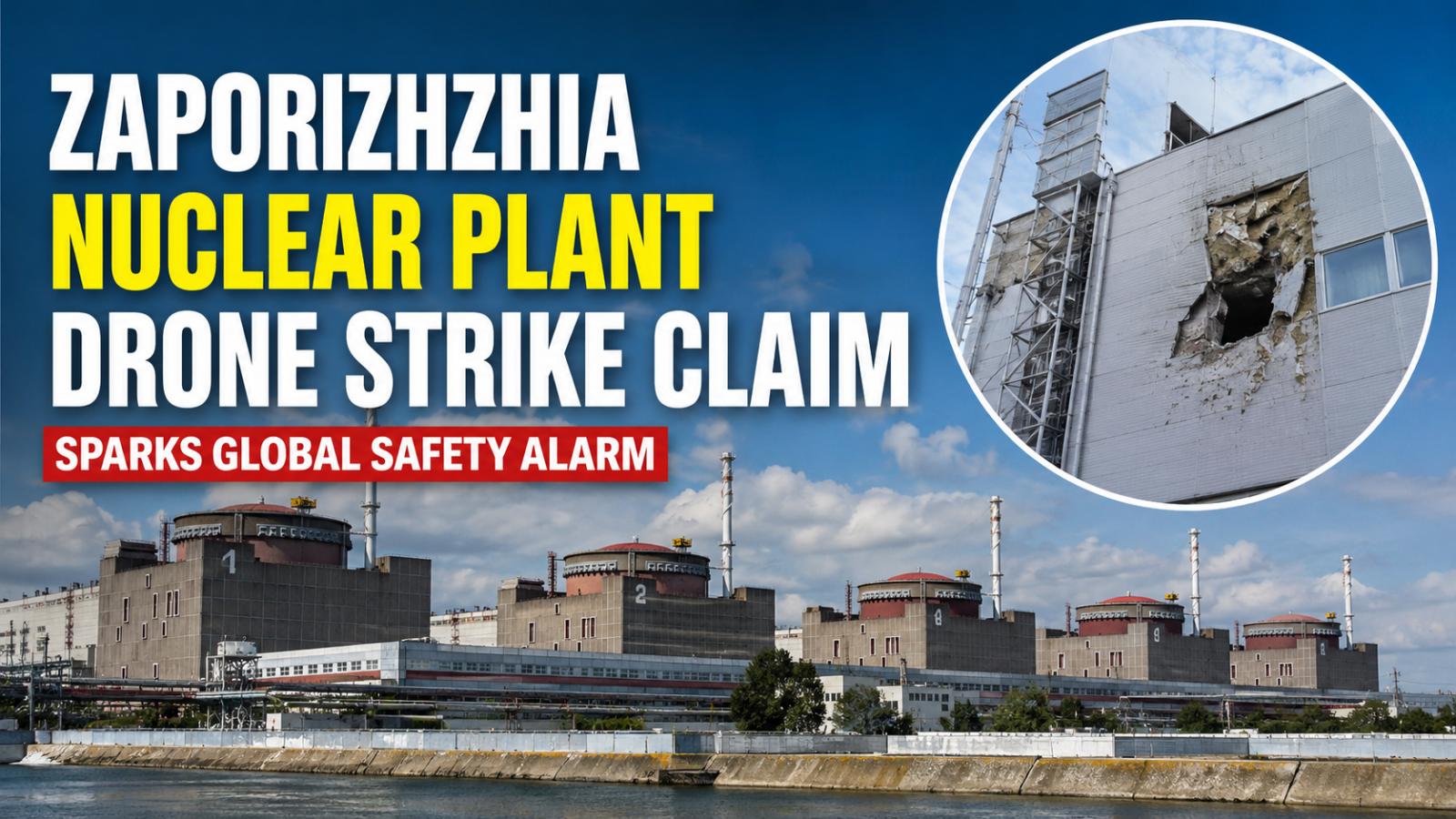
Zaporizhzhia Nuclear Plant Drone Strike Claim Sparks Global Safety Alarm
Russia Claims Drone Hit Nuclear Plant Russia’s state nuclear company Rosatom claimed that a Ukrainian drone struck the turbine hall of Power Unit No. 6 at the Zaporizhzhia nuclear power plant. According to Rosatom, the blast created a hole in the turbine hall wall but did not damage key equipment at the facility. Rosatom’s chief Alexei Likhachev called the reported incident deliberate, adding that any attack near a nuclear facility could increase safety risks.
Zaporizhzhia Nuclear Plant Drone Strike Claim Sparks Global Safety Alarm
Russia Claims Drone Hit Nuclear Plant Russia’s state nuclear company Rosatom claimed that a Ukrainian drone struck the turbine hall of Power Unit No. 6 at the Zaporizhzhia nuclear power plant. According to Rosatom, the blast created a hole in the turbine hall wall but did not damage key equipment at the facility. Rosatom’s chief Alexei Likhachev called the reported incident deliberate, adding that any attack near a nuclear facility could increase safety risks.
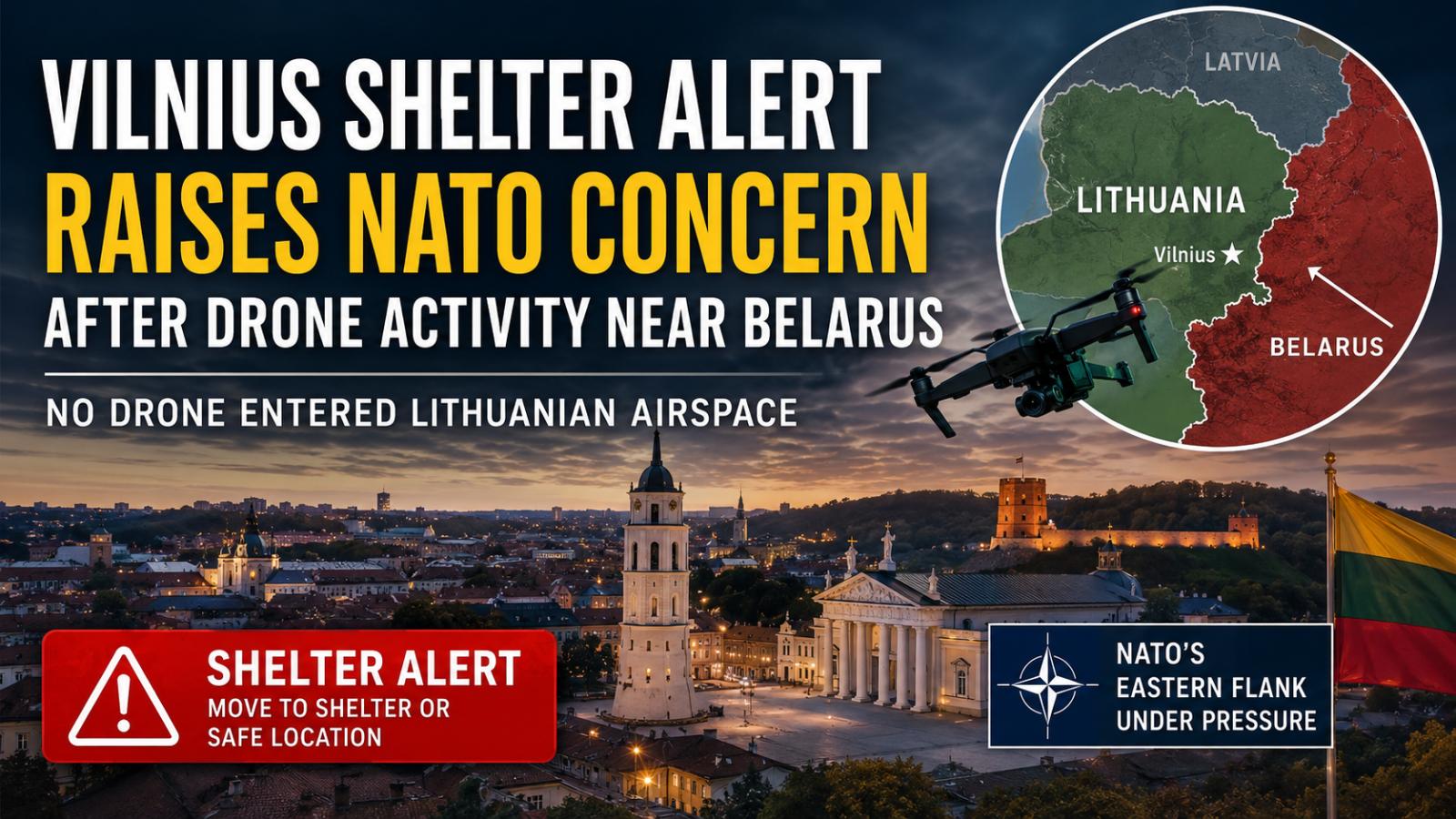
Vilnius Shelter Alert Raises NATO Concern After Drone Activity Near Belarus
A Vilnius shelter alert was issued in Lithuania after military officials detected drone activity near the country’s border with Belarus, raising fresh security concerns on NATO’s eastern flank. Residents in the Vilnius region were told to move to shelters or safe locations as authorities assessed the possible threat. Airspace over Vilnius Airport was temporarily closed, and Lithuania’s president, Gitanas Nauseda, and Prime Minister Inga Ruginiene were moved to
Vilnius Shelter Alert Raises NATO Concern After Drone Activity Near Belarus
A Vilnius shelter alert was issued in Lithuania after military officials detected drone activity near the country’s border with Belarus, raising fresh security concerns on NATO’s eastern flank. Residents in the Vilnius region were told to move to shelters or safe locations as authorities assessed the possible threat. Airspace over Vilnius Airport was temporarily closed, and Lithuania’s president, Gitanas Nauseda, and Prime Minister Inga Ruginiene were moved to
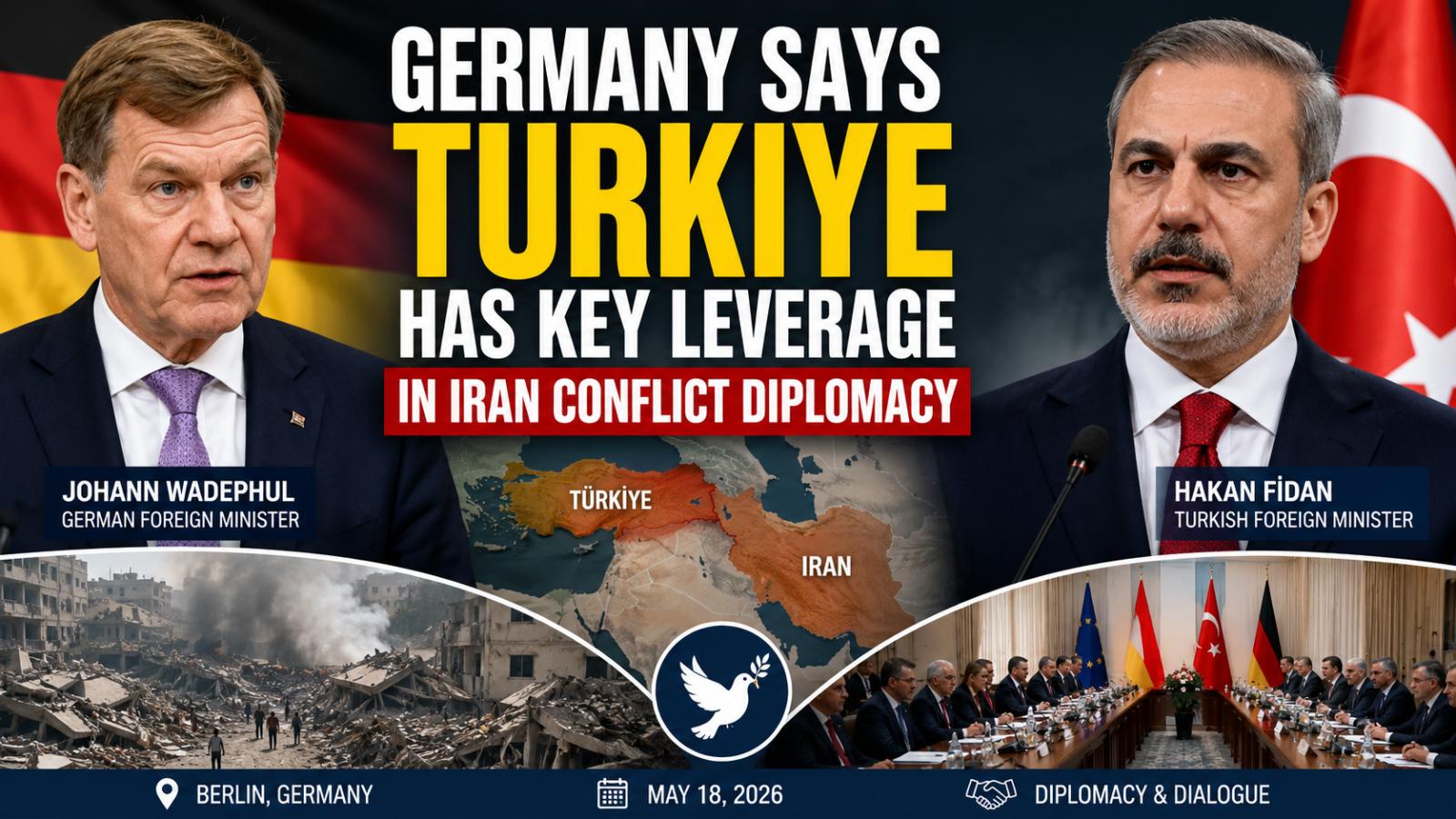
Germany Says Turkiye Has Key Leverage in Iran Conflict Diplomacy
Germany says Turkiye has key leverage in Iran conflict diplomacy, pointing to Ankara’s strategic location, economic strength and political influence across several crisis zones. German Foreign Minister Johann Wadephul made the remarks during a press conference in Berlin alongside Turkish Foreign Minister Hakan Fidan, saying Turkiye can play an important role in developments linked to the Iran conflict and the war in Ukraine. Turkiye’s Regional
Germany Says Turkiye Has Key Leverage in Iran Conflict Diplomacy
Germany says Turkiye has key leverage in Iran conflict diplomacy, pointing to Ankara’s strategic location, economic strength and political influence across several crisis zones. German Foreign Minister Johann Wadephul made the remarks during a press conference in Berlin alongside Turkish Foreign Minister Hakan Fidan, saying Turkiye can play an important role in developments linked to the Iran conflict and the war in Ukraine. Turkiye’s Regional
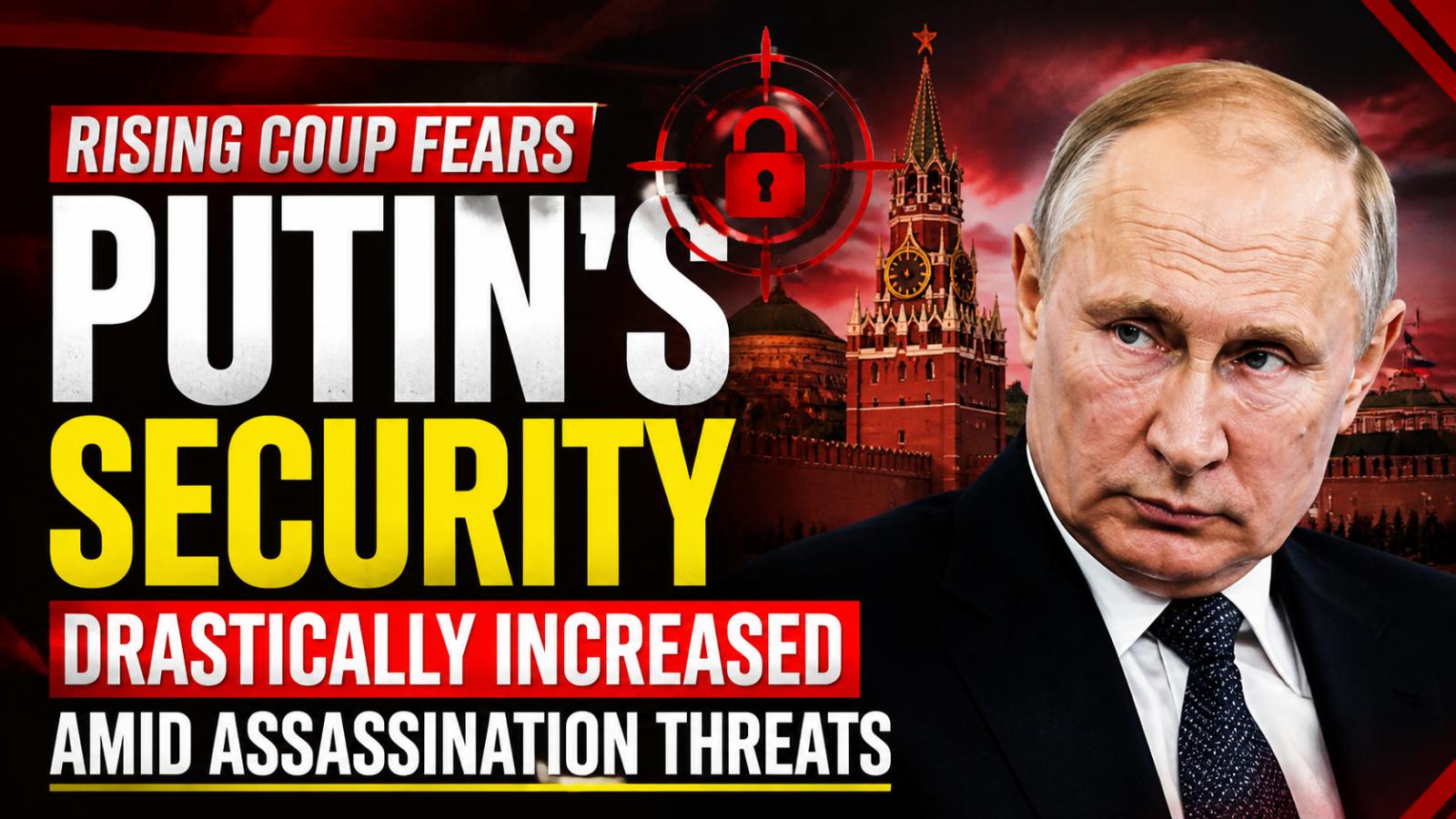
Putin’s security tightened amid coup fears and military assassinations
Russian President Vladimir Putin is facing an unprecedented level of security following growing concerns about a potential coup. These fears stem from a series of recent assassinations of senior Russian military figures, sparking widespread unease within the Kremlin. A European intelligence report reveals that Putin's security measures have been drastically increased, with surveillance systems now installed in the homes of his closest staff. These measures aim to prevent leaks of sensitive information and reduce the possibility of a plot against the president. Additionally, those who work directly with the president, including his bodyguards, chefs, and photographers, are now prohibited from using public transportation. Instead, all personnel visiting Putin must undergo two rounds of screening. Moreover, they are restricted to using phones without internet access to further minimize the risk of communication leaks. The intensified security is reportedly a response to fears of assassination attempts, particularly from the growing power of Russian elites who are displeased with Putin's leadership, especially amid the ongoing conflict in Ukraine. Former confidante’s role in coup fears One of the major concerns surrounding Putin’s safety involves Sergei Shoigu, a former confidante and the former defense minister of Russia. Shoigu was removed from his post but still retains significant influence within the Russian military. According to the report, Shoigu is now linked to potential coup efforts, as he remains a powerful figure within Russia’s military high command. Shoigu's influence over the Russian military is seen as a significant threat to Putin's reign, especially after the arrest of Ruslan Tsalikov, Shoigu's close associate, in March. This arrest has stirred political unrest within the Kremlin and raised suspicions about potential power shifts. The tensions within Russia's elite circles have added fuel to the fears of an internal coup, though the report does not provide direct evidence linking Shoigu to any active conspiracy. Kremlin in turmoil over Ukraine war and dissent The political climate within the Kremlin has grown increasingly unstable, particularly since the death of a top general in December, which triggered many of the heightened security measures. The fallout from this incident has led to fractures within Russia's security establishment, which is now divided over how to handle the fallout from the war in Ukraine. The rising costs and significant Russian military fatalities, estimated at 30,000 a month, have led to growing dissent within the political elite. Many believe the war has become unsustainable, further intensifying the pressure on Putin’s leadership. Putin has not publicly visited a military facility in 2023 and has avoided his usual residences, including those in the Moscow region and Valdai. The president has stopped making public appearances out of fear for his safety, with the Kremlin opting to release pre-recorded videos and images to maintain his presence in the media. According to reports, Putin has spent weeks at a time in upgraded bunkers, particularly in the Krasnodar coastal region, in response to the escalating threat of a coup and potential drone attacks. The ongoing crisis inside Russia's political structure Amidst the growing security concerns, the Kremlin is facing increasing instability, with political dissidents pushing back against Putin’s decisions. The Ukraine war has become a focal point of this unrest, with many within the political and military elite questioning its sustainability. These issues, compounded by the rising death toll among Russian soldiers, continue to contribute to the growing volatility of Putin’s rule. As fears of a coup mount, the situation inside the Kremlin remains precarious, with Putin’s tight security measures highlighting the level of tension and distrust among Russia’s political and military circles. The coming months may reveal whether these intensified precautions will be enough to protect Putin or if the risks posed by internal dissent and external threats will continue to grow.
Putin’s security tightened amid coup fears and military assassinations
Russian President Vladimir Putin is facing an unprecedented level of security following growing concerns about a potential coup. These fears stem from a series of recent assassinations of senior Russian military figures, sparking widespread unease within the Kremlin. A European intelligence report reveals that Putin's security measures have been drastically increased, with surveillance systems now installed in the homes of his closest staff. These measures aim to prevent leaks of sensitive information and reduce the possibility of a plot against the president. Additionally, those who work directly with the president, including his bodyguards, chefs, and photographers, are now prohibited from using public transportation. Instead, all personnel visiting Putin must undergo two rounds of screening. Moreover, they are restricted to using phones without internet access to further minimize the risk of communication leaks. The intensified security is reportedly a response to fears of assassination attempts, particularly from the growing power of Russian elites who are displeased with Putin's leadership, especially amid the ongoing conflict in Ukraine. Former confidante’s role in coup fears One of the major concerns surrounding Putin’s safety involves Sergei Shoigu, a former confidante and the former defense minister of Russia. Shoigu was removed from his post but still retains significant influence within the Russian military. According to the report, Shoigu is now linked to potential coup efforts, as he remains a powerful figure within Russia’s military high command. Shoigu's influence over the Russian military is seen as a significant threat to Putin's reign, especially after the arrest of Ruslan Tsalikov, Shoigu's close associate, in March. This arrest has stirred political unrest within the Kremlin and raised suspicions about potential power shifts. The tensions within Russia's elite circles have added fuel to the fears of an internal coup, though the report does not provide direct evidence linking Shoigu to any active conspiracy. Kremlin in turmoil over Ukraine war and dissent The political climate within the Kremlin has grown increasingly unstable, particularly since the death of a top general in December, which triggered many of the heightened security measures. The fallout from this incident has led to fractures within Russia's security establishment, which is now divided over how to handle the fallout from the war in Ukraine. The rising costs and significant Russian military fatalities, estimated at 30,000 a month, have led to growing dissent within the political elite. Many believe the war has become unsustainable, further intensifying the pressure on Putin’s leadership. Putin has not publicly visited a military facility in 2023 and has avoided his usual residences, including those in the Moscow region and Valdai. The president has stopped making public appearances out of fear for his safety, with the Kremlin opting to release pre-recorded videos and images to maintain his presence in the media. According to reports, Putin has spent weeks at a time in upgraded bunkers, particularly in the Krasnodar coastal region, in response to the escalating threat of a coup and potential drone attacks. The ongoing crisis inside Russia's political structure Amidst the growing security concerns, the Kremlin is facing increasing instability, with political dissidents pushing back against Putin’s decisions. The Ukraine war has become a focal point of this unrest, with many within the political and military elite questioning its sustainability. These issues, compounded by the rising death toll among Russian soldiers, continue to contribute to the growing volatility of Putin’s rule. As fears of a coup mount, the situation inside the Kremlin remains precarious, with Putin’s tight security measures highlighting the level of tension and distrust among Russia’s political and military circles. The coming months may reveal whether these intensified precautions will be enough to protect Putin or if the risks posed by internal dissent and external threats will continue to grow.
Ukraine Strikes Russian Oil Facilities As Fuel Prices Surge Globally
Ukraine has intensified its long-range strikes on energy infrastructure located deep inside Russia, targeting oil refineries, storage depots, and supply routes. These attacks mark a significant escalation in the ongoing

Ukraine Strikes Russian Oil Facilities As Fuel Prices Surge Globally
Ukraine has intensified its long-range strikes on energy infrastructure located deep inside Russia, targeting oil refineries, storage depots, and supply routes. These attacks mark a significant escalation in the ongoing
Trump Comments on Ukraine and Iran Wars Spark Confusion
US President Donald Trump drew attention during a recent press interaction after appearing to confuse details while discussing two major international conflicts. The exchange took place as Trump addressed reporters during an event linked to the Artemis II mission crew, where he was asked which conflict might conclude first: the prolonged Russia-Ukraine war or the ongoing tensions involving Iran and Israel. In response, Trump suggested that both situations could follow a similar timeline, stating that he was uncertain which would end sooner. However, his subsequent remarks raised questions as he began describing military conditions that appeared inconsistent or unclear in context. He claimed that Ukraine was militarily defeated, referencing significant naval and air losses, including statements about ships being destroyed and aircraft being eliminated. Trump also cited reductions in missile and drone capabilities, though his comments did not clearly distinguish whether he was referring to Ukraine or Iran at various points. This lack of clarity led to widespread attention, with observers noting the difficulty in separating his analysis of the two conflicts. The Russia-Ukraine war has continued for years with ongoing military engagements, while tensions involving Iran, Israel, and US involvement have added another layer of complexity to global security dynamics. Trump’s remarks came at a time when both conflicts remain active and under close international observation. The moment quickly gained traction due to the ambiguity in the president’s statements, highlighting the challenges of addressing multiple geopolitical crises simultaneously in public forums.
Trump Comments on Ukraine and Iran Wars Spark Confusion
US President Donald Trump drew attention during a recent press interaction after appearing to confuse details while discussing two major international conflicts. The exchange took place as Trump addressed reporters during an event linked to the Artemis II mission crew, where he was asked which conflict might conclude first: the prolonged Russia-Ukraine war or the ongoing tensions involving Iran and Israel. In response, Trump suggested that both situations could follow a similar timeline, stating that he was uncertain which would end sooner. However, his subsequent remarks raised questions as he began describing military conditions that appeared inconsistent or unclear in context. He claimed that Ukraine was militarily defeated, referencing significant naval and air losses, including statements about ships being destroyed and aircraft being eliminated. Trump also cited reductions in missile and drone capabilities, though his comments did not clearly distinguish whether he was referring to Ukraine or Iran at various points. This lack of clarity led to widespread attention, with observers noting the difficulty in separating his analysis of the two conflicts. The Russia-Ukraine war has continued for years with ongoing military engagements, while tensions involving Iran, Israel, and US involvement have added another layer of complexity to global security dynamics. Trump’s remarks came at a time when both conflicts remain active and under close international observation. The moment quickly gained traction due to the ambiguity in the president’s statements, highlighting the challenges of addressing multiple geopolitical crises simultaneously in public forums.