Trump-Backed Russia Bill Puts 100% Tariff Risk on India
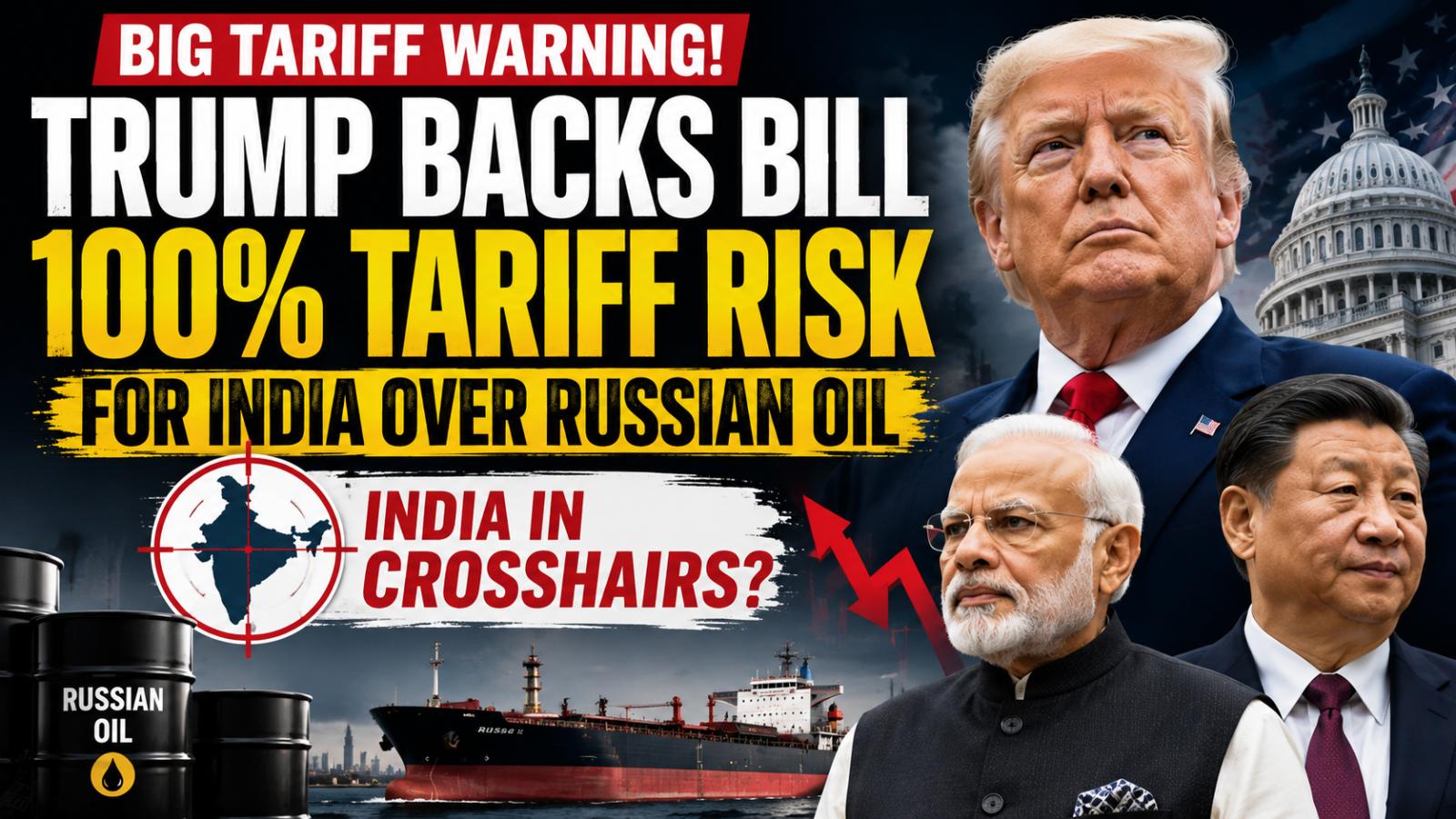
India could face tariffs of up to 100% under a revised US sanctions bill aimed at countries that remain major buyers of Russian oil and gas. President Donald Trump has backed the legislation, which would give the White House broad authority to use trade penalties to reduce the energy revenue available to Moscow.
The updated proposal is less severe than an earlier version that threatened tariffs as high as 500%. However, it still creates a significant India tariff risk because the country remains among the largest purchasers of Russian crude. China is also expected to fall within the measure’s primary focus.
Russia sanctions bill lowers tariff ceiling
A bipartisan group of senators unveiled the revised Russia sanctions bill on July 14, 2026. The measure would authorise tariffs of up to 100% against the five largest purchasers of Russian crude oil and natural gas.
The earlier proposal contained a much broader 500% tariff provision. Lawmakers narrowed that language while retaining strong penalties for countries whose energy purchases generate substantial revenue for Russia.
The bill has not yet become law. Congress must approve it before Trump can use the new authority. The president would also receive discretion to delay or waive some measures when he determines that doing so serves US national interests.
India and China face trade pressure
India and China are likely to receive the greatest attention because both countries purchase large quantities of Russian energy. Supporters of the legislation argue that restricting this demand could weaken Moscow’s ability to finance its war in Ukraine.
For India, the measure could complicate both energy policy and India-US trade relations. Russian crude has helped Indian refiners manage costs and diversify supplies, while the United States remains an important market for Indian goods and services.
A tariff approaching 100% would not automatically apply when the bill passes. The legislation would instead provide presidential authority to impose the penalty, making its actual impact dependent on implementation, negotiations and any exemptions granted by Washington.
Trump backs new tariff authority
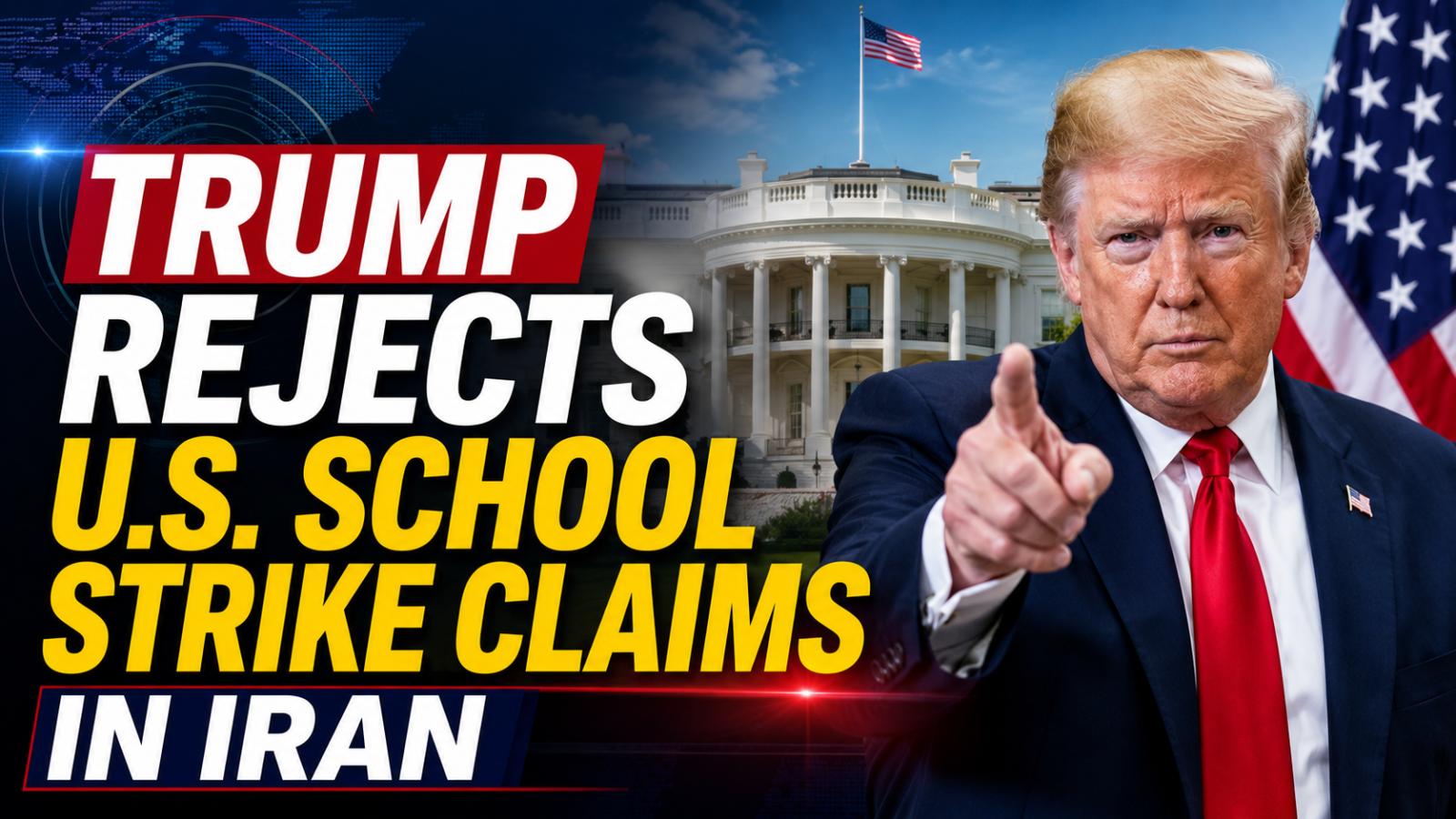
Trump has expressed support for advancing the sanctions legislation. The proposal was developed through negotiations involving Republican and Democratic senators and was championed by the late Republican Senator Lindsey Graham alongside Democratic Senator Richard Blumenthal.
Graham had argued that sanctions aimed only at Russia would have limited impact while major economies continued buying Russian energy. Blumenthal and other supporters are now seeking to move the legislation forward as part of Graham’s foreign-policy legacy.
Trump has also suggested that lawmakers may consider expanding the bill to address Iran and Hezbollah. However, those additions remain under discussion and are not yet established provisions of the revised legislation.
Bill targets Russia’s wider energy network
The legislation goes beyond tariffs on oil-importing countries. It proposes sanctions against Russian officials, financial institutions, major energy projects and vessels accused of helping Moscow evade existing restrictions.
It also includes exceptions for some countries that buy smaller amounts of Russian gas while demonstrating efforts to reduce their dependence. This narrower structure is designed to focus pressure on the largest energy buyers rather than applying identical penalties to every country trading with Russia.
India will therefore need to assess the proposal carefully, but headlines claiming that a 500% tariff is now imminent are misleading. The current bill sets a maximum of 100%, remains subject to congressional approval and gives Trump considerable flexibility over whether and how the penalties would be imposed.