














Peter Navarro India Remarks Trigger Fresh Online Backlash
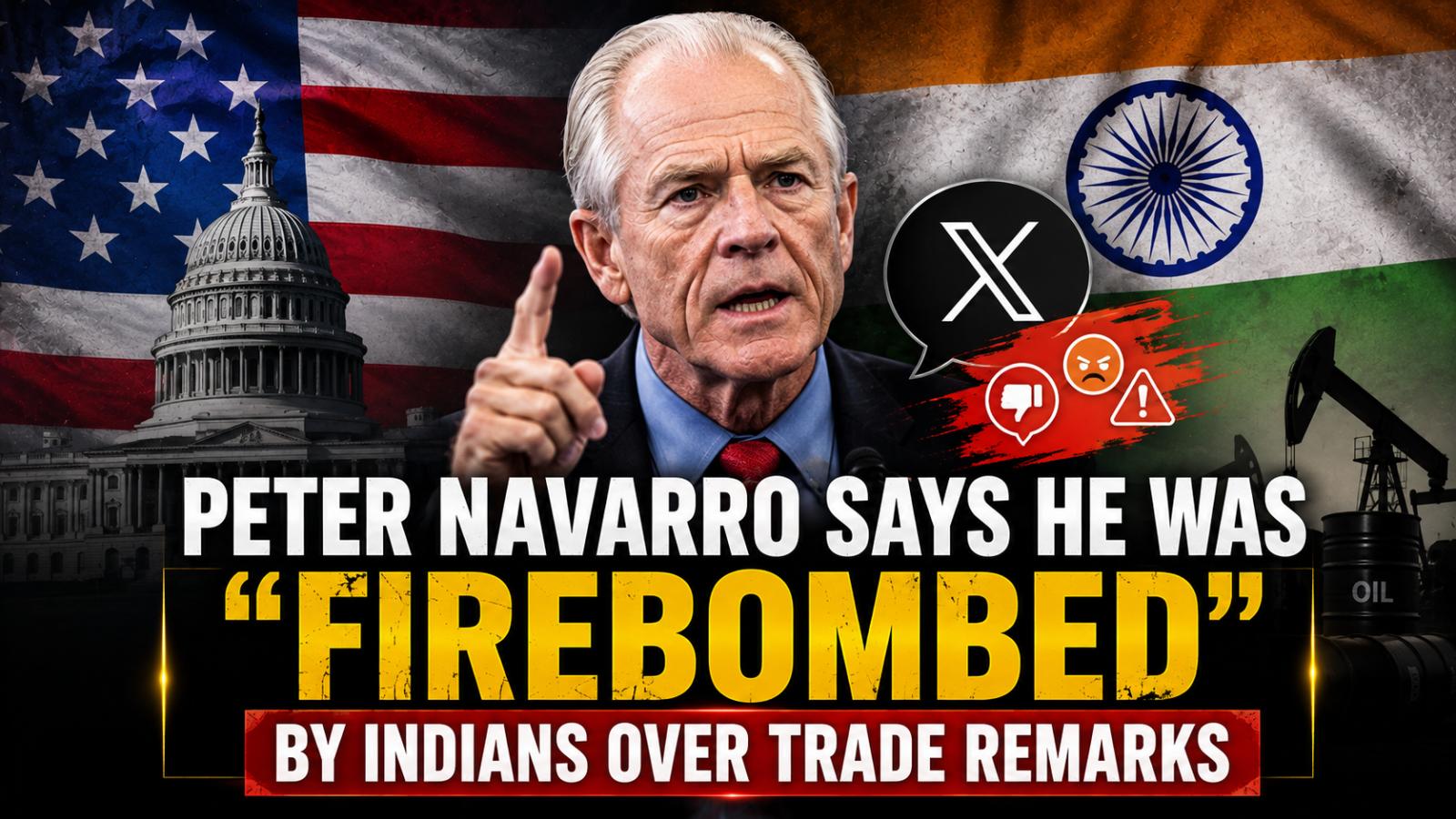
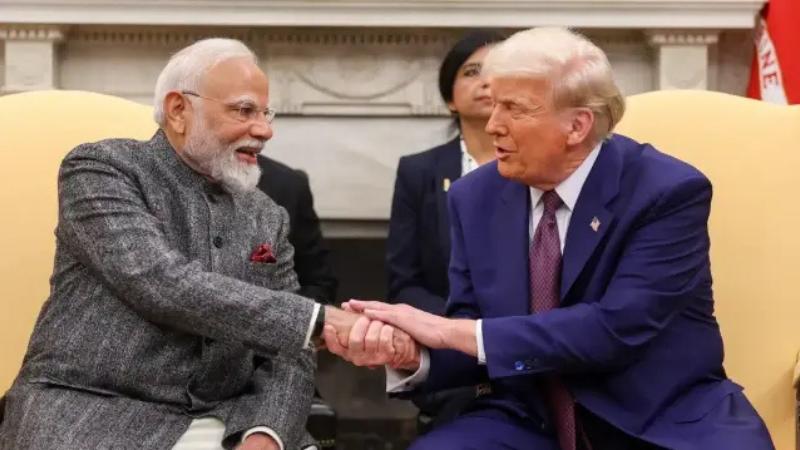
White House trade adviser Peter Navarro has again put US-India trade tensions in the spotlight after saying he was “firebombed” online by Indians over his criticism of New Delhi's tariff policies and purchases of Russian oil. His latest comments revive a controversy that began last year but come as Washington and New Delhi continue trying to manage their broader strategic and economic relationship. India backlash follows Navarro's trade criticism
Peter Navarro India Remarks Trigger Fresh Online Backlash
White House trade adviser Peter Navarro has again put US-India trade tensions in the spotlight after saying he was “firebombed” online by Indians over his criticism of New Delhi's tariff policies and purchases of Russian oil. His latest comments revive a controversy that began last year but come as Washington and New Delhi continue trying to manage their broader strategic and economic relationship. India backlash follows Navarro's trade criticism
Navarro says Trump, Modi can resolve Russian oil tariff dispute
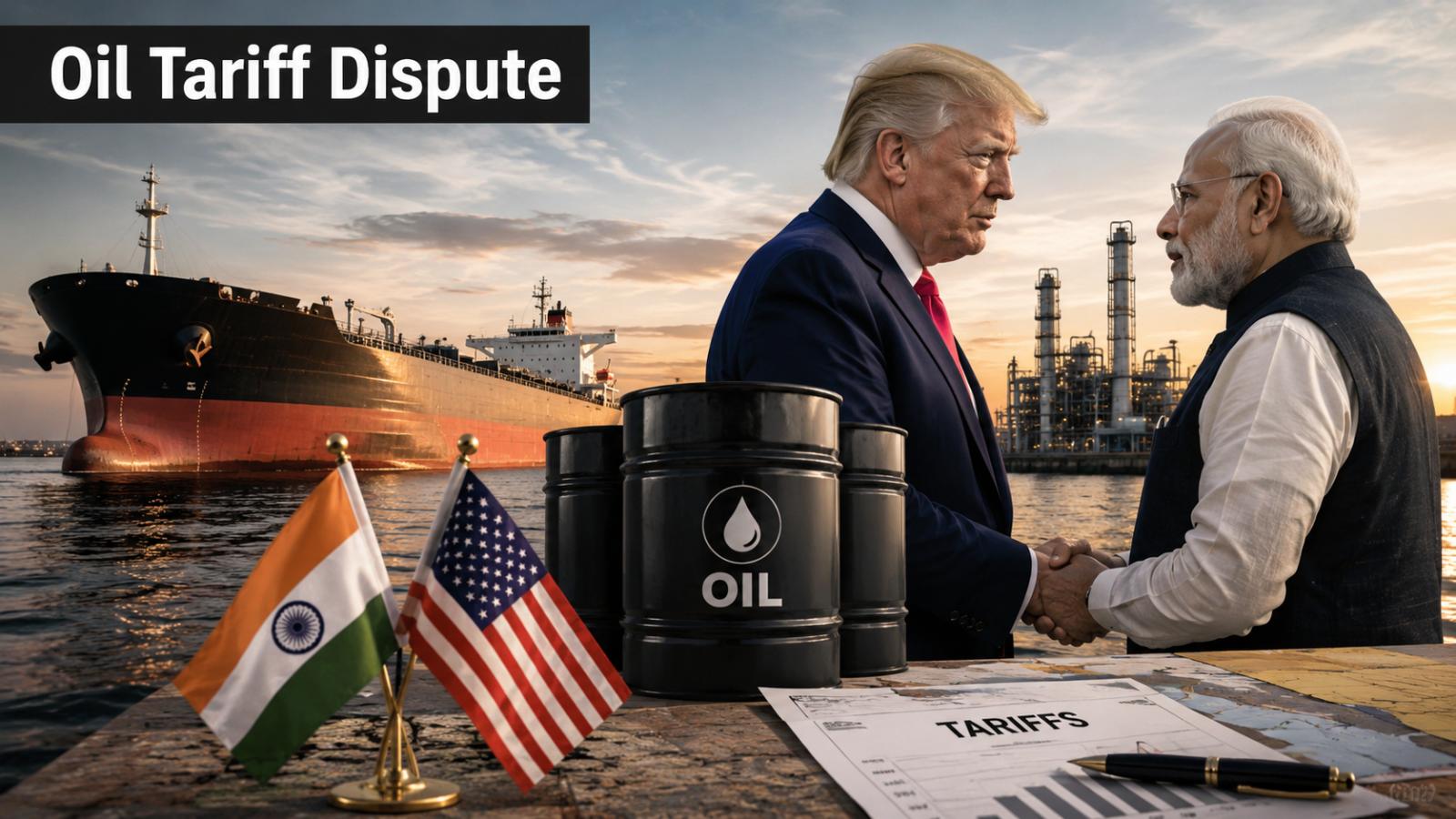
Peter Navarro says Donald Trump and Narendra Modi can manage the Russian oil tariff dispute as Congress advances a sanctions package targeting major Russian energy buyers. The Senate passed the bill 86-11, while an identical House companion was introduced on August 11, 2026. A bipartisan U.S. sanctions push targeting major buyers of Russian energy is putting renewed pressure on India-U.S. trade ties, but White House Senior
Navarro says Trump, Modi can resolve Russian oil tariff dispute
Peter Navarro says Donald Trump and Narendra Modi can manage the Russian oil tariff dispute as Congress advances a sanctions package targeting major Russian energy buyers. The Senate passed the bill 86-11, while an identical House companion was introduced on August 11, 2026. A bipartisan U.S. sanctions push targeting major buyers of Russian energy is putting renewed pressure on India-U.S. trade ties, but White House Senior
Trump Tariff Lawsuit Filed by 25 US States
The Trump tariff lawsuit filed by 25 US states challenges new forced-labour duties on 60 trading partners. The case questions the administration’s use of Section 301 and could affect import costs, India-US trade talks and future sanctions tied to Russian energy. 25 States Sue Trump Over New Tariffs A coalition of 25 US states sued the Trump administration on Monday, August 3, seeking to block
Trump Tariff Lawsuit Filed by 25 US States
The Trump tariff lawsuit filed by 25 US states challenges new forced-labour duties on 60 trading partners. The case questions the administration’s use of Section 301 and could affect import costs, India-US trade talks and future sanctions tied to Russian energy. 25 States Sue Trump Over New Tariffs A coalition of 25 US states sued the Trump administration on Monday, August 3, seeking to block
India US Russia Oil Tariffs Face Close Watch From New Delhi
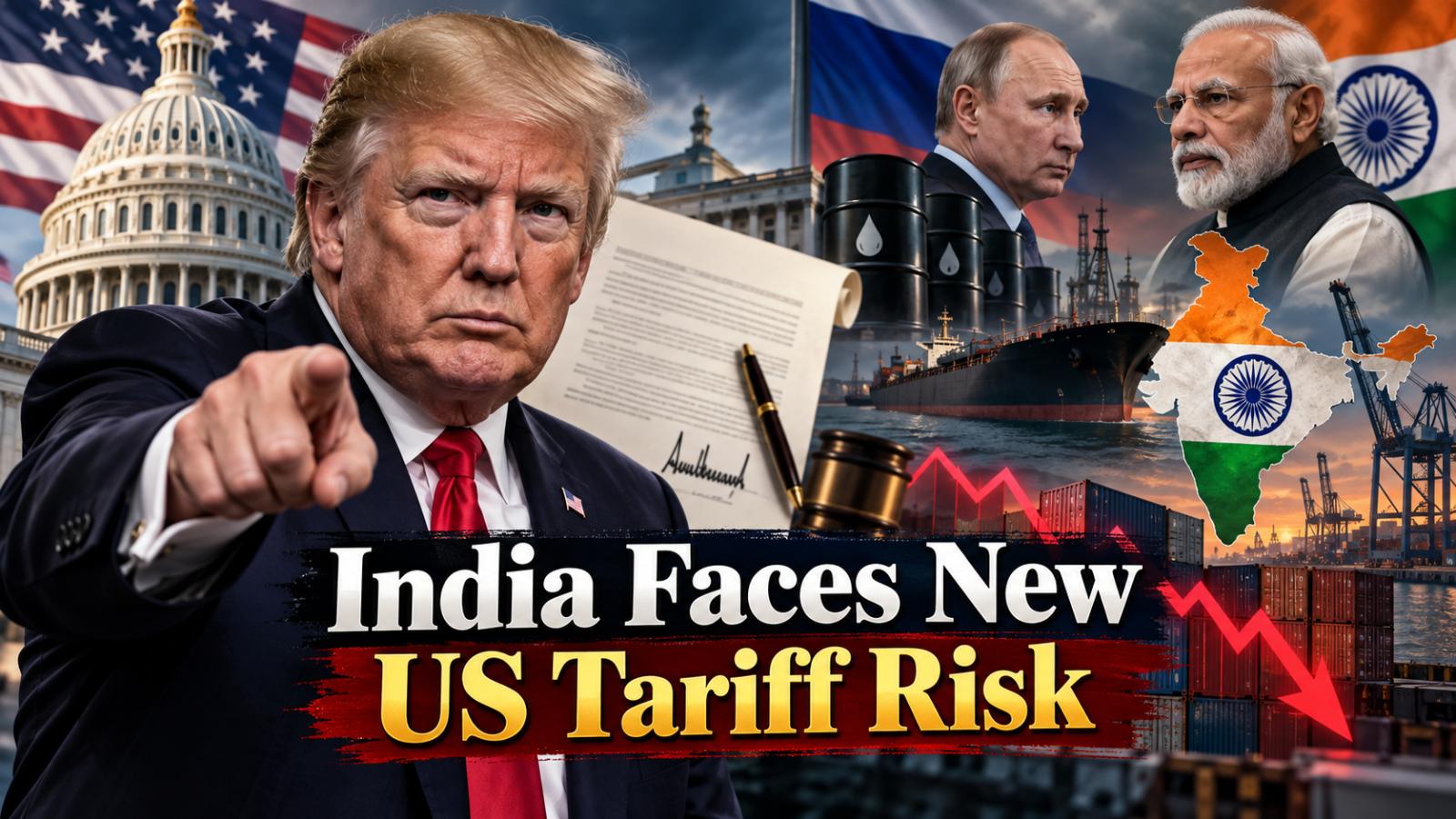
India is closely monitoring a proposed US law that could impose tariffs of up to 100 per cent on countries purchasing significant quantities of Russian oil and gas. The legislation, which has cleared the US Senate, is part of Washington’s broader effort to increase economic pressure on Moscow while discouraging continued purchases of Russian energy. India Energy Security Remains the Government’s Priority Speaking during the
India US Russia Oil Tariffs Face Close Watch From New Delhi
India is closely monitoring a proposed US law that could impose tariffs of up to 100 per cent on countries purchasing significant quantities of Russian oil and gas. The legislation, which has cleared the US Senate, is part of Washington’s broader effort to increase economic pressure on Moscow while discouraging continued purchases of Russian energy. India Energy Security Remains the Government’s Priority Speaking during the
Indian Merchant Navy Captain Faces UK Russia Oil Charges
An Indian merchant navy captain denied UK bail remains in custody after being accused of breaching British sanctions linked to transporting Russian oil. The case centres on the interception of the MV Smyrtos and raises questions about sanctions enforcement and the responsibilities of ship masters. Indian Merchant Navy Captain Denied UK Bail in Russia Oil Case
Indian Merchant Navy Captain Faces UK Russia Oil Charges
An Indian merchant navy captain denied UK bail remains in custody after being accused of breaching British sanctions linked to transporting Russian oil. The case centres on the interception of the MV Smyrtos and raises questions about sanctions enforcement and the responsibilities of ship masters. Indian Merchant Navy Captain Denied UK Bail in Russia Oil Case
US Bill Proposes 100% Tariffs Over Russian Oil Purchases
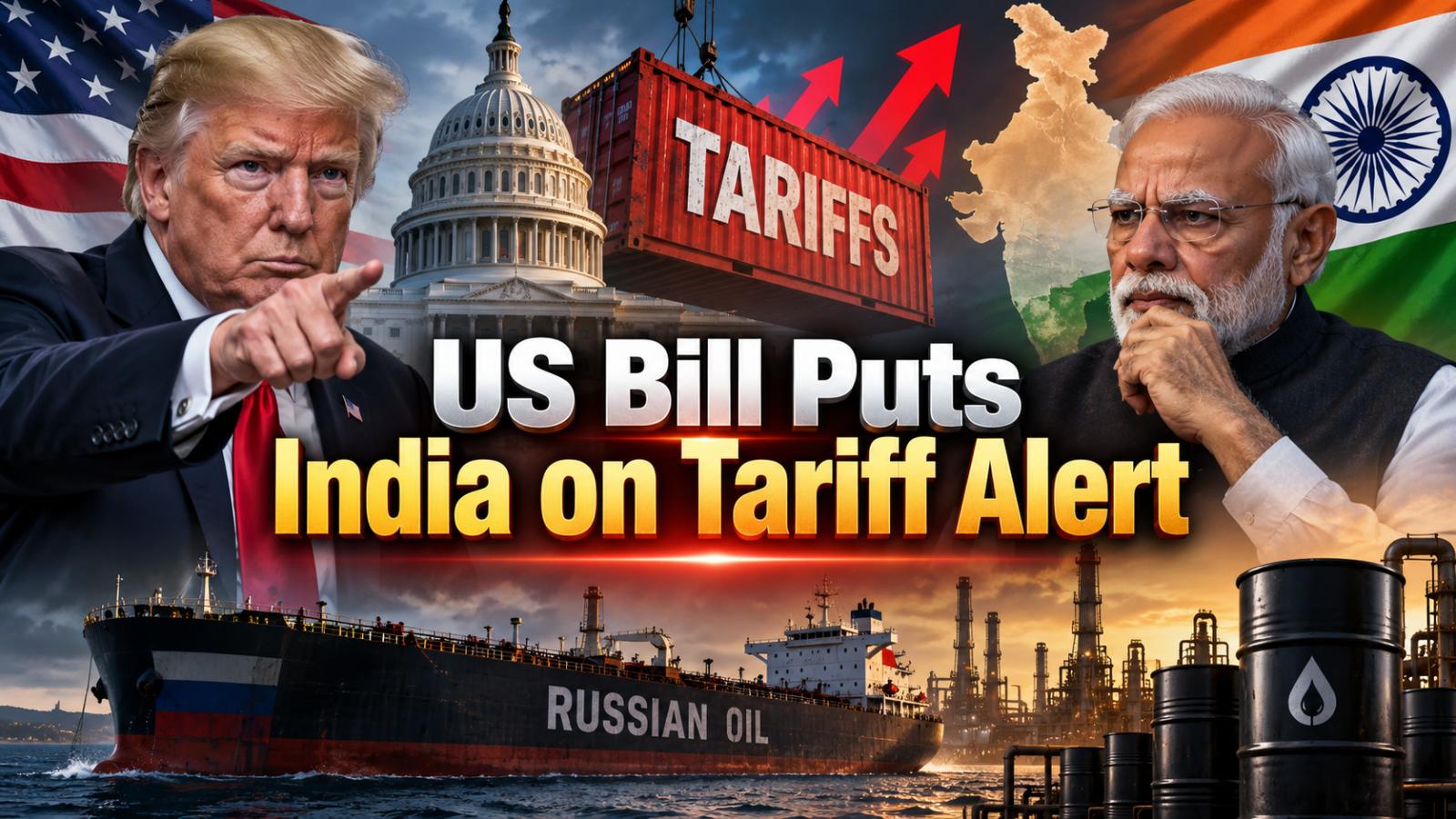
A bipartisan group of US senators has introduced a revised sanctions bill that could impose tariffs of up to 100% on goods from countries purchasing large amounts of Russian oil and gas. India and China are among the five countries specifically targeted, placing renewed pressure on their energy trade with Moscow while raising questions about the future of India-US commercial relations. India tariff threat under revised US bill
US Bill Proposes 100% Tariffs Over Russian Oil Purchases
A bipartisan group of US senators has introduced a revised sanctions bill that could impose tariffs of up to 100% on goods from countries purchasing large amounts of Russian oil and gas. India and China are among the five countries specifically targeted, placing renewed pressure on their energy trade with Moscow while raising questions about the future of India-US commercial relations. India tariff threat under revised US bill
India Russian Oil Tariff Risk Grows Under Revised US Bill
India faces renewed pressure over its Russian oil purchases after US President Donald Trump backed legislation designed to penalise countries that continue buying Russian energy. Although an earlier version proposed tariffs as high as 500%, the revised measure reportedly limits the maximum rate to 100%, making the original 500% figure outdated. US sanctions bill targets Russian energy buyers The legislation was
India Russian Oil Tariff Risk Grows Under Revised US Bill
India faces renewed pressure over its Russian oil purchases after US President Donald Trump backed legislation designed to penalise countries that continue buying Russian energy. Although an earlier version proposed tariffs as high as 500%, the revised measure reportedly limits the maximum rate to 100%, making the original 500% figure outdated. US sanctions bill targets Russian energy buyers The legislation was
Trump-Backed Russia Bill Puts 100% Tariff Risk on India
Trump-Backed Russia Bill Puts 100% Tariff Risk on India India could face tariffs of up to 100% under a revised US sanctions bill aimed at countries that remain major buyers of Russian oil and gas. President Donald Trump has backed the legislation, which would give the White House broad authority to use trade penalties to reduce the energy revenue available to Moscow. The updated proposal is
Trump-Backed Russia Bill Puts 100% Tariff Risk on India
Trump-Backed Russia Bill Puts 100% Tariff Risk on India India could face tariffs of up to 100% under a revised US sanctions bill aimed at countries that remain major buyers of Russian oil and gas. President Donald Trump has backed the legislation, which would give the White House broad authority to use trade penalties to reduce the energy revenue available to Moscow. The updated proposal is
UK Eases Russian Oil Sanctions Amid Fuel Supply Concerns
UK Loosens Russian Oil Restrictions On May 19, the United Kingdom announced it is easing restrictions on importing diesel and jet fuel refined from Russian crude in third countries. The move comes after the G7 reaffirmed commitment to imposing severe costs on Russia for its war in Ukraine. The UK government cited concerns about fuel supply disruptions caused by the closure of the Strait of Hormuz since the US-Israel operations against Iran in late February.
UK Eases Russian Oil Sanctions Amid Fuel Supply Concerns
UK Loosens Russian Oil Restrictions On May 19, the United Kingdom announced it is easing restrictions on importing diesel and jet fuel refined from Russian crude in third countries. The move comes after the G7 reaffirmed commitment to imposing severe costs on Russia for its war in Ukraine. The UK government cited concerns about fuel supply disruptions caused by the closure of the Strait of Hormuz since the US-Israel operations against Iran in late February.
US Extends Russian Oil Sanctions Waiver, Boosts India Fuel Imports
The United States has extended its sanctions waiver on Russian seaborne oil by 30 days, allowing continued imports to key global partners like India. This temporary extension reverses previous plans to let the waiver lapse, aiming to provide flexibility for nations managing critical energy needs. Treasury officials stated the extension ensures that stranded Russian crude and petroleum products can reach markets without violating US sanctions on major Russian oil firms. This marks th
US Extends Russian Oil Sanctions Waiver, Boosts India Fuel Imports
The United States has extended its sanctions waiver on Russian seaborne oil by 30 days, allowing continued imports to key global partners like India. This temporary extension reverses previous plans to let the waiver lapse, aiming to provide flexibility for nations managing critical energy needs. Treasury officials stated the extension ensures that stranded Russian crude and petroleum products can reach markets without violating US sanctions on major Russian oil firms. This marks th
Trump Administration Reverses Russian Oil Sanctions Waiver Decision
The United States has issued a fresh month-long sanctions waiver permitting transactions involving Russian crude oil already in transit, marking a notable policy reversal within days of signaling a stricter stance. The waiver allows purchases of oil loaded onto vessels as of April 17 to continue until May 16, providing limited flexibility to global buyers amid ongoing disruptions in the energy market. The decision comes shortly after earlier statements ruled out any extension, highlighting the pressure created by rising fuel costs and tightening supply conditions. With gasoline prices climbing and geopolitical tensions affecting key supply routes, the move reflects an effort to stabilize markets rather than signal a broader policy shift. Importantly, the waiver applies only to cargo already at sea and does not authorize new purchases, reinforcing its temporary and targeted nature. For India, one of the largest importers of Russian crude, the extension offers short-term operational relief. Russian supplies currently account for nearly 38 to 40 percent of India’s total crude imports, making them a critical component of the country’s energy mix. Given that India relies on imports for more than 88 percent of its energy needs, even minor disruptions can have significant economic implications. Indian refiners had previously indicated their intent to continue sourcing Russian oil regardless of external sanctions frameworks, emphasizing that energy procurement remains a sovereign decision. The waiver, however, reduces immediate logistical and financial uncertainties by ensuring smoother completion of shipments already underway. As geopolitical tensions continue to reshape global energy flows, the temporary waiver underscores the balancing act between policy objectives and market realities. For India, it reinforces the importance of maintaining diversified supply channels while navigating an increasingly complex international energy landscape.
Trump Administration Reverses Russian Oil Sanctions Waiver Decision
The United States has issued a fresh month-long sanctions waiver permitting transactions involving Russian crude oil already in transit, marking a notable policy reversal within days of signaling a stricter stance. The waiver allows purchases of oil loaded onto vessels as of April 17 to continue until May 16, providing limited flexibility to global buyers amid ongoing disruptions in the energy market. The decision comes shortly after earlier statements ruled out any extension, highlighting the pressure created by rising fuel costs and tightening supply conditions. With gasoline prices climbing and geopolitical tensions affecting key supply routes, the move reflects an effort to stabilize markets rather than signal a broader policy shift. Importantly, the waiver applies only to cargo already at sea and does not authorize new purchases, reinforcing its temporary and targeted nature. For India, one of the largest importers of Russian crude, the extension offers short-term operational relief. Russian supplies currently account for nearly 38 to 40 percent of India’s total crude imports, making them a critical component of the country’s energy mix. Given that India relies on imports for more than 88 percent of its energy needs, even minor disruptions can have significant economic implications. Indian refiners had previously indicated their intent to continue sourcing Russian oil regardless of external sanctions frameworks, emphasizing that energy procurement remains a sovereign decision. The waiver, however, reduces immediate logistical and financial uncertainties by ensuring smoother completion of shipments already underway. As geopolitical tensions continue to reshape global energy flows, the temporary waiver underscores the balancing act between policy objectives and market realities. For India, it reinforces the importance of maintaining diversified supply channels while navigating an increasingly complex international energy landscape.
India’s energy strategy remains unchanged after US sanctions waiver ends
India is set to continue importing Russian crude oil and Liquefied Petroleum Gas (LPG) even after the expiration of the 30-day sanctions waiver granted by the United States on April 11, 2026. Officials indicated that the country’s energy import strategy is guided by sovereign priorities and commercial considerations rather than external sanctions frameworks. Indian refineries are expected to maintain their existing procurement approach by sourcing supplies from non-sanctioned entities and c
India’s energy strategy remains unchanged after US sanctions waiver ends
India is set to continue importing Russian crude oil and Liquefied Petroleum Gas (LPG) even after the expiration of the 30-day sanctions waiver granted by the United States on April 11, 2026. Officials indicated that the country’s energy import strategy is guided by sovereign priorities and commercial considerations rather than external sanctions frameworks. Indian refineries are expected to maintain their existing procurement approach by sourcing supplies from non-sanctioned entities and c
US Sanctions Waivers on Russian and Iranian Oil: Impact on India’s Energy Supply
On April 15, US Treasury Secretary Scott Bessent announced that the US will no longer extend the sanctions waivers that allowed several countries to purchase oil from Russia and Iran. These waivers, which were initially intended to ease global oil supply disruptions, are now being revoked. Bessent emphasized that the move to not renew the general licenses on Russian and Iranian oil would lead to penalties for countries still involved in these transactions. He further warned that secondary san
US Sanctions Waivers on Russian and Iranian Oil: Impact on India’s Energy Supply
On April 15, US Treasury Secretary Scott Bessent announced that the US will no longer extend the sanctions waivers that allowed several countries to purchase oil from Russia and Iran. These waivers, which were initially intended to ease global oil supply disruptions, are now being revoked. Bessent emphasized that the move to not renew the general licenses on Russian and Iranian oil would lead to penalties for countries still involved in these transactions. He further warned that secondary san
Top Court Limits Trump Tariff Powers Amid India-Russia Oil Dispute
The United States Supreme Court on Friday struck down a series of broad tariffs imposed by President Donald Trump, ruling that the administration had exceeded its authority under federal law. In a closely watched 6–3 decision, the court determined that the International Emergency Economic Powers Act does not authorize the president to unilaterally impose sweeping duties on foreign imports, a finding that could have significant implications for future trade policy and executive power. The ruling addressed the legal limits of presidential authority under the IEEPA, a statute historically used to regulate economic activity during national emergencies. Writing for the majority, the court concluded that the law does not grant the executive branch the expansive tariff powers claimed by the administration. The decision effectively invalidates the contested measures and reinforces congressional oversight over major trade actions. In his dissent, Justice Brett Kavanaugh pointed to the administration’s use of tariffs as a tool of foreign policy leverage, including duties imposed on India over its purchases of Russian oil. He argued that the tariffs were part of sensitive international negotiations and should be viewed within the broader context of the president’s conduct of foreign affairs. Kavanaugh noted that the government had maintained the tariffs helped secure trade concessions from major partners such as China, the United Kingdom and Japan. According to the administration’s position, the measures were intended to open foreign markets to American businesses and support trade agreements valued in the trillions of dollars. The dissent specifically referenced the August 2025 decision to impose a 25 percent tariff on India for what the administration described as direct or indirect imports of Russian Federation oil. At the time, the White House framed the move as part of broader efforts tied to geopolitical negotiations and energy security concerns. The tariffs included a reciprocal component initially set at 25 percent and later reduced to 18 percent. Kavanaugh further observed that the administration subsequently eased the India-specific penalties in February 2026 after the government reported that New Delhi had committed to halting purchases of Russian oil and to increasing imports of American energy products. He argued that such developments demonstrated the traditional diplomatic use of tariffs as leverage in complex international negotiations. Despite these arguments, the majority held that statutory limits must guide the exercise of executive power, even in matters touching on foreign affairs and national security. The court emphasized that significant economic measures with wide domestic consequences require clear authorization from Congress. The decision marks a notable judicial check on presidential trade authority and is likely to influence how future administrations deploy tariffs in pursuit of foreign policy objectives. Legal analysts say the ruling reinforces the principle that emergency economic powers cannot be broadly interpreted to reshape global trade relationships without explicit legislative backing. While the immediate policy effects remain to be fully assessed, the judgment underscores ongoing tensions between the executive branch’s flexibility in foreign affairs and the constitutional role of Congress in regulating commerce. The case is expected to shape debates over trade strategy, energy diplomacy and the scope of presidential economic powers in the years ahead.
Top Court Limits Trump Tariff Powers Amid India-Russia Oil Dispute
The United States Supreme Court on Friday struck down a series of broad tariffs imposed by President Donald Trump, ruling that the administration had exceeded its authority under federal law. In a closely watched 6–3 decision, the court determined that the International Emergency Economic Powers Act does not authorize the president to unilaterally impose sweeping duties on foreign imports, a finding that could have significant implications for future trade policy and executive power. The ruling addressed the legal limits of presidential authority under the IEEPA, a statute historically used to regulate economic activity during national emergencies. Writing for the majority, the court concluded that the law does not grant the executive branch the expansive tariff powers claimed by the administration. The decision effectively invalidates the contested measures and reinforces congressional oversight over major trade actions. In his dissent, Justice Brett Kavanaugh pointed to the administration’s use of tariffs as a tool of foreign policy leverage, including duties imposed on India over its purchases of Russian oil. He argued that the tariffs were part of sensitive international negotiations and should be viewed within the broader context of the president’s conduct of foreign affairs. Kavanaugh noted that the government had maintained the tariffs helped secure trade concessions from major partners such as China, the United Kingdom and Japan. According to the administration’s position, the measures were intended to open foreign markets to American businesses and support trade agreements valued in the trillions of dollars. The dissent specifically referenced the August 2025 decision to impose a 25 percent tariff on India for what the administration described as direct or indirect imports of Russian Federation oil. At the time, the White House framed the move as part of broader efforts tied to geopolitical negotiations and energy security concerns. The tariffs included a reciprocal component initially set at 25 percent and later reduced to 18 percent. Kavanaugh further observed that the administration subsequently eased the India-specific penalties in February 2026 after the government reported that New Delhi had committed to halting purchases of Russian oil and to increasing imports of American energy products. He argued that such developments demonstrated the traditional diplomatic use of tariffs as leverage in complex international negotiations. Despite these arguments, the majority held that statutory limits must guide the exercise of executive power, even in matters touching on foreign affairs and national security. The court emphasized that significant economic measures with wide domestic consequences require clear authorization from Congress. The decision marks a notable judicial check on presidential trade authority and is likely to influence how future administrations deploy tariffs in pursuit of foreign policy objectives. Legal analysts say the ruling reinforces the principle that emergency economic powers cannot be broadly interpreted to reshape global trade relationships without explicit legislative backing. While the immediate policy effects remain to be fully assessed, the judgment underscores ongoing tensions between the executive branch’s flexibility in foreign affairs and the constitutional role of Congress in regulating commerce. The case is expected to shape debates over trade strategy, energy diplomacy and the scope of presidential economic powers in the years ahead.
US and India agree on trade deal as tariffs are cut and oil strategy shifts
In a significant development affecting global trade and energy policy, United States President Donald Trump announced a bilateral trade agreement with Indian Prime Minister Narendra Modi following a direct telephone conversation on Monday. According to an official post shared by the US Ambassador to India on social media, the leaders discussed a range of strategic and economic issues, culminating in an accord that reduces key economic barriers between the two countries. In his publi
US and India agree on trade deal as tariffs are cut and oil strategy shifts
In a significant development affecting global trade and energy policy, United States President Donald Trump announced a bilateral trade agreement with Indian Prime Minister Narendra Modi following a direct telephone conversation on Monday. According to an official post shared by the US Ambassador to India on social media, the leaders discussed a range of strategic and economic issues, culminating in an accord that reduces key economic barriers between the two countries. In his publi
US treasury secretary says Europe funding war through Russian oil refined in India
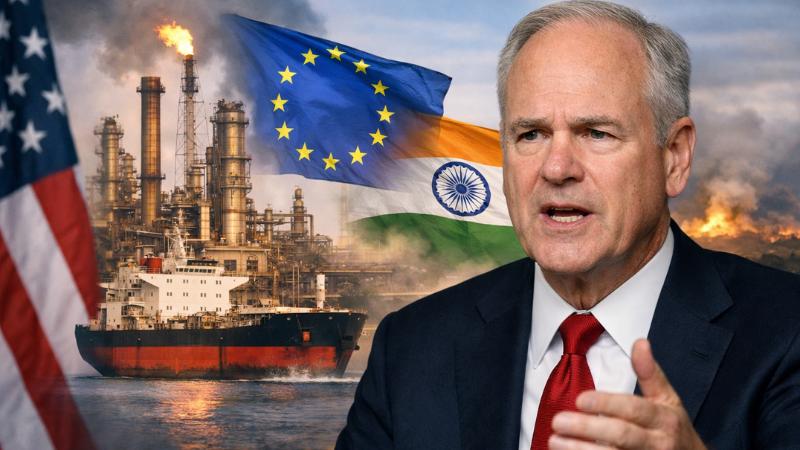
United States Treasury Secretary Scott Bessent has accused European nations of indirectly financing Russia’s war in Ukraine by purchasing refined oil products originating from Russian crude processed in India. His remarks come amid ongoing geopolitical tensions over energy trade and sanctions linked to the conflict in Eastern Europe. In an interview aired on Sunday, Bessent alleged that while European leaders publicly condemn Russia’s actions in Ukraine, their trade practices ar
US treasury secretary says Europe funding war through Russian oil refined in India
United States Treasury Secretary Scott Bessent has accused European nations of indirectly financing Russia’s war in Ukraine by purchasing refined oil products originating from Russian crude processed in India. His remarks come amid ongoing geopolitical tensions over energy trade and sanctions linked to the conflict in Eastern Europe. In an interview aired on Sunday, Bessent alleged that while European leaders publicly condemn Russia’s actions in Ukraine, their trade practices ar
Trump claims India cut Russian oil imports after US imposed 50% tariffs
US President Donald Trump on Sunday, January 4, claimed that India has significantly reduced its purchases of Russian oil following the imposition of steep tariffs on Indian goods by Washington. Speaking aboard Air Force One, Trump said his administration’s decision to levy a 50 percent tariff had prompted a response from New Delhi, while also warning that the United States could escalate trade penalties further if necessary. Trump asserted that India’s leadership acted in respo
Trump claims India cut Russian oil imports after US imposed 50% tariffs
US President Donald Trump on Sunday, January 4, claimed that India has significantly reduced its purchases of Russian oil following the imposition of steep tariffs on Indian goods by Washington. Speaking aboard Air Force One, Trump said his administration’s decision to levy a 50 percent tariff had prompted a response from New Delhi, while also warning that the United States could escalate trade penalties further if necessary. Trump asserted that India’s leadership acted in respo
Russia says India’s reduced oil imports are temporary as Moscow plans higher supplies
Kremlin spokesman Dmitry Peskov said on Tuesday that the recent dip in India’s imports of Russian oil is expected to be short-lived, adding that Moscow plans to increase the volume of supplies to New Delhi in the coming months. He stated that Russia understands the external pressures faced by India, particularly in light of tariffs and policy constraints linked to its continued purchase of Russian crude. According to Peskov, Moscow views India’s approach toward its energy partnerships as
Russia says India’s reduced oil imports are temporary as Moscow plans higher supplies
Kremlin spokesman Dmitry Peskov said on Tuesday that the recent dip in India’s imports of Russian oil is expected to be short-lived, adding that Moscow plans to increase the volume of supplies to New Delhi in the coming months. He stated that Russia understands the external pressures faced by India, particularly in light of tariffs and policy constraints linked to its continued purchase of Russian crude. According to Peskov, Moscow views India’s approach toward its energy partnerships as
India confirms US sanctions will not impact Chabahar Port project in Iran
New Delhi: India’s Ministry of External Affairs (MEA) has clarified that the American sanctions imposed on Iran will not affect the Chabahar Port project, a critical component of India’s regional connectivity and trade strategy. The confirmation underscores New Delhi’s commitment to maintaining strategic investments in the port, even as it continues its dialogue with the United States on broader trade and diplomatic issues. The Chabahar Port, located on Iran’s southeastern c
India confirms US sanctions will not impact Chabahar Port project in Iran
New Delhi: India’s Ministry of External Affairs (MEA) has clarified that the American sanctions imposed on Iran will not affect the Chabahar Port project, a critical component of India’s regional connectivity and trade strategy. The confirmation underscores New Delhi’s commitment to maintaining strategic investments in the port, even as it continues its dialogue with the United States on broader trade and diplomatic issues. The Chabahar Port, located on Iran’s southeastern c
Trump claims India ending Russian oil imports; New Delhi emphasizes consumer priorities
Washington — U.S. President Donald Trump reiterated on Friday that India will no longer buy oil from Russia, asserting that the South Asian nation has already begun reducing its dependence on Moscow’s energy supplies. Speaking at the White House during a meeting with Ukrainian President Volodymyr Zelenskyy, Trump said the move reflects a broader international effort to isolate Russia economically over its invasion of Ukraine. “India will not be buying oil from Russia,” Trump
Trump claims India ending Russian oil imports; New Delhi emphasizes consumer priorities
Washington — U.S. President Donald Trump reiterated on Friday that India will no longer buy oil from Russia, asserting that the South Asian nation has already begun reducing its dependence on Moscow’s energy supplies. Speaking at the White House during a meeting with Ukrainian President Volodymyr Zelenskyy, Trump said the move reflects a broader international effort to isolate Russia economically over its invasion of Ukraine. “India will not be buying oil from Russia,” Trump


