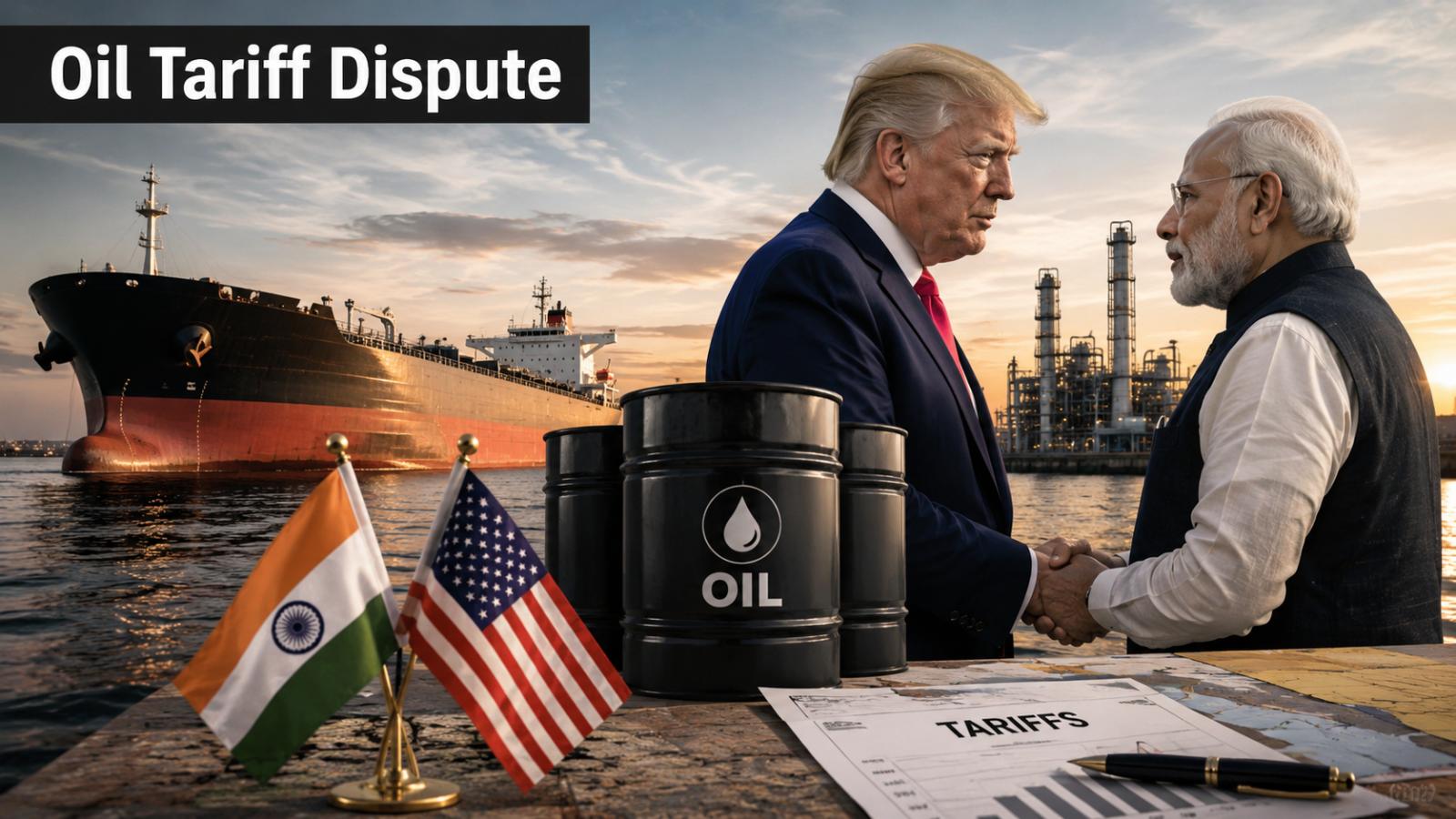
Peter Navarro says Donald Trump and Narendra Modi can manage the Russian oil tariff dispute as Congress advances a sanctions package targeting major Russian energy buyers. The Senate passed the bill 86-11, while an identical House companion was introduced on August 11, 2026.
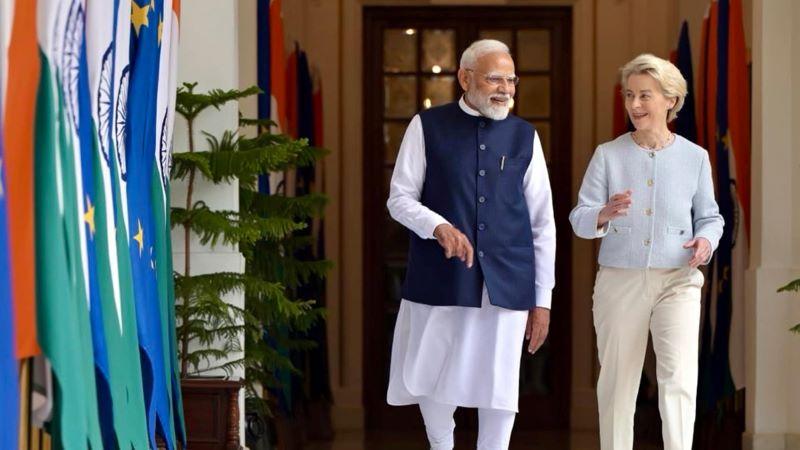
A bipartisan U.S. sanctions push targeting major buyers of Russian energy is putting renewed pressure on India-U.S. trade ties, but White House Senior Counselor for Trade and Manufacturing Peter Navarro says President Donald Trump and Indian Prime Minister Narendra Modi can handle the dispute directly.
Navarro points to Trump-Modi relationship
Navarro said Trump and Modi have a “very good working relationship” and indicated that the two leaders would work through differences linked to India’s purchases of Russian oil. He also repeated his criticism of India’s expanded role in the Russian crude trade after Moscow’s 2022 invasion of Ukraine, while saying the earlier dispute he described had been resolved.
Senate bill raises tariff risk
On Friday, August 7, 2026, the U.S. Senate passed the Lindsey O. Graham Sanctioning Russia and Iran Act of 2026 by an 86-11 vote. The legislation would authorize the president to impose tariffs of up to 100% on goods from the five largest purchasers of Russian oil or gas and the five countries most involved in Russian energy-sanctions evasion.
The bill also targets Russian officials, financial institutions, energy interests and Russia’s sanctions-evasion network, including its so-called shadow fleet. It also extends U.S. sanctions authority related to Iran.
India’s Russian crude trade stays in focus
India significantly expanded its purchases of Russian crude after Russia invaded Ukraine in 2022. New Delhi has defended its energy purchasing decisions as being guided by national interests, affordability and supply security.
The proposed tariff provisions could therefore become a major trade issue for India if the legislation becomes law and India falls within the countries covered by the measures. The bill is designed to pressure large Russian energy buyers to reduce revenue flowing to Moscow.
House action will determine next step
The Senate measure is not yet law. An identical bipartisan companion bill was introduced in the U.S. House of Representatives on Tuesday, August 11, 2026, by Republican Rep. Michael McCaul of Texas and Democratic Rep. Steny Hoyer of Maryland. Further congressional action would be required before the legislation could reach Trump for his signature.
The immediate question is whether Washington and New Delhi can contain the oil-related trade dispute through diplomacy while Congress considers sanctions that could directly affect some of the world’s largest buyers of Russian energy.