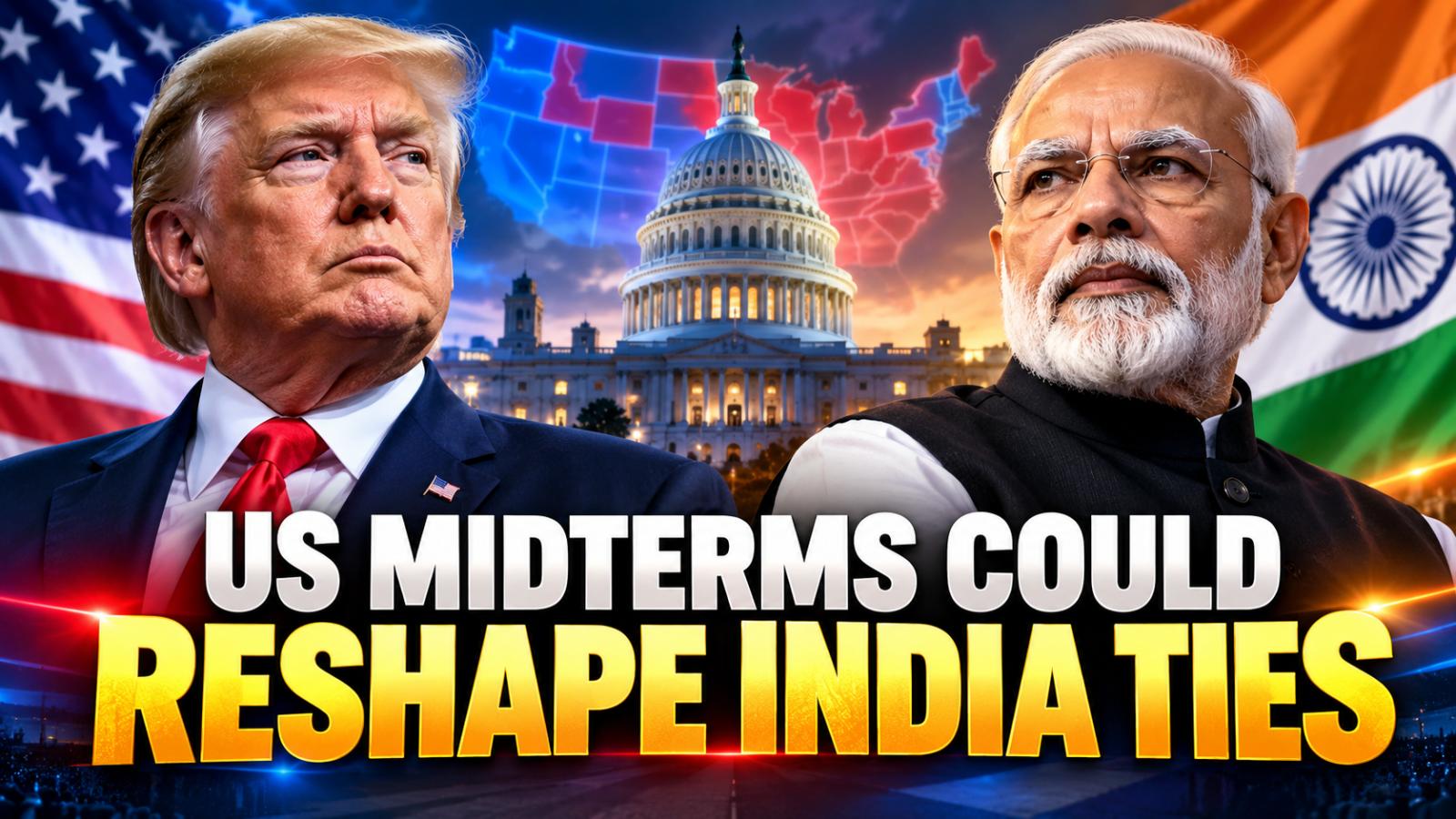
The US midterms impact India well beyond American domestic politics. A Democratic House could limit parts of President Donald Trump’s agenda, while India ties, Trump tariffs, Russia oil sanctions and Washington’s China strategy continue to shape New Delhi’s choices.
Dem House
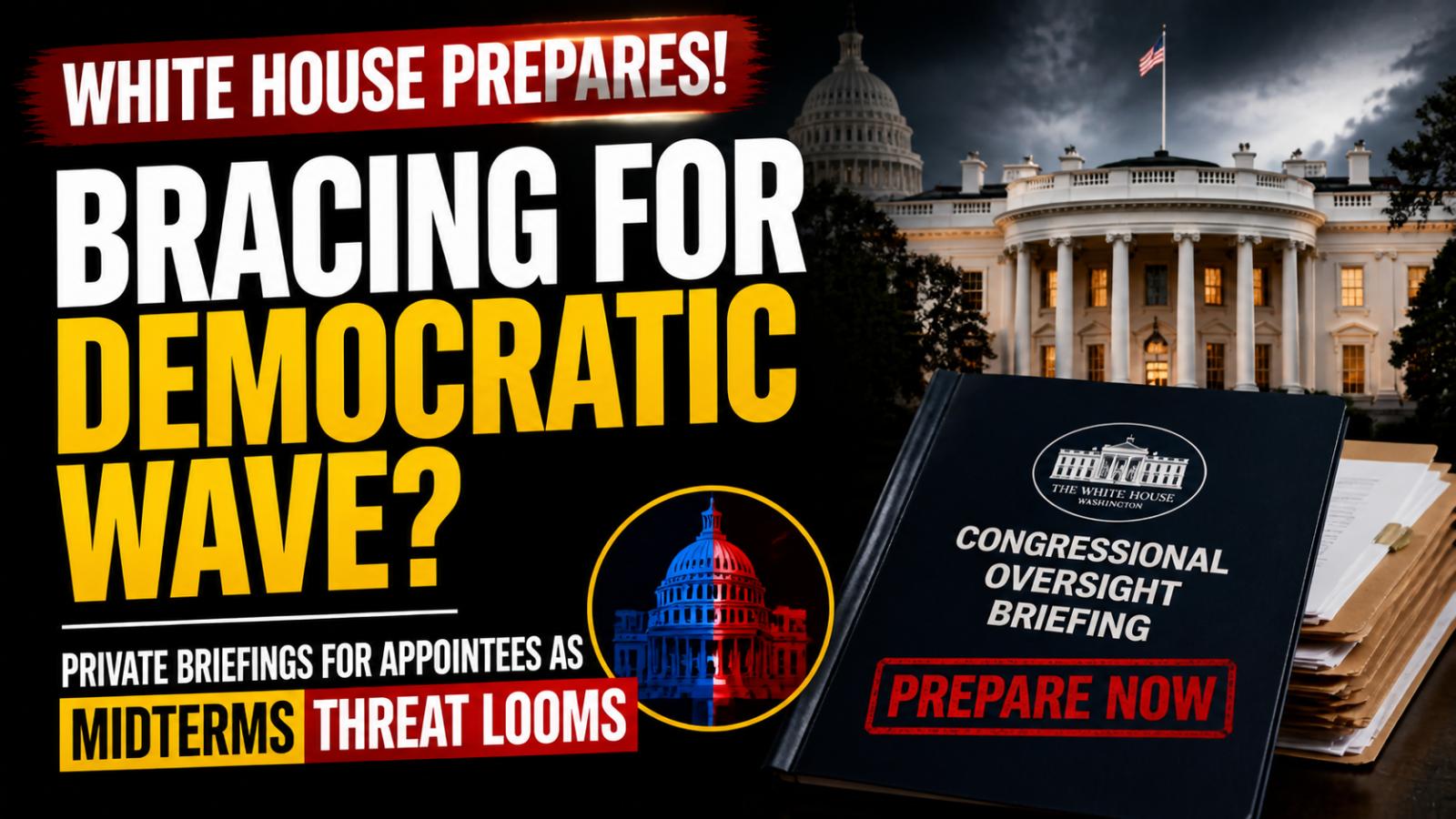
The November 3 midterm elections could produce a divided Congress at a sensitive time for India-US relations. Decision Desk HQ’s October 4 forecast gives Democrats a 76% probability of winning the House, while the Senate remains much closer. A Democratic House would not control US foreign policy, but it could increase congressional scrutiny of tariffs, spending and executive actions.
For India, that could create both opportunity and uncertainty. Democrats have often taken a more critical view of democratic institutions, minority rights and domestic political developments in India. At the same time, support for India as an Indo-Pacific security and economic partner has remained broadly bipartisan in Washington.
India ties
India and the United States still share deep interests in defence, technology, investment and supply-chain security. The two governments announced a framework for an interim trade agreement in February 2026, including a US reciprocal tariff rate of 18% on many Indian goods. However, broader bilateral negotiations remain unfinished.
Prime Minister Narendra Modi and Trump also spoke on September 30 about trade, defence, energy and emerging technologies, showing that both sides continue to seek cooperation despite growing commercial friction.
Trump tariffs
Trump’s tariff policy remains one of India’s main concerns. A Democratic-controlled House could challenge or investigate parts of the administration’s trade approach, but it would not automatically erase presidential tariff authority.
India therefore cannot assume that a change in congressional control would immediately produce friendlier trade terms. The practical question is whether Congress would constrain future tariff expansion while allowing negotiations on a broader US-India trade deal to continue.
Russia oil
Russia policy is even less likely to soften substantially after the midterms. Trump signed the Lindsey O. Graham Sanctioning Russia and Iran Act into law on September 18. The measure gives the president authority to impose tariffs of up to 100% on leading buyers of Russian energy and countries involved in sanctions evasion.
That matters directly to India because its energy relationship with Russia has repeatedly become part of Washington’s trade pressure. Democratic lawmakers had also raised concerns about the tariff powers contained in the sanctions legislation, showing that the debate cuts across party lines rather than fitting neatly into a Republican-versus-Democrat divide.
China
India’s bigger strategic challenge is avoiding the assumption that US competition with China will always translate into automatic support for New Delhi. Washington and Beijing remain rivals, but both also have strong incentives to manage trade, technology and security tensions without allowing every dispute to escalate.
For India, the midterms are therefore less about choosing between Democrats and Republicans and more about managing a US relationship that is increasingly transactional. New Delhi will still need Washington for technology, investment and defence while protecting its autonomy on Russia, China and trade.