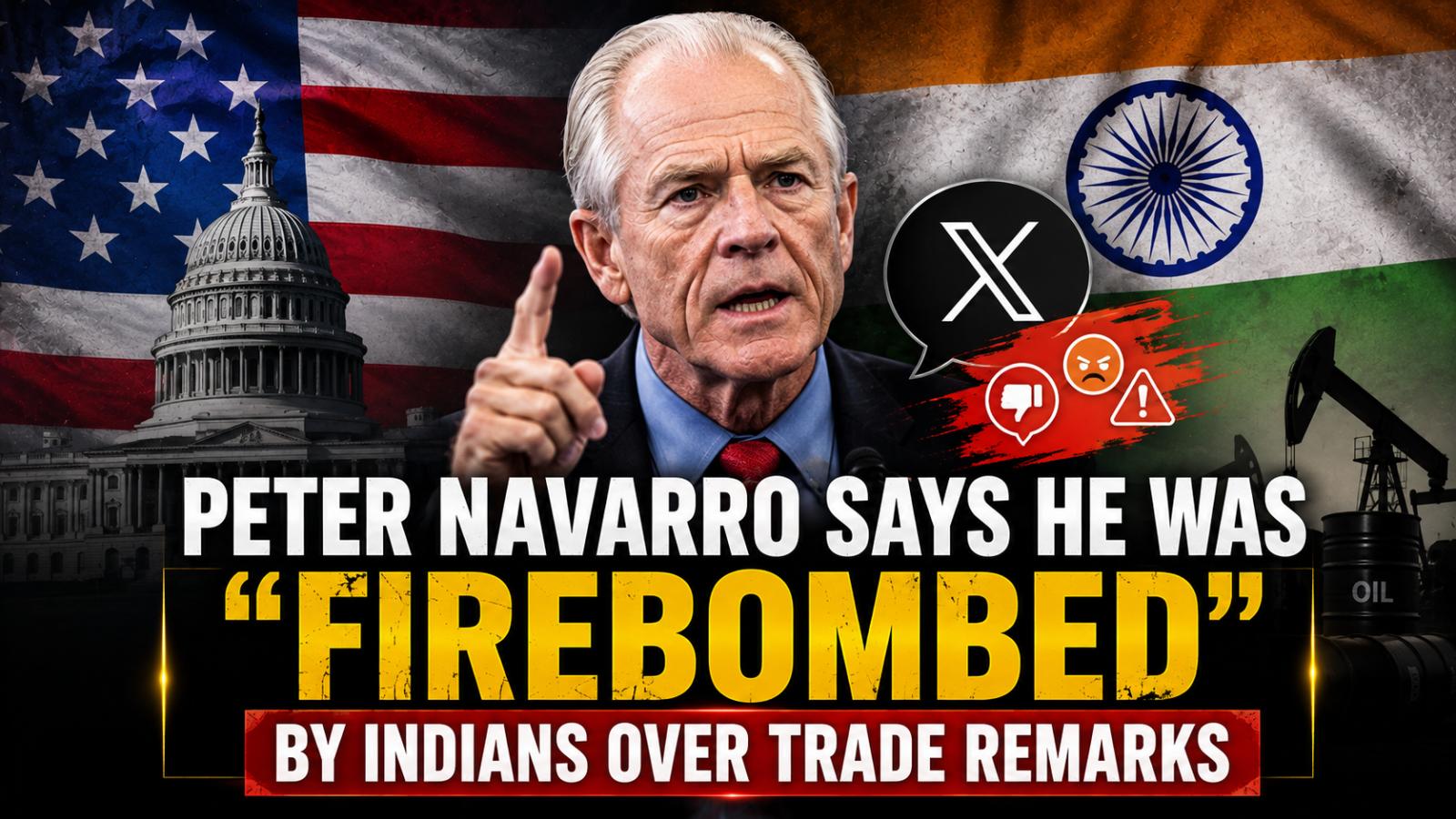
White House trade adviser Peter Navarro has again put US-India trade tensions in the spotlight after saying he was “firebombed” online by Indians over his criticism of New Delhi's tariff policies and purchases of Russian oil. His latest comments revive a controversy that began last year but come as Washington and New Delhi continue trying to manage their broader strategic and economic relationship.
India backlash follows Navarro's trade criticism
Speaking to reporters at the White House, Navarro said he had faced a wave of hostile online responses after repeatedly criticising India's trade policies. He urged critics not to engage in such attacks and argued that disputes should instead be handled through political and diplomatic channels.
At the same time, Navarro sought to separate his criticism of Indian policy from the relationship between President Donald Trump and Prime Minister Narendra Modi. He said the two leaders maintain a strong working relationship and suggested that disagreements over tariffs and Russian oil could ultimately be resolved.
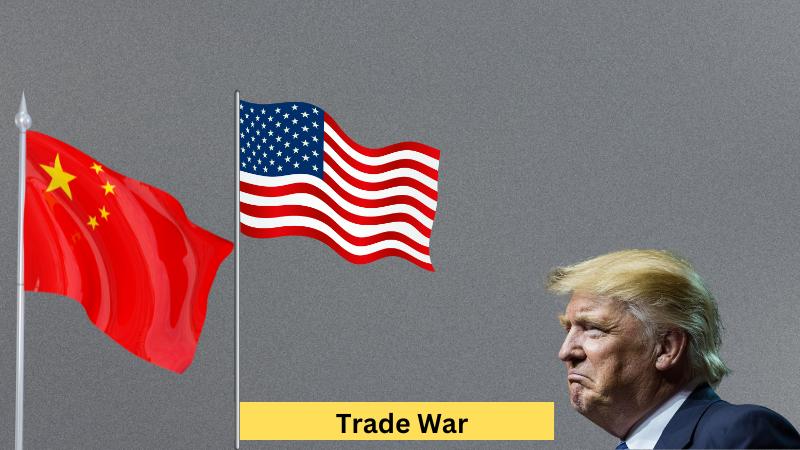
The episode highlights a recurring tension in US-India relations: both governments describe the partnership as strategically important, yet trade, energy and tariff disputes continue to generate sharp public rhetoric.
Russian oil row remains at centre of dispute
Navarro has been one of the Trump administration's most outspoken critics of India's purchases of discounted Russian crude. In 2025, he argued that those imports helped provide Moscow with revenue during the Ukraine war and called on New Delhi to stop buying Russian oil.
The Trump administration also linked additional tariffs on Indian goods to the Russian oil dispute, increasing pressure on New Delhi. India has repeatedly defended its purchases as necessary for national energy security and argued that it has been unfairly singled out while other countries continue maintaining economic links with Russia.
That disagreement remains more consequential than the social-media argument itself. Tariffs affect exporters, investment decisions and broader negotiations over market access, while India's energy policy is closely connected to global oil prices and its large domestic demand.
Brahmins remark fuelled earlier controversy
Navarro attracted particularly strong criticism in August 2025 after claiming that “Brahmins” were benefiting from India's purchases of Russian oil. The comment was widely criticised for using a caste reference to describe a complex trade and geopolitical issue.
He had also described India as a major tariff offender and accused the country of acting as a clearinghouse for Russian energy. Those comments prompted widespread criticism and satire online, turning what began as a policy dispute into a broader public-relations problem.
The backlash is relevant because it shows how quickly diplomatic disputes now move beyond government statements. Social-media users, political commentators and diaspora communities can shape the public tone of bilateral relations even when formal negotiations continue behind closed doors.
Community Notes dispute widened online clash
The confrontation intensified when Navarro accused Indian users of acting as “keyboard minions” and manipulating X's Community Notes system after several of his posts received crowdsourced contextual notes.
His own poll questioning the platform's fact-checking mechanism also produced an unfavourable result, with roughly three-quarters of respondents rejecting his argument. The episode turned Navarro himself into the subject of online ridicule and further amplified attention around his statements.
That does not mean every Community Note is automatically correct. The system depends on user participation and consensus, and research has shown that a relatively small number of highly active contributors can influence which notes become visible.
US India trade talks remain the bigger issue
Despite the rhetoric, the central issue remains whether Washington and New Delhi can narrow their differences over tariffs, market access and energy policy.
Trump and Modi have maintained an important strategic relationship, while India and the United States cooperate in defence, technology and Indo-Pacific security. Yet repeated public clashes over trade risk creating political friction around a partnership both governments have spent years building.
Navarro's latest comments therefore matter less as an internet dispute than as evidence of the difficult environment surrounding negotiations. The social-media backlash may dominate headlines, but the real test will be whether both governments can convert political goodwill at the leadership level into a workable trade settlement.