#tradewar
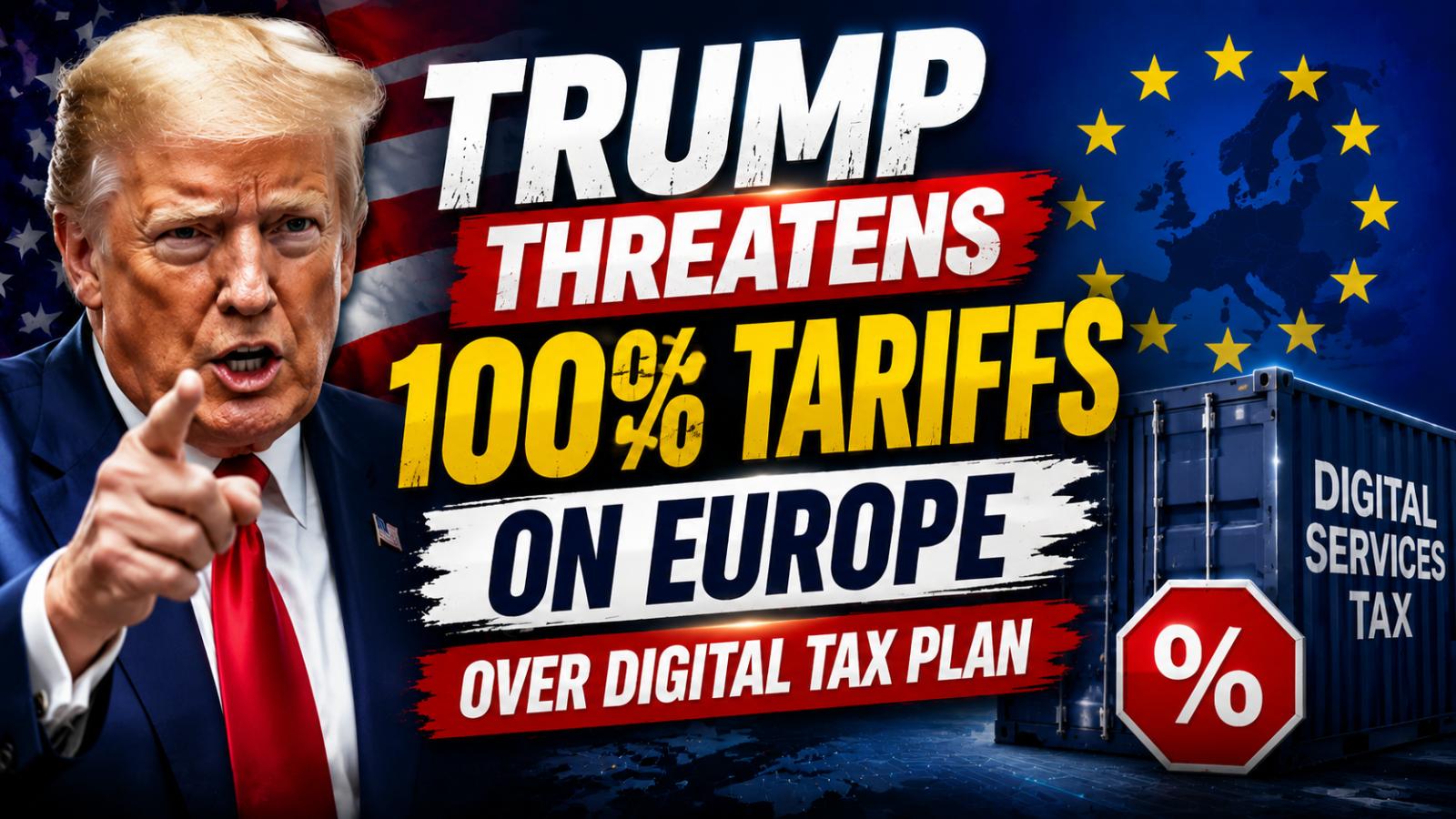
US–Europe trade tensions rise as Trump targets digital services taxes
US–Europe tensions escalate over digital taxation dispute US President Donald Trump has renewed tariff threats against European countries over proposed Digital Services Taxes targeting large technology companies. In a statement posted on his social media platform, he warned that nations introducing such taxes could face tariffs of up to 100 percent on goods exported
US–Europe trade tensions rise as Trump targets digital services taxes
US–Europe tensions escalate over digital taxation dispute US President Donald Trump has renewed tariff threats against European countries over proposed Digital Services Taxes targeting large technology companies. In a statement posted on his social media platform, he warned that nations introducing such taxes could face tariffs of up to 100 percent on goods exported
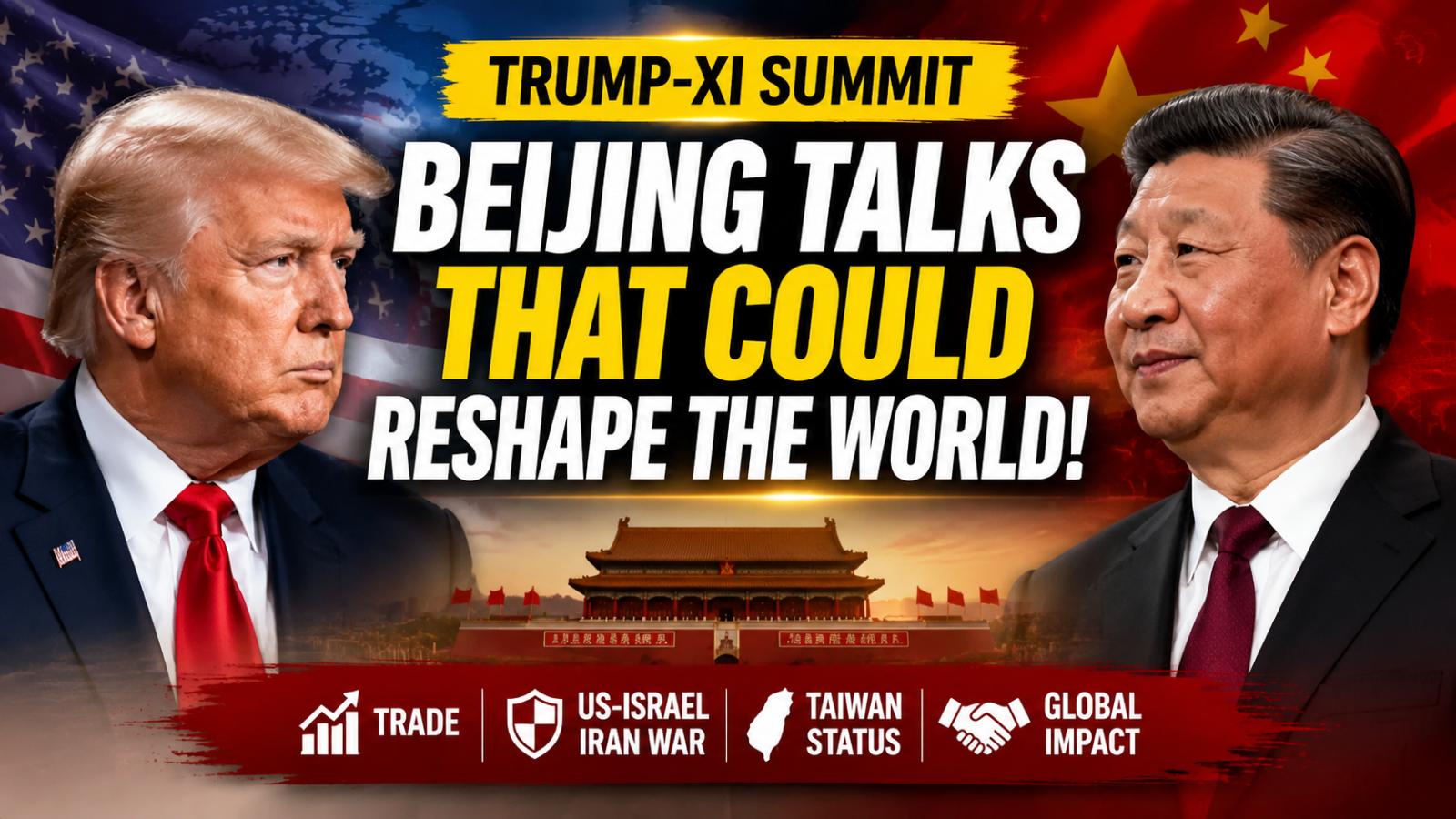
Historic US-China Summit: Trump and Xi Discuss Iran, Trade, and Taiwan in Beijing
Trump and Xi Jinping Meet in Beijing for Key Summit US President Donald Trump and Chinese President Xi Jinping are set to meet in Beijing for a highly anticipated three-day summit. This is Trump’s first visit to China in nearly a decade, making the meeting particularly significant. The summit is expected to focus on critical global issues, including the ongoing US-Israel war on Iran, trade relations between the two nations, and the status of Taiw
Historic US-China Summit: Trump and Xi Discuss Iran, Trade, and Taiwan in Beijing
Trump and Xi Jinping Meet in Beijing for Key Summit US President Donald Trump and Chinese President Xi Jinping are set to meet in Beijing for a highly anticipated three-day summit. This is Trump’s first visit to China in nearly a decade, making the meeting particularly significant. The summit is expected to focus on critical global issues, including the ongoing US-Israel war on Iran, trade relations between the two nations, and the status of Taiw
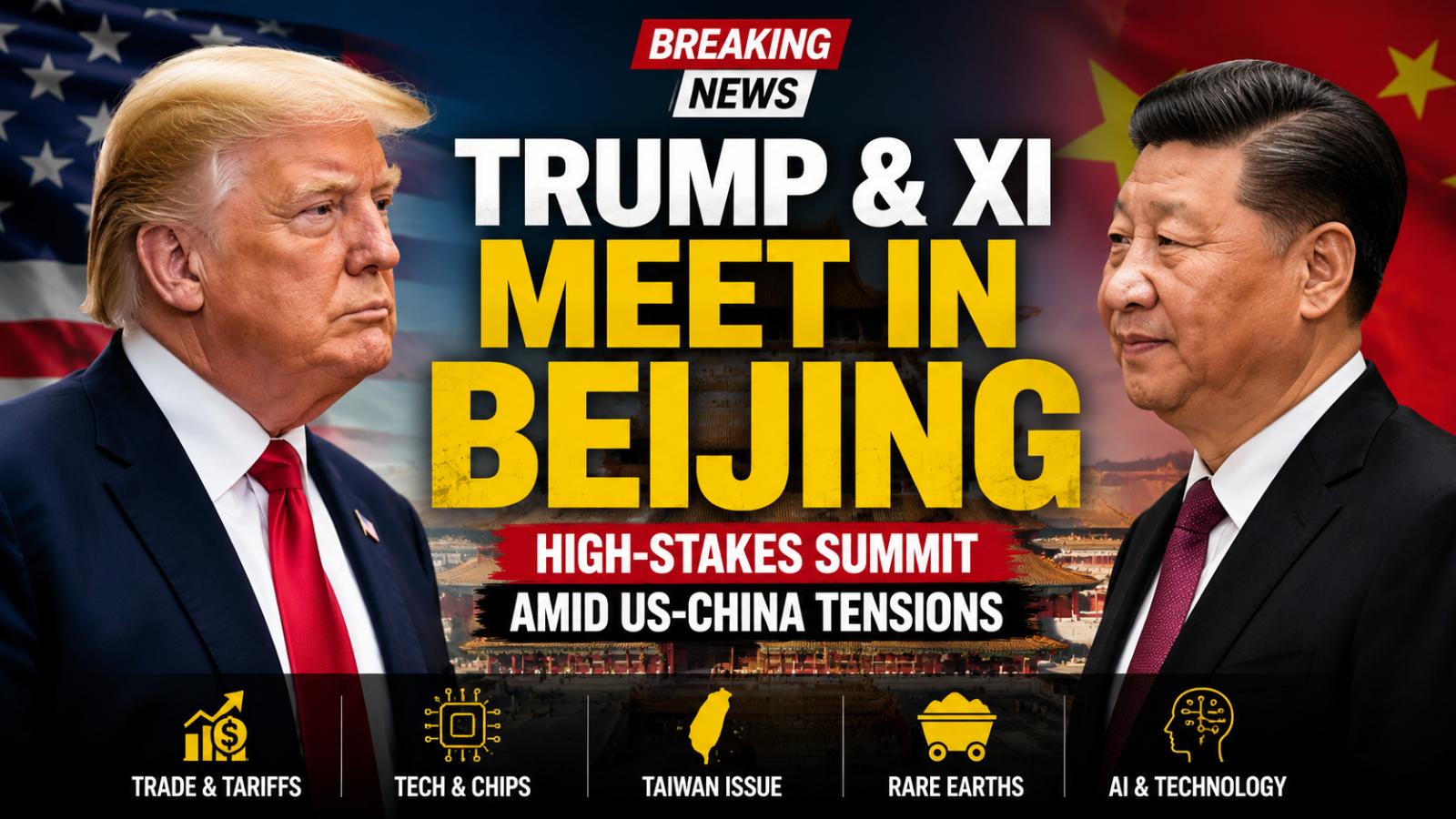
Trump and Xi Meet in Beijing Amid Rising US-China Trade Tensions
US President Donald Trump and Chinese President Xi Jinping are meeting in Beijing amid renewed efforts to prevent escalating tensions between the world’s two largest economies. The summit follows months of friction over tariffs, semiconductors, artificial intelligence, supply chains, and Taiwan, all of which have intensified competition between Washington and Beijing despite a temporary stabilisation agreement reached during the APEC summit in Busan, South Korea, in October 2025.
Trump and Xi Meet in Beijing Amid Rising US-China Trade Tensions
US President Donald Trump and Chinese President Xi Jinping are meeting in Beijing amid renewed efforts to prevent escalating tensions between the world’s two largest economies. The summit follows months of friction over tariffs, semiconductors, artificial intelligence, supply chains, and Taiwan, all of which have intensified competition between Washington and Beijing despite a temporary stabilisation agreement reached during the APEC summit in Busan, South Korea, in October 2025.
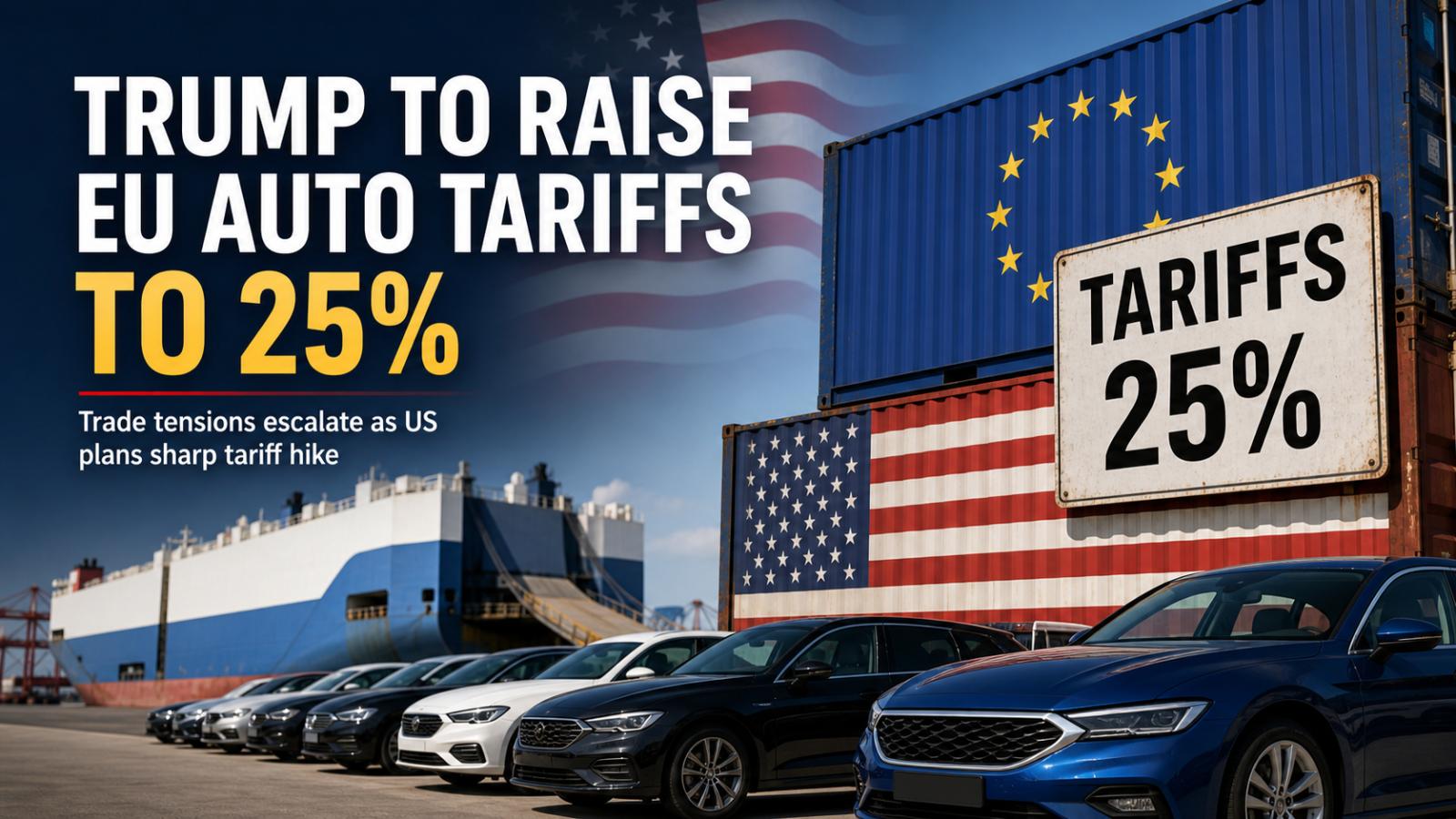
Will Trump raise EU auto tariffs to 25%? Yes, escalation risks trade tensions
Trump signals sharp increase in tariffs on EU vehicles WASHINGTON — On Friday, May 1, 2026, U.S. President Donald Trump announced plans to raise tariffs on cars and trucks imported from the European Union to 25%, signaling a significant shift in U.S.-EU trade policy. The move, shared publicly in a statement, comes at a time when global markets remain sensitive to policy changes and could trigger broader economic repercussions. Trump stated that the European Union was “not complying” with the previously agreed trade deal, though he did not provide specific details regarding the alleged violations. The announcement marks a departure from the earlier tariff framework negotiated between both sides. Background of the US-EU Turnberry trade framework The current dispute traces back to a bilateral agreement reached in July 2025 between Trump and Ursula von der Leyen, which set a 15% tariff ceiling on most traded goods. Known as the Turnberry Agreement, the arrangement aimed to stabilize trade relations and reduce uncertainty for industries on both sides of the Atlantic. Both the United States and the European Union had reaffirmed their commitment to maintaining this framework even after legal and policy challenges emerged earlier in 2026. Legal challenges reshape tariff authority The agreement’s stability was called into question after a ruling by the U.S. Supreme Court, which determined that the president lacked authority to impose tariffs under an economic emergency declaration. Following the ruling, tariff limits were effectively reduced, prompting the administration to explore alternative legal pathways to implement new import taxes. Ongoing investigations into trade imbalances and national security concerns have since been cited by the administration as justification for a revised tariff strategy, potentially putting the original agreement at risk. Economic stakes for EU and global markets The European Union has consistently emphasized the importance of maintaining agreed tariff limits, noting that the deal was expected to save its automotive sector between €500 million and €600 million monthly. Trade between the U.S. and EU reached approximately €1.7 trillion ($2 trillion) in 2024, highlighting the scale of economic interdependence. European officials have reiterated that commitments under the agreement should be upheld, stressing that EU exports must continue to benefit from competitive tariff treatment without unexpected increases. Rising tensions threaten trade stability The proposed tariff increase introduces fresh uncertainty into one of the world’s largest trading relationships. Analysts warn that such measures could disrupt supply chains, increase costs for manufacturers and consumers, and strain diplomatic ties. As the administration moves forward with its trade investigations, the future of the U.S.-EU trade framework remains uncertain, with potential implications extending beyond the automotive sector into the broader global economy.
Will Trump raise EU auto tariffs to 25%? Yes, escalation risks trade tensions
Trump signals sharp increase in tariffs on EU vehicles WASHINGTON — On Friday, May 1, 2026, U.S. President Donald Trump announced plans to raise tariffs on cars and trucks imported from the European Union to 25%, signaling a significant shift in U.S.-EU trade policy. The move, shared publicly in a statement, comes at a time when global markets remain sensitive to policy changes and could trigger broader economic repercussions. Trump stated that the European Union was “not complying” with the previously agreed trade deal, though he did not provide specific details regarding the alleged violations. The announcement marks a departure from the earlier tariff framework negotiated between both sides. Background of the US-EU Turnberry trade framework The current dispute traces back to a bilateral agreement reached in July 2025 between Trump and Ursula von der Leyen, which set a 15% tariff ceiling on most traded goods. Known as the Turnberry Agreement, the arrangement aimed to stabilize trade relations and reduce uncertainty for industries on both sides of the Atlantic. Both the United States and the European Union had reaffirmed their commitment to maintaining this framework even after legal and policy challenges emerged earlier in 2026. Legal challenges reshape tariff authority The agreement’s stability was called into question after a ruling by the U.S. Supreme Court, which determined that the president lacked authority to impose tariffs under an economic emergency declaration. Following the ruling, tariff limits were effectively reduced, prompting the administration to explore alternative legal pathways to implement new import taxes. Ongoing investigations into trade imbalances and national security concerns have since been cited by the administration as justification for a revised tariff strategy, potentially putting the original agreement at risk. Economic stakes for EU and global markets The European Union has consistently emphasized the importance of maintaining agreed tariff limits, noting that the deal was expected to save its automotive sector between €500 million and €600 million monthly. Trade between the U.S. and EU reached approximately €1.7 trillion ($2 trillion) in 2024, highlighting the scale of economic interdependence. European officials have reiterated that commitments under the agreement should be upheld, stressing that EU exports must continue to benefit from competitive tariff treatment without unexpected increases. Rising tensions threaten trade stability The proposed tariff increase introduces fresh uncertainty into one of the world’s largest trading relationships. Analysts warn that such measures could disrupt supply chains, increase costs for manufacturers and consumers, and strain diplomatic ties. As the administration moves forward with its trade investigations, the future of the U.S.-EU trade framework remains uncertain, with potential implications extending beyond the automotive sector into the broader global economy.
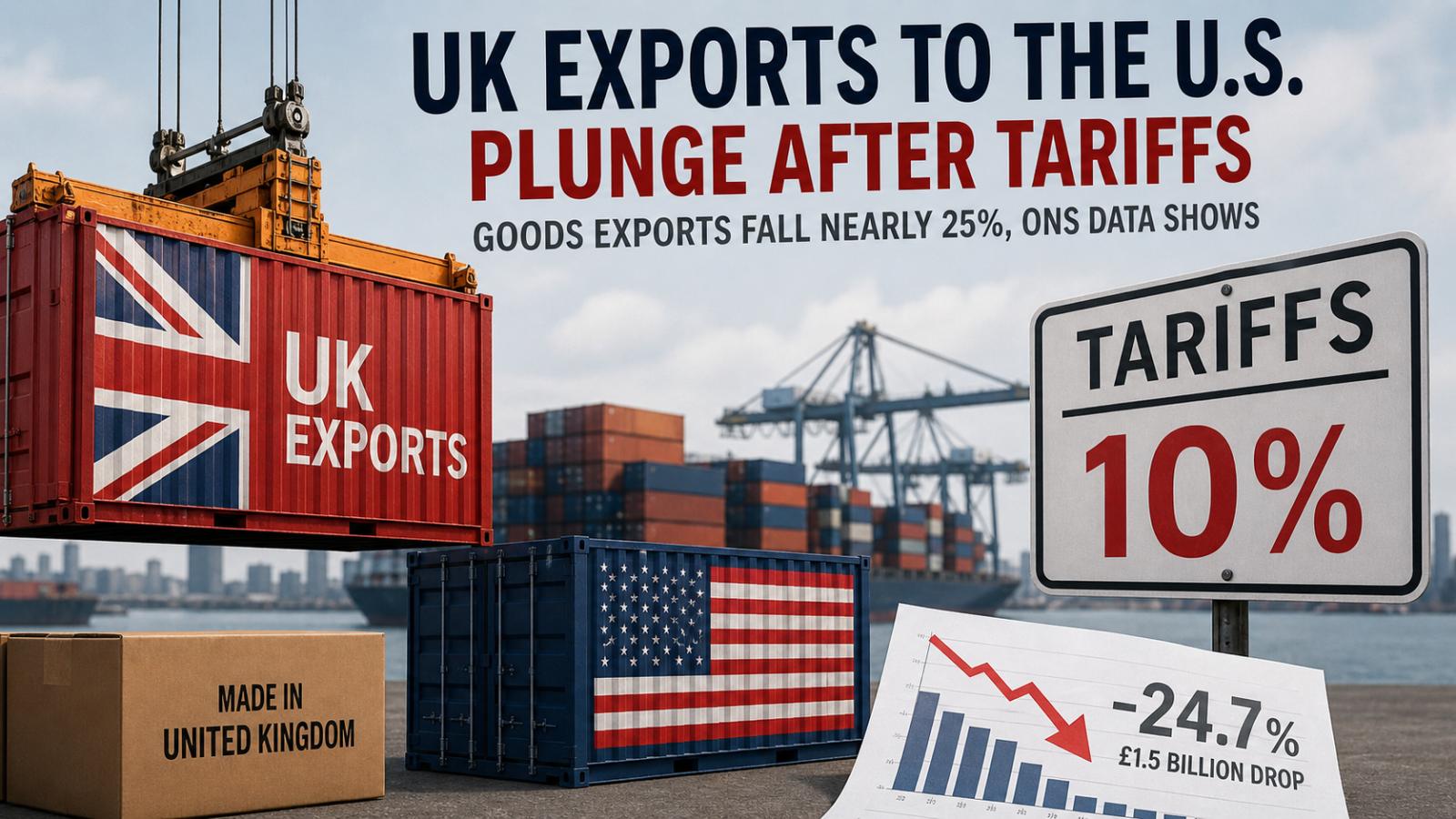
What caused U.K. exports to the U.S. to fall? Tariffs cut goods by nearly 25%
Tariffs trigger sharp decline in U.K. exports to the U.S. What caused U.K. exports to the U.S. to fall? Tariffs cut goods by nearly 25% as official data shows a steep decline in trade flows following sweeping tariff measures. According to figures released Friday by the Office for National Statistics, goods exports from the United Kingdom to the United States dropped by £1.5 billion, marking a 24.7% decrease after tariffs were introduced. The data, which excludes precious metals, highlights the immediate and sustained impact of trade policy changes initiated under Donald Trump. The tariffs, introduced as part of a broader “liberation day” strategy, disrupted established trading patterns between the two countries, which had previously benefited from largely tariff-free exchanges. Automotive and key sectors remain below pre-tariff levels The downturn has been particularly evident in the automotive sector, where U.K. car exports to the U.S. have remained below pre-tariff levels for the 12 months since April 2025. Analysts note that the continued weakness reflects both higher costs and reduced competitiveness in the American market. While exports have struggled, imports from the United States into the U.K. increased at the beginning of 2026. This imbalance has resulted in a trade deficit for three consecutive months, underscoring the broader economic consequences of the tariff regime on bilateral trade. Trade deal reshapes transatlantic economic ties The United Kingdom was the first nation to secure a post-tariff trade agreement with the U.S., following the introduction of the new measures. The deal included a 10% blanket tariff on goods entering the American market, effectively ending the previous zero-tariff environment that had benefited exporters on both sides. The new framework also imposed duties on key British exports, including Scotch whisky and other spirits. However, in a recent development, Trump announced plans to remove tariffs on Scotch whisky “in honor” of King Charles III and Queen Camilla following their state visit. Despite this move, industry experts caution that relief in one sector is unlikely to offset broader trade declines. Economic pressures weigh on exporters and growth outlook Economists warn that the sustained drop in exports could have wider implications for the U.K. economy. The United States remains the country’s largest export market, making the scale of the downturn particularly significant. Samuel Edwards, head of client portfolio management at Ebury, said exporters are facing mounting challenges. He pointed to a combination of higher trading costs from tariffs, increased employment expenses, and rising input prices, all of which are squeezing profit margins. These overlapping pressures are making it more difficult for U.K. businesses to remain competitive internationally, raising concerns about long-term growth and stability in the evolving global trade environment.
What caused U.K. exports to the U.S. to fall? Tariffs cut goods by nearly 25%
Tariffs trigger sharp decline in U.K. exports to the U.S. What caused U.K. exports to the U.S. to fall? Tariffs cut goods by nearly 25% as official data shows a steep decline in trade flows following sweeping tariff measures. According to figures released Friday by the Office for National Statistics, goods exports from the United Kingdom to the United States dropped by £1.5 billion, marking a 24.7% decrease after tariffs were introduced. The data, which excludes precious metals, highlights the immediate and sustained impact of trade policy changes initiated under Donald Trump. The tariffs, introduced as part of a broader “liberation day” strategy, disrupted established trading patterns between the two countries, which had previously benefited from largely tariff-free exchanges. Automotive and key sectors remain below pre-tariff levels The downturn has been particularly evident in the automotive sector, where U.K. car exports to the U.S. have remained below pre-tariff levels for the 12 months since April 2025. Analysts note that the continued weakness reflects both higher costs and reduced competitiveness in the American market. While exports have struggled, imports from the United States into the U.K. increased at the beginning of 2026. This imbalance has resulted in a trade deficit for three consecutive months, underscoring the broader economic consequences of the tariff regime on bilateral trade. Trade deal reshapes transatlantic economic ties The United Kingdom was the first nation to secure a post-tariff trade agreement with the U.S., following the introduction of the new measures. The deal included a 10% blanket tariff on goods entering the American market, effectively ending the previous zero-tariff environment that had benefited exporters on both sides. The new framework also imposed duties on key British exports, including Scotch whisky and other spirits. However, in a recent development, Trump announced plans to remove tariffs on Scotch whisky “in honor” of King Charles III and Queen Camilla following their state visit. Despite this move, industry experts caution that relief in one sector is unlikely to offset broader trade declines. Economic pressures weigh on exporters and growth outlook Economists warn that the sustained drop in exports could have wider implications for the U.K. economy. The United States remains the country’s largest export market, making the scale of the downturn particularly significant. Samuel Edwards, head of client portfolio management at Ebury, said exporters are facing mounting challenges. He pointed to a combination of higher trading costs from tariffs, increased employment expenses, and rising input prices, all of which are squeezing profit margins. These overlapping pressures are making it more difficult for U.K. businesses to remain competitive internationally, raising concerns about long-term growth and stability in the evolving global trade environment.
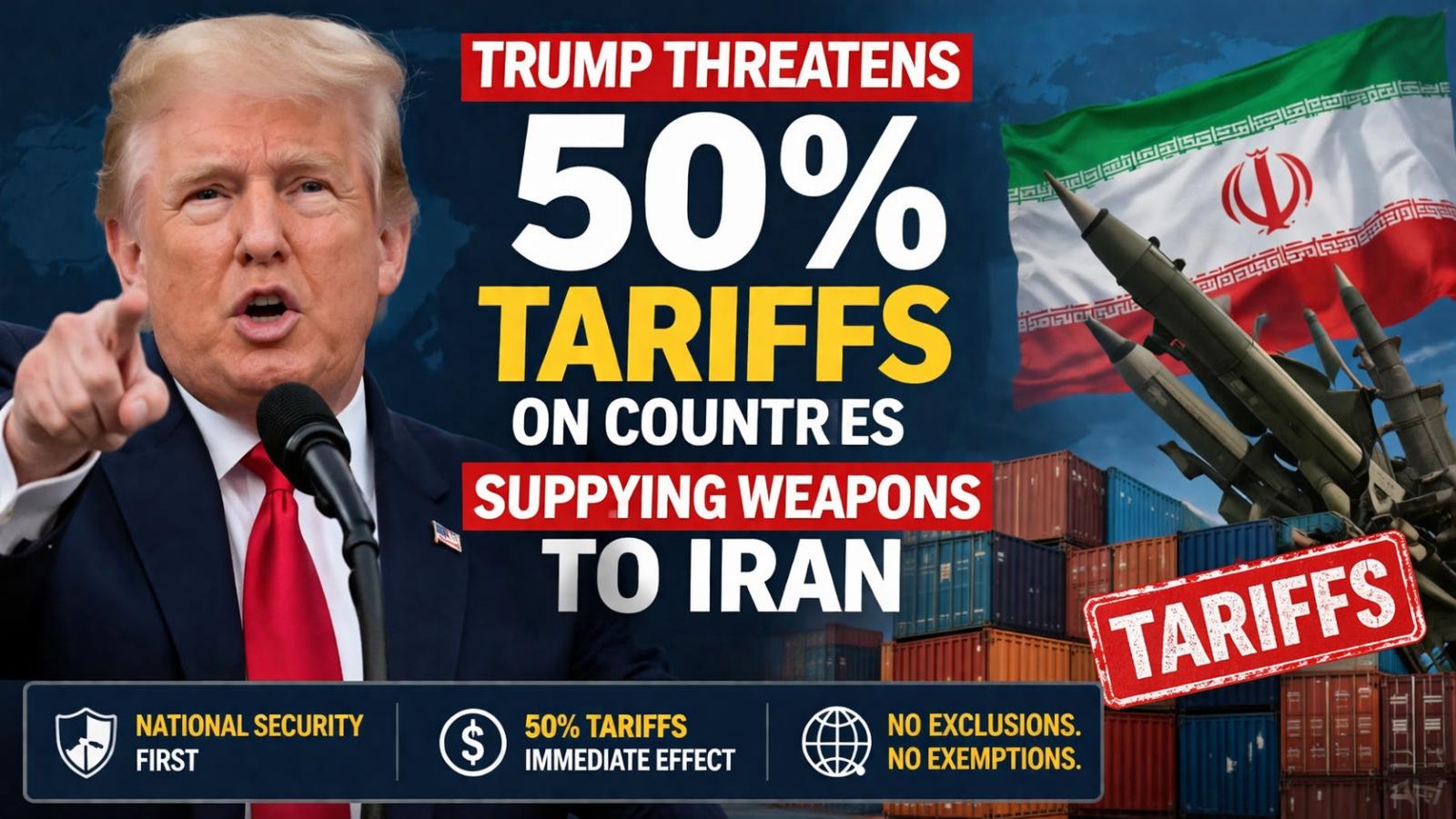
Trump threatens 50% tariffs on countries supplying weapons to Iran
U.S. President Donald Trump announced that the United States will impose tariffs of 50% on goods imported from any country found to be supplying military weapons to Iran, marking a sharp escalation in trade measures tied to geopolitical tensions. In a statement posted on Wednesday, April 8, 2026 (local U.S. time), Trump said the tariffs would take effect immediately and apply broadly. He emphasized that there would be no “exclusions or exemptions,” warning that “any and all” g
Trump threatens 50% tariffs on countries supplying weapons to Iran
U.S. President Donald Trump announced that the United States will impose tariffs of 50% on goods imported from any country found to be supplying military weapons to Iran, marking a sharp escalation in trade measures tied to geopolitical tensions. In a statement posted on Wednesday, April 8, 2026 (local U.S. time), Trump said the tariffs would take effect immediately and apply broadly. He emphasized that there would be no “exclusions or exemptions,” warning that “any and all” g
Trump threatens 50% tariffs on Canadian aircraft amid certification dispute
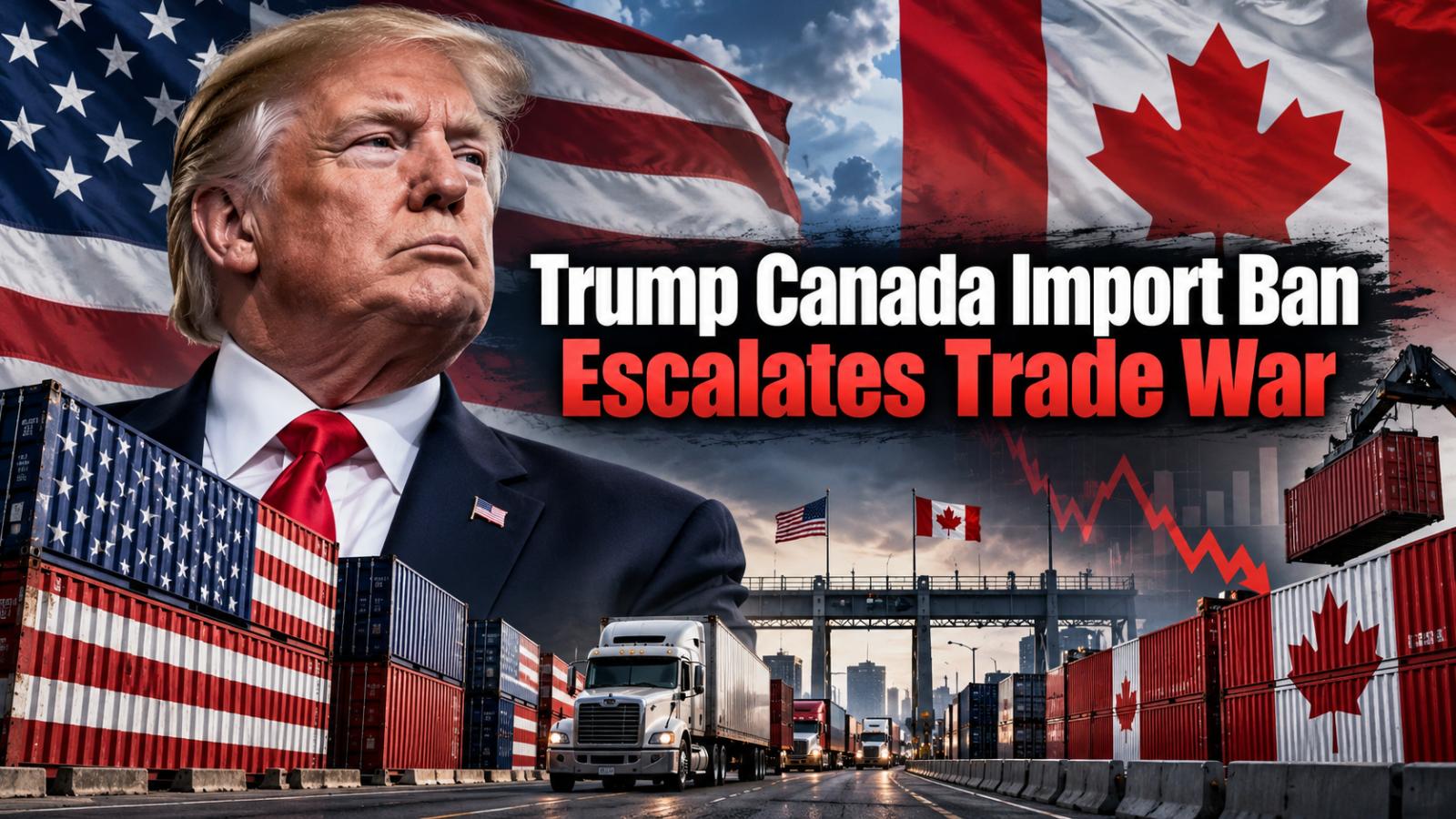
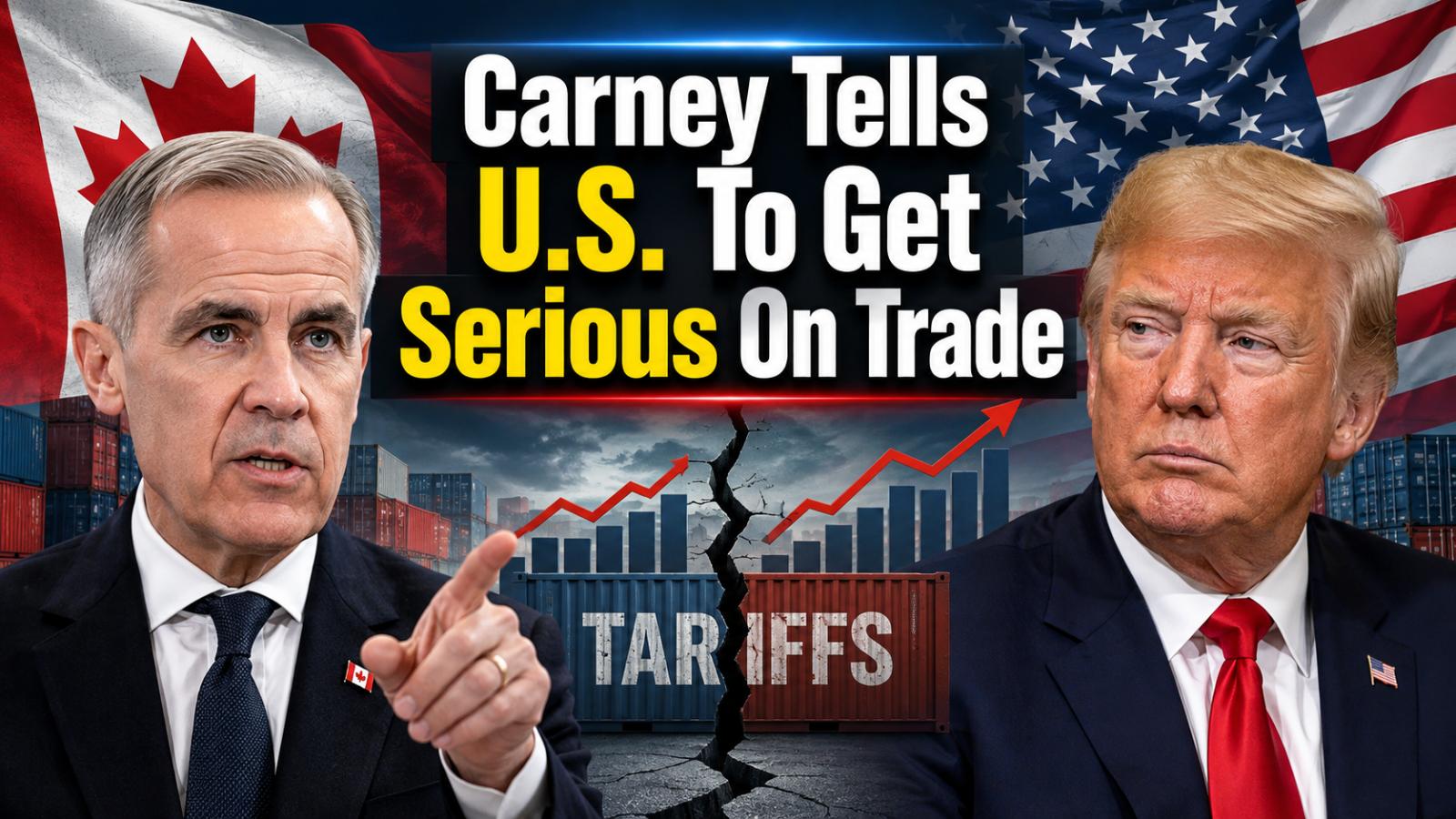
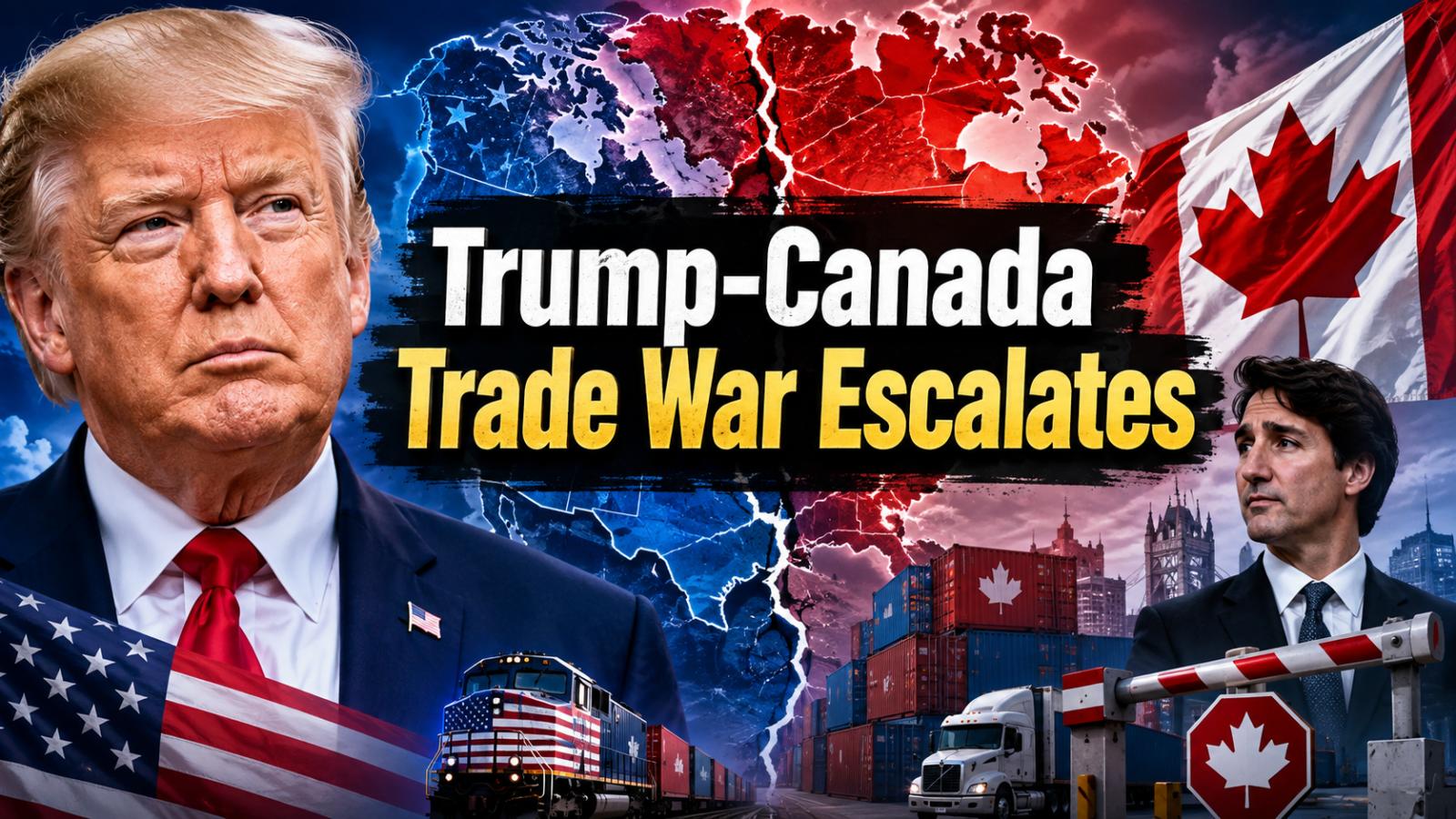
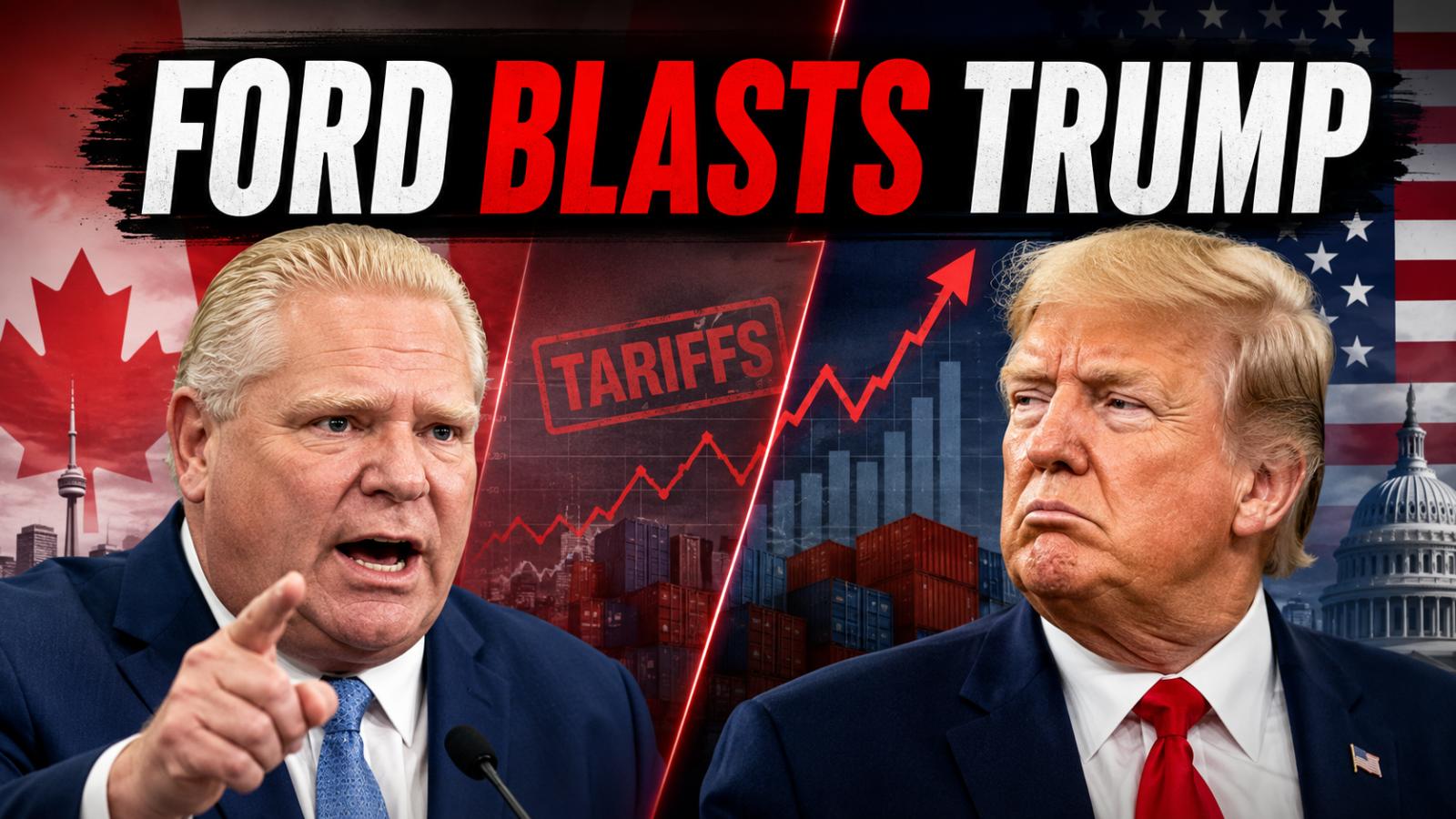
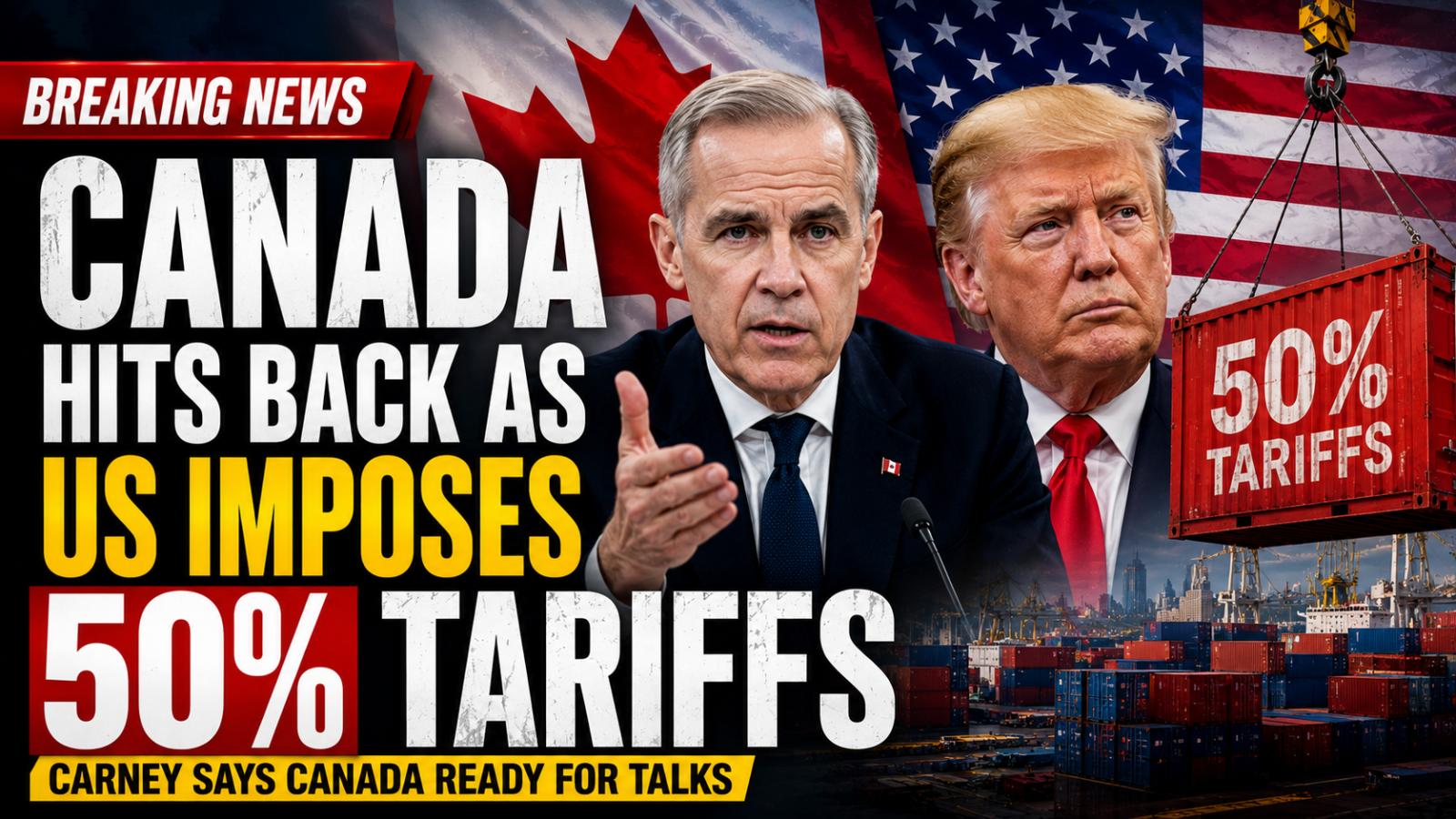
US President Donald Trump has intensified trade tensions with Canada by threatening to impose sweeping tariffs on Canadian-made aircraft, opening a new chapter in an already strained bilateral relationship. In a statement issued on Thursday, Trump said the United States could levy tariffs of up to 50 per cent on aircraft sold from Canada into the US market, citing what he described as Canada’s refusal to certify American-made business jets. The president also announced plans to decertify all aircraft manufactured in Canada for use in the United States, a move he said would remain in effect until Canadian regulators approve a series of jets produced by Gulfstream Aerospace. The warning was delivered through a post on Truth Social, where Trump accused Canadian authorities of erecting regulatory barriers that unfairly block American products. In his remarks, Trump singled out the Bombardier Global Express business jet, which is manufactured in Quebec, arguing that Ottawa has benefited from access to the US market while allegedly denying similar treatment to American manufacturers. He claimed Canada had “wrongfully and illegally” refused to certify the Gulfstream 500, 600, 700, and 800 models, which he described as among the most advanced aircraft in the world. According to Trump, the lack of certification effectively prevents Gulfstream from selling its jets in Canada. Trump warned that unless the situation is resolved immediately, the United States would move forward with punitive tariffs on all aircraft imported from Canada. He framed the threat as a matter of fairness and reciprocity, asserting that American companies should not face obstacles abroad while foreign competitors enjoy broad access to the US market. The aircraft dispute is the latest flashpoint in a broader deterioration of relations between the United States and Canada since Trump returned to office last year. Political and economic friction between the two long-time allies has grown steadily, with trade policy emerging as a central source of conflict. Earlier the same day as Trump’s comments, Canadian Prime Minister Mark Carney publicly urged Washington to respect Canadian sovereignty, following reports of contacts between US officials and Alberta separatist groups. Trade tensions have also been fueled by Canada’s recent diplomatic engagement with China. Trump has repeatedly warned Ottawa against deepening economic ties with Beijing, arguing that such moves could undermine US interests. He has threatened to impose tariffs as high as 100 per cent on Canadian goods if Canada proceeds with a trade agreement with China, a warning he reiterated over the weekend. In a series of earlier social media posts, Trump mocked Carney by referring to him as “Governor” and cautioned that Canada should not act as a conduit for Chinese goods entering the US market. He claimed that closer ties with Beijing would leave Canada economically vulnerable and pledged swift retaliation if such an agreement were finalized. The remarks came shortly after Carney visited Beijing, marking the first visit by a Canadian leader to China in nearly a decade. The escalating rhetoric underscores the growing uncertainty surrounding North American trade and the aerospace sector in particular. With aircraft manufacturing representing a significant industry for both countries, analysts say prolonged disputes over certification and tariffs could have far-reaching economic consequences. For now, the standoff highlights how regulatory disagreements and geopolitical concerns are increasingly shaping trade relations between Washington and Ottawa.


Trump threatens 50% tariffs on Canadian aircraft amid certification dispute
US President Donald Trump has intensified trade tensions with Canada by threatening to impose sweeping tariffs on Canadian-made aircraft, opening a new chapter in an already strained bilateral relationship. In a statement issued on Thursday, Trump said the United States could levy tariffs of up to 50 per cent on aircraft sold from Canada into the US market, citing what he described as Canada’s refusal to certify American-made business jets. The president also announced plans to decertify all aircraft manufactured in Canada for use in the United States, a move he said would remain in effect until Canadian regulators approve a series of jets produced by Gulfstream Aerospace. The warning was delivered through a post on Truth Social, where Trump accused Canadian authorities of erecting regulatory barriers that unfairly block American products. In his remarks, Trump singled out the Bombardier Global Express business jet, which is manufactured in Quebec, arguing that Ottawa has benefited from access to the US market while allegedly denying similar treatment to American manufacturers. He claimed Canada had “wrongfully and illegally” refused to certify the Gulfstream 500, 600, 700, and 800 models, which he described as among the most advanced aircraft in the world. According to Trump, the lack of certification effectively prevents Gulfstream from selling its jets in Canada. Trump warned that unless the situation is resolved immediately, the United States would move forward with punitive tariffs on all aircraft imported from Canada. He framed the threat as a matter of fairness and reciprocity, asserting that American companies should not face obstacles abroad while foreign competitors enjoy broad access to the US market. The aircraft dispute is the latest flashpoint in a broader deterioration of relations between the United States and Canada since Trump returned to office last year. Political and economic friction between the two long-time allies has grown steadily, with trade policy emerging as a central source of conflict. Earlier the same day as Trump’s comments, Canadian Prime Minister Mark Carney publicly urged Washington to respect Canadian sovereignty, following reports of contacts between US officials and Alberta separatist groups. Trade tensions have also been fueled by Canada’s recent diplomatic engagement with China. Trump has repeatedly warned Ottawa against deepening economic ties with Beijing, arguing that such moves could undermine US interests. He has threatened to impose tariffs as high as 100 per cent on Canadian goods if Canada proceeds with a trade agreement with China, a warning he reiterated over the weekend. In a series of earlier social media posts, Trump mocked Carney by referring to him as “Governor” and cautioned that Canada should not act as a conduit for Chinese goods entering the US market. He claimed that closer ties with Beijing would leave Canada economically vulnerable and pledged swift retaliation if such an agreement were finalized. The remarks came shortly after Carney visited Beijing, marking the first visit by a Canadian leader to China in nearly a decade. The escalating rhetoric underscores the growing uncertainty surrounding North American trade and the aerospace sector in particular. With aircraft manufacturing representing a significant industry for both countries, analysts say prolonged disputes over certification and tariffs could have far-reaching economic consequences. For now, the standoff highlights how regulatory disagreements and geopolitical concerns are increasingly shaping trade relations between Washington and Ottawa.
Sell America trade accelerates as Trump–Europe tensions shake global markets
Global financial markets moved sharply lower Tuesday as renewed political tensions between the United States and Europe triggered a broad sell America trade, prompting investors to reduce exposure to U.S. assets. The shift came after President Donald Trump escalated rhetoric surrounding Greenland and proposed new tariffs targeting several European countries, reviving fears of a widening trade conflict and long-term economic fallout. U.S. bond prices fell steeply, pushing Treasury yi
Sell America trade accelerates as Trump–Europe tensions shake global markets
Global financial markets moved sharply lower Tuesday as renewed political tensions between the United States and Europe triggered a broad sell America trade, prompting investors to reduce exposure to U.S. assets. The shift came after President Donald Trump escalated rhetoric surrounding Greenland and proposed new tariffs targeting several European countries, reviving fears of a widening trade conflict and long-term economic fallout. U.S. bond prices fell steeply, pushing Treasury yi
Donald Trump defends tariff policy, claims U.S. economy is thriving
United States President Donald Trump has once again defended his administration’s tariff policies, claiming that the strategy has played a major role in strengthening the U.S. economy and boosting the stock market. Since returning to office for his second term, Trump has emphasized a renewed focus on economic nationalism, arguing that countries trading with the United States must pay tariffs determined by the government to protect American interests. In his latest remarks, Trump a
Donald Trump defends tariff policy, claims U.S. economy is thriving
United States President Donald Trump has once again defended his administration’s tariff policies, claiming that the strategy has played a major role in strengthening the U.S. economy and boosting the stock market. Since returning to office for his second term, Trump has emphasized a renewed focus on economic nationalism, arguing that countries trading with the United States must pay tariffs determined by the government to protect American interests. In his latest remarks, Trump a
Trump Admits 100% Tariff “Not Sustainable” Ahead of Xi Meeting
U.S. President Donald Trump conceded in a recent interview that imposing a 100% tariff on Chinese imports would not be a lasting policy, saying, “It’s not sustainable, but that’s what the number is.” He asserted that Beijing “forced me to do that,” pointing to China’s tighter export controls—especially on rare earth elements—as justification for the heightened measur
Trump Admits 100% Tariff “Not Sustainable” Ahead of Xi Meeting
U.S. President Donald Trump conceded in a recent interview that imposing a 100% tariff on Chinese imports would not be a lasting policy, saying, “It’s not sustainable, but that’s what the number is.” He asserted that Beijing “forced me to do that,” pointing to China’s tighter export controls—especially on rare earth elements—as justification for the heightened measur
Trump warns China of 100% tariffs amid escalating rare earth dispute
The United States has warned that steep tariffs could soon be imposed on China if Beijing proceeds with its newly announced restrictions on rare earth exports, heightening concerns of another trade confrontation between the two largest economies in the world. U.S. Trade Representative Jamieson Greer said Tuesday that the decision now rests largely on China’s next actions, suggesting that the situation remains fluid in the run-up to a crucial diplomatic meeting later this month. Pr
Trump warns China of 100% tariffs amid escalating rare earth dispute
The United States has warned that steep tariffs could soon be imposed on China if Beijing proceeds with its newly announced restrictions on rare earth exports, heightening concerns of another trade confrontation between the two largest economies in the world. U.S. Trade Representative Jamieson Greer said Tuesday that the decision now rests largely on China’s next actions, suggesting that the situation remains fluid in the run-up to a crucial diplomatic meeting later this month. Pr
PM Modi Says India Won’t Depend On Anyone, Pushes Swadeshi Goods Amid US Tariff War
Prime Minister Narendra Modi sent a strong message of economic self-reliance while inaugurating the Uttar Pradesh International Trade Show in Greater Noida. Against the backdrop of a tariff war with the United States, Modi said that “India is not ready to be dependent on anyone.” He urged traders and manufacturers to embrace the vision of Atmanirbhar Bharat by focusing on local production and promoting swadeshi goods.
PM Modi Says India Won’t Depend On Anyone, Pushes Swadeshi Goods Amid US Tariff War
Prime Minister Narendra Modi sent a strong message of economic self-reliance while inaugurating the Uttar Pradesh International Trade Show in Greater Noida. Against the backdrop of a tariff war with the United States, Modi said that “India is not ready to be dependent on anyone.” He urged traders and manufacturers to embrace the vision of Atmanirbhar Bharat by focusing on local production and promoting swadeshi goods.
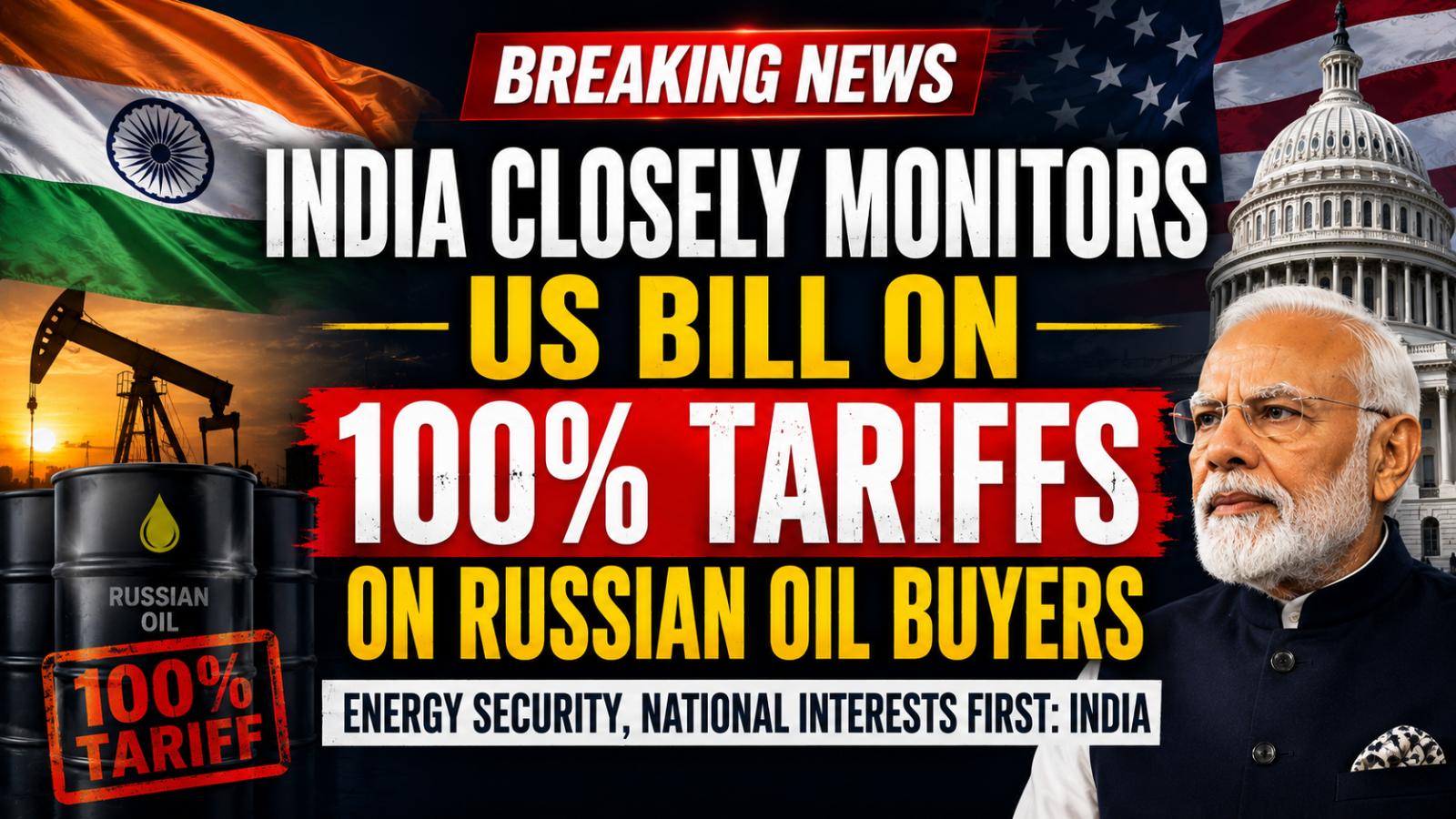
Trump tariffs on India over Russian oil spark contradictions in US policy
The imposition of tariffs on India by President Donald Trump has triggered widespread debate in policy circles, not only in India but also in the United States, where senior officials have issued contradictory statements about the rationale behind this decision. Trump recently announced a 50 per cent tariff on India as a punishment for purchasing Russian oil, but in a move that has raised eyebrows, he refrained from imposing any similar measures on China, a cou
Trump tariffs on India over Russian oil spark contradictions in US policy
The imposition of tariffs on India by President Donald Trump has triggered widespread debate in policy circles, not only in India but also in the United States, where senior officials have issued contradictory statements about the rationale behind this decision. Trump recently announced a 50 per cent tariff on India as a punishment for purchasing Russian oil, but in a move that has raised eyebrows, he refrained from imposing any similar measures on China, a cou
India-China Ties: Overcoming Border Disputes and Geopolitical Tensions
Chinese Foreign Minister Wang Yi's visit to India marks a crucial moment in the efforts to reset strained relations between the two neighboring giants. This is the first time in three years that Wang Yi has visited India, signaling an important opportunity for both countries to engage on key issues such as border disputes and regional security. Wang Yi's meeting with India’s Foreign Minister, S. Jaishankar, and his scheduled meeting with Prime M
India-China Ties: Overcoming Border Disputes and Geopolitical Tensions
Chinese Foreign Minister Wang Yi's visit to India marks a crucial moment in the efforts to reset strained relations between the two neighboring giants. This is the first time in three years that Wang Yi has visited India, signaling an important opportunity for both countries to engage on key issues such as border disputes and regional security. Wang Yi's meeting with India’s Foreign Minister, S. Jaishankar, and his scheduled meeting with Prime M
Trump Warns of Great Depression if US Court Overturns Tariffs on India
US President Donald Trump has once again taken a hardline stance on trade, defending his controversial tariff policies and warning of dire consequences if they are overturned. Among his recent moves was the imposition of a 50% tariff on Indian imports — a decision that has already sparked concerns in business and diplomatic circles. The tariffs, part of a broader trade strategy, have significantly impacted goods coming from India, including gems, jewelry, and other key exports
Trump Warns of Great Depression if US Court Overturns Tariffs on India
US President Donald Trump has once again taken a hardline stance on trade, defending his controversial tariff policies and warning of dire consequences if they are overturned. Among his recent moves was the imposition of a 50% tariff on Indian imports — a decision that has already sparked concerns in business and diplomatic circles. The tariffs, part of a broader trade strategy, have significantly impacted goods coming from India, including gems, jewelry, and other key exports
China opposes President Trump's tariff threat toward BRICS-aligned countries
China has issued a firm response to remarks made by United States President Donald Trump regarding the imposition of additional tariffs on countries aligning with the BRICS bloc. The Chinese government strongly opposed what it described as the coercive use of tariffs in international diplomacy, saying such tactics undermine global cooperation and stability. The statement came after President Trump warned that the United States could impose an extra 10 percent tariff on imports from countries tha
China opposes President Trump's tariff threat toward BRICS-aligned countries
China has issued a firm response to remarks made by United States President Donald Trump regarding the imposition of additional tariffs on countries aligning with the BRICS bloc. The Chinese government strongly opposed what it described as the coercive use of tariffs in international diplomacy, saying such tactics undermine global cooperation and stability. The statement came after President Trump warned that the United States could impose an extra 10 percent tariff on imports from countries tha
Trump Confirms China Deal on Rare Earths, Student Visas
US President Donald Trump has announced a major breakthrough in trade relations with China, confirming that a new deal includes guaranteed upfront delivery of rare earth elements to the United States and a renewed visa pathway for Chinese students. Posting on Truth Social, Trump declared the agreement “done,” pending final approval from Chinese President Xi Jinping and himself. He emphasized that under the terms, the US would receive “full ma
Trump Confirms China Deal on Rare Earths, Student Visas
US President Donald Trump has announced a major breakthrough in trade relations with China, confirming that a new deal includes guaranteed upfront delivery of rare earth elements to the United States and a renewed visa pathway for Chinese students. Posting on Truth Social, Trump declared the agreement “done,” pending final approval from Chinese President Xi Jinping and himself. He emphasized that under the terms, the US would receive “full ma
Tariff Hikes Could Raise Clothing and Shoe Prices by Over 90 Percent
The cost of tariffs remains one of the most contentious and difficult aspects of international trade policy. While politically charged, the real impact on American consumers can be analyzed by modeling how the proposed tariffs influence retail prices of everyday goods. A detailed analysis by retail consultancy AlixPartners shows just how significantly shoppers might feel the pinch under former President Donald Trump’s proposed and existing tariffs, particularly when it comes to commonly
Tariff Hikes Could Raise Clothing and Shoe Prices by Over 90 Percent
The cost of tariffs remains one of the most contentious and difficult aspects of international trade policy. While politically charged, the real impact on American consumers can be analyzed by modeling how the proposed tariffs influence retail prices of everyday goods. A detailed analysis by retail consultancy AlixPartners shows just how significantly shoppers might feel the pinch under former President Donald Trump’s proposed and existing tariffs, particularly when it comes to commonly
U.S. Bay Area warehouse demand surges as tariffs reshape import strategies
A logistics company in the Bay Area is experiencing unexpected business growth due to rising tariffs introduced under the Trump administration. These policy changes have reshaped international trade routes and transformed how companies handle imported goods, particularly increasing demand for bonded warehouses — specialized storage spaces where tariffs don’t apply until items are officially brought into the domestic market. Francisco Garcia, founder of Lynx Logistics i
U.S. Bay Area warehouse demand surges as tariffs reshape import strategies
A logistics company in the Bay Area is experiencing unexpected business growth due to rising tariffs introduced under the Trump administration. These policy changes have reshaped international trade routes and transformed how companies handle imported goods, particularly increasing demand for bonded warehouses — specialized storage spaces where tariffs don’t apply until items are officially brought into the domestic market. Francisco Garcia, founder of Lynx Logistics i
Tesla Struggles Deepen: Musk Steps Back from Government Role to Regain Control
Tesla CEO Elon Musk has announced a partial retreat from his high-profile government role to refocus on Tesla, a move that comes in the wake of a dramatic downturn in the company’s sales and profits. During a recent earnings call, Musk informed investors that starting in May, his commitment to the Department of Government Efficiency (DOGE) would be scaled back to just one or two days per week. He defended his involvement with DOGE, stating it was part of a mission to combat national was
Tesla Struggles Deepen: Musk Steps Back from Government Role to Regain Control
Tesla CEO Elon Musk has announced a partial retreat from his high-profile government role to refocus on Tesla, a move that comes in the wake of a dramatic downturn in the company’s sales and profits. During a recent earnings call, Musk informed investors that starting in May, his commitment to the Department of Government Efficiency (DOGE) would be scaled back to just one or two days per week. He defended his involvement with DOGE, stating it was part of a mission to combat national was