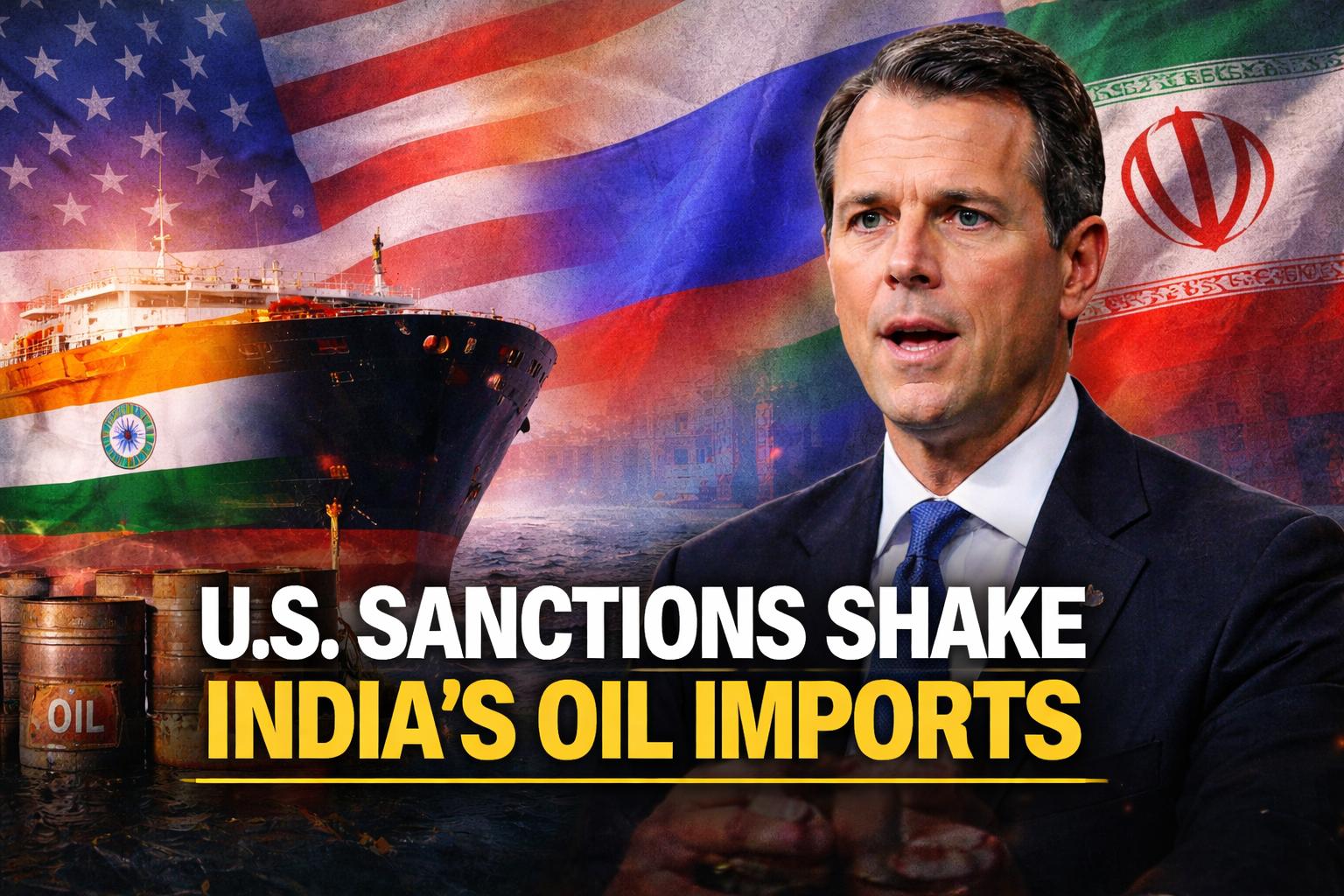
On April 15, US Treasury Secretary Scott Bessent announced that the US will no longer extend the sanctions waivers that allowed several countries to purchase oil from Russia and Iran. These waivers, which were initially intended to ease global oil supply disruptions, are now being revoked. Bessent emphasized that the move to not renew the general licenses on Russian and Iranian oil would lead to penalties for countries still involved in these transactions. He further warned that secondary sanctions would be applied to nations purchasing Iranian oil or holding Iranian funds in their banks.
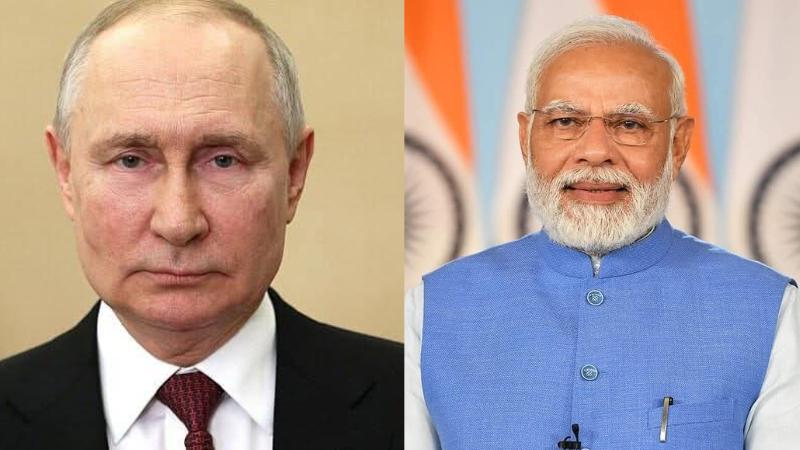
This development marks a significant shift in US policy, potentially adding pressure on countries like India that rely heavily on crude oil imports from both Russia and Iran. India, one of the largest importers of crude oil globally, meets over 88% of its oil needs through imports. While the country has faced challenges in purchasing Iranian oil due to US sanctions, it has continued to source significant amounts of oil from Russia, despite partial sanctions being in place.
In the context of these new restrictions, India’s dependence on Russian oil could see minimal disruption, as not all Russian oil exports are affected by US sanctions. However, refiners must avoid any involvement with companies, vessels, or service providers that are under US sanctions. With West Asia serving as a vital alternative to Russian oil, the situation remains complex for India, especially with fluctuating oil prices and shifting global dynamics.
The US move highlights the ongoing tension in global energy markets, which have been impacted by a variety of geopolitical factors, including the war involving US and Israeli forces and Iran’s actions in the Strait of Hormuz. As global oil supply chains continue to face uncertainty, India’s oil procurement strategies will need to adapt to the changing landscape.