DOJ Reportedly Probes U.S. Bank Transactions Tied to Mojtaba Khamenei
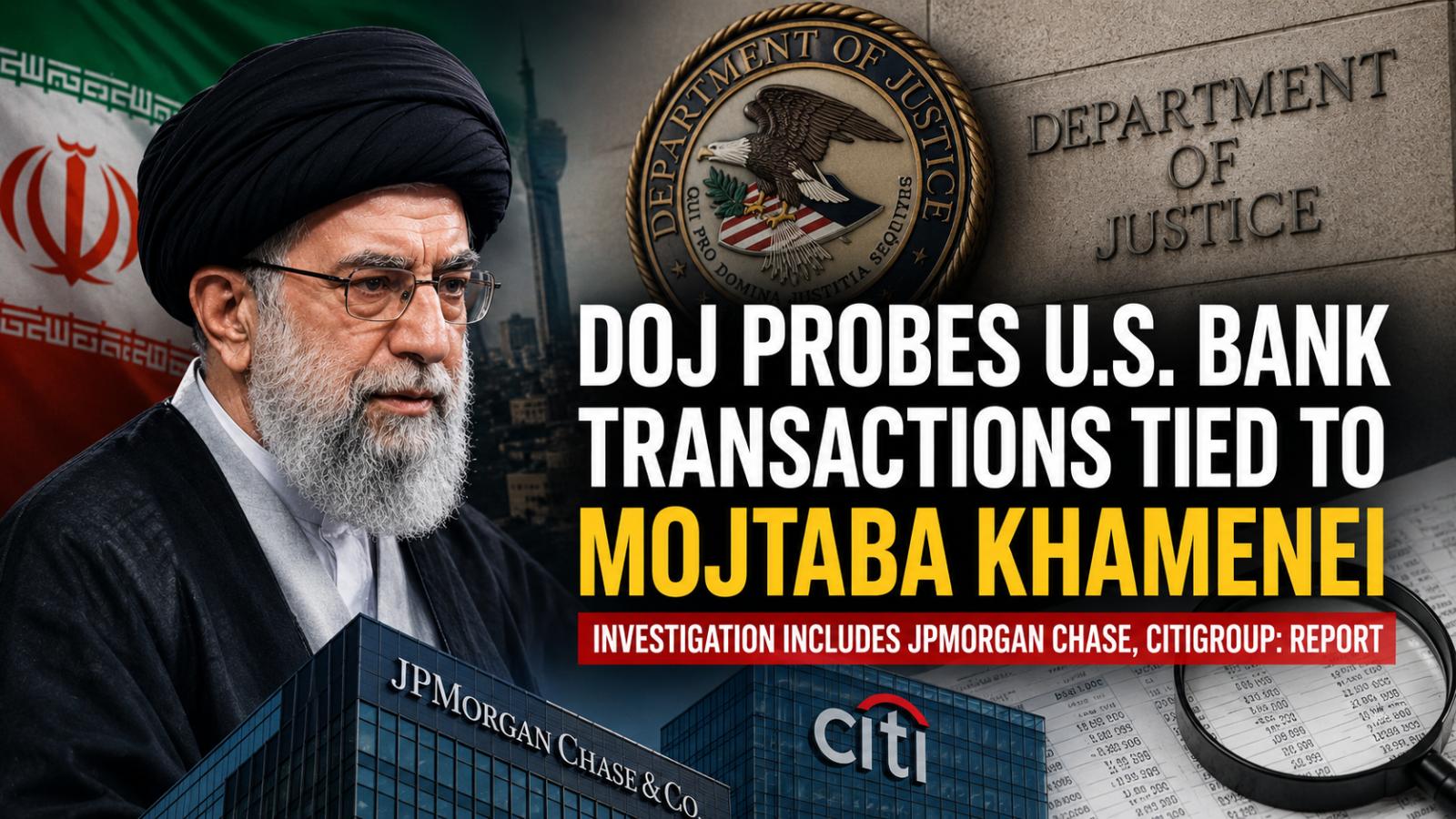
The U.S. Department of Justice is reportedly investigating how Iranian Supreme Leader Mojtaba Khamenei built a global investment portfolio with exposure to Wall Street banks, according to a Bloomberg News report published Thursday, June 18, 2026. Bloomberg cited officials familiar with the matter. The Justice Department had not publicly commented on the reported investigation when Reuters published its account. Mojtaba Khamenei Transactions Under Reported DOJ Review The investigation is reportedly part of a broader examination of allegations involving money laundering and corruption. Investigators are reviewing transactions involving companies overseen by Khamenei and examining the role U.S. financial institutions may have played in processing them, according to the report. JPMorgan Chase and Citigroup are among the banks reportedly under review. The report did not establish that either bank had violated U.S. law. JPMorgan, Citigroup and DOJ Responses Reuters said Citigroup declined to comment on the report. JPMorgan Chase and the Justice Department did not immediately respond to Reuters’ requests for comment when the story was published. The existence of an investigation does not mean criminal charges will be filed. Bloomberg reported that Khamenei, rather than the banks, was the primary focus of the inquiry. Why the Report Matters As Iran’s supreme leader, Khamenei has final authority over major matters of state, including the country’s foreign policy and nuclear program. The reported investigation could attract further scrutiny of financial transactions connected to Iranian political networks and their potential exposure to U.S. institutions. However, the inquiry remains at the investigative stage. No charges or findings of wrongdoing were announced in the report. Related: Mojtaba Khamenei Approves US-Iran Agreement as Swiss Talks Advance
DOJ Reportedly Probes U.S. Bank Transactions Tied to Mojtaba Khamenei
The U.S. Department of Justice is reportedly investigating how Iranian Supreme Leader Mojtaba Khamenei built a global investment portfolio with exposure to Wall Street banks, according to a Bloomberg News report published Thursday, June 18, 2026. Bloomberg cited officials familiar with the matter. The Justice Department had not publicly commented on the reported investigation when Reuters published its account. Mojtaba Khamenei Transactions Under Reported DOJ Review The investigation is reportedly part of a broader examination of allegations involving money laundering and corruption. Investigators are reviewing transactions involving companies overseen by Khamenei and examining the role U.S. financial institutions may have played in processing them, according to the report. JPMorgan Chase and Citigroup are among the banks reportedly under review. The report did not establish that either bank had violated U.S. law. JPMorgan, Citigroup and DOJ Responses Reuters said Citigroup declined to comment on the report. JPMorgan Chase and the Justice Department did not immediately respond to Reuters’ requests for comment when the story was published. The existence of an investigation does not mean criminal charges will be filed. Bloomberg reported that Khamenei, rather than the banks, was the primary focus of the inquiry. Why the Report Matters As Iran’s supreme leader, Khamenei has final authority over major matters of state, including the country’s foreign policy and nuclear program. The reported investigation could attract further scrutiny of financial transactions connected to Iranian political networks and their potential exposure to U.S. institutions. However, the inquiry remains at the investigative stage. No charges or findings of wrongdoing were announced in the report. Related: Mojtaba Khamenei Approves US-Iran Agreement as Swiss Talks Advance
US Sanctions Hezbollah-Linked Officials As Israel Strikes Continue
US Targets Hezbollah-Linked Figures The United States imposed sanctions on nine individuals linked to Hezbollah on Thursday,May 21,2026 accusing them of obstructing the peace process in Lebanon as Israeli airstrikes continued in the country’s south despite an active ceasefire. US officials said Hezbollah must be fully disarmed and accused the group’s network of enabling violence while undermining efforts toward lasting
US Sanctions Hezbollah-Linked Officials As Israel Strikes Continue
US Targets Hezbollah-Linked Figures The United States imposed sanctions on nine individuals linked to Hezbollah on Thursday,May 21,2026 accusing them of obstructing the peace process in Lebanon as Israeli airstrikes continued in the country’s south despite an active ceasefire. US officials said Hezbollah must be fully disarmed and accused the group’s network of enabling violence while undermining efforts toward lasting
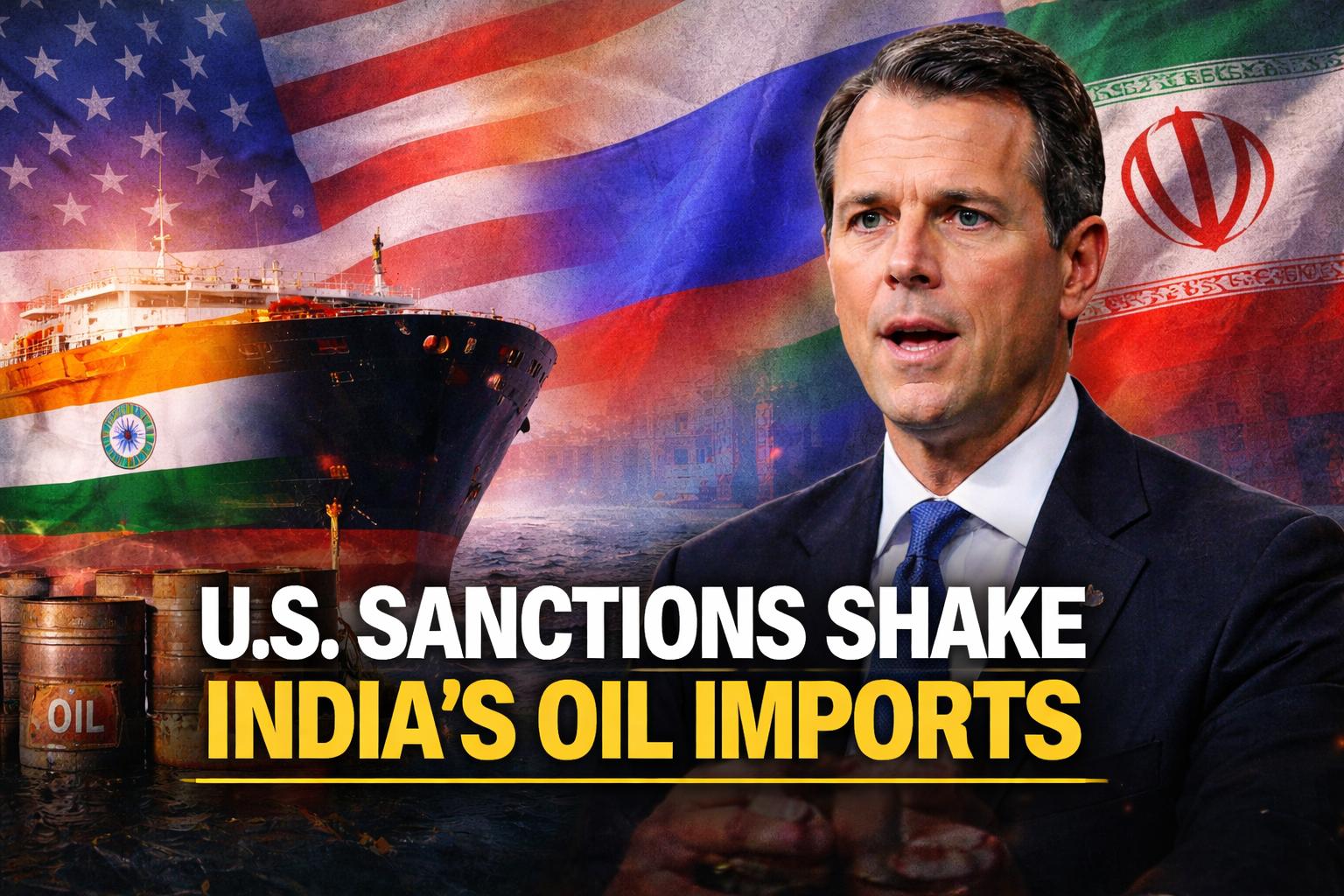
US Extends Russian Oil Sanctions Waiver, Boosts India Fuel Imports
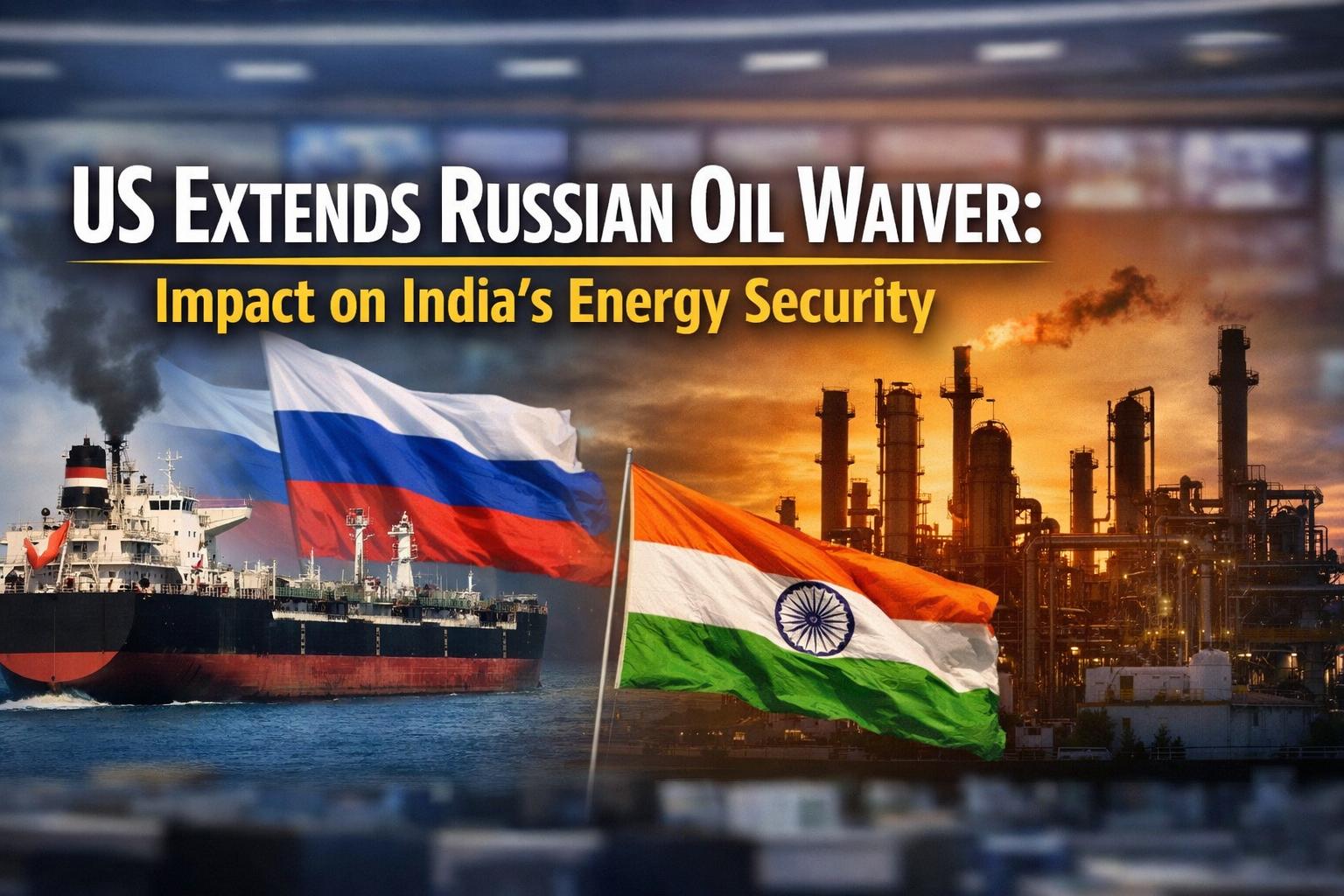
The United States has extended its sanctions waiver on Russian seaborne oil by 30 days, allowing continued imports to key global partners like India. This temporary extension reverses previous plans to let the waiver lapse, aiming to provide flexibility for nations managing critical energy needs. Treasury officials stated the extension ensures that stranded Russian crude and petroleum products can reach markets without violating US sanctions on major Russian oil firms. This marks th
US Extends Russian Oil Sanctions Waiver, Boosts India Fuel Imports
The United States has extended its sanctions waiver on Russian seaborne oil by 30 days, allowing continued imports to key global partners like India. This temporary extension reverses previous plans to let the waiver lapse, aiming to provide flexibility for nations managing critical energy needs. Treasury officials stated the extension ensures that stranded Russian crude and petroleum products can reach markets without violating US sanctions on major Russian oil firms. This marks th
US-Cuba Tensions Rise After New Sanctions Target Havana Officials
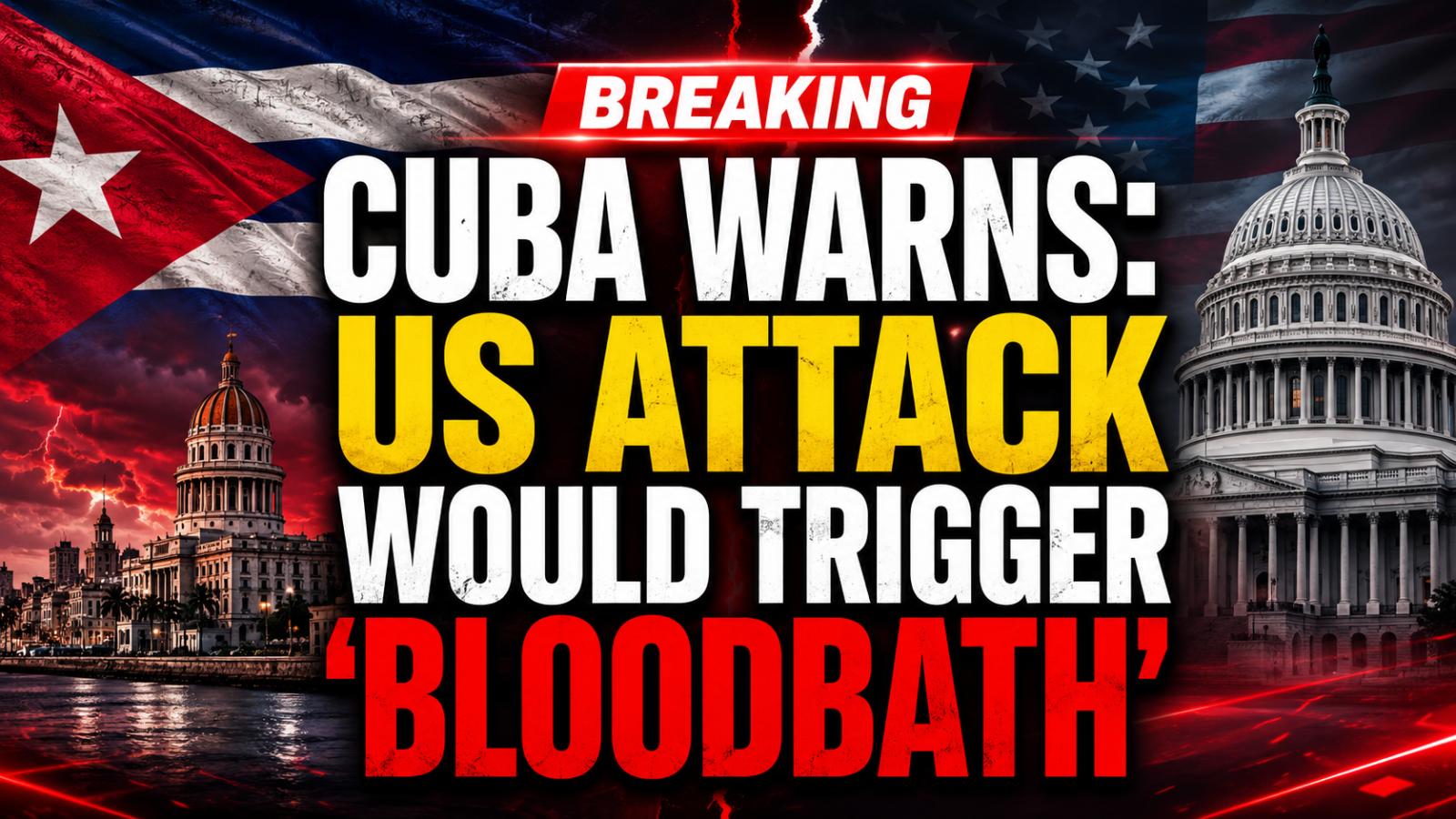
Cuba Warns Against Military Action As US Pressure Grows Cuba’s leadership warned that any military action by the United States would bring severe consequences, as tensions between Havana and Washington escalated following new US sanctions targeting Cuba’s intelligence apparatus and senior officials. President Miguel Diaz-Canel said the country does not pose a threat to the United States or any other nation, but insisted
US-Cuba Tensions Rise After New Sanctions Target Havana Officials
Cuba Warns Against Military Action As US Pressure Grows Cuba’s leadership warned that any military action by the United States would bring severe consequences, as tensions between Havana and Washington escalated following new US sanctions targeting Cuba’s intelligence apparatus and senior officials. President Miguel Diaz-Canel said the country does not pose a threat to the United States or any other nation, but insisted
Trump Heads to Beijing as Iran-China Oil Trade Tests US Pressure
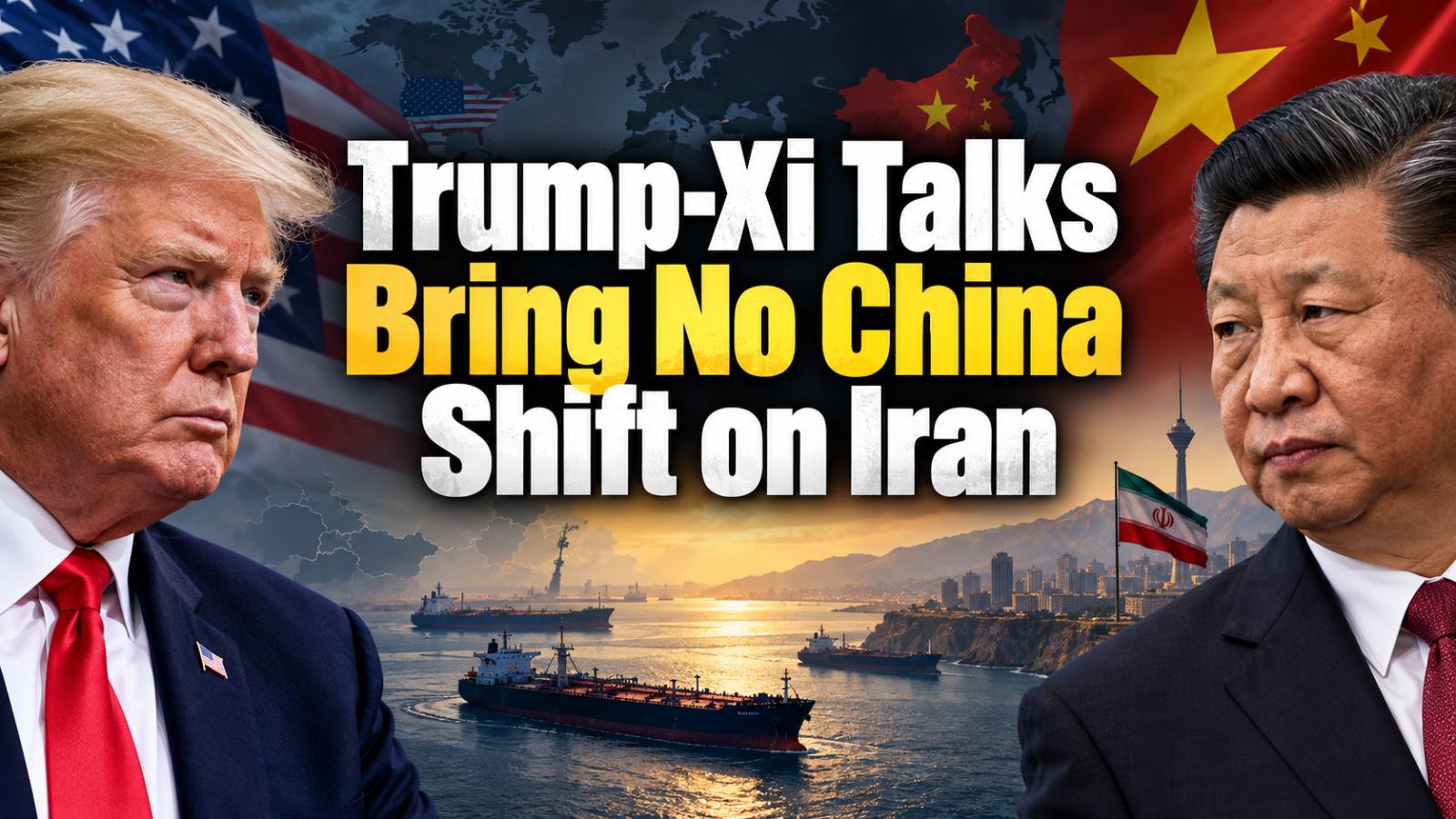
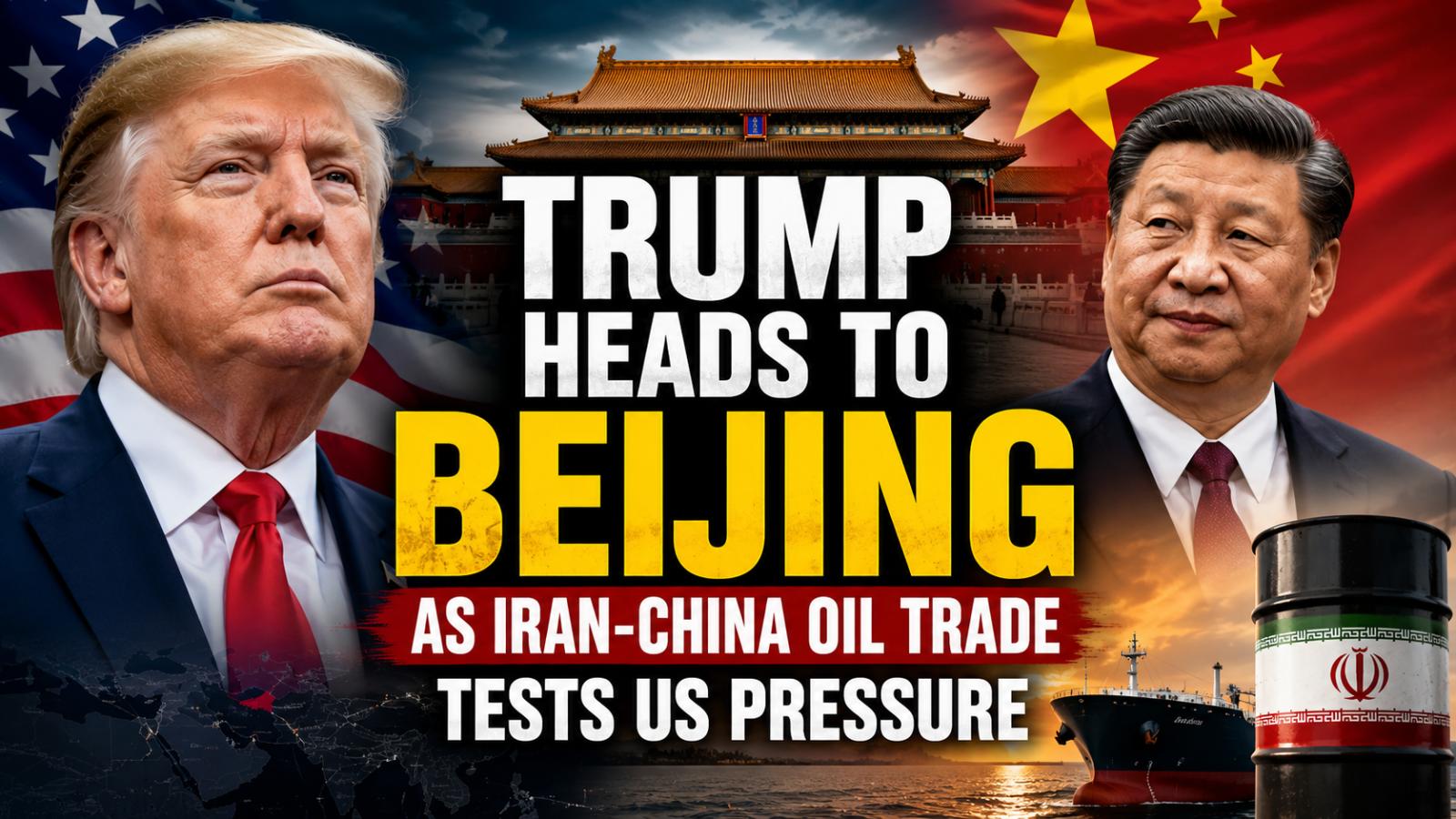
President Donald Trump is scheduled to arrive in Beijing on Wednesday, May 13, 2026, for high-level talks with Chinese President Xi Jinping as tensions over Iran, oil trade and regional stability continue to grow.
Trump Heads to Beijing as Iran-China Oil Trade Tests US Pressure
President Donald Trump is scheduled to arrive in Beijing on Wednesday, May 13, 2026, for high-level talks with Chinese President Xi Jinping as tensions over Iran, oil trade and regional stability continue to grow.
Why did the US seize Iranian oil tankers? Enforcement targets sanctions violations
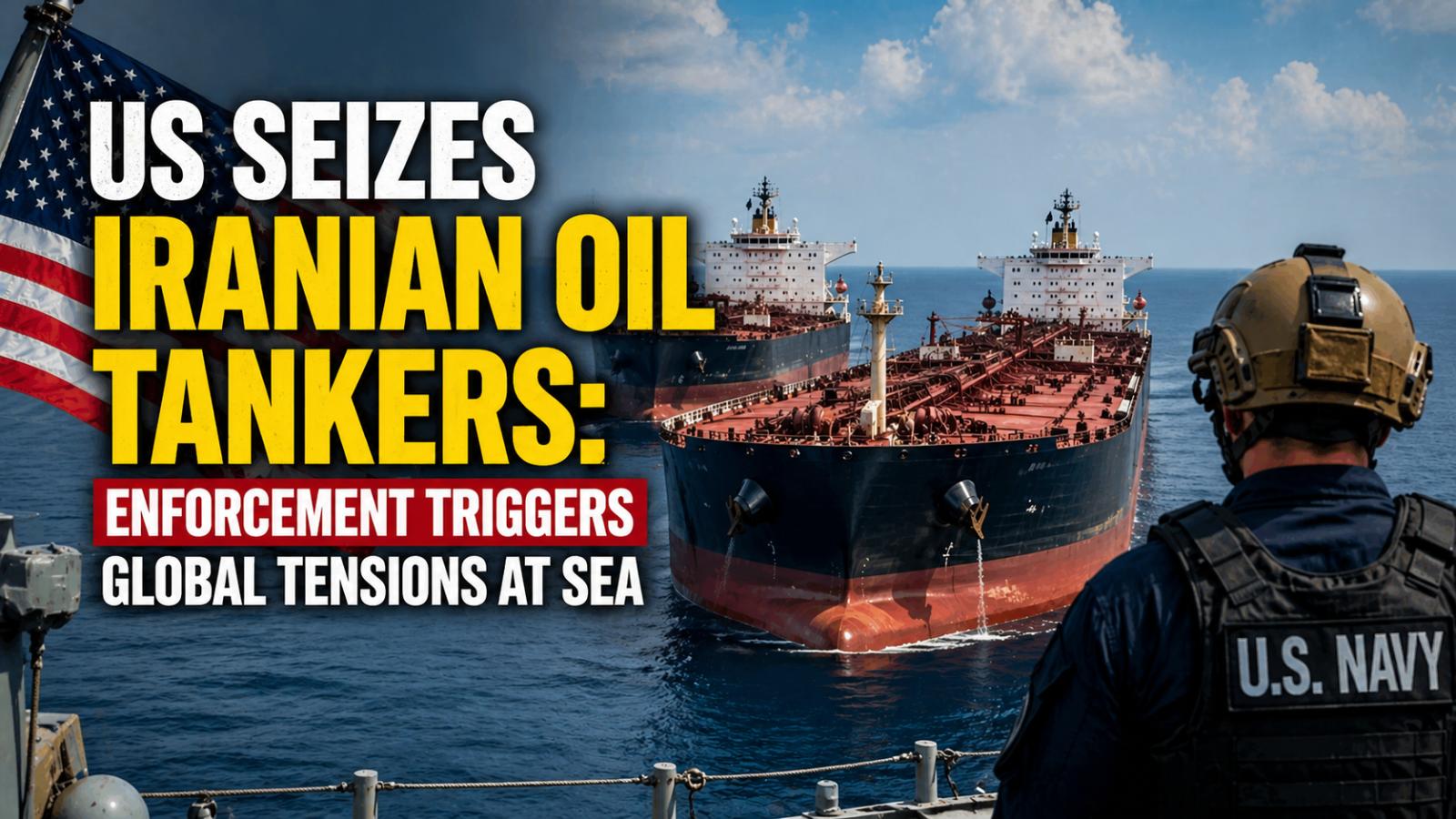
Enforcement targets sanctions violations The United States has seized two tankers allegedly transporting Iranian oil, intensifying tensions with Iran and drawing sharp condemnation from Tehran. Iranian officials described the operation as “armed robbery on the high seas,” accusing
Why did the US seize Iranian oil tankers? Enforcement targets sanctions violations
Enforcement targets sanctions violations The United States has seized two tankers allegedly transporting Iranian oil, intensifying tensions with Iran and drawing sharp condemnation from Tehran. Iranian officials described the operation as “armed robbery on the high seas,” accusing
How is U.S. pressure on Iran intensifying? It combines sanctions, blockade, and enforcement
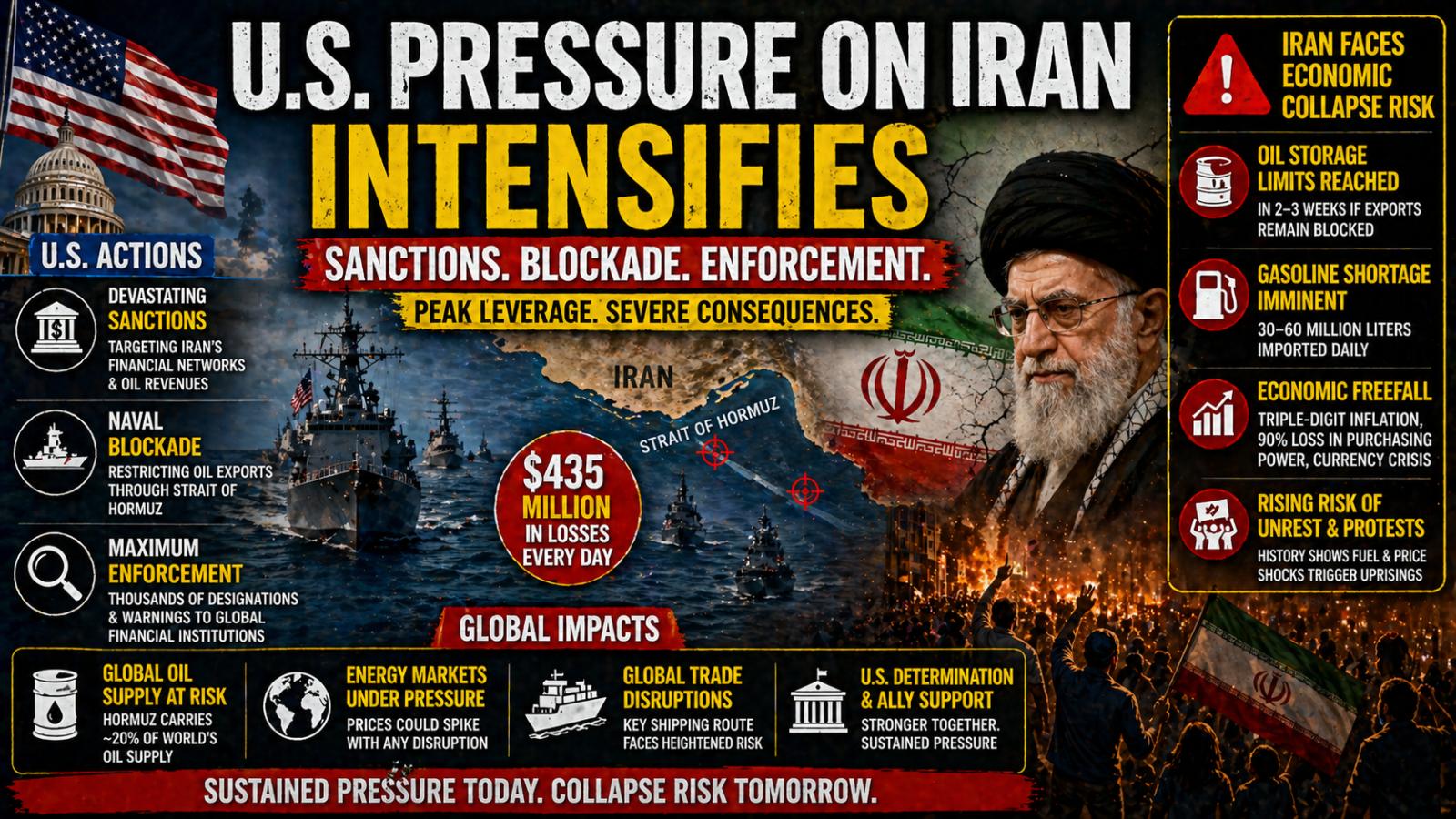
How is U.S. pressure on Iran intensifying? It combines sanctions, blockade, and enforcement as economic and geopolitical forces converge to place unprecedented strain on Tehran, according to a former U.S. Treasury sanctions expert who described the current moment as a rare alignment of leverage. Converging tools create peak economic pressure Miad Maleki, a former Treasury Department sanctions specialist, said the United States is applying multiple pressu
How is U.S. pressure on Iran intensifying? It combines sanctions, blockade, and enforcement
How is U.S. pressure on Iran intensifying? It combines sanctions, blockade, and enforcement as economic and geopolitical forces converge to place unprecedented strain on Tehran, according to a former U.S. Treasury sanctions expert who described the current moment as a rare alignment of leverage. Converging tools create peak economic pressure Miad Maleki, a former Treasury Department sanctions specialist, said the United States is applying multiple pressu
What sanctions did the U.S. impose on China-linked oil trade? The move targets refinery and tankers tied to Iran
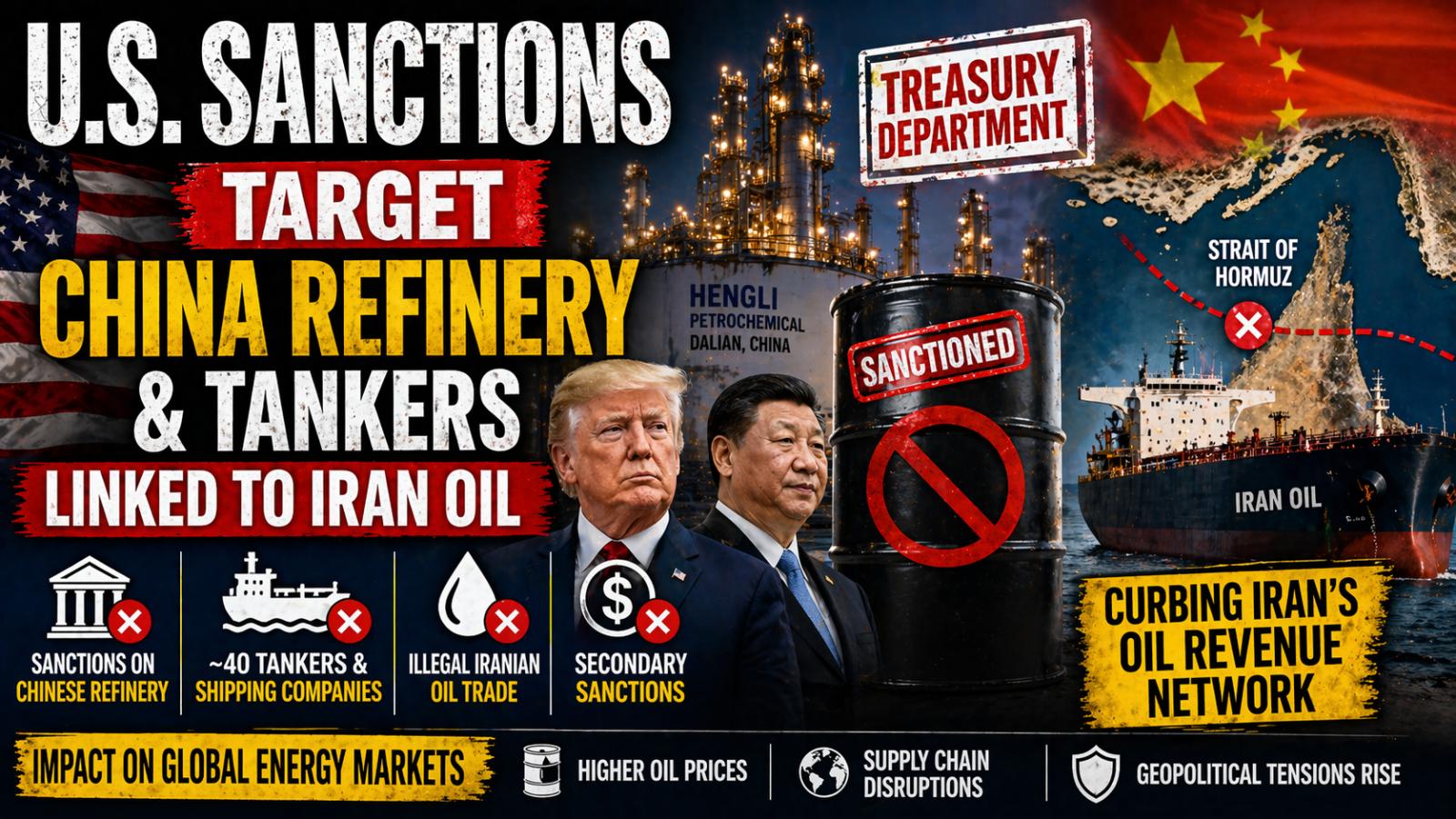
The United States has imposed sweeping new sanctions targeting a China-linked oil trade network tied to Iran, focusing on a major refinery and dozens of shipping entities. Announced on Friday, April 25, 2026, the measures aim to disrupt Tehran’s oil revenue streams by penalizing companies involved in transporting and processing Iranian crude, reinforcing Washington’s broader use of secondary sanctions. Targeting key nodes in Iran’s oil supply chain Among those sanctioned is Hengli Petrochemical’s large refinery in Dalian, China, which has the capacity to process about 400,000 barrels of crude oil per day. The U.S. Treasury Department said the facility has accepted Iranian crude shipments since 2023, generating substantial revenue that allegedly supports Iran’s military. Officials indicated the action is part of a wider strategy to dismantle networks of vessels, intermediaries, and buyers enabling Iranian oil exports. Escalating pressure amid geopolitical tensions The sanctions come just weeks before a planned meeting between U.S. President Donald Trump and Chinese President Xi Jinping in China, adding strain to an already complex economic relationship. Earlier in April 2026, U.S. officials issued warnings to financial institutions in China, Hong Kong, the United Arab Emirates, and Oman about potential penalties for facilitating Iranian transactions. Treasury Secretary Scott Bessent said the administration is prepared to apply stringent secondary sanctions to entities involved in such dealings. Impact on global energy flows and shipping routes These developments coincide with broader disruptions in global energy markets. Earlier in April 2026, the U.S. implemented a physical blockade of the Strait of Hormuz, a critical passage for oil shipments from the Persian Gulf. The move has contributed to rising oil prices and heightened uncertainty across energy markets, though U.S. authorities have issued limited waivers to ease immediate supply concerns. China’s response and global compliance concerns China remains the largest importer of Iranian oil and has consistently opposed U.S. sanctions, arguing they undermine international trade rules. Despite this position, many Chinese firms and banks continue to comply due to their reliance on the U.S.-dominated financial system. Chinese officials have previously criticized such sanctions as disruptive to legitimate economic activity, highlighting ongoing tensions over trade enforcement and global energy flows.
What sanctions did the U.S. impose on China-linked oil trade? The move targets refinery and tankers tied to Iran
The United States has imposed sweeping new sanctions targeting a China-linked oil trade network tied to Iran, focusing on a major refinery and dozens of shipping entities. Announced on Friday, April 25, 2026, the measures aim to disrupt Tehran’s oil revenue streams by penalizing companies involved in transporting and processing Iranian crude, reinforcing Washington’s broader use of secondary sanctions. Targeting key nodes in Iran’s oil supply chain Among those sanctioned is Hengli Petrochemical’s large refinery in Dalian, China, which has the capacity to process about 400,000 barrels of crude oil per day. The U.S. Treasury Department said the facility has accepted Iranian crude shipments since 2023, generating substantial revenue that allegedly supports Iran’s military. Officials indicated the action is part of a wider strategy to dismantle networks of vessels, intermediaries, and buyers enabling Iranian oil exports. Escalating pressure amid geopolitical tensions The sanctions come just weeks before a planned meeting between U.S. President Donald Trump and Chinese President Xi Jinping in China, adding strain to an already complex economic relationship. Earlier in April 2026, U.S. officials issued warnings to financial institutions in China, Hong Kong, the United Arab Emirates, and Oman about potential penalties for facilitating Iranian transactions. Treasury Secretary Scott Bessent said the administration is prepared to apply stringent secondary sanctions to entities involved in such dealings. Impact on global energy flows and shipping routes These developments coincide with broader disruptions in global energy markets. Earlier in April 2026, the U.S. implemented a physical blockade of the Strait of Hormuz, a critical passage for oil shipments from the Persian Gulf. The move has contributed to rising oil prices and heightened uncertainty across energy markets, though U.S. authorities have issued limited waivers to ease immediate supply concerns. China’s response and global compliance concerns China remains the largest importer of Iranian oil and has consistently opposed U.S. sanctions, arguing they undermine international trade rules. Despite this position, many Chinese firms and banks continue to comply due to their reliance on the U.S.-dominated financial system. Chinese officials have previously criticized such sanctions as disruptive to legitimate economic activity, highlighting ongoing tensions over trade enforcement and global energy flows.
Why is India exiting Chabahar port? Government plans divestment amid US sanctions
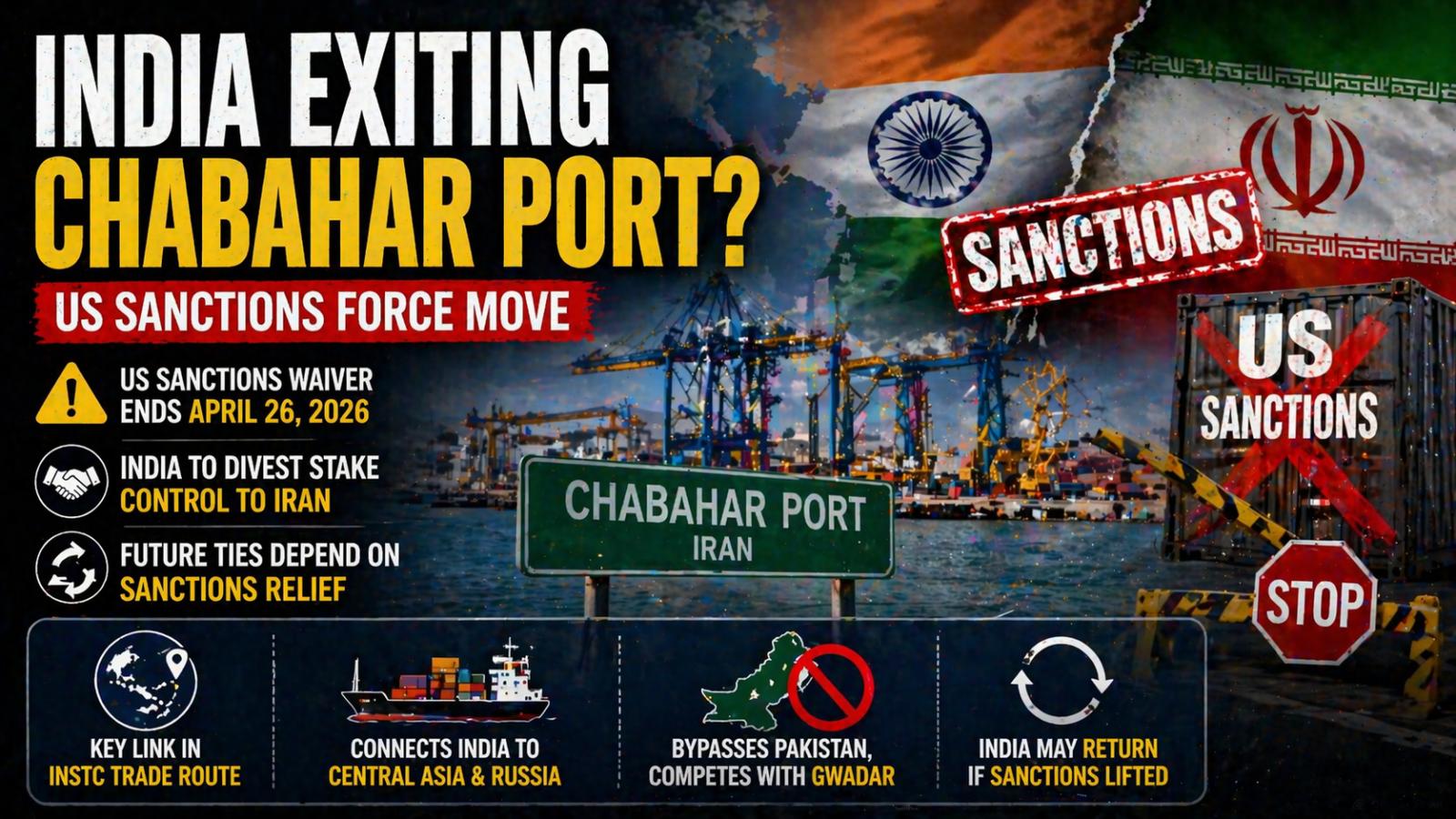
Sanctions pressure drives India’s planned exit from Chabahar port Why is India exiting Chabahar port? Government plans divestment amid US sanctions as New Delhi prepares to step back from the strategic Iranian port ahead of the expiration of a US sanctions waiver on Sunday, April 26, 2026. The move is expected to transfer operational control to a local Iranian entity while preserving the possibility of India’s return if sanctions are lifted or a new waiver is g
Why is India exiting Chabahar port? Government plans divestment amid US sanctions
Sanctions pressure drives India’s planned exit from Chabahar port Why is India exiting Chabahar port? Government plans divestment amid US sanctions as New Delhi prepares to step back from the strategic Iranian port ahead of the expiration of a US sanctions waiver on Sunday, April 26, 2026. The move is expected to transfer operational control to a local Iranian entity while preserving the possibility of India’s return if sanctions are lifted or a new waiver is g
Trump Administration Reverses Russian Oil Sanctions Waiver Decision
The United States has issued a fresh month-long sanctions waiver permitting transactions involving Russian crude oil already in transit, marking a notable policy reversal within days of signaling a stricter stance. The waiver allows purchases of oil loaded onto vessels as of April 17 to continue until May 16, providing limited flexibility to global buyers amid ongoing disruptions in the energy market. The decision comes shortly after earlier statements ruled out any extension, highlighting the pressure created by rising fuel costs and tightening supply conditions. With gasoline prices climbing and geopolitical tensions affecting key supply routes, the move reflects an effort to stabilize markets rather than signal a broader policy shift. Importantly, the waiver applies only to cargo already at sea and does not authorize new purchases, reinforcing its temporary and targeted nature. For India, one of the largest importers of Russian crude, the extension offers short-term operational relief. Russian supplies currently account for nearly 38 to 40 percent of India’s total crude imports, making them a critical component of the country’s energy mix. Given that India relies on imports for more than 88 percent of its energy needs, even minor disruptions can have significant economic implications. Indian refiners had previously indicated their intent to continue sourcing Russian oil regardless of external sanctions frameworks, emphasizing that energy procurement remains a sovereign decision. The waiver, however, reduces immediate logistical and financial uncertainties by ensuring smoother completion of shipments already underway. As geopolitical tensions continue to reshape global energy flows, the temporary waiver underscores the balancing act between policy objectives and market realities. For India, it reinforces the importance of maintaining diversified supply channels while navigating an increasingly complex international energy landscape.


Trump Administration Reverses Russian Oil Sanctions Waiver Decision
The United States has issued a fresh month-long sanctions waiver permitting transactions involving Russian crude oil already in transit, marking a notable policy reversal within days of signaling a stricter stance. The waiver allows purchases of oil loaded onto vessels as of April 17 to continue until May 16, providing limited flexibility to global buyers amid ongoing disruptions in the energy market. The decision comes shortly after earlier statements ruled out any extension, highlighting the pressure created by rising fuel costs and tightening supply conditions. With gasoline prices climbing and geopolitical tensions affecting key supply routes, the move reflects an effort to stabilize markets rather than signal a broader policy shift. Importantly, the waiver applies only to cargo already at sea and does not authorize new purchases, reinforcing its temporary and targeted nature. For India, one of the largest importers of Russian crude, the extension offers short-term operational relief. Russian supplies currently account for nearly 38 to 40 percent of India’s total crude imports, making them a critical component of the country’s energy mix. Given that India relies on imports for more than 88 percent of its energy needs, even minor disruptions can have significant economic implications. Indian refiners had previously indicated their intent to continue sourcing Russian oil regardless of external sanctions frameworks, emphasizing that energy procurement remains a sovereign decision. The waiver, however, reduces immediate logistical and financial uncertainties by ensuring smoother completion of shipments already underway. As geopolitical tensions continue to reshape global energy flows, the temporary waiver underscores the balancing act between policy objectives and market realities. For India, it reinforces the importance of maintaining diversified supply channels while navigating an increasingly complex international energy landscape.
India’s energy strategy remains unchanged after US sanctions waiver ends
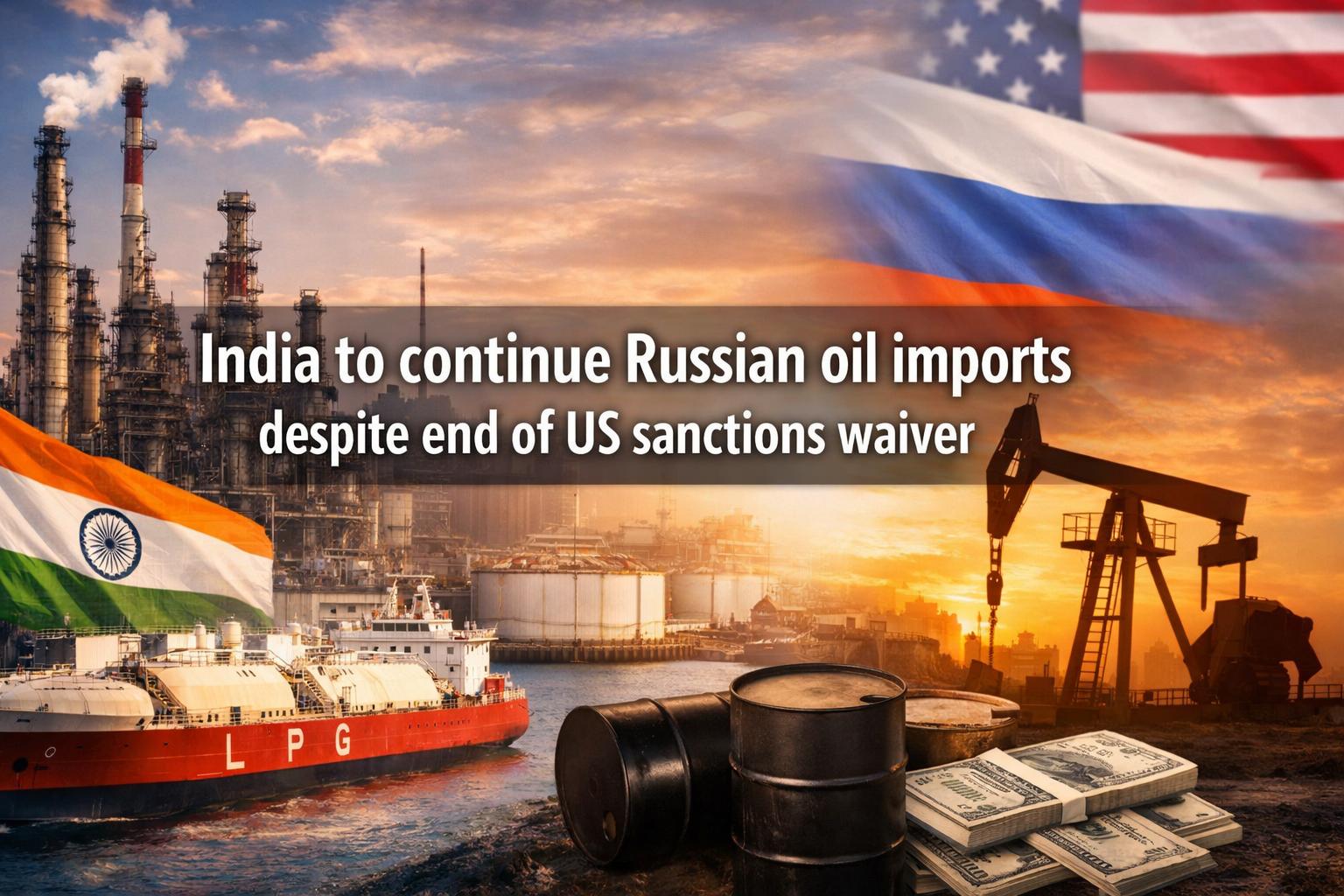
India is set to continue importing Russian crude oil and Liquefied Petroleum Gas (LPG) even after the expiration of the 30-day sanctions waiver granted by the United States on April 11, 2026. Officials indicated that the country’s energy import strategy is guided by sovereign priorities and commercial considerations rather than external sanctions frameworks. Indian refineries are expected to maintain their existing procurement approach by sourcing supplies from non-sanctioned entities and c
India’s energy strategy remains unchanged after US sanctions waiver ends
India is set to continue importing Russian crude oil and Liquefied Petroleum Gas (LPG) even after the expiration of the 30-day sanctions waiver granted by the United States on April 11, 2026. Officials indicated that the country’s energy import strategy is guided by sovereign priorities and commercial considerations rather than external sanctions frameworks. Indian refineries are expected to maintain their existing procurement approach by sourcing supplies from non-sanctioned entities and c
US Sanctions Waivers on Russian and Iranian Oil: Impact on India’s Energy Supply
On April 15, US Treasury Secretary Scott Bessent announced that the US will no longer extend the sanctions waivers that allowed several countries to purchase oil from Russia and Iran. These waivers, which were initially intended to ease global oil supply disruptions, are now being revoked. Bessent emphasized that the move to not renew the general licenses on Russian and Iranian oil would lead to penalties for countries still involved in these transactions. He further warned that secondary san
US Sanctions Waivers on Russian and Iranian Oil: Impact on India’s Energy Supply
On April 15, US Treasury Secretary Scott Bessent announced that the US will no longer extend the sanctions waivers that allowed several countries to purchase oil from Russia and Iran. These waivers, which were initially intended to ease global oil supply disruptions, are now being revoked. Bessent emphasized that the move to not renew the general licenses on Russian and Iranian oil would lead to penalties for countries still involved in these transactions. He further warned that secondary san
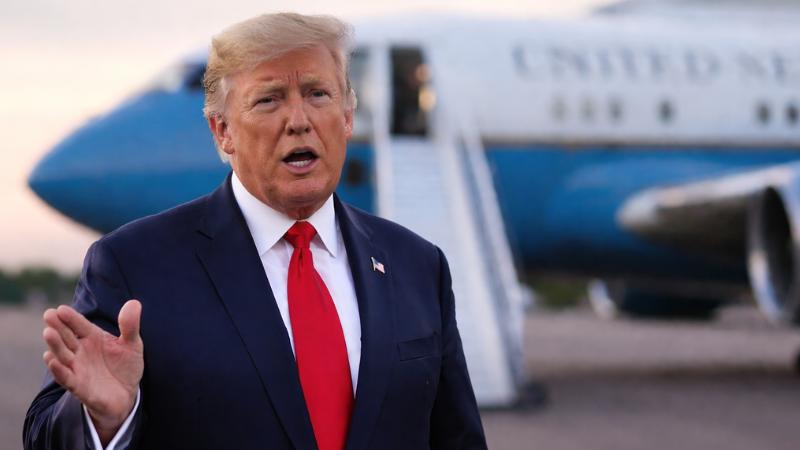
US President Trump on Failed Talks: Iran Will Not Have a Nuclear Weapon
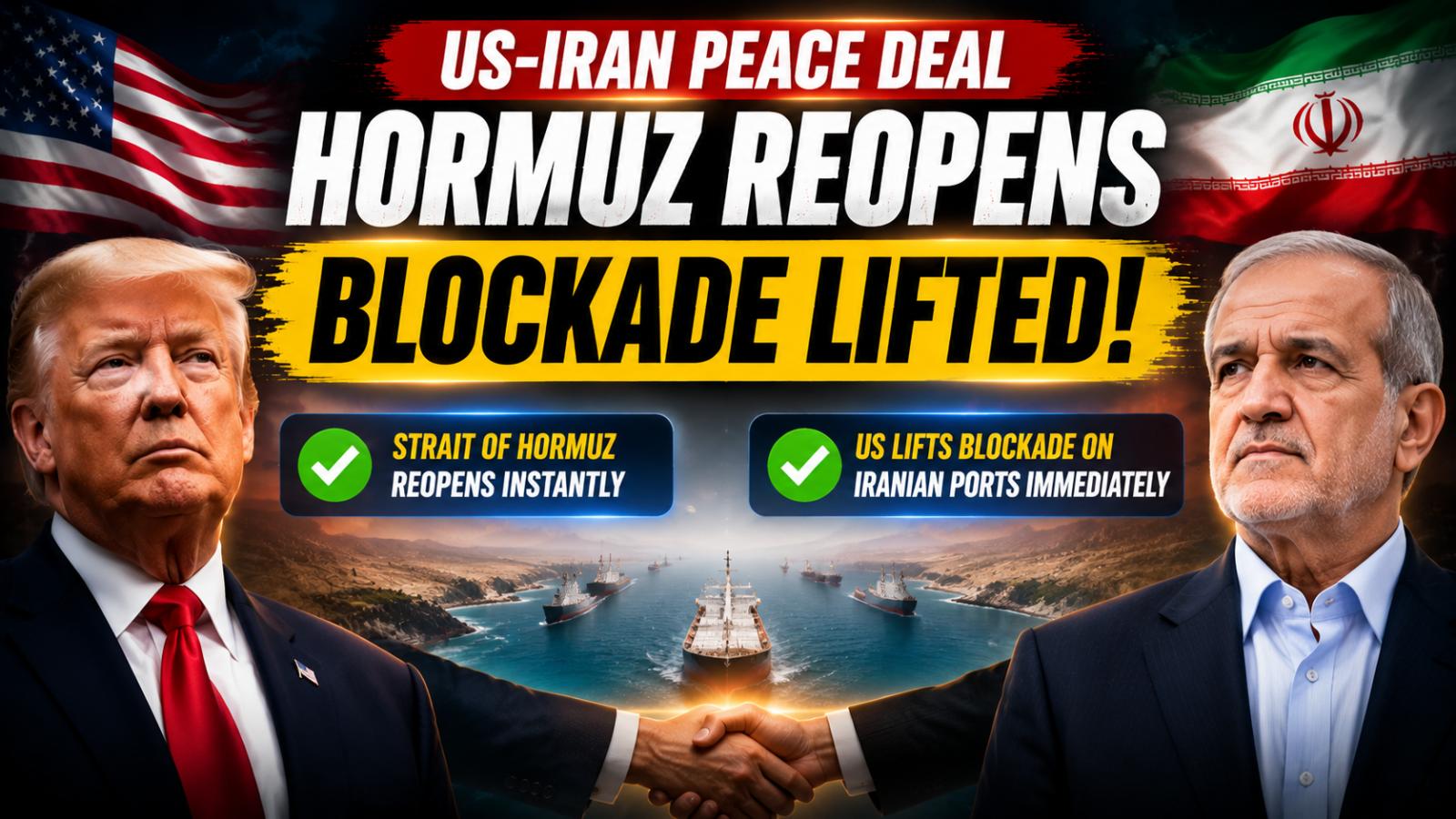
In the wake of a failed peace negotiation between the United States and Iran in Pakistan, US President Donald Trump announced a blockade on the Strait of Hormuz, which would come into effect at 10 AM on 13th April 2026. Speaking outside Air Force One, Trump stated that Iran is in a "very bad shape," emphasizing that the United States had a superior understanding of the situation. Despite the 21-hour long talks between the two nations, no agreement was reached, particularly on the issue of Ira
US President Trump on Failed Talks: Iran Will Not Have a Nuclear Weapon
In the wake of a failed peace negotiation between the United States and Iran in Pakistan, US President Donald Trump announced a blockade on the Strait of Hormuz, which would come into effect at 10 AM on 13th April 2026. Speaking outside Air Force One, Trump stated that Iran is in a "very bad shape," emphasizing that the United States had a superior understanding of the situation. Despite the 21-hour long talks between the two nations, no agreement was reached, particularly on the issue of Ira
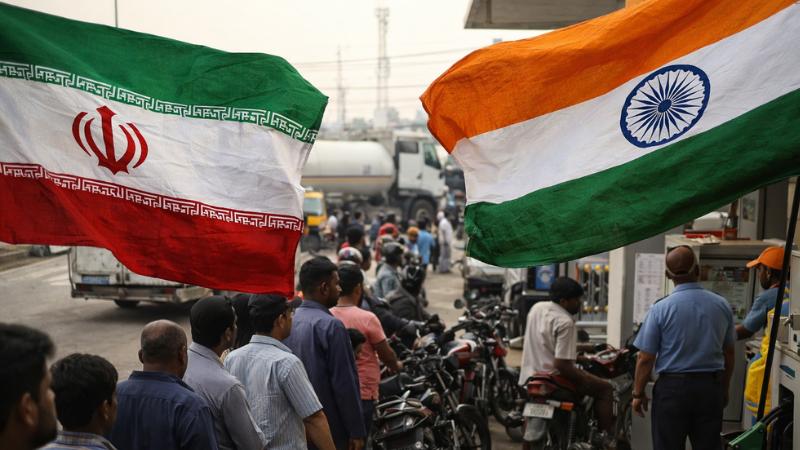
India Imports Iranian Oil After U.S. Temporarily Lifts Sanctions
On Saturday, April 4, 2026, India marked a significant milestone in its energy dealings by making its first purchase of Iranian oil in over seven years. This comes after a period of strained relations due to U.S. sanctions that pressured India to halt its imports of Iranian crude back in May 2019. However, the ongoing conflict in the Middle East, particularly the U.S.-Israel war, has severely disrupted global oil supplies, pushing India to seek alternative sources of crude oil. The supply cha
India Imports Iranian Oil After U.S. Temporarily Lifts Sanctions
On Saturday, April 4, 2026, India marked a significant milestone in its energy dealings by making its first purchase of Iranian oil in over seven years. This comes after a period of strained relations due to U.S. sanctions that pressured India to halt its imports of Iranian crude back in May 2019. However, the ongoing conflict in the Middle East, particularly the U.S.-Israel war, has severely disrupted global oil supplies, pushing India to seek alternative sources of crude oil. The supply cha
Sanctioned tanker diverts Iranian crude from India to China amid payment concerns
A U.S.-sanctioned oil tanker carrying Iranian crude has changed course from India to China, raising uncertainty over what could have been India’s first Iranian oil import in nearly seven years. The Aframax tanker Ping Shun, built in 2002 and sanctioned by the United States in 2025, is now signaling Dongying, China, as its destination instead of Vadinar in Gujarat, according to data from Kpler.
Sanctioned tanker diverts Iranian crude from India to China amid payment concerns
A U.S.-sanctioned oil tanker carrying Iranian crude has changed course from India to China, raising uncertainty over what could have been India’s first Iranian oil import in nearly seven years. The Aframax tanker Ping Shun, built in 2002 and sanctioned by the United States in 2025, is now signaling Dongying, China, as its destination instead of Vadinar in Gujarat, according to data from Kpler.
90 Ships Cross Hormuz as Iran Continues Oil Exports Amid War, Despite Challenges
In the midst of the ongoing war, Iran has continued to export millions of barrels of oil, with about 90 ships, including oil tankers, crossing the critical Strait of Hormuz between March 1 and 15, 2026. Despite the waterway being effectively "closed" to most traffic due to the conflict, Iran has managed to keep its oil exports flowing, benefitting from its control over this vital chokepoint. According to maritime traffic data from Lloyd's List Intelligence, Iran has relied on a mix
90 Ships Cross Hormuz as Iran Continues Oil Exports Amid War, Despite Challenges
In the midst of the ongoing war, Iran has continued to export millions of barrels of oil, with about 90 ships, including oil tankers, crossing the critical Strait of Hormuz between March 1 and 15, 2026. Despite the waterway being effectively "closed" to most traffic due to the conflict, Iran has managed to keep its oil exports flowing, benefitting from its control over this vital chokepoint. According to maritime traffic data from Lloyd's List Intelligence, Iran has relied on a mix
Iran’s Strategic Patience: Why Tehran Keeps India Close Despite US and Israel Ties
The relationship between Iran and India has long been defined by strategic patience, as Tehran maintains a nuanced and pragmatic approach to its ties with New Delhi. Despite India’s deepening defense relations with Israel and its comprehensive partnership with the United States, Iran has chosen to sustain its close relationship with India, recognizing the strategic value of energy ties and regional geopolitical balance. In a recent phone conversation between External Affairs Minis
Iran’s Strategic Patience: Why Tehran Keeps India Close Despite US and Israel Ties
The relationship between Iran and India has long been defined by strategic patience, as Tehran maintains a nuanced and pragmatic approach to its ties with New Delhi. Despite India’s deepening defense relations with Israel and its comprehensive partnership with the United States, Iran has chosen to sustain its close relationship with India, recognizing the strategic value of energy ties and regional geopolitical balance. In a recent phone conversation between External Affairs Minis
Indian businessman sentenced in US for illegal export of aviation technology to Russia
A United States federal court has sentenced an Indian businessman to 30 months in prison for orchestrating a scheme to illegally export controlled aviation technology to Russia, in violation of strict US export regulations introduced after the Ukraine conflict. The sentencing underscores Washington’s continued focus on disrupting global supply chains used to bypass sanctions and export controls aimed at safeguarding national security. Sanjay Kaushik, 58, a New Delhi-based aviation
Indian businessman sentenced in US for illegal export of aviation technology to Russia
A United States federal court has sentenced an Indian businessman to 30 months in prison for orchestrating a scheme to illegally export controlled aviation technology to Russia, in violation of strict US export regulations introduced after the Ukraine conflict. The sentencing underscores Washington’s continued focus on disrupting global supply chains used to bypass sanctions and export controls aimed at safeguarding national security. Sanjay Kaushik, 58, a New Delhi-based aviation
US sanctions waiver keeps India’s Chabahar Port role secure till April 2026
India has confirmed that it is actively engaging with the United States to ensure the continuity of its operations at Iran’s Chabahar Port under an existing sanctions waiver that remains valid until April 26, 2026. The discussions come amid the strategic significance New Delhi attaches to the port as a key gateway for regional connectivity, trade, and humanitarian assistance. Speaking on the matter,
US sanctions waiver keeps India’s Chabahar Port role secure till April 2026
India has confirmed that it is actively engaging with the United States to ensure the continuity of its operations at Iran’s Chabahar Port under an existing sanctions waiver that remains valid until April 26, 2026. The discussions come amid the strategic significance New Delhi attaches to the port as a key gateway for regional connectivity, trade, and humanitarian assistance. Speaking on the matter,
Three Indian nationals among crew as US seizes oil tanker Marinera in North Atlantic
The United States intercepted and seized a Russian-flagged oil tanker in the North Atlantic on January 7, marking a significant escalation in its global enforcement of sanctions linked to Venezuelan oil exports. The vessel, now identified as the Marinera and previously known as Bella 1, was boarded in international waters after a pursuit that extended for more than two weeks across ocean routes from the Caribbean. U.S. European Command confirmed that the operation was conduc
Three Indian nationals among crew as US seizes oil tanker Marinera in North Atlantic
The United States intercepted and seized a Russian-flagged oil tanker in the North Atlantic on January 7, marking a significant escalation in its global enforcement of sanctions linked to Venezuelan oil exports. The vessel, now identified as the Marinera and previously known as Bella 1, was boarded in international waters after a pursuit that extended for more than two weeks across ocean routes from the Caribbean. U.S. European Command confirmed that the operation was conduc