How is U.S. pressure on Iran intensifying? It combines sanctions, blockade, and enforcement as economic and geopolitical forces converge to place unprecedented strain on Tehran, according to a former U.S. Treasury sanctions expert who described the current moment as a rare alignment of leverage.
Converging tools create peak economic pressure
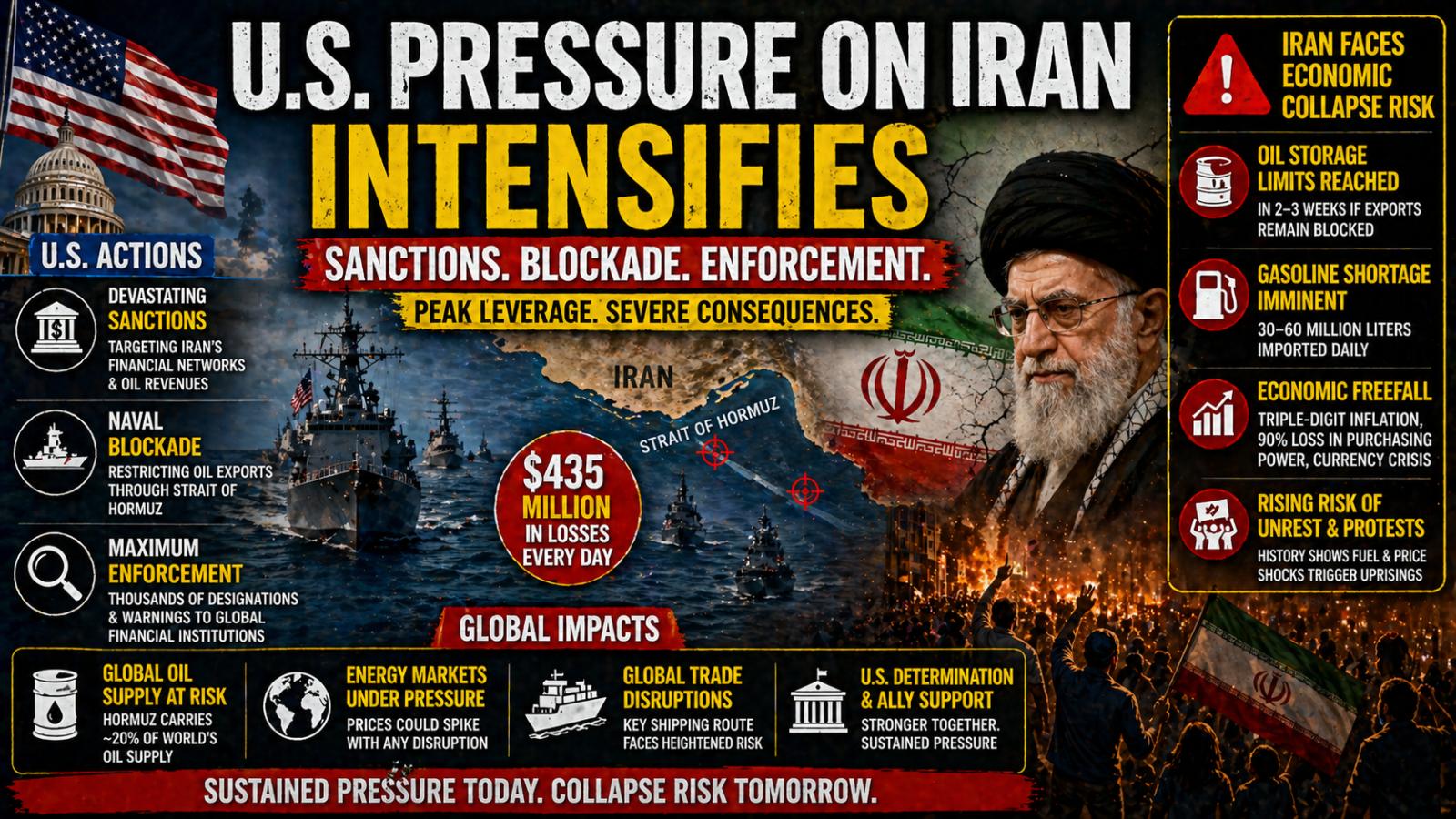
Miad Maleki, a former Treasury Department sanctions specialist, said the United States is applying multiple pressure mechanisms simultaneously for the first time in years. These include financial sanctions, a naval blockade targeting oil exports, and stricter enforcement measures aimed at restricting Iran’s ability to generate revenue. Maleki said this convergence marks the strongest U.S. leverage against Iran since 1979.
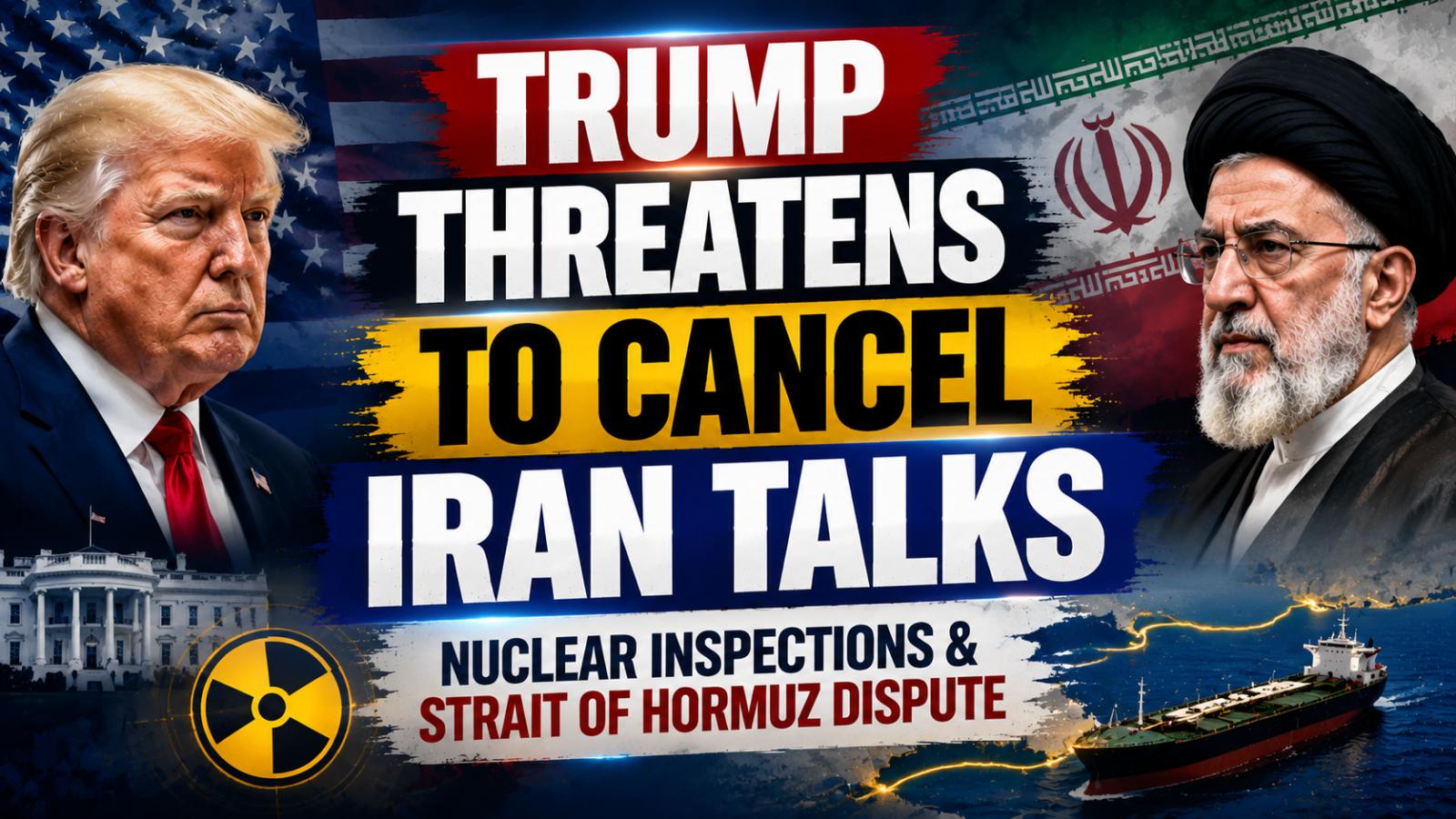
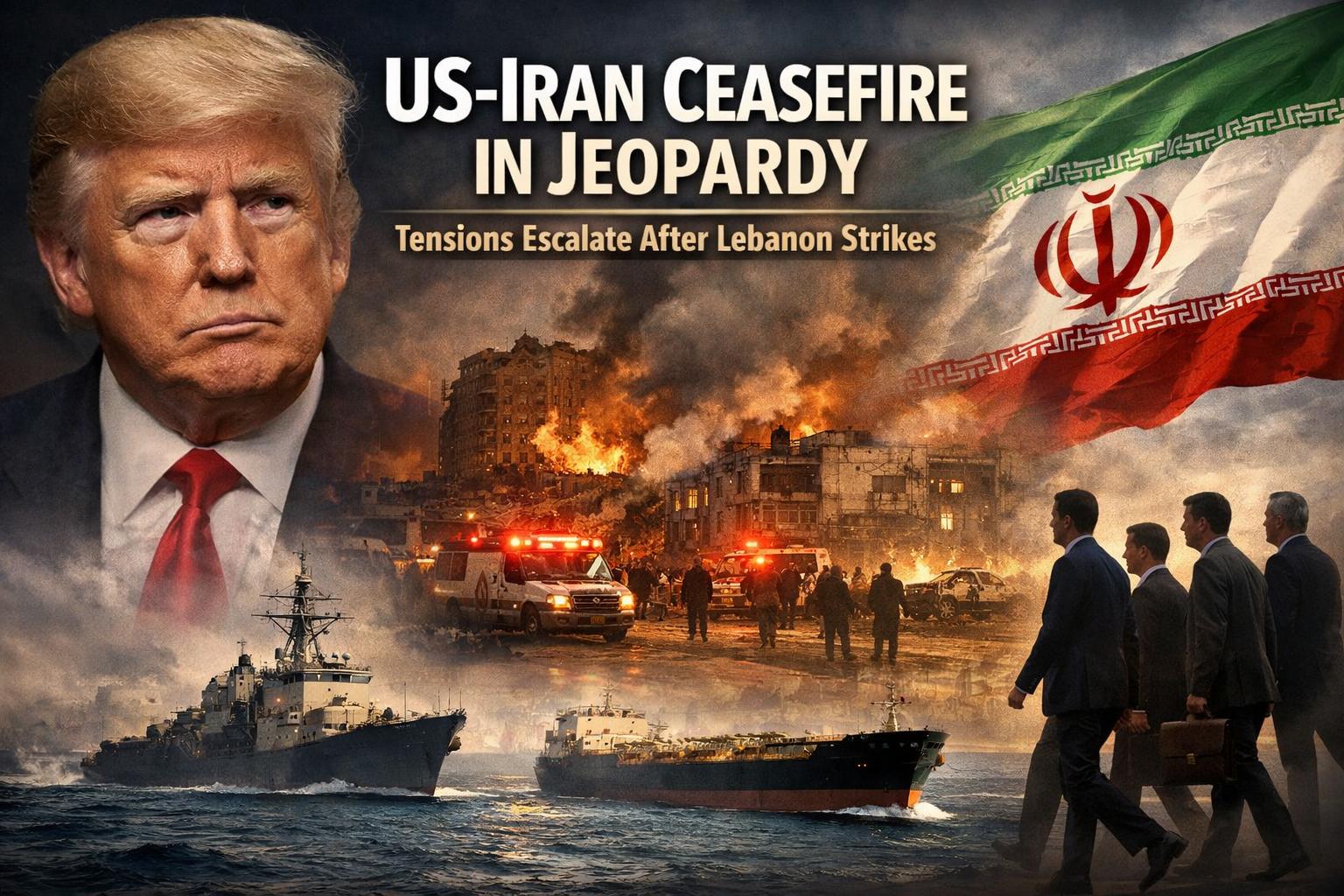
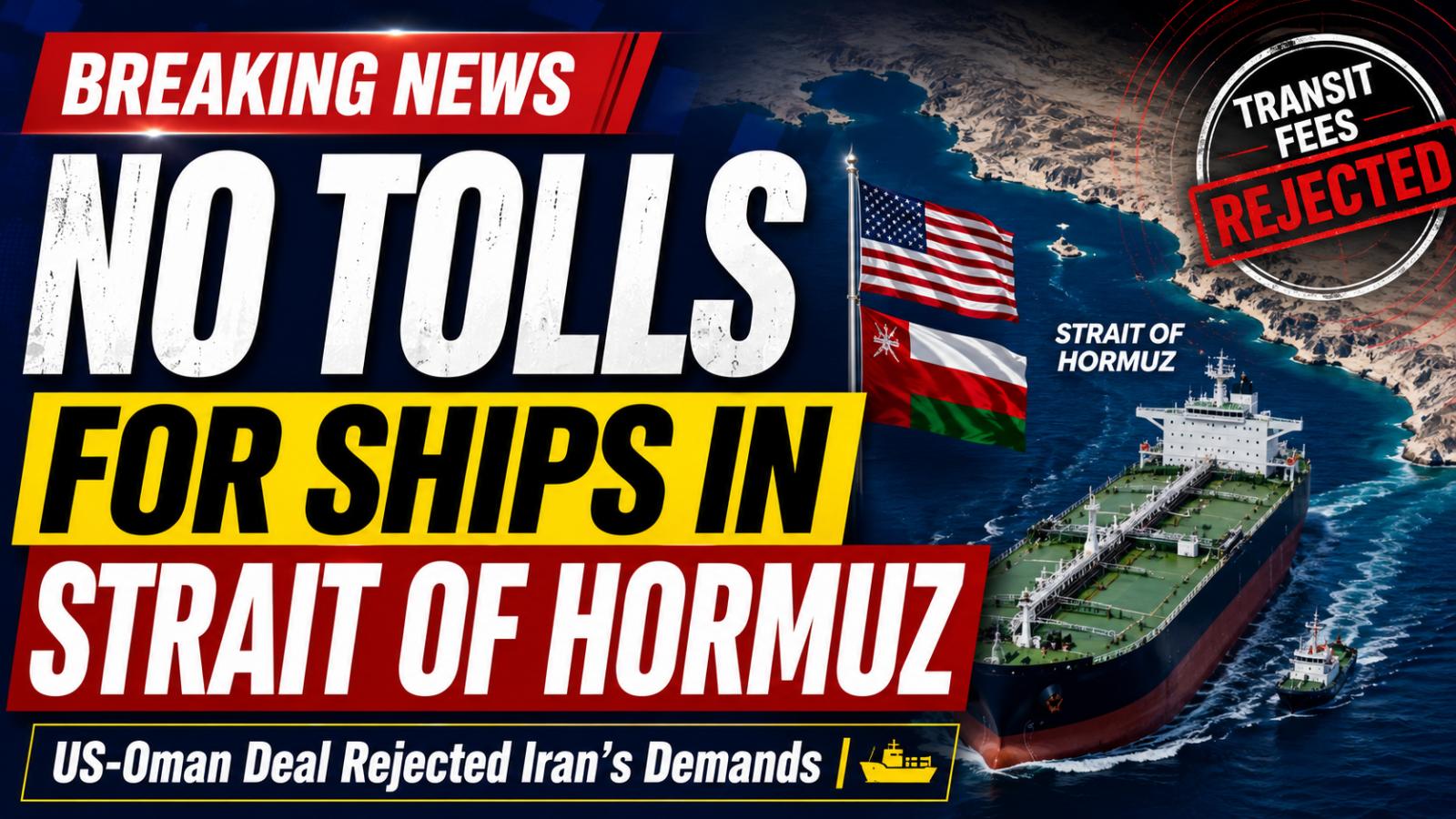
Statements from Donald Trump have reinforced the escalation, particularly regarding U.S. control over the Strait of Hormuz, a critical global energy corridor.
Oil exports and storage constraints tighten
The strategy is directly targeting Iran’s oil sector, which remains its primary revenue source. Maleki warned that Iran could exhaust its oil storage capacity within two to three weeks if exports remain constrained, forcing production cuts. The country’s main export terminal at Kharg Island faces similar risks if shipments continue to be blocked.
Economic losses are estimated at approximately $435 million per day, reflecting the combined impact of sanctions, trade disruptions, and maritime restrictions.
Domestic vulnerabilities raise risk of unrest
Inside Iran, economic conditions are deteriorating rapidly. Maleki cited triple-digit food inflation, a sharply weakened currency, and a collapse in purchasing power of nearly 90%. Despite large oil reserves, Iran imports between 30 million and 60 million liters of gasoline daily, leaving it vulnerable to supply disruptions.
He warned that gasoline shortages could emerge within weeks, potentially triggering unrest similar to past protests driven by fuel price increases and economic hardship.
Strategic importance of the Strait of Hormuz
While the Strait of Hormuz has historically been viewed as leverage for Iran, Maleki argued the dynamic has shifted. The country’s economy depends heavily on the waterway, making any disruption a form of self-inflicted economic damage. Although Asian economies rely on the strait for energy supplies, many have built strategic reserves to cushion potential shocks.
Enforcement consistency remains critical
Despite the scale of current pressure, Maleki emphasized that long-term effectiveness depends on consistent enforcement. Previous cycles of sanctions relief and tightening allowed Tehran to adapt, limiting overall impact. Current efforts include warnings to financial institutions in regions such as East Asia and the Middle East about secondary sanctions for facilitating Iranian trade.
More than 1,000 sanctions targets have been designated since 2025, reflecting an aggressive approach to disrupting Iran’s financial networks. Analysts say the focus has shifted toward high-value oil shipments, with multiple vessels reportedly turned back or redirected.
Maleki concluded that sustained pressure could soon create compounding crises, including banking disruptions that may hinder the government’s ability to pay salaries, increasing the likelihood of renewed domestic instability.