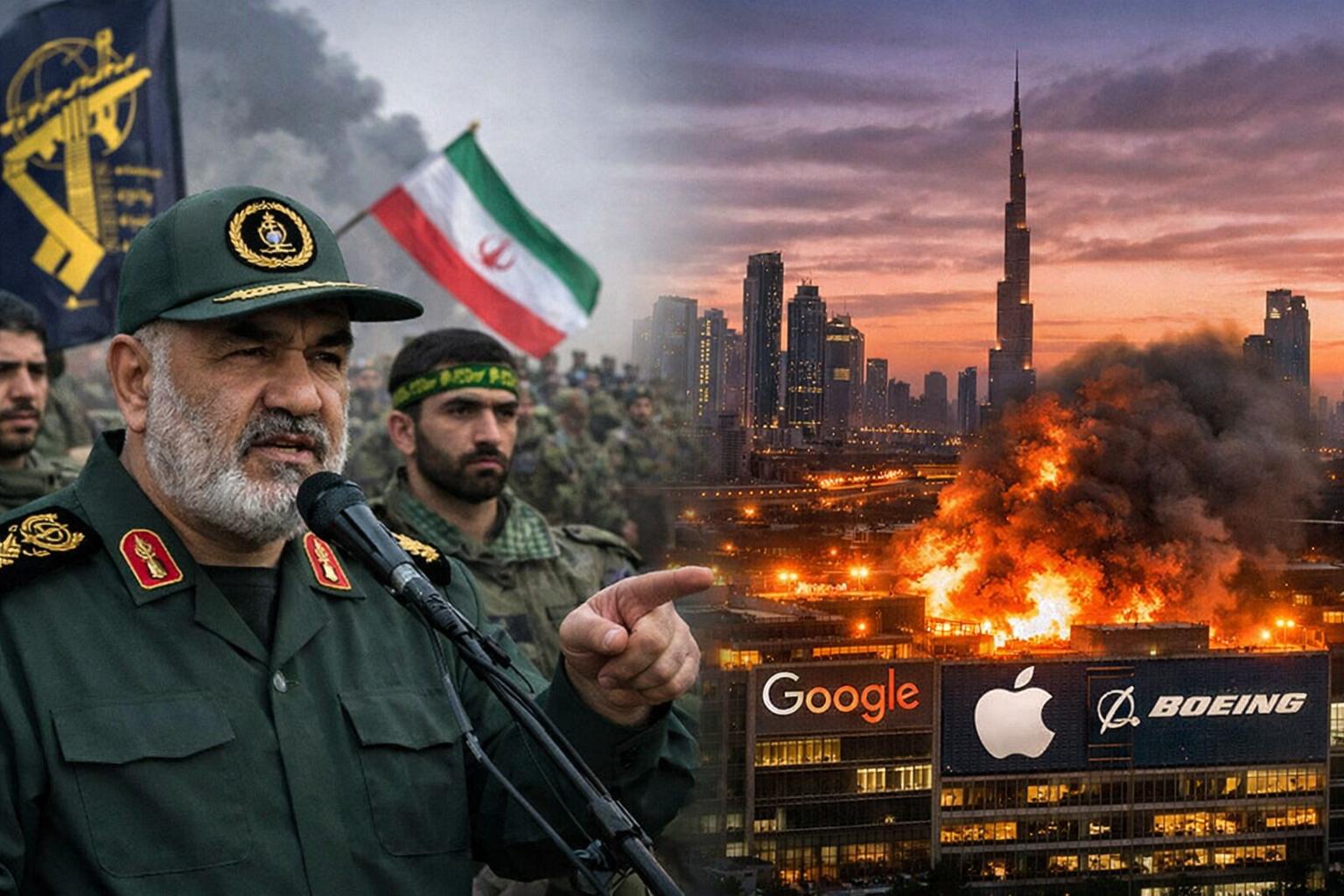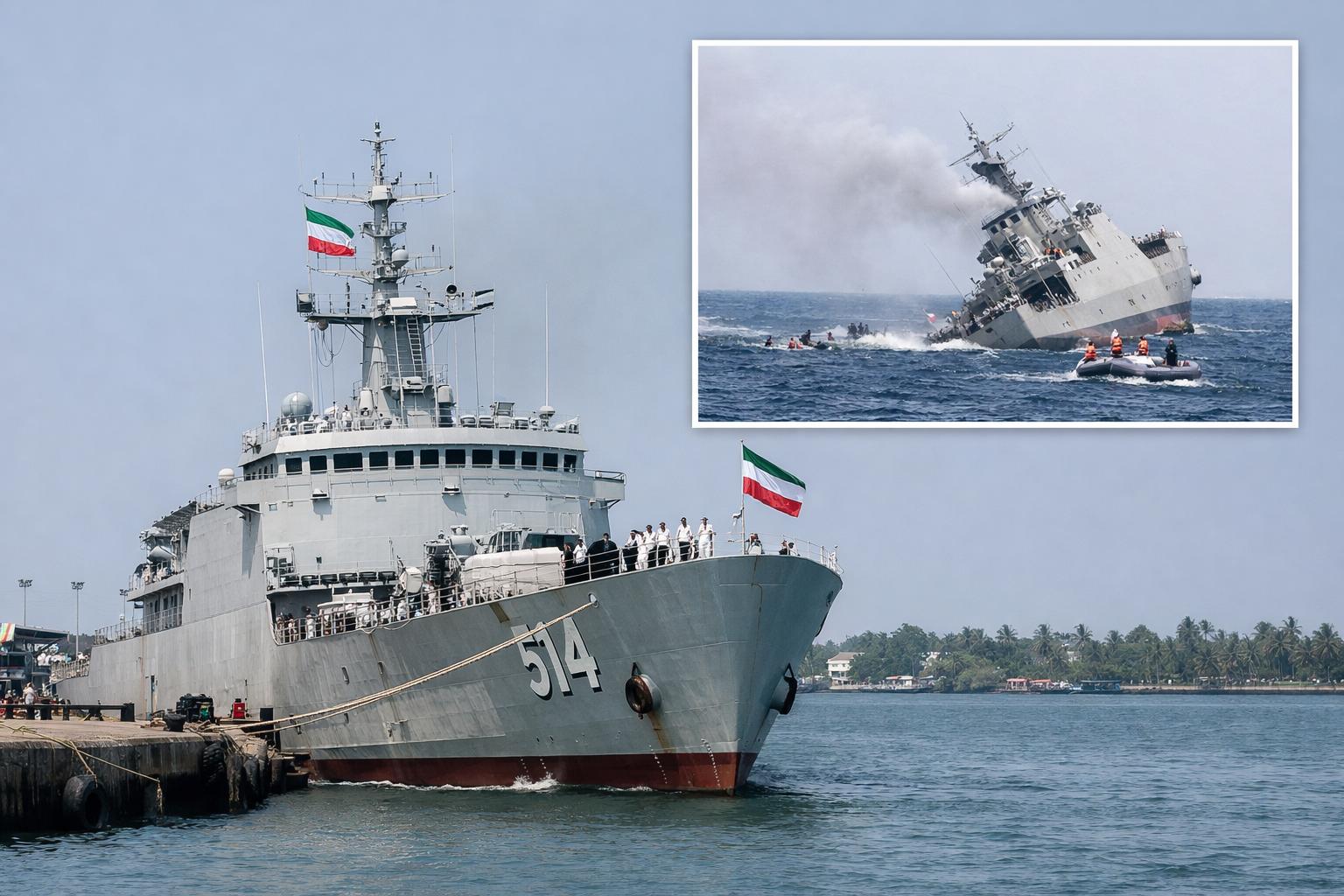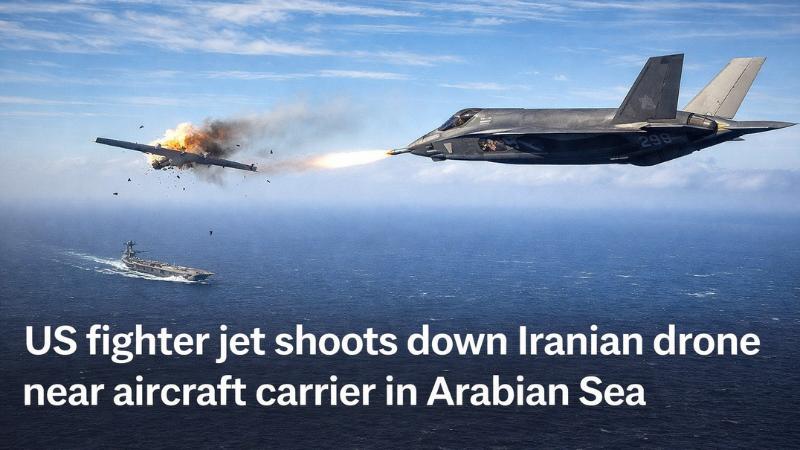
A United States Navy fighter jet shot down an Iranian drone after it approached an American aircraft carrier operating in the Arabian Sea, according to US Central Command, marking the latest escalation in a period of heightened military tensions across the Middle East. The incident occurred as the unmanned aircraft moved toward the USS Abraham Lincoln with what officials described as unclear intent, despite attempts by US forces to deter it.
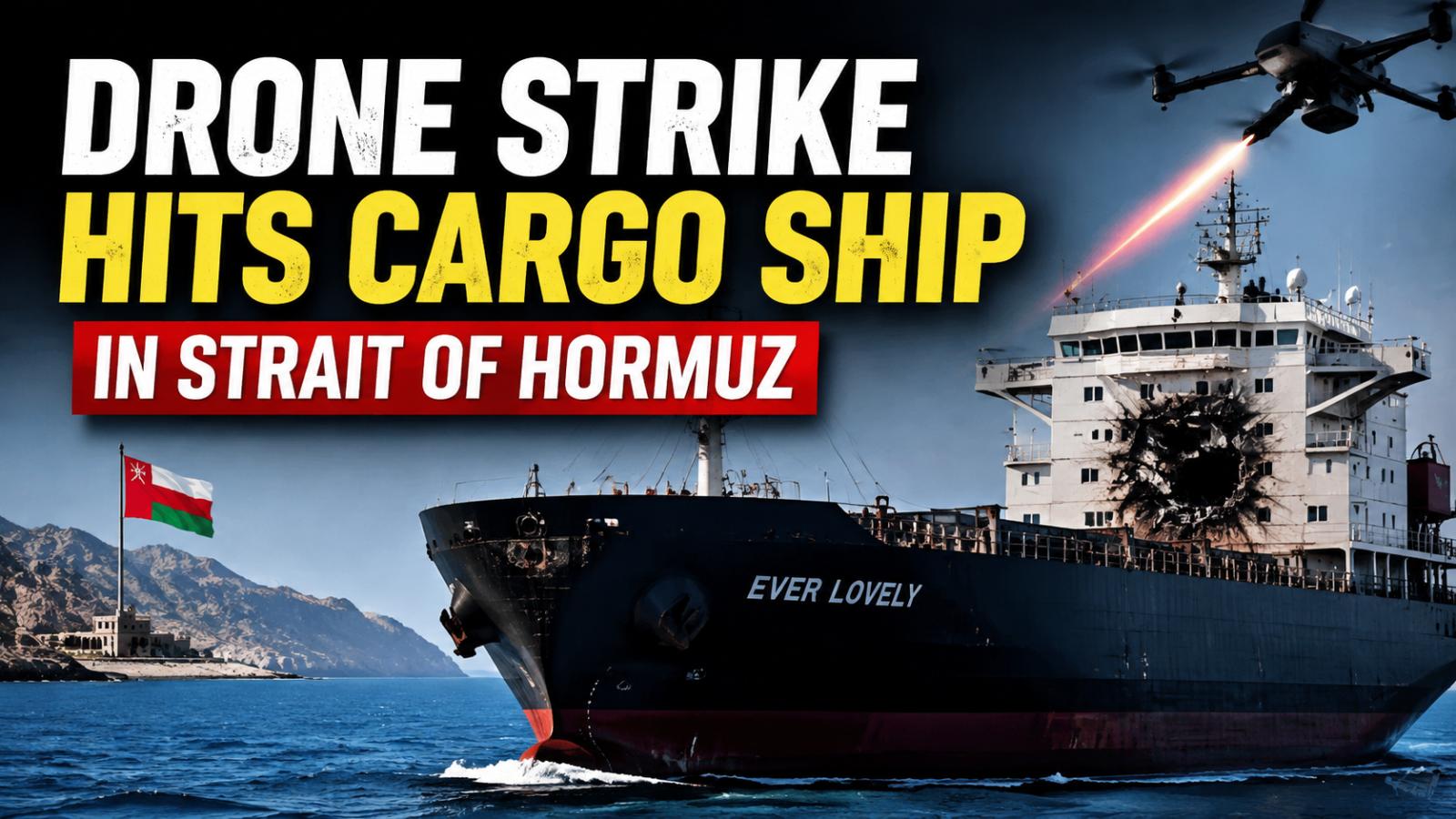
Military authorities said the drone “aggressively approached” the carrier while US ships were operating in international waters. After repeated warnings and de-escalatory measures failed to alter its course, an F-35C fighter jet launched from the carrier intercepted and destroyed the aircraft. The drone was identified as a Shahed-139 model. No American personnel were injured and no damage was reported to the carrier or its equipment.
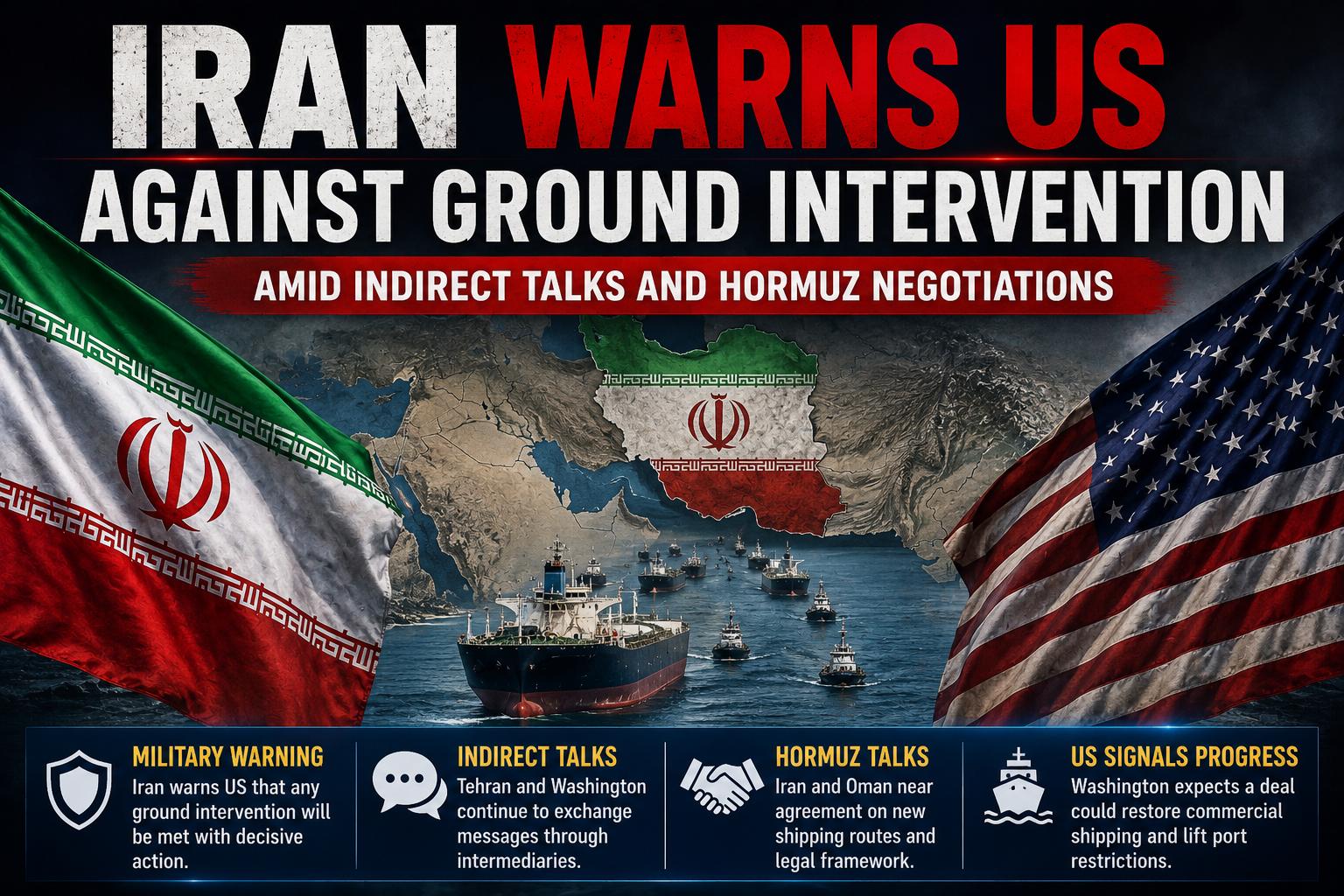
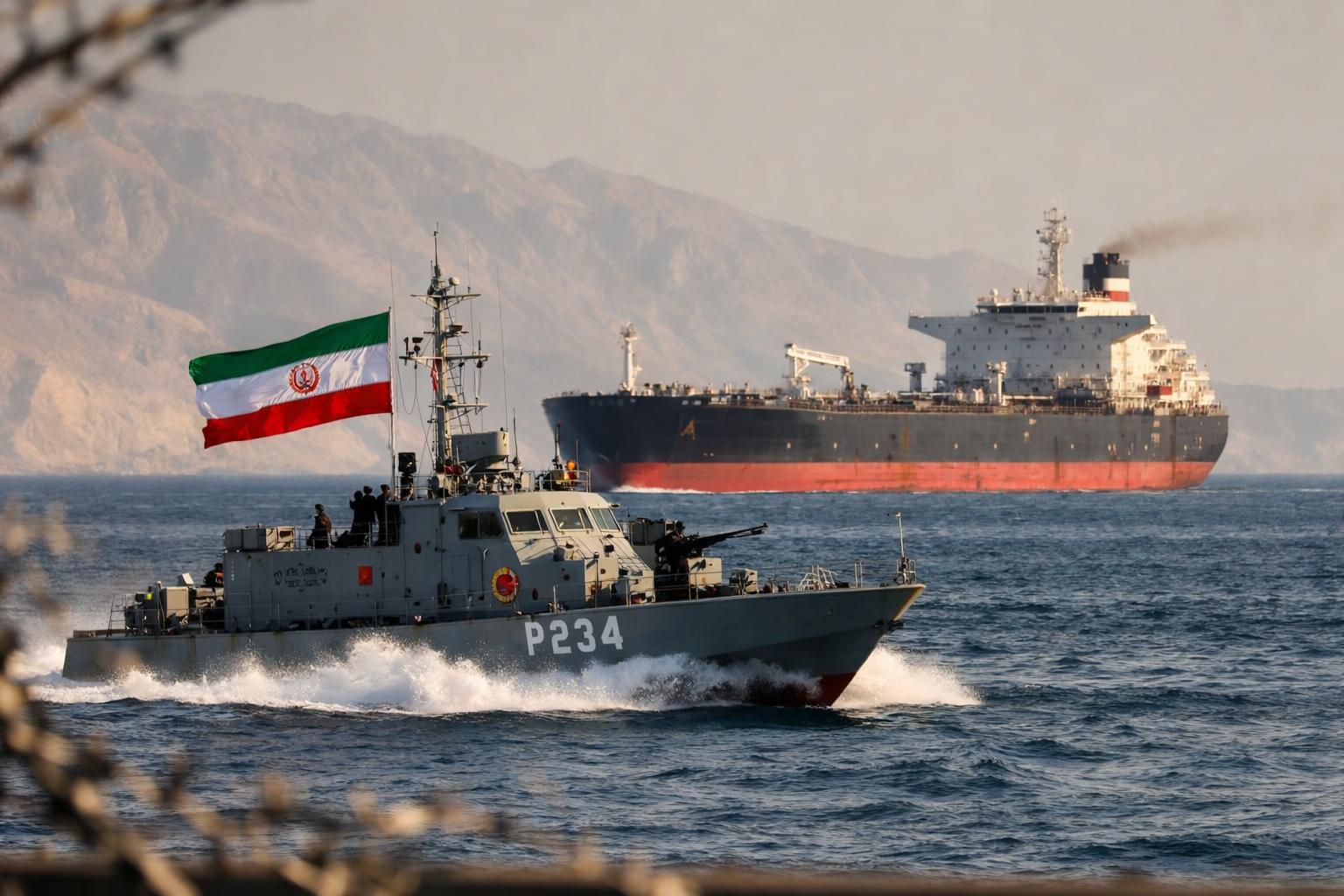
The shootdown came within hours of another confrontation in the region. US officials said Iranian forces harassed a US-flagged and US-crewed merchant vessel transiting the Strait of Hormuz, a critical global shipping corridor. Later the same day, two fast-moving boats and an additional Iranian Mohajer drone reportedly approached the commercial tanker at high speed and threatened to board and seize the ship, further raising concerns about maritime security and the safety of international shipping lanes.
The incidents underscore the fragile security environment in waters that handle a significant share of the world’s energy trade. Naval commanders have emphasized that US forces remain prepared to protect both military and civilian vessels operating lawfully in the region. The presence of the aircraft carrier strike group is intended to deter aggression and reassure allies amid ongoing instability.
At the same time, diplomatic signals from Tehran suggested a possible opening for renewed dialogue. Iran’s President Masoud Pezeshkian said he had directed his foreign minister to pursue talks with the United States if negotiations could occur in an environment free from threats and unreasonable expectations. The comments were seen as one of Tehran’s clearest indications in recent months that it may be willing to re-engage diplomatically.
In Washington, officials reiterated that talks remain possible but warned that failure to reach an agreement could lead to further consequences. Since returning to office, President Donald Trump has reinstated a policy of maximum pressure sanctions on Iran, measures that have added strain to the country’s economy and complicated prospects for reconciliation.
Taken together, the drone interception, maritime harassment and renewed diplomatic rhetoric reflect a volatile mix of military posturing and cautious outreach. Analysts say the balance between deterrence and diplomacy will likely shape the next phase of relations, as both sides navigate rising regional tensions while attempting to avoid a broader confrontation.