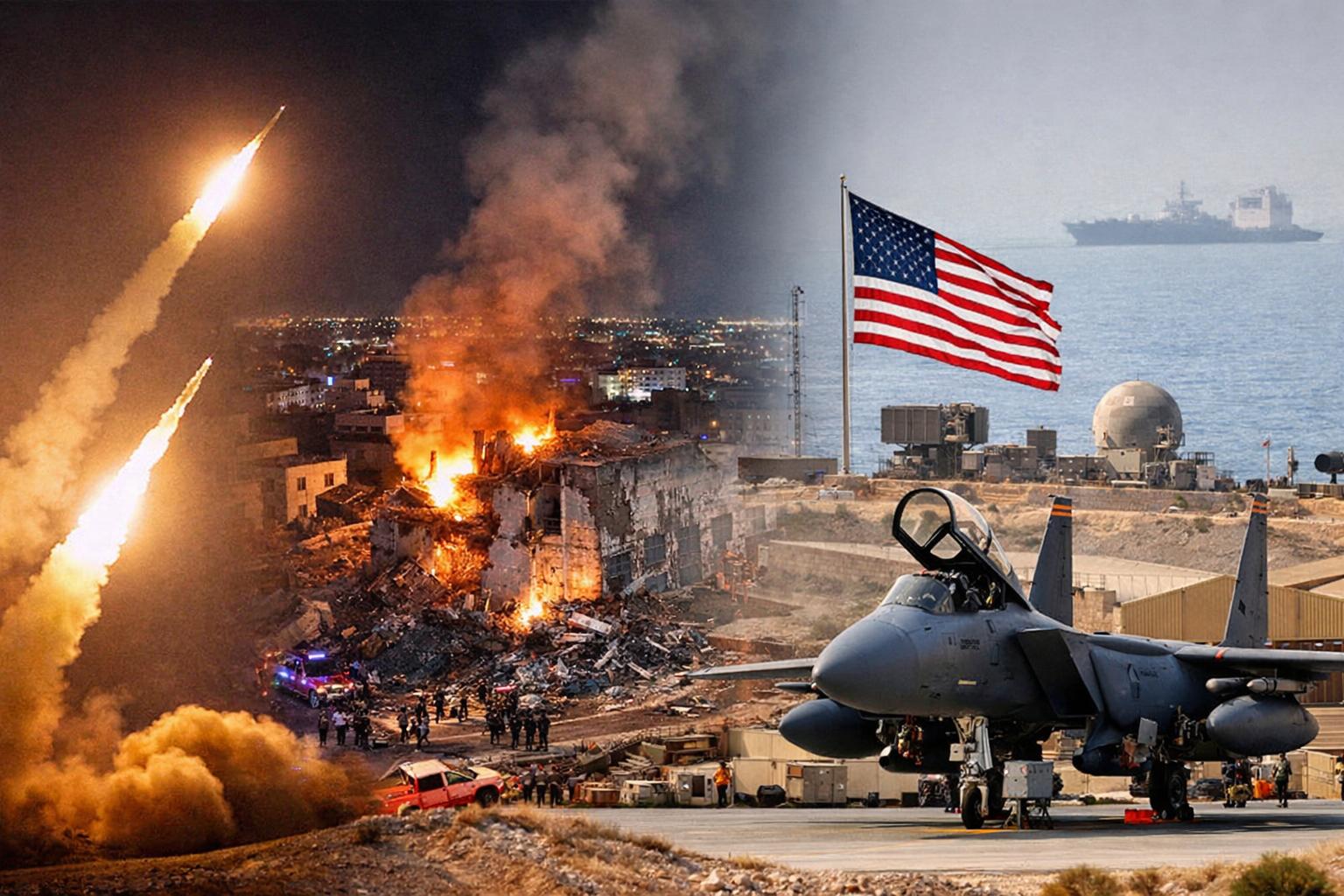
The US-Iran conflict has entered another dangerous phase after Tehran launched a fresh wave of missile and drone attacks against American-linked military facilities across the Gulf. The retaliation followed renewed US strikes on Iranian military targets, while President Donald Trump warned that Washington remains ready to attack again.
Iran strikes US bases after renewed American attacks
Iran l
The US-Iran conflict has entered another dangerous phase after Tehran launched a fresh wave of missile and drone attacks against American-linked military facilities across the Gulf. The retaliation followed renewed US strikes on Iranian military targets, while President Donald Trump warned that Washington remains ready to attack again.
Iran strikes US bases after renewed American attacks
Iran l
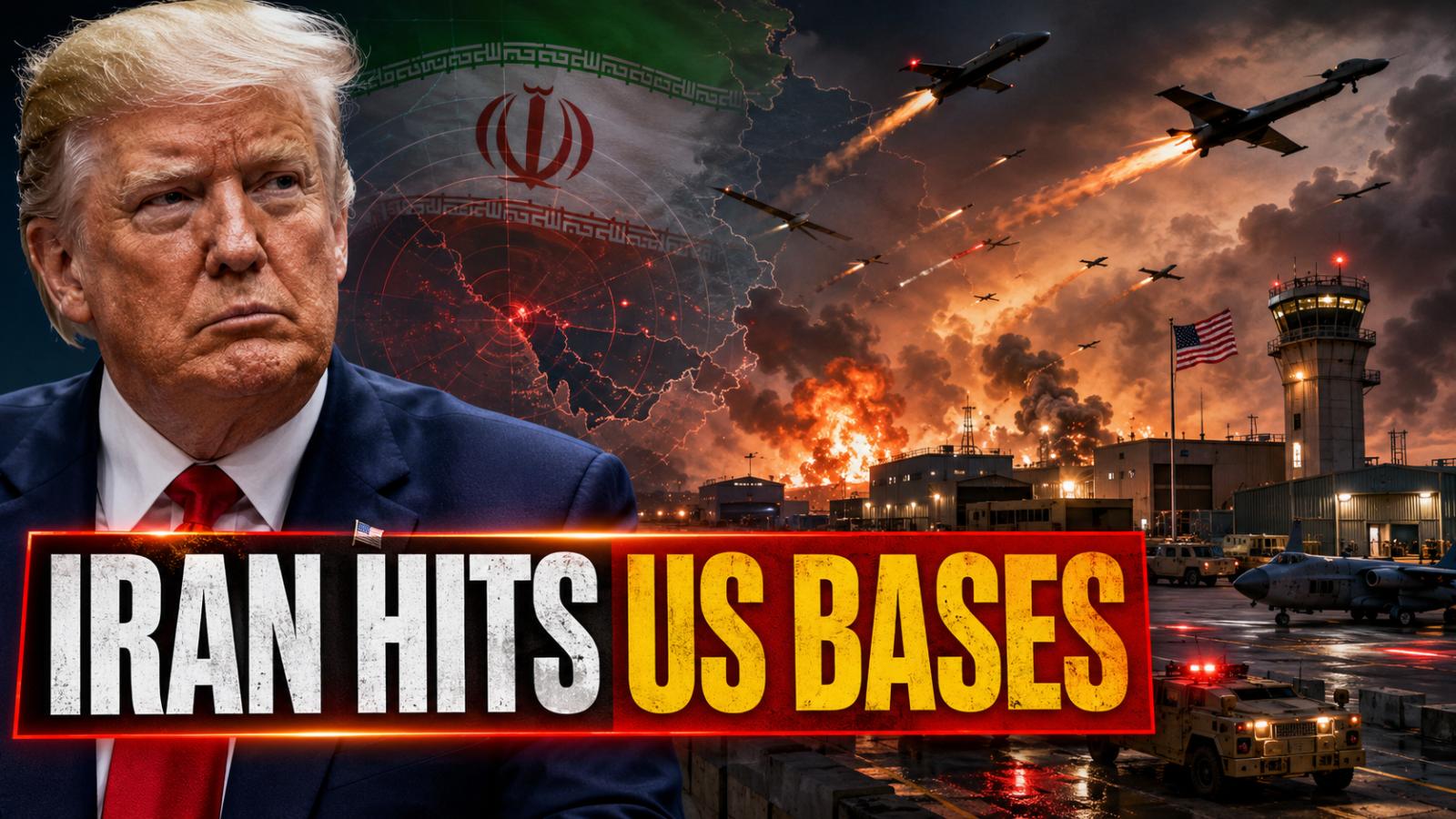
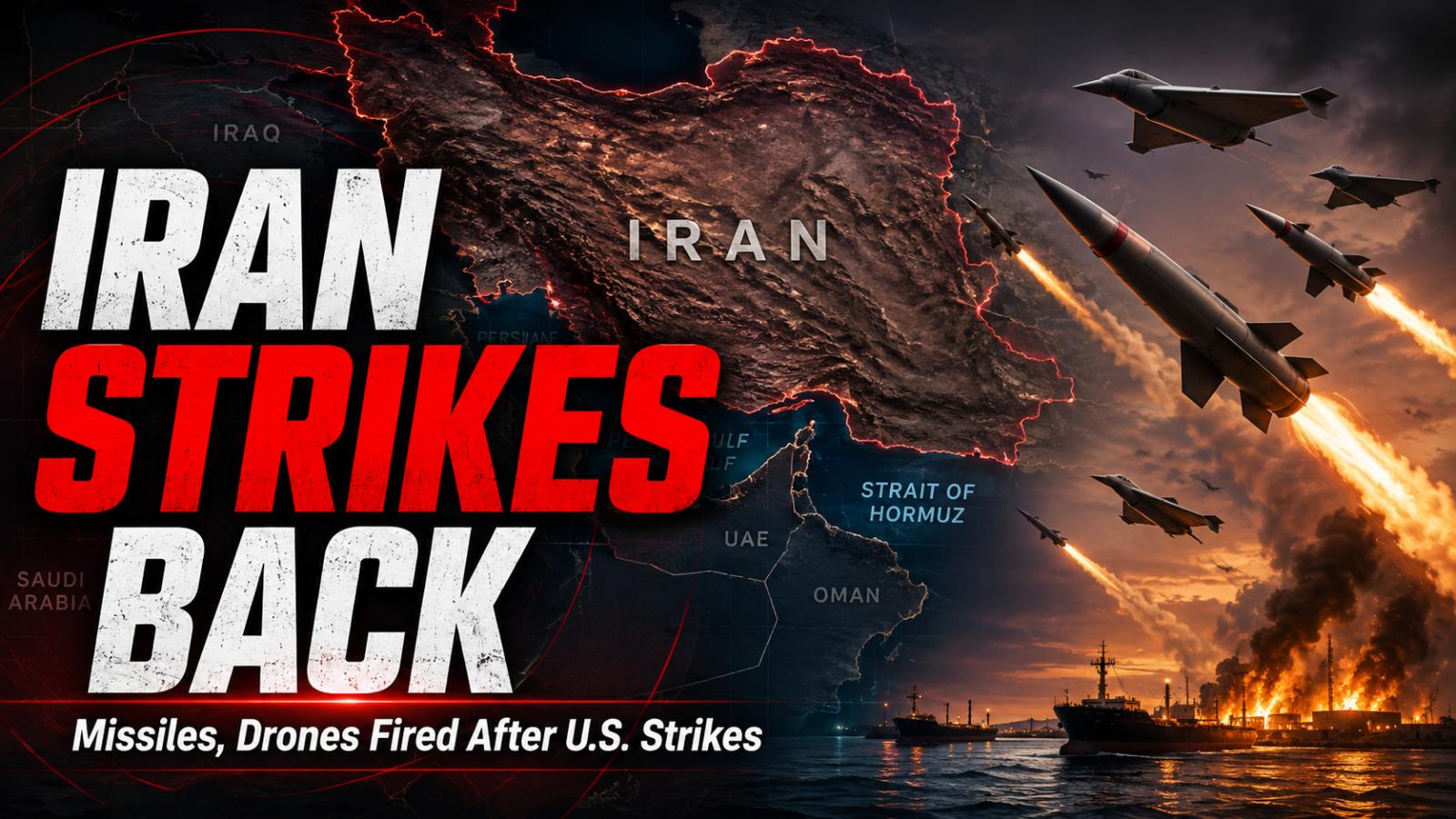
Iran launched missile and drone attacks against US-linked military targets after American forces carried out a new wave of strikes on Islamic Revolutionary Guard Corps facilities across southern Iran. The Iran retaliation marks the sharpest escalation in weeks and has again placed the Strait of Hormuz and regional US bases at the centre of the conflict.
US Iran Strikes
US Central Command confirmed that American forces carried out coordinated strikes on September 1 against IRGC military targets. CENTCOM said the operation hit air-defence sites, radar systems, maritime assets, mine-laying capabilities and communications facilities. The command said the strikes followed attempted Iranian attacks against commercial shipping in the Strait of Hormuz and American service members in the region.
The strikes were concentrated around southern Iran and the strategically important Hormuz region. Separate reporting said Iranian areas including Bandar Abbas, Qeshm, Jask and other coastal locations were among those affected as the conflict returned to a more intense phase.
IRGC Response
Iranian forces responded with missiles and drones aimed at US assets across the region. Iranian state-linked media described the attacks as retaliation for the latest American operation, while the IRGC promised what it called severe punishment for further strikes.
Jordan and Bahrain reported intercepting Iranian missiles and drones, while Iranian sources also claimed strikes against US positions in Iraq. Claims of American casualties made by Tehran had not been independently confirmed by US officials at the time of reporting.
The renewed exchanges show that both sides remain willing to use direct military force despite earlier efforts to reduce hostilities.
Hormuz Crisis
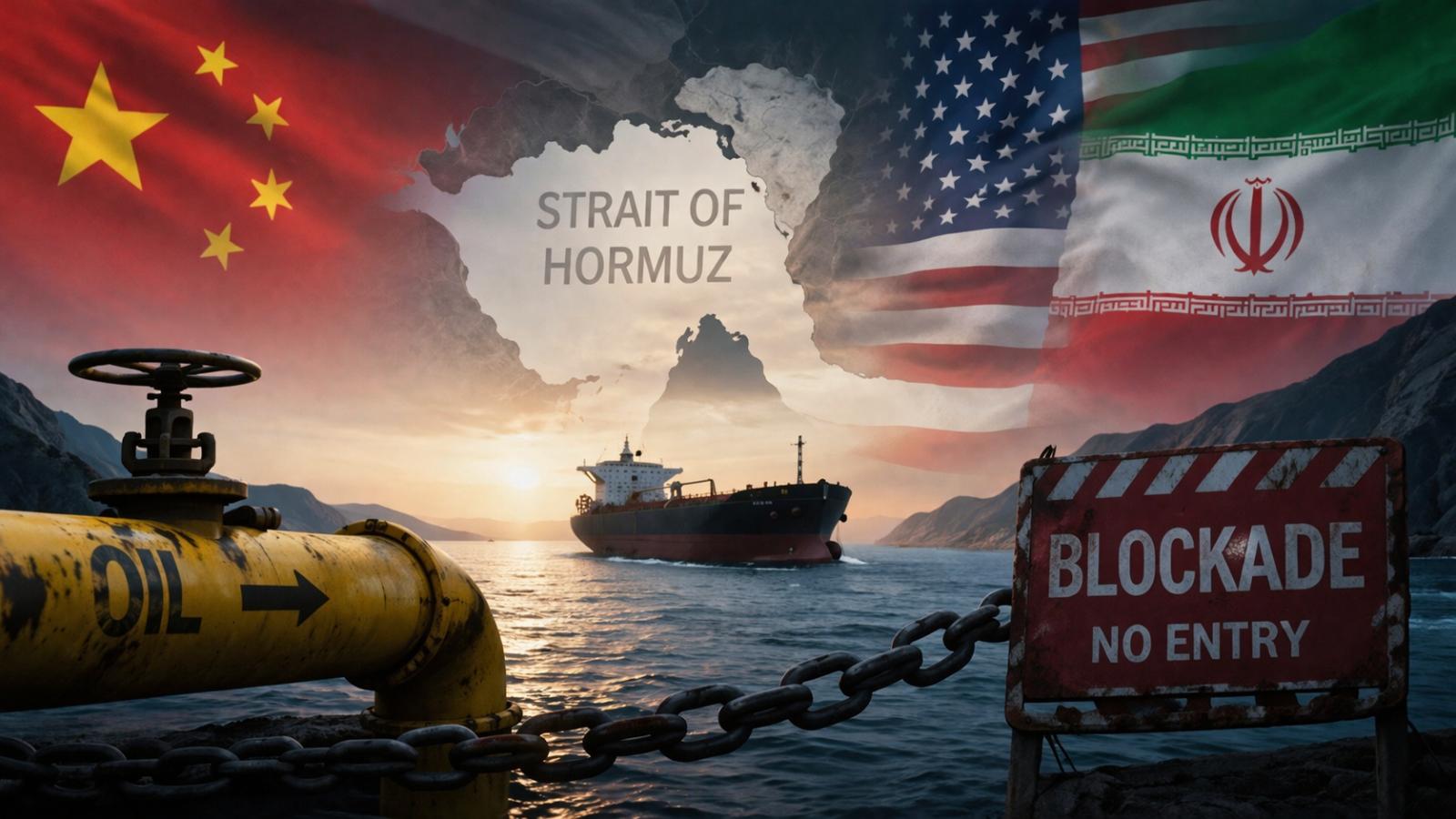
The Strait of Hormuz remains the most sensitive flashpoint. Washington says its latest operation followed Iranian attempts to threaten commercial shipping and deploy mine-laying capabilities near the waterway. CENTCOM has repeatedly described freedom of navigation through the strait as a key US military objective.
The escalation immediately affected energy markets. Brent crude rose toward $96 a barrel as traders reacted to the possibility of renewed disruption in a route responsible for a major share of global oil exports.
Any sustained attacks on shipping, ports or energy infrastructure could therefore have economic consequences far beyond the Middle East.
Trump Warns Iran
President Donald Trump defended the latest US strikes and warned Tehran that further retaliation could trigger an even stronger American response. He said the operation was justified by Iranian attempts to place mines in the Strait of Hormuz and previous attacks directed at US forces.
Trump’s warning came even as Iranian officials insisted they would continue responding to attacks on their territory. The competing threats have sharply reduced hopes that the current exchange will quickly return to the relative calm seen during parts of August.
Regional Escalation Risk
The latest fighting follows the August 30 US strike on two Iranian launchers on Larak Island, which American officials said were preparing to deploy sea mines. Iran answered that operation with ballistic missile attacks against US forces in Jordan.
With fresh American strikes now followed by a broader Iranian missile and drone response, the conflict appears to be entering another dangerous phase. The immediate question is whether both governments contain the exchanges or allow retaliation to expand across US bases, Iranian military facilities and shipping routes around the Strait of Hormuz.
Iran launched missile and drone attacks against US-linked military targets after American forces carried out a new wave of strikes on Islamic Revolutionary Guard Corps facilities across southern Iran. The Iran retaliation marks the sharpest escalation in weeks and has again placed the Strait of Hormuz and regional US bases at the centre of the conflict.
US Iran Strikes
US Central Command confirmed that American forces carried out coordinated strikes on September 1 against IRGC military targets. CENTCOM said the operation hit air-defence sites, radar systems, maritime assets, mine-laying capabilities and communications facilities. The command said the strikes followed attempted Iranian attacks against commercial shipping in the Strait of Hormuz and American service members in the region.
The strikes were concentrated around southern Iran and the strategically important Hormuz region. Separate reporting said Iranian areas including Bandar Abbas, Qeshm, Jask and other coastal locations were among those affected as the conflict returned to a more intense phase.
IRGC Response
Iranian forces responded with missiles and drones aimed at US assets across the region. Iranian state-linked media described the attacks as retaliation for the latest American operation, while the IRGC promised what it called severe punishment for further strikes.
Jordan and Bahrain reported intercepting Iranian missiles and drones, while Iranian sources also claimed strikes against US positions in Iraq. Claims of American casualties made by Tehran had not been independently confirmed by US officials at the time of reporting.
The renewed exchanges show that both sides remain willing to use direct military force despite earlier efforts to reduce hostilities.
Hormuz Crisis
The Strait of Hormuz remains the most sensitive flashpoint. Washington says its latest operation followed Iranian attempts to threaten commercial shipping and deploy mine-laying capabilities near the waterway. CENTCOM has repeatedly described freedom of navigation through the strait as a key US military objective.
The escalation immediately affected energy markets. Brent crude rose toward $96 a barrel as traders reacted to the possibility of renewed disruption in a route responsible for a major share of global oil exports.
Any sustained attacks on shipping, ports or energy infrastructure could therefore have economic consequences far beyond the Middle East.
Trump Warns Iran
President Donald Trump defended the latest US strikes and warned Tehran that further retaliation could trigger an even stronger American response. He said the operation was justified by Iranian attempts to place mines in the Strait of Hormuz and previous attacks directed at US forces.
Trump’s warning came even as Iranian officials insisted they would continue responding to attacks on their territory. The competing threats have sharply reduced hopes that the current exchange will quickly return to the relative calm seen during parts of August.
Regional Escalation Risk
The latest fighting follows the August 30 US strike on two Iranian launchers on Larak Island, which American officials said were preparing to deploy sea mines. Iran answered that operation with ballistic missile attacks against US forces in Jordan.
With fresh American strikes now followed by a broader Iranian missile and drone response, the conflict appears to be entering another dangerous phase. The immediate question is whether both governments contain the exchanges or allow retaliation to expand across US bases, Iranian military facilities and shipping routes around the Strait of Hormuz.
US Says Iranian Drones Were Intercepted Near Hormuz
Tensions in West Asia escalated after the US military said it intercepted four Iranian one-way attack drones launched toward the Strait of Hormuz and later struck Iranian coastal surveillance radar sites. US Central Command said the drones posed an immediate threat to regional maritime traffic, a key concern because the Strait of Hormuz remains one of the w
US Says Iranian Drones Were Intercepted Near Hormuz
Tensions in West Asia escalated after the US military said it intercepted four Iranian one-way attack drones launched toward the Strait of Hormuz and later struck Iranian coastal surveillance radar sites. US Central Command said the drones posed an immediate threat to regional maritime traffic, a key concern because the Strait of Hormuz remains one of the w
Trump Says Iran Conflict Is Moving Fast
US President Donald Trump said Friday, June 5th that his administration is “moving very fast” in its handling of the Iran conflict, while acknowledging that Tehran still retains part of its military capacity. Speaking about the war, now in its third month, Trump again compared the timeline with the Vietnam War and argued that the current campaign remains far shorter than past American military engagements.
Trump
Trump Says Iran Conflict Is Moving Fast
US President Donald Trump said Friday, June 5th that his administration is “moving very fast” in its handling of the Iran conflict, while acknowledging that Tehran still retains part of its military capacity. Speaking about the war, now in its third month, Trump again compared the timeline with the Vietnam War and argued that the current campaign remains far shorter than past American military engagements.
Trump
Iran missile stockpile and war readiness
Iran missile stockpile has become a major focus as tensions with the United States intensify, with Tehran claiming it can sustain several years of war using its missile and drone reserves. A senior Iranian lawmaker said the country is fully prepared for prolonged conflict while continuing negotiations with Washington under the direction of its top leadership. The statement highlights both Iran’s military confidence and its refusal to yield under pressure.
Alaeddin Boroujerdi, a senior member of Iran’s parliament, said the country’s defense capacity remains strong and capable of long-term engagement. He emphasized that Iran’s missile and drone arsenal is sufficient to maintain sustained operations if required. He made it clear that negotiations with the United States are not a sign of weakness but part of a calculated strategy directed by the Supreme Leader. According to him, experienced leadership is handling the talks, ensuring that national interests are protected at all times.
Boroujerdi stressed that Iran does not view the negotiating table as a place for surrender. He stated that discussions would not lead to compromise or humiliation, reinforcing Tehran’s firm diplomatic stance. His comments come at a time of rising Iran-US tensions, particularly following statements by Donald Trump, which he dismissed as ineffective. He also pointed out that a recently extended ceasefire period has not resulted in any significant actions from the opposing side.
The Iranian lawmaker also criticized the US-led maritime blockade, describing it as lacking global legitimacy. He noted that no major European or NATO countries have joined the effort, suggesting limited international support for Washington’s position. This, he argued, weakens the overall impact of the blockade.
Strategically, Iran continues to emphasize its control over the Strait of Hormuz, a crucial global oil route. Officials maintain that Iran will never lose control over this vital waterway, underlining its importance in the broader geopolitical landscape. The statement reinforces Tehran’s confidence in its regional influence and defense strategy.
Overall, Iran’s position reflects a dual approach of negotiation and strength. While talks with the United States continue, Tehran is signaling that it is fully prepared for extended conflict if necessary, maintaining both diplomatic engagement and military readiness.
Iran missile stockpile and war readiness
Iran missile stockpile has become a major focus as tensions with the United States intensify, with Tehran claiming it can sustain several years of war using its missile and drone reserves. A senior Iranian lawmaker said the country is fully prepared for prolonged conflict while continuing negotiations with Washington under the direction of its top leadership. The statement highlights both Iran’s military confidence and its refusal to yield under pressure.
Alaeddin Boroujerdi, a senior member of Iran’s parliament, said the country’s defense capacity remains strong and capable of long-term engagement. He emphasized that Iran’s missile and drone arsenal is sufficient to maintain sustained operations if required. He made it clear that negotiations with the United States are not a sign of weakness but part of a calculated strategy directed by the Supreme Leader. According to him, experienced leadership is handling the talks, ensuring that national interests are protected at all times.
Boroujerdi stressed that Iran does not view the negotiating table as a place for surrender. He stated that discussions would not lead to compromise or humiliation, reinforcing Tehran’s firm diplomatic stance. His comments come at a time of rising Iran-US tensions, particularly following statements by Donald Trump, which he dismissed as ineffective. He also pointed out that a recently extended ceasefire period has not resulted in any significant actions from the opposing side.
The Iranian lawmaker also criticized the US-led maritime blockade, describing it as lacking global legitimacy. He noted that no major European or NATO countries have joined the effort, suggesting limited international support for Washington’s position. This, he argued, weakens the overall impact of the blockade.
Strategically, Iran continues to emphasize its control over the Strait of Hormuz, a crucial global oil route. Officials maintain that Iran will never lose control over this vital waterway, underlining its importance in the broader geopolitical landscape. The statement reinforces Tehran’s confidence in its regional influence and defense strategy.
Overall, Iran’s position reflects a dual approach of negotiation and strength. While talks with the United States continue, Tehran is signaling that it is fully prepared for extended conflict if necessary, maintaining both diplomatic engagement and military readiness.
Tensions across the Middle East escalated sharply on Thursday as the ongoing Iran-Israel conflict intensified with new drone and missile attacks reported across several locations in the region. Iranian authorities claimed responsibility for launching drone strikes targeting Israel’s Shin Bet headquarters in Tel Aviv as well as the Palmachim and Ovda air bases, signalling a significant escalation in hostilities between the two countries.
Israeli officials confirmed that missiles we
Tensions across the Middle East escalated sharply on Thursday as the ongoing Iran-Israel conflict intensified with new drone and missile attacks reported across several locations in the region. Iranian authorities claimed responsibility for launching drone strikes targeting Israel’s Shin Bet headquarters in Tel Aviv as well as the Palmachim and Ovda air bases, signalling a significant escalation in hostilities between the two countries.
Israeli officials confirmed that missiles we
The ongoing conflict between Iran and the joint front of Israel and the United States entered its 12th day on Wednesday, with renewed missile strikes and escalating regional tensions across the Middle East. Iranian forces launched fresh missile attacks targeting central Israel before dawn, triggering air raid sirens in several cities. Israeli air defence systems responded swiftly and intercepted incoming rockets, preventing major damage and casualties, according to preliminary reports.
At th
The ongoing conflict between Iran and the joint front of Israel and the United States entered its 12th day on Wednesday, with renewed missile strikes and escalating regional tensions across the Middle East. Iranian forces launched fresh missile attacks targeting central Israel before dawn, triggering air raid sirens in several cities. Israeli air defence systems responded swiftly and intercepted incoming rockets, preventing major damage and casualties, according to preliminary reports.
At th
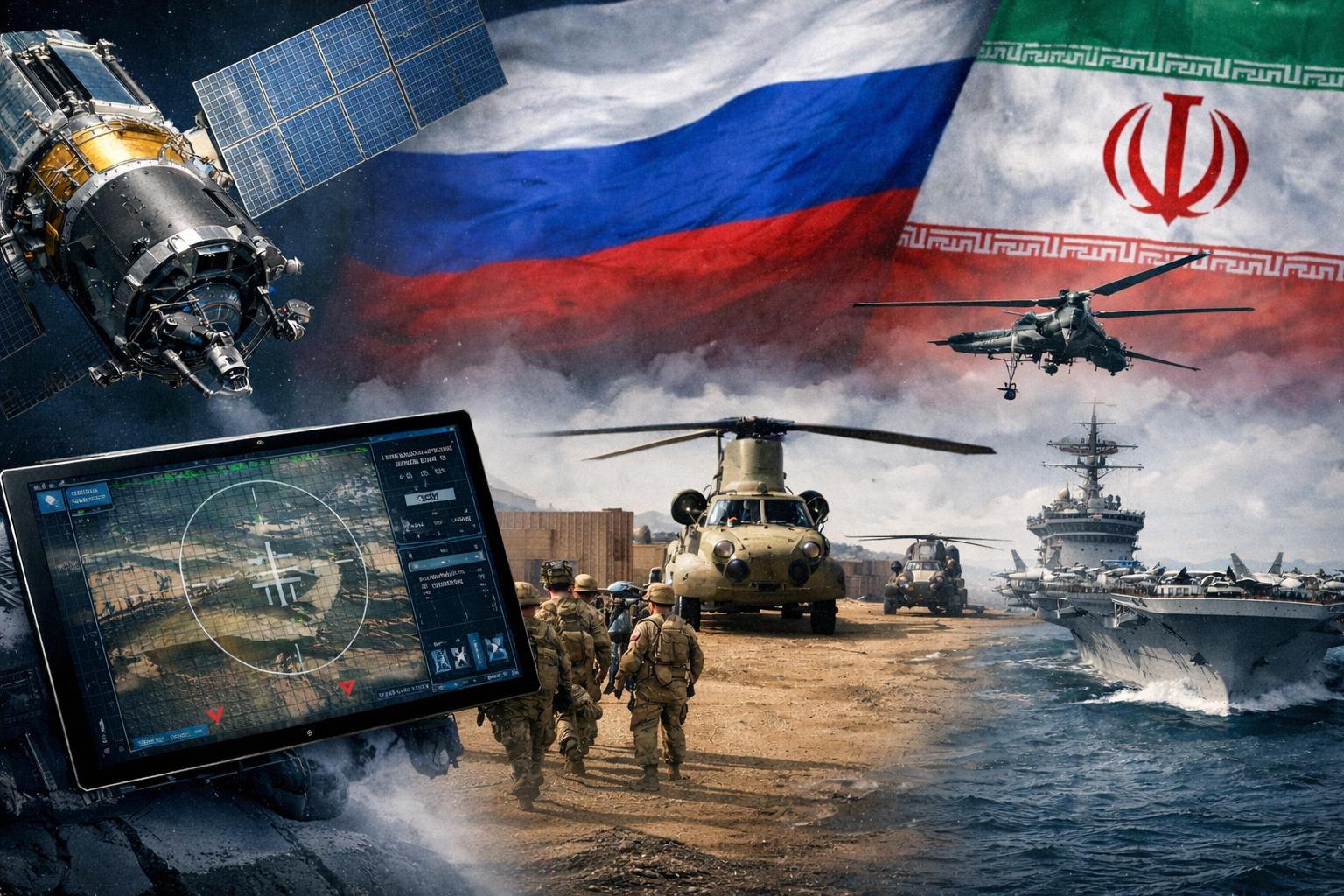
Russia has reportedly provided Iran with intelligence regarding the locations of United States military forces, according to people familiar with US intelligence assessments. The information is said to include satellite imagery showing the positions and movements of American troops, ships, and aircraft across parts of the region. Officials briefed on the matter indicated that much of the data came from Russia’s network of overhead surveillance satellites, marking the first indication that M
Russia has reportedly provided Iran with intelligence regarding the locations of United States military forces, according to people familiar with US intelligence assessments. The information is said to include satellite imagery showing the positions and movements of American troops, ships, and aircraft across parts of the region. Officials briefed on the matter indicated that much of the data came from Russia’s network of overhead surveillance satellites, marking the first indication that M
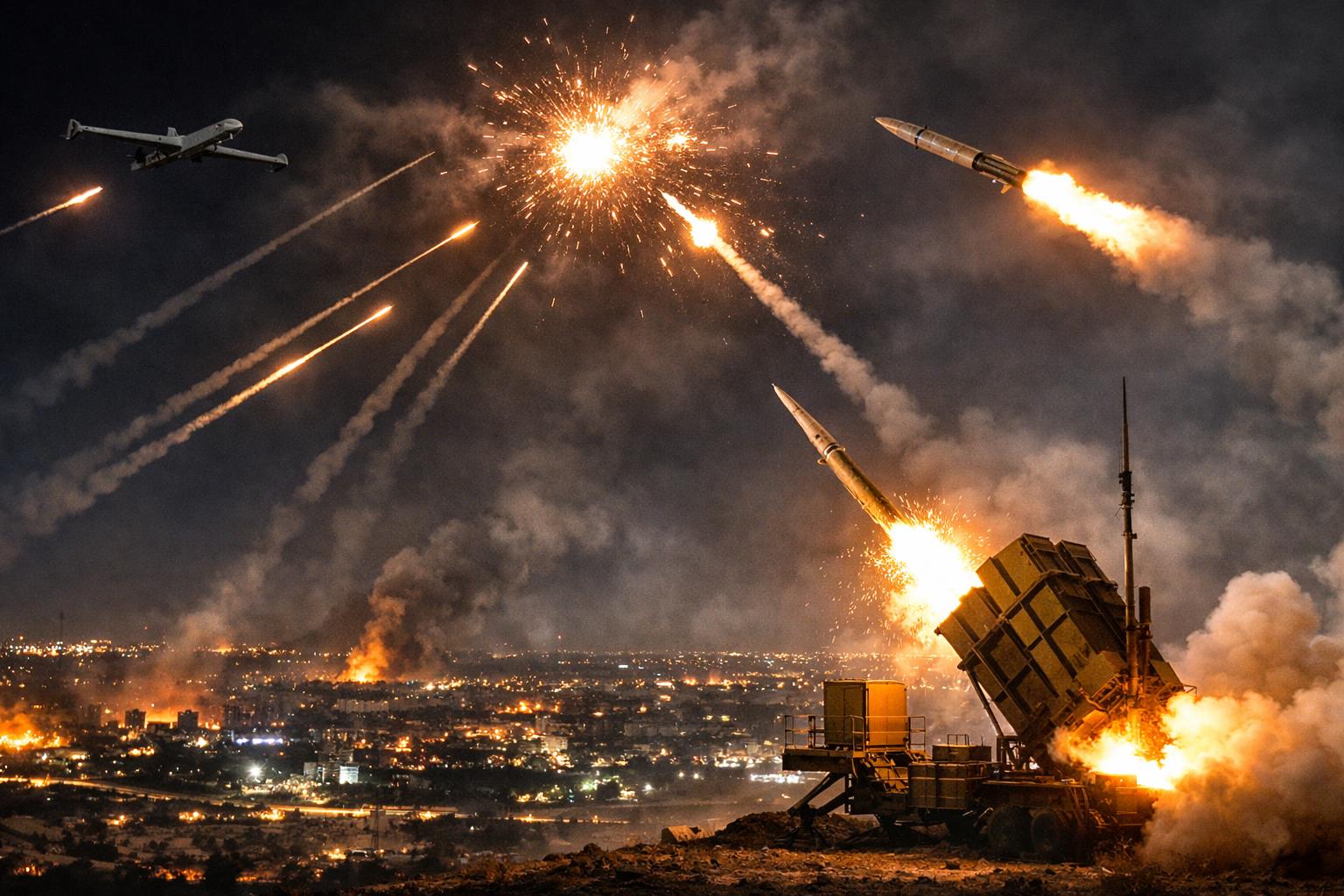
The skies over West Asia have become the center of a rapidly intensifying aerial confrontation as waves of Iranian drones and missiles streak across the region. Air defense systems operated by the United States and Israel are working almost continuously to intercept incoming threats, creating a dramatic display of explosions, interceptor launches, and fire trails across the night sky. The escalating conflict has transformed the region’s airspace into a high-stakes battlefield, where defensive
The skies over West Asia have become the center of a rapidly intensifying aerial confrontation as waves of Iranian drones and missiles streak across the region. Air defense systems operated by the United States and Israel are working almost continuously to intercept incoming threats, creating a dramatic display of explosions, interceptor launches, and fire trails across the night sky. The escalating conflict has transformed the region’s airspace into a high-stakes battlefield, where defensive
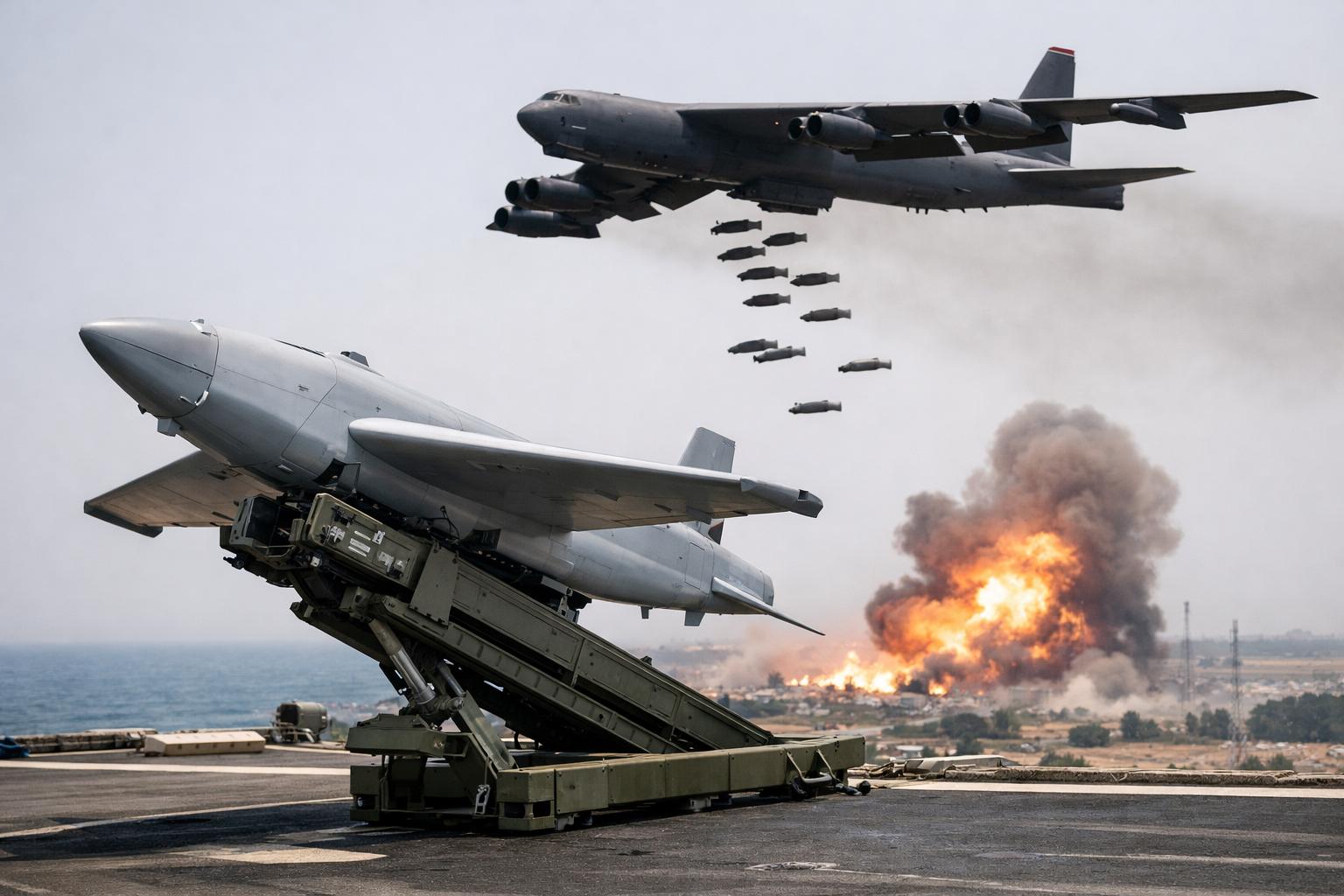
The United States military has deployed a new drone strike capability in the Middle East as part of its ongoing operations against the Islamic State. Speaking during a briefing on Operation Epic Fury, the commander of United States Central Command, Admiral Brad Cooper, confirmed that the US has begun using drones designed on the model of Iran’s Shahed-136 unmanned aerial vehicle. The system is intended to strengthen Washington’s ability to conduct precision strikes while countering milita
The United States military has deployed a new drone strike capability in the Middle East as part of its ongoing operations against the Islamic State. Speaking during a briefing on Operation Epic Fury, the commander of United States Central Command, Admiral Brad Cooper, confirmed that the US has begun using drones designed on the model of Iran’s Shahed-136 unmanned aerial vehicle. The system is intended to strengthen Washington’s ability to conduct precision strikes while countering milita
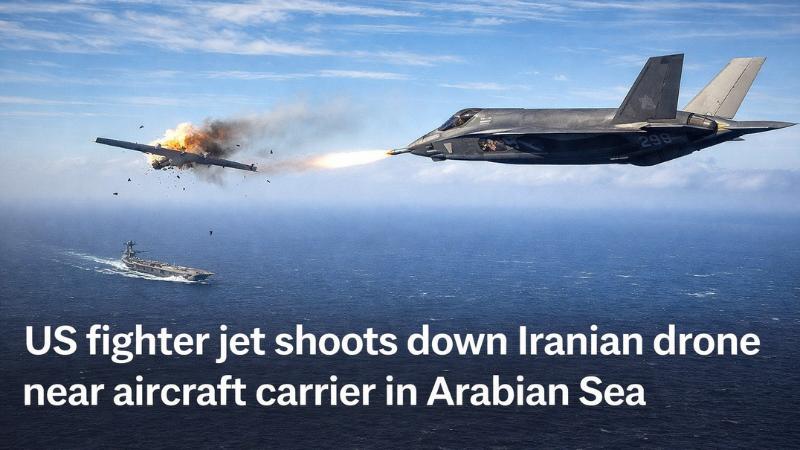
A United States Navy fighter jet shot down an Iranian drone after it approached an American aircraft carrier operating in the Arabian Sea, according to US Central Command, marking the latest escalation in a period of heightened military tensions across the Middle East. The incident occurred as the unmanned aircraft moved toward the USS Abraham Lincoln with what officials described as unclear intent, despite attempts by US forces to deter it.
Military authorities said the drone “ag
A United States Navy fighter jet shot down an Iranian drone after it approached an American aircraft carrier operating in the Arabian Sea, according to US Central Command, marking the latest escalation in a period of heightened military tensions across the Middle East. The incident occurred as the unmanned aircraft moved toward the USS Abraham Lincoln with what officials described as unclear intent, despite attempts by US forces to deter it.
Military authorities said the drone “ag