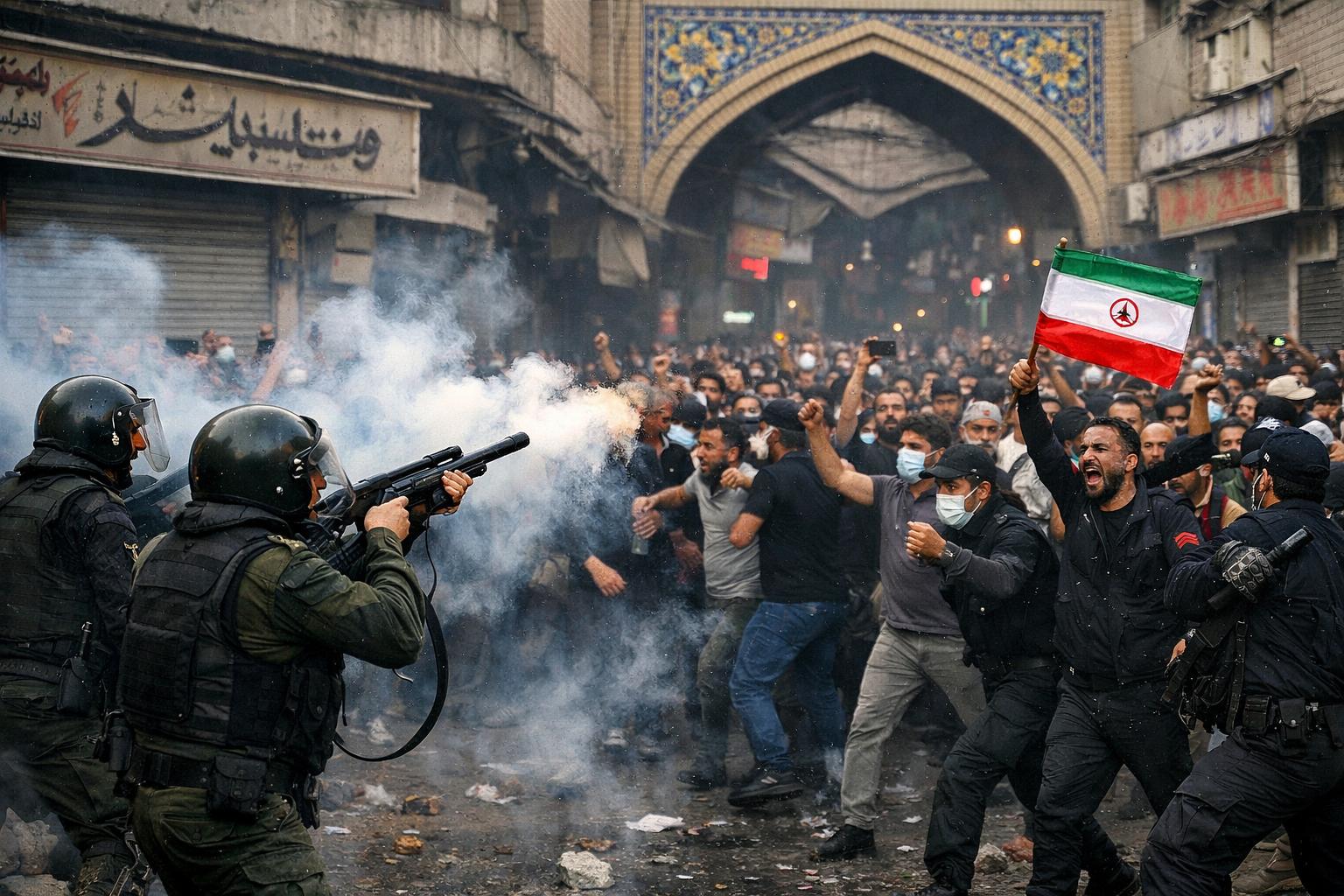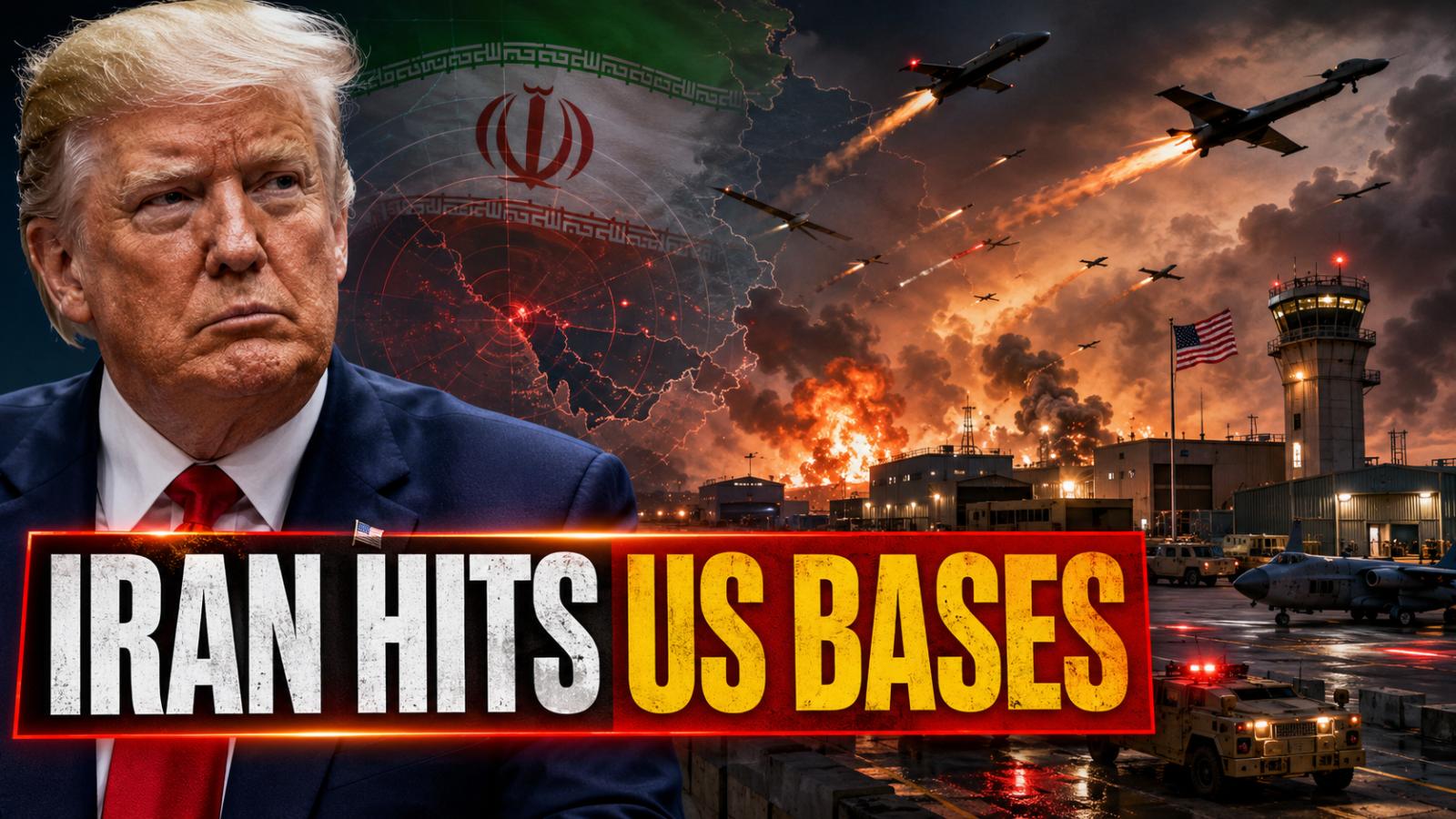
The US-Iran conflict has entered another dangerous phase after Tehran launched a fresh wave of missile and drone attacks against American-linked military facilities across the Gulf. The retaliation followed renewed US strikes on Iranian military targets, while President Donald Trump warned that Washington remains ready to attack again.
Iran strikes US bases after renewed American attacks
Iran launched missiles and drones toward military installations in Kuwait and other parts of the region as part of its latest retaliation. Kuwait activated air defenses and sirens sounded as authorities responded to incoming threats.
Iran claimed its forces targeted Ahmed al-Jaber Air Base in Kuwait, saying communications systems, aircraft facilities and equipment depots were among the objectives. Tehran also said it targeted troop positions and radar systems linked to Al Minhad Air Base in the UAE.
Those specific damage claims have not been independently confirmed. Kuwait described the attacks as Iranian aggression, while regional air-defense systems intercepted several incoming missiles and drones.
Trump warns US could strike Iran again
The latest Iranian response followed a new wave of US attacks inside Iran. US Central Command said its September 1 operation struck Islamic Revolutionary Guard Corps targets including air-defense sites, radar systems, maritime assets, communications facilities and mine-laying capabilities.
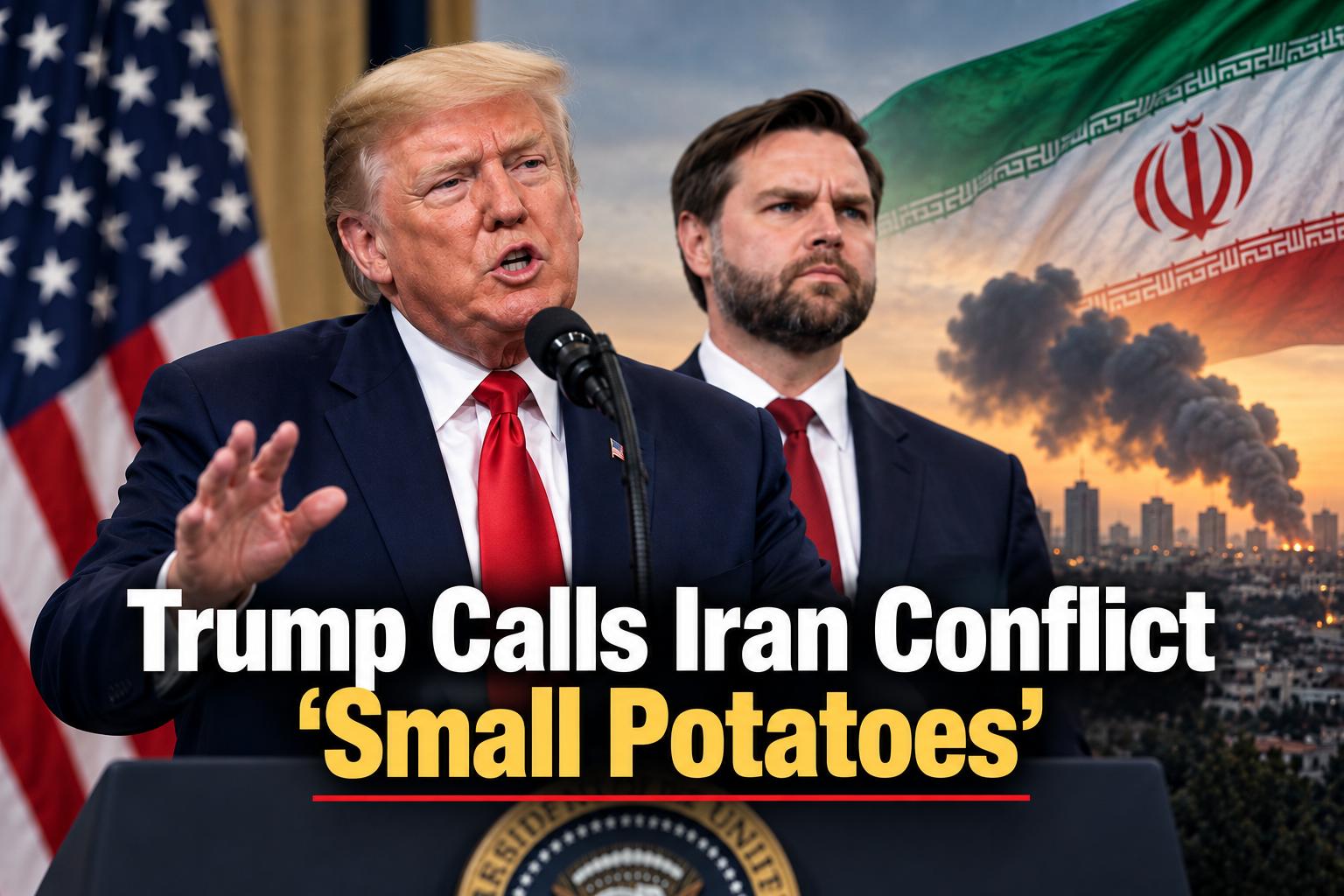
Trump later said the United States had carried out a “very heavy attack” and remained prepared to launch another operation “any time we want.” His remarks signaled that Washington has not ruled out further military escalation despite growing concern over civilian casualties and regional instability.
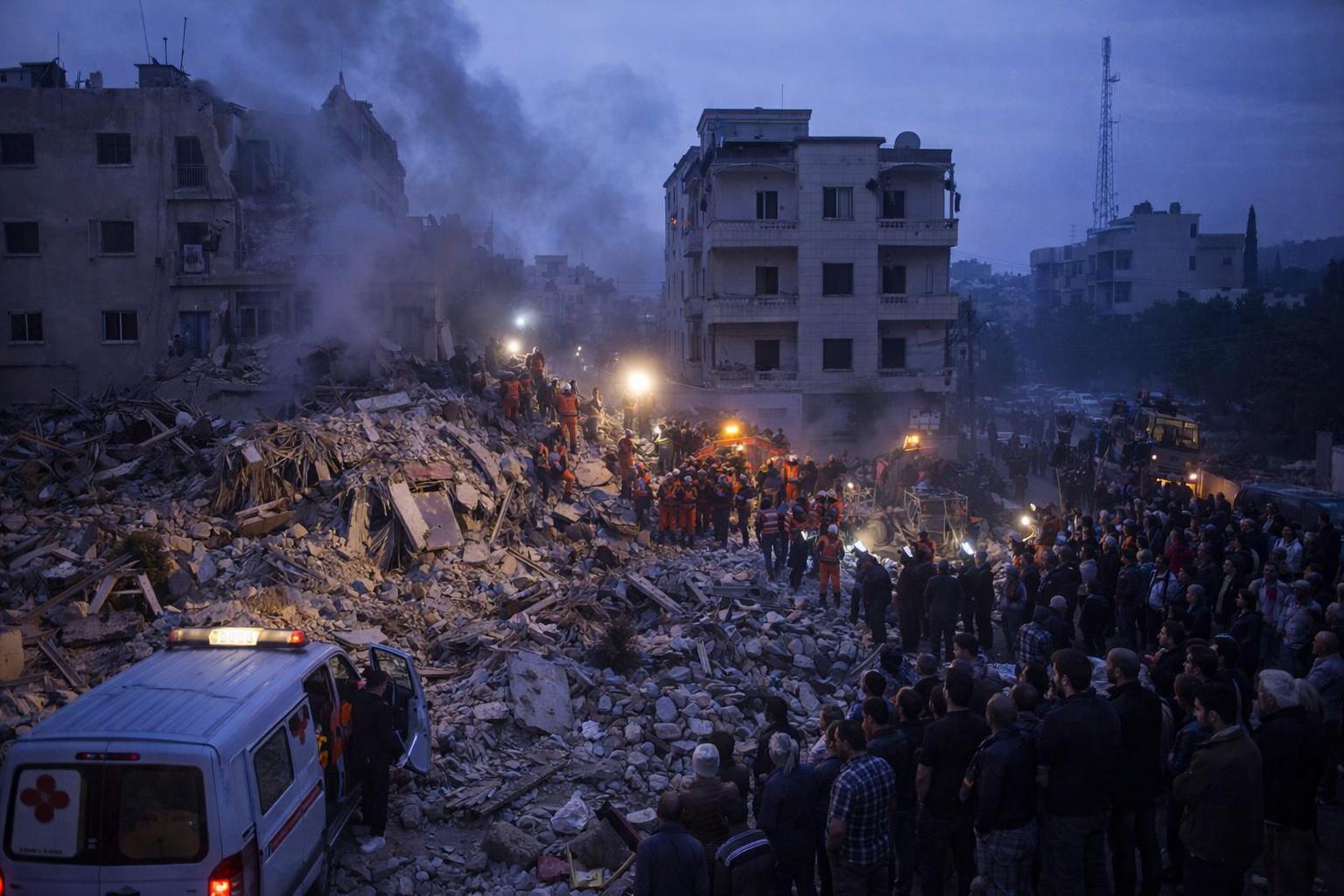
At least 18 people were reported killed in the latest US strikes on Iran, while more than 100 were injured. Reports that one strike hit a wedding gathering have triggered calls for an investigation. US officials have said they are reviewing the circumstances.
Russia-Iran missile cooperation draws fresh scrutiny
The escalation has also renewed attention on Iran’s military relationship with Russia. An investigation based on leaked documents and travel records found that Moscow has been assisting Tehran with development of advanced supersonic cruise missile technology.
The secret programme, identified as C430L, reportedly began in 2023 and focuses on ramjet propulsion. Such engines can allow cruise missiles to sustain supersonic speeds while flying at relatively low altitude, reducing the reaction time available to air and naval defenses.
Russian engineers linked to NPO Mashinostroyenia and state arms exporter Rosoboronexport were reportedly involved in the programme. There is, however, no confirmed evidence that a Russian-assisted supersonic cruise missile has been deployed in the current conflict.
Gulf tensions raise risk of wider regional war
The danger now extends beyond Iran and the United States. Kuwait and other Gulf states host large American military facilities, making them vulnerable whenever Tehran targets US assets in the region.
The conflict is also affecting energy markets and commercial shipping. Brent crude climbed above $97 a barrel as investors reacted to renewed military strikes and uncertainty surrounding the Strait of Hormuz.
Iran has shown that it remains willing to retaliate despite repeated US attacks, while Washington continues to signal that further strikes remain an option. That leaves the region trapped in a cycle in which each new military action increases the possibility of miscalculation, wider attacks and deeper disruption across the Gulf.