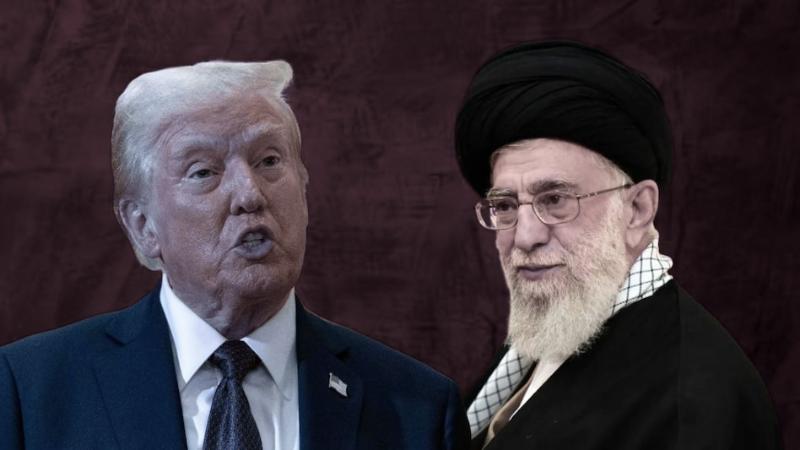
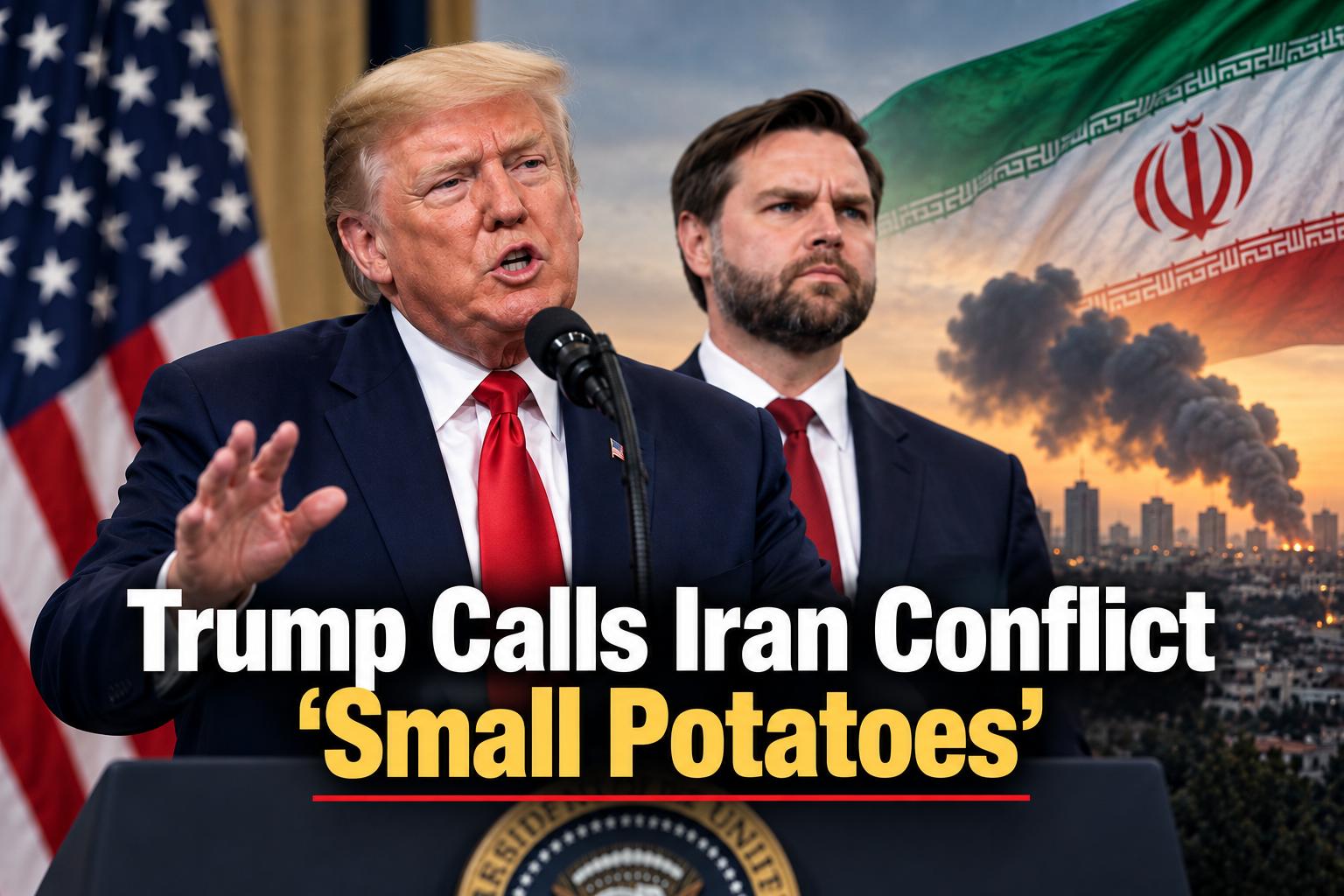
U.S. President Donald Trump has played down the six-month conflict with Iran, calling it “small potatoes” for the United States while backing Vice President JD Vance’s view that the continuing hostilities should not necessarily be described as a war.
Trump Calls Iran Conflict ‘Small Potatoes’
Speaking to reporters in the Oval Office on September 4, Trump said he
U.S. President Donald Trump has played down the six-month conflict with Iran, calling it “small potatoes” for the United States while backing Vice President JD Vance’s view that the continuing hostilities should not necessarily be described as a war.
Trump Calls Iran Conflict ‘Small Potatoes’
Speaking to reporters in the Oval Office on September 4, Trump said he
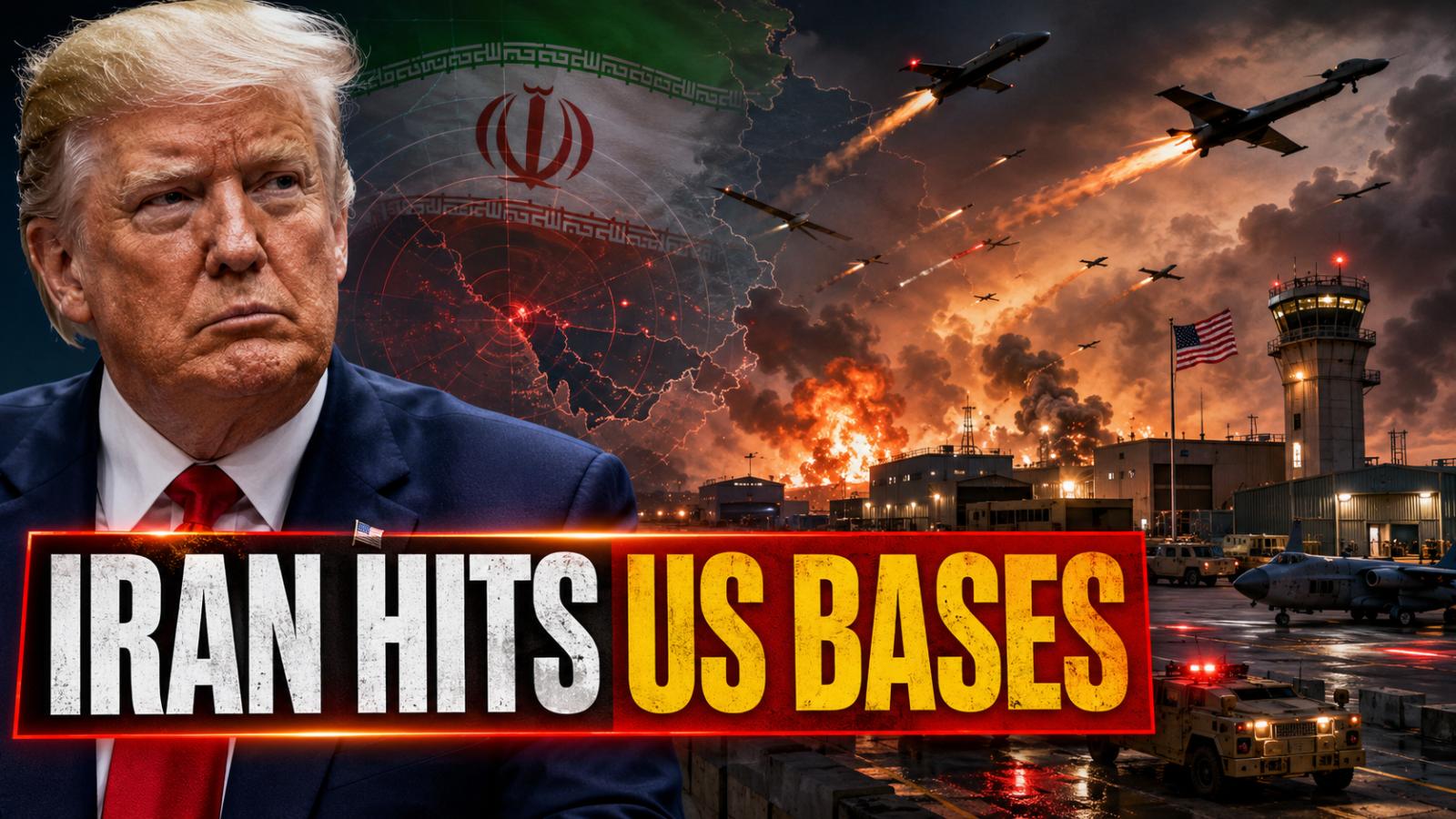
The US-Iran conflict has entered another dangerous phase after Tehran launched a fresh wave of missile and drone attacks against American-linked military facilities across the Gulf. The retaliation followed renewed US strikes on Iranian military targets, while President Donald Trump warned that Washington remains ready to attack again.
Iran strikes US bases after renewed American attacks
Iran l
The US-Iran conflict has entered another dangerous phase after Tehran launched a fresh wave of missile and drone attacks against American-linked military facilities across the Gulf. The retaliation followed renewed US strikes on Iranian military targets, while President Donald Trump warned that Washington remains ready to attack again.
Iran strikes US bases after renewed American attacks
Iran l
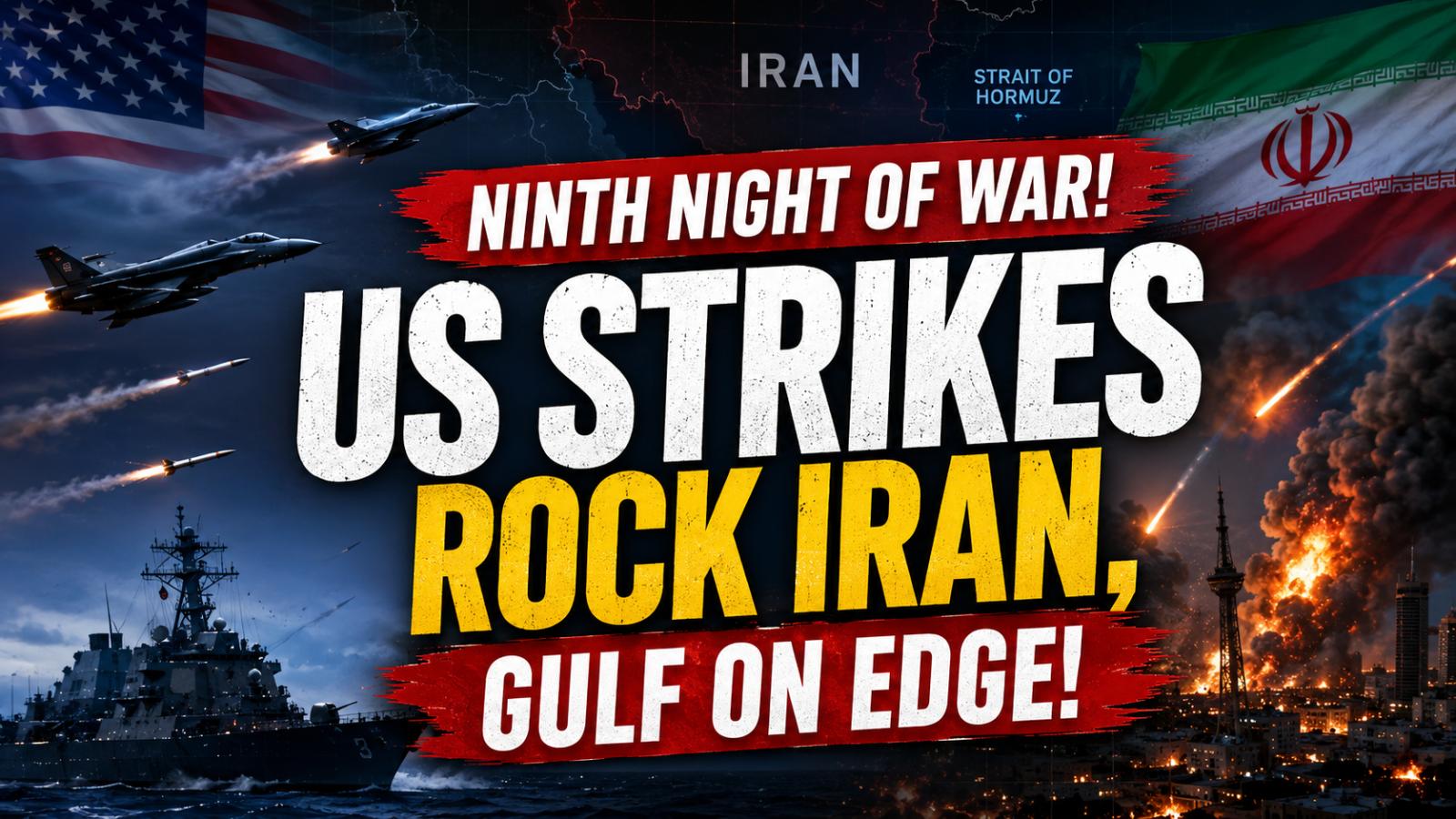
The US Iran ninth night strikes deepened the regional crisis as CENTCOM targeted Iranian military capabilities. Missile alerts spread across the Gulf, another US soldier died in Iraq, and rising oil prices reflected growing fears over the Strait of Hormuz.
US Iran ninth night strikes announced by CENTCOM
The US military launched a ninth consecutive night of attacks against Iran on Sunday, July 19, as the conflict entered another dangerous phase. US Central Command said on X that operations began at 7 p.m. Eastern Time and would continue targeting Iranian capabilities used to attack commercial vessels crossing the Strait of Hormuz.
CENTCOM’s website had earlier confirmed eight consecutive nights of strikes through July 18 and listed several rounds of attacks conducted since July 11. It also confirmed that the United States had resumed its naval blockade against Iranian ports on July 13.
Iranian state media reported explosions in several cities after the latest operation began, including Tabriz and areas near important ports. Reports from inside Iran also claimed that air-defence forces shot down a drone over the country’s south. These battlefield accounts had not been independently verified when they emerged.
US soldier killed by Iranian drone ordnance
CENTCOM announced that a US service member died in northern Iraq during a controlled detonation of unexploded ordnance from a downed Iranian one-way attack drone. Another service member suffered a minor injury during the incident.
The death brought the reported number of US military fatalities linked to the wider Iran conflict to 17. Recent casualties have included service members killed during Iranian attacks in Jordan and other incidents across the region.
The latest death highlights a risk that extends beyond direct missile and drone impacts. Unexploded weapons can remain dangerous after interception or crashing, placing military disposal teams and nearby communities at continued risk.
Kuwait attack and Bahrain alerts widen crisis
The confrontation also spread further across Gulf states. Bahrain activated warning sirens and instructed residents to seek shelter, while Kuwait said its air defences were responding to Iranian missile and drone attacks.
Kuwaiti authorities accused Iran of damaging energy, water and oil-related facilities and causing fires. Gulf governments condemned the attacks as concerns grew that retaliatory operations could draw more countries into direct confrontation.
The Strait of Hormuz remains at the centre of the crisis because disruptions there can affect major international energy shipments. CENTCOM says its latest attacks aim to reduce Iran’s ability to threaten vessels using the waterway. The renewed US blockade has added pressure on maritime traffic and increased fears of prolonged supply disruption.
Strait of Hormuz crisis pushes oil above $90
Oil markets reacted quickly as fighting continued. Brent crude moved above $90 a barrel, while US crude traded above $84 during Sunday trading. Market reports linked the increase to renewed strikes, Iranian retaliation and uncertainty surrounding shipping through the Strait of Hormuz.
The price rise shows how quickly a military escalation can spread beyond the battlefield. Higher crude costs can increase transport, manufacturing and consumer prices, particularly when traders expect shipping delays or damage to regional energy infrastructure.
Iran also announced that it was suspending commitments connected to its ceasefire understanding with Washington. Iranian officials accused the United States of violating the arrangement by continuing military attacks. Those claims reflect Tehran’s position and require comparison with the original agreement and statements from all parties.
With diplomacy weakening, casualties rising and Gulf infrastructure facing attacks, neither side appears close to de-escalation. The immediate danger is no longer limited to targets inside Iran. It now includes military bases, ports, commercial shipping and essential facilities across the wider region.
Relevant internal links include previous coverage of the CENTCOM strikes on Iran, the Chabahar Port attack, Iranian missile interceptions over Gulf states and the full US-Iran conflict timeline.
The US Iran ninth night strikes deepened the regional crisis as CENTCOM targeted Iranian military capabilities. Missile alerts spread across the Gulf, another US soldier died in Iraq, and rising oil prices reflected growing fears over the Strait of Hormuz.
US Iran ninth night strikes announced by CENTCOM
The US military launched a ninth consecutive night of attacks against Iran on Sunday, July 19, as the conflict entered another dangerous phase. US Central Command said on X that operations began at 7 p.m. Eastern Time and would continue targeting Iranian capabilities used to attack commercial vessels crossing the Strait of Hormuz.
CENTCOM’s website had earlier confirmed eight consecutive nights of strikes through July 18 and listed several rounds of attacks conducted since July 11. It also confirmed that the United States had resumed its naval blockade against Iranian ports on July 13.
Iranian state media reported explosions in several cities after the latest operation began, including Tabriz and areas near important ports. Reports from inside Iran also claimed that air-defence forces shot down a drone over the country’s south. These battlefield accounts had not been independently verified when they emerged.
US soldier killed by Iranian drone ordnance
CENTCOM announced that a US service member died in northern Iraq during a controlled detonation of unexploded ordnance from a downed Iranian one-way attack drone. Another service member suffered a minor injury during the incident.
The death brought the reported number of US military fatalities linked to the wider Iran conflict to 17. Recent casualties have included service members killed during Iranian attacks in Jordan and other incidents across the region.
The latest death highlights a risk that extends beyond direct missile and drone impacts. Unexploded weapons can remain dangerous after interception or crashing, placing military disposal teams and nearby communities at continued risk.
Kuwait attack and Bahrain alerts widen crisis
The confrontation also spread further across Gulf states. Bahrain activated warning sirens and instructed residents to seek shelter, while Kuwait said its air defences were responding to Iranian missile and drone attacks.
Kuwaiti authorities accused Iran of damaging energy, water and oil-related facilities and causing fires. Gulf governments condemned the attacks as concerns grew that retaliatory operations could draw more countries into direct confrontation.
The Strait of Hormuz remains at the centre of the crisis because disruptions there can affect major international energy shipments. CENTCOM says its latest attacks aim to reduce Iran’s ability to threaten vessels using the waterway. The renewed US blockade has added pressure on maritime traffic and increased fears of prolonged supply disruption.
Strait of Hormuz crisis pushes oil above $90
Oil markets reacted quickly as fighting continued. Brent crude moved above $90 a barrel, while US crude traded above $84 during Sunday trading. Market reports linked the increase to renewed strikes, Iranian retaliation and uncertainty surrounding shipping through the Strait of Hormuz.
The price rise shows how quickly a military escalation can spread beyond the battlefield. Higher crude costs can increase transport, manufacturing and consumer prices, particularly when traders expect shipping delays or damage to regional energy infrastructure.
Iran also announced that it was suspending commitments connected to its ceasefire understanding with Washington. Iranian officials accused the United States of violating the arrangement by continuing military attacks. Those claims reflect Tehran’s position and require comparison with the original agreement and statements from all parties.
With diplomacy weakening, casualties rising and Gulf infrastructure facing attacks, neither side appears close to de-escalation. The immediate danger is no longer limited to targets inside Iran. It now includes military bases, ports, commercial shipping and essential facilities across the wider region.
Relevant internal links include previous coverage of the CENTCOM strikes on Iran, the Chabahar Port attack, Iranian missile interceptions over Gulf states and the full US-Iran conflict timeline.
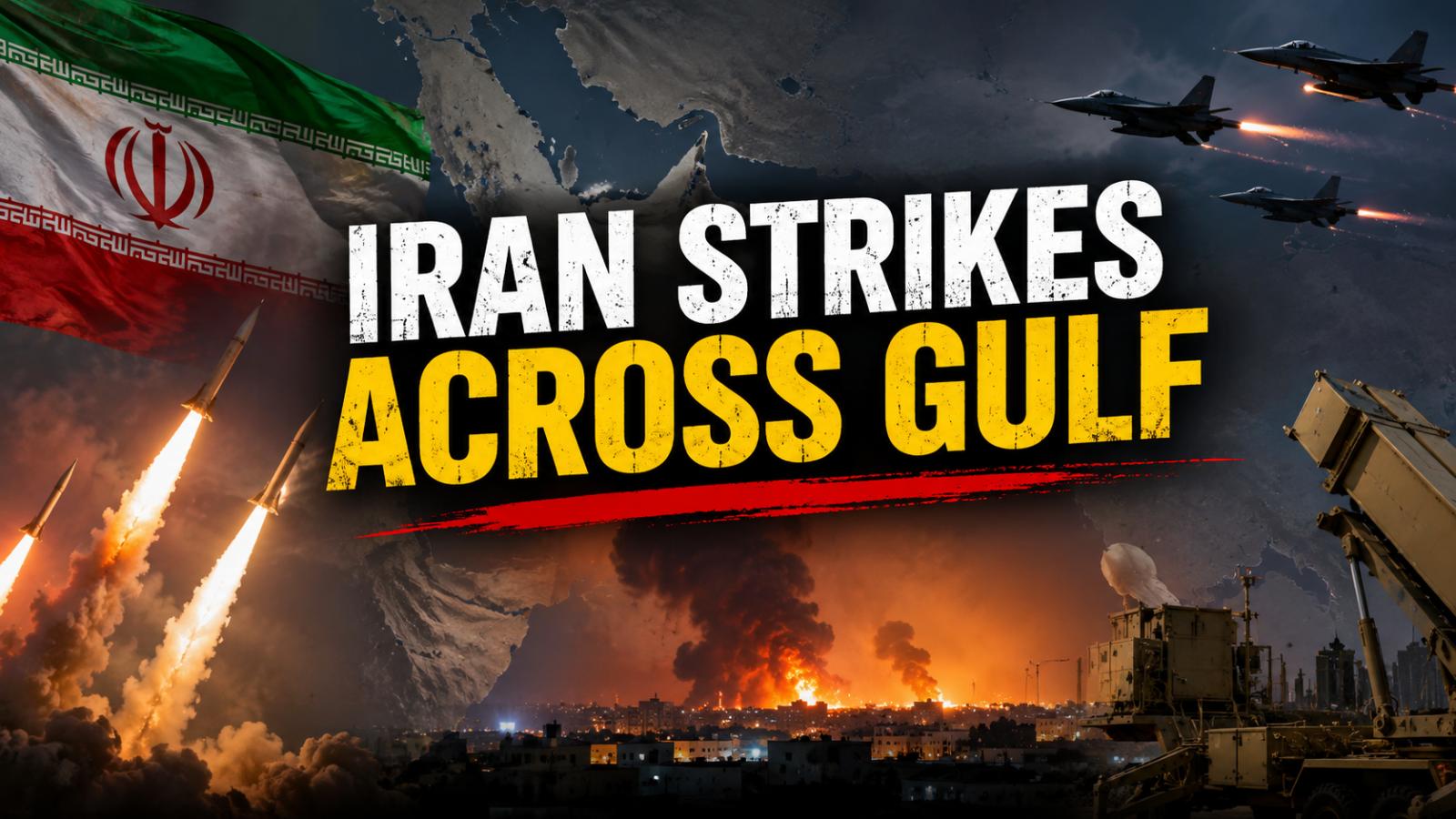
Iran launched strikes on military targets in Kuwait and Syria following recent US attacks. Missiles and drones were also intercepted over Jordan and Iraq, while explosions were reported in Qatar and Bahrain, raising fears of a wider regional conflict.
Iran attacks Kuwait
Iranian state television reported that the country launched drone attacks against US military deployment sites and logistical support facilities in
Iran launched strikes on military targets in Kuwait and Syria following recent US attacks. Missiles and drones were also intercepted over Jordan and Iraq, while explosions were reported in Qatar and Bahrain, raising fears of a wider regional conflict.
Iran attacks Kuwait
Iranian state television reported that the country launched drone attacks against US military deployment sites and logistical support facilities in
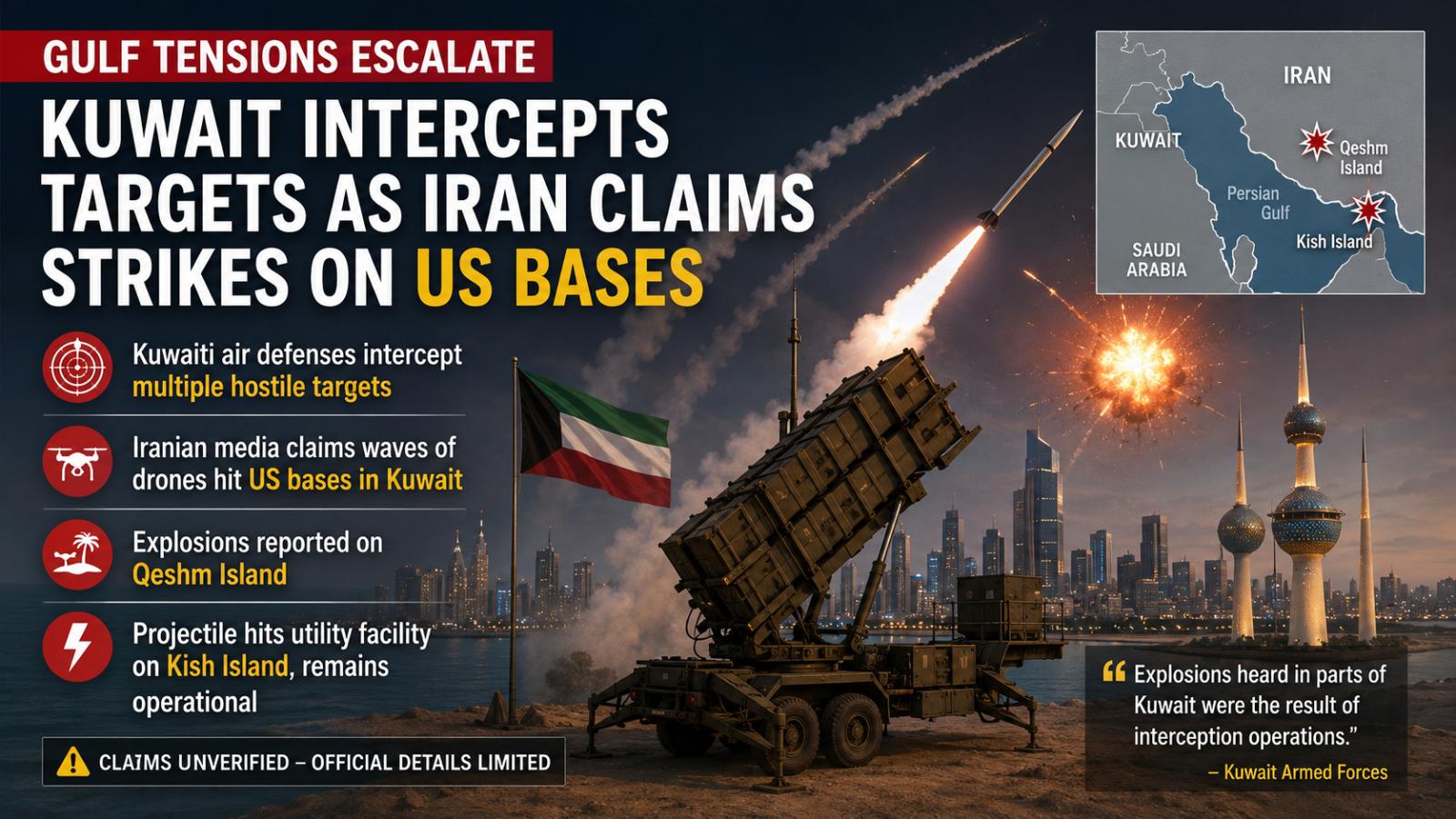
Iran claims strikes on US bases in Kuwait as Kuwaiti air defenses intercept several hostile targets. Iranian media also reported explosions on Qeshm and Kish islands, while the origins, damage and wider impact of the operations remained unverified.
Kuwait Intercepts Targets as Iran Claims Strikes on US Bases
Iran claims strikes on US bases in Kuwait as the Gulf state’s military reported intercepting multiple hostile targets
Iran claims strikes on US bases in Kuwait as Kuwaiti air defenses intercept several hostile targets. Iranian media also reported explosions on Qeshm and Kish islands, while the origins, damage and wider impact of the operations remained unverified.
Kuwait Intercepts Targets as Iran Claims Strikes on US Bases
Iran claims strikes on US bases in Kuwait as the Gulf state’s military reported intercepting multiple hostile targets
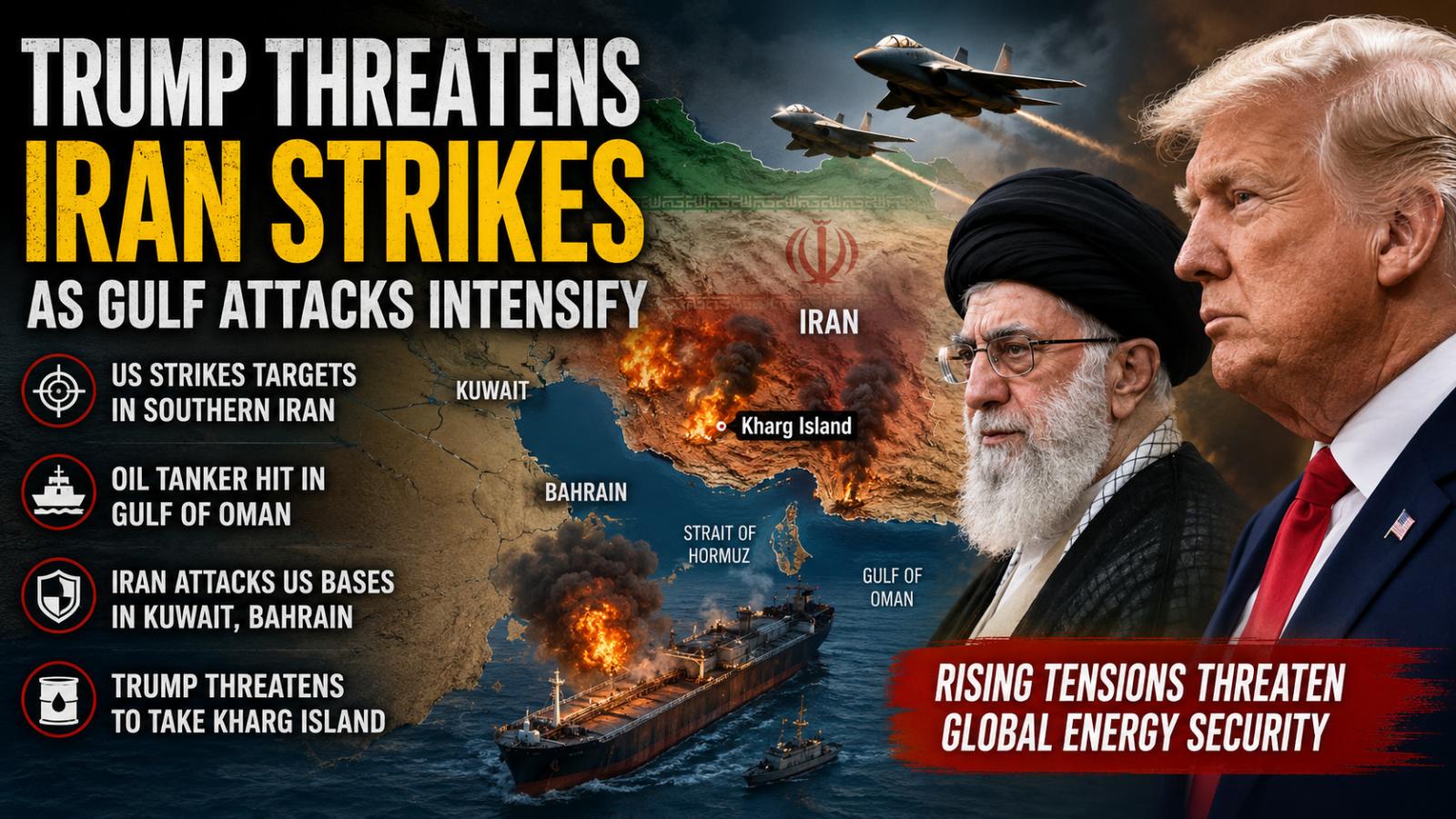
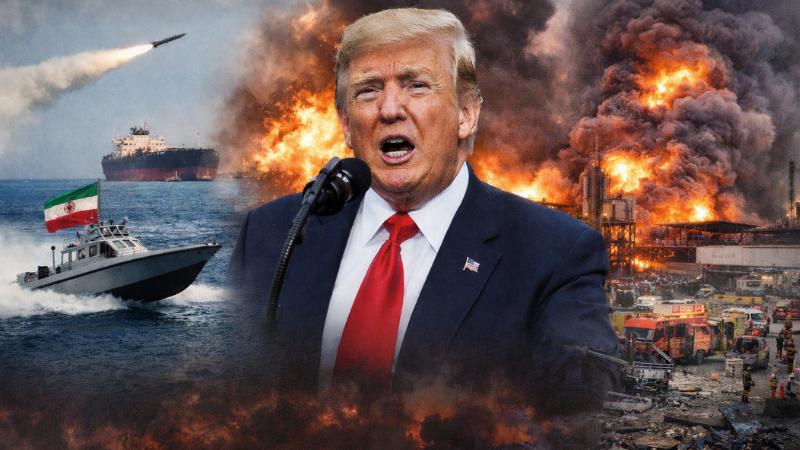
Trump threatened Iran’s Kharg Island as US-Iran Gulf attacks intensified across oil routes, tankers and military targets, raising new risks for regional security and global energy markets.
President Donald Trump said the United States would hit Iran “very hard” and threatened to take Kharg Island, a key hub in Iran’s oil economy, as Washington increased pressure on Tehran to shut down its nuclear program and accept a peace deal.
US-Iran Gu
Trump threatened Iran’s Kharg Island as US-Iran Gulf attacks intensified across oil routes, tankers and military targets, raising new risks for regional security and global energy markets.
President Donald Trump said the United States would hit Iran “very hard” and threatened to take Kharg Island, a key hub in Iran’s oil economy, as Washington increased pressure on Tehran to shut down its nuclear program and accept a peace deal.
US-Iran Gu
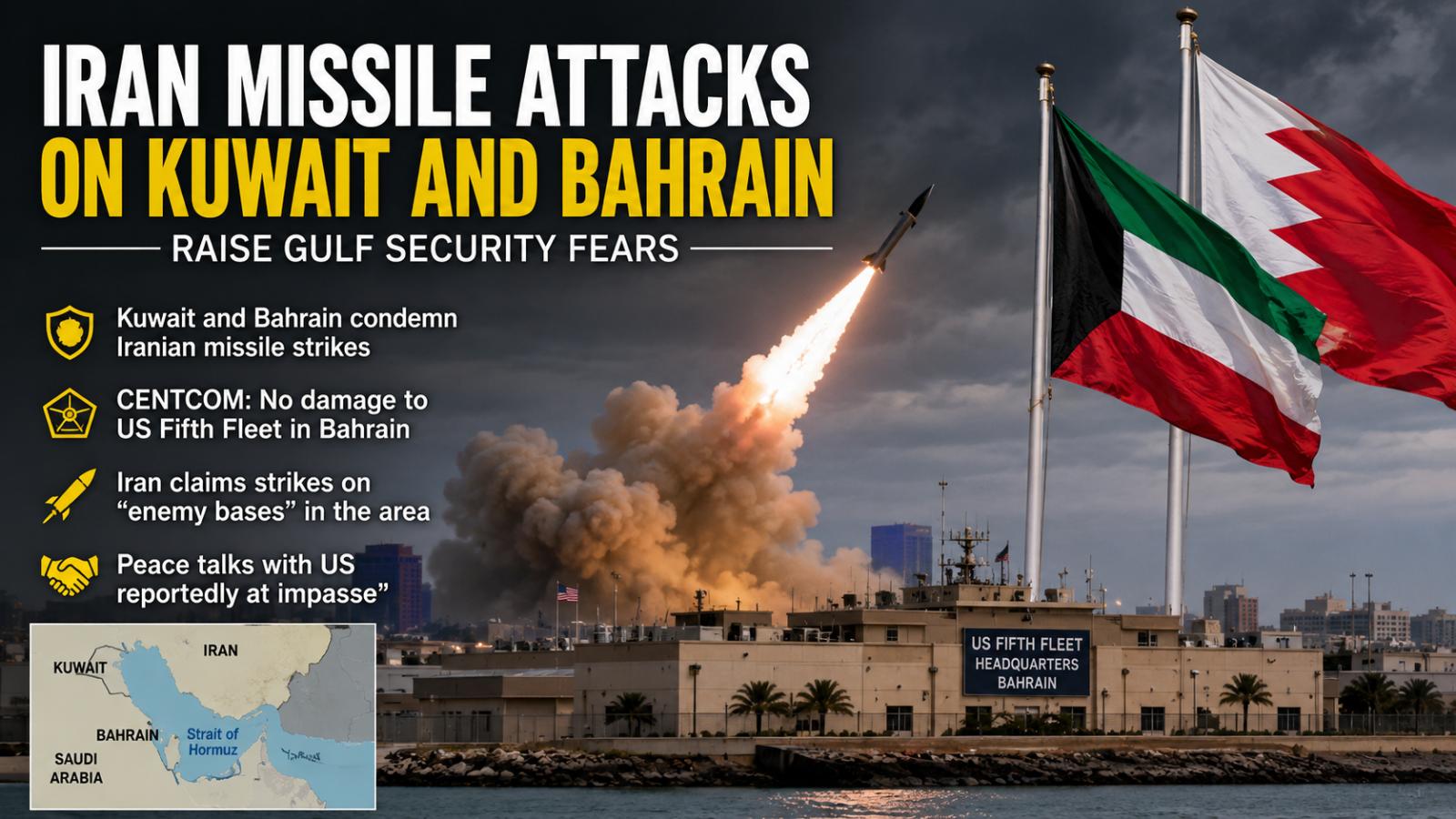
Iran missile attacks on Kuwait and Bahrain have increased concern across the Gulf after both governments condemned the strikes as violations of sovereignty and threats to regional stability.
Kuwait’s Foreign Ministry, in a statement dated only as Saturday in the source material, said the attacks posed a direct threat to the lives of citizens and residents. Bahrain also condemned the strikes, calling them blatant aggression and a violation of sovereignty.
Iran Mi
Iran missile attacks on Kuwait and Bahrain have increased concern across the Gulf after both governments condemned the strikes as violations of sovereignty and threats to regional stability.
Kuwait’s Foreign Ministry, in a statement dated only as Saturday in the source material, said the attacks posed a direct threat to the lives of citizens and residents. Bahrain also condemned the strikes, calling them blatant aggression and a violation of sovereignty.
Iran Mi
Gulf States Raise Security Alerts
Tensions in the Gulf rose again as Kuwait said its air defense systems were responding to hostile missile and drone threats, while Bahrain sounded warning sirens and urged residents to remain calm and move to safe locations. Kuwait’s military said explosions heard in the area were linked to air defense interceptions, but it did not immediately identify the source of the in
Gulf States Raise Security Alerts
Tensions in the Gulf rose again as Kuwait said its air defense systems were responding to hostile missile and drone threats, while Bahrain sounded warning sirens and urged residents to remain calm and move to safe locations. Kuwait’s military said explosions heard in the area were linked to air defense interceptions, but it did not immediately identify the source of the in
Heightened Travel Advisories for Middle East
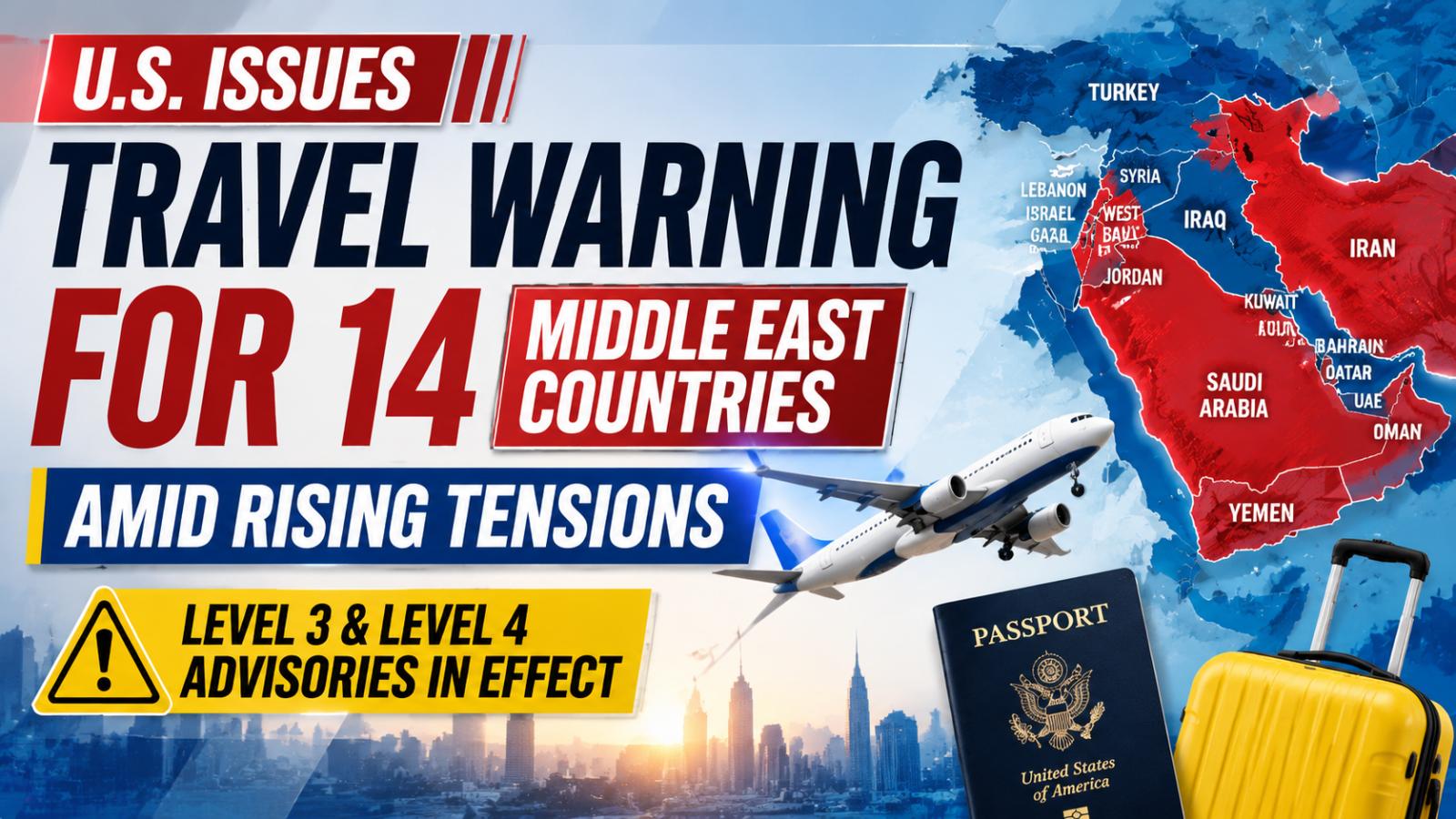
The United States has issued a renewed travel advisory covering 14 countries in the Middle East, citing elevated regional tensions and a rapidly changing security situation. Embassies in the region warned American citizens to remain vigilant amid ongoing instability affecting travel conditions.
According to the US Department of State, the security envi
Heightened Travel Advisories for Middle East
The United States has issued a renewed travel advisory covering 14 countries in the Middle East, citing elevated regional tensions and a rapidly changing security situation. Embassies in the region warned American citizens to remain vigilant amid ongoing instability affecting travel conditions.
According to the US Department of State, the security envi
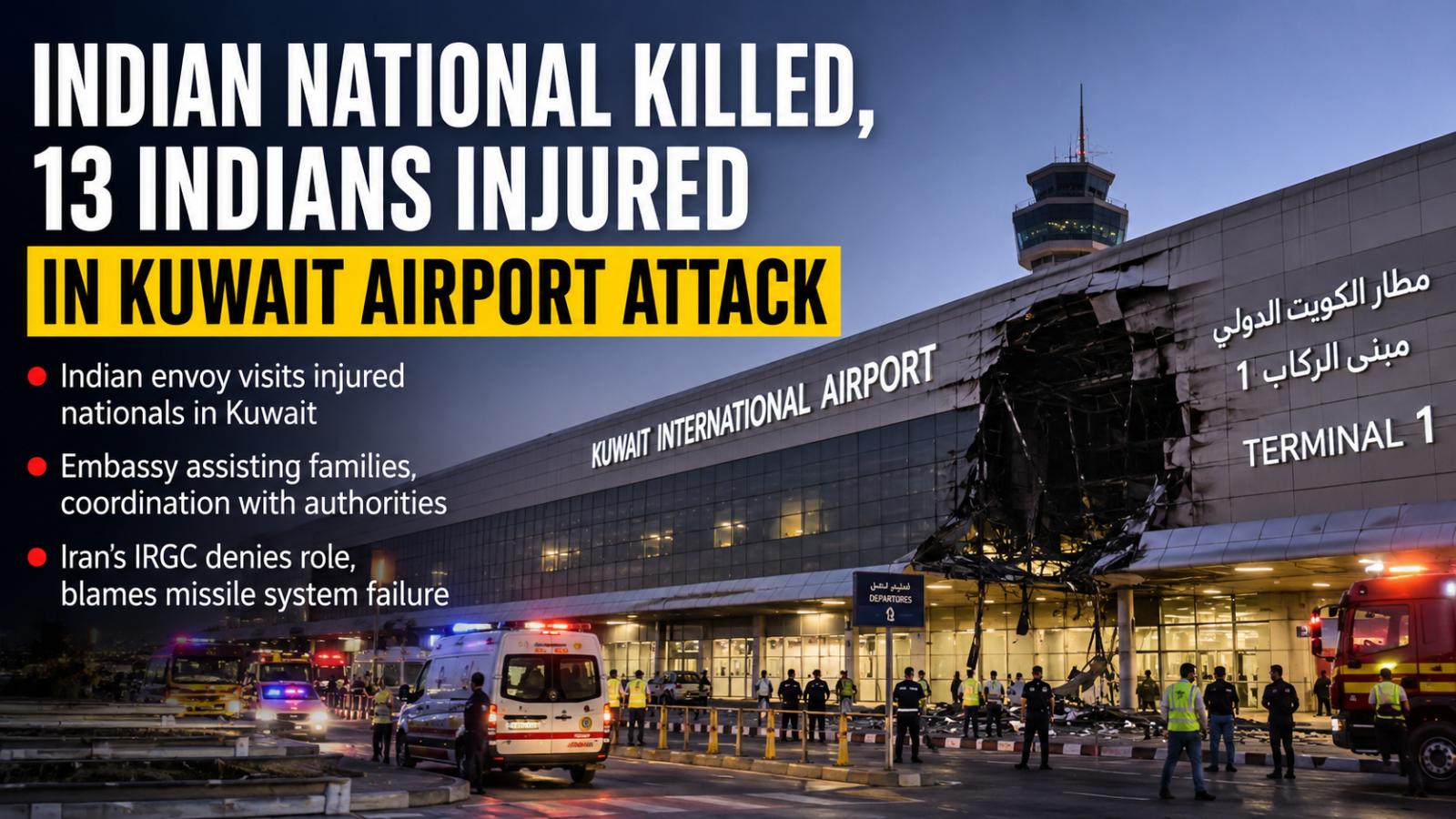
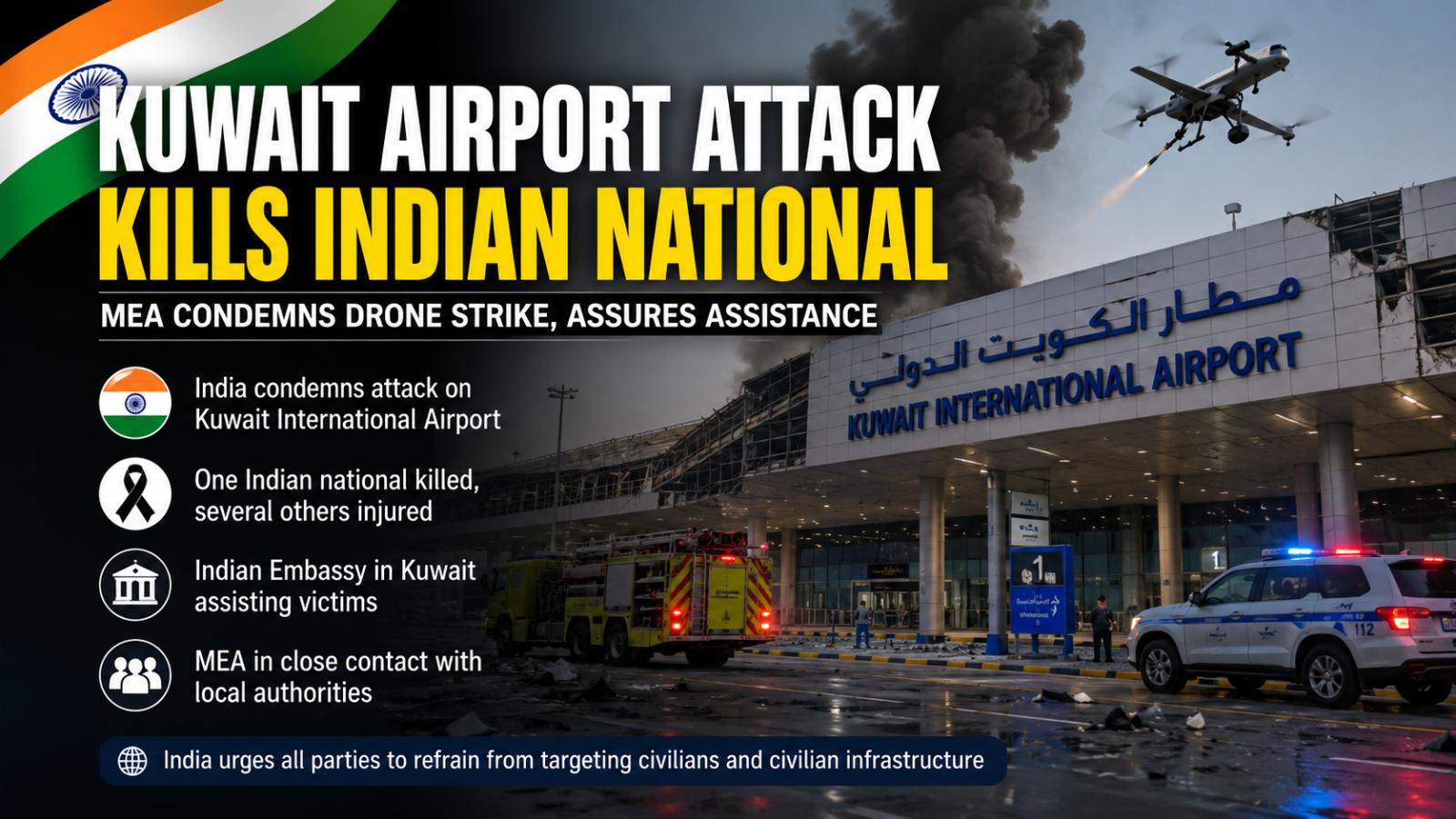
Indian Ambassador to Kuwait Paramita Tripathi visited injured Indian nationals and the Central Mortuary in Kuwait after one Indian citizen was killed and 13 others were injured in the Kuwait airport attack, Indian officials said.
The attack took place at Terminal 1 of Kuwait International Airport on Wednesday, June 3, 2026. India’s Ministry of External Affairs said one Indian national died in the incident, while several Indian citizens were injured. Officials said on Thursday, Jun
Indian Ambassador to Kuwait Paramita Tripathi visited injured Indian nationals and the Central Mortuary in Kuwait after one Indian citizen was killed and 13 others were injured in the Kuwait airport attack, Indian officials said.
The attack took place at Terminal 1 of Kuwait International Airport on Wednesday, June 3, 2026. India’s Ministry of External Affairs said one Indian national died in the incident, while several Indian citizens were injured. Officials said on Thursday, Jun
Immediate Aftermath and Casualties
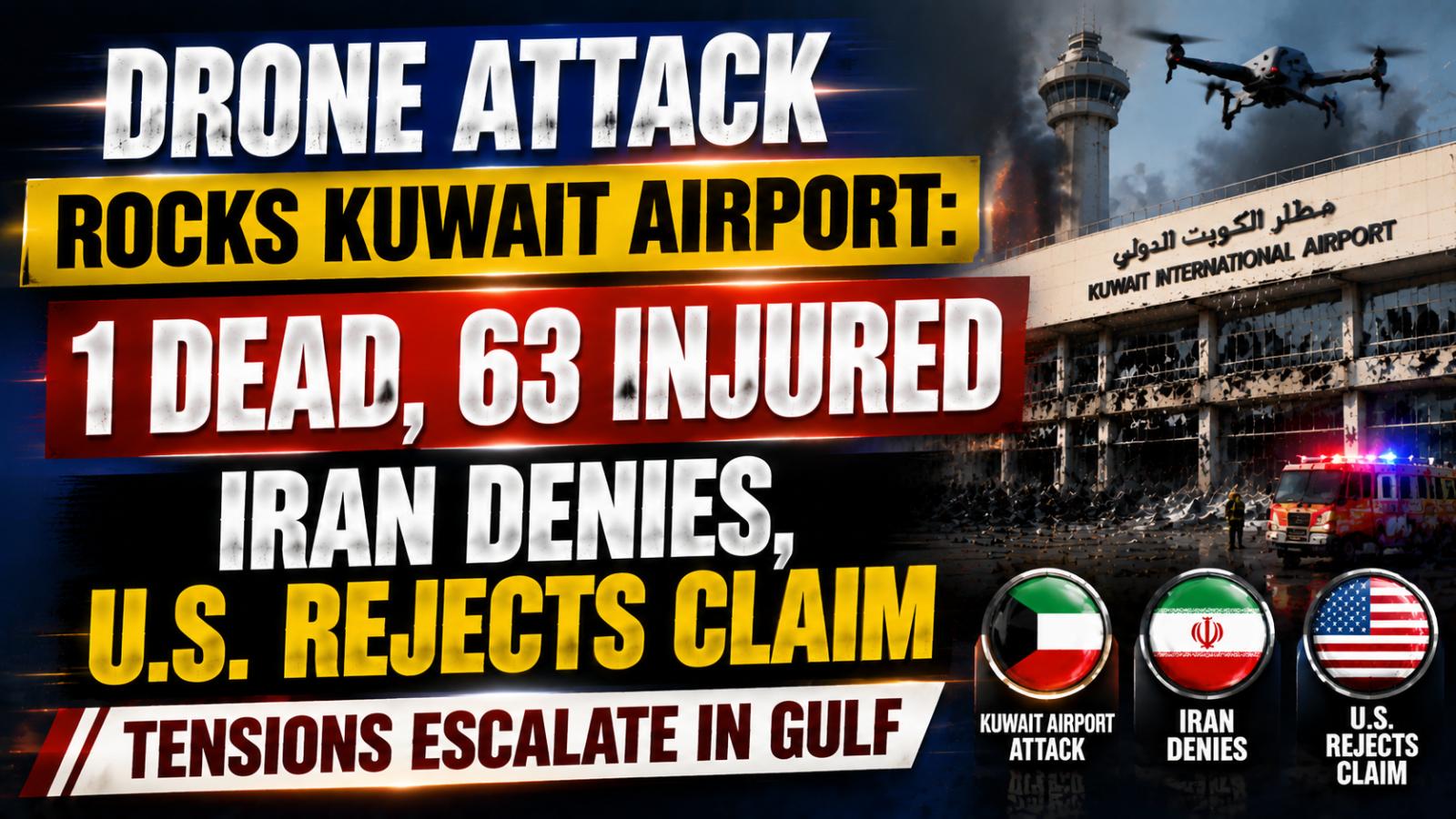
Kuwait’s Civil Aviation Authority released CCTV footage on June 4 showing the chaos following a drone strike on Terminal 1 at Kuwait International Airport. The attack killed an Indian national and injured 63 others, forcing the temporary closure of the airport. Officials described this as the first deadly strike in the Gulf since the April 8 ceasefire. The incident follows US military strikes on
Immediate Aftermath and Casualties
Kuwait’s Civil Aviation Authority released CCTV footage on June 4 showing the chaos following a drone strike on Terminal 1 at Kuwait International Airport. The attack killed an Indian national and injured 63 others, forcing the temporary closure of the airport. Officials described this as the first deadly strike in the Gulf since the April 8 ceasefire. The incident follows US military strikes on
Iran Denies Responsibility
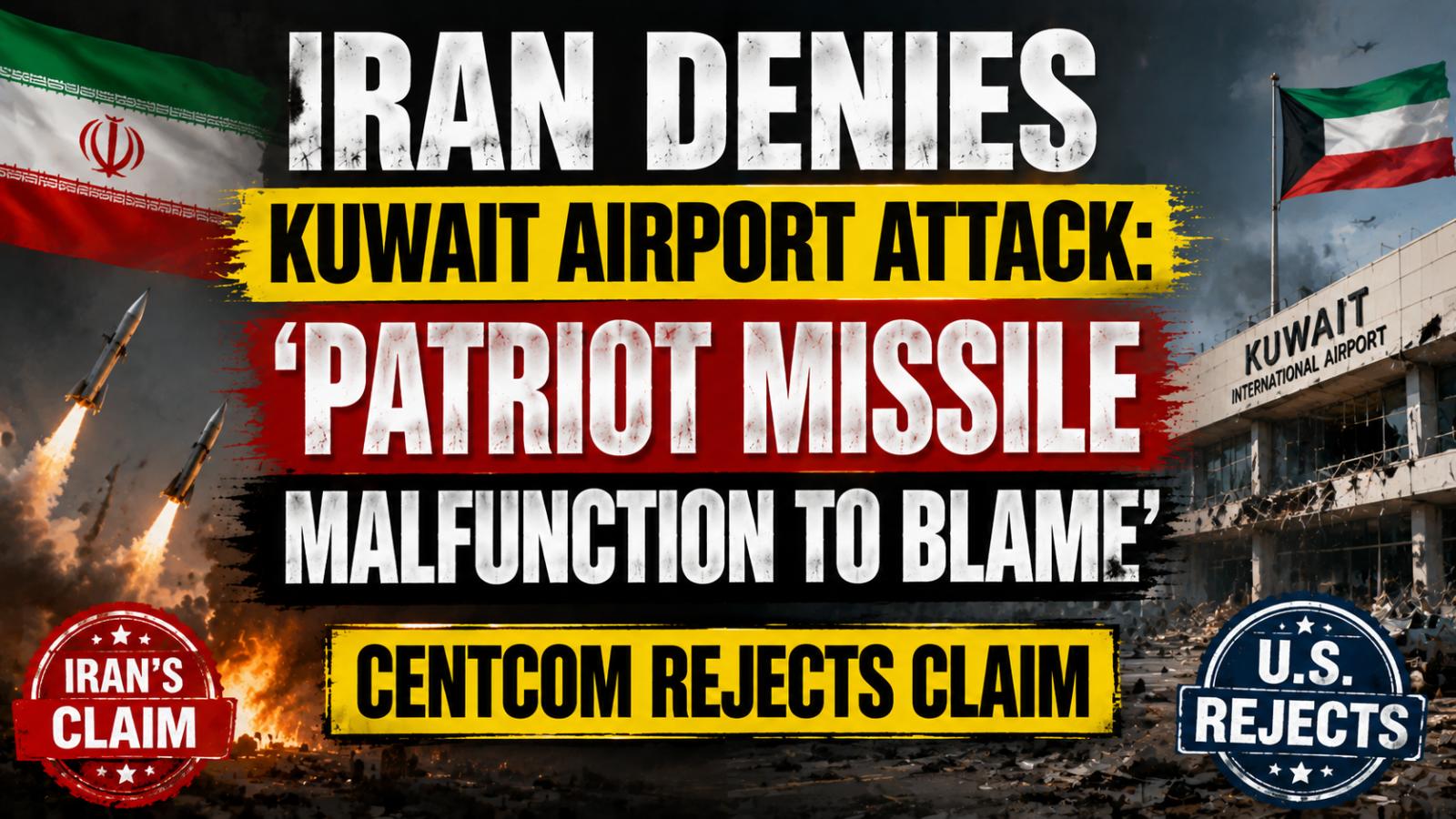
Iran’s Islamic Revolutionary Guard Corps (IRGC) has categorically denied involvement in the recent attack on Kuwait International Airport. The IRGC stated that the damage resulted from a malfunction in the US-made Patriot missile defence system, which failed to intercept incoming projectiles. According to a spokesperson, the Aerospace Force did not target the civilian airport, and the terminal was struck accidentally by malfunctioning defensive systems. The incident caused extensive damage to Passenger Terminal 1 (T1), killed one individual—a citizen of India—and injured 63 others. Kuwaiti authorities immediately closed national airspace, suspended commercial operations, and diverted incoming flights.
Regional Criticism and Concerns
Former Qatari Prime Minister Sheikh Hamad bin Jassim bin Jaber Al Thani strongly criticized Iran’s military activities against Gulf countries, labeling them as "astonishing" and "unjustifiable." While emphasizing Qatar’s intent to maintain constructive relations with Tehran, he stressed that Gulf states should adopt a coordinated stance to ensure regional stability. Al Thani questioned the rationale behind recent attacks on Bahrain and Kuwait and highlighted the importance of unified diplomatic and security measures in the face of escalating threats.
US Response and CENTCOM Statement
The United States Central Command (CENTCOM) rejected Iran’s claim, asserting that Tehran deliberately targeted Kuwait’s civilian airport. Officials described the attack as “unjustified” and stressed the potential threat to civilian safety in the region. CENTCOM continues to monitor developments and coordinate with Gulf partners to prevent further escalation. The conflicting accounts between Tehran and Washington underline growing tensions in the Middle East, highlighting the need for diplomatic engagement to avoid a wider regional conflict.
Strategic and Political Implications
The dispute underscores the fragility of security in the Gulf amid Iran’s military expansion and the broader geopolitical rivalries in the region. The use of defensive missile systems such as the Patriot has drawn scrutiny for its reliability and effectiveness in high-tension scenarios. Analysts note that the incident may influence future negotiations between Gulf countries and Iran and could prompt stronger regional defense cooperation. Both civilian safety and military escalation remain pressing concerns as authorities assess the implications of the incident.
International Repercussions
The attack has drawn global attention to the volatility of the Gulf region, with multiple countries urging restraint. International observers have called for transparent investigations into the incident and emphasized the importance of maintaining airspace security to prevent further civilian casualties. The events highlight the intersection of military technology, regional politics, and civilian safety, reinforcing the need for carefully coordinated responses to avoid unintended consequences in densely populated areas.
Iran Denies Responsibility
Iran’s Islamic Revolutionary Guard Corps (IRGC) has categorically denied involvement in the recent attack on Kuwait International Airport. The IRGC stated that the damage resulted from a malfunction in the US-made Patriot missile defence system, which failed to intercept incoming projectiles. According to a spokesperson, the Aerospace Force did not target the civilian airport, and the terminal was struck accidentally by malfunctioning defensive systems. The incident caused extensive damage to Passenger Terminal 1 (T1), killed one individual—a citizen of India—and injured 63 others. Kuwaiti authorities immediately closed national airspace, suspended commercial operations, and diverted incoming flights.
Regional Criticism and Concerns
Former Qatari Prime Minister Sheikh Hamad bin Jassim bin Jaber Al Thani strongly criticized Iran’s military activities against Gulf countries, labeling them as "astonishing" and "unjustifiable." While emphasizing Qatar’s intent to maintain constructive relations with Tehran, he stressed that Gulf states should adopt a coordinated stance to ensure regional stability. Al Thani questioned the rationale behind recent attacks on Bahrain and Kuwait and highlighted the importance of unified diplomatic and security measures in the face of escalating threats.
US Response and CENTCOM Statement
The United States Central Command (CENTCOM) rejected Iran’s claim, asserting that Tehran deliberately targeted Kuwait’s civilian airport. Officials described the attack as “unjustified” and stressed the potential threat to civilian safety in the region. CENTCOM continues to monitor developments and coordinate with Gulf partners to prevent further escalation. The conflicting accounts between Tehran and Washington underline growing tensions in the Middle East, highlighting the need for diplomatic engagement to avoid a wider regional conflict.
Strategic and Political Implications
The dispute underscores the fragility of security in the Gulf amid Iran’s military expansion and the broader geopolitical rivalries in the region. The use of defensive missile systems such as the Patriot has drawn scrutiny for its reliability and effectiveness in high-tension scenarios. Analysts note that the incident may influence future negotiations between Gulf countries and Iran and could prompt stronger regional defense cooperation. Both civilian safety and military escalation remain pressing concerns as authorities assess the implications of the incident.
International Repercussions
The attack has drawn global attention to the volatility of the Gulf region, with multiple countries urging restraint. International observers have called for transparent investigations into the incident and emphasized the importance of maintaining airspace security to prevent further civilian casualties. The events highlight the intersection of military technology, regional politics, and civilian safety, reinforcing the need for carefully coordinated responses to avoid unintended consequences in densely populated areas.
The Kuwait airport attack killed one Indian national and injured several others, India’s Ministry of External Affairs said in a statement dated Wednesday, June 3, 2026.
The incident at Kuwait International Airport was described in the source material as an Iranian drone strike. India condemned the attack and repeated its position that civilian populations and civilian infrastructure must not be targeted during the continuing conflict in West Asia.
Kuwait Airport
The Kuwait airport attack killed one Indian national and injured several others, India’s Ministry of External Affairs said in a statement dated Wednesday, June 3, 2026.
The incident at Kuwait International Airport was described in the source material as an Iranian drone strike. India condemned the attack and repeated its position that civilian populations and civilian infrastructure must not be targeted during the continuing conflict in West Asia.
Kuwait Airport
Iran has issued a stern warning that any renewed U.S. military action will trigger a swift response using missiles and drones. Senior military adviser Mohsen Rezaei, speaking amid rising Gulf tensions, emphasized that Iran is prepared to defend itself against what it considers aggressive overreach. The statement underlines the fragile state of regional diplomacy and the challenges facing efforts to secure a ceasefire.
Iran has issued a stern warning that any renewed U.S. military action will trigger a swift response using missiles and drones. Senior military adviser Mohsen Rezaei, speaking amid rising Gulf tensions, emphasized that Iran is prepared to defend itself against what it considers aggressive overreach. The statement underlines the fragile state of regional diplomacy and the challenges facing efforts to secure a ceasefire.
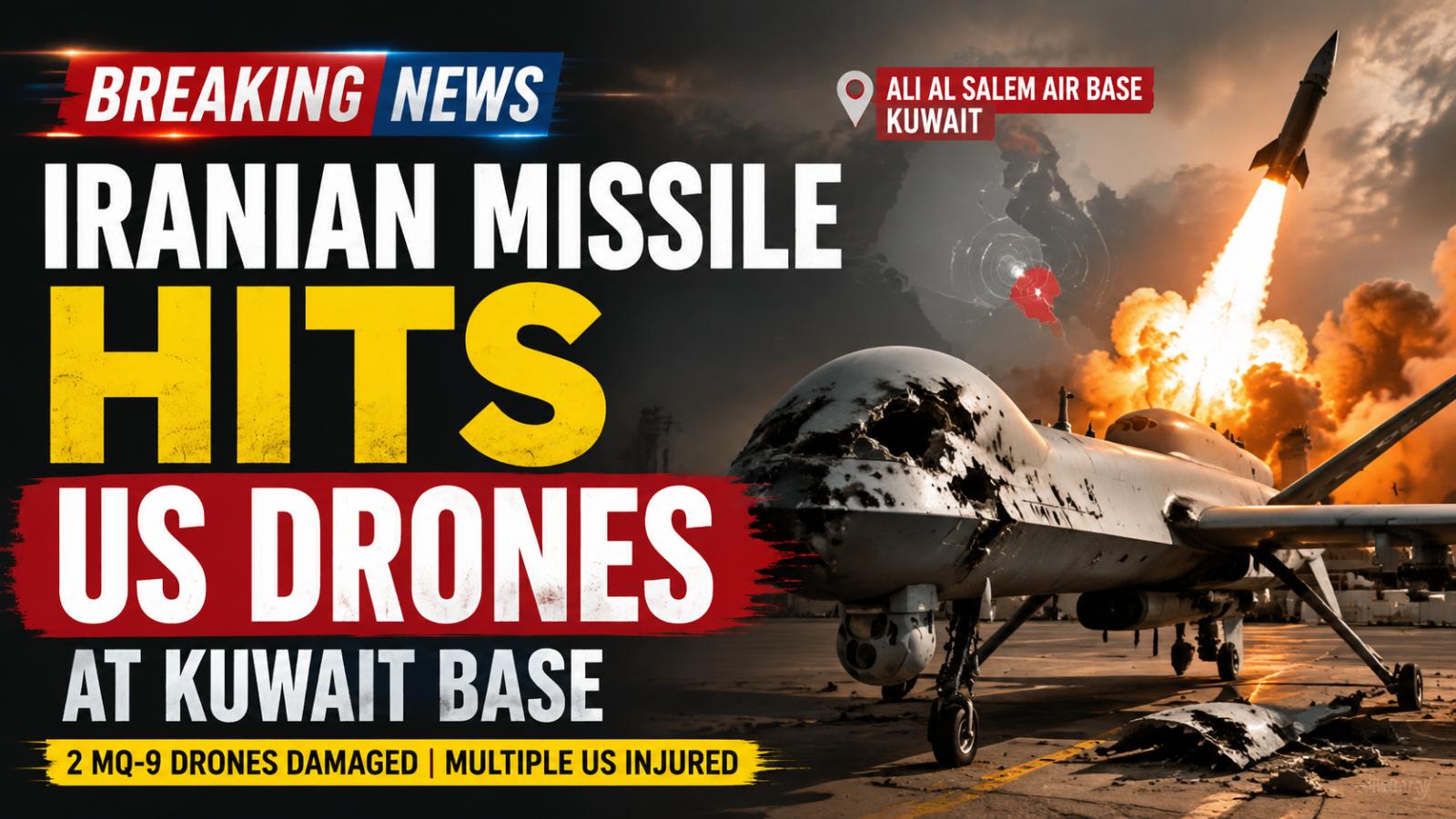
In the past 24 hours, a ballistic missile launched by Iranian forces struck Ali Al Salem Air Base in Kuwait, a key location for U.S. military operations. Kuwaiti air defenses engaged the incoming projectile, but falling debris caused significant destruction inside the base perimeter. Two U.S. MQ‑9 Reaper drones, each valued at roughly $30 million, were hit — one was destroyed and the other badly damaged. Several American service members and civilian contr
In the past 24 hours, a ballistic missile launched by Iranian forces struck Ali Al Salem Air Base in Kuwait, a key location for U.S. military operations. Kuwaiti air defenses engaged the incoming projectile, but falling debris caused significant destruction inside the base perimeter. Two U.S. MQ‑9 Reaper drones, each valued at roughly $30 million, were hit — one was destroyed and the other badly damaged. Several American service members and civilian contr
Israel-Iran War Ceasefire Faces New Pressure
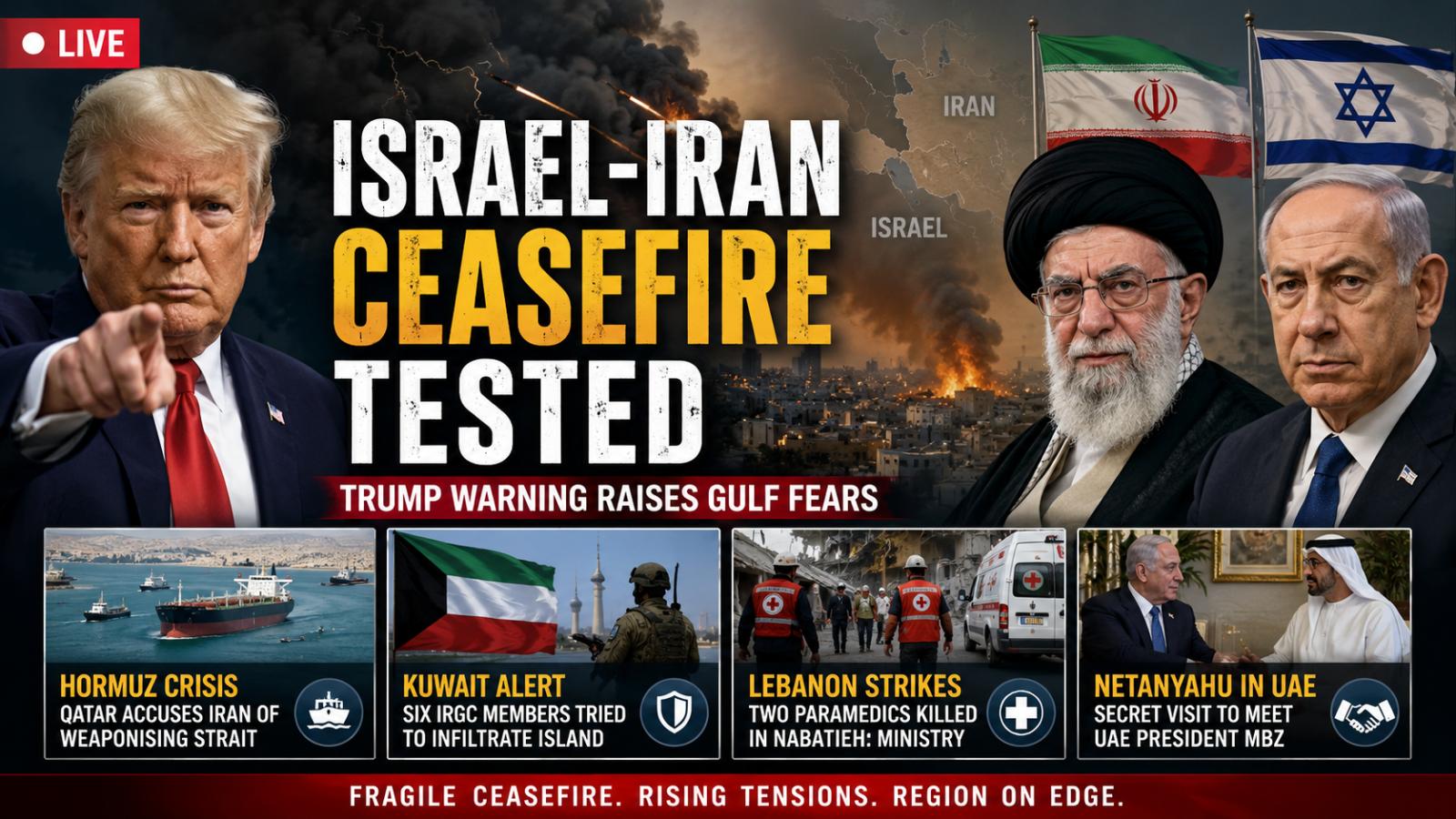
The Israel-Iran war ceasefire is under fresh strain after US President Donald Trump warned Iran that Washington would prevail “peacefully or otherwise,” while Tehran insisted its latest peace plan must be accepted.
The exchange sharpened doubts over whether the truce can hold as Gulf governments warn that the conflict is spilling into shipping, energy security and regional diplomacy.
Hor
Israel-Iran War Ceasefire Faces New Pressure
The Israel-Iran war ceasefire is under fresh strain after US President Donald Trump warned Iran that Washington would prevail “peacefully or otherwise,” while Tehran insisted its latest peace plan must be accepted.
The exchange sharpened doubts over whether the truce can hold as Gulf governments warn that the conflict is spilling into shipping, energy security and regional diplomacy.
Hor
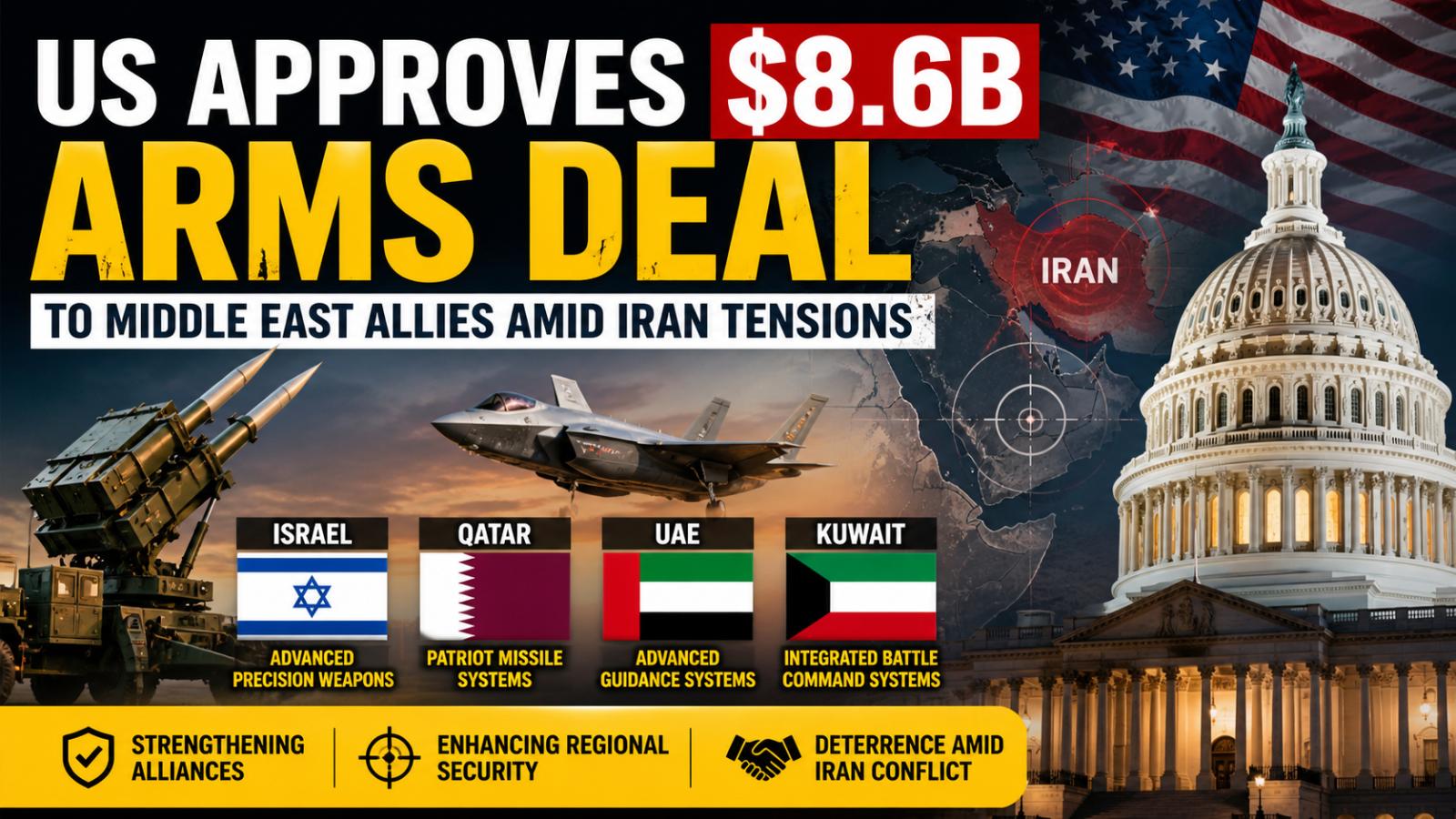
The United States has fast-tracked more than $8.6 billion in arms sales to key Middle East allies, signaling a sharp escalation in its response to rising tensions with Iran. Approved under emergency powers, the move bypasses Congress and reflects Washington’s urgency to strengthen regional defenses as the conflict enters a critical phase.
Emergency Approval Signals Rising Urgency
The decision, issued on Friday, invokes a rarely used em
The United States has fast-tracked more than $8.6 billion in arms sales to key Middle East allies, signaling a sharp escalation in its response to rising tensions with Iran. Approved under emergency powers, the move bypasses Congress and reflects Washington’s urgency to strengthen regional defenses as the conflict enters a critical phase.
Emergency Approval Signals Rising Urgency
The decision, issued on Friday, invokes a rarely used em
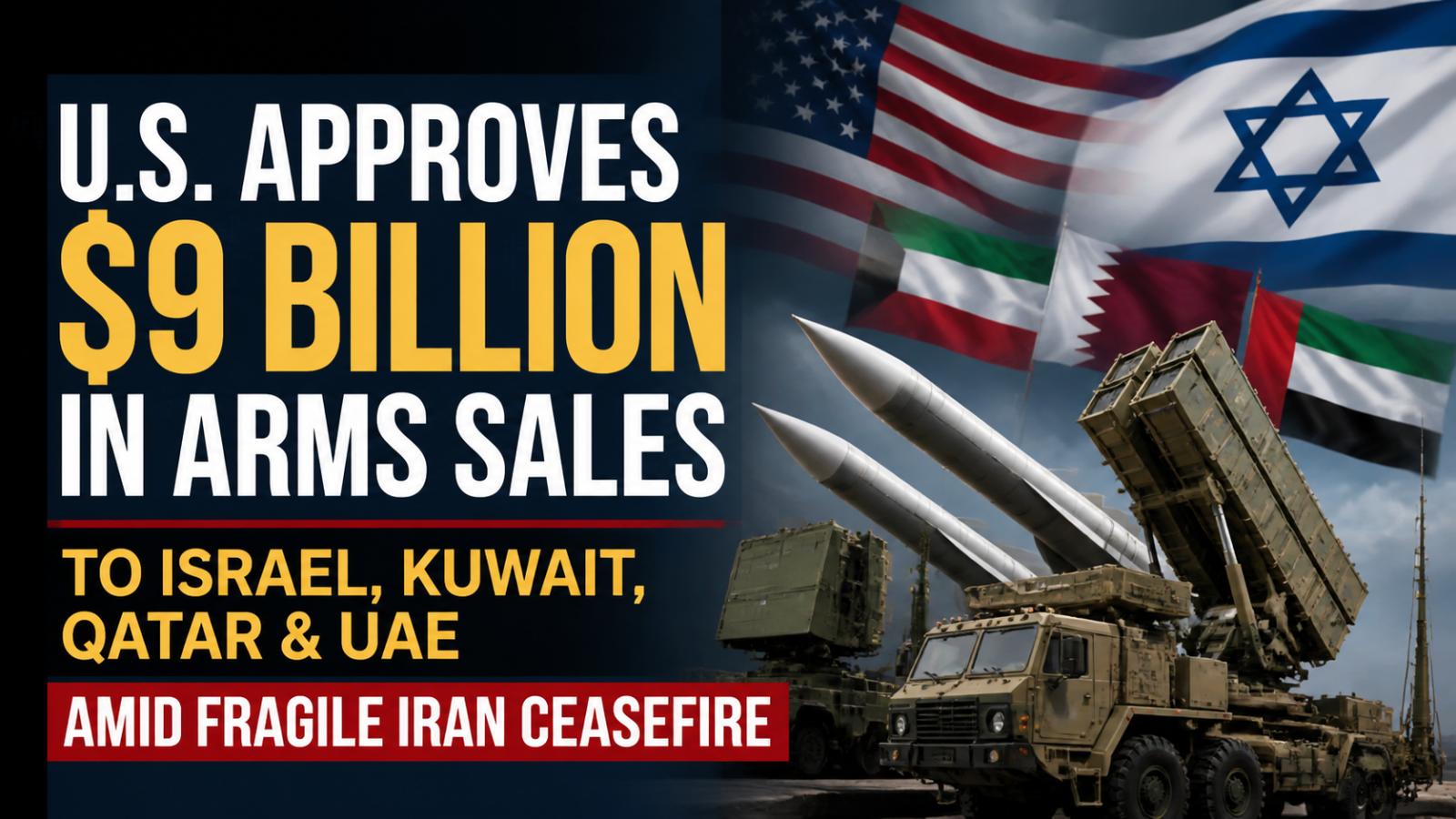
US Authorizes $9 Billion in Arms Sales to Middle East Allies
The United States has authorized the expedited sale of arms to Israel, Kuwait, Qatar, and the UAE, totaling nearly $9 billion. This decision, approved by Secretary of State Marco Rubio, bypasses the standard congressional review process and is designed t
US Authorizes $9 Billion in Arms Sales to Middle East Allies
The United States has authorized the expedited sale of arms to Israel, Kuwait, Qatar, and the UAE, totaling nearly $9 billion. This decision, approved by Secretary of State Marco Rubio, bypasses the standard congressional review process and is designed t
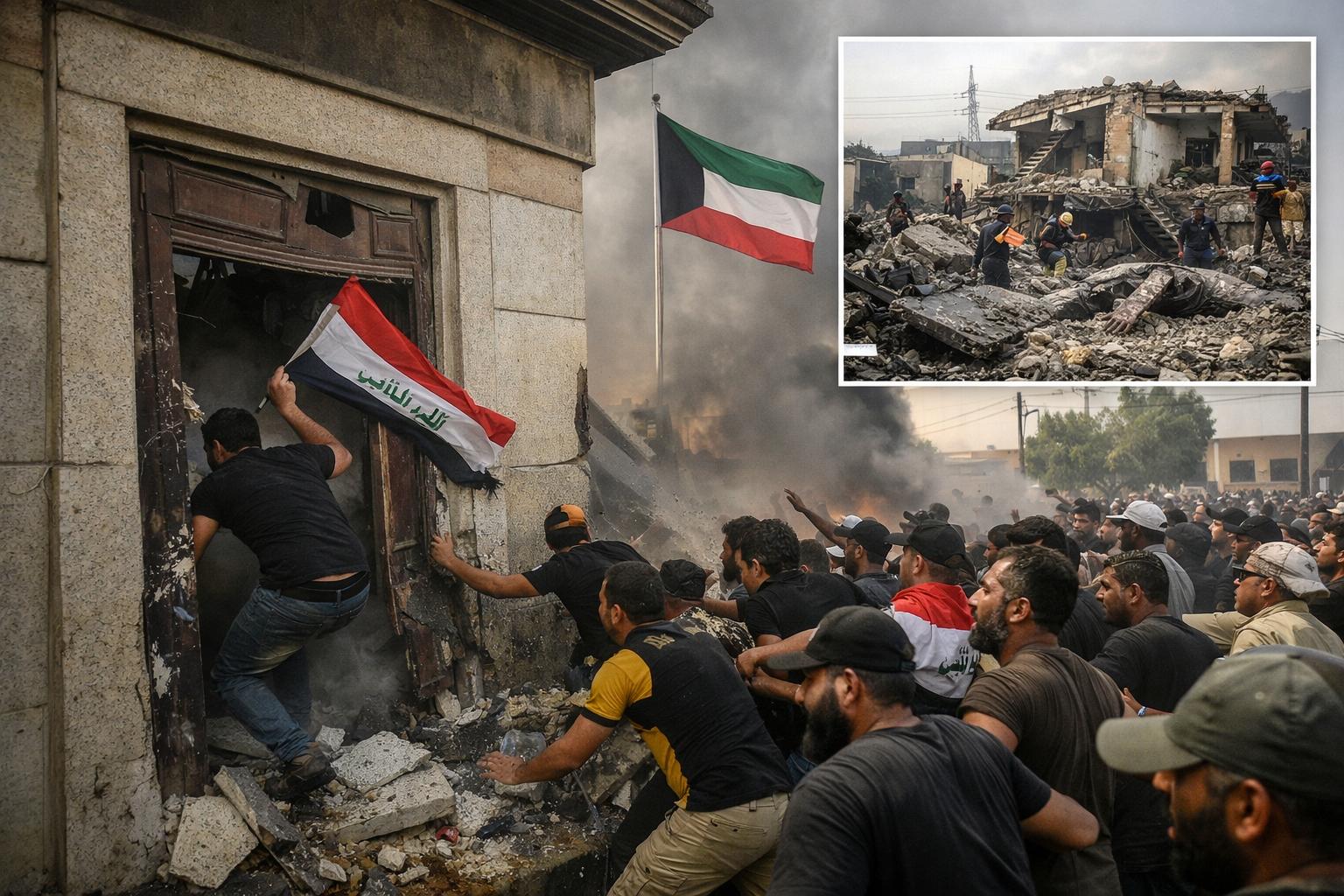
A deadly rocket attack near Basra, Iraq, on Tuesday, April 7, 2026, triggered protests that escalated into a storming of the Kuwaiti consulate in the southern city, according to local security and health officials.
Authorities reported that rockets fired from the direction of Kuwait struck a residential house in the Khor al-Zubair area, killing at least three people and injuring five others. Emergency responders warned that the death toll could rise as search operations continued fo
A deadly rocket attack near Basra, Iraq, on Tuesday, April 7, 2026, triggered protests that escalated into a storming of the Kuwaiti consulate in the southern city, according to local security and health officials.
Authorities reported that rockets fired from the direction of Kuwait struck a residential house in the Khor al-Zubair area, killing at least three people and injuring five others. Emergency responders warned that the death toll could rise as search operations continued fo
The Gulf region is facing rising tensions, with a series of drone attacks, fires, and infrastructure damage being reported across multiple countries, including Kuwait, Bahrain, and the UAE. The situation has been exacerbated by a warning from U.S. President Donald Trump, who set a deadline for Iran to reopen the Strait of Hormuz by 7th April 2026 evening. If Iran fails to comply, Trump has indicated that the U.S. will target critical infrastructure in retaliation. This escalation is of global
The Gulf region is facing rising tensions, with a series of drone attacks, fires, and infrastructure damage being reported across multiple countries, including Kuwait, Bahrain, and the UAE. The situation has been exacerbated by a warning from U.S. President Donald Trump, who set a deadline for Iran to reopen the Strait of Hormuz by 7th April 2026 evening. If Iran fails to comply, Trump has indicated that the U.S. will target critical infrastructure in retaliation. This escalation is of global