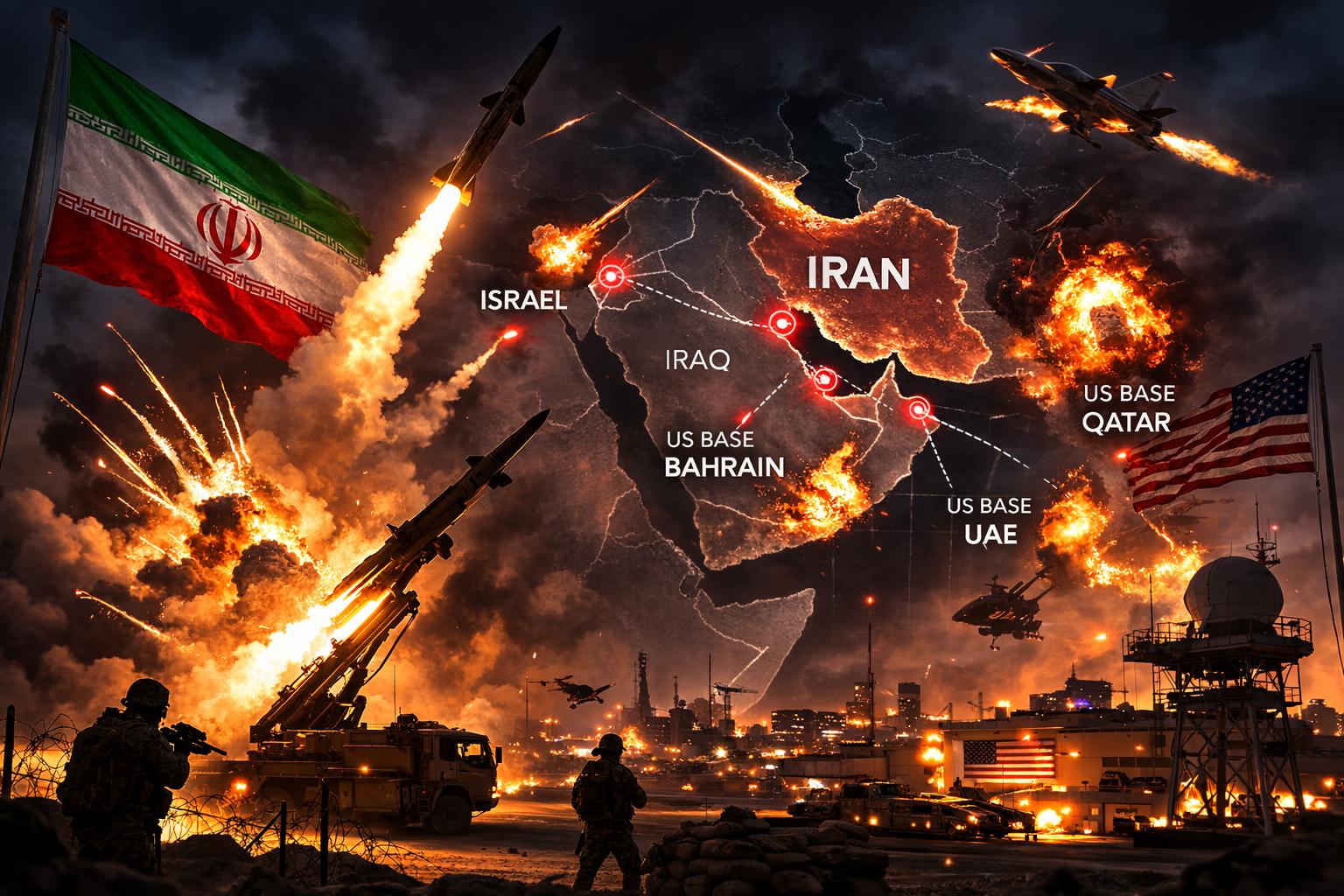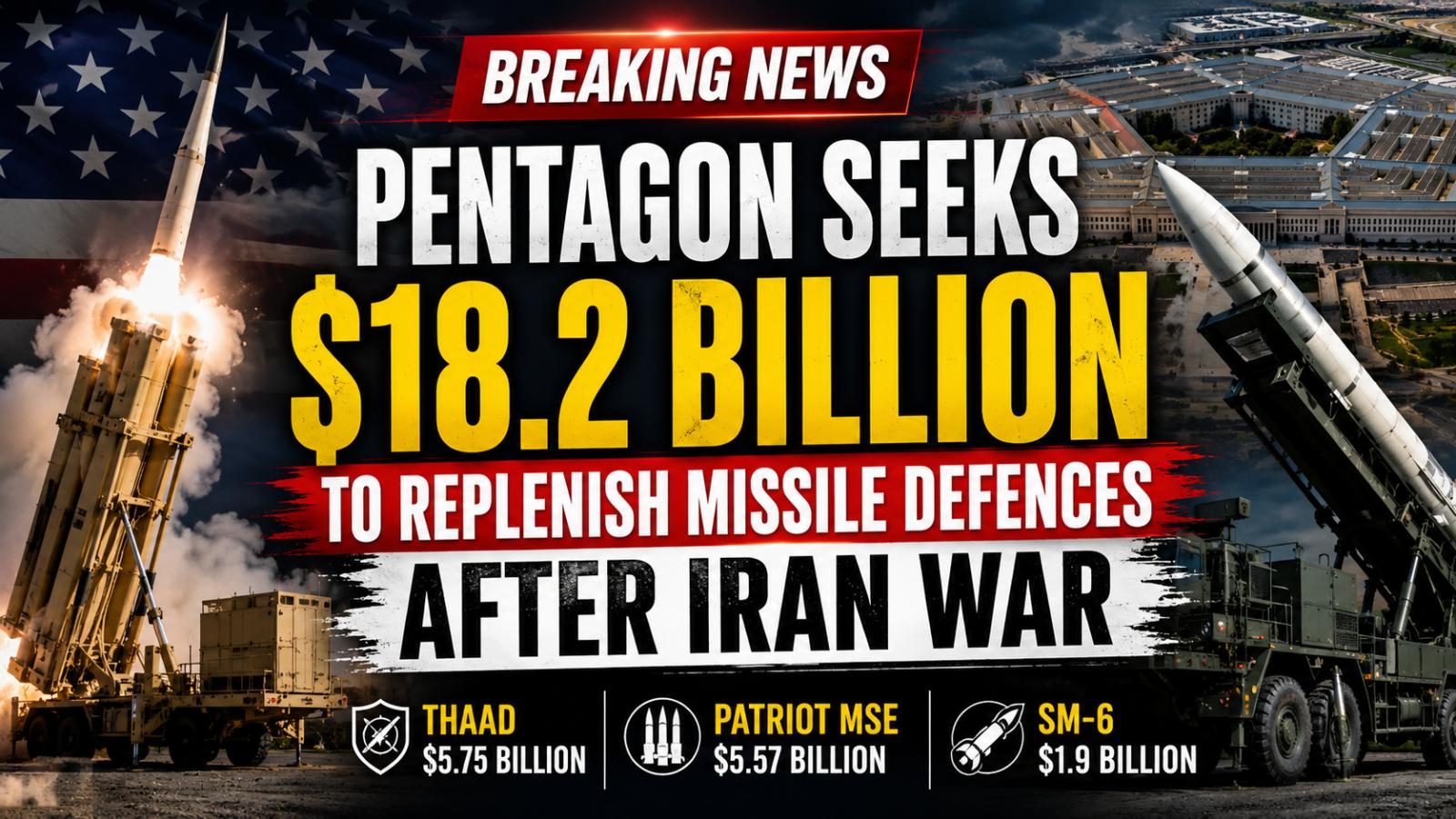
The Pentagon has asked Congress for $18.2 billion in emergency Pentagon missile funding to replenish advanced interceptors used during the war with Iran and subsequent attacks on American bases. The proposal highlights growing concern over US missile stocks as operations in the Middle East continue.
THAAD Restock Receives Largest Funding Share
Pentagon documents submitted to congressional defence committees reportedly allocate $5.75 billion for a THAAD restock. Terminal High Altitude Area Defence systems protect forces and strategic sites from short- and intermediate-range ballistic missiles during their final phase of flight.
The request reflects the heavy use of THAAD interceptors against Iranian missile attacks. Independent analysis has estimated that recent fighting substantially reduced US THAAD inventories, although the Pentagon does not normally release precise stockpile figures for operational security reasons.
Replacing these interceptors will take more than additional funding. Missile manufacturers face production limits, specialised supply chains and long delivery schedules. Congress can approve the money quickly, but industry may need several years to rebuild inventories fully.
Patriot MSE Funding Addresses Missile Shortage
The emergency package includes a reported $5.57 billion for Patriot Missile Segment Enhancement interceptors. Patriot systems have played a central role in protecting US personnel and allied infrastructure from ballistic missiles, cruise missiles and aircraft.
Concerns over a possible interceptor shortage have already pushed the US Army to expand its long-term procurement plans. On July 29, the Army awarded Lockheed Martin a contract worth up to $58.6 billion to increase PAC-3 MSE production through fiscal year 2032. The agreement still depends on future congressional appropriations.
The scale of the proposed Patriot MSE funding shows that air defence has become one of the most expensive parts of modern warfare. Defenders may need to launch more than one interceptor against a single incoming missile, while attackers can use cheaper drones and mixed salvos to strain defensive systems.
SM-6 Funding Supports Naval Air Defence
The Pentagon is also seeking about $1.9 billion in SM-6 funding. US Navy ships use the Standard Missile-6 for several missions, including air defence, ballistic missile interception and attacks on surface targets.
SM-6 systems allow naval forces to defend ships, bases and regional partners from different threats using one interceptor family. Their inclusion in the emergency package suggests that the Pentagon is not simply replacing missiles already fired. It is also preparing for continued pressure on naval and land-based defences.
The wider emergency request reportedly totals $67 billion for the current fiscal year. It covers missile replenishment and other costs connected to military operations, force protection and damaged equipment. Congress must review and approve the package before the Pentagon can spend the requested funds.
Iran War Costs Strain US Missile Inventory
Pentagon documents cited in the July 31 report said American forces fired 13,629 munitions at Iranian targets between the conflict’s start on February 28 and an April ceasefire. That reported figure includes offensive weapons and should not be interpreted as the number of missile interceptors used.
The campaign placed pressure on several critical weapon categories. Recent assessments indicate that Patriot and THAAD inventories fell sharply as US forces defended regional bases and supported broader operations against Iran. The Pentagon has maintained that American forces retain strong defensive capabilities, but analysts warn that depleted stocks could reduce flexibility during another major crisis.
The funding request also exposes a basic strategic problem. Advanced interceptors cost millions of dollars and require considerable time to manufacture, while adversaries can launch less expensive drones and missiles in large numbers. Replenishing weapons after the Iran war will therefore require production reform, multiyear contracts and stronger supply chains—not emergency money alone.