Trump Accuses Media of Treason
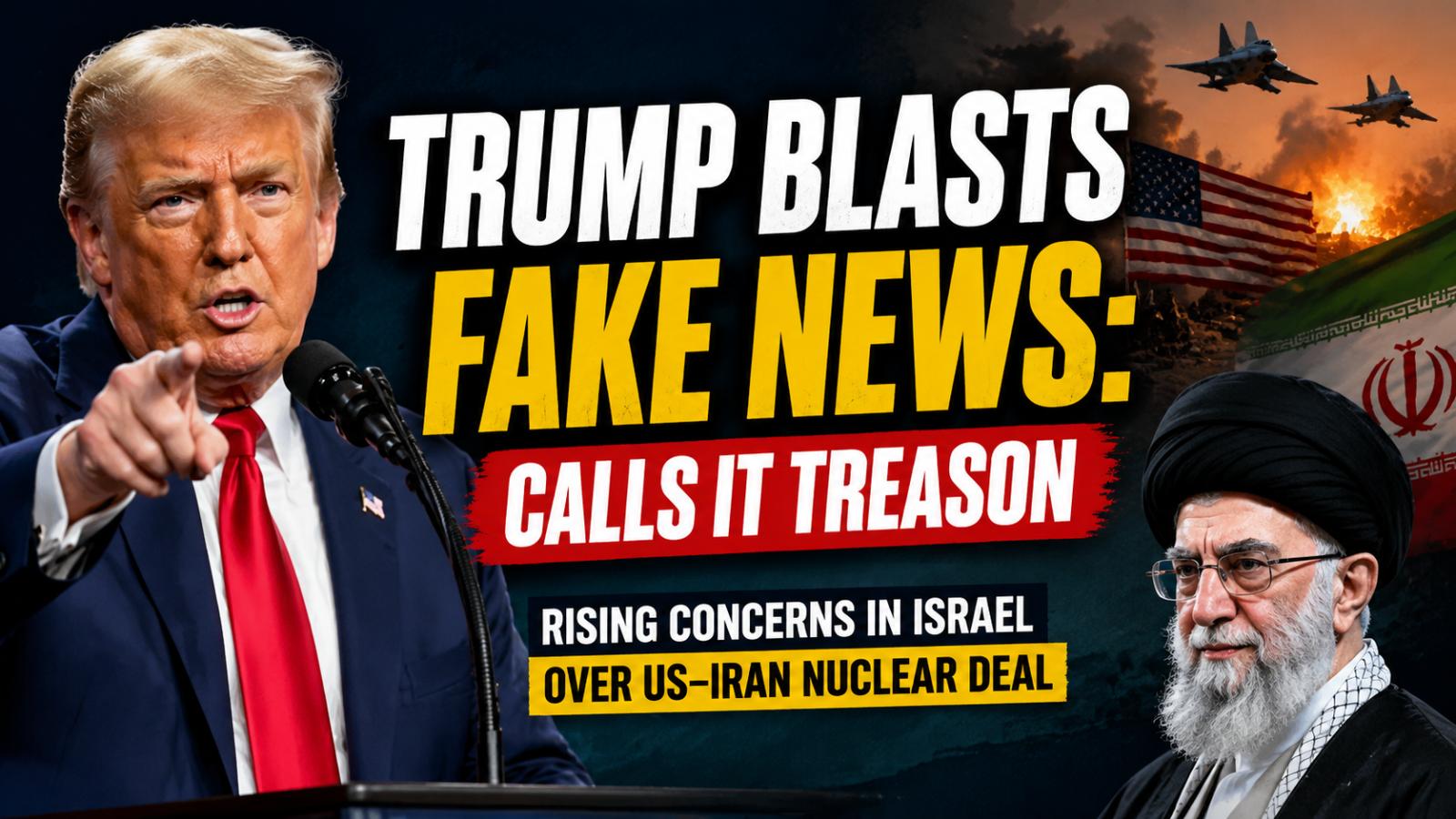
On May 12, President Donald Trump expressed outrage over media reports suggesting that Iran is “doing well” militarily in its ongoing conflict with the United States. In a social media post during his flight to China, Trump accused the media of committing treason by spreading false and misleading information. “When the Fake News says that the Iranian enemy is doing well, Militarily, against us, it’s virtual TREASON,” he wrote. Trump argued that such reports gave Iran “false hope,” undermining U.S. efforts in the region.
Trump’s remarks marked an escalation in his rhetoric toward the media. This is not the first time he has accused critics of treason during the conflict with Iran, though it is the first time the remarks were directly aimed at journalists. Previously, Trump has criticized reporters for their coverage of the situation, calling out what he deemed as inaccurate or biased narratives.
Trump's Aggressive Media Stance
The accusations against the media follow a pattern of escalating language from Trump, particularly as tensions with Iran continue to mount. CNN reported that Trump has also pushed for the Justice Department to subpoena reporters who have been covering the conflict to uncover their sources. Sources familiar with the matter said Trump even delivered a handwritten note marked ‘Treason’ in Sharpie during a White House meeting with acting Attorney General Todd Blanche, while reviewing printed news articles.
Israeli Concerns Over Iran Negotiations
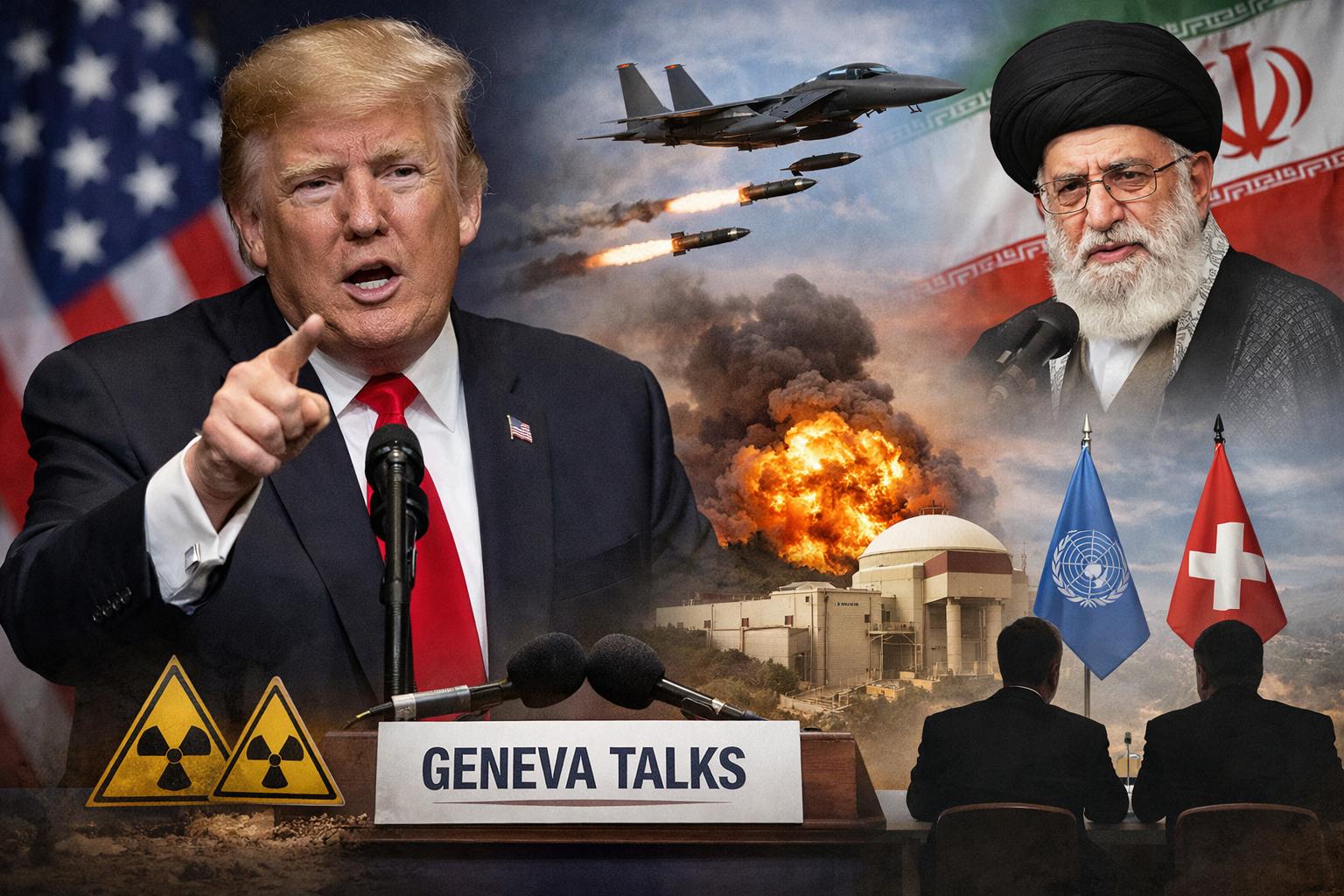
As the U.S. engages in negotiations with Iran, concerns are growing in Israel over the direction of these talks. Israeli officials are particularly worried that Trump may broker a deal that fails to fully address Iran’s nuclear ambitions, which were initially a major point of focus in the conflict. Key concerns for Israel include the potential for a deal that leaves Iran’s missile program partially unaddressed, along with a lack of restrictions on Iran’s support for regional proxy groups.
Trump had previously outlined broad goals for the negotiations, including the dismantling of Iran’s missile program, ending support for militias in the Middle East, and eliminating its nuclear capabilities. However, reports suggest that the discussions have focused more narrowly on uranium enrichment and maritime concerns, particularly regarding the Strait of Hormuz. Some Israeli officials fear that critical issues like missile development and support for proxy forces will be excluded from any deal.
Israel's Vigilance and Concerns Over a "Bad Deal"
With the ongoing negotiations, Israeli officials are increasingly concerned that the U.S. may strike a deal that does not adequately address the full scope of Iran’s military activities. “There is real concern that Trump will reach a bad deal,” one Israeli official told sources. Another senior official stated that Israel remains on high alert, with the government closely monitoring the developments. Despite the growing concerns, Israeli leaders would be content if the negotiations stall or if no deal is reached, particularly if it means continued sanctions and pressures on Iran. As the situation unfolds, officials note that the final decisions lie with Trump, and an escalation remains possible, especially if Iran continues to drag its feet during the talks.