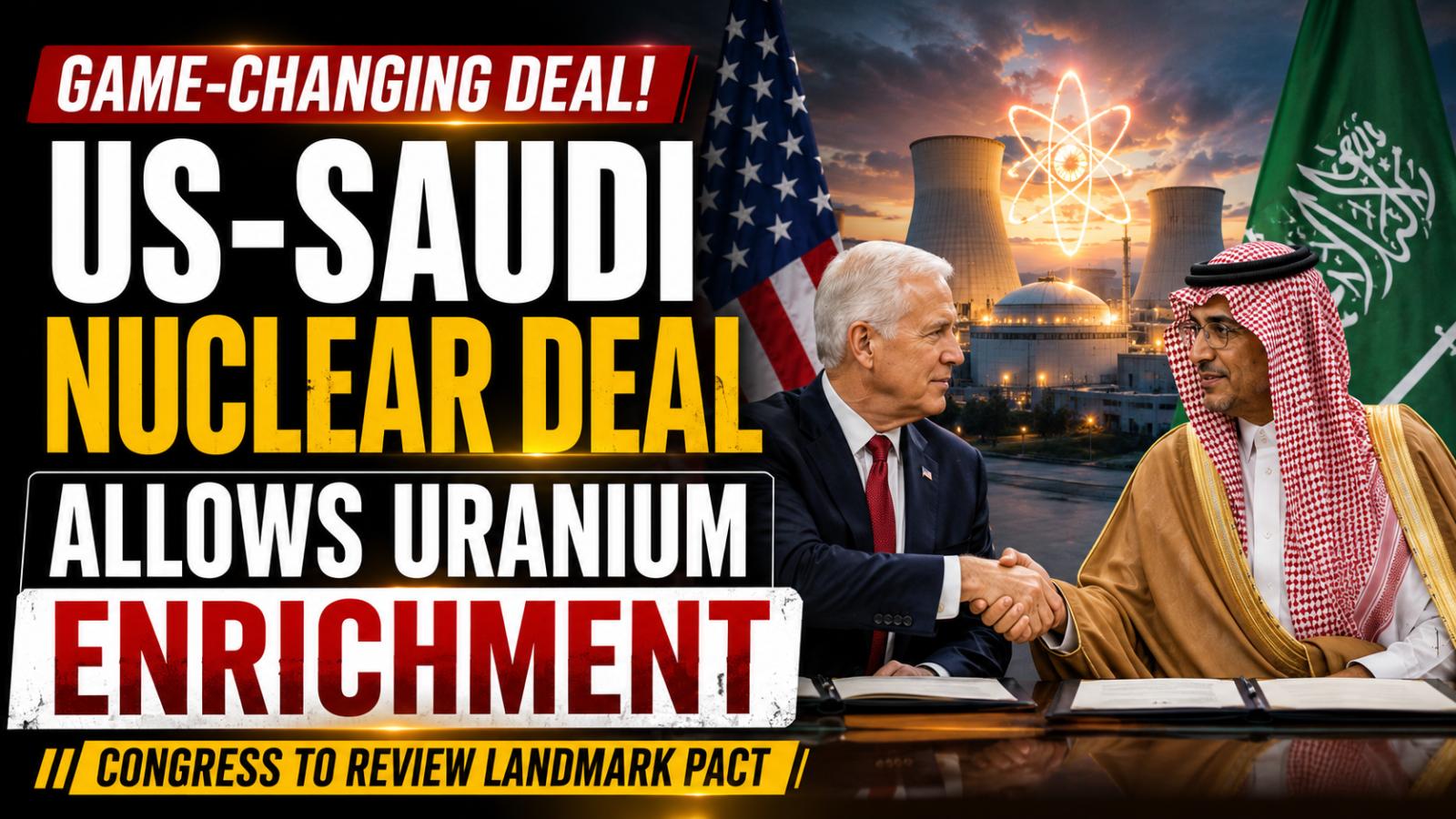
The US-Saudi nuclear deal creates a legal path for American companies to build civilian reactors in the kingdom while allowing Saudi uranium enrichment and reprocessing. The agreement promises jobs and energy security but faces scrutiny over safeguards and proliferation risks.
US-Saudi nuclear deal signed
The United States and Saudi Arabia have signed a landmark civil nuclear cooperation agreem
The US-Saudi nuclear deal creates a legal path for American companies to build civilian reactors in the kingdom while allowing Saudi uranium enrichment and reprocessing. The agreement promises jobs and energy security but faces scrutiny over safeguards and proliferation risks.
US-Saudi nuclear deal signed
The United States and Saudi Arabia have signed a landmark civil nuclear cooperation agreem
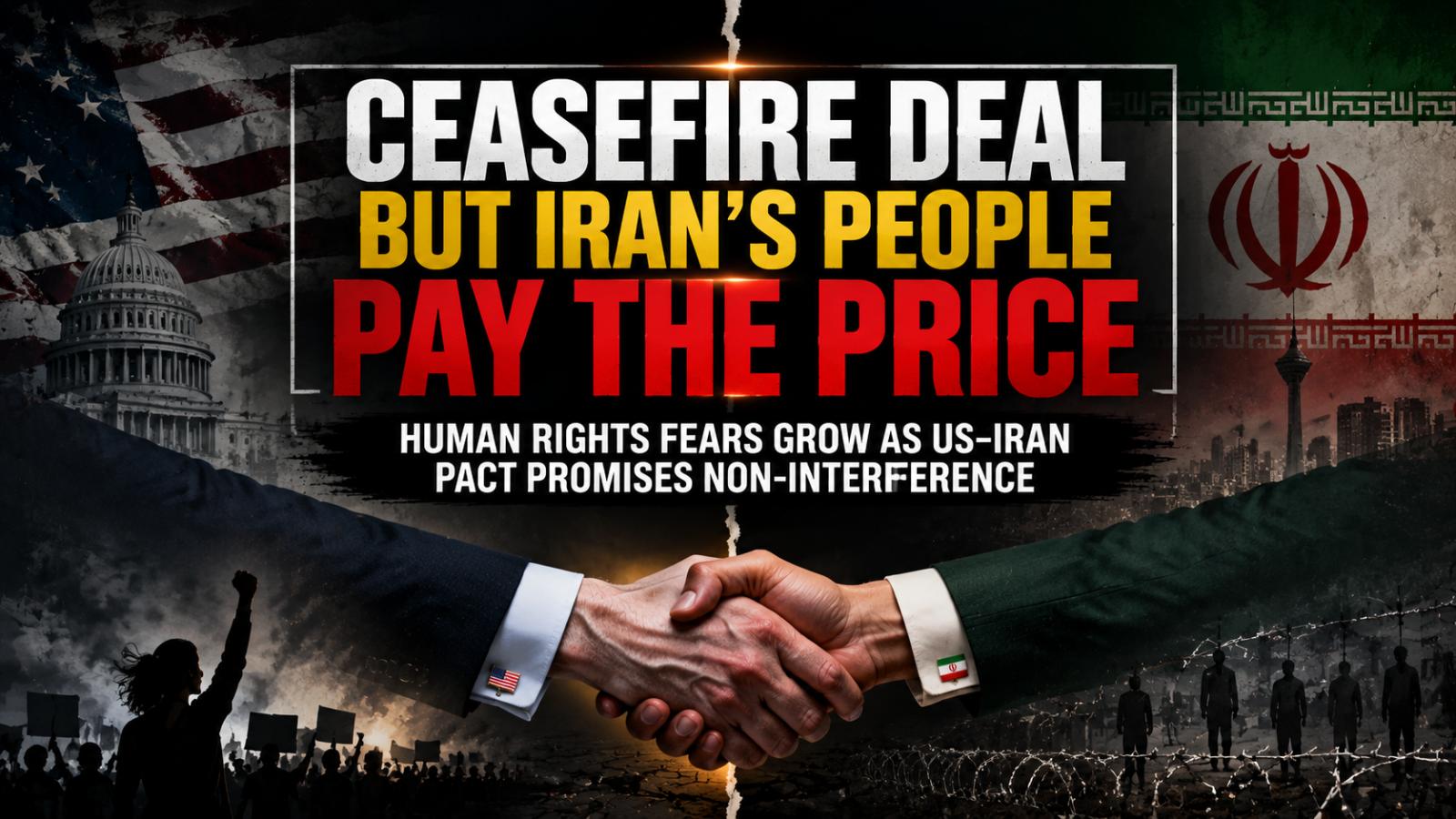
Ceasefire agreement raises human rights concerns
The recent ceasefire understanding between the United States and Iran has triggered debate over its wider political and humanitarian implications. While the agreement aims to stabilize relations after months of conflict, critics argue that its language on non-interference could limit external pressure on Iran’s internal human rights situation. The inclusion of sovereignty clauses has been interpreted by analysts as a significant shift in diplomatic posture compared to earlier US positions.
Debate over sovereignty and internal affairs
The memorandum reportedly emphasizes mutual respect for sovereignty and non-interference in domestic matters. Observers note that this marks a departure from previous rhetoric that supported political change within Iran through public pressure and international condemnation. Human rights groups have expressed concern that such provisions may reduce accountability mechanisms at a time when reports of arrests, executions, and suppression of dissent continue to emerge.
Humanitarian impact and ongoing instability
Independent reports referenced in international discussions point to continued unrest and a heavy human cost during and after the conflict period. Allegations of mass detentions and restrictions on civil liberties have further intensified scrutiny of the ceasefire framework. Advocacy organizations warn that stabilizing military conditions without parallel human rights safeguards risks entrenching existing governance structures without addressing underlying grievances.
Regional conflict and global economic disruption
The broader conflict, including disruptions in the Strait of Hormuz, has had significant consequences for global energy flows and maritime trade. Temporary closure of key shipping routes led to economic pressure across multiple regions dependent on oil and liquefied natural gas supplies. While diplomatic mediation involving regional actors helped establish a pathway toward de-escalation, analysts caution that long-term stability will depend on sustained negotiations and enforcement clarity within the agreement framework.
Ceasefire agreement raises human rights concerns
The recent ceasefire understanding between the United States and Iran has triggered debate over its wider political and humanitarian implications. While the agreement aims to stabilize relations after months of conflict, critics argue that its language on non-interference could limit external pressure on Iran’s internal human rights situation. The inclusion of sovereignty clauses has been interpreted by analysts as a significant shift in diplomatic posture compared to earlier US positions.
Debate over sovereignty and internal affairs
The memorandum reportedly emphasizes mutual respect for sovereignty and non-interference in domestic matters. Observers note that this marks a departure from previous rhetoric that supported political change within Iran through public pressure and international condemnation. Human rights groups have expressed concern that such provisions may reduce accountability mechanisms at a time when reports of arrests, executions, and suppression of dissent continue to emerge.
Humanitarian impact and ongoing instability
Independent reports referenced in international discussions point to continued unrest and a heavy human cost during and after the conflict period. Allegations of mass detentions and restrictions on civil liberties have further intensified scrutiny of the ceasefire framework. Advocacy organizations warn that stabilizing military conditions without parallel human rights safeguards risks entrenching existing governance structures without addressing underlying grievances.
Regional conflict and global economic disruption
The broader conflict, including disruptions in the Strait of Hormuz, has had significant consequences for global energy flows and maritime trade. Temporary closure of key shipping routes led to economic pressure across multiple regions dependent on oil and liquefied natural gas supplies. While diplomatic mediation involving regional actors helped establish a pathway toward de-escalation, analysts caution that long-term stability will depend on sustained negotiations and enforcement clarity within the agreement framework.
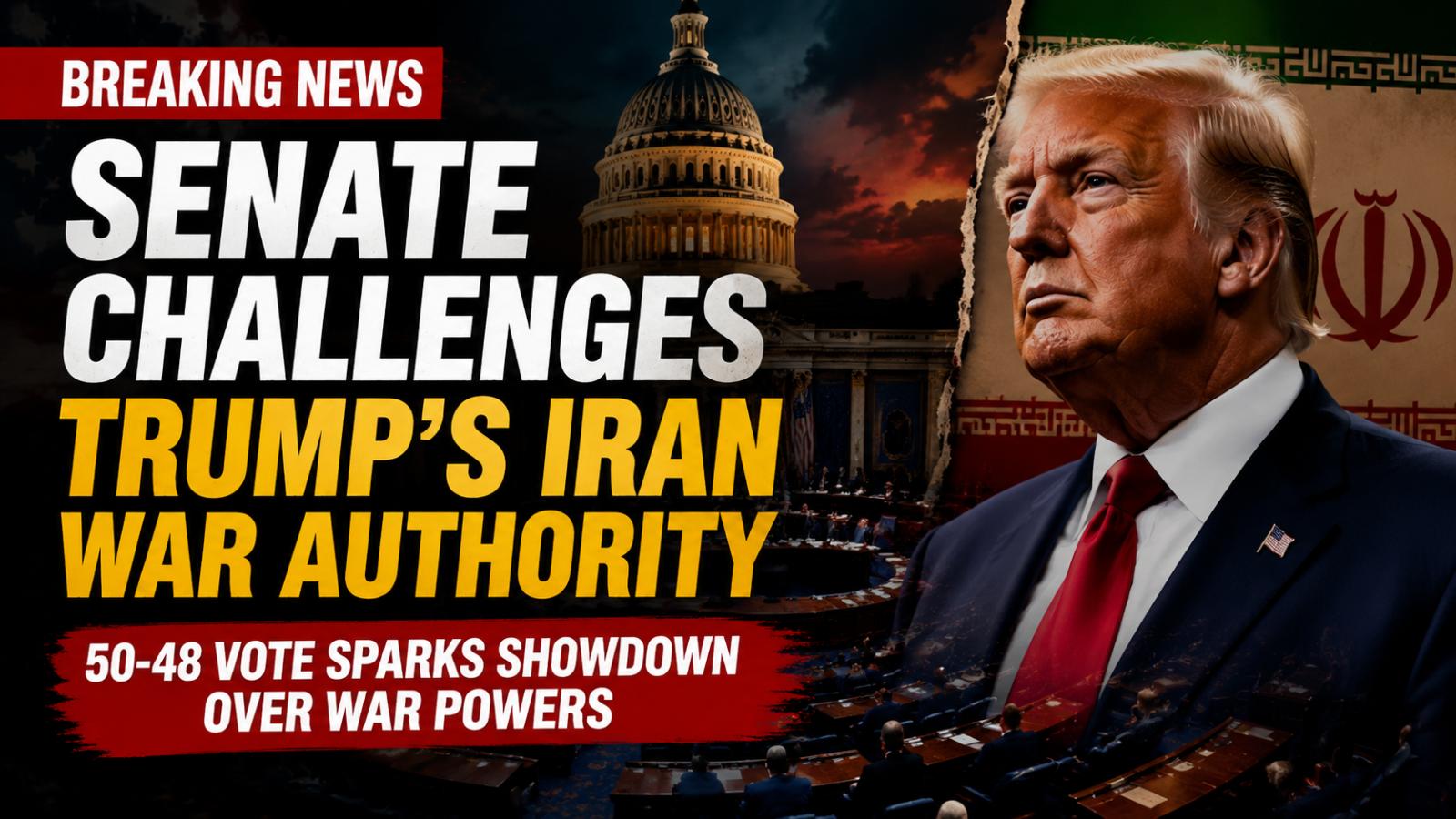
Senate challenges executive war authority
The US Senate has approved a resolution opposing continued military involvement tied to Iran, signaling widening friction between Congress and the executive branch over war powers. The measure passed narrowly at 50–48 and had already cleared the House, reflecting rare bipartisan concern over the direction of US military engagement in the region. Although the resol
Senate challenges executive war authority
The US Senate has approved a resolution opposing continued military involvement tied to Iran, signaling widening friction between Congress and the executive branch over war powers. The measure passed narrowly at 50–48 and had already cleared the House, reflecting rare bipartisan concern over the direction of US military engagement in the region. Although the resol
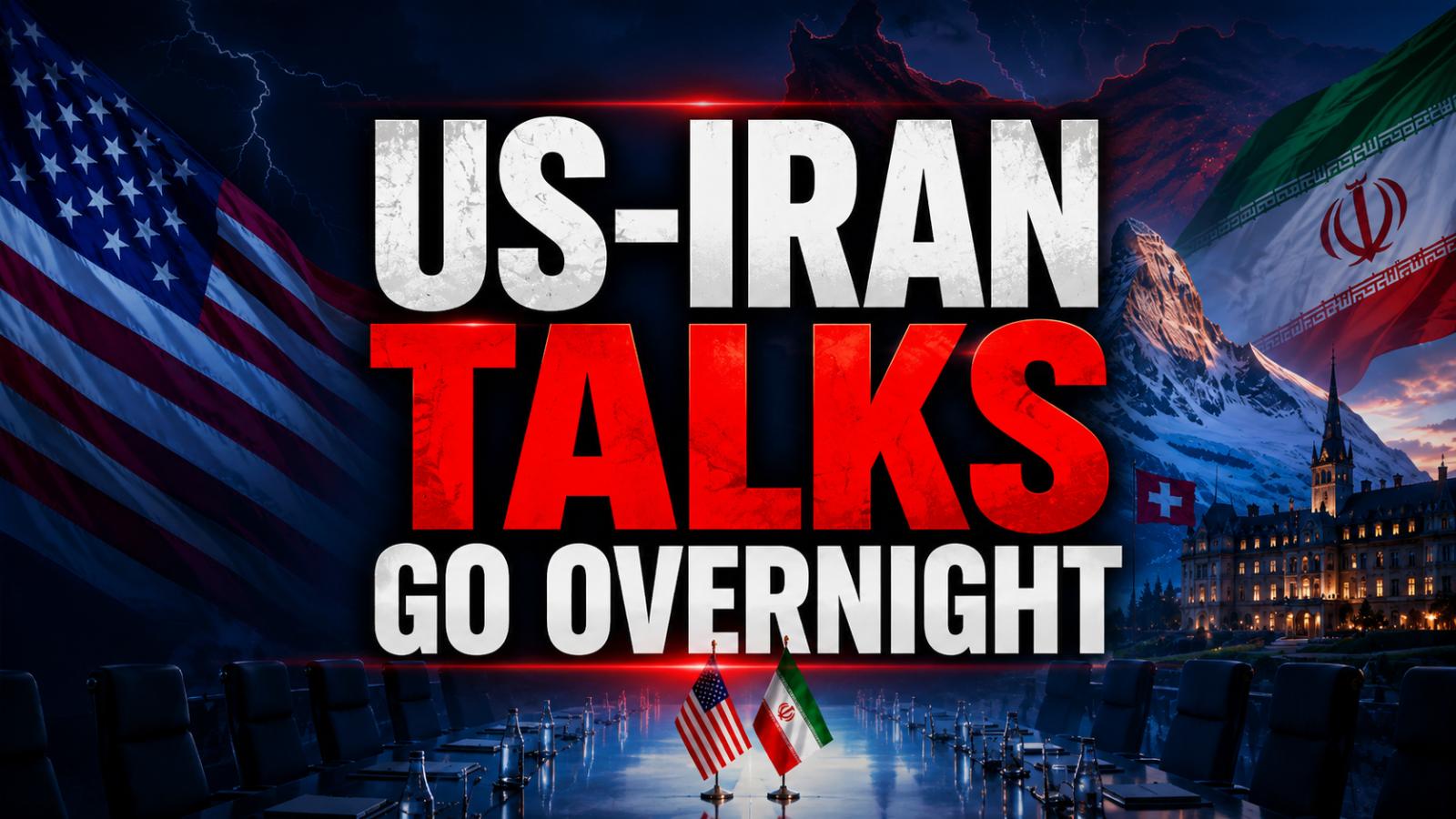
US Iran talks face early tension in Switzerland
US and Iranian negotiators continued discussions in Switzerland into the early hours of Monday, June 22, as both sides attempted to advance a fragile diplomatic process aimed at reducing months of conflict across the Middle East. The talks, held at the Swiss resort of Burgenstock, focused on regional security issues and efforts to prevent further escalation that has unsettled global energy marke
US Iran talks face early tension in Switzerland
US and Iranian negotiators continued discussions in Switzerland into the early hours of Monday, June 22, as both sides attempted to advance a fragile diplomatic process aimed at reducing months of conflict across the Middle East. The talks, held at the Swiss resort of Burgenstock, focused on regional security issues and efforts to prevent further escalation that has unsettled global energy marke
The recent US Iran MoU agreement, discussed during a diplomatic gathering in France, is being viewed as an early-stage framework aimed at reducing long-standing tensions between Washington and Tehran. The document outlines intentions for reduced hostilities and future negotiations, but many of its provisions remain open-ended, leaving room for differing interpretations from both sides. While the agreement signals a willingness to engage, it stops short of offering a fully defined roadmap for
The recent US Iran MoU agreement, discussed during a diplomatic gathering in France, is being viewed as an early-stage framework aimed at reducing long-standing tensions between Washington and Tehran. The document outlines intentions for reduced hostilities and future negotiations, but many of its provisions remain open-ended, leaving room for differing interpretations from both sides. While the agreement signals a willingness to engage, it stops short of offering a fully defined roadmap for
Netanyahu welcomes US assurances
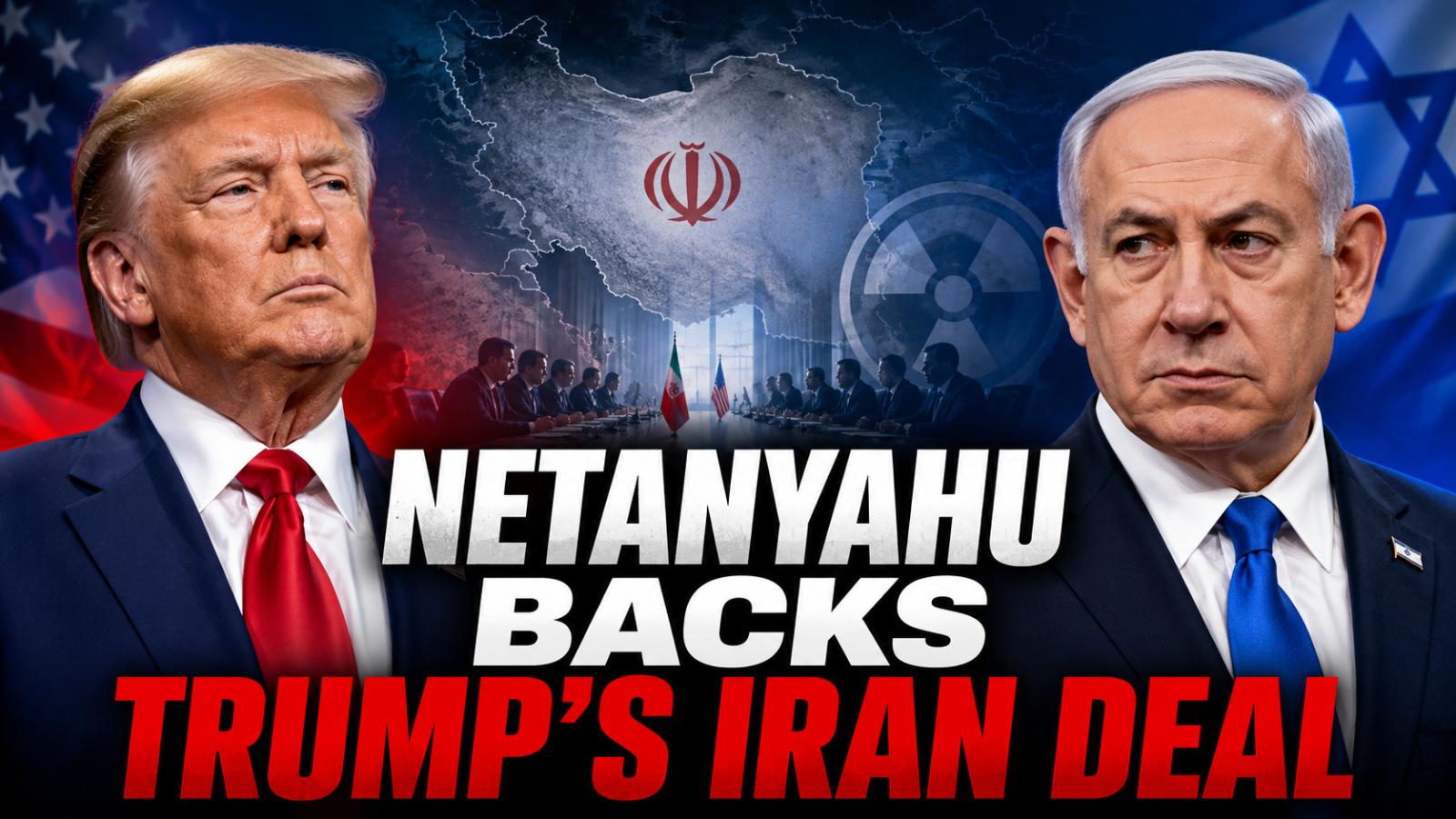
Israeli Prime Minister Benjamin Netanyahu has welcomed assurances from U.S. President Donald Trump that any final agreement with Iran would include strict limits on Tehran’s nuclear and missile programs. Netanyahu’s office said the two leaders discussed the proposed framework and that Israel appreciated Washington’s commitment to addressing Iran’s enriched nuclear material, enrichment infrastructure, m
Netanyahu welcomes US assurances
Israeli Prime Minister Benjamin Netanyahu has welcomed assurances from U.S. President Donald Trump that any final agreement with Iran would include strict limits on Tehran’s nuclear and missile programs. Netanyahu’s office said the two leaders discussed the proposed framework and that Israel appreciated Washington’s commitment to addressing Iran’s enriched nuclear material, enrichment infrastructure, m
Iran has presented a comprehensive peace plan to the United States, aiming to end hostilities in Lebanon and across the region. The proposal calls for the withdrawal of US forces near Iranian borders, reparations for conflict damages, lifting of economic sanctions, release of frozen funds, and the removal of the US naval blockade from Iranian ports. Deputy Foreign Minister Kazem Gharibabadi highlighted that Tehran’s plan is designed to foster lasting peace in West Asia through diplomacy and
Iran has presented a comprehensive peace plan to the United States, aiming to end hostilities in Lebanon and across the region. The proposal calls for the withdrawal of US forces near Iranian borders, reparations for conflict damages, lifting of economic sanctions, release of frozen funds, and the removal of the US naval blockade from Iranian ports. Deputy Foreign Minister Kazem Gharibabadi highlighted that Tehran’s plan is designed to foster lasting peace in West Asia through diplomacy and
Trump Delays Iran Attack As Gulf Leaders Push Nuclear Deal
US President Donald Trump said he is postponing a planned military attack on Iran that had been scheduled for May 19,2026, citing requests from Gulf leaders and renewed negotiations with Tehran. Trump announced the decision May 18,2026 on Truth Social shortly after Iran confirmed it had responded to a new US proposal aimed at ending the ongoing conflict. He said the
Trump Delays Iran Attack As Gulf Leaders Push Nuclear Deal
US President Donald Trump said he is postponing a planned military attack on Iran that had been scheduled for May 19,2026, citing requests from Gulf leaders and renewed negotiations with Tehran. Trump announced the decision May 18,2026 on Truth Social shortly after Iran confirmed it had responded to a new US proposal aimed at ending the ongoing conflict. He said the
Israeli Prime Minister Benjamin Netanyahu held a phone conversation with US President Donald Trump on Sunday, May 17, as tensions involving Iran remained high and questions continued over the durability of the ceasefire. The discussion reportedly focused on the war with Iran, regional security conditions and the future of diplomatic efforts aimed at preventing another round of escalation. The call came amid reports that Washington and Jerusalem are weighing their next steps after the ceasefir
Israeli Prime Minister Benjamin Netanyahu held a phone conversation with US President Donald Trump on Sunday, May 17, as tensions involving Iran remained high and questions continued over the durability of the ceasefire. The discussion reportedly focused on the war with Iran, regional security conditions and the future of diplomatic efforts aimed at preventing another round of escalation. The call came amid reports that Washington and Jerusalem are weighing their next steps after the ceasefir
Obama Highlights JCPOA Success
President Barack Obama spoke on The Late Show with Stephen Colbert about his administration’s efforts to curb Iran’s nuclear ambitions through diplomacy. He pointed to the 2015 Joint Comprehensive Plan of Action (JCPOA), asserting that the agreement successfully restricted Iran’s enriched uranium stockpile without resorting to military action. Obama explained that the deal included stric
Obama Highlights JCPOA Success
President Barack Obama spoke on The Late Show with Stephen Colbert about his administration’s efforts to curb Iran’s nuclear ambitions through diplomacy. He pointed to the 2015 Joint Comprehensive Plan of Action (JCPOA), asserting that the agreement successfully restricted Iran’s enriched uranium stockpile without resorting to military action. Obama explained that the deal included stric
Trump Accuses Media of Treason
On May 12, President Donald Trump expressed outrage over media reports suggesting that Iran is “doing well” militarily in its ongoing conflict with the United States. In a social media post during his flight to China, Trump accused the media of committing treason by spreading false and misleading information. “When the Fake News says that the Iranian enemy is doing well, Militarily, against us, it’s virtual TRE
Trump Accuses Media of Treason
On May 12, President Donald Trump expressed outrage over media reports suggesting that Iran is “doing well” militarily in its ongoing conflict with the United States. In a social media post during his flight to China, Trump accused the media of committing treason by spreading false and misleading information. “When the Fake News says that the Iranian enemy is doing well, Militarily, against us, it’s virtual TRE
President Donald Trump stated on May 6 that he has been involved in "good talks" with Iran over the past 24 hours and suggested that a deal to end the ongoing war between the two countries is "very possible." Trump emphasized that the discussions centered on Iran's nuclear program, which remains a critical point of concern for the United States. The president stated, “Iran cannot have a nuclear weapon, and they won’t.” He added that this is a point the Iranian government has already agreed to, alongside other key terms.
Trump's statements come after a recent warning to Iran that the United States would escalate its military action if a deal is not reached. "If they don’t agree, the bombing starts, and it will be, sadly, at a much higher level and intensity than it was before,” Trump wrote in a post on Truth Social on May 6. This aggressive stance reflects the president’s resolve to prevent Iran from advancing its nuclear capabilities.
In the wake of these talks, Israeli political officials have indicated that there are signs of progress in negotiations between Trump and Iranian Foreign Minister Abbas Araghchi. According to sources, Israel sees this as an opportunity for diplomatic progress. However, the Israeli officials also warned that internal divisions within Iran’s leadership could potentially jeopardize the long-term stability of any agreement.
As of now, the future of US-Iran relations remains uncertain, but Trump’s recent comments suggest that both sides are exploring avenues for negotiation. If a deal is reached, it could have significant implications for regional stability, particularly regarding the security of the Strait of Hormuz. This strategic waterway has long been a focal point of tensions in the Middle East due to its role in global oil shipments. The president’s assurance that the Hormuz Strait would be “OPEN TO ALL, including Iran” if an agreement is reached suggests that economic and geopolitical interests are also being considered alongside security concerns.
While the talks between Trump and Iran hold promise, the situation remains volatile. Both the US and Iranian governments face internal and external pressures that could complicate efforts to reach a lasting peace agreement. With the threat of military action still on the table, the world watches closely as the two nations navigate these delicate negotiations.
President Donald Trump stated on May 6 that he has been involved in "good talks" with Iran over the past 24 hours and suggested that a deal to end the ongoing war between the two countries is "very possible." Trump emphasized that the discussions centered on Iran's nuclear program, which remains a critical point of concern for the United States. The president stated, “Iran cannot have a nuclear weapon, and they won’t.” He added that this is a point the Iranian government has already agreed to, alongside other key terms.
Trump's statements come after a recent warning to Iran that the United States would escalate its military action if a deal is not reached. "If they don’t agree, the bombing starts, and it will be, sadly, at a much higher level and intensity than it was before,” Trump wrote in a post on Truth Social on May 6. This aggressive stance reflects the president’s resolve to prevent Iran from advancing its nuclear capabilities.
In the wake of these talks, Israeli political officials have indicated that there are signs of progress in negotiations between Trump and Iranian Foreign Minister Abbas Araghchi. According to sources, Israel sees this as an opportunity for diplomatic progress. However, the Israeli officials also warned that internal divisions within Iran’s leadership could potentially jeopardize the long-term stability of any agreement.
As of now, the future of US-Iran relations remains uncertain, but Trump’s recent comments suggest that both sides are exploring avenues for negotiation. If a deal is reached, it could have significant implications for regional stability, particularly regarding the security of the Strait of Hormuz. This strategic waterway has long been a focal point of tensions in the Middle East due to its role in global oil shipments. The president’s assurance that the Hormuz Strait would be “OPEN TO ALL, including Iran” if an agreement is reached suggests that economic and geopolitical interests are also being considered alongside security concerns.
While the talks between Trump and Iran hold promise, the situation remains volatile. Both the US and Iranian governments face internal and external pressures that could complicate efforts to reach a lasting peace agreement. With the threat of military action still on the table, the world watches closely as the two nations navigate these delicate negotiations.
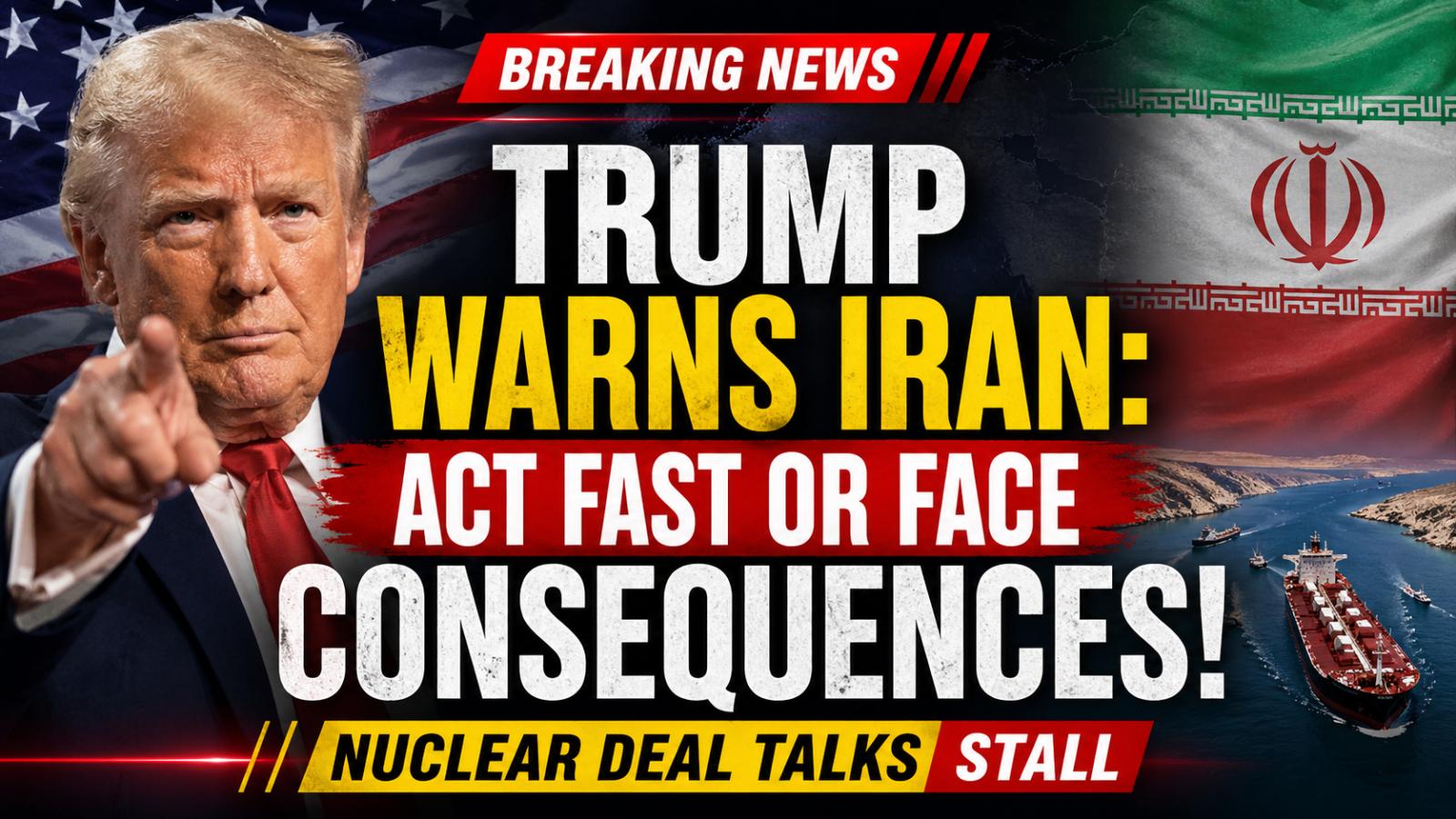
US President Donald Trump warned Iran on April 28, 2026, at around 10:00 AM EST to act quickly as nuclear deal negotiations between Washington and Tehran remain stalled. The statement highlights rising US-Iran tensions, ongoing diplomatic failure, and stricter American control over the
US President Donald Trump warned Iran on April 28, 2026, at around 10:00 AM EST to act quickly as nuclear deal negotiations between Washington and Tehran remain stalled. The statement highlights rising US-Iran tensions, ongoing diplomatic failure, and stricter American control over the
Talks with Iran continue remotely
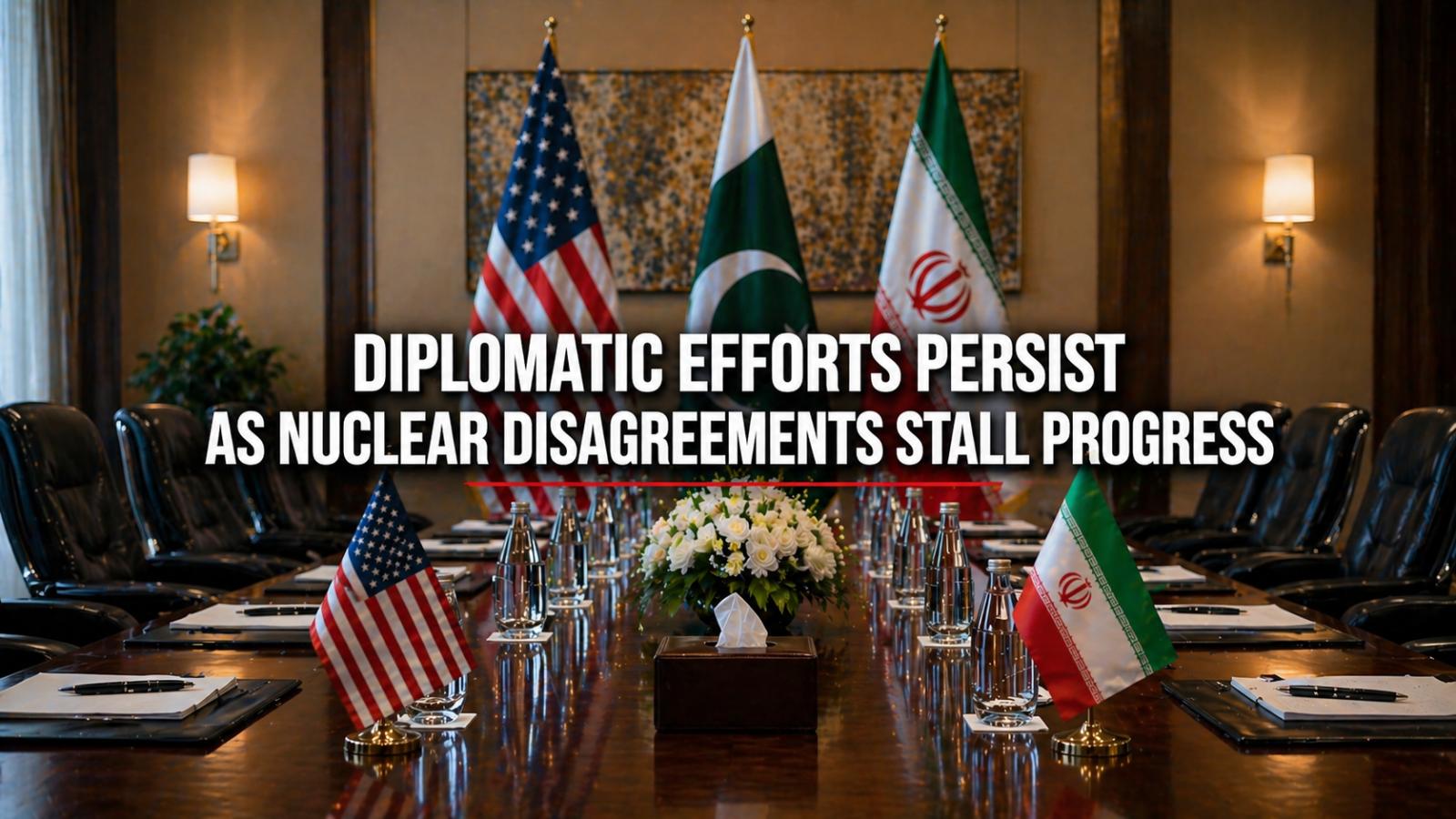
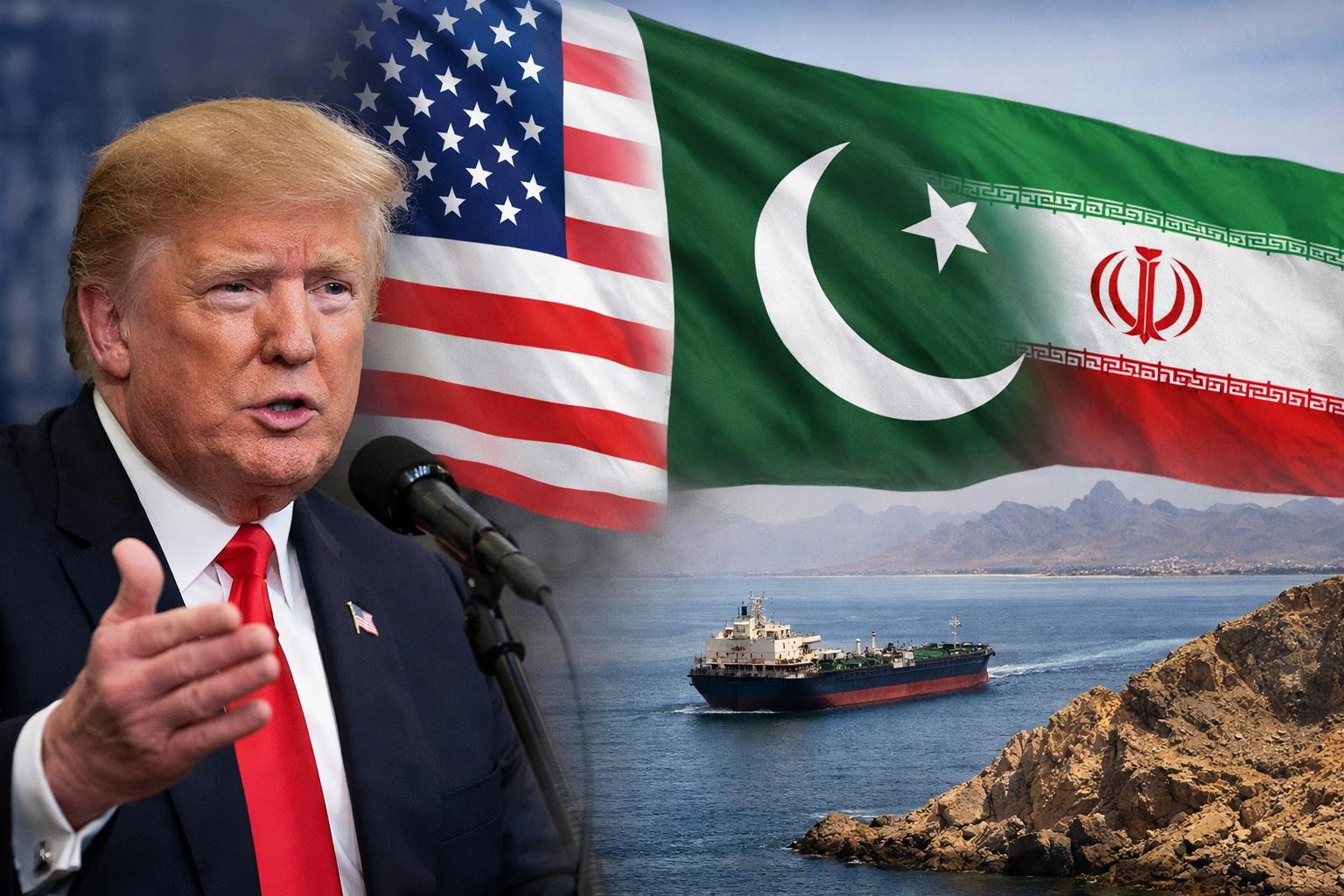
Diplomatic efforts to bridge differences between the United States and Iran remain active despite setbacks, including the cancellation of a planned envoy visit by President Donald Trump. Developments reported on Monday, April 27, 2026, indicate that negotiations are continuing through indirect channels, with Pakistan playing a mediating role.
Iran proposes phased approach delaying nuclear negotiations
According to sources familiar with the discussions, Iran has introduced a proposal that restructures the negotiation timeline. The plan would prioritize ending the ongoing conflict and resolving disputes over shipping in the Strait of Hormuz before addressing Iran’s nuclear program. This phased approach is expected to face resistance from Washington, which has consistently maintained that nuclear issues must be addressed at the outset of any agreement.
Iranian Foreign Minister Abbas Araqchi has been actively engaged in shuttle diplomacy, traveling between Islamabad, Oman, and Russia over the weekend and into Monday, April 27, 2026. In Moscow, Araqchi met with Vladimir Putin, signaling continued support from Russia.
Pakistan facilitates remote negotiations after canceled meetings
Plans for face-to-face talks in Islamabad were abandoned after Trump called off a visit by his envoys, including Steve Witkoff and Jared Kushner. The cancellation followed what Trump described as an insufficient Iranian proposal. As a result, Pakistan has shifted to facilitating remote negotiations, with officials indicating that in-person meetings will only occur once substantial progress is made toward a draft agreement.
Oil markets react as tensions persist in the Gulf
The ongoing standoff has had immediate economic implications, particularly in global energy markets. Oil prices rose when trading resumed on Monday, April 27, 2026, with Brent crude increasing by approximately 2.5% to around $108 per barrel. The volatility reflects concerns over restricted shipping through the Strait of Hormuz, a critical route for global oil supplies.
Since the conflict began, Iran has limited access to the waterway, while the United States has imposed a blockade on Iranian shipping. These actions have heightened fears of prolonged disruption, contributing to inflationary pressures and uncertainty in global economic growth.
Domestic and geopolitical pressures shape next steps
Trump faces increasing domestic pressure to resolve the conflict as approval ratings decline, while Iran continues to leverage its control over regional shipping routes. Despite a ceasefire that has paused active strikes since February 28, 2026, no comprehensive agreement has been reached to formally end hostilities.
The gap between the two sides remains significant, particularly over nuclear restrictions and regional security. With both nations appearing prepared for a prolonged negotiation process, analysts suggest the outcome may depend on which side can withstand the economic and political pressures longer.
Talks with Iran continue remotely
Diplomatic efforts to bridge differences between the United States and Iran remain active despite setbacks, including the cancellation of a planned envoy visit by President Donald Trump. Developments reported on Monday, April 27, 2026, indicate that negotiations are continuing through indirect channels, with Pakistan playing a mediating role.
Iran proposes phased approach delaying nuclear negotiations
According to sources familiar with the discussions, Iran has introduced a proposal that restructures the negotiation timeline. The plan would prioritize ending the ongoing conflict and resolving disputes over shipping in the Strait of Hormuz before addressing Iran’s nuclear program. This phased approach is expected to face resistance from Washington, which has consistently maintained that nuclear issues must be addressed at the outset of any agreement.
Iranian Foreign Minister Abbas Araqchi has been actively engaged in shuttle diplomacy, traveling between Islamabad, Oman, and Russia over the weekend and into Monday, April 27, 2026. In Moscow, Araqchi met with Vladimir Putin, signaling continued support from Russia.
Pakistan facilitates remote negotiations after canceled meetings
Plans for face-to-face talks in Islamabad were abandoned after Trump called off a visit by his envoys, including Steve Witkoff and Jared Kushner. The cancellation followed what Trump described as an insufficient Iranian proposal. As a result, Pakistan has shifted to facilitating remote negotiations, with officials indicating that in-person meetings will only occur once substantial progress is made toward a draft agreement.
Oil markets react as tensions persist in the Gulf
The ongoing standoff has had immediate economic implications, particularly in global energy markets. Oil prices rose when trading resumed on Monday, April 27, 2026, with Brent crude increasing by approximately 2.5% to around $108 per barrel. The volatility reflects concerns over restricted shipping through the Strait of Hormuz, a critical route for global oil supplies.
Since the conflict began, Iran has limited access to the waterway, while the United States has imposed a blockade on Iranian shipping. These actions have heightened fears of prolonged disruption, contributing to inflationary pressures and uncertainty in global economic growth.
Domestic and geopolitical pressures shape next steps
Trump faces increasing domestic pressure to resolve the conflict as approval ratings decline, while Iran continues to leverage its control over regional shipping routes. Despite a ceasefire that has paused active strikes since February 28, 2026, no comprehensive agreement has been reached to formally end hostilities.
The gap between the two sides remains significant, particularly over nuclear restrictions and regional security. With both nations appearing prepared for a prolonged negotiation process, analysts suggest the outcome may depend on which side can withstand the economic and political pressures longer.
U.S. President Donald Trump indicated that negotiations between the United States and Iran could resume within the next two days following a recent breakdown in talks held in Pakistan. Speaking in an interview publi
U.S. President Donald Trump indicated that negotiations between the United States and Iran could resume within the next two days following a recent breakdown in talks held in Pakistan. Speaking in an interview publi
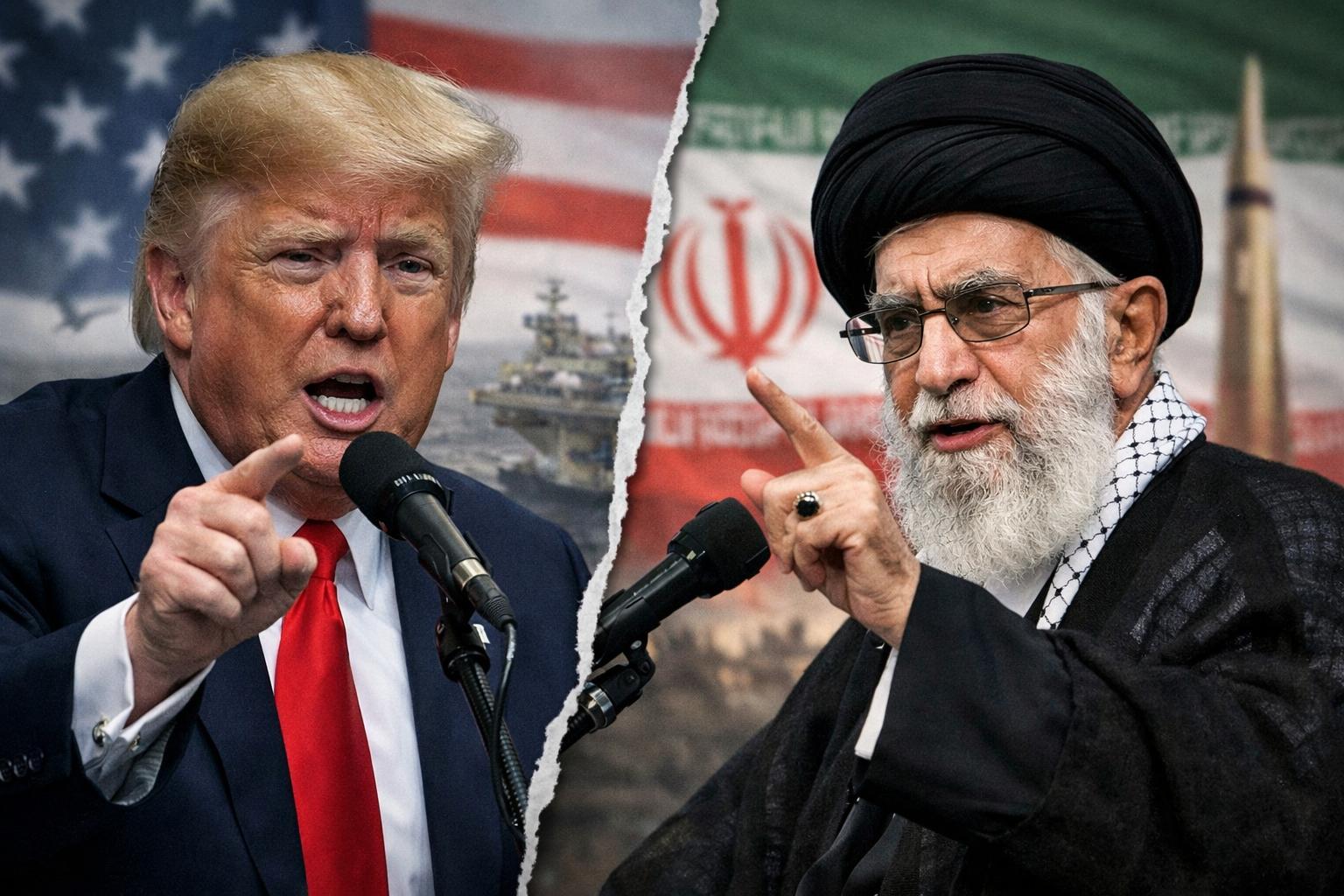
Tensions between the United States and Iran intensified this week as both sides exchanged sharp rhetoric ahead of renewed diplomatic efforts over Tehran’s nuclear program. Former US President Donald Trump highlighted America’s military strength while Iran’s Supreme Leader Ali Khamenei issued a pointed warning, underscoring the fragile atmosphere surrounding the latest round of nuclear deal talks.
The war of words escalated even before the second round of negotiations, which were mediat
Tensions between the United States and Iran intensified this week as both sides exchanged sharp rhetoric ahead of renewed diplomatic efforts over Tehran’s nuclear program. Former US President Donald Trump highlighted America’s military strength while Iran’s Supreme Leader Ali Khamenei issued a pointed warning, underscoring the fragile atmosphere surrounding the latest round of nuclear deal talks.
The war of words escalated even before the second round of negotiations, which were mediat