The recent US Iran MoU agreement, discussed during a diplomatic gathering in France, is being viewed as an early-stage framework aimed at reducing long-standing tensions between Washington and Tehran. The document outlines intentions for reduced hostilities and future negotiations, but many of its provisions remain open-ended, leaving room for differing interpretations from both sides. While the agreement signals a willingness to engage, it stops short of offering a fully defined roadmap for enforcement or verification.
Ceasefire Understanding and Regional Uncertainty
A key element of the agreement is a proposed pause in military activity, including indirect conflicts linked to regional allies. However, the language used in the draft leaves ambiguity around which groups and territories are covered. This lack of precision is creating uncertainty among regional observers, particularly in areas already affected by ongoing geopolitical friction. Without a clear enforcement mechanism, questions remain about how compliance would be monitored on the ground.
Negotiation Timeline and Pressure Window
The framework introduces a 60-day negotiation period intended to push both sides toward a broader settlement. This compressed timeline is seen as ambitious given the complexity of issues involved, including sanctions, security arrangements, and verification mechanisms. Analysts note that similar diplomatic processes in the past have required significantly longer periods to reach even partial consensus, raising concerns about whether meaningful progress can be achieved within the proposed window.
Maritime Terms and Strategic Shipping Routes
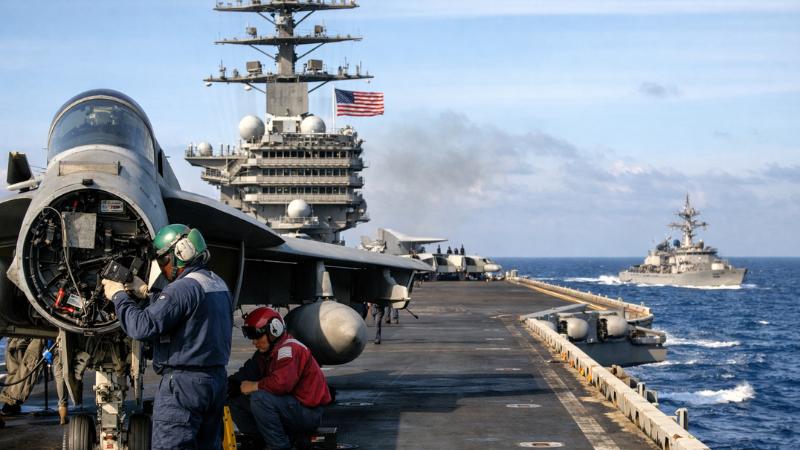
The agreement also touches on maritime movement in the Strait of Hormuz, one of the world’s most critical oil transit routes. It proposes easing certain restrictions and ensuring uninterrupted commercial shipping, subject to future international coordination. However, the operational details of how naval presence and monitoring would be adjusted remain undefined, leaving strategic questions unanswered about long-term control and security in the region.
Economic Measures and Sanctions Debate
Another major aspect under discussion involves potential economic relief measures, including the possibility of accessing previously restricted financial assets and easing select sanctions. While this is positioned as an incentive for continued dialogue, it has also sparked debate over whether economic leverage is being reduced too early in the negotiation process. The balance between diplomatic engagement and pressure remains a central point of contention.
Nuclear Discussions Left for Future Talks
Nuclear-related concerns are acknowledged in the agreement, but no immediate technical resolution has been reached. The document indicates that detailed discussions on enrichment levels, monitoring systems, and inspection frameworks will be addressed in subsequent rounds of negotiations. This delay leaves a critical issue unresolved, maintaining uncertainty over long-term compliance expectations and verification standards.