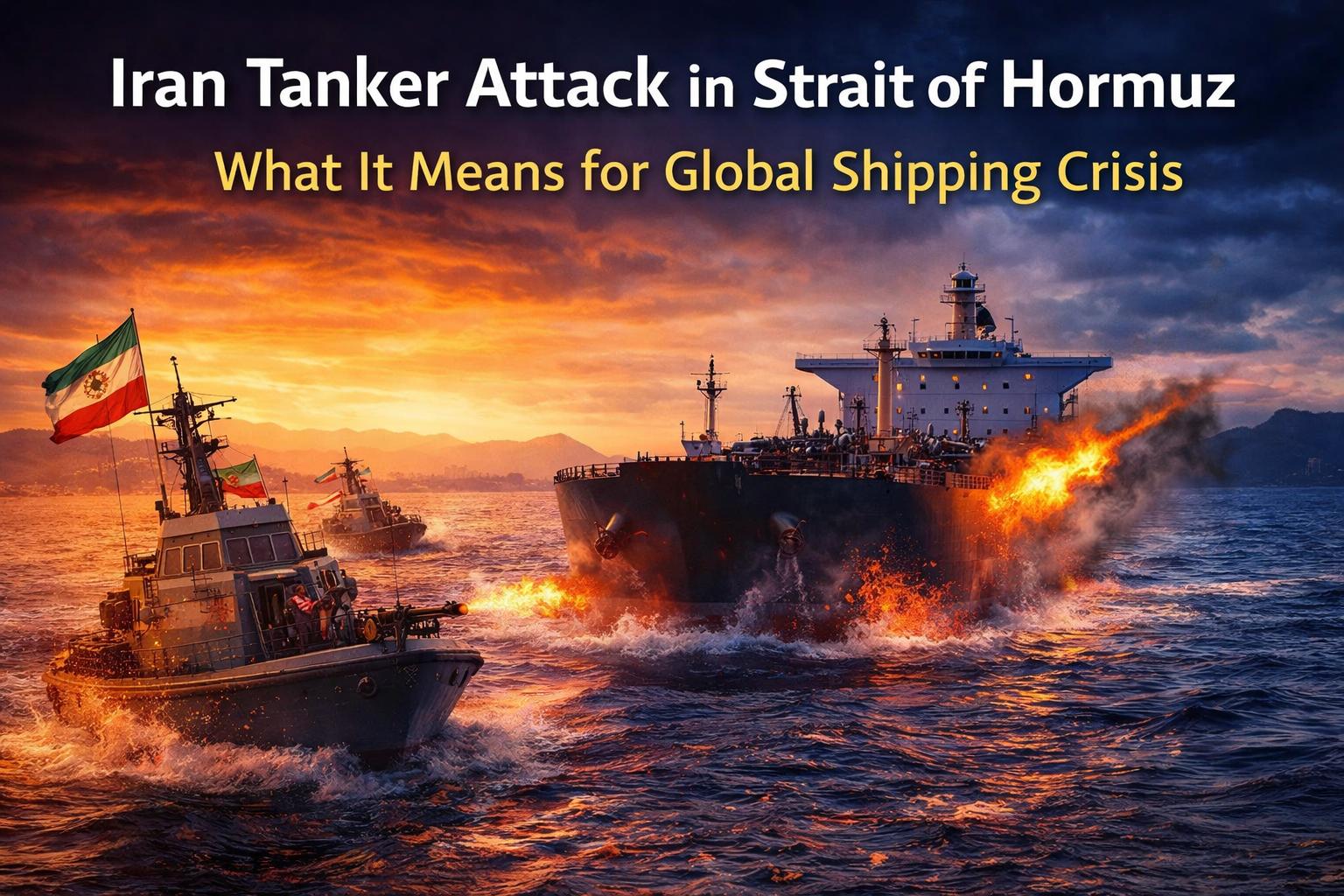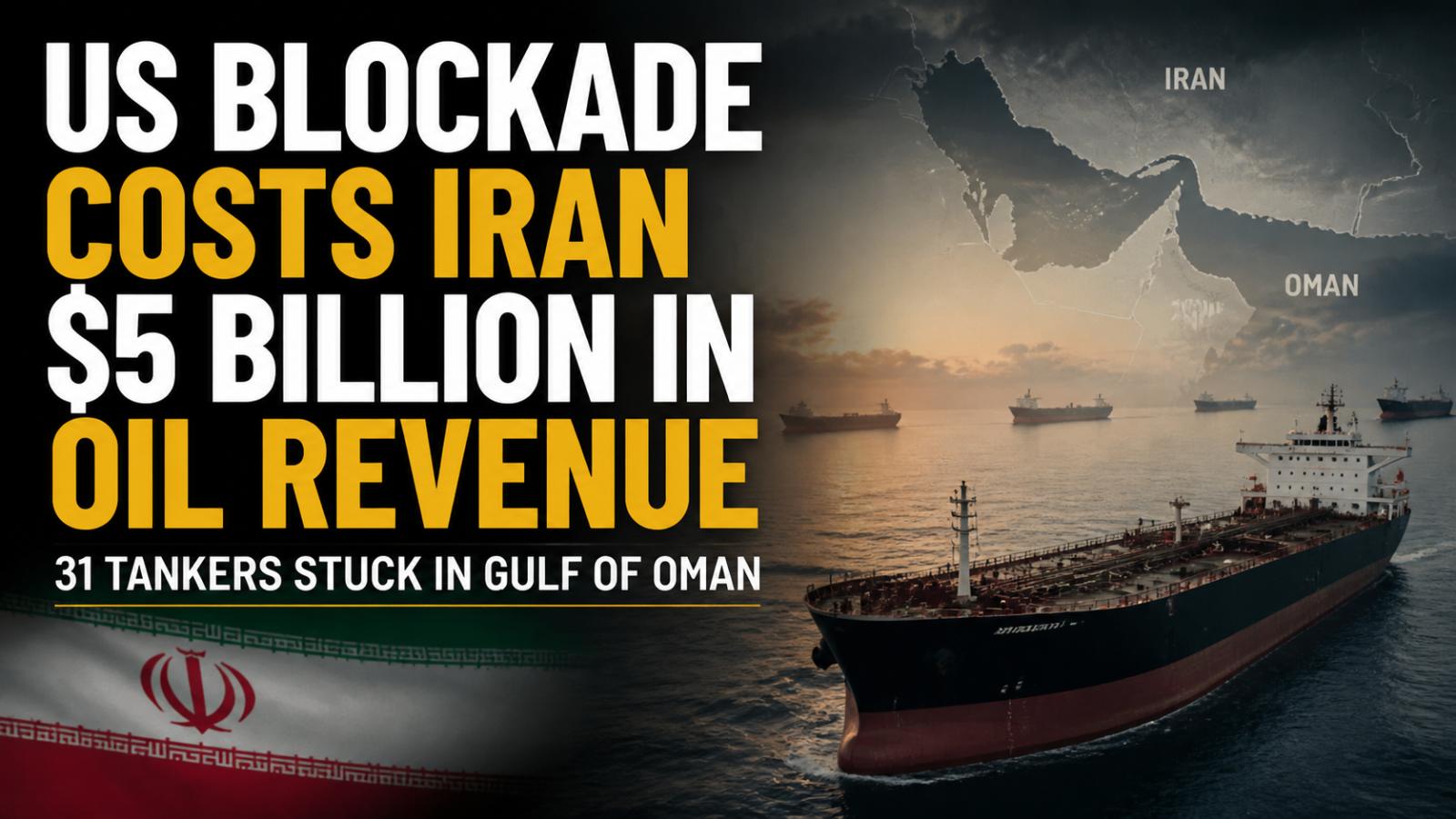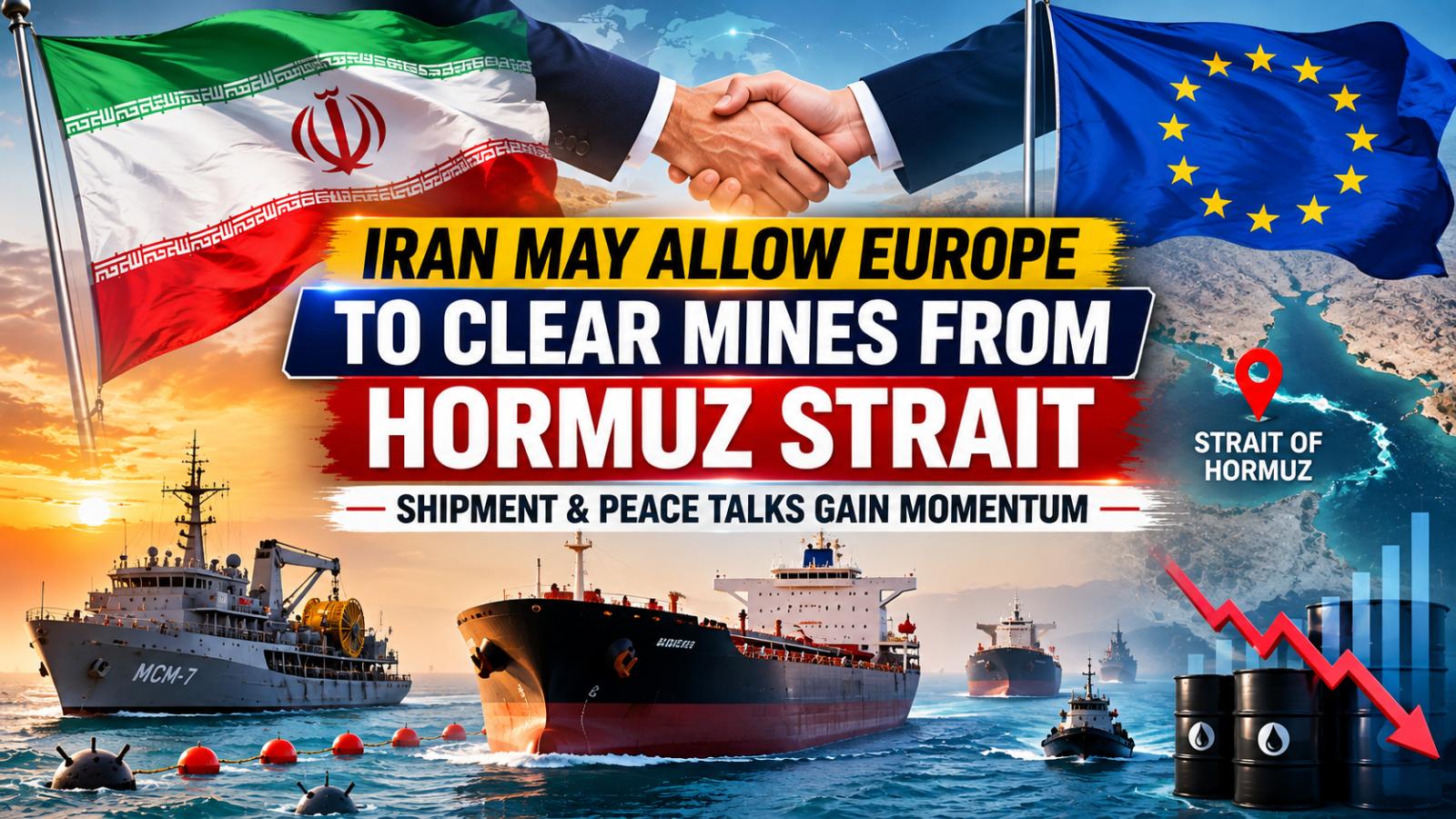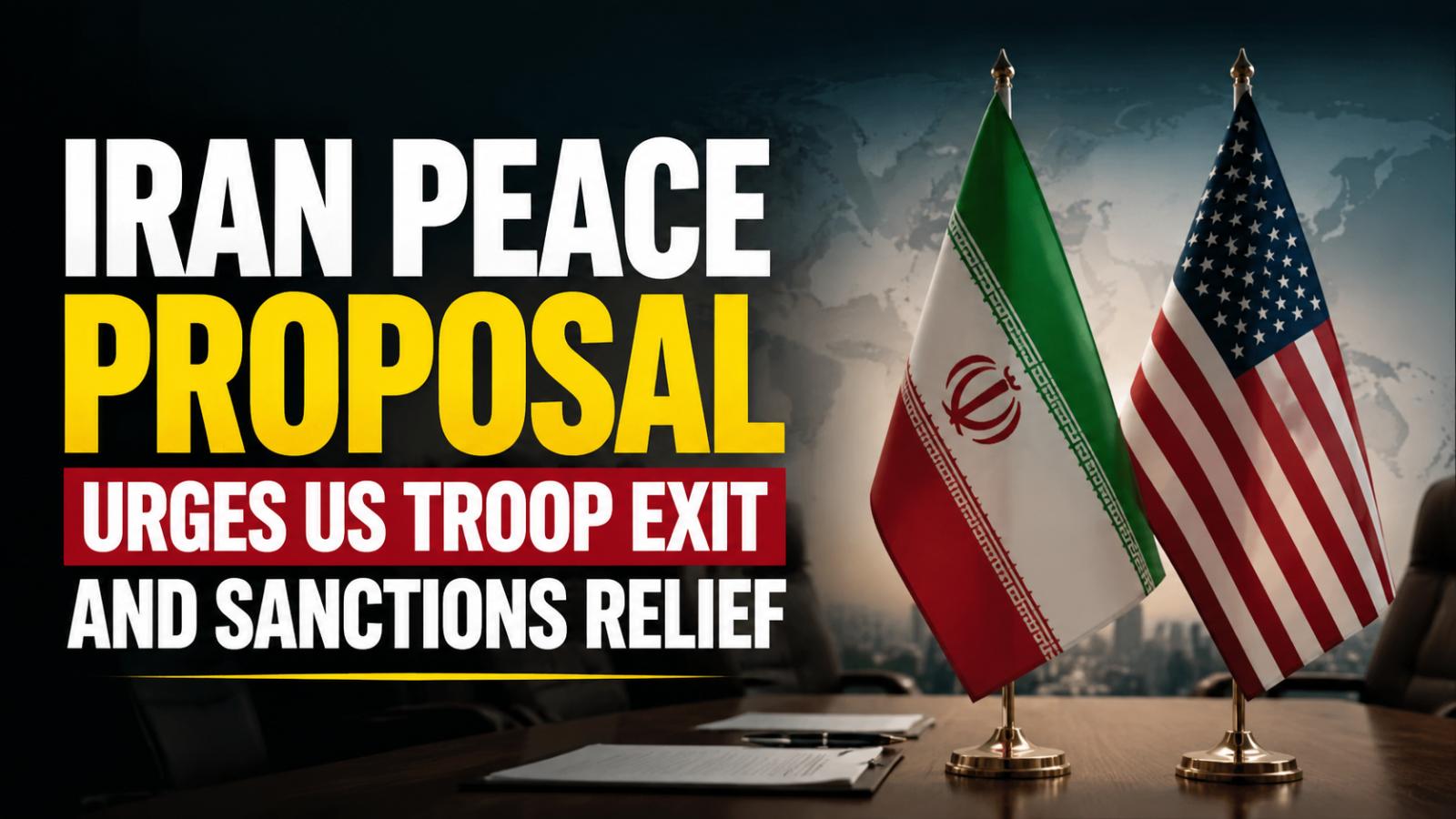
Iran has presented a comprehensive peace plan to the United States, aiming to end hostilities in Lebanon and across the region. The proposal calls for the withdrawal of US forces near Iranian borders, reparations for conflict damages, lifting of economic sanctions, release of frozen funds, and the removal of the US naval blockade from Iranian ports. Deputy Foreign Minister Kazem Gharibabadi highlighted that Tehran’s plan is designed to foster lasting peace in West Asia through diplomacy and cooperation.
Key Points of Tehran’s Peace Plan
The proposal emphasizes halting fighting in Lebanon and other contested areas, offering reparations for damages, and providing economic relief by lifting sanctions and returning frozen funds. Removing the naval blockade will allow trade and maritime access, signaling Iran’s flexibility compared to earlier offers.
US Response and Military Considerations
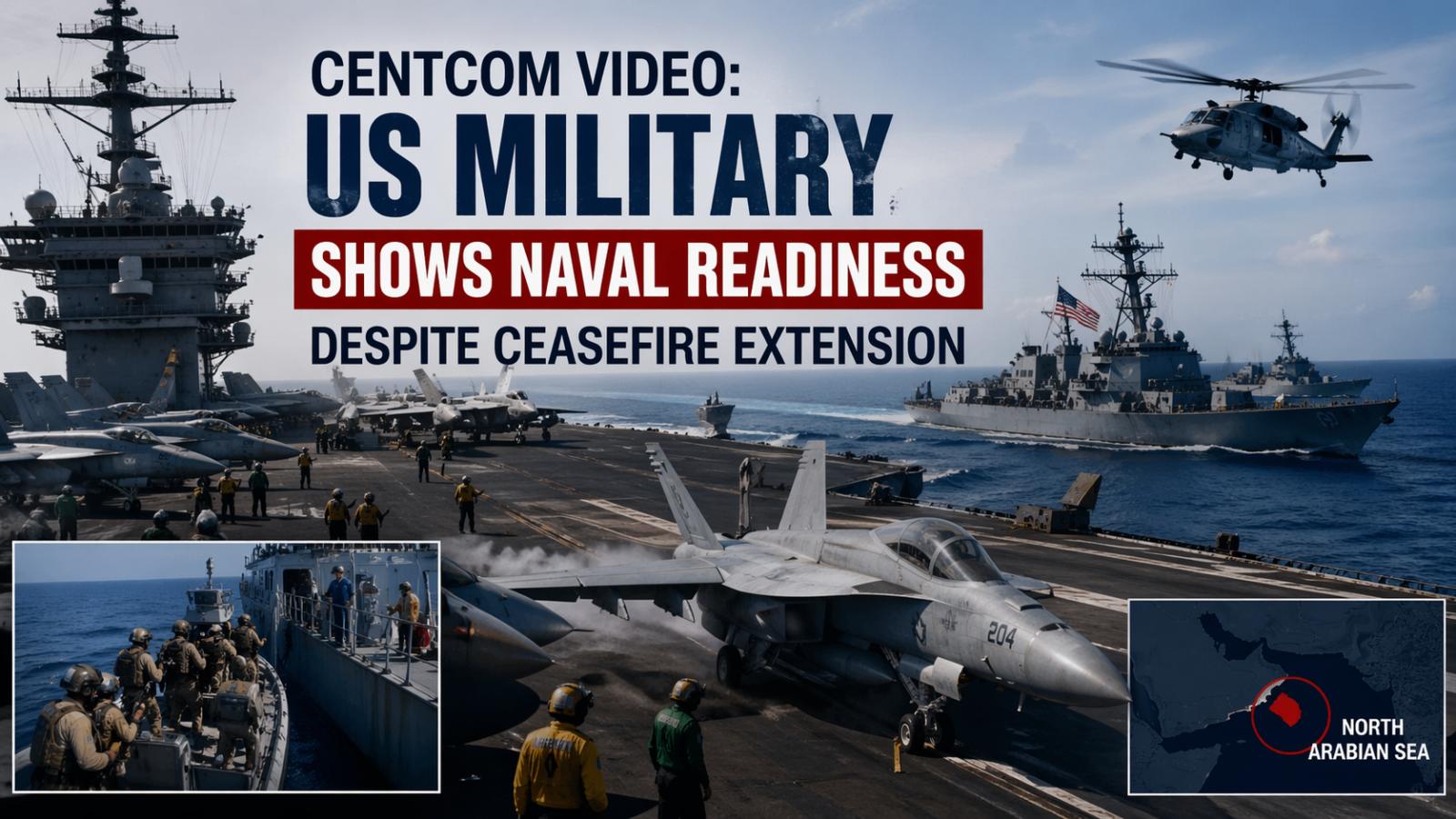
Former US President Donald Trump described the ongoing discussions as a “positive development.” Allies in Qatar, Saudi Arabia, and the UAE requested delaying any military strike while negotiations continue. Trump emphasized that the US military remains prepared for a full-scale operation if talks fail and stressed that any agreement should prevent Iran from advancing nuclear capabilities.
Prospects for West Asia Peace
If successful, the proposal could reshape the regional security landscape by addressing hostilities, sanctions, and economic access. By focusing on reparations, sanctions relief, and ceasefire agreements, Iran seeks to engage international partners constructively and establish conditions for a sustainable peace deal with the United States.