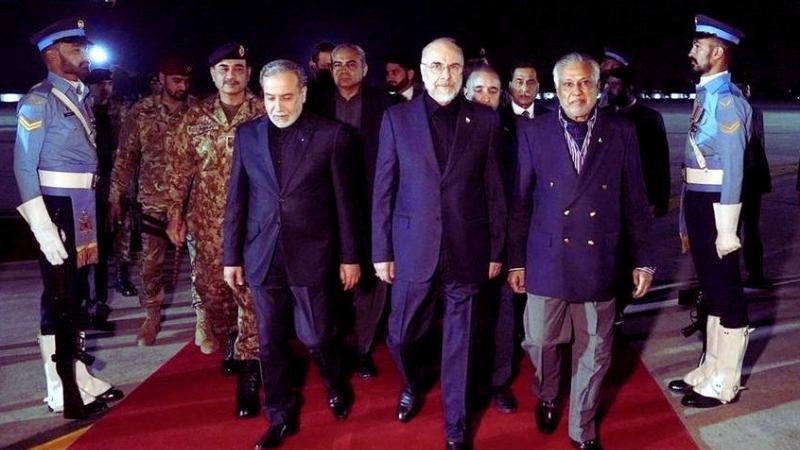
Russia Signals Europe Talks as EU Leaders Remain Divided
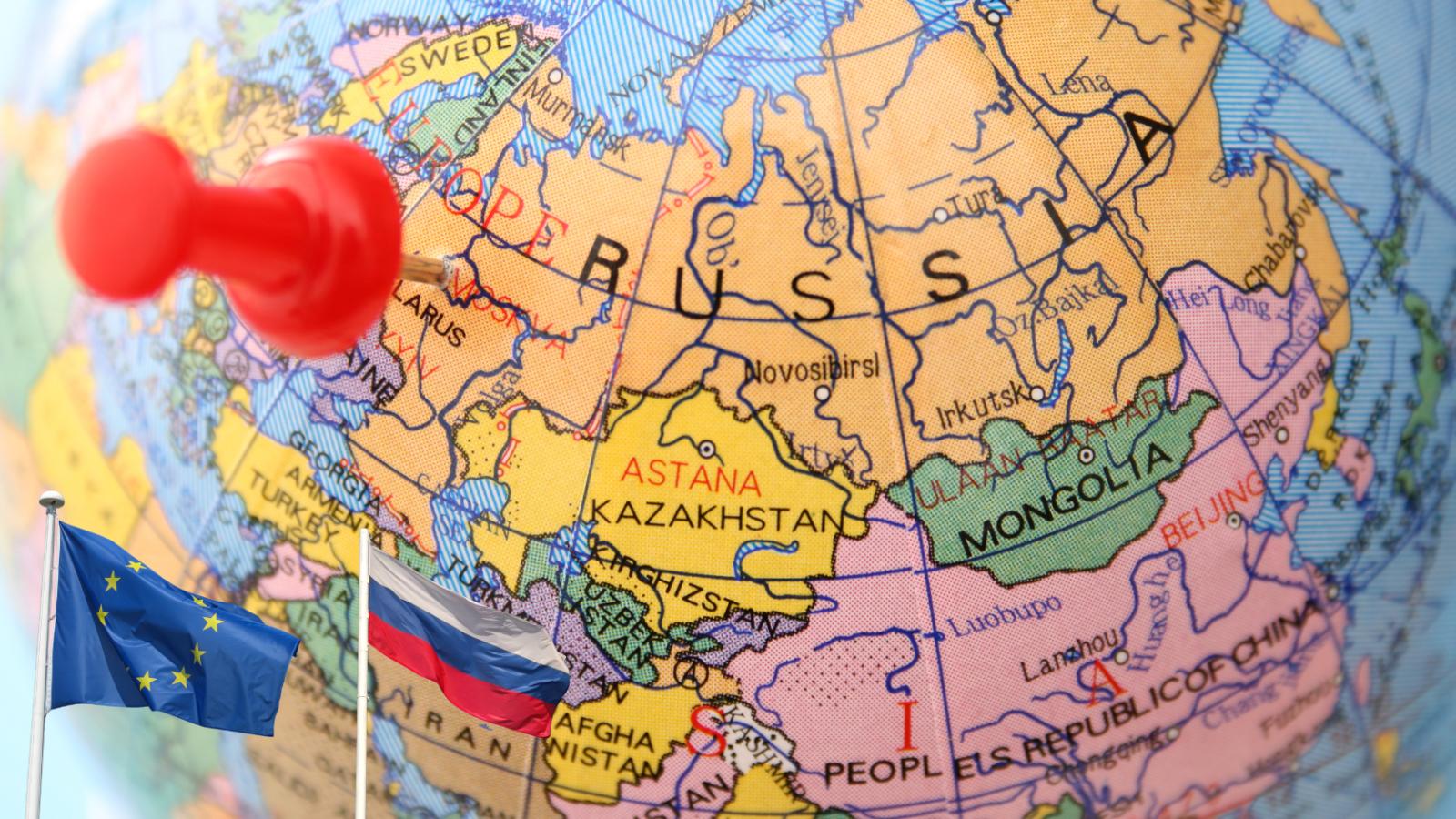
Russia-Europe talks could resume, but European governments remain divided over whether renewed contact with Moscow would support Ukraine peace efforts or weaken pressure on the Kremlin. Kremlin spokesman Dmitry Peskov said Russia was open to dialogue with European countries, while rejecting negotiations framed around Russian weakness or external demands. President Vladimir Putin has also said he would consider talks, but has argued that Europe should take the first step after ties w
Russia Signals Europe Talks as EU Leaders Remain Divided
Russia-Europe talks could resume, but European governments remain divided over whether renewed contact with Moscow would support Ukraine peace efforts or weaken pressure on the Kremlin. Kremlin spokesman Dmitry Peskov said Russia was open to dialogue with European countries, while rejecting negotiations framed around Russian weakness or external demands. President Vladimir Putin has also said he would consider talks, but has argued that Europe should take the first step after ties w
Zelensky Offers US Venue for Direct Putin Talks
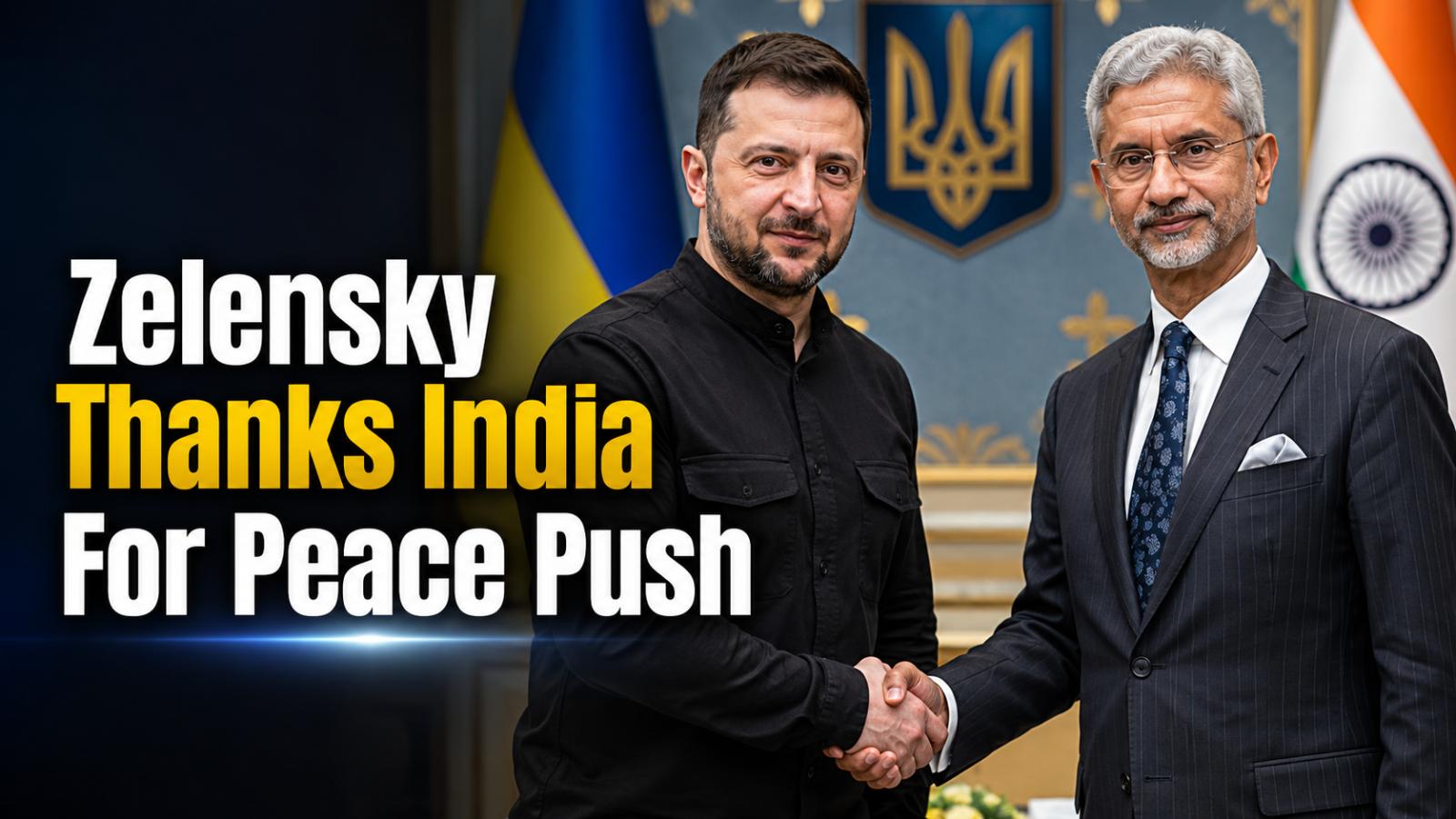
Zelensky Pushes Direct Meeting Ukrainian President Volodymyr Zelensky said he is prepared to hold direct talks with Russian President Vladimir Putin in the United States, arguing that a US-based format could make it harder for Moscow to reject a face-to-face meeting. Zelensky said he discussed the idea with US President Donald Trump and was waiting to see whether the proposal would move forward. He also sai
Zelensky Offers US Venue for Direct Putin Talks
Zelensky Pushes Direct Meeting Ukrainian President Volodymyr Zelensky said he is prepared to hold direct talks with Russian President Vladimir Putin in the United States, arguing that a US-based format could make it harder for Moscow to reject a face-to-face meeting. Zelensky said he discussed the idea with US President Donald Trump and was waiting to see whether the proposal would move forward. He also sai
Oil Prices Fall as Iran-US Peace Hopes Lift Markets
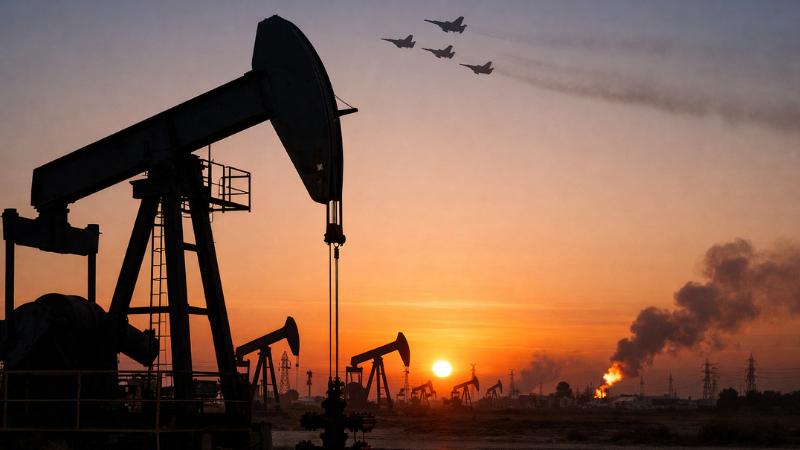
Oil Falls On Peace Deal Hopes Oil prices fell sharply on Friday, June 12, 2026 as renewed hopes for a peace agreement between Iran and the United States eased fears of prolonged disruption to global energy supplies. Brent crude dropped below $86 a barrel during trading before recovering part of its losses, while market attention remained focused on whether diplomatic progress could reduce risks around Middle
Oil Prices Fall as Iran-US Peace Hopes Lift Markets
Oil Falls On Peace Deal Hopes Oil prices fell sharply on Friday, June 12, 2026 as renewed hopes for a peace agreement between Iran and the United States eased fears of prolonged disruption to global energy supplies. Brent crude dropped below $86 a barrel during trading before recovering part of its losses, while market attention remained focused on whether diplomatic progress could reduce risks around Middle
Gulf Tensions Rise As Missiles Target Region
Gulf States Raise Security Alerts Tensions in the Gulf rose again as Kuwait said its air defense systems were responding to hostile missile and drone threats, while Bahrain sounded warning sirens and urged residents to remain calm and move to safe locations. Kuwait’s military said explosions heard in the area were linked to air defense interceptions, but it did not immediately identify the source of the in
Gulf Tensions Rise As Missiles Target Region
Gulf States Raise Security Alerts Tensions in the Gulf rose again as Kuwait said its air defense systems were responding to hostile missile and drone threats, while Bahrain sounded warning sirens and urged residents to remain calm and move to safe locations. Kuwait’s military said explosions heard in the area were linked to air defense interceptions, but it did not immediately identify the source of the in
Trump Says Iran Still Has War Capacity
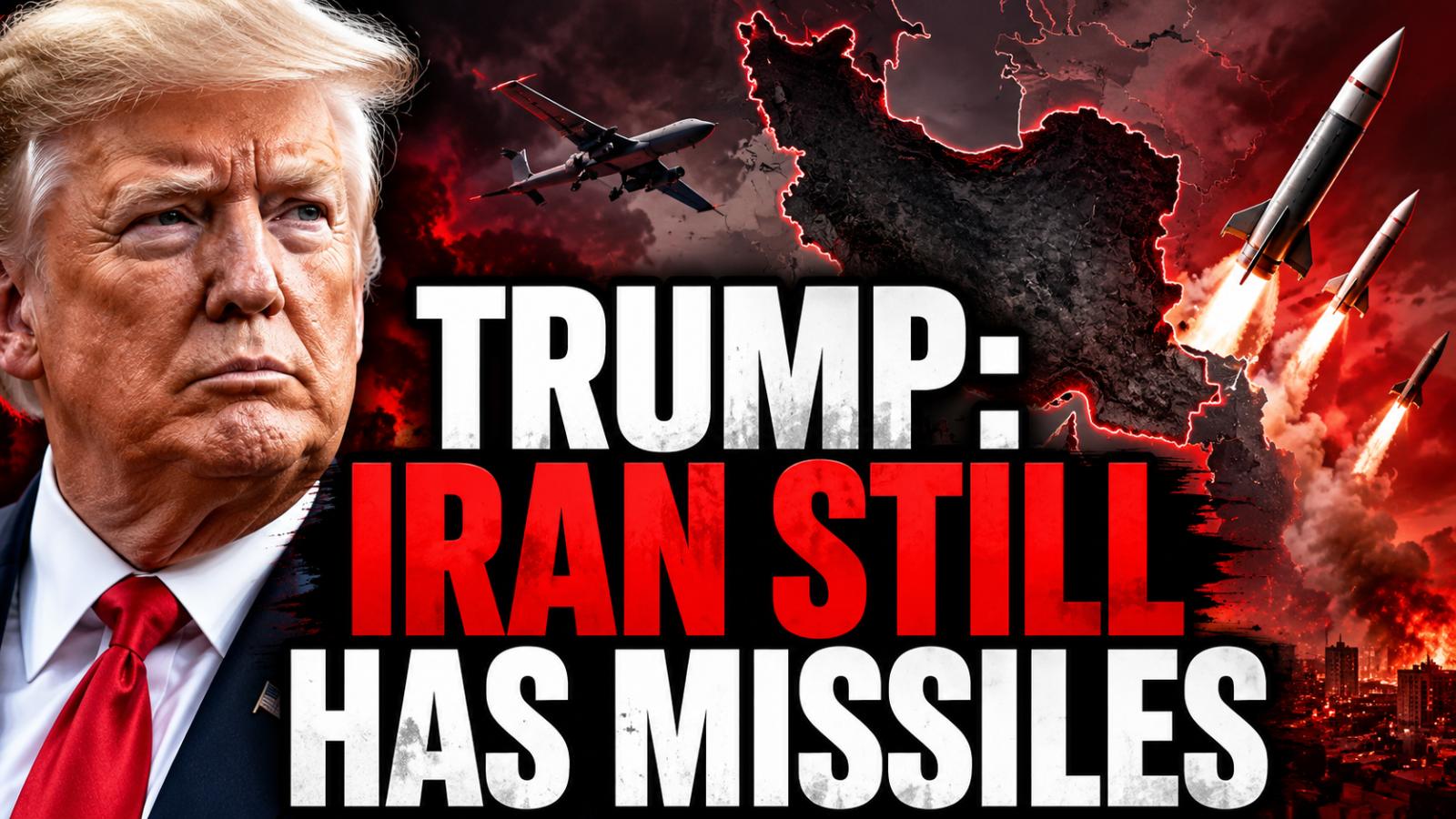
Trump Says Iran Conflict Is Moving Fast US President Donald Trump said Friday, June 5th that his administration is “moving very fast” in its handling of the Iran conflict, while acknowledging that Tehran still retains part of its military capacity. Speaking about the war, now in its third month, Trump again compared the timeline with the Vietnam War and argued that the current campaign remains far shorter than past American military engagements. Trump
Trump Says Iran Still Has War Capacity
Trump Says Iran Conflict Is Moving Fast US President Donald Trump said Friday, June 5th that his administration is “moving very fast” in its handling of the Iran conflict, while acknowledging that Tehran still retains part of its military capacity. Speaking about the war, now in its third month, Trump again compared the timeline with the Vietnam War and argued that the current campaign remains far shorter than past American military engagements. Trump
Iran Peace Proposal: US Troop Exit, Lebanon Ceasefire, Sanctions Lift
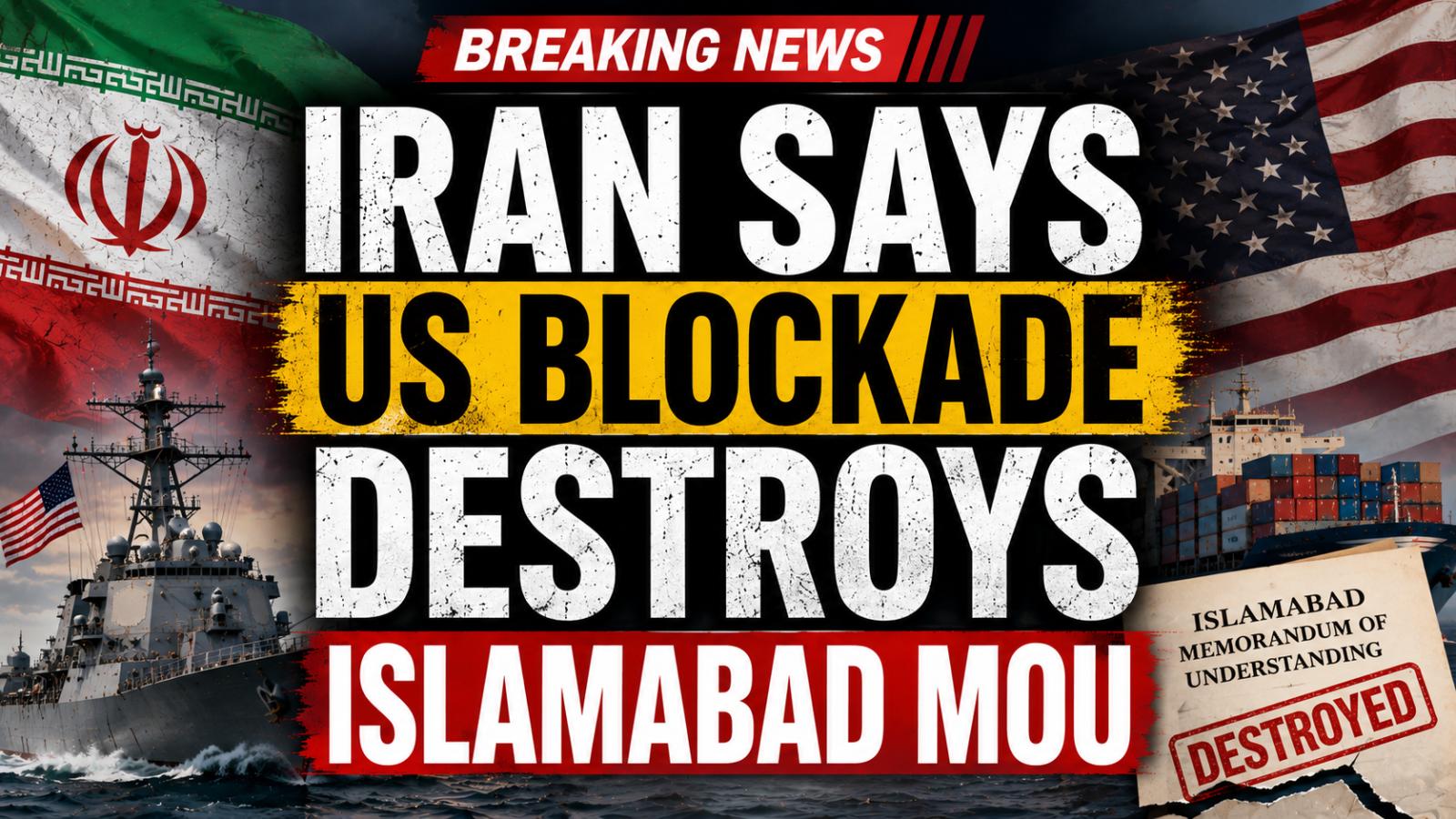
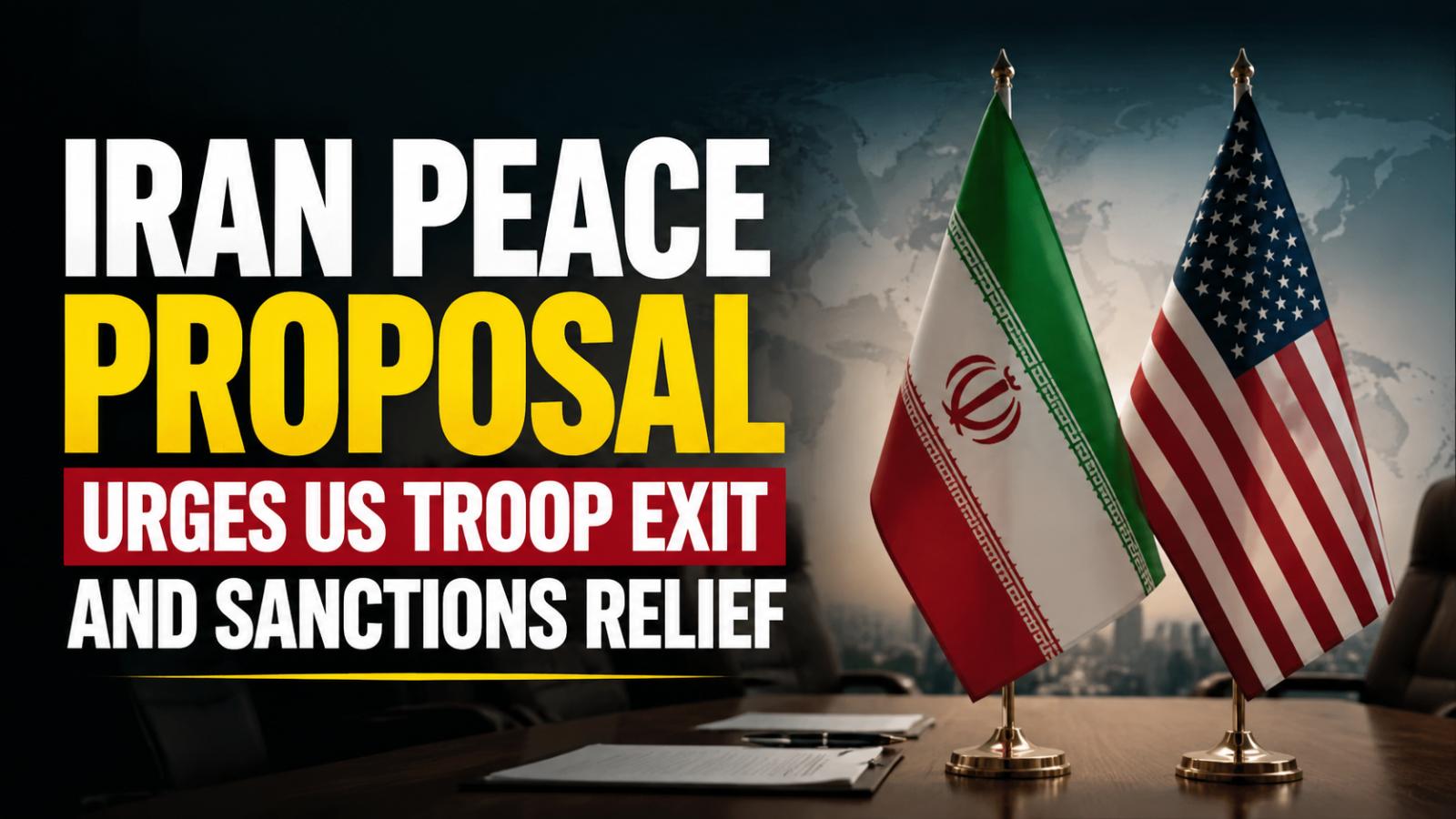
Iran has presented a comprehensive peace plan to the United States, aiming to end hostilities in Lebanon and across the region. The proposal calls for the withdrawal of US forces near Iranian borders, reparations for conflict damages, lifting of economic sanctions, release of frozen funds, and the removal of the US naval blockade from Iranian ports. Deputy Foreign Minister Kazem Gharibabadi highlighted that Tehran’s plan is designed to foster lasting peace in West Asia through diplomacy and
Iran Peace Proposal: US Troop Exit, Lebanon Ceasefire, Sanctions Lift
Iran has presented a comprehensive peace plan to the United States, aiming to end hostilities in Lebanon and across the region. The proposal calls for the withdrawal of US forces near Iranian borders, reparations for conflict damages, lifting of economic sanctions, release of frozen funds, and the removal of the US naval blockade from Iranian ports. Deputy Foreign Minister Kazem Gharibabadi highlighted that Tehran’s plan is designed to foster lasting peace in West Asia through diplomacy and
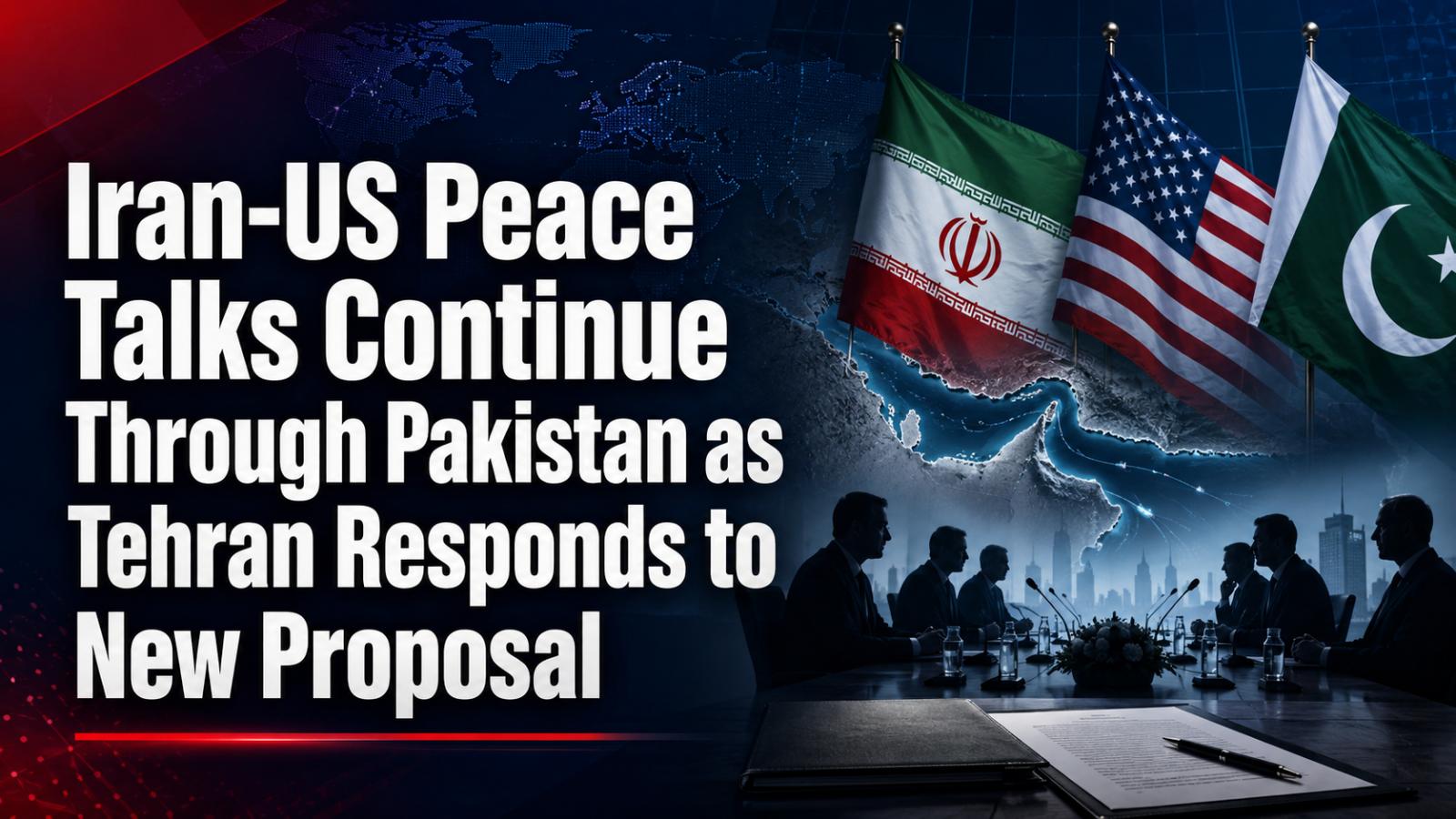
Iran-US Peace Talks Continue Through Pakistan as Tehran Responds to New Proposal
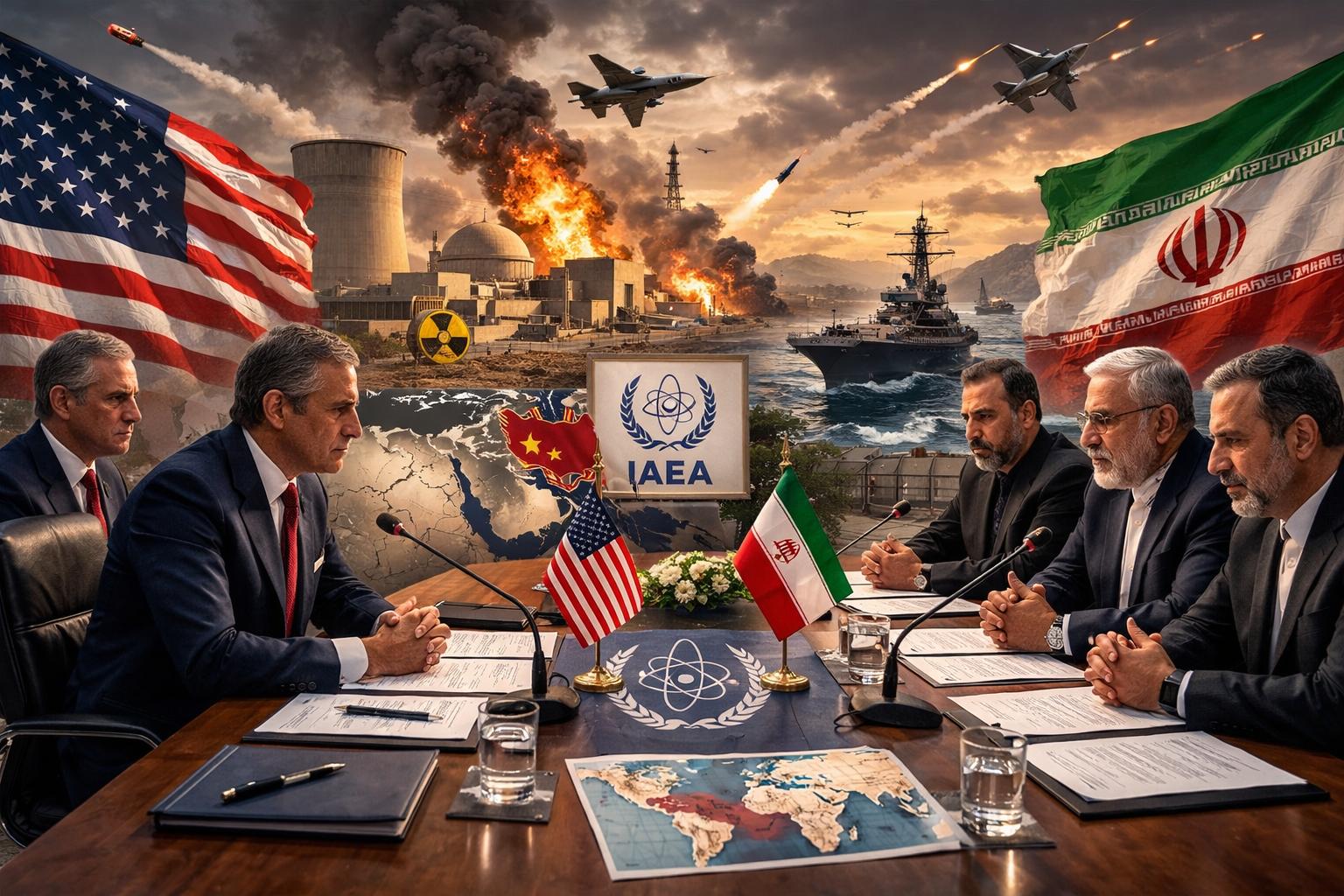
Iran-US peace talks are continuing through Pakistan as Tehran and Washington remain divided over sanctions, nuclear activity, frozen Iranian assets, war damages and the Strait of Hormuz. Iran has responded to a new proposal aimed at ending the conflict, while Pakistan continues to play the role of mediator between the two sides. The diplomatic effort comes at a sensitive time. Tensions remain high in the region, and both countries are under pressure to avoid another round of escalat
Iran-US Peace Talks Continue Through Pakistan as Tehran Responds to New Proposal
Iran-US peace talks are continuing through Pakistan as Tehran and Washington remain divided over sanctions, nuclear activity, frozen Iranian assets, war damages and the Strait of Hormuz. Iran has responded to a new proposal aimed at ending the conflict, while Pakistan continues to play the role of mediator between the two sides. The diplomatic effort comes at a sensitive time. Tensions remain high in the region, and both countries are under pressure to avoid another round of escalat
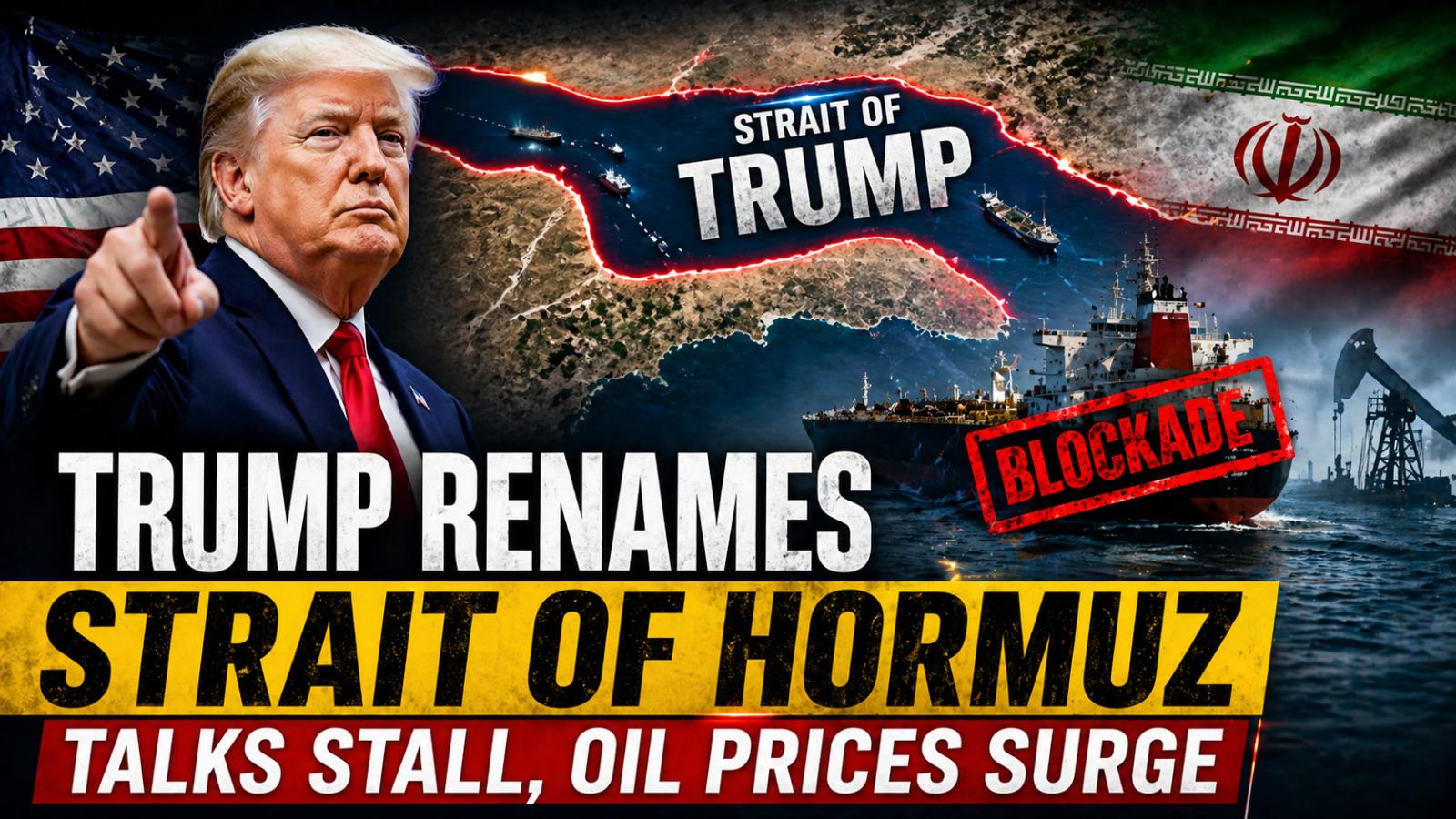
Trump Renames Strait of Hormuz Amid Rising US-Iran Tensions
US President Donald Trump has drawn attention after sharing a modified map referring to the Strait of Hormuz as the “Strait of Trump,” a move that comes amid escalating tensions and stalled negotiations with Iran. The strategic waterway remains a focal point in the ongoing standoff, with both sides maintaining a blockade despite a previously agreed ceasefire. Trump indicated that discussions to end the conflict are continuing remotely, describing them as telephonic due to logistical challenges. At the same time, Iran has attempted to revive dialogue by sending a proposal through Pakistan, facilitated by Foreign Minister Abbas Araghchi. However, indications suggest that the US administration is dissatisfied with the terms and is unlikely to accept the framework presented. The proposal reportedly outlined a three-stage approach, beginning with a complete cessation of hostilities, followed by lifting the naval blockade and restoring maritime traffic through the Strait of Hormuz. The final stage involved renewed negotiations over Iran’s nuclear program. Despite these efforts, talks remain at an impasse, with both sides maintaining firm positions. Trump defended the blockade, describing it as effective and emphasizing its economic impact on Iran. He stated that the pressure strategy would continue until Iran concedes. Meanwhile, energy markets reacted sharply, with Brent crude prices rising significantly, reflecting concerns over supply disruptions linked to the strategic route. The Strait of Hormuz remains critical to global oil flows, and its continued closure by both US and Iranian forces underscores the fragile state of the ceasefire. Diplomatic efforts have yet to regain momentum, leaving the situation uncertain as geopolitical and economic pressures continue to build.
Trump Renames Strait of Hormuz Amid Rising US-Iran Tensions
US President Donald Trump has drawn attention after sharing a modified map referring to the Strait of Hormuz as the “Strait of Trump,” a move that comes amid escalating tensions and stalled negotiations with Iran. The strategic waterway remains a focal point in the ongoing standoff, with both sides maintaining a blockade despite a previously agreed ceasefire. Trump indicated that discussions to end the conflict are continuing remotely, describing them as telephonic due to logistical challenges. At the same time, Iran has attempted to revive dialogue by sending a proposal through Pakistan, facilitated by Foreign Minister Abbas Araghchi. However, indications suggest that the US administration is dissatisfied with the terms and is unlikely to accept the framework presented. The proposal reportedly outlined a three-stage approach, beginning with a complete cessation of hostilities, followed by lifting the naval blockade and restoring maritime traffic through the Strait of Hormuz. The final stage involved renewed negotiations over Iran’s nuclear program. Despite these efforts, talks remain at an impasse, with both sides maintaining firm positions. Trump defended the blockade, describing it as effective and emphasizing its economic impact on Iran. He stated that the pressure strategy would continue until Iran concedes. Meanwhile, energy markets reacted sharply, with Brent crude prices rising significantly, reflecting concerns over supply disruptions linked to the strategic route. The Strait of Hormuz remains critical to global oil flows, and its continued closure by both US and Iranian forces underscores the fragile state of the ceasefire. Diplomatic efforts have yet to regain momentum, leaving the situation uncertain as geopolitical and economic pressures continue to build.
Julie Davis Announces Exit as US Faces Challenges in Ukraine Peace Efforts
The United States Department of State confirmed on April 28 that Julie Davis will step down from her role as acting ambassador to Ukraine after serving less than a year in the position. The announcement comes at a time when diplomatic efforts by the United States to facilitate a peace agreement between Ukraine and Russia have yet to produce a breakthrough. Davis, who also serves as ambassador to Cyprus, had been handling dual responsibilities since her appointment by Donald Trump in May of the previous year. She assumed the Kyiv role following the departure of Bridget Brink, who had been appointed earlier and later stepped down. The State Department stated that Davis cited retirement as the reason for her decision. Her tenure coincided with increased diplomatic pressure from Washington on Kyiv to consider terms that could advance negotiations with Moscow. Trump has publicly emphasized the need for a resolution, including the possibility of territorial concessions by Ukraine, as part of a broader effort to secure a ceasefire. However, these initiatives have not resulted in a formal agreement, and fighting has continued without a comprehensive settlement. Reports suggesting internal disagreements regarding US policy toward Ukraine were rejected by officials, who maintained that no such disputes influenced Davis’s decision. Brink, Davis’s predecessor, had previously expressed concern over what she described as an approach that placed disproportionate pressure on Ukraine during negotiations. Davis’s departure highlights the ongoing complexity of US diplomatic engagement in the region. With peace talks stalled and geopolitical tensions unresolved, the transition comes at a critical moment for American foreign policy and its role in shaping outcomes in Eastern Europe.
Julie Davis Announces Exit as US Faces Challenges in Ukraine Peace Efforts
The United States Department of State confirmed on April 28 that Julie Davis will step down from her role as acting ambassador to Ukraine after serving less than a year in the position. The announcement comes at a time when diplomatic efforts by the United States to facilitate a peace agreement between Ukraine and Russia have yet to produce a breakthrough. Davis, who also serves as ambassador to Cyprus, had been handling dual responsibilities since her appointment by Donald Trump in May of the previous year. She assumed the Kyiv role following the departure of Bridget Brink, who had been appointed earlier and later stepped down. The State Department stated that Davis cited retirement as the reason for her decision. Her tenure coincided with increased diplomatic pressure from Washington on Kyiv to consider terms that could advance negotiations with Moscow. Trump has publicly emphasized the need for a resolution, including the possibility of territorial concessions by Ukraine, as part of a broader effort to secure a ceasefire. However, these initiatives have not resulted in a formal agreement, and fighting has continued without a comprehensive settlement. Reports suggesting internal disagreements regarding US policy toward Ukraine were rejected by officials, who maintained that no such disputes influenced Davis’s decision. Brink, Davis’s predecessor, had previously expressed concern over what she described as an approach that placed disproportionate pressure on Ukraine during negotiations. Davis’s departure highlights the ongoing complexity of US diplomatic engagement in the region. With peace talks stalled and geopolitical tensions unresolved, the transition comes at a critical moment for American foreign policy and its role in shaping outcomes in Eastern Europe.
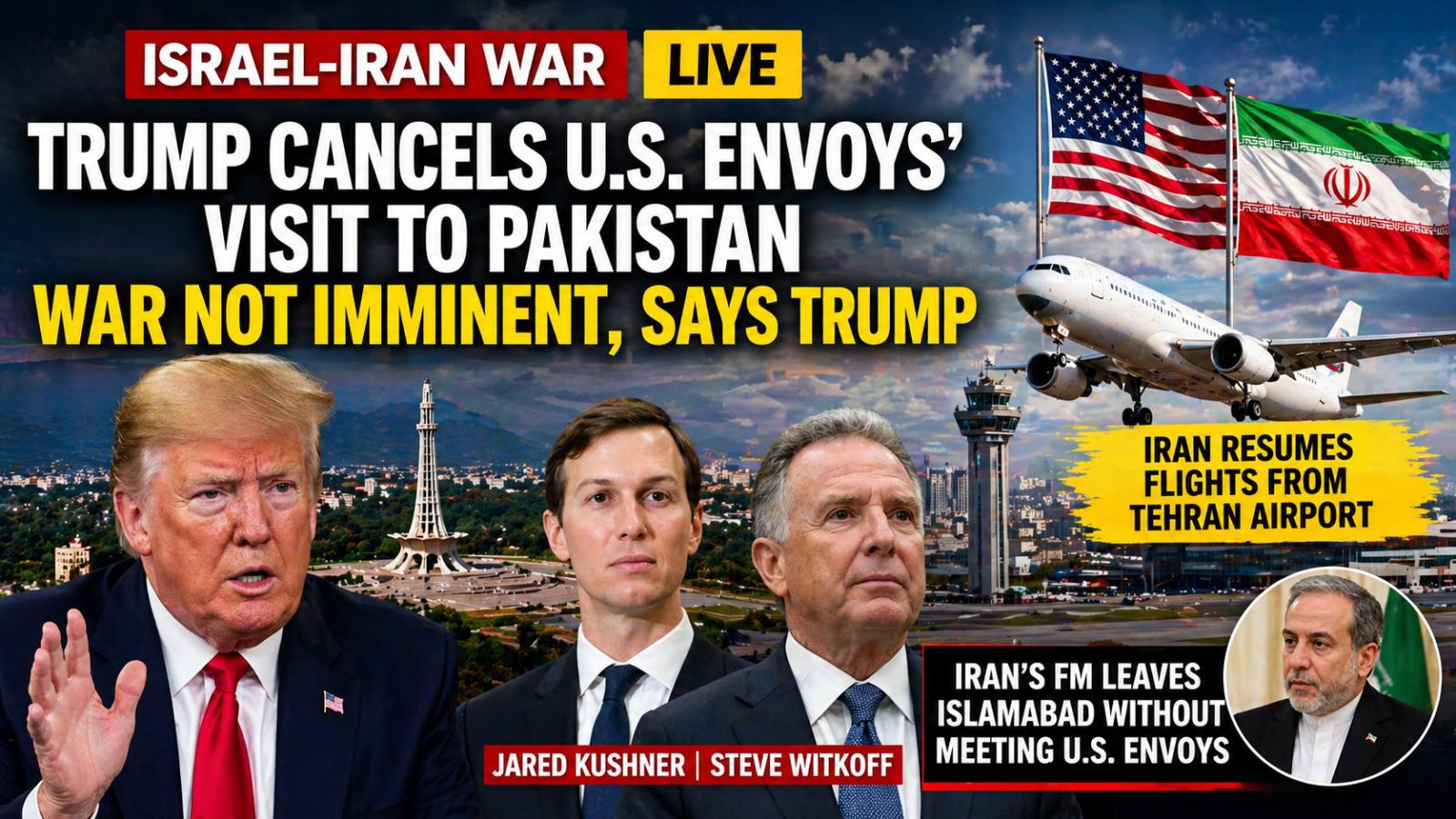
Israel-Iran War LIVE: Trump Cancels Pakistan Talks, Says War Not Imminent
U.S. President Donald Trump has cancelled a planned visit by American envoys to Pakistan for talks with Iran, in a move that raises fresh uncertainty around ongoing diplomatic efforts tied to the Israel-Iran conflict. According to reports , the cancelled trip would have involved senior envoys
Israel-Iran War LIVE: Trump Cancels Pakistan Talks, Says War Not Imminent
U.S. President Donald Trump has cancelled a planned visit by American envoys to Pakistan for talks with Iran, in a move that raises fresh uncertainty around ongoing diplomatic efforts tied to the Israel-Iran conflict. According to reports , the cancelled trip would have involved senior envoys
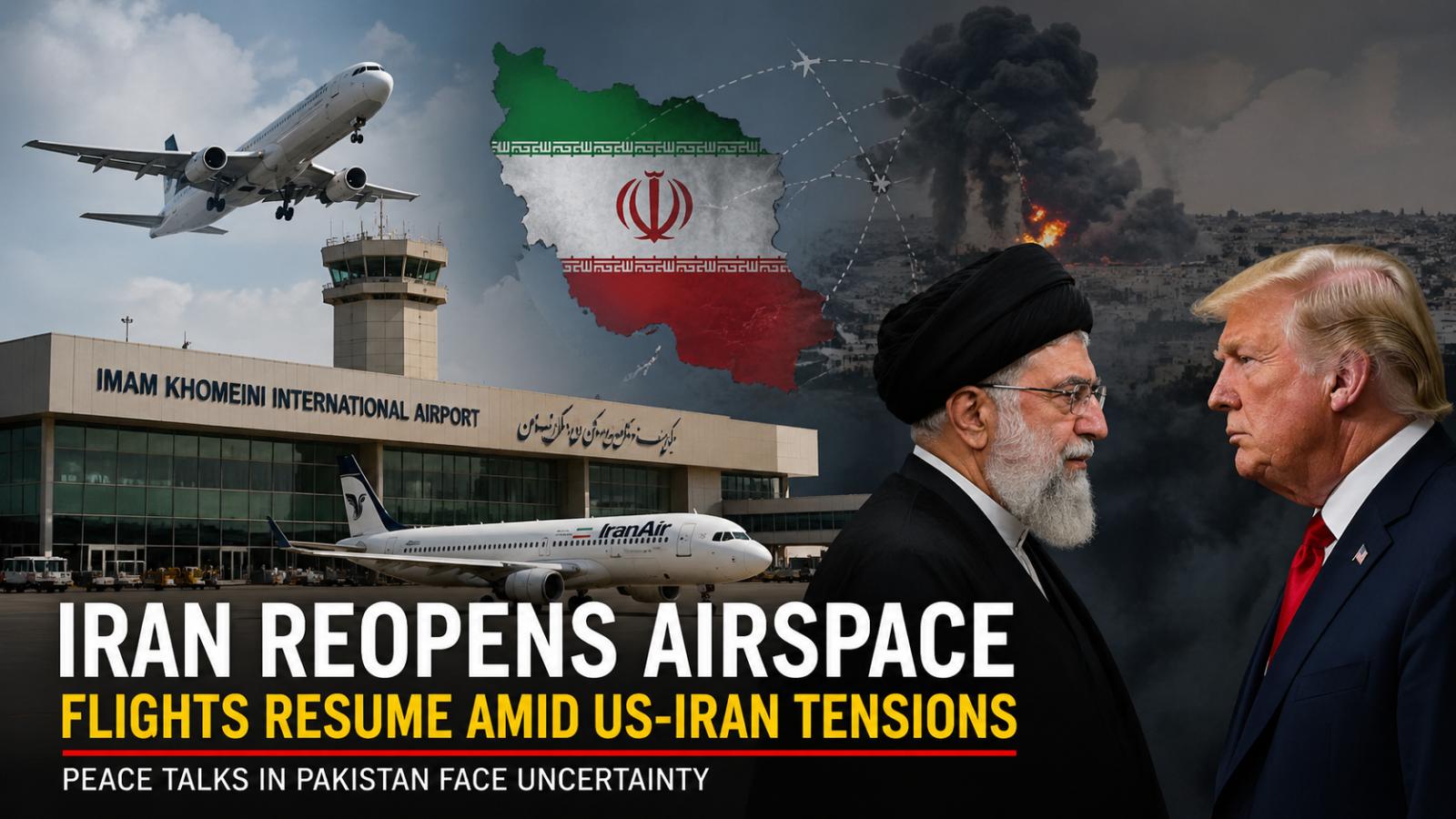
Iran airspace resumes operations amid ongoing US-Iran conflict tensions
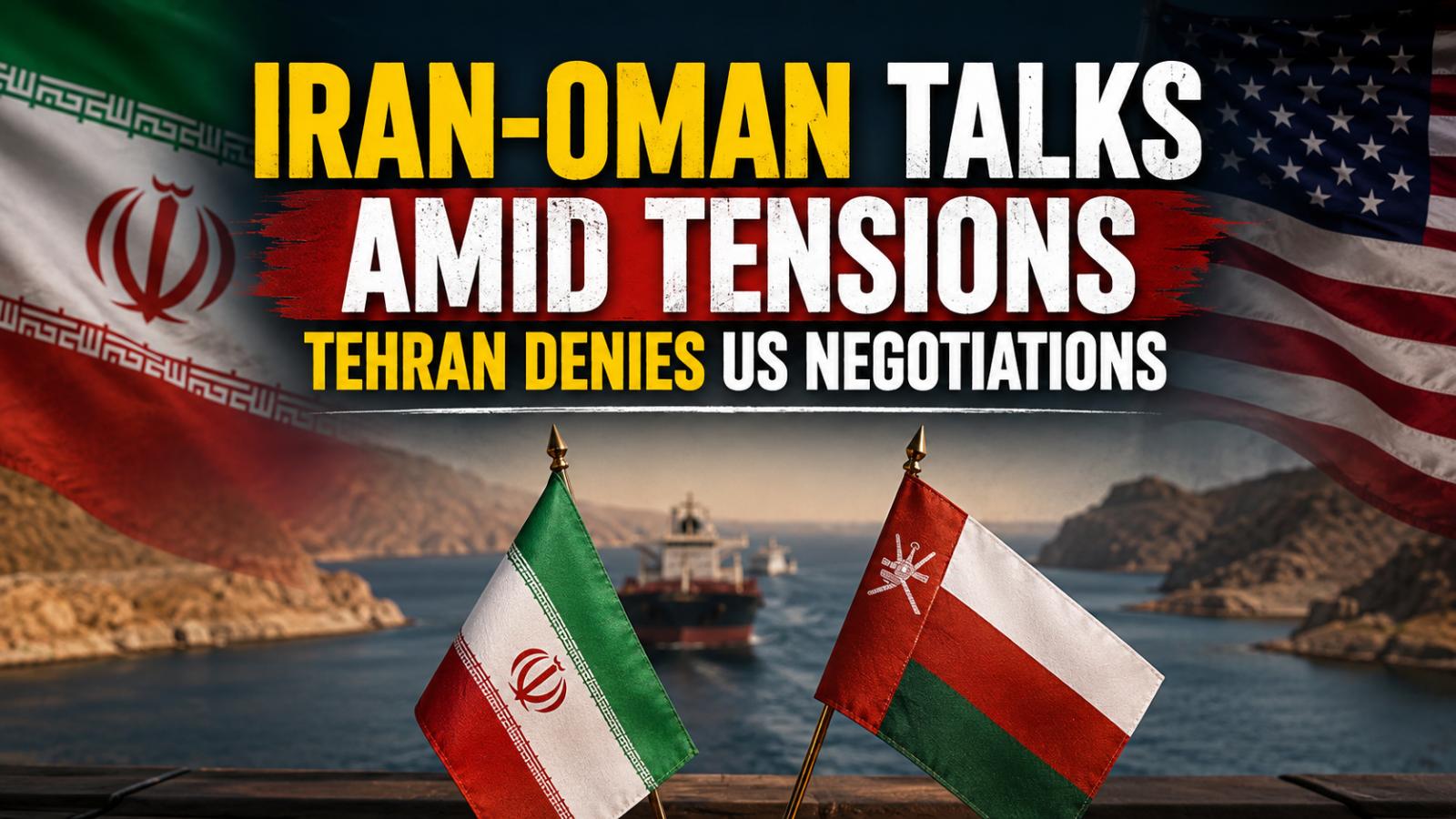
Iran airspace has resumed operations nearly two months after being shut down following joint airstrikes by the United States and Israel, marking a cautious step toward normalcy amid ongoing regional tensions. The reopening of Imam Khomeini International Airport on April 25 signals a gradual recovery in Iran’s aviation sector, even as diplomatic uncertainty continues to cloud the broader US-Iran conflict. The airspace closure was enforced on February 28 after coordinated military action escalated into a wider confrontation, forcing Iran to halt civilian aviation across the country. With security assessments and operational preparations now underway, authorities have begun restoring flight services in phases. Initial departures from Tehran include routes to Medina, Muscat, and Istanbul, reflecting limited but significant progress in reconnecting international travel corridors. Iran’s Civil Aviation Authority has indicated that full restoration of aviation services will depend on continued coordination between military and civilian agencies. Earlier, on April 18, Iran reopened its eastern airspace to international flights, allowing transit operations to resume and easing pressure on regional air traffic routes. Officials emphasize that passenger safety remains the top priority during this phased reopening. At the same time, diplomatic efforts to de-escalate the US-Iran war have encountered fresh complications. A delegation linked to former US President Donald Trump, including envoy Steve Witkoff and adviser Jared Kushner, is currently in Pakistan for a second round of peace talks. However, Iran has clearly denied any direct engagement with US representatives during this visit, raising doubts about the progress of negotiations. Iran’s Foreign Ministry has clarified that its position will be conveyed through Pakistani intermediaries, with Foreign Minister Abbas Araghchi actively involved in discussions aimed at reducing tensions. Tehran continues to describe the conflict as “an externally imposed war of aggression”, stressing the importance of restoring regional stability and easing sanctions pressure. Previous negotiations collapsed after Iran strongly objected to US demands to maintain sanctions and naval restrictions during talks. As both sides remain firm in their positions, the reopening of Iran airspace stands as a significant operational step, even as broader geopolitical challenges remain unresolved.
Iran airspace resumes operations amid ongoing US-Iran conflict tensions
Iran airspace has resumed operations nearly two months after being shut down following joint airstrikes by the United States and Israel, marking a cautious step toward normalcy amid ongoing regional tensions. The reopening of Imam Khomeini International Airport on April 25 signals a gradual recovery in Iran’s aviation sector, even as diplomatic uncertainty continues to cloud the broader US-Iran conflict. The airspace closure was enforced on February 28 after coordinated military action escalated into a wider confrontation, forcing Iran to halt civilian aviation across the country. With security assessments and operational preparations now underway, authorities have begun restoring flight services in phases. Initial departures from Tehran include routes to Medina, Muscat, and Istanbul, reflecting limited but significant progress in reconnecting international travel corridors. Iran’s Civil Aviation Authority has indicated that full restoration of aviation services will depend on continued coordination between military and civilian agencies. Earlier, on April 18, Iran reopened its eastern airspace to international flights, allowing transit operations to resume and easing pressure on regional air traffic routes. Officials emphasize that passenger safety remains the top priority during this phased reopening. At the same time, diplomatic efforts to de-escalate the US-Iran war have encountered fresh complications. A delegation linked to former US President Donald Trump, including envoy Steve Witkoff and adviser Jared Kushner, is currently in Pakistan for a second round of peace talks. However, Iran has clearly denied any direct engagement with US representatives during this visit, raising doubts about the progress of negotiations. Iran’s Foreign Ministry has clarified that its position will be conveyed through Pakistani intermediaries, with Foreign Minister Abbas Araghchi actively involved in discussions aimed at reducing tensions. Tehran continues to describe the conflict as “an externally imposed war of aggression”, stressing the importance of restoring regional stability and easing sanctions pressure. Previous negotiations collapsed after Iran strongly objected to US demands to maintain sanctions and naval restrictions during talks. As both sides remain firm in their positions, the reopening of Iran airspace stands as a significant operational step, even as broader geopolitical challenges remain unresolved.
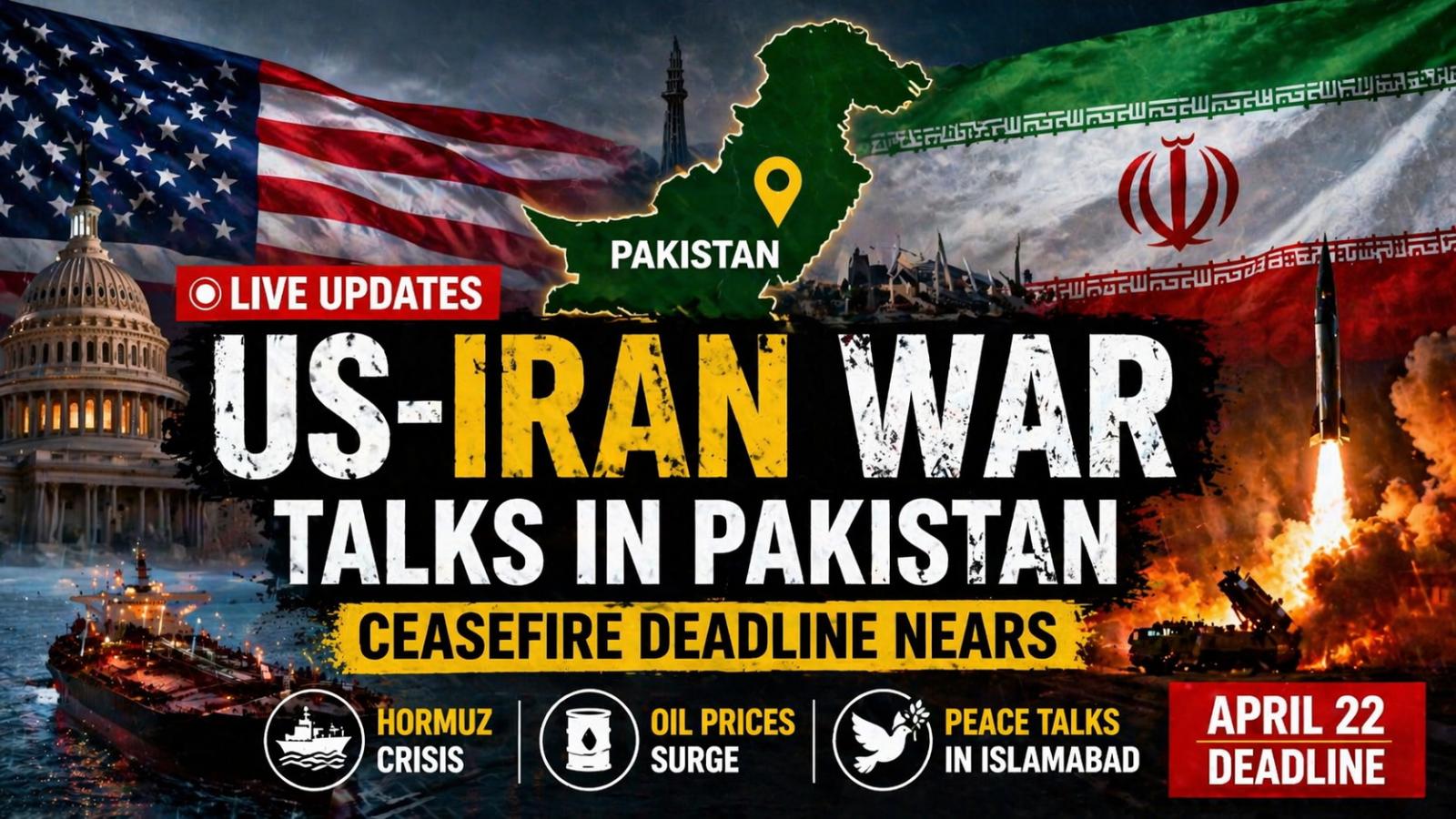
US Iran war talks in Pakistan: Ceasefire deadline nears as tensions rise
The US Iran war talks in Pakistan are drawing global attention as uncertainty continues over Tehran’s participation in upcoming peace negotiations. With the ceasefire deadline just days away, rising tensions are keeping the world on edge. What happened and why it matters On Monday, April 20, 2026, reports suggested that both the United States and Iran h
US Iran war talks in Pakistan: Ceasefire deadline nears as tensions rise
The US Iran war talks in Pakistan are drawing global attention as uncertainty continues over Tehran’s participation in upcoming peace negotiations. With the ceasefire deadline just days away, rising tensions are keeping the world on edge. What happened and why it matters On Monday, April 20, 2026, reports suggested that both the United States and Iran h
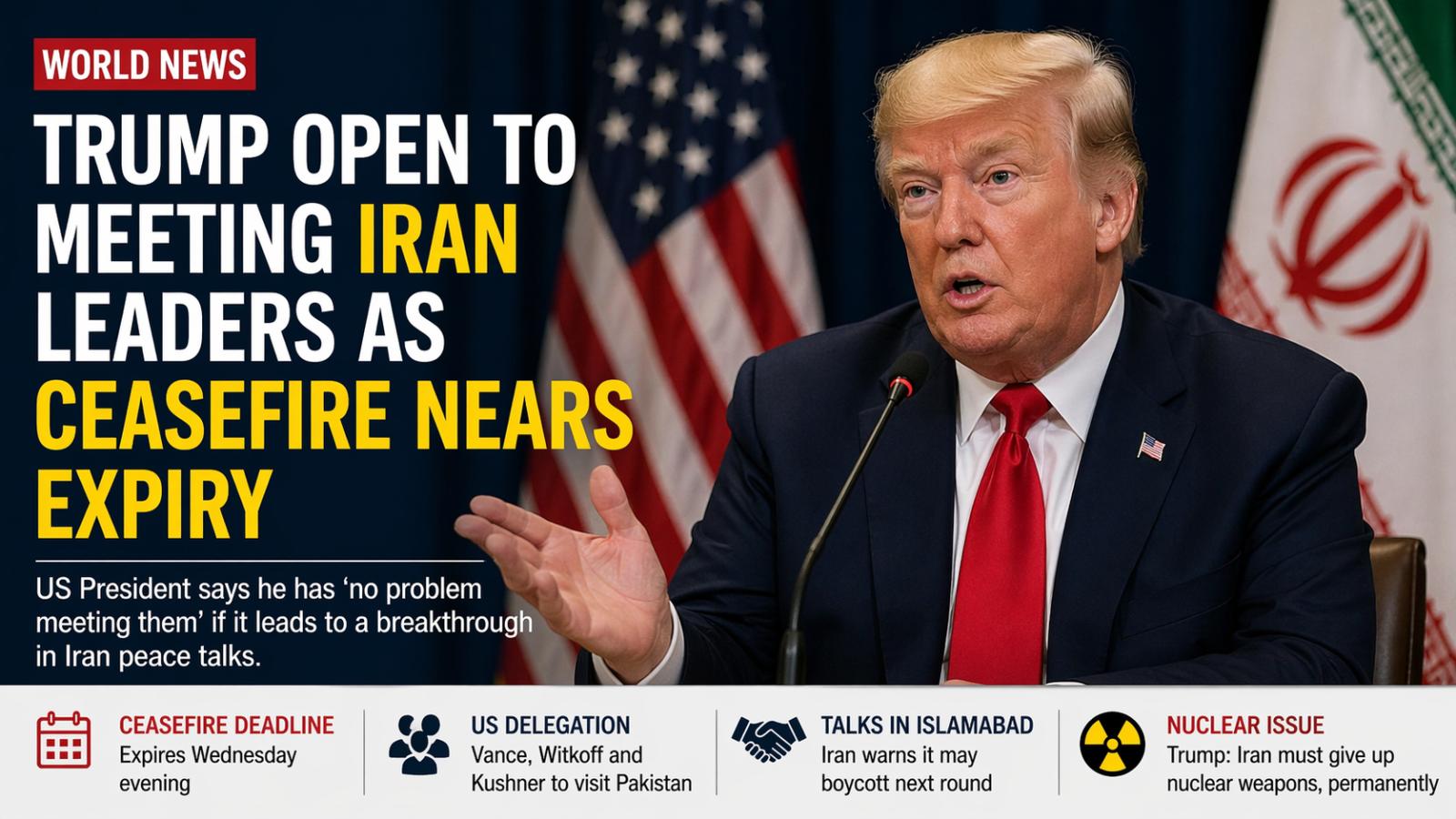
Trump proposes meeting Iran amid stalled peace talks and ceasefire deadline
United States President Donald Trump on Monday indicated his willingness to meet Iranian leaders directly, as diplomatic efforts to sustain a fragile ceasefire between Washington and Iran approach a critical deadline. The two-week ceasefire is set to expire on Wednesday evening, raising concerns that hosti
Trump proposes meeting Iran amid stalled peace talks and ceasefire deadline
United States President Donald Trump on Monday indicated his willingness to meet Iranian leaders directly, as diplomatic efforts to sustain a fragile ceasefire between Washington and Iran approach a critical deadline. The two-week ceasefire is set to expire on Wednesday evening, raising concerns that hosti
US Iran peace talks Pakistan: What it means as ceasefire nears breaking point
The US Iran peace talks Pakistan update is drawing global attention as Washington and Tehran prepare for a new round of negotiations. With the ceasefire nearing its deadline, the outcome of these talks could significantly impact global stability and energy markets. What happened and why it matters On Monday, April 20, 2026, both the United States and Iran signaled that they are preparing to send delegations to
US Iran peace talks Pakistan: What it means as ceasefire nears breaking point
The US Iran peace talks Pakistan update is drawing global attention as Washington and Tehran prepare for a new round of negotiations. With the ceasefire nearing its deadline, the outcome of these talks could significantly impact global stability and energy markets. What happened and why it matters On Monday, April 20, 2026, both the United States and Iran signaled that they are preparing to send delegations to
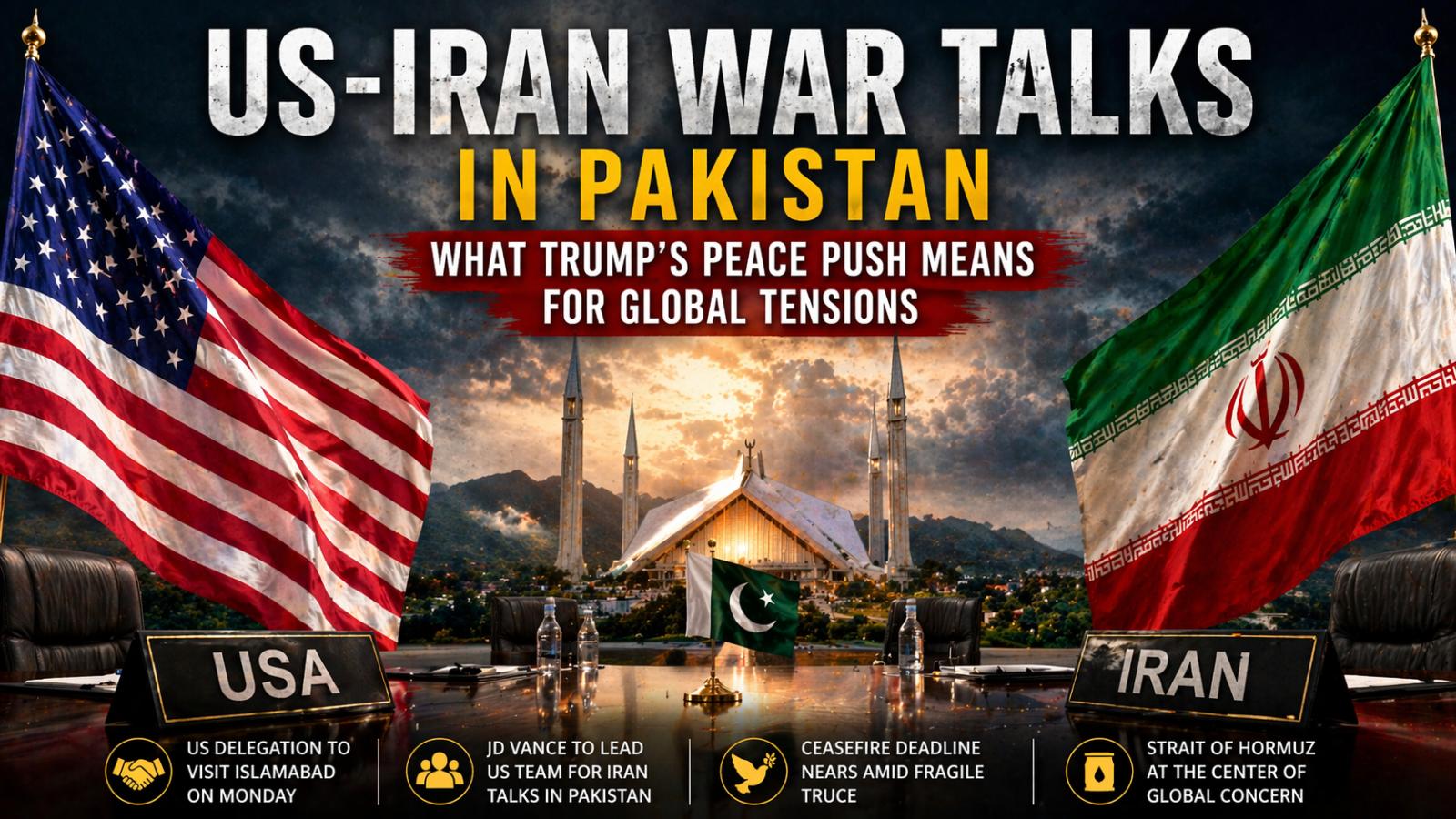
US-Iran war talks in Pakistan: What Trump’s peace push means for global tensions
US-Iran war talks in Pakistan signal crucial diplomatic moment The US-Iran war talks in Pakistan are emerging as a critical step toward easing tensions as the fragile ceasefire deadline approaches. With the conflict entering its eighth week, both sides are showing cautious optimism, even as major differences remain unresolved. The latest US-Iran peace talks come at a time when global markets are closely wa
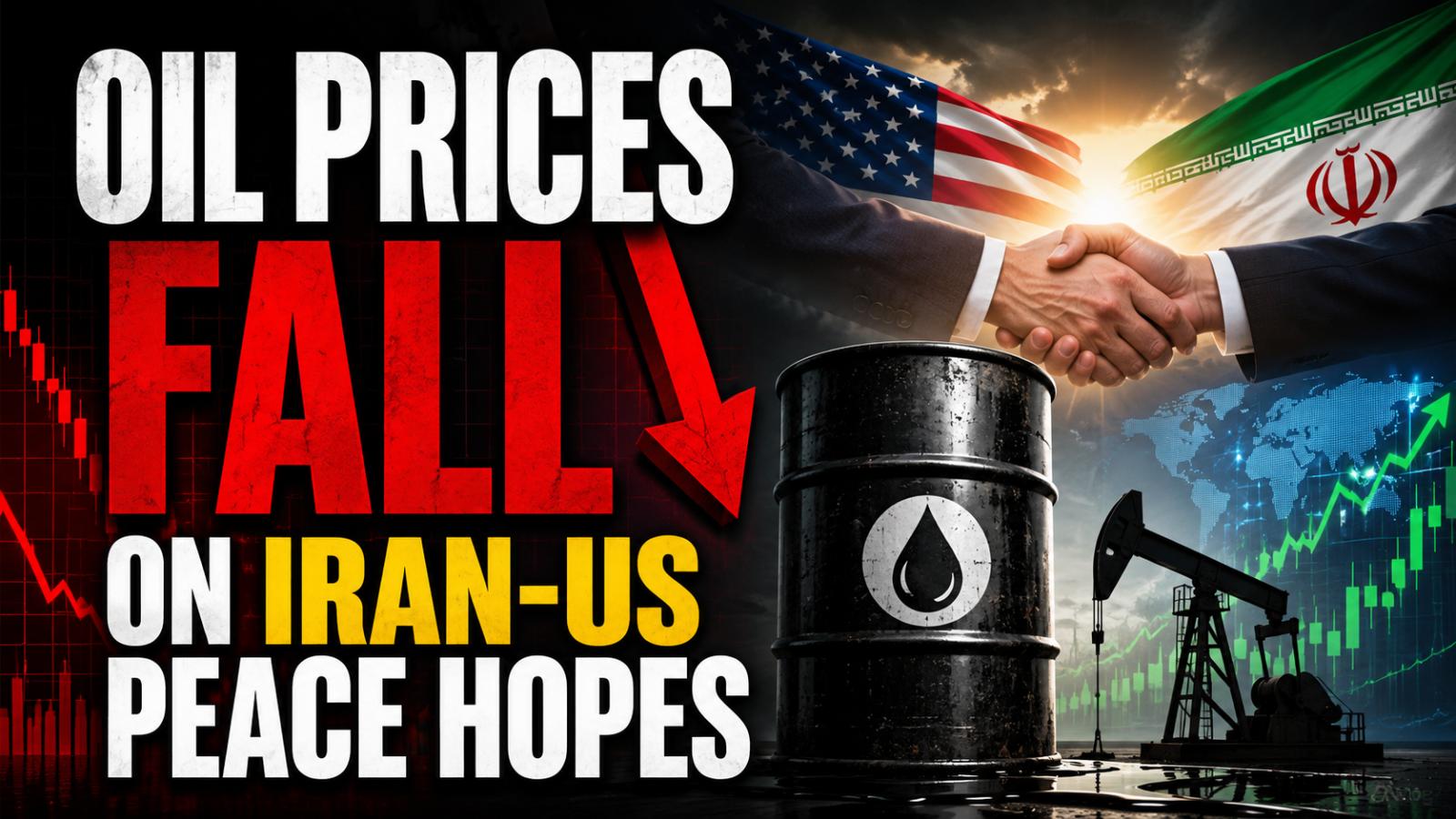
US-Iran war talks in Pakistan: What Trump’s peace push means for global tensions
US-Iran war talks in Pakistan signal crucial diplomatic moment The US-Iran war talks in Pakistan are emerging as a critical step toward easing tensions as the fragile ceasefire deadline approaches. With the conflict entering its eighth week, both sides are showing cautious optimism, even as major differences remain unresolved. The latest US-Iran peace talks come at a time when global markets are closely wa

Iran's Negotiating Team Arrives in Islamabad for Critical Talks with US on Key Pre-Conditions
In a crucial development, an Iranian delegation led by Parliament Speaker Mohammad Baqer Qalibaf arrived in Islamabad on Friday, signaling the start of high-stakes negotiations with the United States. Iran has set clear preconditions for any progress in the talks, demanding that the US meet certain security and economic requirements, particularly addressing regional issues and lifting sanctions. The delegation includes a wide range of senior political, military, and economic officia

Iran's Negotiating Team Arrives in Islamabad for Critical Talks with US on Key Pre-Conditions
In a crucial development, an Iranian delegation led by Parliament Speaker Mohammad Baqer Qalibaf arrived in Islamabad on Friday, signaling the start of high-stakes negotiations with the United States. Iran has set clear preconditions for any progress in the talks, demanding that the US meet certain security and economic requirements, particularly addressing regional issues and lifting sanctions. The delegation includes a wide range of senior political, military, and economic officia
Trump Claims Regime Change in Iran, Signals Peace Deal Soon
US President Donald Trump has made a striking claim that “regime change has happened” in Iran, even as the conflict between the two nations continues after a month of escalating military action. Speaking aboard Air Force One, Trump indicated that negotiations are underway and suggested that a peace deal could be reached “pretty soon,” despite ongoing tensions. According to Trump, t
Trump Claims Regime Change in Iran, Signals Peace Deal Soon
US President Donald Trump has made a striking claim that “regime change has happened” in Iran, even as the conflict between the two nations continues after a month of escalating military action. Speaking aboard Air Force One, Trump indicated that negotiations are underway and suggested that a peace deal could be reached “pretty soon,” despite ongoing tensions. According to Trump, t
Trump Announces 5-Day Pause in US-Iran War, Raises Hopes for De-escalation
In a significant development that has captured the world's attention, President Donald J. Trump has announced a five-day pause in military actions between the United States and Iran. This decision follows a series of "productive discussions" between both nations, which Trump described as "detailed and constructive." These talks are being viewed as a potential opening for de-escalating tensions in the Middle East, a region that has been marked by ongoing conflict and instability. Tru
Trump Announces 5-Day Pause in US-Iran War, Raises Hopes for De-escalation
In a significant development that has captured the world's attention, President Donald J. Trump has announced a five-day pause in military actions between the United States and Iran. This decision follows a series of "productive discussions" between both nations, which Trump described as "detailed and constructive." These talks are being viewed as a potential opening for de-escalating tensions in the Middle East, a region that has been marked by ongoing conflict and instability. Tru
Saudi Arabia expands political and financial push to stabilize Yemen amid fragile truce
Saudi Arabia is deploying significant political influence and billions of dollars in financial support in an effort to stabilize Yemen and consolidate control over areas held by the internationally recognized government, marking a renewed regional focus after years of concentrating on domestic reforms. Officials familiar with the strategy say Riyadh aims to unify fragmented armed groups, strengthen state institutions and create conditions that could eventually pressure Houthi rebels into nego
Saudi Arabia expands political and financial push to stabilize Yemen amid fragile truce
Saudi Arabia is deploying significant political influence and billions of dollars in financial support in an effort to stabilize Yemen and consolidate control over areas held by the internationally recognized government, marking a renewed regional focus after years of concentrating on domestic reforms. Officials familiar with the strategy say Riyadh aims to unify fragmented armed groups, strengthen state institutions and create conditions that could eventually pressure Houthi rebels into nego
Russia, Ukraine and Us to resume trilateral peace talks in Abu dhabi on february 1
Russia, Ukraine, and the United States are set to resume trilateral negotiations aimed at ending the prolonged war in Ukraine, with the next round of talks scheduled to take place in Abu Dhabi on February 1. The development comes after the first round of discussions held last weekend failed to deliver a breakthrough, highlighting the deep divisions and complexity surrounding the conflict. Despite the absence of immediate results, the decision to continue talks reflects a shared understanding amo
Russia, Ukraine and Us to resume trilateral peace talks in Abu dhabi on february 1
Russia, Ukraine, and the United States are set to resume trilateral negotiations aimed at ending the prolonged war in Ukraine, with the next round of talks scheduled to take place in Abu Dhabi on February 1. The development comes after the first round of discussions held last weekend failed to deliver a breakthrough, highlighting the deep divisions and complexity surrounding the conflict. Despite the absence of immediate results, the decision to continue talks reflects a shared understanding amo