Russia-Europe talks could resume, but European governments remain divided over whether renewed contact with Moscow would support Ukraine peace efforts or weaken pressure on the Kremlin.
Kremlin spokesman Dmitry Peskov said Russia was open to dialogue with European countries, while rejecting negotiations framed around Russian weakness or external demands. President Vladimir Putin has also said he would consider talks, but has argued that Europe should take the first step after ties were reduced following Russia’s invasion of Ukraine.
Why Russia-Europe Talks Divide EU Leaders
The disagreement centers on whether Europe needs a direct channel to Moscow as it seeks influence over any future settlement. The office of European Council President António Costa has held limited contacts with the Kremlin to explore reopening communication channels.
Some governments view direct engagement as necessary to protect European interests. Others fear outreach could weaken sanctions and political support for Kyiv.
Czech Prime Minister Andrej Babiš said EU leaders had not agreed on whether talks should begin or who should represent the bloc. Irish Prime Minister Micheál Martin supported opening a channel but said any settlement must primarily involve Ukraine and Russia. Estonia’s Foreign Minister Margus Tsahkna argued that Europe should focus on strengthening Kyiv rather than presenting itself as a neutral mediator.
Background: The European Union reduced engagement with Moscow and imposed sanctions after Russia invaded Ukraine. Europe is now debating how to retain influence over possible peace negotiations without sidelining Kyiv or easing pressure on the Kremlin.
Diplomacy Debate Unfolds Amid Drone Strikes
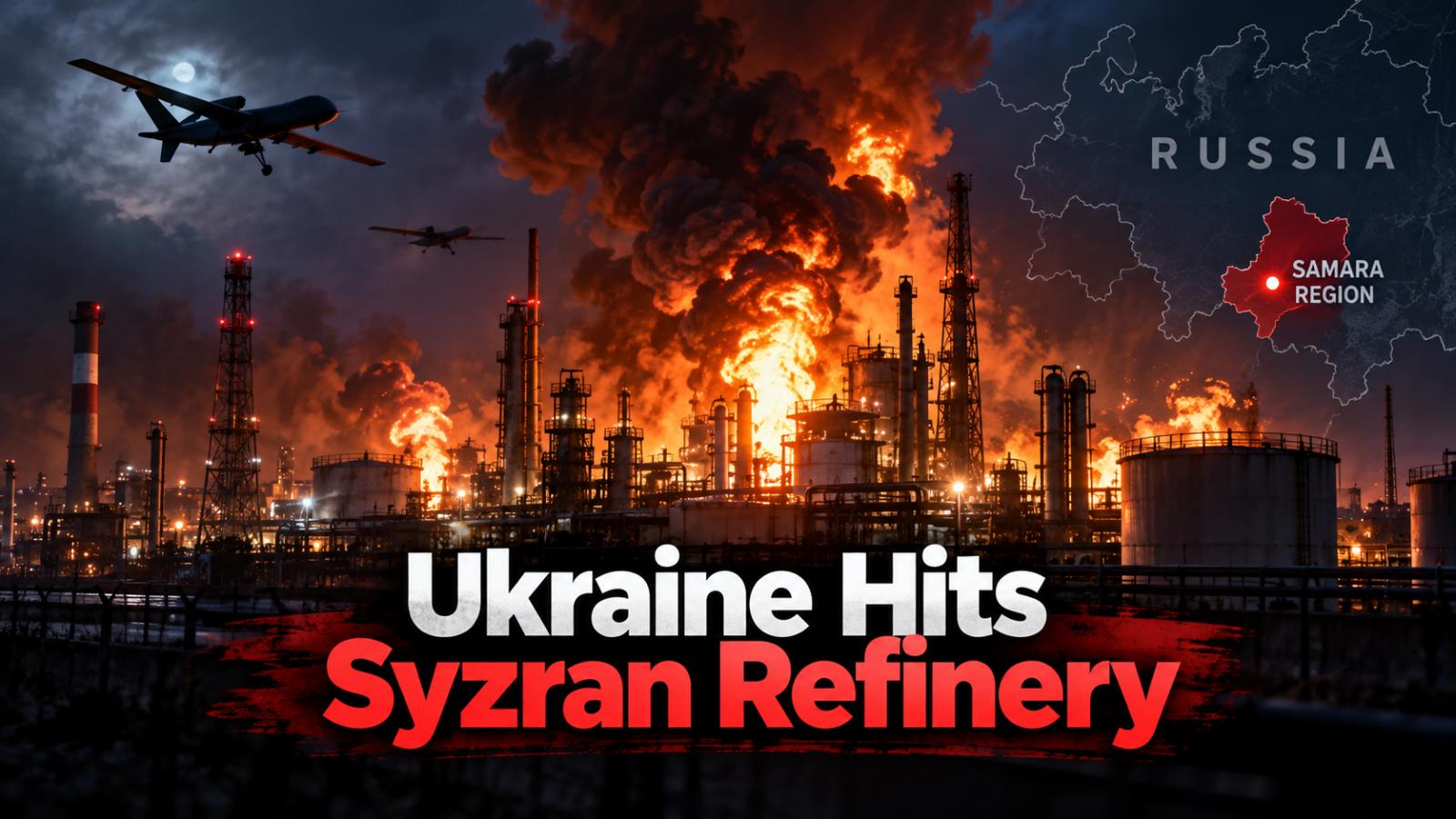
The debate comes as Ukraine continues drone strikes inside Russia, including attacks on energy infrastructure. Kyiv says the operations are intended to reduce Moscow’s ability to finance the war, while Russia says they will not change its campaign.
Europe’s central challenge is whether it can maintain pressure on Moscow while preserving a credible diplomatic channel. The outcome could shape the bloc’s role in any future Ukraine peace process and determine whether European governments act together or pursue separate contacts with Russia.