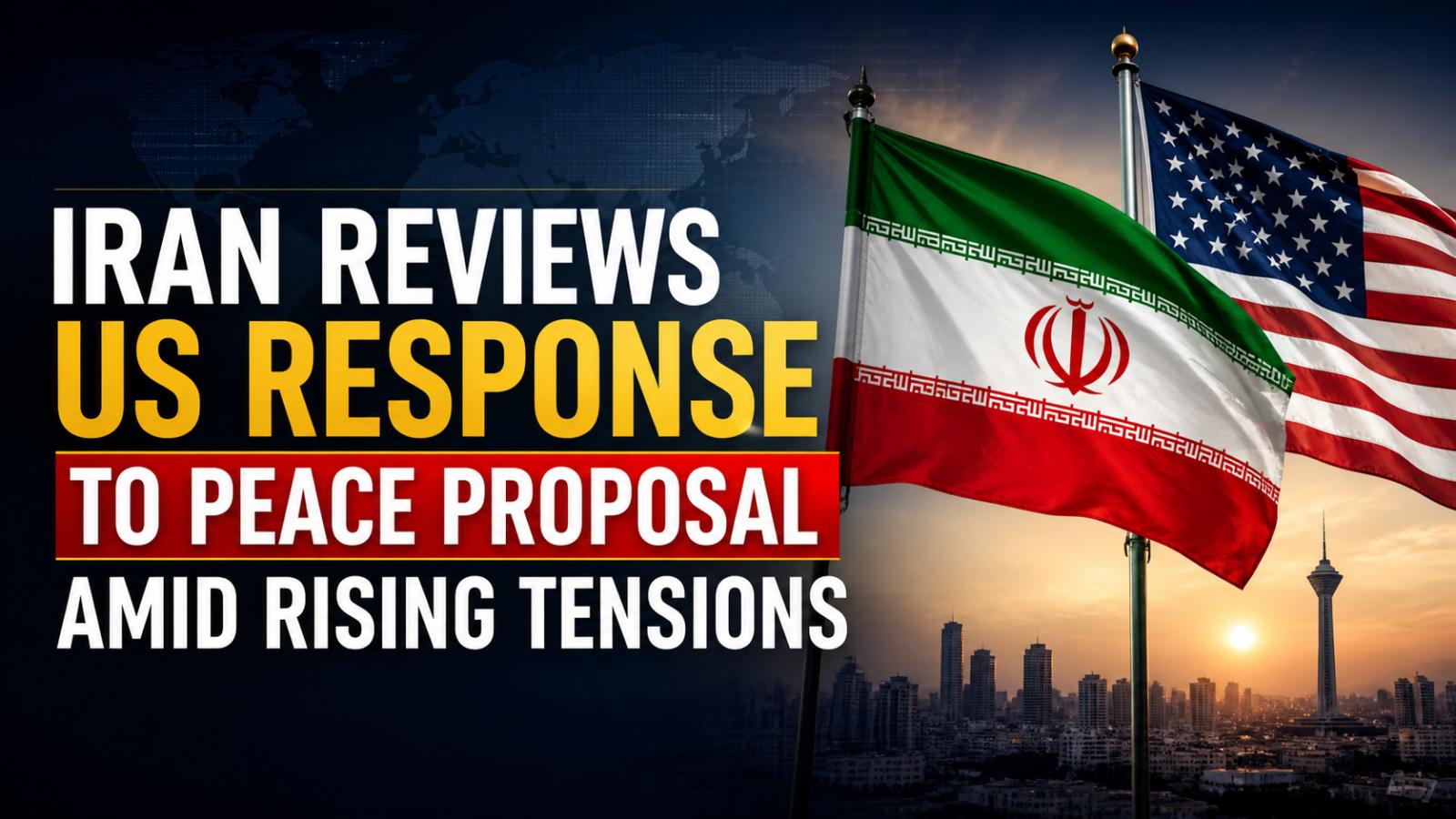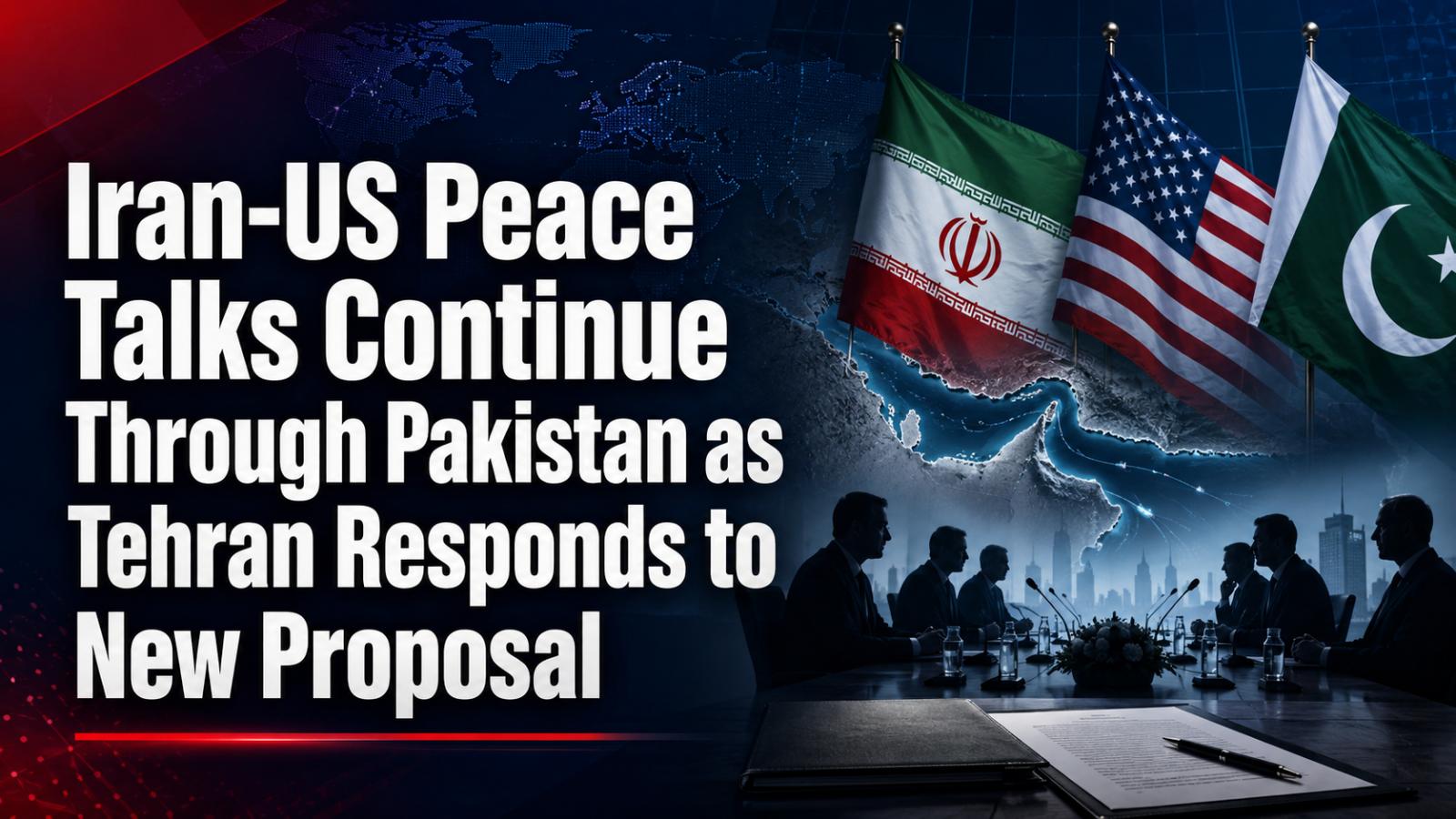
Iran-US peace talks are continuing through Pakistan as Tehran and Washington remain divided over sanctions, nuclear activity, frozen Iranian assets, war damages and the Strait of Hormuz. Iran has responded to a new proposal aimed at ending the conflict, while Pakistan continues to play the role of mediator between the two sides.
The diplomatic effort comes at a sensitive time. Tensions remain high in the region, and both countries are under pressure to avoid another round of escalation. According to Reuters, Pakistan has shared a revised Iranian proposal with the United States, showing that back-channel diplomacy is still active despite major disagreements.
Pakistan Continues Mediation Between Iran and the US
Iranian Foreign Ministry spokesman Esmaeil Baqaei said communication between Tehran and Washington is continuing through Pakistan. He did not reveal the full details of Iran’s response but said the American side had been informed about Tehran’s concerns.
Pakistan’s role has become important because direct trust between Iran and the United States remains weak. Instead of relying only on direct talks, both sides are using mediators to exchange proposals, conditions and objections. This keeps the negotiation process alive, even though a final agreement still appears difficult.
What Is the Main Dispute Between Iran and the US?
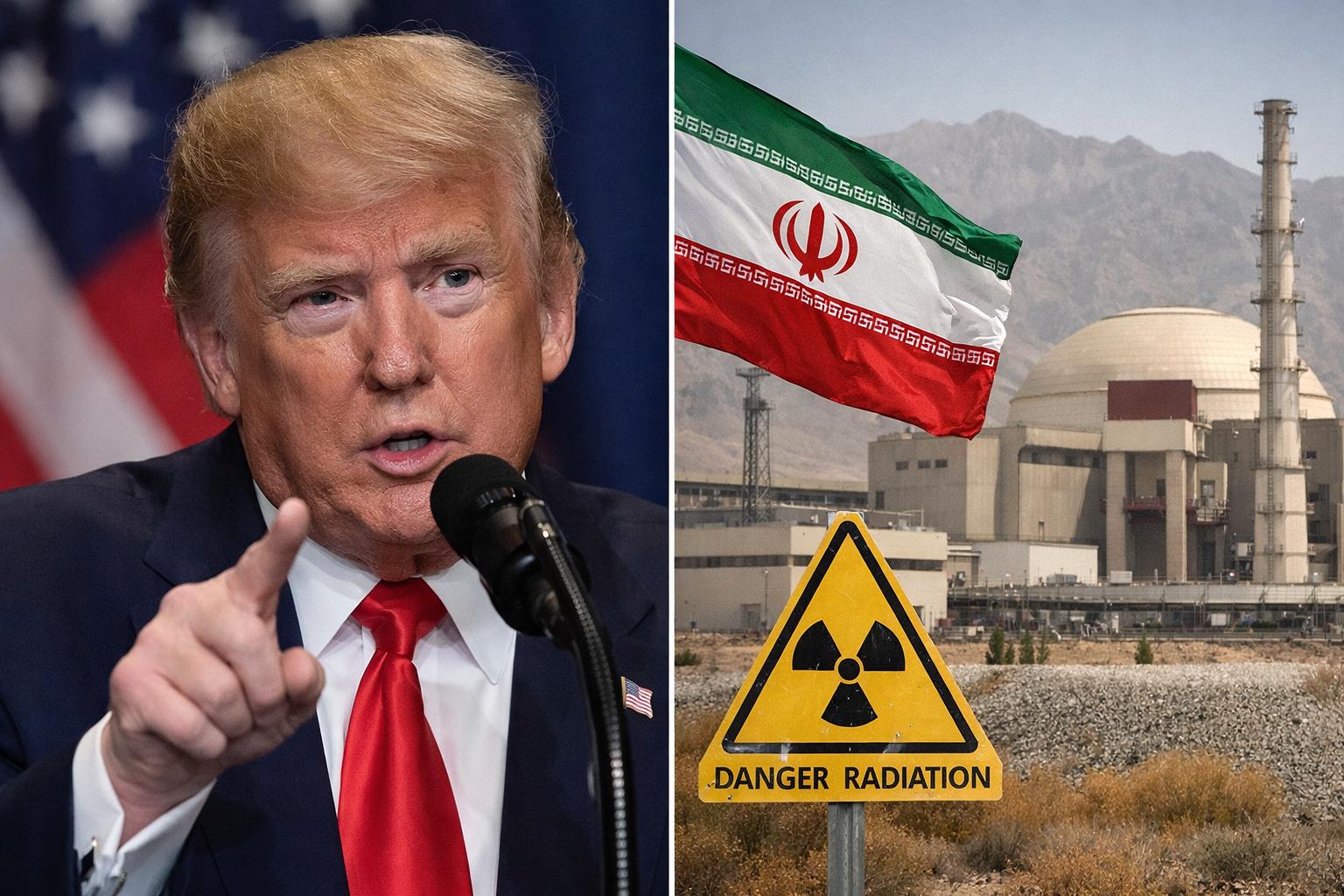
The biggest dispute is over Iran’s nuclear programme and the future of US sanctions. Washington wants stronger limits on Iran’s nuclear activity, including restrictions linked to uranium enrichment and nuclear sites. Tehran, however, sees its nuclear programme as a matter of national sovereignty and security.
Iran is also demanding wider concessions before moving toward a deeper agreement. These include sanctions relief, release of frozen Iranian assets, compensation for war damages and guarantees related to regional security.
This means the talks are not only about nuclear activity. Iran wants the negotiations to cover the broader conflict, economic pressure and control over key regional security issues.
Iran Wants Sanctions Relief and Frozen Assets Released
One of Iran’s major demands is the lifting of sanctions. Tehran says sanctions have damaged its economy and must be removed as part of any serious peace process. Iran is also seeking the release of frozen assets held abroad.
For Iran, sanctions relief is not just an economic issue. It is also a political demand. Tehran wants proof that Washington is ready to reduce pressure, not simply ask Iran to make concessions first.
The United States, on the other hand, is likely to connect sanctions relief to Iranian commitments on nuclear activity, regional security and maritime movement through the Strait of Hormuz.
Why the Strait of Hormuz Matters
The Strait of Hormuz is one of the world’s most important oil routes. Any disruption in this waterway can affect global energy supplies and oil prices. This is why the Hormuz issue has become a major part of the Iran-US talks.
Iran has also been speaking with Oman about safe navigation through the waterway. Oman has often played a quiet diplomatic role in regional disputes, and Muscat’s involvement may help create a mechanism for safer movement through the Strait of Hormuz.
Reuters has also reported that the Hormuz crisis has affected global oil flows and increased pressure on countries dependent on Gulf energy supplies.
Could the Next Round of Talks Happen in Pakistan?
A second round of direct or indirect talks could take place in Islamabad if both sides agree to move forward. Pakistan has shown interest in supporting further negotiations, while Iran has kept the diplomatic channel open through Pakistani mediation.
However, the path ahead is uncertain. The United States and Iran still disagree on the order of concessions. Washington wants nuclear and security guarantees. Tehran wants sanctions relief, recognition of its rights and broader regional de-escalation.
Risk of Escalation Remains High
Even though talks are continuing, the risk of escalation remains high. Reports of possible fresh military action and pressure from regional conflicts are making the negotiations more urgent. Any breakdown in talks could raise fears of further strikes, shipping disruption and energy market instability.
For now, Iran’s response keeps diplomacy alive. But unless both sides narrow their differences on sanctions, nuclear limits and the Strait of Hormuz, the talks may remain stuck in a cycle of proposals, objections and delayed decisions.
Conclusion
Iran-US peace talks are still active through Pakistan, but the negotiations face serious obstacles. Iran wants sanctions lifted, frozen assets released, war damages addressed and its rights over the Strait of Hormuz recognized. The United States wants stronger limits on Iran’s nuclear programme and security guarantees.
Pakistan’s mediation has created a diplomatic opening, but the final outcome depends on whether Tehran and Washington are willing to compromise. For now, diplomacy continues, but the danger of renewed escalation remains real.