Iran Hormuz Demining Plan Signals Possible Shipping Deal
Iran Hormuz demining discussions could allow European countries to help clear mines from the strategic waterway. Progress in Iran-Oman talks, US diplomatic involvement and falling oil prices have raised hopes for safer Gulf shipping and broader peace negotiations.
Europe mine mission marks possible Iranian shift
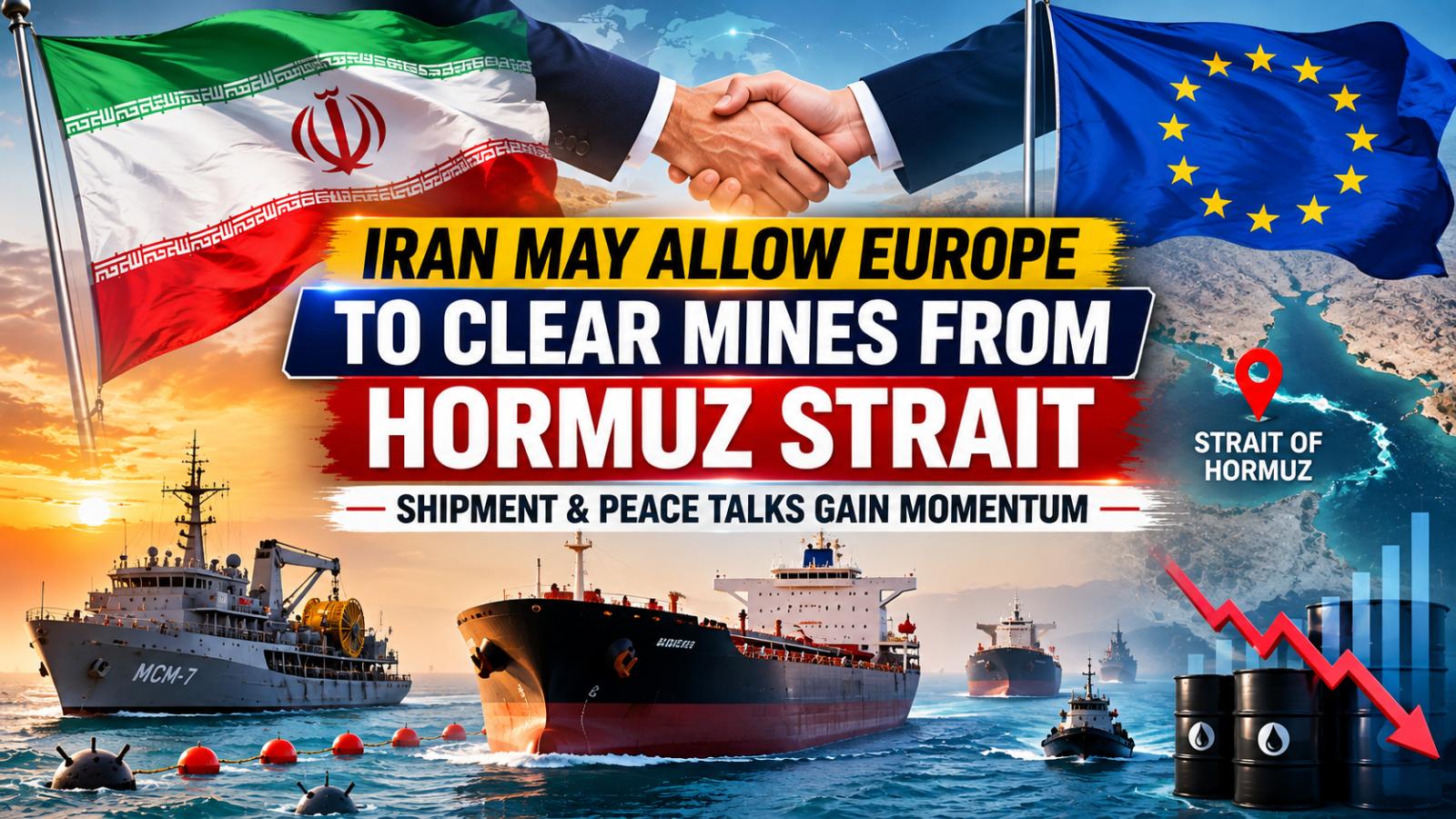
Iran is reportedly considering allowing European nations to participate in clearing mines from the Strait of Hormuz, marking a possible change from Tehran’s earlier resistance to foreign involvement in the strategic waterway.
The proposal has not been formally confirmed by Iran’s Foreign Ministry. Reports citing diplomats familiar with the discussions say the option could become part of a broader arrangement to restore regular commercial traffic and create conditions for renewed negotiations between Iran and the United States.
European countries, including France, Belgium and the Netherlands, have previously said they possess the naval mine-clearing and escort capabilities needed to support safe passage through the strait. Any mission would still require Iranian cooperation, security guarantees and protection for minesweeping vessels operating in a highly contested area.
Hormuz reopening talks show progress
US Secretary of State Marco Rubio said Iran and Oman had made progress in discussions aimed at allowing more ships to pass safely through the Strait of Hormuz. He cautioned, however, that negotiators had not reached a final agreement.
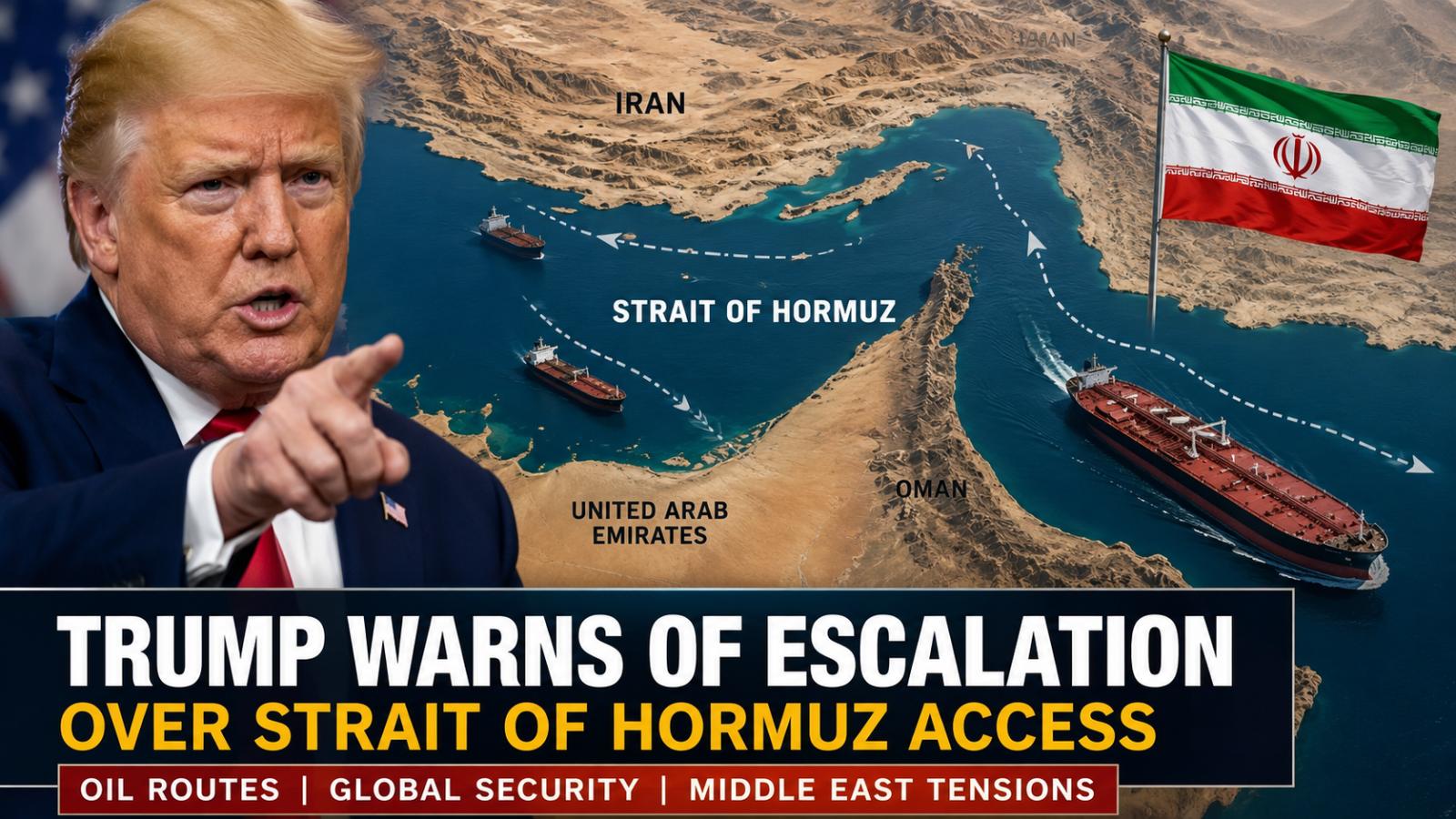
Rubio said Washington was involved in discussions with Oman and Iran about a short-term arrangement for commercial shipping. Current proposals reportedly include separate inbound and outbound shipping lanes, with Iran overseeing traffic on one side and Oman managing vessels travelling through the southern route.
Such an arrangement could restore part of the maritime traffic disrupted by the conflict. Before the war, roughly one-fifth of global oil supplies moved through the strait, making any interruption a major risk to energy markets, shipping companies and importing nations.
US Iran deal could expand peace talks
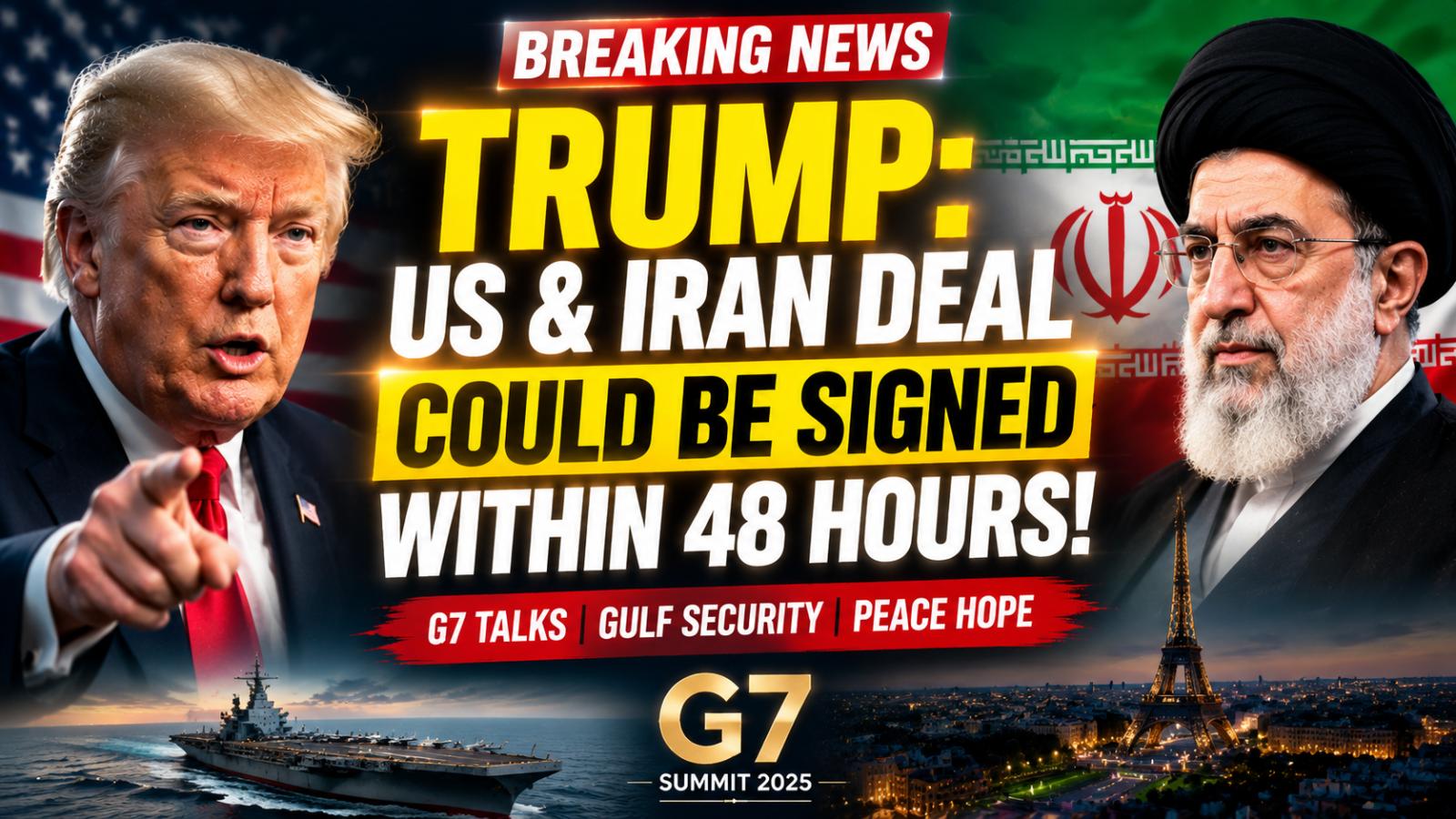
Treasury Secretary Scott Bessent also expressed optimism, saying an agreement to reopen the waterway could be announced soon. Reports indicate that an initial plan may involve Iran sending selected oil and liquefied natural gas tankers through the route to test whether shipping lanes are clear of mines before opening them to wider commercial traffic.
A limited shipping agreement would not automatically end the wider US-Iran conflict. Major disagreements remain over sanctions, Iran’s nuclear programme, maritime fees, the US naval blockade and Tehran’s demand for a larger role in controlling passage through the strait.
However, diplomats reportedly hope that a practical agreement on Hormuz could build enough confidence for both sides to resume negotiations on a wider political settlement. That makes the shipping talks important not only for global trade but also for attempts to reduce military tensions across the region.
Gulf shipping safety remains uncertain
Removing mines from a narrow and heavily travelled waterway would be a complex operation. Minesweeping ships would need protection from missiles, drones and attacks by nearby forces. Experts have also warned that Iran’s military is better equipped to lay mines than to remove them, increasing the need for international technical support.
The situation remains fragile. A recent strike on a ship near Oman highlighted the continuing danger to vessels even as diplomatic talks advanced. Negotiators must also decide who will control shipping lanes, whether vessels will pay transit or security fees and what guarantees will prevent new attacks.
Oil prices fall on Hormuz deal hopes
Energy markets reacted positively to signs of diplomatic progress. West Texas Intermediate fell to about $75.77 a barrel, while Brent crude settled at $79.36, dropping below $80 for the first time in roughly three weeks.
The price decline reflects expectations that reopening Hormuz could restore oil and gas shipments and reduce the risk of further supply disruption. Yet markets remain sensitive to every diplomatic statement because negotiations are incomplete and any renewed attack could quickly reverse the decline.
Iran’s willingness to consider European help would represent a meaningful diplomatic opening. It should still be described as a reported proposal rather than a confirmed policy change until Tehran, Oman or participating European governments announce a formal agreement.