Iran rejects CENTCOM role after Bahrain security summit
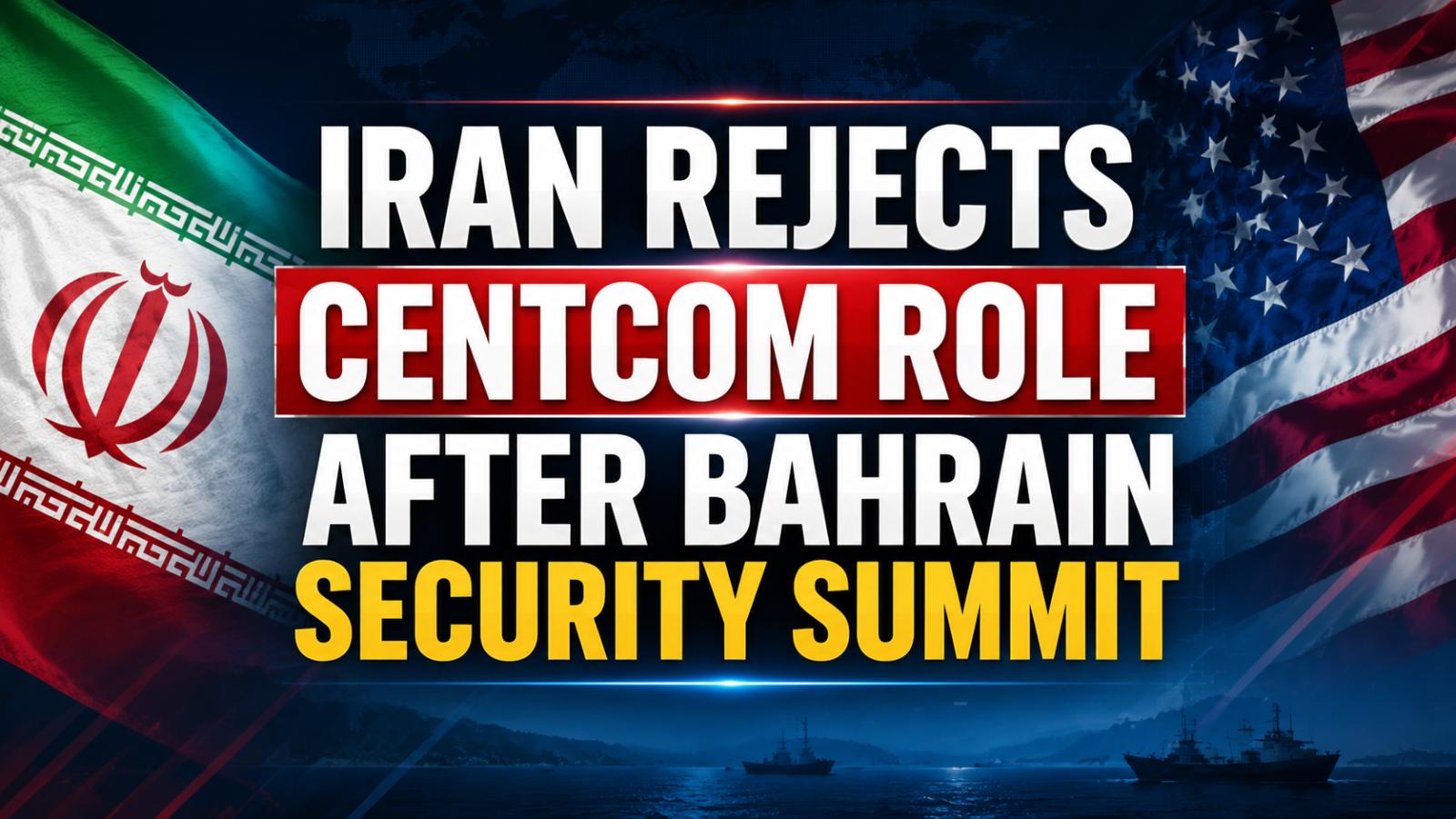
Iran challenges US CENTCOM role in West Asia security framework Iran has criticised the role of the United States Central Command in West Asia after a regional security conference in Bahrain brought together senior military officials from 12 countries to discuss air defence cooperation and maritime security. Iranian Foreign Minister Abbas Araghchi said peace in the region
Iran rejects CENTCOM role after Bahrain security summit
Iran challenges US CENTCOM role in West Asia security framework Iran has criticised the role of the United States Central Command in West Asia after a regional security conference in Bahrain brought together senior military officials from 12 countries to discuss air defence cooperation and maritime security. Iranian Foreign Minister Abbas Araghchi said peace in the region
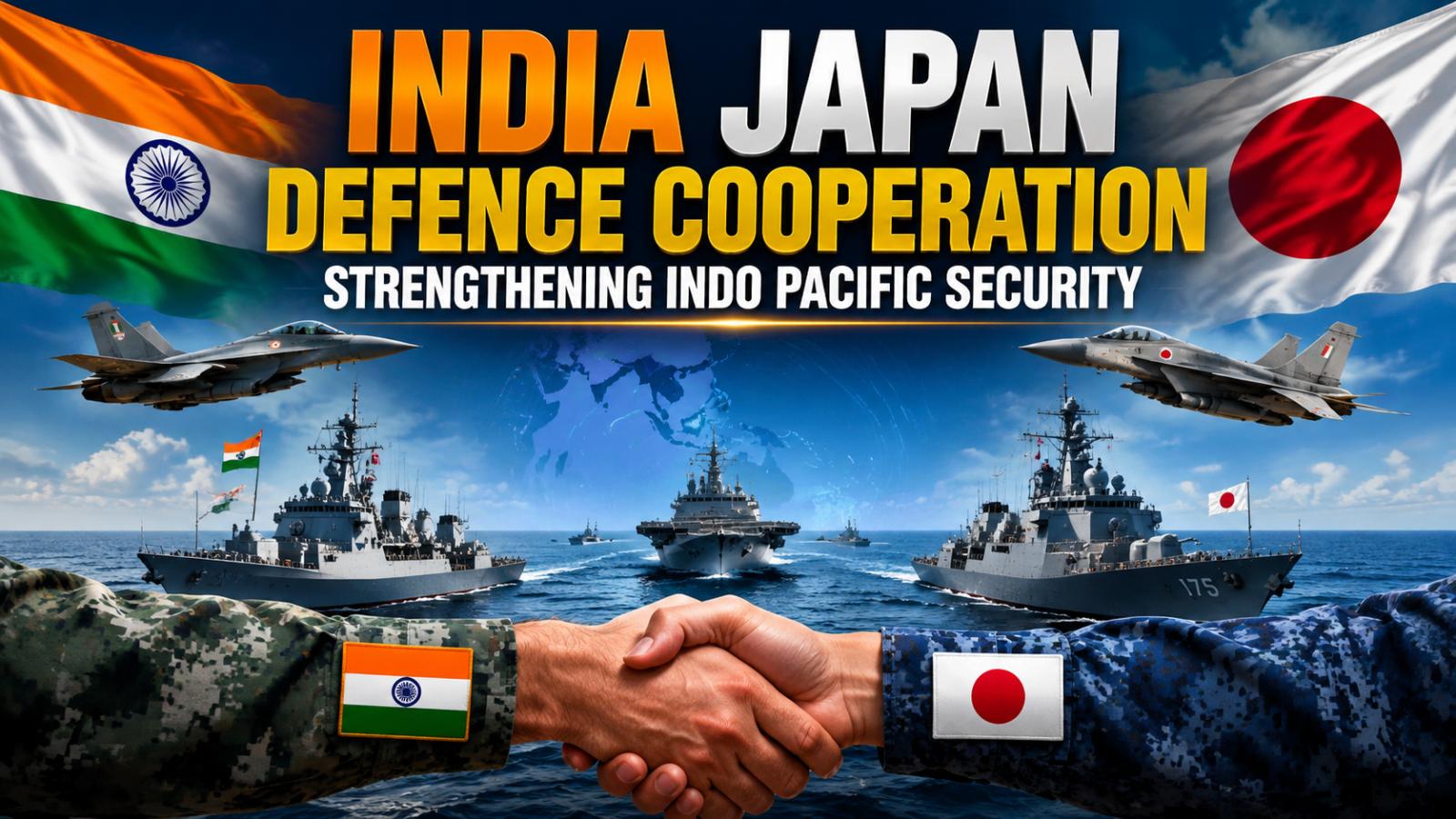
India Japan expand military drills across land sea air
India and Japan are steadily widening their defence partnership with a stronger focus on Indo Pacific stability. The cooperation is no longer limited to symbolic diplomacy and now includes structured military coordination, regular exercises and operational level engagement between the armed forces of both countries. The shared objective is improving readiness and ensuring secure maritime routes across a region that is becoming increasingly contested. Defence dialogue moves into operational coordination High level defence talks between the two countries have evolved into practical coordination mechanisms. Regular 2+2 ministerial meetings have helped align security priorities, especially around regional stability, maritime surveillance and disaster response readiness. This structured engagement has created a foundation for long term interoperability between Indian and Japanese defence forces. Army level training under Dharma Guardian framework The joint Army exercise Dharma Guardian has become a key pillar of land based cooperation. It focuses on counter insurgency operations, jungle warfare and high altitude combat readiness. These drills are designed to improve tactical coordination between the Indian Army and the Japan Ground Self Defence Force, especially in complex terrain scenarios where joint response capability is critical. Naval cooperation through Malabar, JIMEX and MILAN Maritime collaboration remains the strongest pillar of this partnership. Exercises like Malabar, JIMEX and MILAN bring together naval forces to train in anti submarine warfare, sea lane protection and coordinated fleet operations. These drills improve communication and operational compatibility between navies, while also strengthening surveillance across key Indo Pacific shipping routes. Air force integration under Veer Guardian exercises Air cooperation has also expanded through joint training activities such as Veer Guardian. These exercises involve fighter aircraft operations, tactical missions and coordinated aerial drills between the Indian Air Force and the Japan Air Self Defence Force. The focus is on improving mission readiness and developing shared operational understanding in air combat scenarios. Defence technology and industrial cooperation Beyond field exercises, both countries are deepening collaboration in defence technology. Areas such as maritime surveillance systems, sensors and advanced naval equipment are gaining attention. Technology transfer initiatives and joint development discussions are gradually shaping a more integrated defence industrial partnership. Long term Indo Pacific security outlook The India Japan defence partnership is expected to grow further as regional security dynamics continue to evolve. Both countries are increasingly aligned on maintaining freedom of navigation, securing trade routes and responding to emerging maritime threats. This cooperation is positioning them as important contributors to Indo Pacific stability rather than passive regional players.
India Japan expand military drills across land sea air
India and Japan are steadily widening their defence partnership with a stronger focus on Indo Pacific stability. The cooperation is no longer limited to symbolic diplomacy and now includes structured military coordination, regular exercises and operational level engagement between the armed forces of both countries. The shared objective is improving readiness and ensuring secure maritime routes across a region that is becoming increasingly contested. Defence dialogue moves into operational coordination High level defence talks between the two countries have evolved into practical coordination mechanisms. Regular 2+2 ministerial meetings have helped align security priorities, especially around regional stability, maritime surveillance and disaster response readiness. This structured engagement has created a foundation for long term interoperability between Indian and Japanese defence forces. Army level training under Dharma Guardian framework The joint Army exercise Dharma Guardian has become a key pillar of land based cooperation. It focuses on counter insurgency operations, jungle warfare and high altitude combat readiness. These drills are designed to improve tactical coordination between the Indian Army and the Japan Ground Self Defence Force, especially in complex terrain scenarios where joint response capability is critical. Naval cooperation through Malabar, JIMEX and MILAN Maritime collaboration remains the strongest pillar of this partnership. Exercises like Malabar, JIMEX and MILAN bring together naval forces to train in anti submarine warfare, sea lane protection and coordinated fleet operations. These drills improve communication and operational compatibility between navies, while also strengthening surveillance across key Indo Pacific shipping routes. Air force integration under Veer Guardian exercises Air cooperation has also expanded through joint training activities such as Veer Guardian. These exercises involve fighter aircraft operations, tactical missions and coordinated aerial drills between the Indian Air Force and the Japan Air Self Defence Force. The focus is on improving mission readiness and developing shared operational understanding in air combat scenarios. Defence technology and industrial cooperation Beyond field exercises, both countries are deepening collaboration in defence technology. Areas such as maritime surveillance systems, sensors and advanced naval equipment are gaining attention. Technology transfer initiatives and joint development discussions are gradually shaping a more integrated defence industrial partnership. Long term Indo Pacific security outlook The India Japan defence partnership is expected to grow further as regional security dynamics continue to evolve. Both countries are increasingly aligned on maintaining freedom of navigation, securing trade routes and responding to emerging maritime threats. This cooperation is positioning them as important contributors to Indo Pacific stability rather than passive regional players.
Bahrain Says Iranian Drones Targeted Island as Tanker Hit in Hormuz
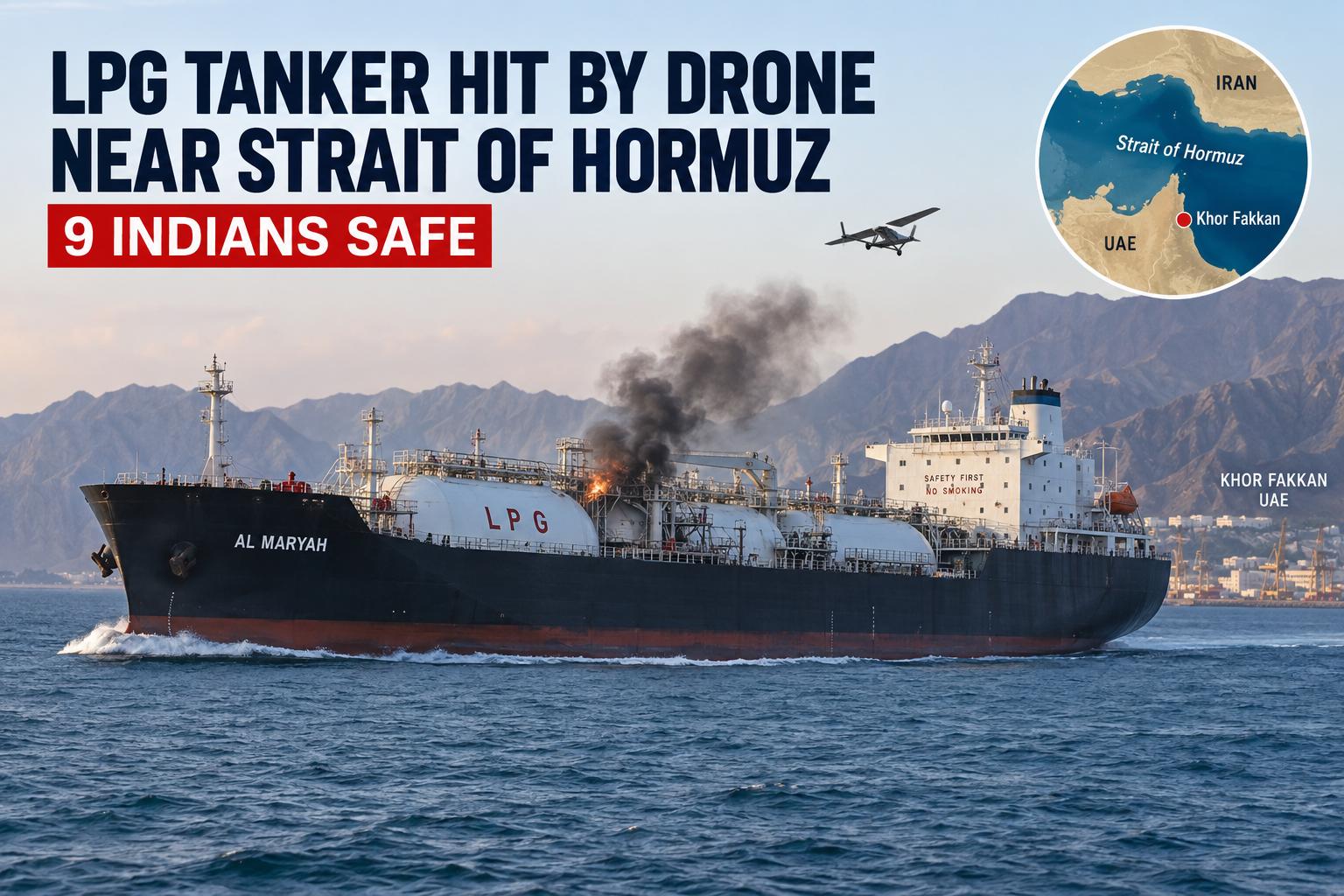
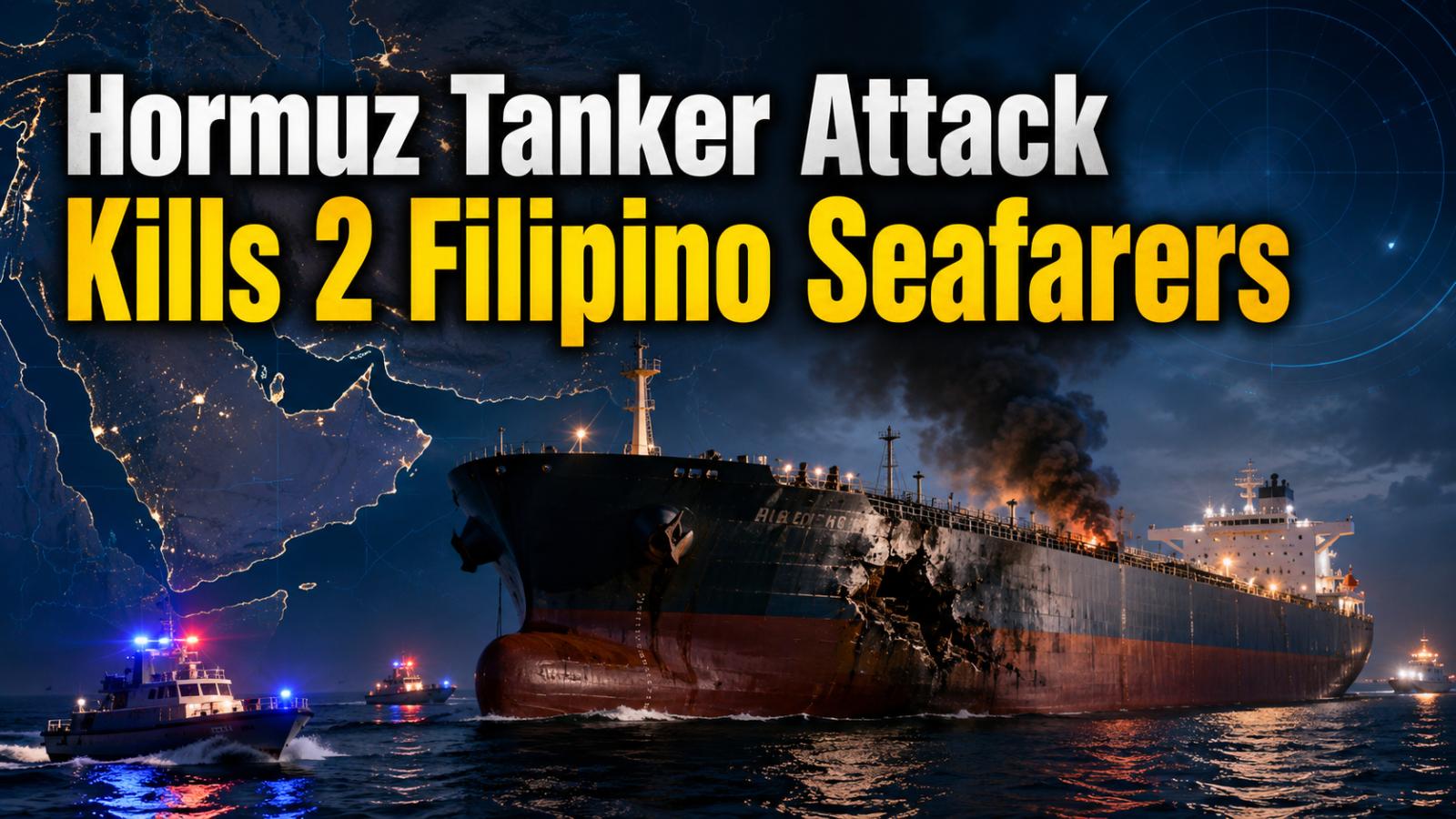
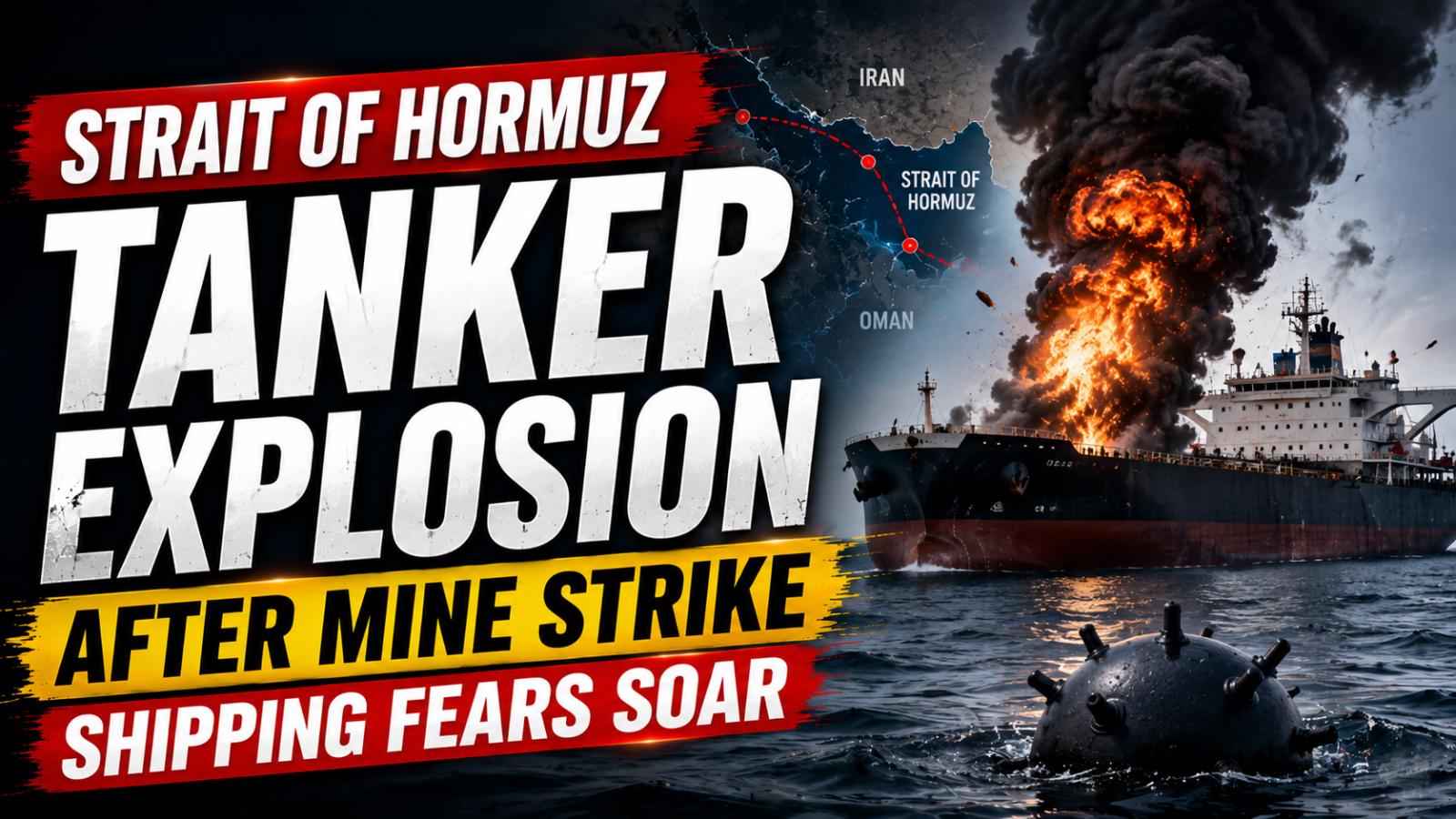
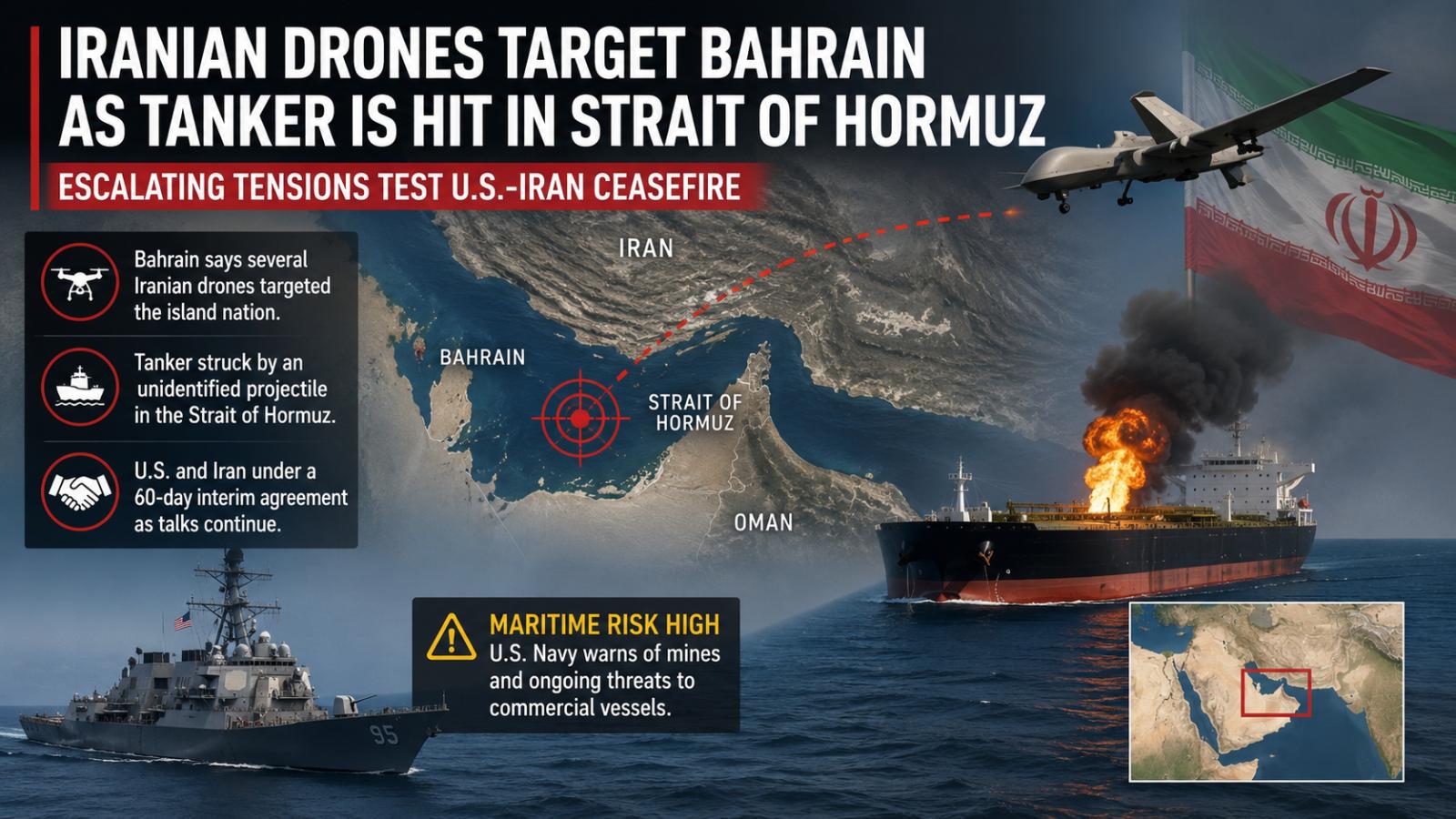
DUBAI, United Arab Emirates — Bahrain said Iranian drones targeted the island nation on Saturday, June 27, 2026, while a tanker was struck by an unidentified projectile in the Strait of Hormuz, adding pressure to a fragile U.S.-Iran ceasefire. The incidents followed overnight U.S. airstrikes on Iranian missile and drone facilities and coastal radar sites. U.S. Central Command said the strikes followed an Iranian drone attack on a container ship attempting to leave the strait.
Bahrain Says Iranian Drones Targeted Island as Tanker Hit in Hormuz
DUBAI, United Arab Emirates — Bahrain said Iranian drones targeted the island nation on Saturday, June 27, 2026, while a tanker was struck by an unidentified projectile in the Strait of Hormuz, adding pressure to a fragile U.S.-Iran ceasefire. The incidents followed overnight U.S. airstrikes on Iranian missile and drone facilities and coastal radar sites. U.S. Central Command said the strikes followed an Iranian drone attack on a container ship attempting to leave the strait.
G7 leaders confront iran conflict and global energy shock
The G7 summit in France unfolded under the shadow of growing instability linked to tensions involving Iran and wider regional security concerns. While political disagreements remained in the background, the more immediate concern for leaders was the economic impact spreading across global energy markets. Rising uncertainty around shipping routes and oil supply quickly turned the discussions toward inflation, fuel pricing, and trade resilience.
G7 leaders confront iran conflict and global energy shock
The G7 summit in France unfolded under the shadow of growing instability linked to tensions involving Iran and wider regional security concerns. While political disagreements remained in the background, the more immediate concern for leaders was the economic impact spreading across global energy markets. Rising uncertainty around shipping routes and oil supply quickly turned the discussions toward inflation, fuel pricing, and trade resilience.
Strait of Hormuz Peace Deal Raises Questions Over Fees
Peace in the Strait of Hormuz Following a peace agreement between the United States and Iran, hostilities that lasted over 100 days have officially paused. The memorandum of understanding, signed electronically on Sunday by US President Donald Trump, Vice President JD Vance, and Iranian Parliament Speaker Mohammad Bagher Ghalibaf, created a temporary framework for reopening negotiations. While Washington maintains that ves
Strait of Hormuz Peace Deal Raises Questions Over Fees
Peace in the Strait of Hormuz Following a peace agreement between the United States and Iran, hostilities that lasted over 100 days have officially paused. The memorandum of understanding, signed electronically on Sunday by US President Donald Trump, Vice President JD Vance, and Iranian Parliament Speaker Mohammad Bagher Ghalibaf, created a temporary framework for reopening negotiations. While Washington maintains that ves
G7 Summit 2026: Macron Leads Talks on Strait of Hormuz Reopening
Strategic Focus at G7 Summit French President Emmanuel Macron announced that the upcoming G7 Summit, taking place from June 15–17 in Evian-les-Bains, will dedicate Monday’s sessions to discussing the long-term reopening of the strategic Strait of Hormuz. This follows a recently brokered framework agreement between the United States and Iran, aimed at ending hostilities in West Asia. Macron emphasized that the summit will examine
G7 Summit 2026: Macron Leads Talks on Strait of Hormuz Reopening
Strategic Focus at G7 Summit French President Emmanuel Macron announced that the upcoming G7 Summit, taking place from June 15–17 in Evian-les-Bains, will dedicate Monday’s sessions to discussing the long-term reopening of the strategic Strait of Hormuz. This follows a recently brokered framework agreement between the United States and Iran, aimed at ending hostilities in West Asia. Macron emphasized that the summit will examine
U.S. Disables M/T Jalveer in Gulf of Oman; 20 Indian Sailors Rescued
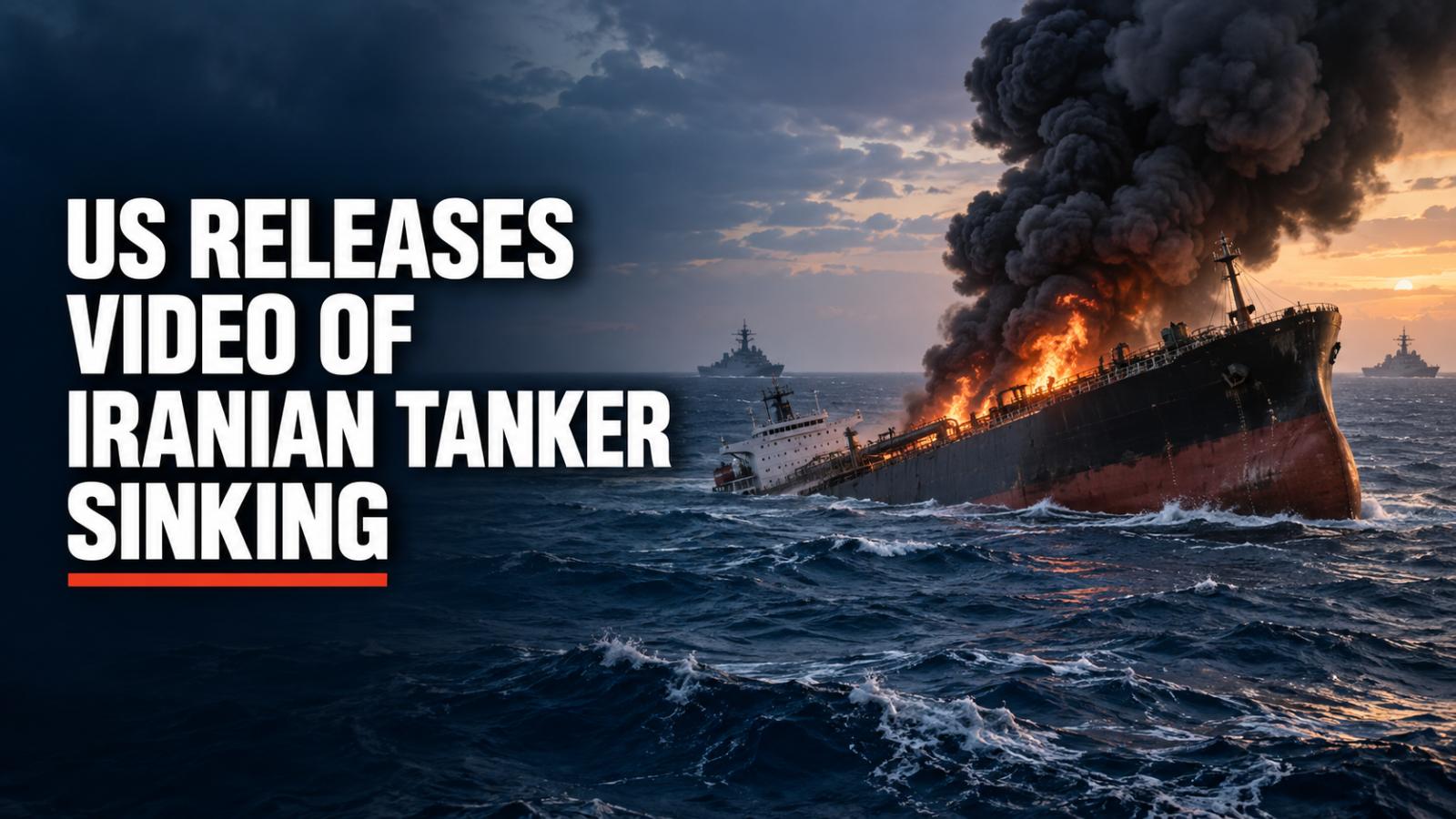
U.S. forces disabled the Guinea-Bissau-flagged M/T Jalveer in the Gulf of Oman at 7:20 AM GST on Thursday, June 11, 2026, according to U.S. Central Command. The strike occurred at 11:20 PM ET on Wednesday, June 10, 2026, in the United States. CENTCOM said an American aircraft fired two Hellfire missiles into the tanker’s engine room after the crew repeatedly failed to comply with U.S. directions. The command said the vessel was attempting to transport oil from Iran under a blockad
U.S. Disables M/T Jalveer in Gulf of Oman; 20 Indian Sailors Rescued
U.S. forces disabled the Guinea-Bissau-flagged M/T Jalveer in the Gulf of Oman at 7:20 AM GST on Thursday, June 11, 2026, according to U.S. Central Command. The strike occurred at 11:20 PM ET on Wednesday, June 10, 2026, in the United States. CENTCOM said an American aircraft fired two Hellfire missiles into the tanker’s engine room after the crew repeatedly failed to comply with U.S. directions. The command said the vessel was attempting to transport oil from Iran under a blockad
India Hosts Quad Delhi Meeting as Indo-Pacific Security, China and West Asia Tensions Take Centre Stage
India is hosting the Quad foreign ministers’ meeting in New Delhi on May 26, 2026, bringing together senior leaders from India, the United States, Japan and Australia. External Affairs Minister S. Jaishankar is chairing the meeting, with U.S. Secretary of State Marco Rubio, Australian Foreign Minister Penny Wong and Japanese Foreign Minister Toshimitsu Motegi attending the talks. The participation details are confirmed by India’s Ministry of External Affairs. The meeting comes a

India Hosts Quad Delhi Meeting as Indo-Pacific Security, China and West Asia Tensions Take Centre Stage
India is hosting the Quad foreign ministers’ meeting in New Delhi on May 26, 2026, bringing together senior leaders from India, the United States, Japan and Australia. External Affairs Minister S. Jaishankar is chairing the meeting, with U.S. Secretary of State Marco Rubio, Australian Foreign Minister Penny Wong and Japanese Foreign Minister Toshimitsu Motegi attending the talks. The participation details are confirmed by India’s Ministry of External Affairs. The meeting comes a


US Strikes Iranian Tankers as Strait of Hormuz Tensions Surge
US Iran Tanker Strike Raises Gulf Tensions US forces disabled two Iranian-flagged tankers near the Gulf of Oman on Friday, May 8, 2026, after CENTCOM said the vessels violated an ongoing maritime blockade. The tankers, identified as M/T Sea Star III and M/T Sevda, were stopped before entering an Iranian port. US Central Command said both vessels were empty at the time and were no longer heading toward Iran after the strike. CENTCOM Says Blockade Enforcement Is Continuing Officials said the operation was carried out as part of wider US efforts to enforce maritime restrictions around Iranian ports. The action follows a similar incident earlier in the week, when another Iranian-linked vessel was disabled while attempting to reach Iran. The latest strike comes as US Navy assets remain active across the Gulf region, including carrier-based aircraft supporting blockade enforcement and maritime security operations. Why the Strait of Hormuz Matters The Strait of Hormuz is one of the world’s most important energy corridors, making any military escalation there a direct concern for oil markets, shipping companies, and regional governments. Reports of sporadic clashes and rising naval activity have increased fears of wider disruption. While US officials describe the strikes as limited enforcement action, the incident adds fresh pressure to already fragile diplomatic efforts between Washington and Tehran. For global markets, the key question is whether the confrontation remains contained—or turns into a longer Gulf shipping crisis.
US Strikes Iranian Tankers as Strait of Hormuz Tensions Surge
US Iran Tanker Strike Raises Gulf Tensions US forces disabled two Iranian-flagged tankers near the Gulf of Oman on Friday, May 8, 2026, after CENTCOM said the vessels violated an ongoing maritime blockade. The tankers, identified as M/T Sea Star III and M/T Sevda, were stopped before entering an Iranian port. US Central Command said both vessels were empty at the time and were no longer heading toward Iran after the strike. CENTCOM Says Blockade Enforcement Is Continuing Officials said the operation was carried out as part of wider US efforts to enforce maritime restrictions around Iranian ports. The action follows a similar incident earlier in the week, when another Iranian-linked vessel was disabled while attempting to reach Iran. The latest strike comes as US Navy assets remain active across the Gulf region, including carrier-based aircraft supporting blockade enforcement and maritime security operations. Why the Strait of Hormuz Matters The Strait of Hormuz is one of the world’s most important energy corridors, making any military escalation there a direct concern for oil markets, shipping companies, and regional governments. Reports of sporadic clashes and rising naval activity have increased fears of wider disruption. While US officials describe the strikes as limited enforcement action, the incident adds fresh pressure to already fragile diplomatic efforts between Washington and Tehran. For global markets, the key question is whether the confrontation remains contained—or turns into a longer Gulf shipping crisis.
US Strikes Iranian Tankers Near Hormuz as Gulf Ceasefire Talks Face Breaking Point
US-Iran Hormuz Tanker Strike Deepens Gulf Crisis US forces struck two Iranian tankers near the Strait of Hormuz on May 8, 2026, as fragile Gulf ceasefire talks stalled. The move has raised fresh fears over oil shipping, regional security and the next step in Washington-Tehran diplomacy. What Happened Near the Strait of Hormuz? US Central Command said American forces d
US Strikes Iranian Tankers Near Hormuz as Gulf Ceasefire Talks Face Breaking Point
US-Iran Hormuz Tanker Strike Deepens Gulf Crisis US forces struck two Iranian tankers near the Strait of Hormuz on May 8, 2026, as fragile Gulf ceasefire talks stalled. The move has raised fresh fears over oil shipping, regional security and the next step in Washington-Tehran diplomacy. What Happened Near the Strait of Hormuz? US Central Command said American forces d
Strait of Hormuz Crisis Deepens as U.S. Navy Pushes to Reopen Key Oil Shipping Route
Strait of Hormuz Shipping Still Restricted Strait of Hormuz shipping remains severely limited despite new U.S. efforts to reopen one of the world’s most important oil trade routes. Vessel movement stayed subdued Monday as carriers awaited clearer safety guarantees amid Iran tensions. U.S. Navy Pushes to Restore Transit U.S. Central Command said its forces are assisting efforts to restore commercial navigation, with Navy destroyers and two U.S.-flagged merchant ships reportedly crossing the waterway. Officials described the mission as defensive, aimed at protecting freedom of navigation while pressure remains on Iranian ports. But the wider shipping industry is still cautious. Tracking data showed only scattered vessel movement, with no major return of oil tankers or large commercial ships through the narrow Gulf chokepoint. Carriers Await Clear Safety Rules German shipping firm Hapag-Lloyd said its vessels still cannot transit the Strait of Hormuz because safety procedures remain unclear. BIMCO has also warned that shipping companies need firm guidance and credible security assurances before resuming normal routes. The Joint Maritime Information Center continues to rate the regional threat as “critical,” advising vessels to consider safer routing through Omani waters where possible. Why the Strait Matters The Strait of Hormuz is a vital passage for global oil and gas shipments, making any disruption a direct risk to energy markets, freight costs and seafarer safety. Hundreds of ships and thousands of crew members remain affected by the crisis. Iran has warned foreign naval forces to stay away and said commercial vessels must coordinate transit with its military. Until both security risks and operating rules are resolved, global shipping through the Strait of Hormuz is likely to remain slow, uncertain and highly vulnerable.
Strait of Hormuz Crisis Deepens as U.S. Navy Pushes to Reopen Key Oil Shipping Route
Strait of Hormuz Shipping Still Restricted Strait of Hormuz shipping remains severely limited despite new U.S. efforts to reopen one of the world’s most important oil trade routes. Vessel movement stayed subdued Monday as carriers awaited clearer safety guarantees amid Iran tensions. U.S. Navy Pushes to Restore Transit U.S. Central Command said its forces are assisting efforts to restore commercial navigation, with Navy destroyers and two U.S.-flagged merchant ships reportedly crossing the waterway. Officials described the mission as defensive, aimed at protecting freedom of navigation while pressure remains on Iranian ports. But the wider shipping industry is still cautious. Tracking data showed only scattered vessel movement, with no major return of oil tankers or large commercial ships through the narrow Gulf chokepoint. Carriers Await Clear Safety Rules German shipping firm Hapag-Lloyd said its vessels still cannot transit the Strait of Hormuz because safety procedures remain unclear. BIMCO has also warned that shipping companies need firm guidance and credible security assurances before resuming normal routes. The Joint Maritime Information Center continues to rate the regional threat as “critical,” advising vessels to consider safer routing through Omani waters where possible. Why the Strait Matters The Strait of Hormuz is a vital passage for global oil and gas shipments, making any disruption a direct risk to energy markets, freight costs and seafarer safety. Hundreds of ships and thousands of crew members remain affected by the crisis. Iran has warned foreign naval forces to stay away and said commercial vessels must coordinate transit with its military. Until both security risks and operating rules are resolved, global shipping through the Strait of Hormuz is likely to remain slow, uncertain and highly vulnerable.
Trump’s Project Freedom sparks Iran warning amid Strait of Hormuz crisis
The Strait of Hormuz crisis has intensified after Ebrahim Azizi warned that any US intervention would be treated as a ceasefire violation. His remarks came in response to Donald Trump’s announcement of Project Freedom, a naval initiative aimed at guiding merchant vessels through the strategically vital w
Trump’s Project Freedom sparks Iran warning amid Strait of Hormuz crisis
The Strait of Hormuz crisis has intensified after Ebrahim Azizi warned that any US intervention would be treated as a ceasefire violation. His remarks came in response to Donald Trump’s announcement of Project Freedom, a naval initiative aimed at guiding merchant vessels through the strategically vital w
Pakistan commissions first Hangor-class submarine built in China
Pakistan submarine induction marks major naval boost Pakistan submarine induction marked a major milestone as the country commissioned its first Hangor-class submarine built in China. The ceremony was held in Sanya and attended by President Asif Ali Zardari and Naval Chief Admiral Naveed Ashraf. This move highlights strong China Pakistan defence cooperation and signals a major expansion in naval fleet capacity.
Pakistan commissions first Hangor-class submarine built in China
Pakistan submarine induction marks major naval boost Pakistan submarine induction marked a major milestone as the country commissioned its first Hangor-class submarine built in China. The ceremony was held in Sanya and attended by President Asif Ali Zardari and Naval Chief Admiral Naveed Ashraf. This move highlights strong China Pakistan defence cooperation and signals a major expansion in naval fleet capacity.
US pushes global coalition for Strait of Hormuz as Iran conflict disrupts oil trade
The United States is accelerating efforts to form a global coalition to secure the Strait of Hormuz, as the ongoing US-Iran conflict continues to disrupt critical shipping routes and drive volatility in global oil trade. The initiative, known as the Maritime Freedom Construct, aims to coordinate international maritime security, sanctions policy, and intelligence sharing to ensure safe navigation through one of the world’s most strategic waterways. The Strait of Hormuz, a narrow pa
US pushes global coalition for Strait of Hormuz as Iran conflict disrupts oil trade
The United States is accelerating efforts to form a global coalition to secure the Strait of Hormuz, as the ongoing US-Iran conflict continues to disrupt critical shipping routes and drive volatility in global oil trade. The initiative, known as the Maritime Freedom Construct, aims to coordinate international maritime security, sanctions policy, and intelligence sharing to ensure safe navigation through one of the world’s most strategic waterways. The Strait of Hormuz, a narrow pa
India, Iran discuss ceasefire stability and Strait of Hormuz security
India and Iran held talks on April 29, 2026, on ceasefire stability, Strait of Hormuz security, and trade impact. Both stressed diplomacy and continued coordination as regional tensions remain high despite the fragile truce. India, Iran discuss ceasefire stability and Strait of Hormuz security as External Affairs Minister Dr. S. Jaishankar and Iranian Foreign Minister Abbas Araghchi held talks on Wednesday, April 29, 2026, focusing on the evolving security situation in Tehran and across the region. The discussion comes at a critical moment as the international community monitors a fragile two-week ceasefire involving Iran and a U.S.-Israel coalition, brokered earlier in April. According to an official statement, both leaders exchanged views on recent developments related to the ceasefire while also reviewing bilateral relations and broader regional security concerns. A central issue in the dialogue was the stability of the Strait of Hormuz, a key global shipping route through which nearly 90% of India’s liquefied petroleum gas imports pass, underscoring its economic significance for New Delhi. Officials familiar with the talks indicated that both sides emphasized the need to ensure uninterrupted freedom of navigation in the region. Iran reportedly shared updates on its proposed 10-point peace framework, while India reiterated its longstanding position that de-escalation, sustained dialogue, and diplomatic engagement remain essential to achieving lasting stability in West Asia. Beyond immediate security concerns, the ministers also reviewed ongoing bilateral initiatives, including the development of Chabahar Port. The project remains strategically important for India as it provides access to Central Asian markets, even as regional tensions pose logistical and security challenges. The conversation also addressed the broader impact of the conflict on global trade networks. Jaishankar highlighted concerns over prolonged instability, noting its disruptive effects on supply chains and economic activity. He emphasized that India continues to engage with multiple stakeholders in an effort to prevent escalation and support regional stability. The diplomatic exchange follows a period of heightened pressure from the administration of Donald Trump, which had issued strong warnings to Tehran over maritime disruptions. Although a ceasefire was implemented on Tuesday, April 8, 2026, tensions persist, with continued rhetoric from various factions raising concerns about its durability. As the ceasefire enters a sensitive phase, both ministers agreed to remain in close and frequent contact to monitor developments. For India, maintaining stability in the region is not only a strategic priority but also a critical economic necessity tied to energy security and trade continuity.
India, Iran discuss ceasefire stability and Strait of Hormuz security
India and Iran held talks on April 29, 2026, on ceasefire stability, Strait of Hormuz security, and trade impact. Both stressed diplomacy and continued coordination as regional tensions remain high despite the fragile truce. India, Iran discuss ceasefire stability and Strait of Hormuz security as External Affairs Minister Dr. S. Jaishankar and Iranian Foreign Minister Abbas Araghchi held talks on Wednesday, April 29, 2026, focusing on the evolving security situation in Tehran and across the region. The discussion comes at a critical moment as the international community monitors a fragile two-week ceasefire involving Iran and a U.S.-Israel coalition, brokered earlier in April. According to an official statement, both leaders exchanged views on recent developments related to the ceasefire while also reviewing bilateral relations and broader regional security concerns. A central issue in the dialogue was the stability of the Strait of Hormuz, a key global shipping route through which nearly 90% of India’s liquefied petroleum gas imports pass, underscoring its economic significance for New Delhi. Officials familiar with the talks indicated that both sides emphasized the need to ensure uninterrupted freedom of navigation in the region. Iran reportedly shared updates on its proposed 10-point peace framework, while India reiterated its longstanding position that de-escalation, sustained dialogue, and diplomatic engagement remain essential to achieving lasting stability in West Asia. Beyond immediate security concerns, the ministers also reviewed ongoing bilateral initiatives, including the development of Chabahar Port. The project remains strategically important for India as it provides access to Central Asian markets, even as regional tensions pose logistical and security challenges. The conversation also addressed the broader impact of the conflict on global trade networks. Jaishankar highlighted concerns over prolonged instability, noting its disruptive effects on supply chains and economic activity. He emphasized that India continues to engage with multiple stakeholders in an effort to prevent escalation and support regional stability. The diplomatic exchange follows a period of heightened pressure from the administration of Donald Trump, which had issued strong warnings to Tehran over maritime disruptions. Although a ceasefire was implemented on Tuesday, April 8, 2026, tensions persist, with continued rhetoric from various factions raising concerns about its durability. As the ceasefire enters a sensitive phase, both ministers agreed to remain in close and frequent contact to monitor developments. For India, maintaining stability in the region is not only a strategic priority but also a critical economic necessity tied to energy security and trade continuity.
US Marines board commercial vessel in Arabian Sea over suspected Iran route
US Marines boarded a commercial ship in the Arabian Sea over suspected Iran-bound travel but released it after confirming it was headed to Oman, highlighting strict enforcement of the Iran blockade. US Marines board commercial vessel in Arabian Sea over suspected Iran route as forces enforced Washington’s blockade of Iranian ports on Tuesday, April 28, 2026. The vessel, identified as M/V Blue Star III, is a container ship sailing under the flag of Comoros and was
US Marines board commercial vessel in Arabian Sea over suspected Iran route
US Marines boarded a commercial ship in the Arabian Sea over suspected Iran-bound travel but released it after confirming it was headed to Oman, highlighting strict enforcement of the Iran blockade. US Marines board commercial vessel in Arabian Sea over suspected Iran route as forces enforced Washington’s blockade of Iranian ports on Tuesday, April 28, 2026. The vessel, identified as M/V Blue Star III, is a container ship sailing under the flag of Comoros and was
Why did the US seize Iranian oil tankers? Enforcement targets sanctions violations
Enforcement targets sanctions violations The United States has seized two tankers allegedly transporting Iranian oil, intensifying tensions with Iran and drawing sharp condemnation from Tehran. Iranian officials described the operation as “armed robbery on the high seas,” accusing
Why did the US seize Iranian oil tankers? Enforcement targets sanctions violations
Enforcement targets sanctions violations The United States has seized two tankers allegedly transporting Iranian oil, intensifying tensions with Iran and drawing sharp condemnation from Tehran. Iranian officials described the operation as “armed robbery on the high seas,” accusing
Sanctioned billionaire’s yacht passes Hormuz amid US-Iran tensions
Why did a sanctioned yacht cross the Strait of Hormuz during heightened tensions? A 465-foot superyacht known as Nord, linked to Russian billionaire Alexey Mordashov, sailed through the strategically vital Strait of Hormuz despite ongoing maritime restrictions tied to the US-Iran conflict. The vessel departed Dubai on Friday April 24, 2026 afternoon, transited the st
Sanctioned billionaire’s yacht passes Hormuz amid US-Iran tensions
Why did a sanctioned yacht cross the Strait of Hormuz during heightened tensions? A 465-foot superyacht known as Nord, linked to Russian billionaire Alexey Mordashov, sailed through the strategically vital Strait of Hormuz despite ongoing maritime restrictions tied to the US-Iran conflict. The vessel departed Dubai on Friday April 24, 2026 afternoon, transited the st
Why is the Strait of Hormuz blockade critical? UN warns of global economic impact
Antonio Guterres, Secretary-General of the United Nations, on Monday, April 27, 2026, appealed to the United Nations Security Council to push for the reopening of the Strait of Hormuz, warning that the ongoing bl
Why is the Strait of Hormuz blockade critical? UN warns of global economic impact
Antonio Guterres, Secretary-General of the United Nations, on Monday, April 27, 2026, appealed to the United Nations Security Council to push for the reopening of the Strait of Hormuz, warning that the ongoing bl
Why did the US intercept oil tankers? Enforcement targets Iran-linked shipping network
Seizure of Majestic X in Indian Ocean amid rising tensions The U.S. Department of Defense announced on Thursday, April 23, 2026, that it seized the oil tanker Majestic X in the Indian Ocean while it was en route to Zhoushan, China. Officials said the operation is part of ongoing maritime enforcement aimed at disrupting networks linked to Iranian oil exports in violation of U.S. sanctions. The Pentagon released video footage showing U.S. troops boarding a
Why did the US intercept oil tankers? Enforcement targets Iran-linked shipping network
Seizure of Majestic X in Indian Ocean amid rising tensions The U.S. Department of Defense announced on Thursday, April 23, 2026, that it seized the oil tanker Majestic X in the Indian Ocean while it was en route to Zhoushan, China. Officials said the operation is part of ongoing maritime enforcement aimed at disrupting networks linked to Iranian oil exports in violation of U.S. sanctions. The Pentagon released video footage showing U.S. troops boarding a