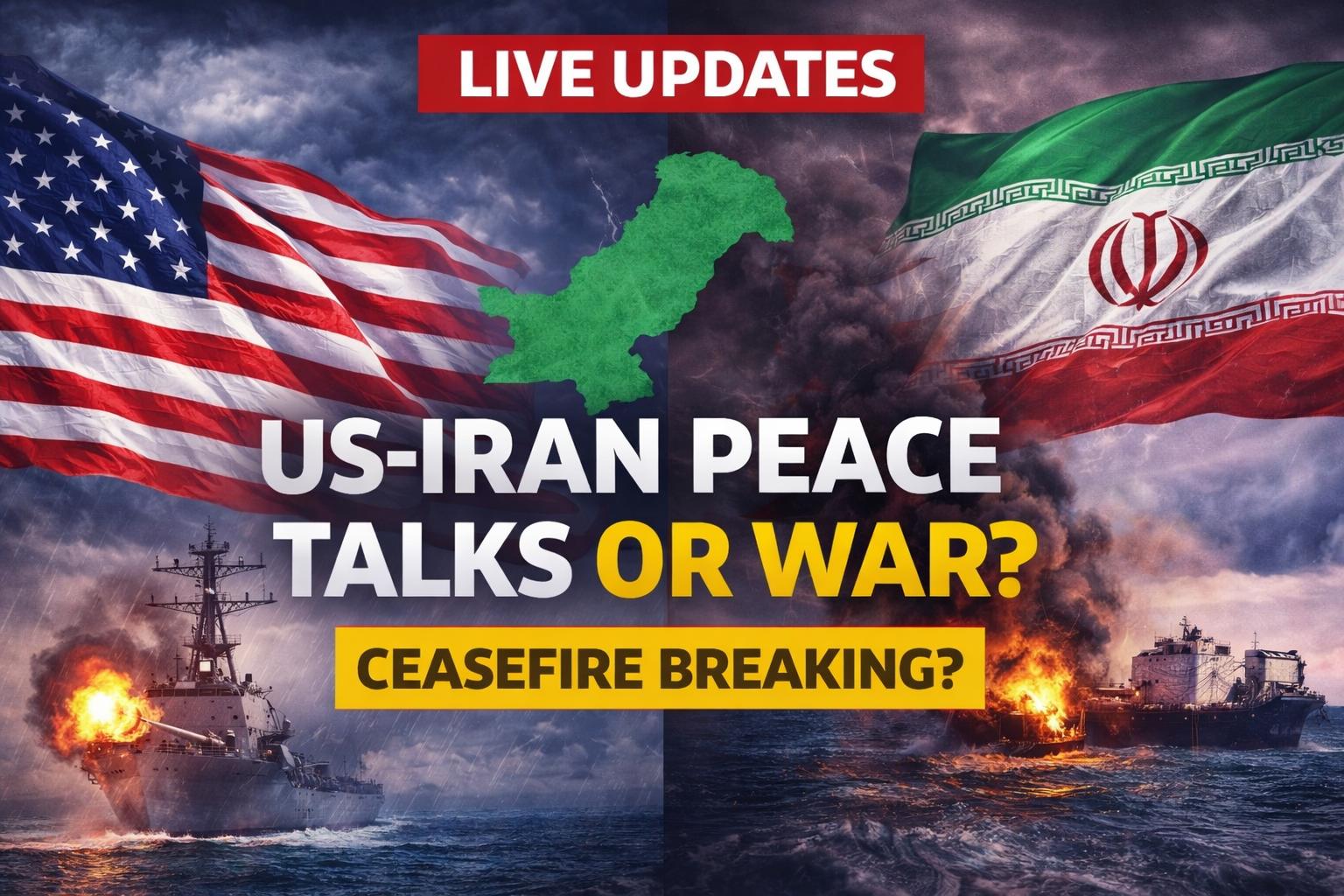
Iran fires on tanker in Strait of Hormuz: What the renewed shipping crisis means for global oil
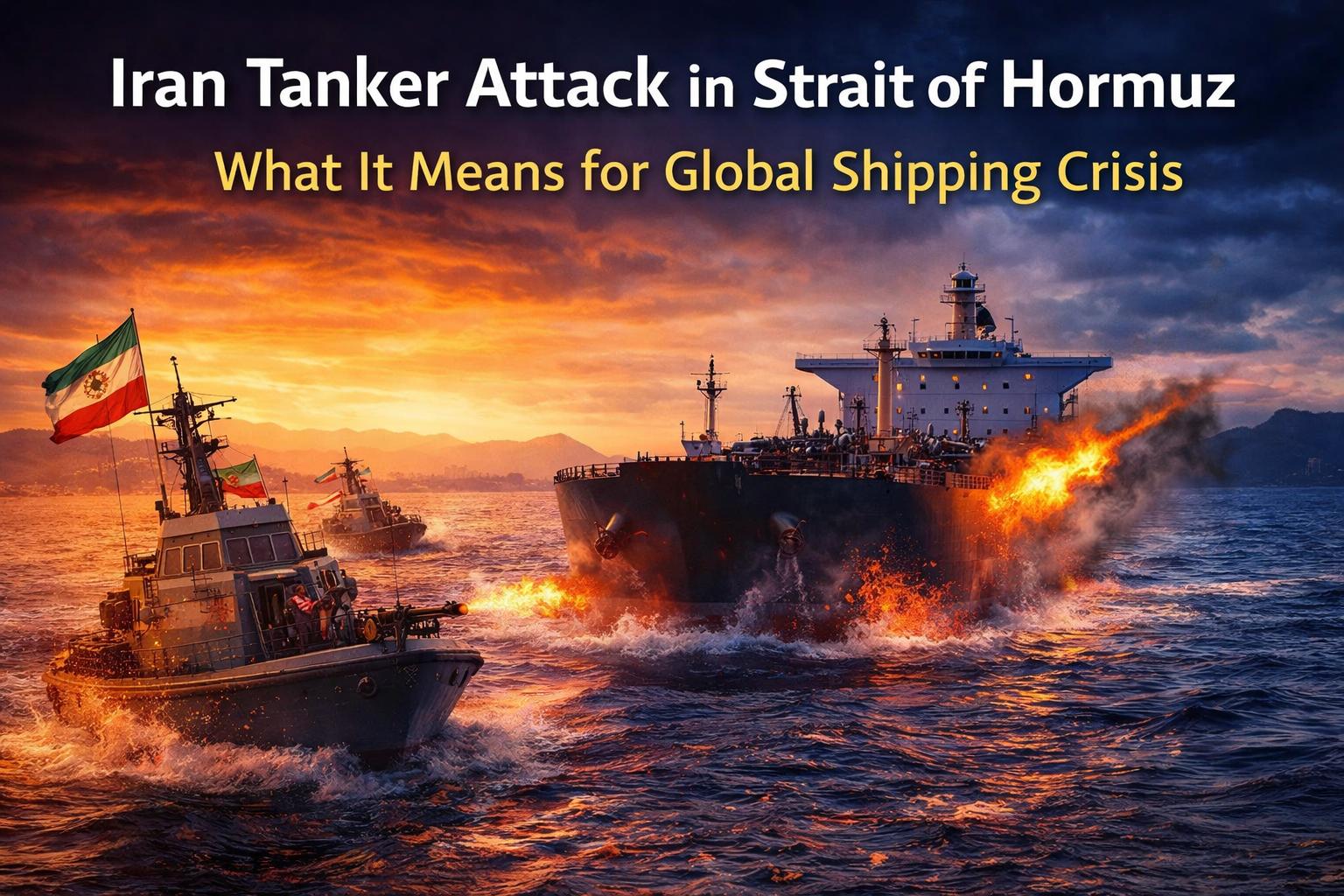
Iran tanker attack Strait of Hormuz signals renewed crisis in global shipping
Tensions in the Middle East escalated sharply after an Iran tanker attack in the Strait of Hormuz, raising fresh concerns about global oil supply and maritime safety. The incident comes as Iran reimposed restrictions on one of the world’s most critical shipping routes, just a day after signals of reopening.
Iranian gunboats fire on tanker near key oil route
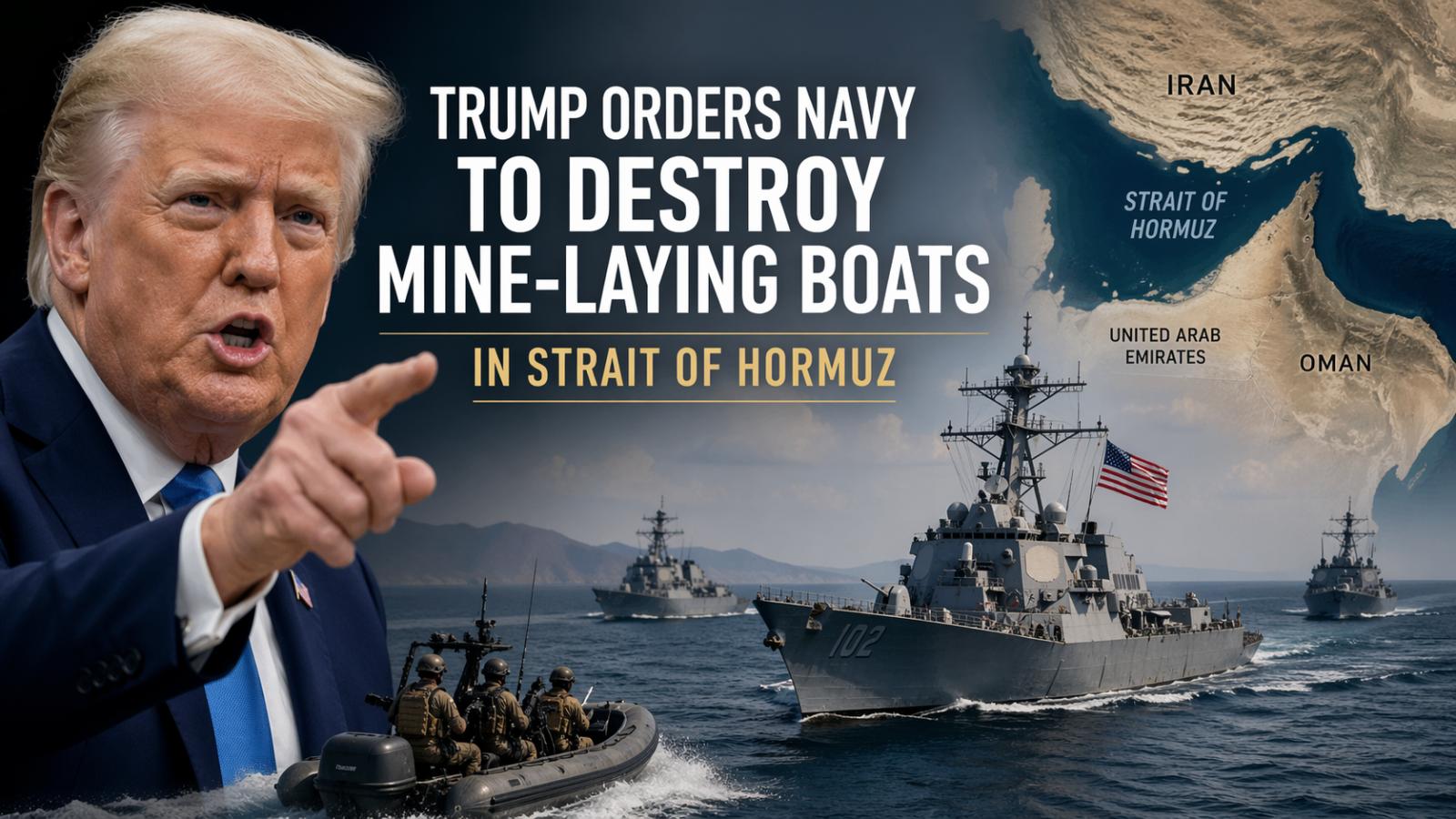
Two Iranian gunboats reportedly fired on a commercial tanker navigating the Strait of Hormuz. According to maritime authorities, the vessels approached the tanker without issuing any prior radio warning before opening fire.The incident occurred in waters between key Iranian islands, forcing the tanker to halt its passage. Despite the attack, the vessel and its crew remained safe, and authorities have launched an investigation into the encounter.At the same time, multiple ships attempting to cross the strait were warned via radio communication that passage was no longer permitted. Several vessels reportedly turned back after receiving the message.
Why the Strait of Hormuz crisis matters for the world
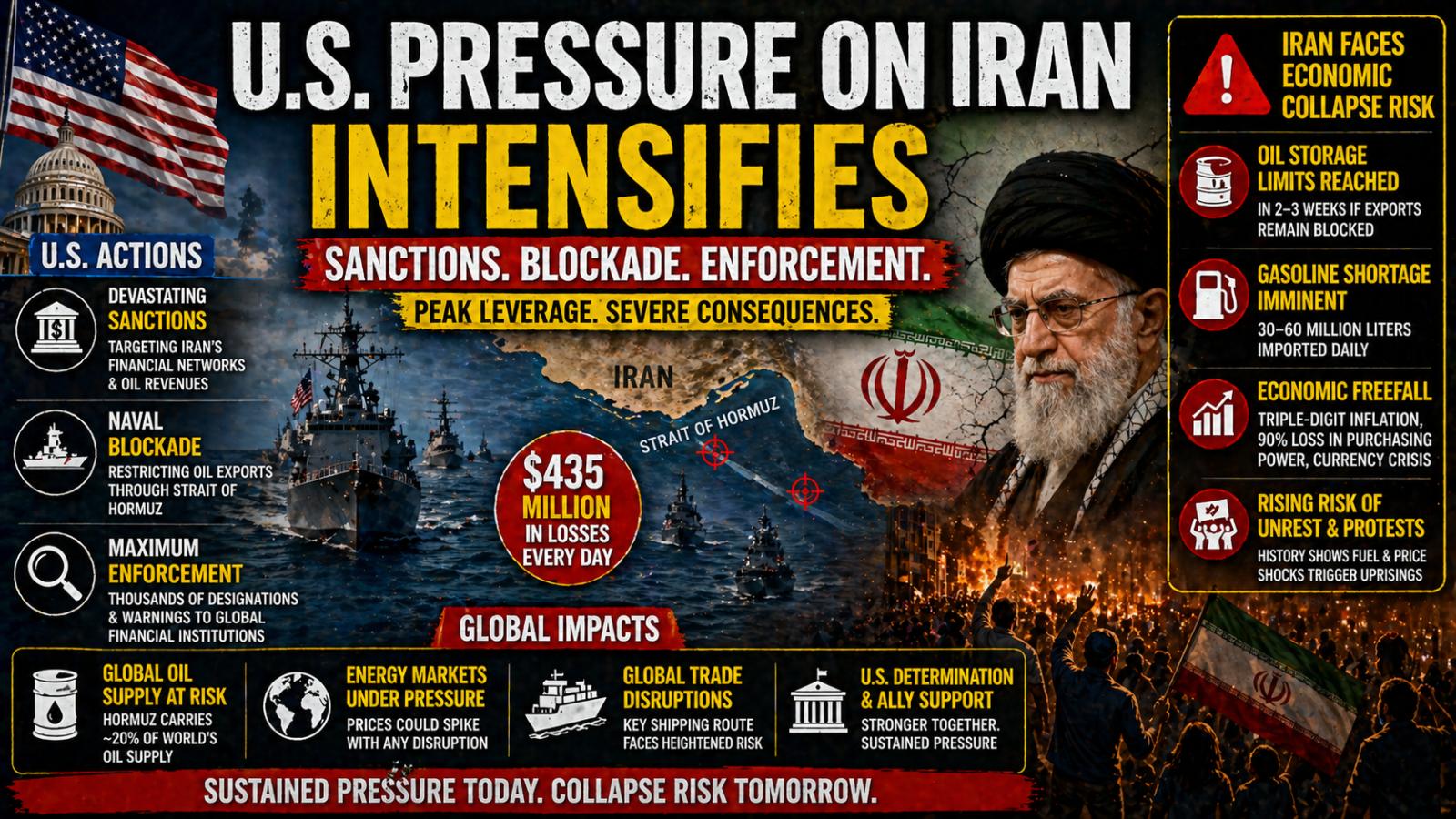
The Strait of Hormuz is one of the most strategically important waterways globally, handling nearly 20% of the world’s oil supply. Any disruption in this narrow passage can quickly impact fuel prices, supply chains, and economic stability worldwide.The renewed restrictions come amid ongoing tensions between Iran and the United States. Rising uncertainty in the region has already contributed to volatility in global energy markets, with potential ripple effects for countries heavily dependent on oil imports.
Escalating US-Iran tensions and maritime control
Iran’s military leadership announced that it had reasserted strict control over the strait, citing unresolved issues with U.S. policies. Officials stated that restrictions would remain in place until certain conditions related to maritime access are addressed.This development follows earlier announcements suggesting that the waterway would reopen. However, continued geopolitical friction has led to a rapid reversal, creating confusion and risk for international shipping operators.Tracking data indicated that multiple vessels altered their routes following the renewed restrictions, highlighting the immediate impact on global trade movement.
What happens next for global shipping and oil markets
Experts warn that if the situation continues, global oil prices could rise further due to supply uncertainty. Shipping companies may be forced to reroute vessels, increasing costs and delivery times.There is also a risk of further escalation if naval tensions intensify. Diplomatic efforts may play a key role in easing restrictions and restoring normal shipping operations in the region.For now, the Strait of Hormuz remains under tight control, and international markets are closely monitoring developments.
A fragile moment for global energy security
The Iran tanker attack in the Strait of Hormuz highlights how quickly geopolitical tensions can disrupt global trade. While no casualties were reported, the broader implications for energy markets and maritime security are significant.As the situation evolves, the balance between military actions and diplomatic solutions will determine whether the crisis deepens or stabilizes. For the global economy, the stakes could not be higher.