The conflict involving the United States, Israel and Iran continues to intensify across West Asia, with fighting that began on February 28 now spreading to several countries in the region. The escalation began after coordinated attacks by the United States and Israel on Iranian targets, which triggered retaliatory strikes and military responses that have gradually widened the scope of the conflict. Over the past several days, multiple Gulf nations have reported attacks and security incidents, raising concerns about broader regional instability and the possible consequences for global energy markets.
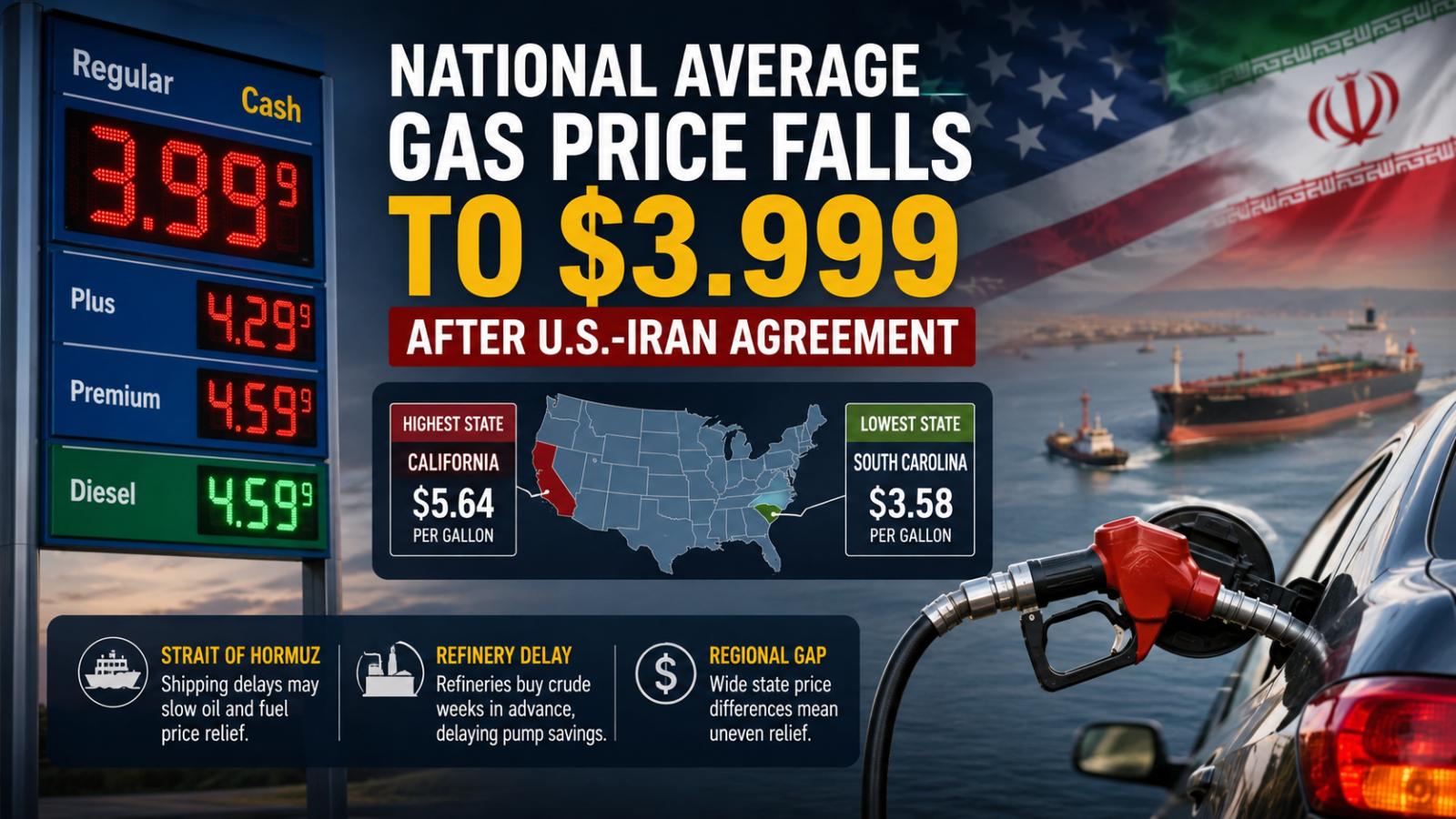
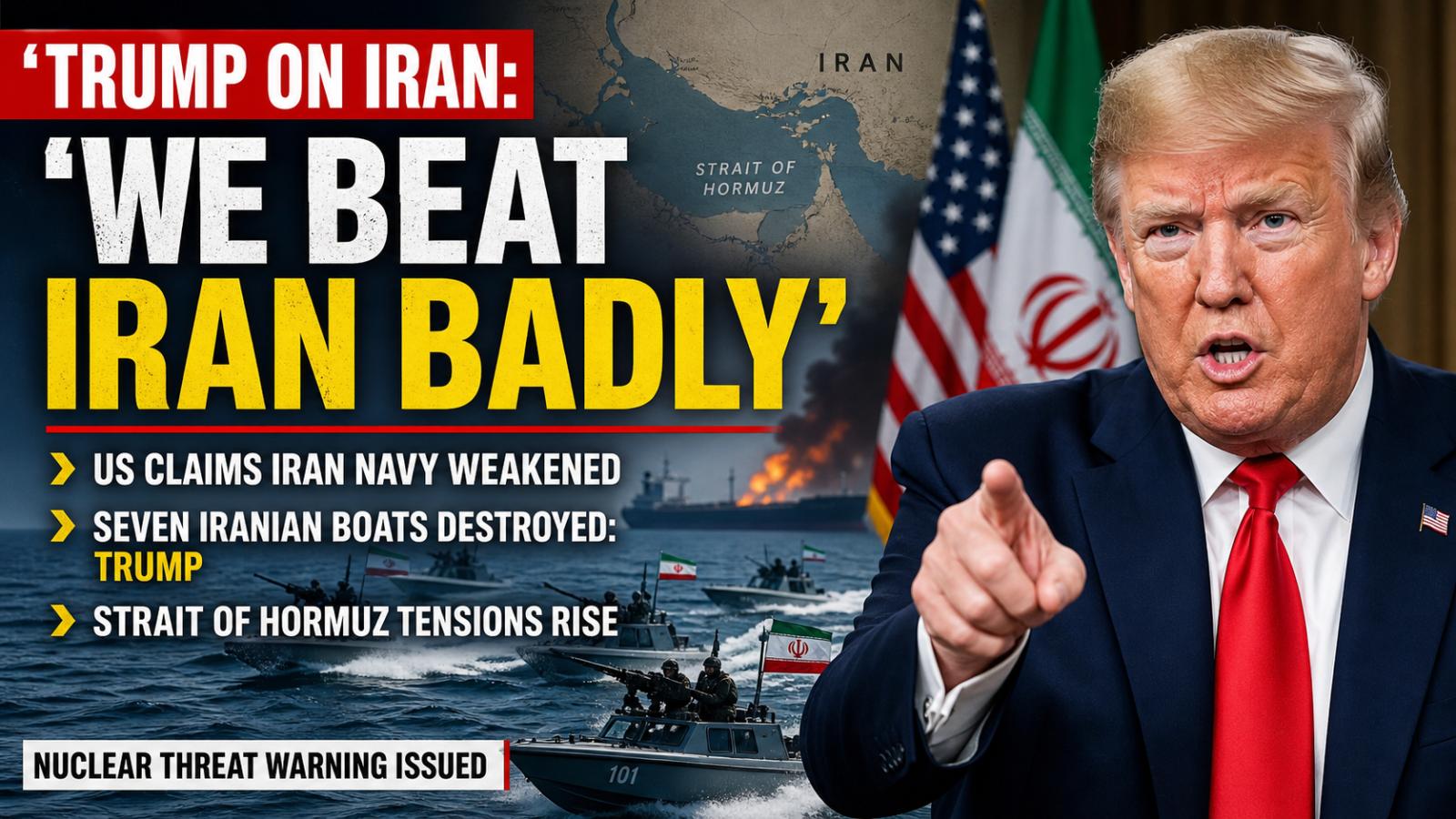
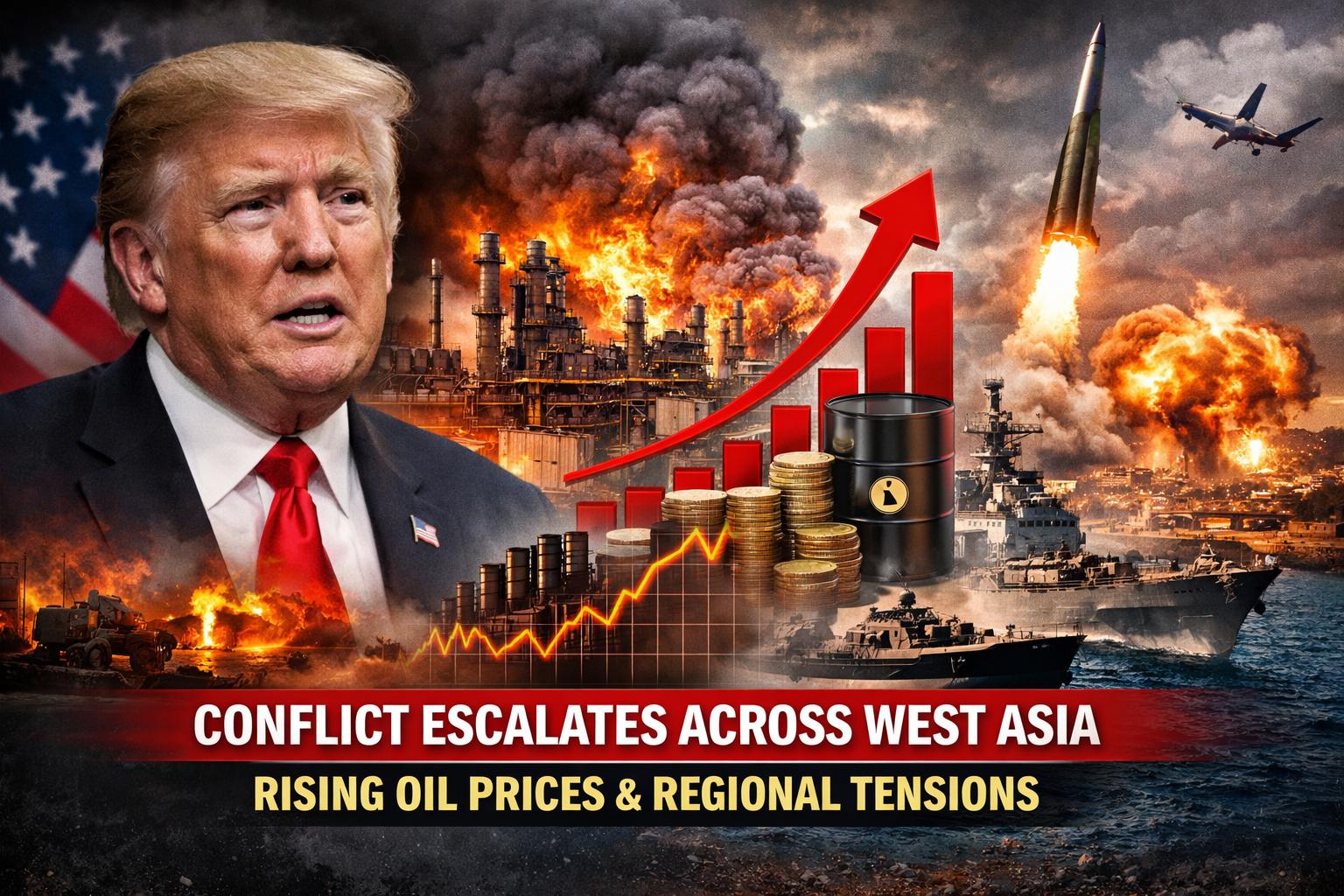
Amid rising economic concerns, US President Donald Trump said the United States has plans in place to deal with the surge in global oil prices caused by the ongoing conflict. As tensions increase and important energy facilities face potential threats, global markets have been closely watching developments in the region. Trump indicated that the administration is prepared for different scenarios and has strategies ready to address disruptions in oil supply if the situation continues to escalate.
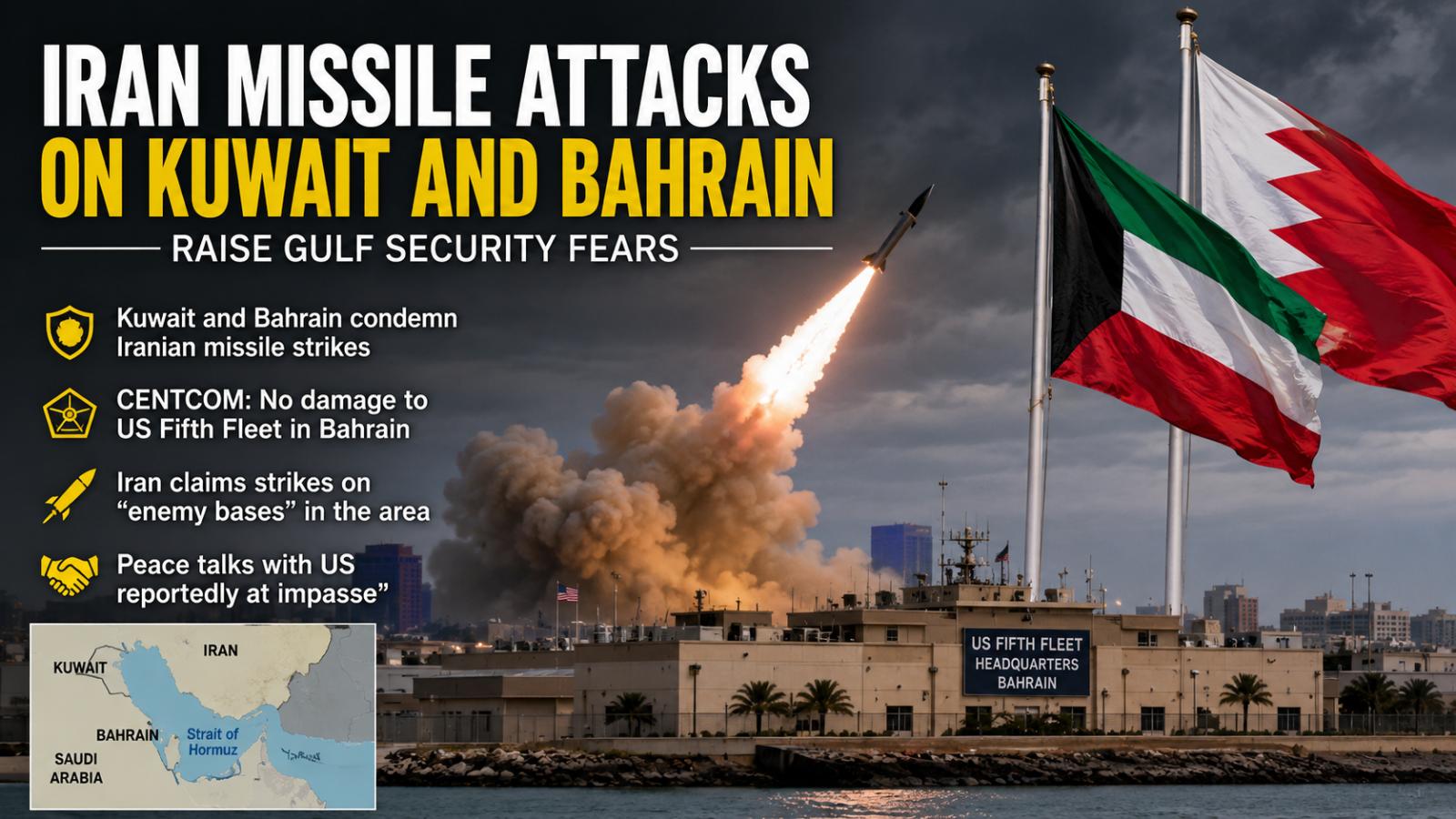
Since the start of the fighting, violence has spread beyond Iran and Israel, with incidents reported in Saudi Arabia, Bahrain, Iraq and Kuwait. Governments across the Gulf region have heightened security and activated air defence systems after reports of drone and missile attacks targeting strategic locations. Explosions were heard in Doha as Qatar and neighboring countries stepped up defensive measures in response to growing threats linked to the conflict.
Casualty figures from the conflict continue to rise as the fighting intensifies. Preliminary estimates suggest that around 1,332 people have been killed in Iran since the beginning of the war, while at least 11 people have died in Israel. The conflict has also resulted in the deaths of six US soldiers and nine people in various Gulf countries, reflecting how the violence has expanded across national borders and affected multiple regions.
Energy infrastructure has become one of the main targets during the escalation. Iranian strikes reportedly hit the Al Ma’ameer oil facility in Bahrain, causing a fire and damage to parts of the installation. Following the attack, the state energy company Bapco declared force majeure after key installations were targeted. The incident raised serious concerns about the stability of energy supplies in the Gulf, a region that plays a crucial role in global oil production.
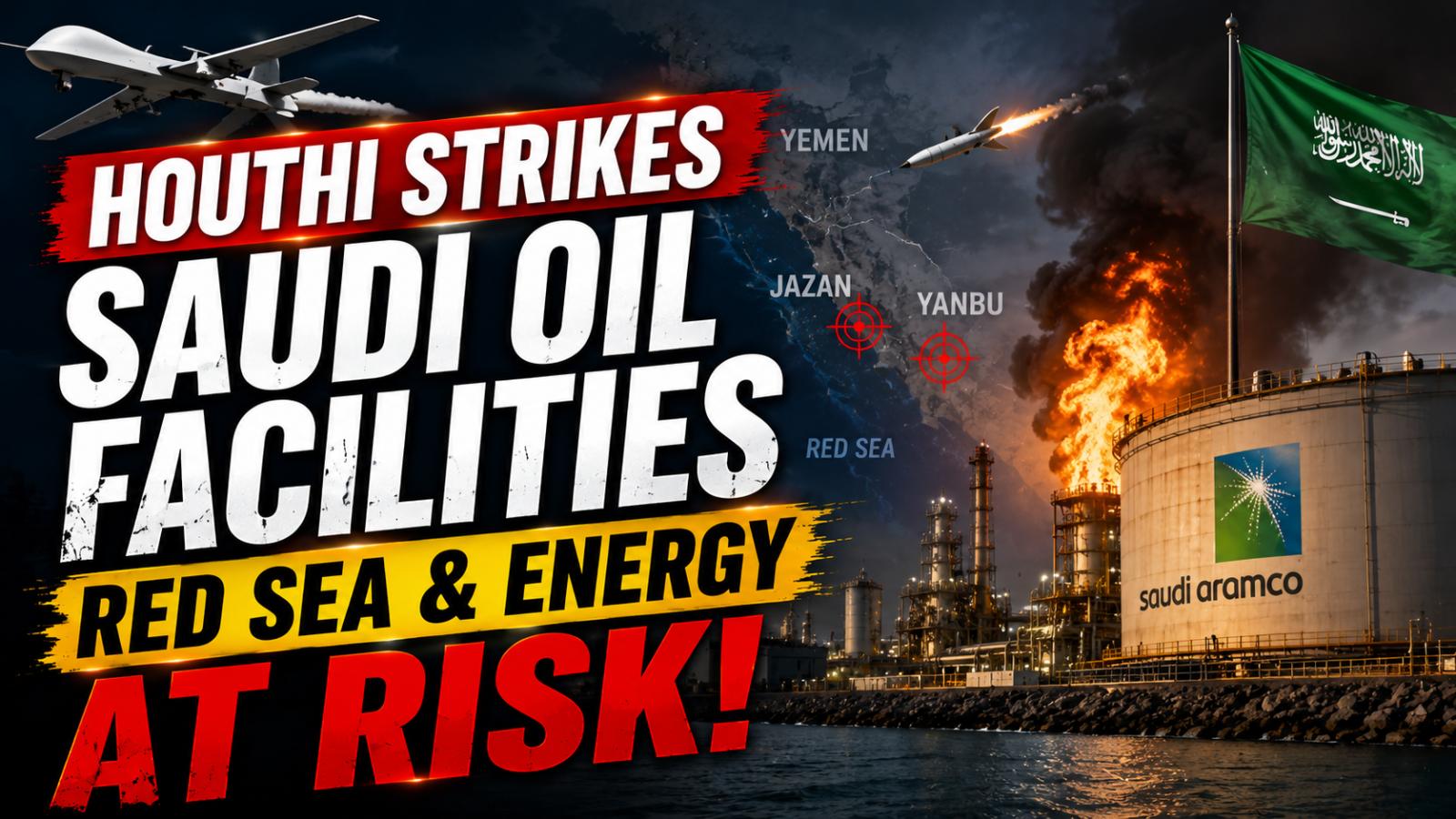
Saudi Arabia also reported that a drone targeting the Shaybah oil field was intercepted by its defence systems. Authorities said the drone was neutralized before it could cause major damage. The Saudi government strongly condemned the retaliatory strikes and described the attacks as unacceptable, warning that targeting critical infrastructure could destabilize the region further.
In Bahrain, the health ministry reported that an Iranian drone attack on Sitra island injured at least 32 civilians. The incident has heightened fears that civilian areas could increasingly become vulnerable as the conflict spreads. Governments in the region have since increased security around vital locations including oil facilities, ports and major urban areas to prevent further damage.
The conflict has also drawn criticism from international human rights organizations over the conduct of military operations. Allegations have emerged regarding the use of white phosphorus in residential areas during recent military strikes in southern Lebanon. Such accusations have intensified international scrutiny of the conflict and raised concerns about the potential impact on civilian populations.
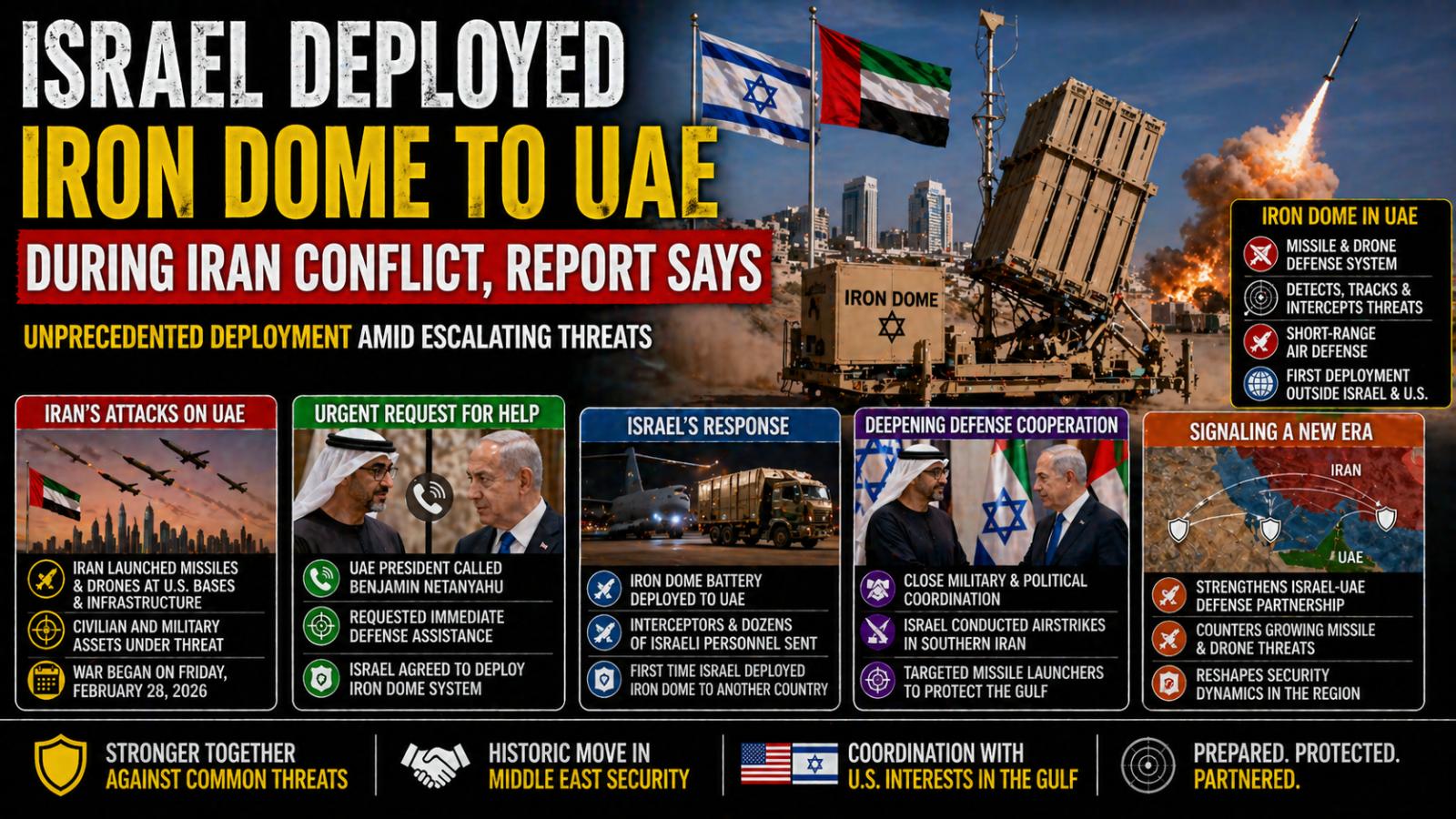
Israel has stated that it carried out strikes targeting what it described as regime infrastructure inside Iran. According to officials, the attacks included security command centres and missile launch sites located in central parts of the country. These strikes were presented as part of efforts to weaken Iran’s military capabilities and reduce the threat posed by its missile systems.
At the same time, several Gulf nations remain on high alert as the conflict continues to unfold. Air defence systems have been activated in Qatar, Saudi Arabia, the United Arab Emirates and Kuwait following reports of incoming aerial threats. The sound of explosions reported in parts of the region has increased anxiety among residents and authorities as they prepare for the possibility of further escalation.
With attacks spreading across several countries and energy infrastructure increasingly under threat, the conflict has raised serious concerns about both regional stability and global economic repercussions. The Gulf region remains one of the most important energy hubs in the world, and any prolonged disruption could significantly affect international oil markets and supply chains.
As diplomatic efforts struggle to keep pace with the rapidly evolving crisis, governments around the world are closely monitoring developments. The key question remains whether the conflict can be contained or whether it will continue to expand further across West Asia, potentially drawing more countries into an already volatile situation and increasing the risks to global security and economic stability.
Amid rising economic concerns, US President Donald Trump said the United States has plans in place to deal with the surge in global oil prices caused by the ongoing conflict. As tensions increase and important energy facilities face potential threats, global markets have been closely watching developments in the region. Trump indicated that the administration is prepared for different scenarios and has strategies ready to address disruptions in oil supply if the situation continues to escalate.
Since the start of the fighting, violence has spread beyond Iran and Israel, with incidents reported in Saudi Arabia, Bahrain, Iraq and Kuwait. Governments across the Gulf region have heightened security and activated air defence systems after reports of drone and missile attacks targeting strategic locations. Explosions were heard in Doha as Qatar and neighboring countries stepped up defensive measures in response to growing threats linked to the conflict.
Casualty figures from the conflict continue to rise as the fighting intensifies. Preliminary estimates suggest that around 1,332 people have been killed in Iran since the beginning of the war, while at least 11 people have died in Israel. The conflict has also resulted in the deaths of six US soldiers and nine people in various Gulf countries, reflecting how the violence has expanded across national borders and affected multiple regions.
Energy infrastructure has become one of the main targets during the escalation. Iranian strikes reportedly hit the Al Ma’ameer oil facility in Bahrain, causing a fire and damage to parts of the installation. Following the attack, the state energy company Bapco declared force majeure after key installations were targeted. The incident raised serious concerns about the stability of energy supplies in the Gulf, a region that plays a crucial role in global oil production.
Saudi Arabia also reported that a drone targeting the Shaybah oil field was intercepted by its defence systems. Authorities said the drone was neutralized before it could cause major damage. The Saudi government strongly condemned the retaliatory strikes and described the attacks as unacceptable, warning that targeting critical infrastructure could destabilize the region further.
In Bahrain, the health ministry reported that an Iranian drone attack on Sitra island injured at least 32 civilians. The incident has heightened fears that civilian areas could increasingly become vulnerable as the conflict spreads. Governments in the region have since increased security around vital locations including oil facilities, ports and major urban areas to prevent further damage.
The conflict has also drawn criticism from international human rights organizations over the conduct of military operations. Allegations have emerged regarding the use of white phosphorus in residential areas during recent military strikes in southern Lebanon. Such accusations have intensified international scrutiny of the conflict and raised concerns about the potential impact on civilian populations.
Israel has stated that it carried out strikes targeting what it described as regime infrastructure inside Iran. According to officials, the attacks included security command centres and missile launch sites located in central parts of the country. These strikes were presented as part of efforts to weaken Iran’s military capabilities and reduce the threat posed by its missile systems.
At the same time, several Gulf nations remain on high alert as the conflict continues to unfold. Air defence systems have been activated in Qatar, Saudi Arabia, the United Arab Emirates and Kuwait following reports of incoming aerial threats. The sound of explosions reported in parts of the region has increased anxiety among residents and authorities as they prepare for the possibility of further escalation.
With attacks spreading across several countries and energy infrastructure increasingly under threat, the conflict has raised serious concerns about both regional stability and global economic repercussions. The Gulf region remains one of the most important energy hubs in the world, and any prolonged disruption could significantly affect international oil markets and supply chains.
As diplomatic efforts struggle to keep pace with the rapidly evolving crisis, governments around the world are closely monitoring developments. The key question remains whether the conflict can be contained or whether it will continue to expand further across West Asia, potentially drawing more countries into an already volatile situation and increasing the risks to global security and economic stability.