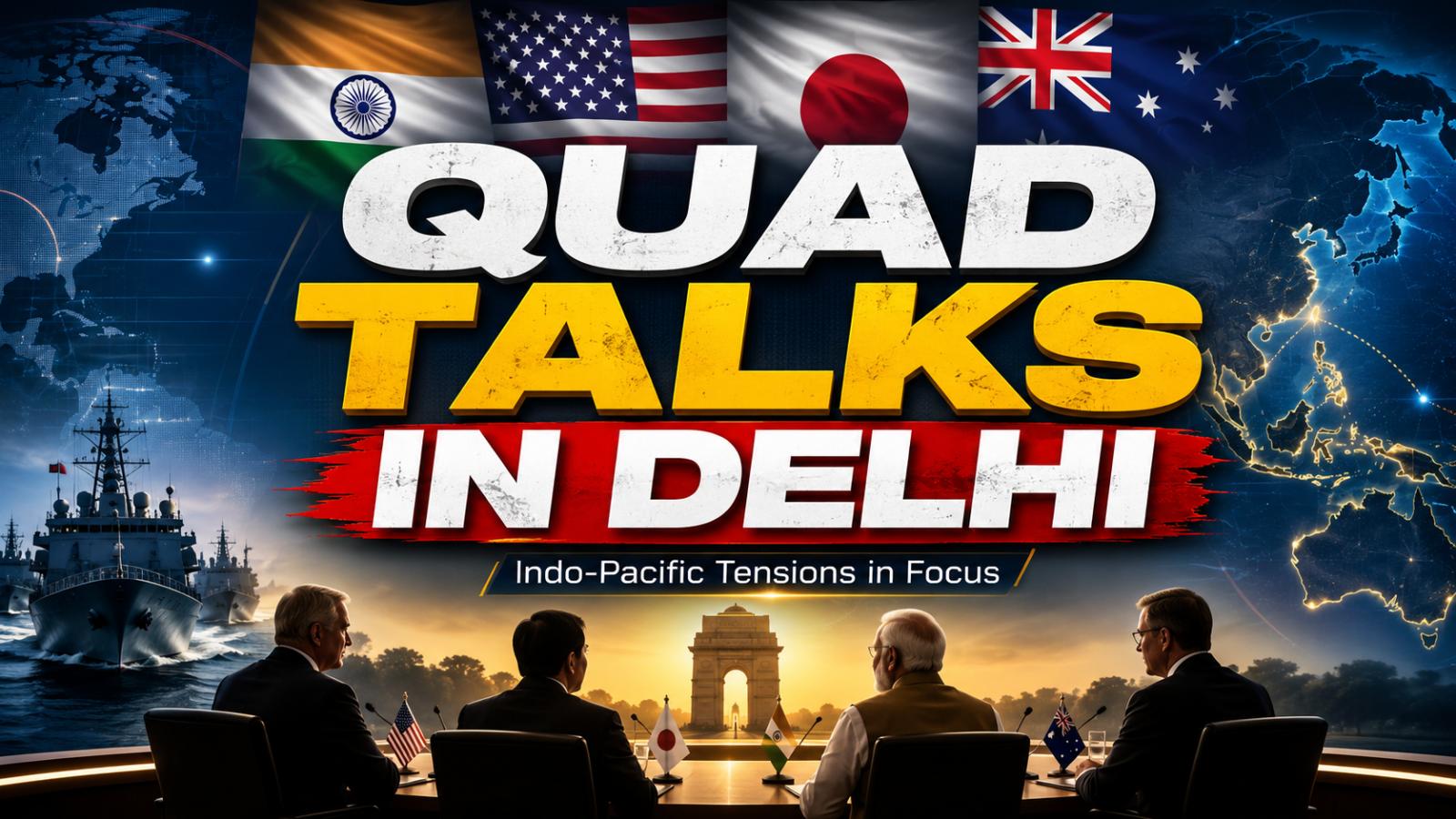
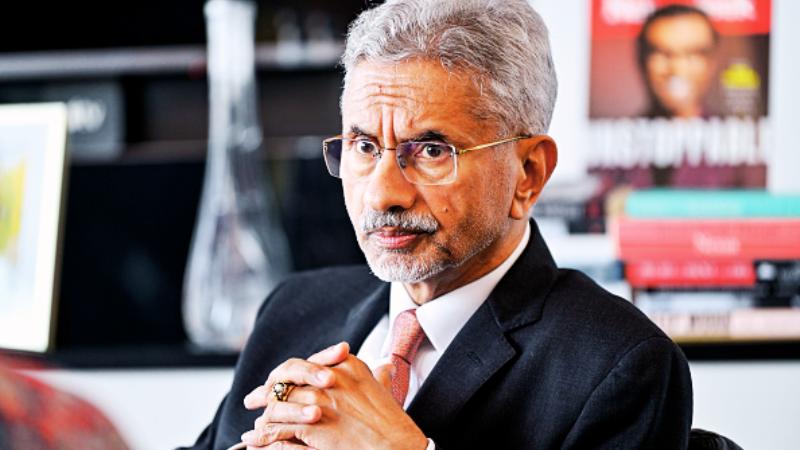
India is hosting the Quad foreign ministers’ meeting in New Delhi on May 26, 2026, bringing together senior leaders from India, the United States, Japan and Australia. External Affairs Minister S. Jaishankar is chairing the meeting, with U.S. Secretary of State Marco Rubio, Australian Foreign Minister Penny Wong and Japanese Foreign Minister Toshimitsu Motegi attending the talks. The participation details are confirmed by India’s Ministry of External Affairs.
The meeting comes a
India is hosting the Quad foreign ministers’ meeting in New Delhi on May 26, 2026, bringing together senior leaders from India, the United States, Japan and Australia. External Affairs Minister S. Jaishankar is chairing the meeting, with U.S. Secretary of State Marco Rubio, Australian Foreign Minister Penny Wong and Japanese Foreign Minister Toshimitsu Motegi attending the talks. The participation details are confirmed by India’s Ministry of External Affairs.
The meeting comes a
Marco Rubio Arrives in India for Strategic Talks
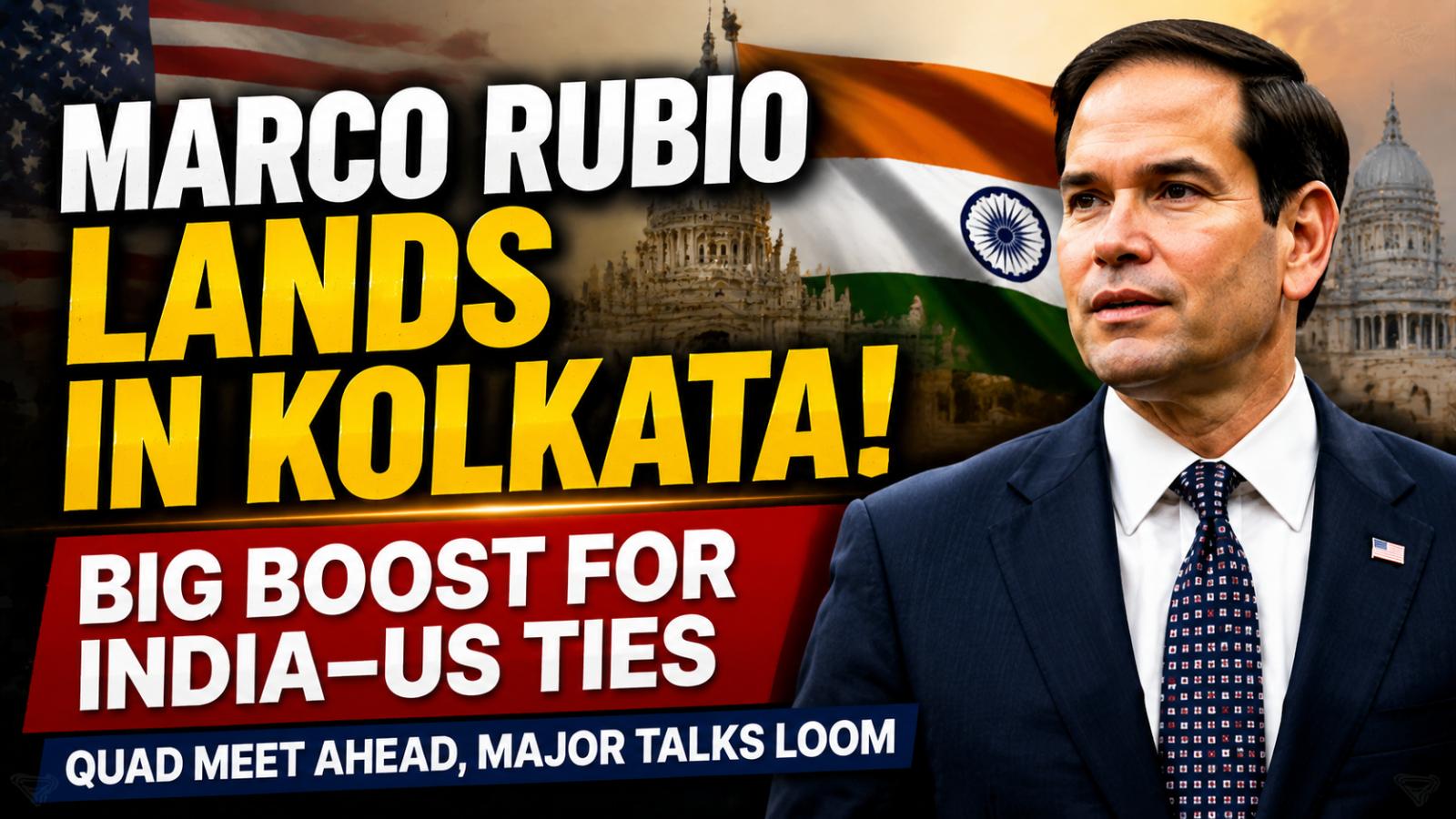
US Secretary of State Marco Rubio arrived in Kolkata on Saturday, May 23, marking his first official visit to India. The trip represents a significant step in strengthening bilateral relations between Washington and New Delhi, especially amid rising geopolitical tensions across the Indo-Pacific and West Asia. Rubio’s visit comes just days ahead of the QUAD foreign ministers
Marco Rubio Arrives in India for Strategic Talks
US Secretary of State Marco Rubio arrived in Kolkata on Saturday, May 23, marking his first official visit to India. The trip represents a significant step in strengthening bilateral relations between Washington and New Delhi, especially amid rising geopolitical tensions across the Indo-Pacific and West Asia. Rubio’s visit comes just days ahead of the QUAD foreign ministers
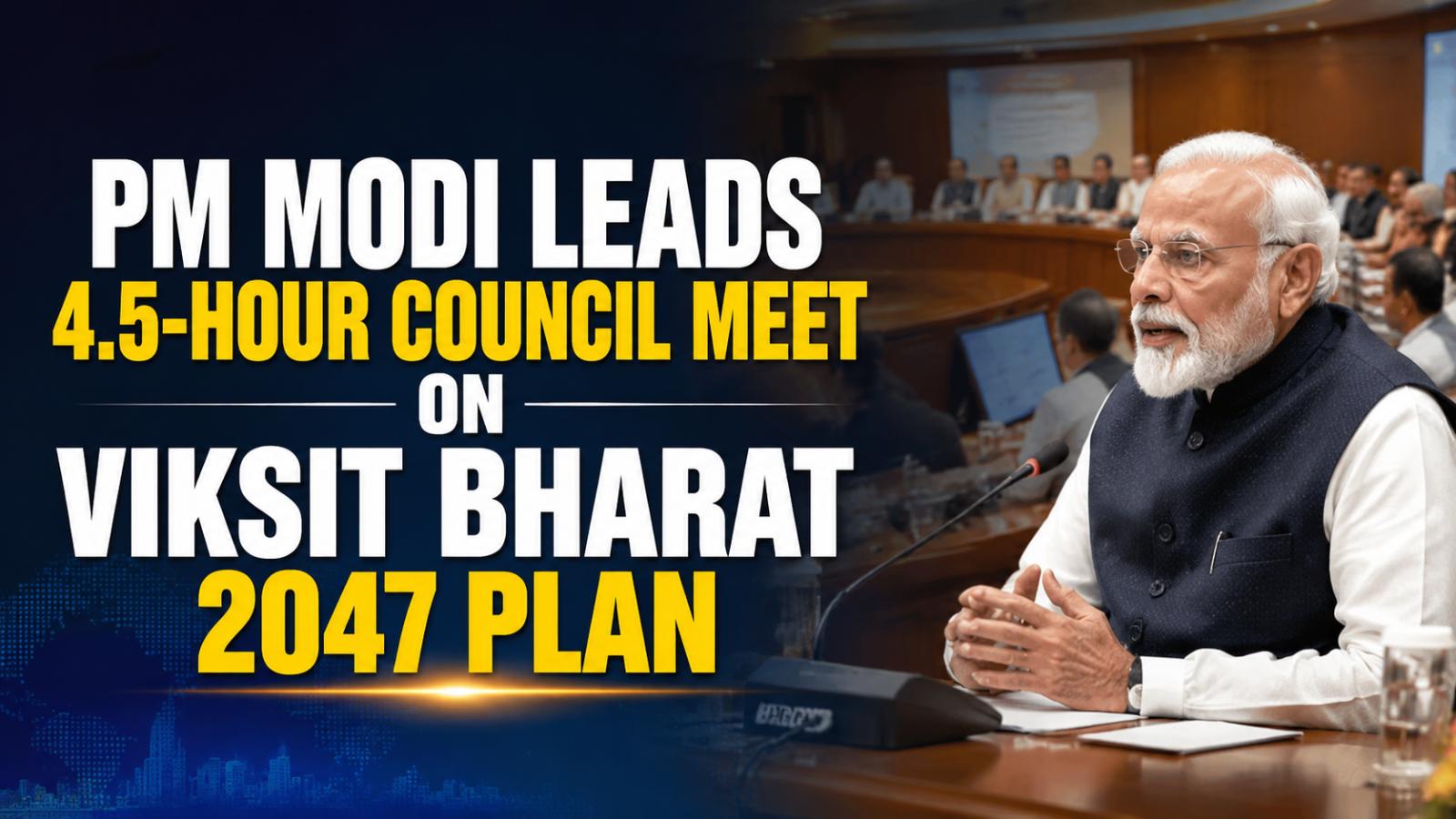
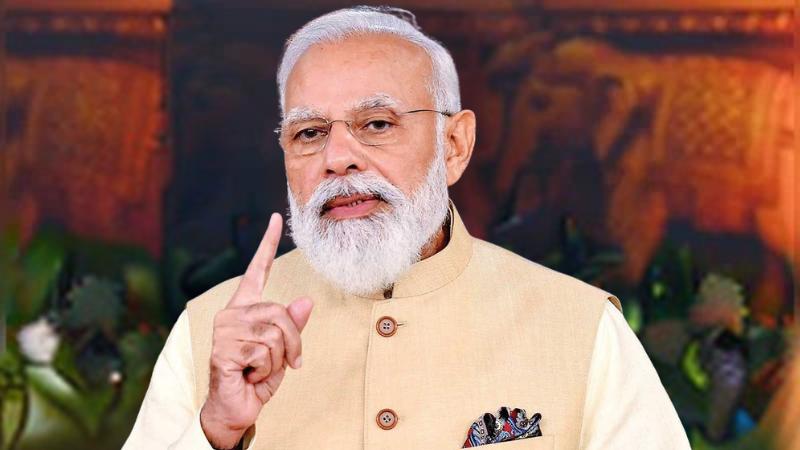
Prime Minister Narendra Modi chaired a focused Council of Ministers meeting lasting around 4.5 hours, demonstrating India’s commitment to achieving the long-term Viksit Bharat 2047 development plan. Senior cabinet ministers discussed strategies for administrative reform, governance efficiency, and citizen-centric initiatives.
Key Focus Areas of the Meeting
Administrative Reforms: Streamlining government services, reducing bureaucrac
Prime Minister Narendra Modi chaired a focused Council of Ministers meeting lasting around 4.5 hours, demonstrating India’s commitment to achieving the long-term Viksit Bharat 2047 development plan. Senior cabinet ministers discussed strategies for administrative reform, governance efficiency, and citizen-centric initiatives.
Key Focus Areas of the Meeting
Administrative Reforms: Streamlining government services, reducing bureaucrac
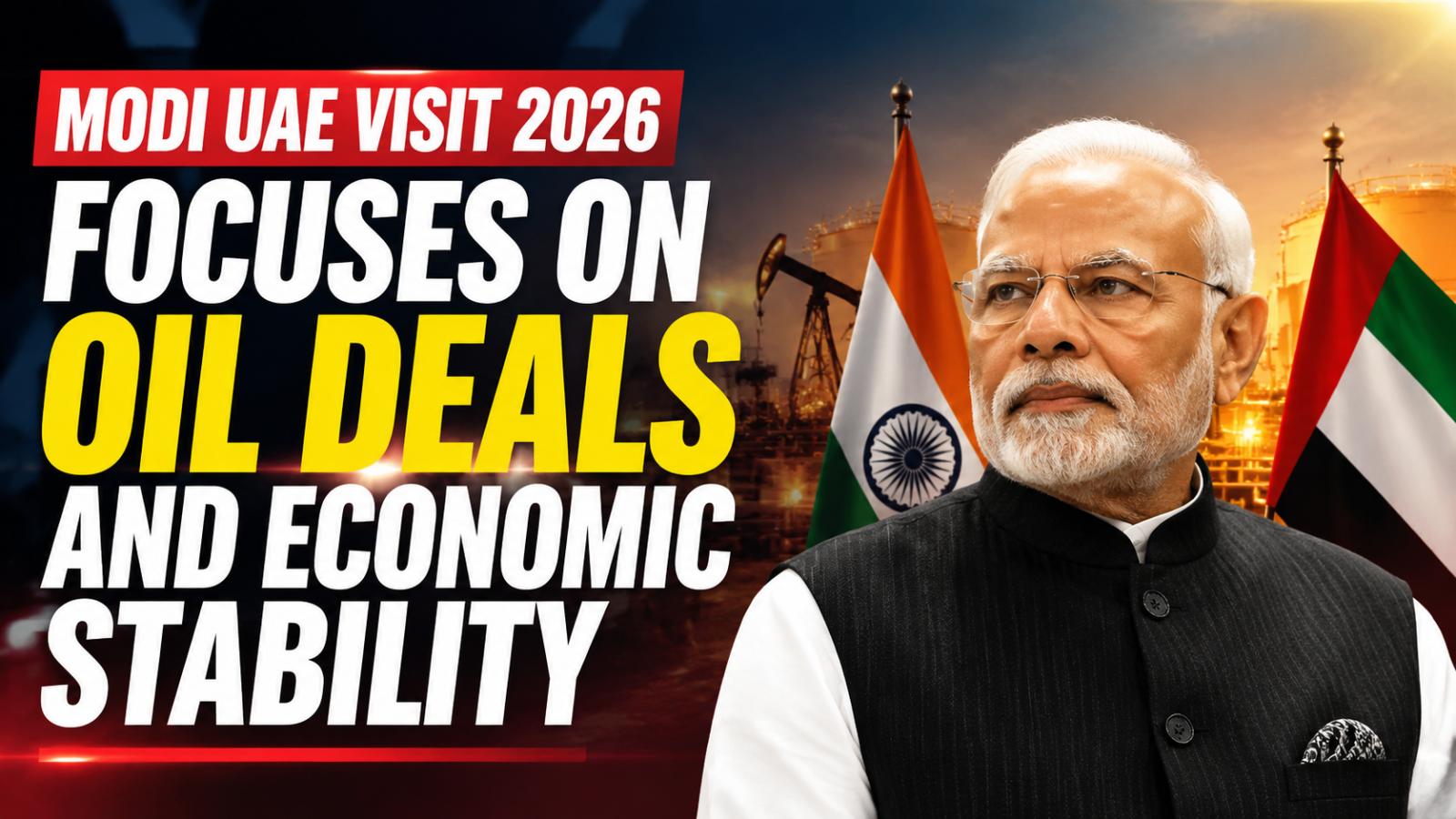
Prime Minister Modi’s brief UAE visit on May 15, 2026, focuses on securing oil, LPG, and trade deals to stabilize India’s economy amid West Asia tensions. The trip aims to protect citizens from rising fuel prices and strengthen strategic energy partnerships.
Modi’s UAE Visit: A Crucial Energy Mission
On May 15, 2026, Indian citizens witnessed a sudden petrol and diesel pri
Prime Minister Modi’s brief UAE visit on May 15, 2026, focuses on securing oil, LPG, and trade deals to stabilize India’s economy amid West Asia tensions. The trip aims to protect citizens from rising fuel prices and strengthen strategic energy partnerships.
Modi’s UAE Visit: A Crucial Energy Mission
On May 15, 2026, Indian citizens witnessed a sudden petrol and diesel pri
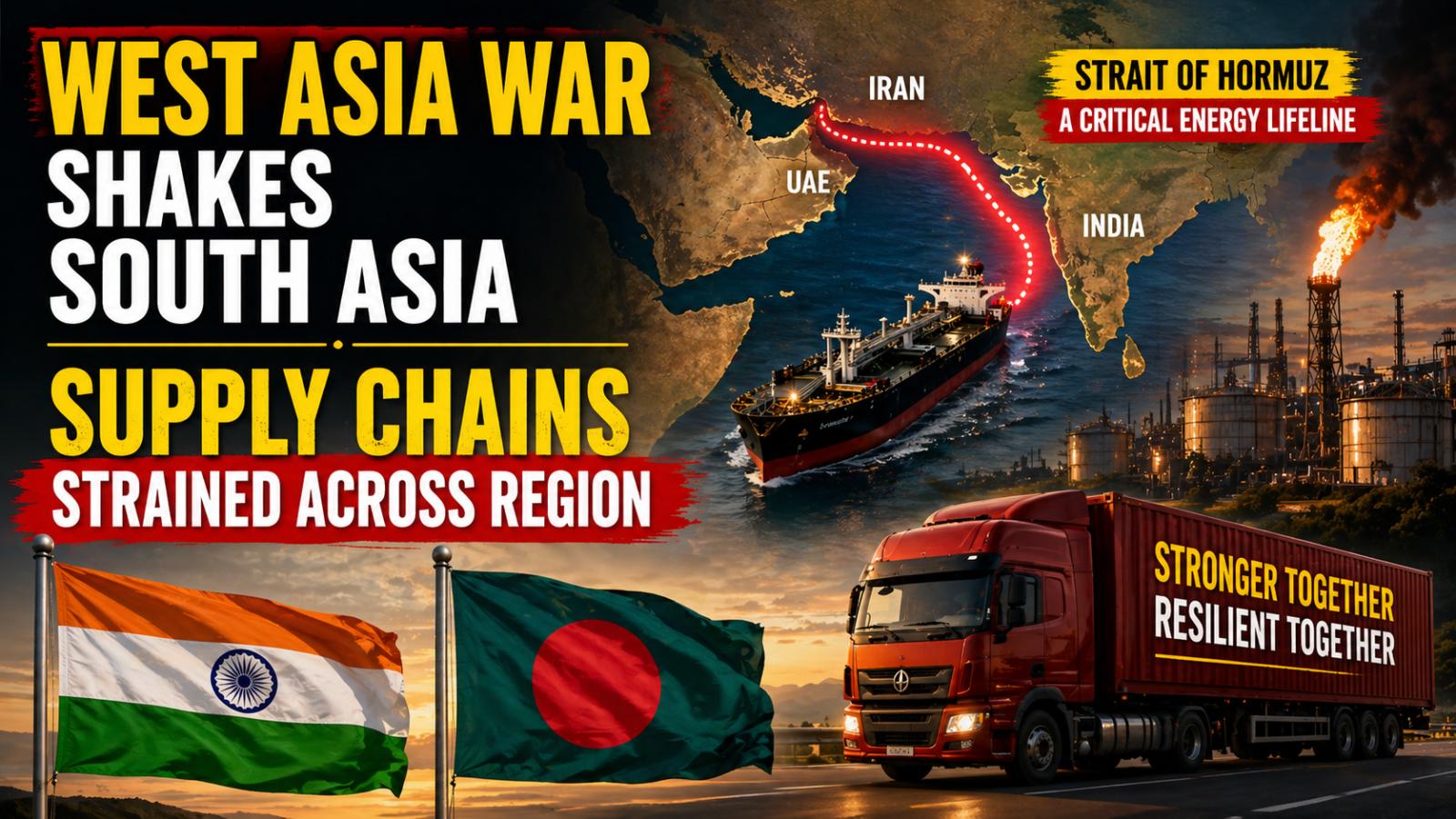
The war in West Asia and disruptions in the Strait of Hormuz have triggered widespread supply chain instability across South Asia, affecting energy security, economic stability, and regional cooperation. Countries across the subcontinent, heavily reliant on hydrocarbon imports from West Asia, are facing rising costs, reduced industrial competitiveness, and increased household expenditures as critical supply routes remain constrained.
Fuel shortages and economic strain acros
The war in West Asia and disruptions in the Strait of Hormuz have triggered widespread supply chain instability across South Asia, affecting energy security, economic stability, and regional cooperation. Countries across the subcontinent, heavily reliant on hydrocarbon imports from West Asia, are facing rising costs, reduced industrial competitiveness, and increased household expenditures as critical supply routes remain constrained.
Fuel shortages and economic strain acros
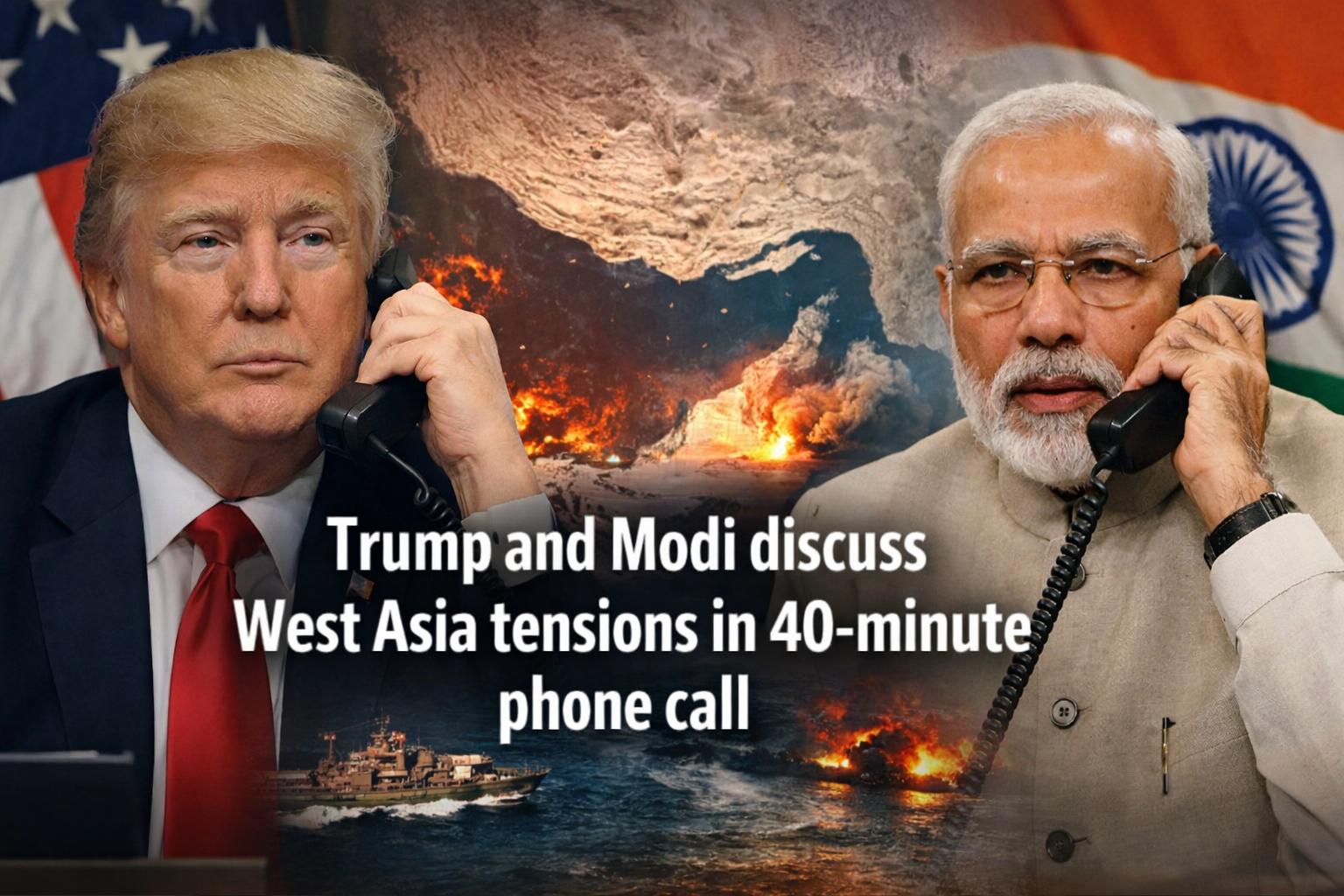
United States President Donald Trump on Thursday said he had a “very good conversation” with Indian Prime Minister Narendra Modi, describing the discussion as constructive and reaffirming strong ties between the two nations. The leaders spoke for approximately 40 minutes, focusing on regional security
United States President Donald Trump on Thursday said he had a “very good conversation” with Indian Prime Minister Narendra Modi, describing the discussion as constructive and reaffirming strong ties between the two nations. The leaders spoke for approximately 40 minutes, focusing on regional security
Prime Minister Narendra Modi is set to chair an extended meeting of the Cabinet Committee on Security (CCS) on 1st April 2026 at 7 pm, aiming to review the ongoing situation in West Asia and its potential consequences for India’s energy security, supply chains, and overall macroeconomic stability. The meeting comes shortly after the March 22 review, where the government conducted an assessment of essential commodities like food, fertilisers, fuel, and power in light of the escalating confli
Prime Minister Narendra Modi is set to chair an extended meeting of the Cabinet Committee on Security (CCS) on 1st April 2026 at 7 pm, aiming to review the ongoing situation in West Asia and its potential consequences for India’s energy security, supply chains, and overall macroeconomic stability. The meeting comes shortly after the March 22 review, where the government conducted an assessment of essential commodities like food, fertilisers, fuel, and power in light of the escalating confli
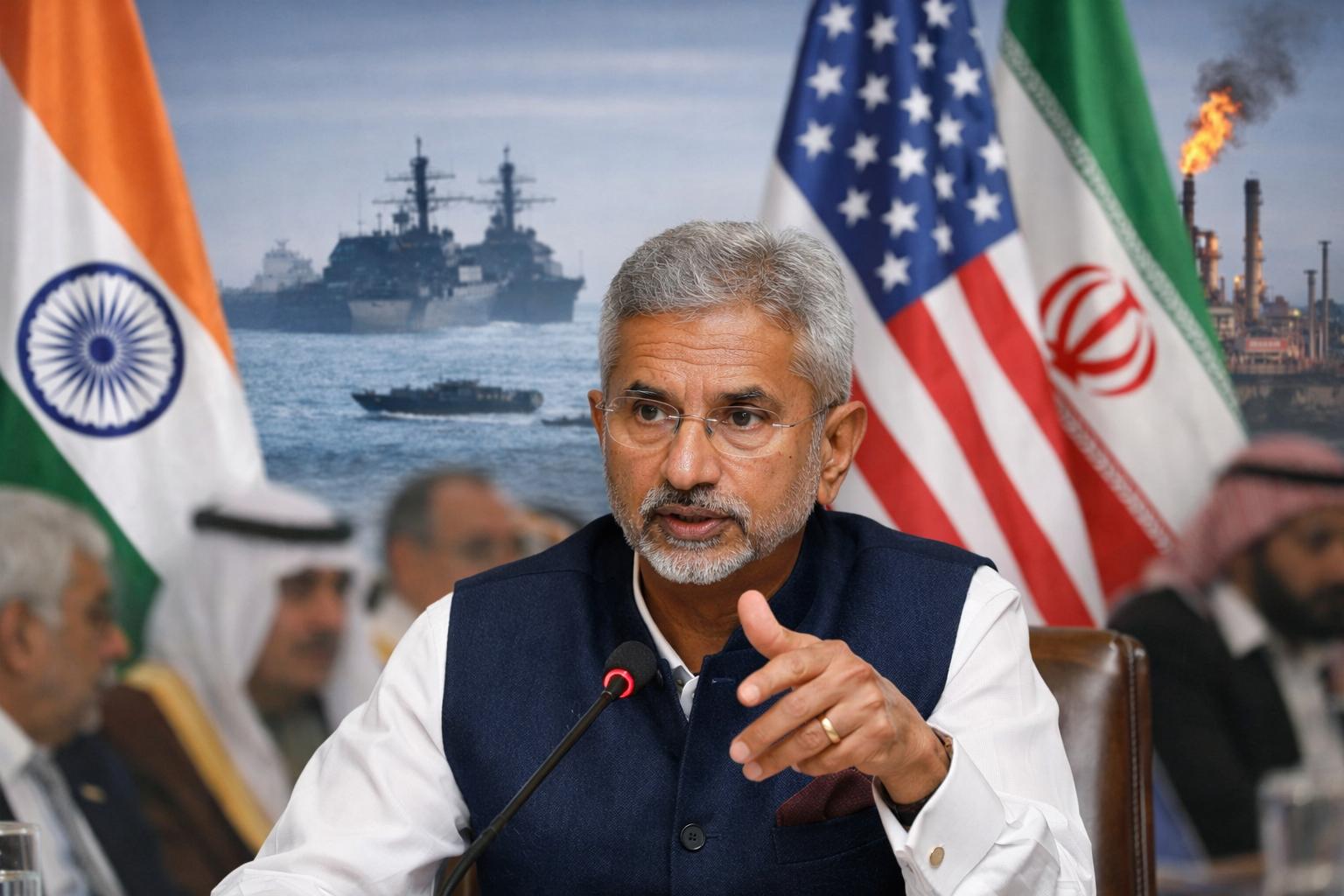
India has firmly ruled out any role as a mediator in the ongoing tensions between the United States and Iran, with External Affairs Minister S Jaishankar stating that New Delhi does not engage in diplomatic brokerage. His remarks came during an all-party meeting convened to brief political leaders on the government’s approach to the escalating West Asia crisis and its implications for India’s strategic interests.
Addressing concerns raised by opposition leaders, Jaishankar clarified that India’s foreign policy is guided by its national priorities rather than intermediary roles. He noted that attempts by countries such as Pakistan to position themselves as mediators are not new, adding that such efforts have historically aligned with external interests. Government sources emphasized that India has been actively responding to developments in the region and rejected claims that it has remained silent.
The meeting also focused on India’s preparedness in ensuring energy security and safeguarding its citizens in the Gulf region. Officials highlighted that maintaining stable crude oil supplies remains a key priority, particularly as tensions threaten critical shipping routes such as the Strait of Hormuz. The government informed leaders that advance procurement measures have been taken and that India is currently sourcing oil and gas from a diversified network of 41 countries to mitigate risks.
Participants were also briefed on maritime developments, including the safe passage of several India-bound vessels carrying petroleum products through the Strait of Hormuz, while others remain in the vicinity awaiting clearance. The government described these developments as a reflection of effective coordination and diplomatic engagement.
On diplomatic outreach, the government reiterated that India maintains balanced relations with all major stakeholders in the region, including the United States, Iran, and Israel. It also underscored steps taken to convey condolences following recent developments in Iran, indicating continued engagement at the diplomatic level.
Despite these assurances, opposition leaders expressed dissatisfaction with the government’s responses and called for a detailed discussion in Parliament. The government, however, maintained that the situation is under control and there is no immediate cause for concern, reiterating its commitment to protecting national interests amid evolving geopolitical challenges.
India has firmly ruled out any role as a mediator in the ongoing tensions between the United States and Iran, with External Affairs Minister S Jaishankar stating that New Delhi does not engage in diplomatic brokerage. His remarks came during an all-party meeting convened to brief political leaders on the government’s approach to the escalating West Asia crisis and its implications for India’s strategic interests.
Addressing concerns raised by opposition leaders, Jaishankar clarified that India’s foreign policy is guided by its national priorities rather than intermediary roles. He noted that attempts by countries such as Pakistan to position themselves as mediators are not new, adding that such efforts have historically aligned with external interests. Government sources emphasized that India has been actively responding to developments in the region and rejected claims that it has remained silent.
The meeting also focused on India’s preparedness in ensuring energy security and safeguarding its citizens in the Gulf region. Officials highlighted that maintaining stable crude oil supplies remains a key priority, particularly as tensions threaten critical shipping routes such as the Strait of Hormuz. The government informed leaders that advance procurement measures have been taken and that India is currently sourcing oil and gas from a diversified network of 41 countries to mitigate risks.
Participants were also briefed on maritime developments, including the safe passage of several India-bound vessels carrying petroleum products through the Strait of Hormuz, while others remain in the vicinity awaiting clearance. The government described these developments as a reflection of effective coordination and diplomatic engagement.
On diplomatic outreach, the government reiterated that India maintains balanced relations with all major stakeholders in the region, including the United States, Iran, and Israel. It also underscored steps taken to convey condolences following recent developments in Iran, indicating continued engagement at the diplomatic level.
Despite these assurances, opposition leaders expressed dissatisfaction with the government’s responses and called for a detailed discussion in Parliament. The government, however, maintained that the situation is under control and there is no immediate cause for concern, reiterating its commitment to protecting national interests amid evolving geopolitical challenges.
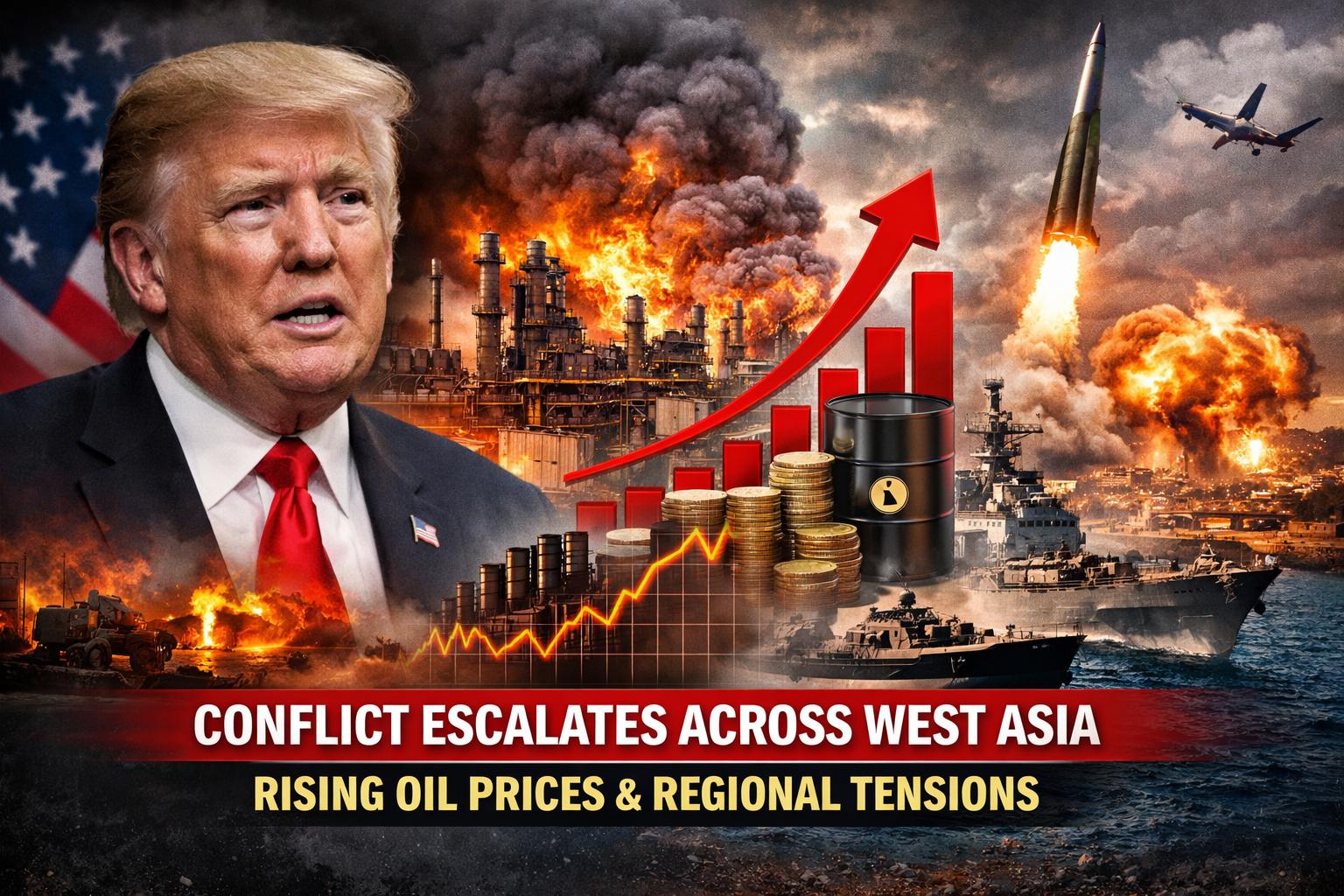
The conflict involving the United States, Israel and Iran continues to intensify across West Asia, with fighting that began on February 28 now spreading to several countries in the region. The escalation began after coordinated attacks by the United States and Israel on Iranian targets, which triggered retaliatory strikes and military responses that have gradually widened the scope of the conflict. Over the past several days, multiple Gulf nations have reported attacks and security incidents, ra
The conflict involving the United States, Israel and Iran continues to intensify across West Asia, with fighting that began on February 28 now spreading to several countries in the region. The escalation began after coordinated attacks by the United States and Israel on Iranian targets, which triggered retaliatory strikes and military responses that have gradually widened the scope of the conflict. Over the past several days, multiple Gulf nations have reported attacks and security incidents, ra
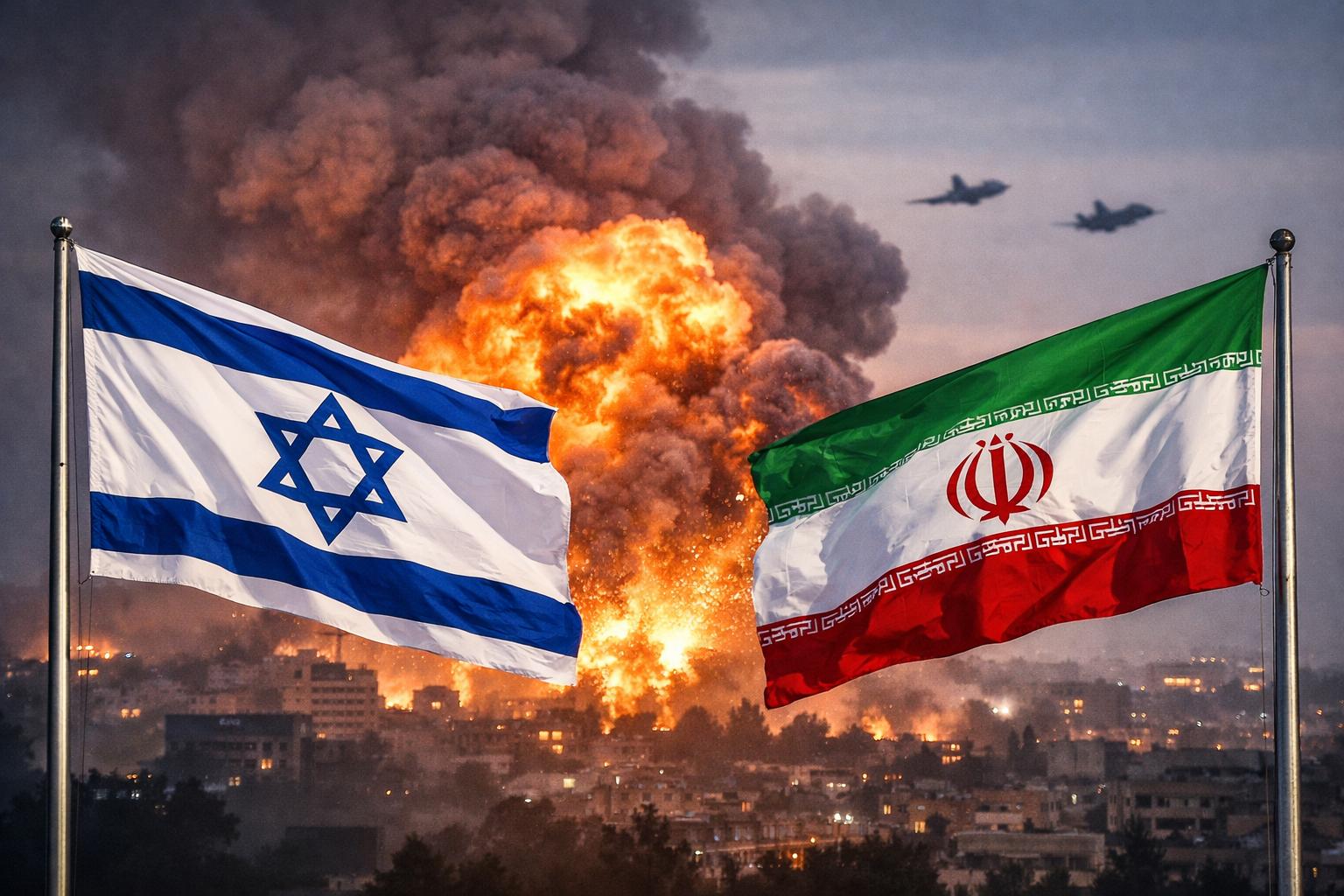
Tensions between Israel and Iran intensified on Wednesday after a senior Iranian military spokesperson warned that any attack on Iran’s embassy in Beirut could trigger retaliatory strikes against Israeli diplomatic missions worldwide. The statement reflects growing hostility between the two regional rivals as security concerns continue to rise across West Asia.
Brigadier General Abolfazl Shekarchi, spokesperson for Iran’s Armed Forces, said Israel had threatened to target the Iranian emb
Tensions between Israel and Iran intensified on Wednesday after a senior Iranian military spokesperson warned that any attack on Iran’s embassy in Beirut could trigger retaliatory strikes against Israeli diplomatic missions worldwide. The statement reflects growing hostility between the two regional rivals as security concerns continue to rise across West Asia.
Brigadier General Abolfazl Shekarchi, spokesperson for Iran’s Armed Forces, said Israel had threatened to target the Iranian emb
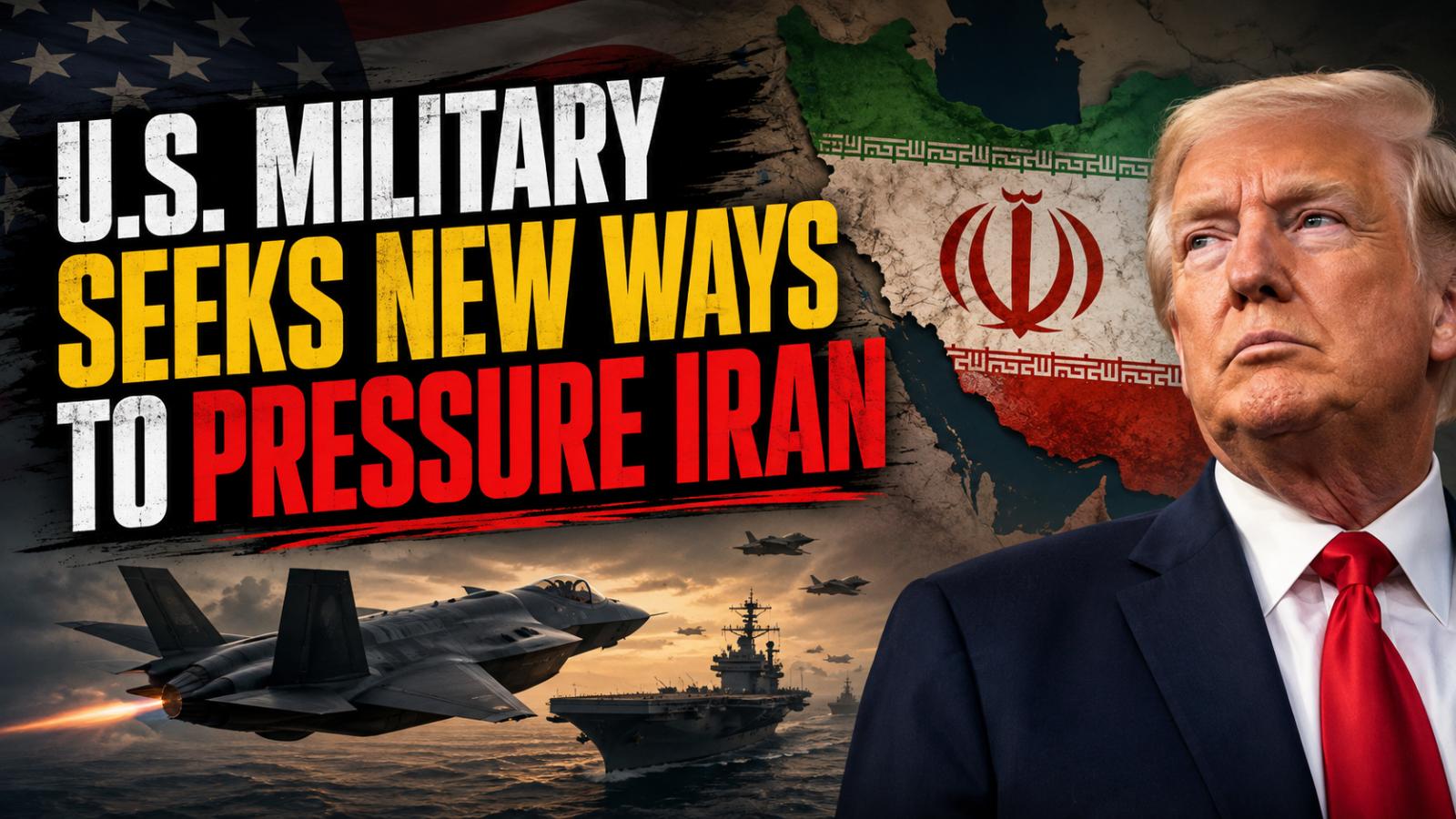
The United States and Israel have launched large-scale military strikes on Iran, triggering a rapid escalation that has pushed West Asia toward a wider conflict. US President Donald Trump announced the start of major combat operations, while calling on the Iranian public to oppose their leadership. Within hours, Iran responded with missile attacks targeting Israeli positions and US military facilities across the region, raising fears of a prolonged confrontation.
Explosions were reported in
The United States and Israel have launched large-scale military strikes on Iran, triggering a rapid escalation that has pushed West Asia toward a wider conflict. US President Donald Trump announced the start of major combat operations, while calling on the Iranian public to oppose their leadership. Within hours, Iran responded with missile attacks targeting Israeli positions and US military facilities across the region, raising fears of a prolonged confrontation.
Explosions were reported in