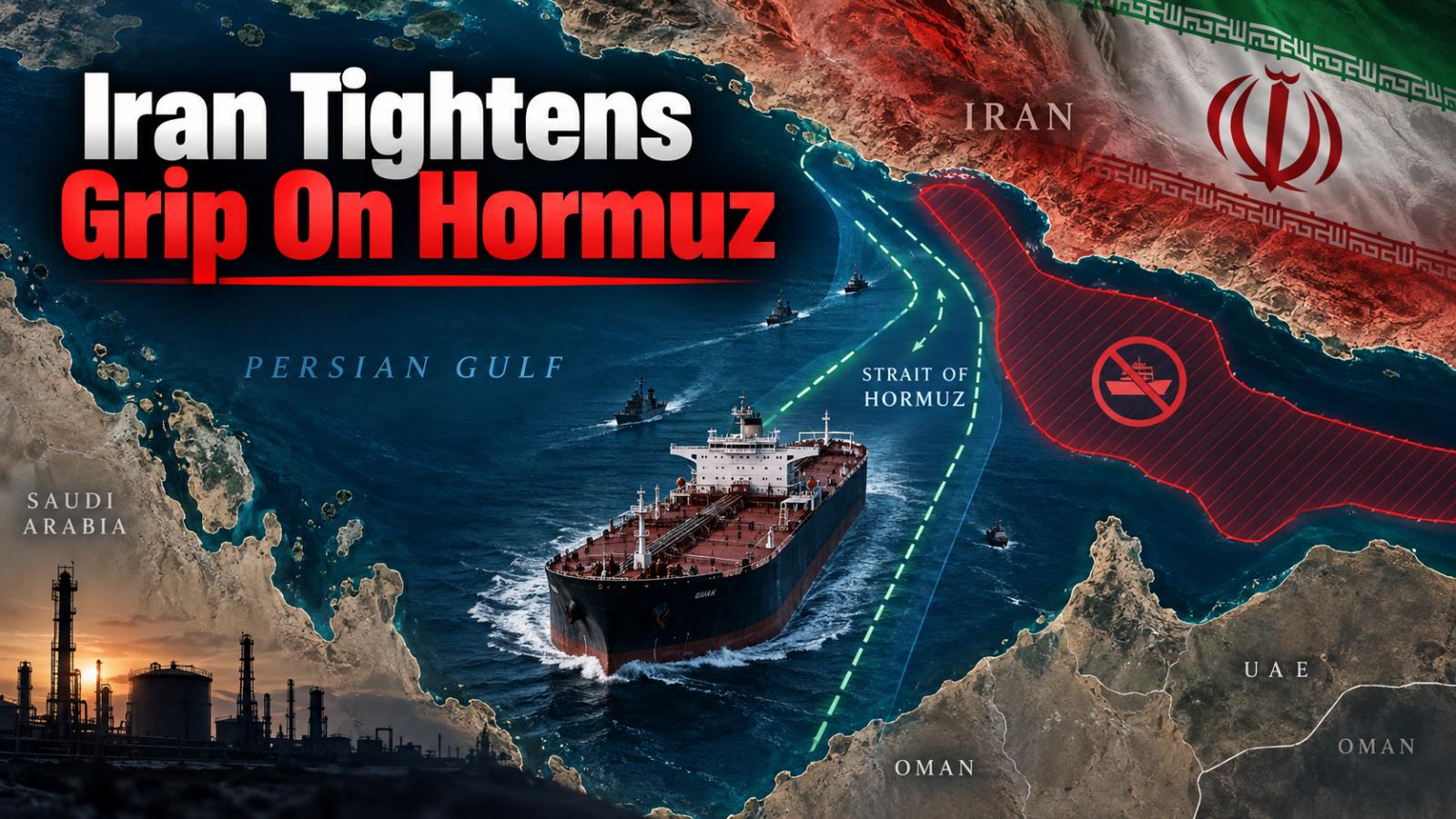
Iran says an Iran-Oman Hormuz shipping corridor could be formalized within days as Tehran prepares a new restricted maritime zone around the strategic waterway. The proposals could reshape Gulf shipping while tensions with the United States continue to disrupt commercial traffic.
Iran Oman Hormuz Shipping Corridor Nears Agreement
Iranian officials say Tehran and Muscat have agreed on maps for a
Iran says an Iran-Oman Hormuz shipping corridor could be formalized within days as Tehran prepares a new restricted maritime zone around the strategic waterway. The proposals could reshape Gulf shipping while tensions with the United States continue to disrupt commercial traffic.
Iran Oman Hormuz Shipping Corridor Nears Agreement
Iranian officials say Tehran and Muscat have agreed on maps for a
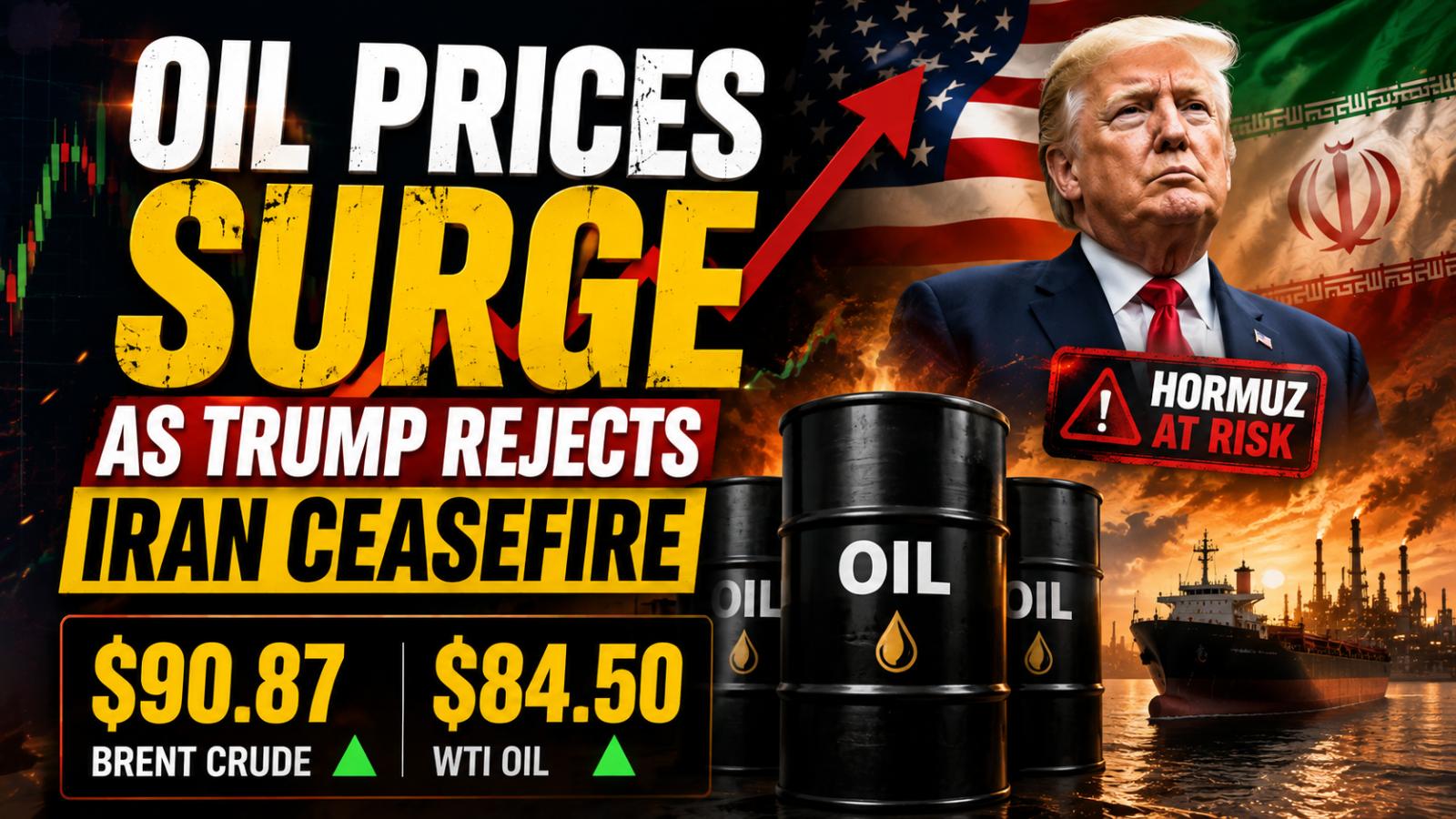
Oil prices surged on Monday as fading hopes for a US-Iran settlement renewed fears of prolonged supply disruptions in the Strait of Hormuz. Brent crude closed above $90 a barrel, while WTI oil also climbed sharply as traders reacted to stalled diplomacy and Iran's warning of possible military escalation.
Brent crude rises as Iran ceasefire hopes fade
Brent crude futures settled $2.22 higher at
Oil prices surged on Monday as fading hopes for a US-Iran settlement renewed fears of prolonged supply disruptions in the Strait of Hormuz. Brent crude closed above $90 a barrel, while WTI oil also climbed sharply as traders reacted to stalled diplomacy and Iran's warning of possible military escalation.
Brent crude rises as Iran ceasefire hopes fade
Brent crude futures settled $2.22 higher at
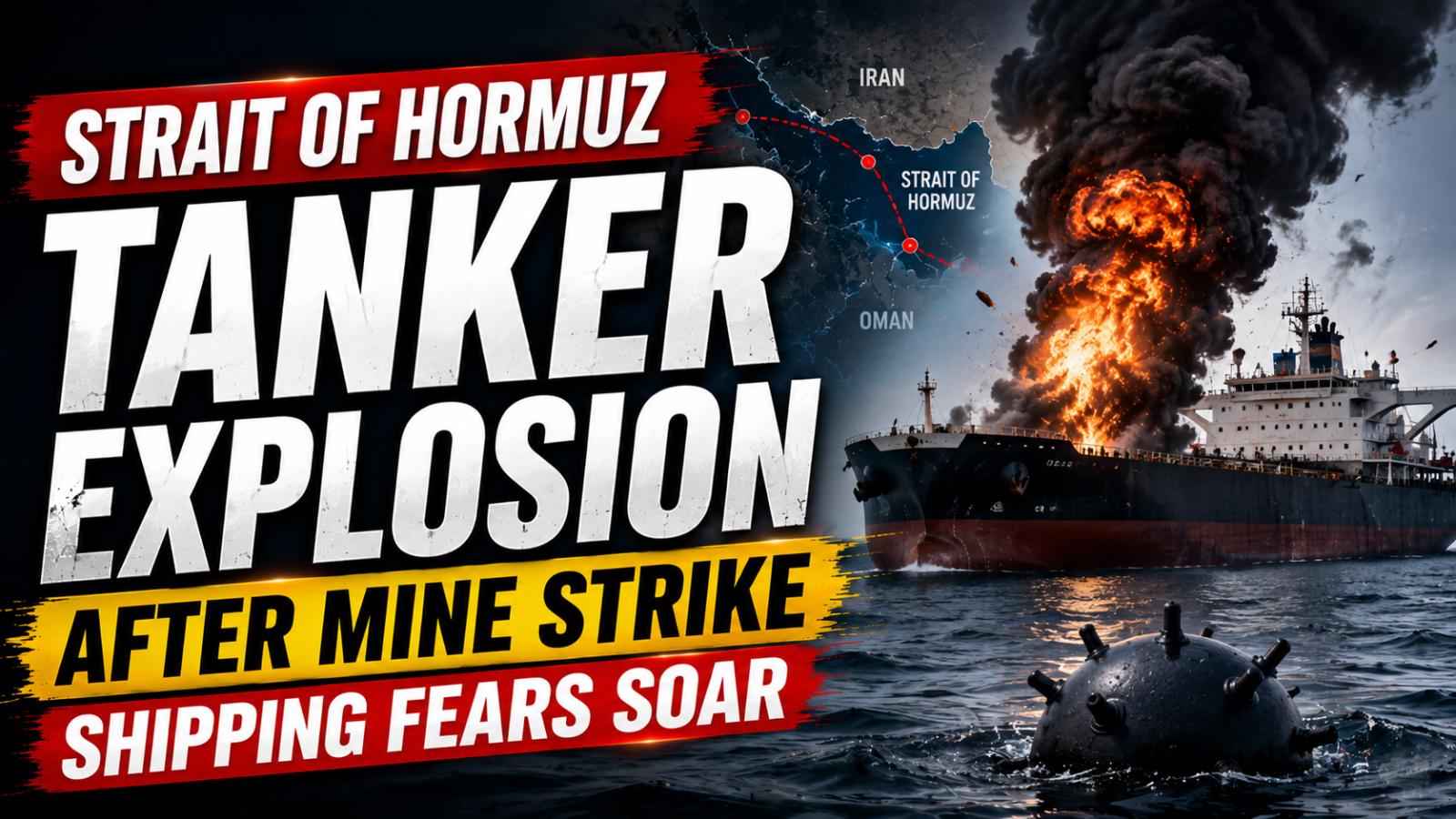
A reported Strait of Hormuz tanker explosion has renewed concern over maritime safety after Iranian media said an oil vessel struck a naval mine outside a route designated by Tehran. Iranian authorities have not issued a full official account, while the United States has paused strikes as diplomatic contacts continue.
Strait of Hormuz tanker explosion remains unconfirmed
An oil tanker reportedl
A reported Strait of Hormuz tanker explosion has renewed concern over maritime safety after Iranian media said an oil vessel struck a naval mine outside a route designated by Tehran. Iranian authorities have not issued a full official account, while the United States has paused strikes as diplomatic contacts continue.
Strait of Hormuz tanker explosion remains unconfirmed
An oil tanker reportedl
The United States carried out a new round of military strikes against Iranian targets on July 15, saying the operation was intended to protect commercial shipping passing through the Strait of Hormuz. The latest action adds to growing tensions between Washington and Tehran as one of the world's most important energy corridors remains under close international watch. According to US Central Command, the operation focused on military assets that it said posed a threat to vessels using the strategic waterway.
CENTCOM Iran operation targets maritime threats
US Central Command said the strikes began at 1900 GMT and were directed at Iranian military capabilities allegedly being used to threaten ships transiting through the Strait of Hormuz. In a statement posted on its official X account, CENTCOM said the objective was to safeguard freedom of navigation in the region. The Strait of Hormuz carries nearly 20 percent of global oil supplies, making security in the area a major concern for governments, shipping companies and energy markets worldwide.
The operation comes after weeks of heightened military activity across the Gulf region. Washington has repeatedly stated that maintaining open sea lanes remains a priority as regional tensions continue to increase.
Strait of Hormuz remains global energy focus
The Strait of Hormuz connects the Persian Gulf with the Arabian Sea and serves as one of the world's busiest maritime routes. Any disruption can quickly affect international oil prices, shipping costs and supply chains. Energy analysts continue to monitor developments closely as uncertainty grows over future military actions in the region.
Global governments have also urged restraint, warning that prolonged conflict could have significant economic consequences beyond the Middle East.
Iran blasts reported in Ahvaz and Chabahar
As the US operation unfolded, Iran's semi-official Mehr News Agency reported explosions in several locations. Blasts were heard in Ahvaz in southwestern Iran, although the exact source was not immediately confirmed. Mehr also reported three explosions in the southeastern port city of Chabahar.
Iranian authorities had not officially confirmed the cause of the explosions or released information regarding casualties at the time of reporting. Independent verification of the incidents also remained unavailable.
Iran Parliament says diplomacy will continue
Iranian Parliament Speaker Mohammad Bagher Ghalibaf said the country would continue diplomatic efforts while maintaining military preparedness. In an official statement, he said Iran had never sought war but must remain ready to defend its national security and strategic interests.
Ghalibaf accused the United States of attempting to weaken the Islamic Republic and described the current situation as an existential challenge. He argued that relying only on diplomacy or only on military action would be a strategic mistake, saying both approaches should remain available as the situation develops.
The latest developments highlight the fragile security environment surrounding the Strait of Hormuz. With military operations continuing and diplomatic channels still open, governments and energy markets are expected to monitor events closely. Information in this report is based on official statements from US Central Command, comments released by Iranian parliamentary leadership and reports published by Iran's Mehr News Agency.
Relevant internal links may include your Global News category, US News, Middle East coverage, Oil & Energy news, Geopolitics section, and previous articles covering the Strait of Hormuz, Iran-US relations, and CENTCOM operations.
The United States carried out a new round of military strikes against Iranian targets on July 15, saying the operation was intended to protect commercial shipping passing through the Strait of Hormuz. The latest action adds to growing tensions between Washington and Tehran as one of the world's most important energy corridors remains under close international watch. According to US Central Command, the operation focused on military assets that it said posed a threat to vessels using the strategic waterway.
CENTCOM Iran operation targets maritime threats
US Central Command said the strikes began at 1900 GMT and were directed at Iranian military capabilities allegedly being used to threaten ships transiting through the Strait of Hormuz. In a statement posted on its official X account, CENTCOM said the objective was to safeguard freedom of navigation in the region. The Strait of Hormuz carries nearly 20 percent of global oil supplies, making security in the area a major concern for governments, shipping companies and energy markets worldwide.
The operation comes after weeks of heightened military activity across the Gulf region. Washington has repeatedly stated that maintaining open sea lanes remains a priority as regional tensions continue to increase.
Strait of Hormuz remains global energy focus
The Strait of Hormuz connects the Persian Gulf with the Arabian Sea and serves as one of the world's busiest maritime routes. Any disruption can quickly affect international oil prices, shipping costs and supply chains. Energy analysts continue to monitor developments closely as uncertainty grows over future military actions in the region.
Global governments have also urged restraint, warning that prolonged conflict could have significant economic consequences beyond the Middle East.
Iran blasts reported in Ahvaz and Chabahar
As the US operation unfolded, Iran's semi-official Mehr News Agency reported explosions in several locations. Blasts were heard in Ahvaz in southwestern Iran, although the exact source was not immediately confirmed. Mehr also reported three explosions in the southeastern port city of Chabahar.
Iranian authorities had not officially confirmed the cause of the explosions or released information regarding casualties at the time of reporting. Independent verification of the incidents also remained unavailable.
Iran Parliament says diplomacy will continue
Iranian Parliament Speaker Mohammad Bagher Ghalibaf said the country would continue diplomatic efforts while maintaining military preparedness. In an official statement, he said Iran had never sought war but must remain ready to defend its national security and strategic interests.
Ghalibaf accused the United States of attempting to weaken the Islamic Republic and described the current situation as an existential challenge. He argued that relying only on diplomacy or only on military action would be a strategic mistake, saying both approaches should remain available as the situation develops.
The latest developments highlight the fragile security environment surrounding the Strait of Hormuz. With military operations continuing and diplomatic channels still open, governments and energy markets are expected to monitor events closely. Information in this report is based on official statements from US Central Command, comments released by Iranian parliamentary leadership and reports published by Iran's Mehr News Agency.
Relevant internal links may include your Global News category, US News, Middle East coverage, Oil & Energy news, Geopolitics section, and previous articles covering the Strait of Hormuz, Iran-US relations, and CENTCOM operations.
The United States has carried out another round of attacks on Iranian military infrastructure as fighting around the Strait of Hormuz threatens commercial shipping and regional stability. CENTCOM said its latest verified operation targeted coastal defence systems, missile facilities, drones and maritime capabilities across several Iranian locations.
US strikes Iran military targets across coastal regions
US Cen
The United States has carried out another round of attacks on Iranian military infrastructure as fighting around the Strait of Hormuz threatens commercial shipping and regional stability. CENTCOM said its latest verified operation targeted coastal defence systems, missile facilities, drones and maritime capabilities across several Iranian locations.
US strikes Iran military targets across coastal regions
US Cen
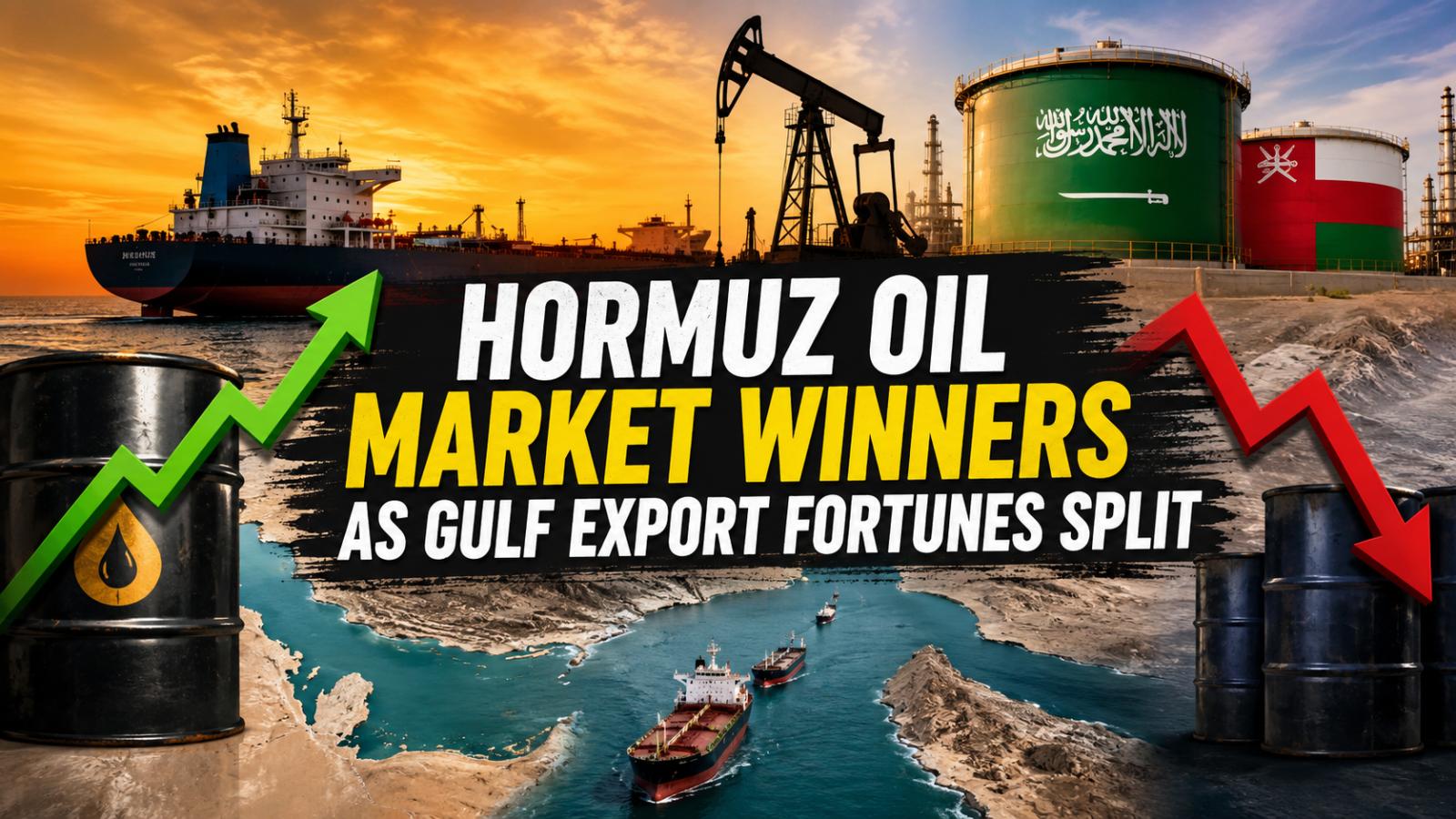
The disruption around the Strait of Hormuz has created sharply different outcomes across the global oil market. Saudi Arabia and Oman have benefited from higher prices and alternative export access, while Iraq, Kuwait and other Gulf producers remain constrained by geography. Refiners and non-Gulf exporters have also gained from changing crude and fuel prices.
Saudi Route Creates an Export Advantage
Saudi Arabia
The disruption around the Strait of Hormuz has created sharply different outcomes across the global oil market. Saudi Arabia and Oman have benefited from higher prices and alternative export access, while Iraq, Kuwait and other Gulf producers remain constrained by geography. Refiners and non-Gulf exporters have also gained from changing crude and fuel prices.
Saudi Route Creates an Export Advantage
Saudi Arabia
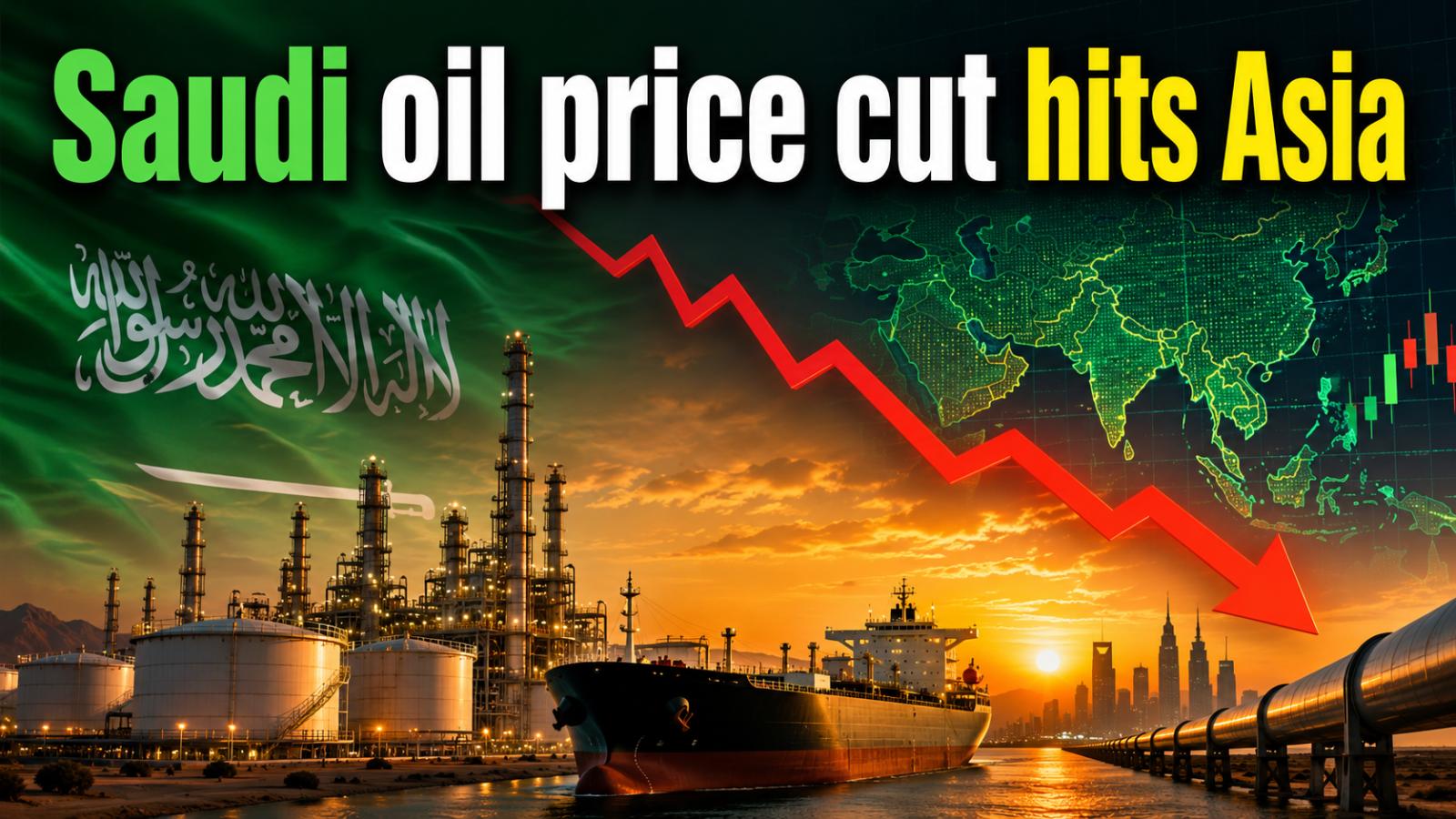
Saudi Arabia’s latest oil price cut has turned attention back to Asia, where refiners are getting more room to negotiate as Gulf crude supply improves. Saudi Aramco has reduced the August official selling price of Arab Light crude for Asian buyers by $11 per barrel, placing the grade at a $1.50 discount to the Oman-Dubai benchmark. The sharp move shows how quickly the market has shifted from supply fear to buyer advantage.
The cut is imp
Saudi Arabia’s latest oil price cut has turned attention back to Asia, where refiners are getting more room to negotiate as Gulf crude supply improves. Saudi Aramco has reduced the August official selling price of Arab Light crude for Asian buyers by $11 per barrel, placing the grade at a $1.50 discount to the Oman-Dubai benchmark. The sharp move shows how quickly the market has shifted from supply fear to buyer advantage.
The cut is imp
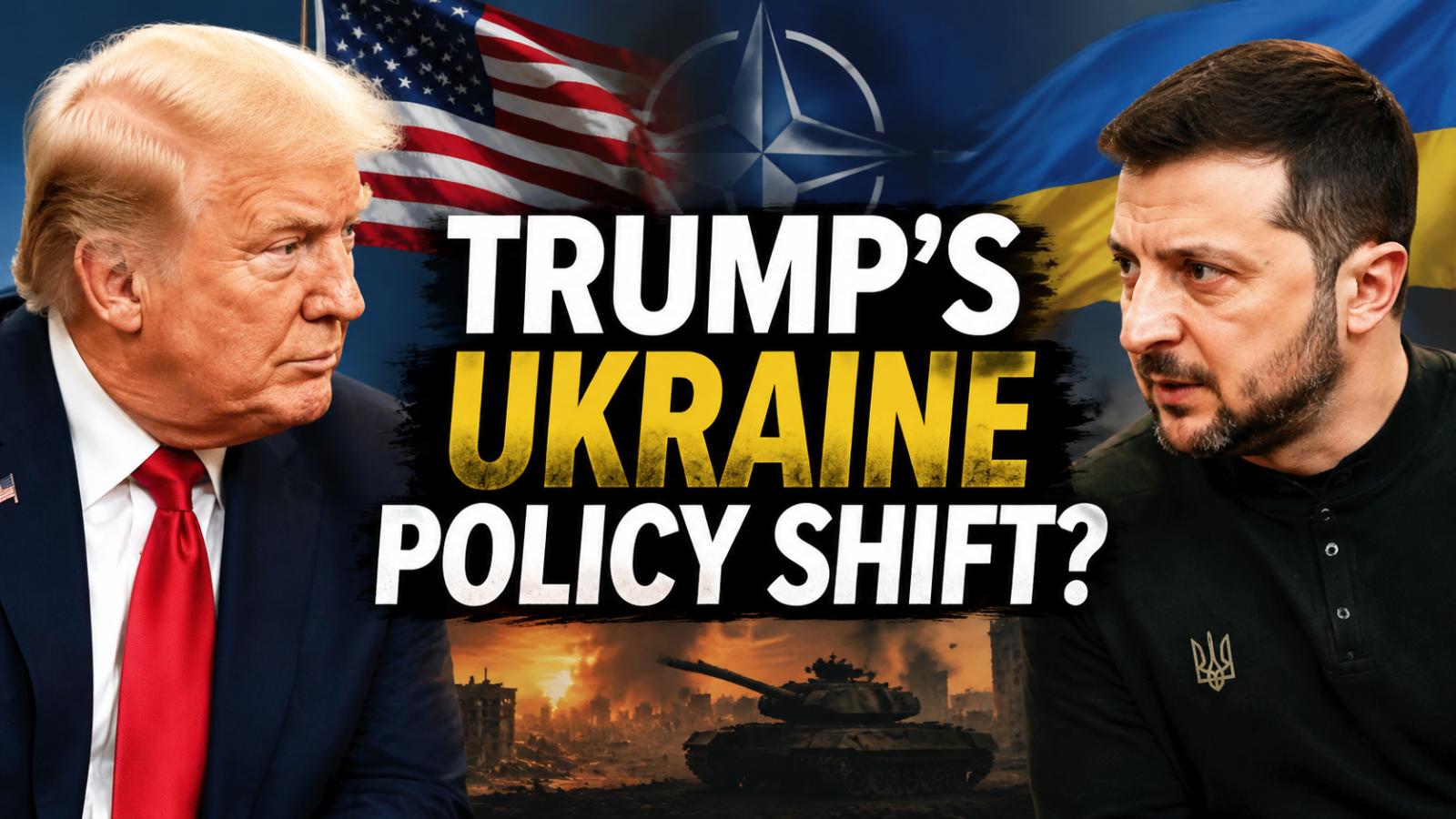
US President Donald Trump has recently shown a more measured tone when speaking about Ukrainian President Volodymyr Zelensky. During a public engagement alongside NATO leadership, Trump acknowledged Ukraine’s continued resistance in the war, describing its position as steady despite ongoing conflict. The comments mark a shift in tone compared to his earlier criticism and reflect a more cautious diplomatic posture from Washington.
G7 coordination shapes US approach
Recent discussions among G7 member nations have contributed to renewed alignment on Russia-related sanctions and energy strategy. Allied countries have been pushing for tighter coordination on restricting oil revenues linked to Moscow. This collective pressure has influenced US policy thinking, encouraging a more structured approach rather than isolated action. The focus remains on balancing economic pressure with long-term stability in global energy markets.
Battlefield situation influences political messaging
Developments on the ground in Ukraine continue to play a key role in shaping international responses. Reports of Ukraine expanding its operational reach and sustaining defensive positions have strengthened its bargaining position in diplomatic discussions. These battlefield realities are increasingly reflected in political messaging, as Western leaders reassess how the conflict may evolve over time.
Energy markets and global risks remain central
Global energy stability remains a key factor in foreign policy decisions. Earlier concerns linked to Middle East tensions and potential disruptions in key shipping routes had raised oil market uncertainty. As conditions show signs of stabilisation, policymakers are gaining more room to consider stricter measures on Russian energy exports without immediate economic disruption.
Diplomatic outlook remains uncertain
Despite continued international engagement, progress toward direct peace negotiations between Russia and Ukraine remains limited. Positions on territorial control and security guarantees continue to block meaningful breakthroughs. While diplomatic channels remain open, there is no clear indication of a near-term resolution. The current US approach reflects a balance between maintaining pressure and keeping space for future negotiations.
US President Donald Trump has recently shown a more measured tone when speaking about Ukrainian President Volodymyr Zelensky. During a public engagement alongside NATO leadership, Trump acknowledged Ukraine’s continued resistance in the war, describing its position as steady despite ongoing conflict. The comments mark a shift in tone compared to his earlier criticism and reflect a more cautious diplomatic posture from Washington.
G7 coordination shapes US approach
Recent discussions among G7 member nations have contributed to renewed alignment on Russia-related sanctions and energy strategy. Allied countries have been pushing for tighter coordination on restricting oil revenues linked to Moscow. This collective pressure has influenced US policy thinking, encouraging a more structured approach rather than isolated action. The focus remains on balancing economic pressure with long-term stability in global energy markets.
Battlefield situation influences political messaging
Developments on the ground in Ukraine continue to play a key role in shaping international responses. Reports of Ukraine expanding its operational reach and sustaining defensive positions have strengthened its bargaining position in diplomatic discussions. These battlefield realities are increasingly reflected in political messaging, as Western leaders reassess how the conflict may evolve over time.
Energy markets and global risks remain central
Global energy stability remains a key factor in foreign policy decisions. Earlier concerns linked to Middle East tensions and potential disruptions in key shipping routes had raised oil market uncertainty. As conditions show signs of stabilisation, policymakers are gaining more room to consider stricter measures on Russian energy exports without immediate economic disruption.
Diplomatic outlook remains uncertain
Despite continued international engagement, progress toward direct peace negotiations between Russia and Ukraine remains limited. Positions on territorial control and security guarantees continue to block meaningful breakthroughs. While diplomatic channels remain open, there is no clear indication of a near-term resolution. The current US approach reflects a balance between maintaining pressure and keeping space for future negotiations.
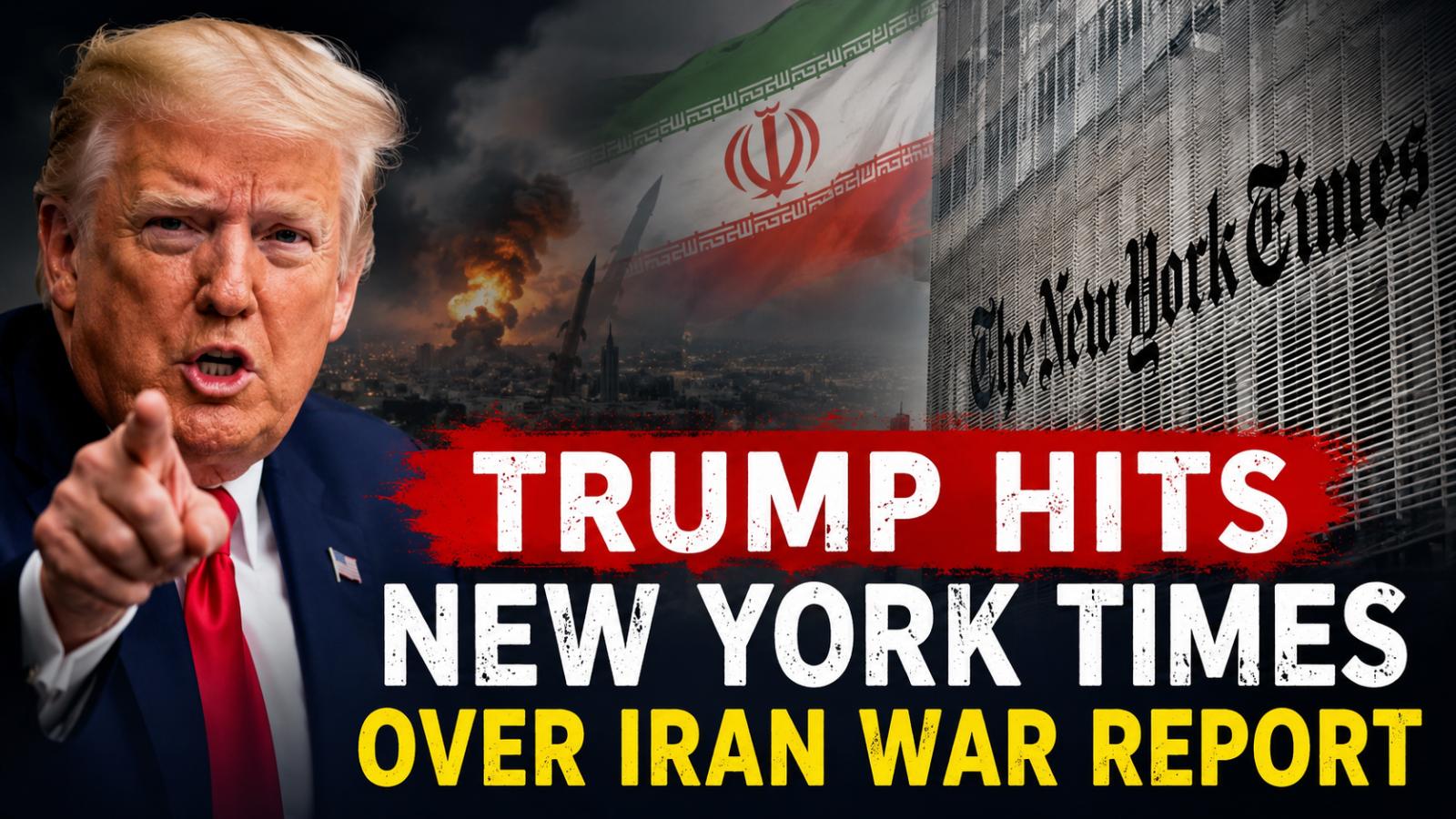
US President Donald Trump has strongly criticized a report on the Iran conflict, accusing the publication of presenting a misleading picture of the war’s outcome. In a series of posts on Truth Social, Trump said the article ignored what he described as major military, economic and regional changes after months of fighting.
Trump also warned that the coverage could become part of a multibillion-dollar lawsuit. He claimed the report unders
US President Donald Trump has strongly criticized a report on the Iran conflict, accusing the publication of presenting a misleading picture of the war’s outcome. In a series of posts on Truth Social, Trump said the article ignored what he described as major military, economic and regional changes after months of fighting.
Trump also warned that the coverage could become part of a multibillion-dollar lawsuit. He claimed the report unders
The Columbus gas prices summer outlook is improving as pump prices retreat from recent highs. Still, analysts say drivers may wait several months before prices return to levels seen before March.
Columbus gas prices summer outlook points to gradual declines
Gas prices in Columbus, Ohio, have fallen at several stations, giving motorists some relief after a sharp increase. Drivers said prices approached $5 per gallon during the surge.
Zac Bruney
The Columbus gas prices summer outlook is improving as pump prices retreat from recent highs. Still, analysts say drivers may wait several months before prices return to levels seen before March.
Columbus gas prices summer outlook points to gradual declines
Gas prices in Columbus, Ohio, have fallen at several stations, giving motorists some relief after a sharp increase. Drivers said prices approached $5 per gallon during the surge.
Zac Bruney
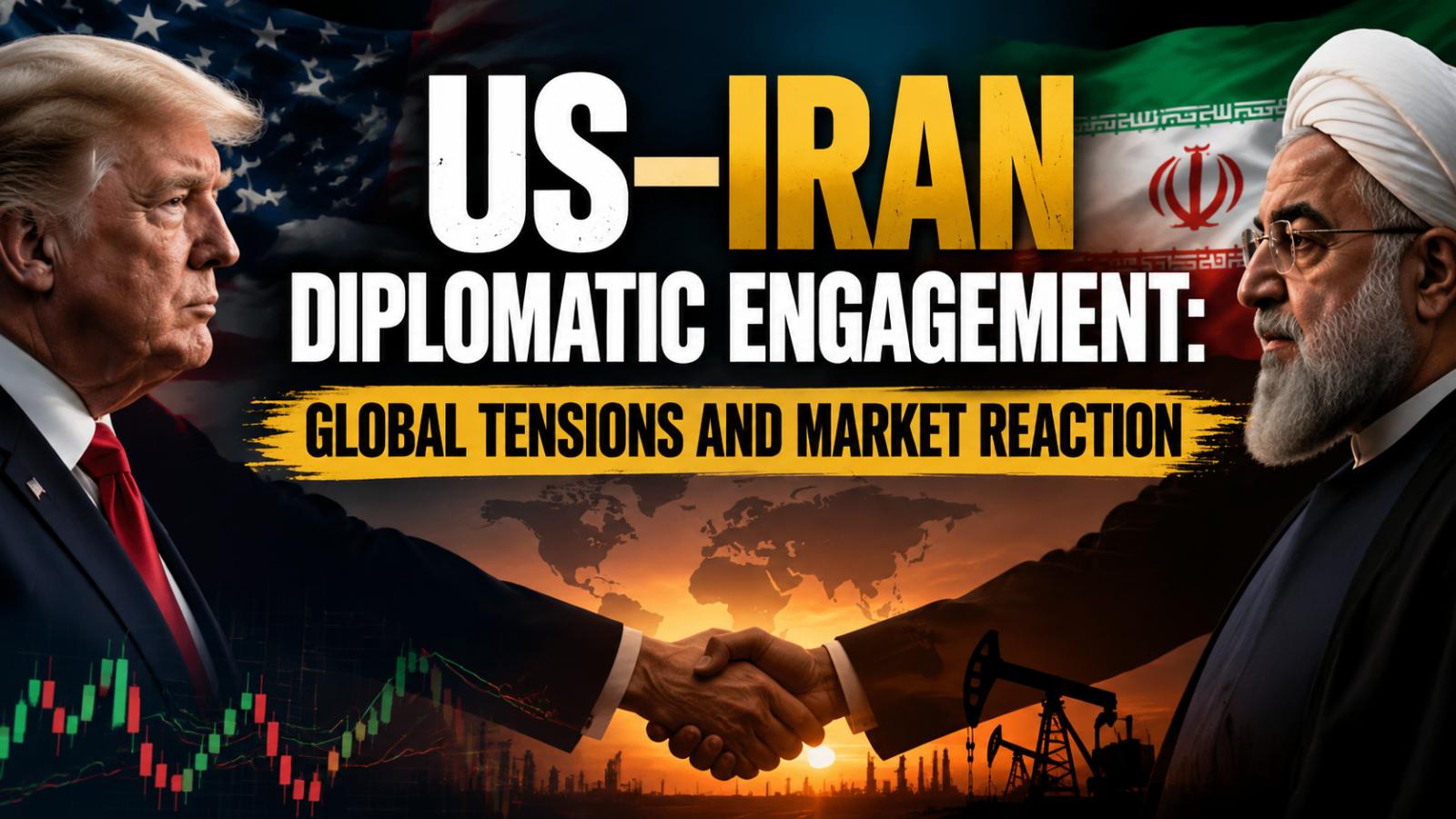
A new round of communication between the United States and Iran has drawn international attention, with both sides indicating a willingness to reopen structured dialogue after a prolonged period of tension. The engagement is being described by officials as an early-stage memorandum-style understanding aimed at reducing immediate escalation risks rather than finalizing a comprehensive agreement.
While no detailed treaty framework has been released, the move signals a shift toward man
A new round of communication between the United States and Iran has drawn international attention, with both sides indicating a willingness to reopen structured dialogue after a prolonged period of tension. The engagement is being described by officials as an early-stage memorandum-style understanding aimed at reducing immediate escalation risks rather than finalizing a comprehensive agreement.
While no detailed treaty framework has been released, the move signals a shift toward man
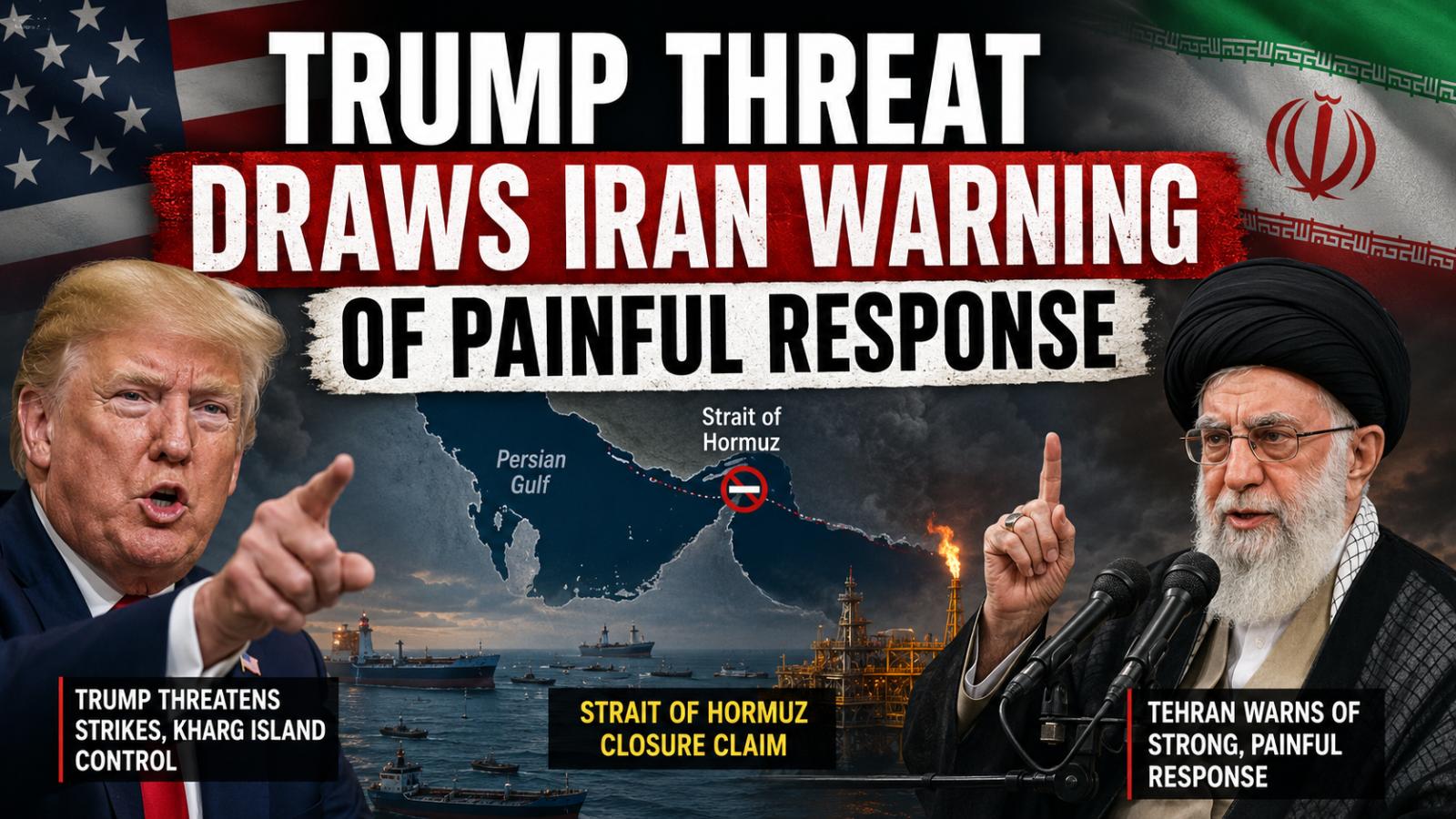
Iran warned of a “painful response” after President Donald Trump threatened new U.S. strikes and suggested Washington could move to control key Iranian oil infrastructure.
The latest Trump Iran threat added pressure to an already volatile Gulf crisis on Thursday, June 11, 2026, as Tehran also claimed the Strait of Hormuz would be closed until further notice.
Trump threatens new strikes on Iran
Trump said in a Truth Social post that the Unit
Iran warned of a “painful response” after President Donald Trump threatened new U.S. strikes and suggested Washington could move to control key Iranian oil infrastructure.
The latest Trump Iran threat added pressure to an already volatile Gulf crisis on Thursday, June 11, 2026, as Tehran also claimed the Strait of Hormuz would be closed until further notice.
Trump threatens new strikes on Iran
Trump said in a Truth Social post that the Unit
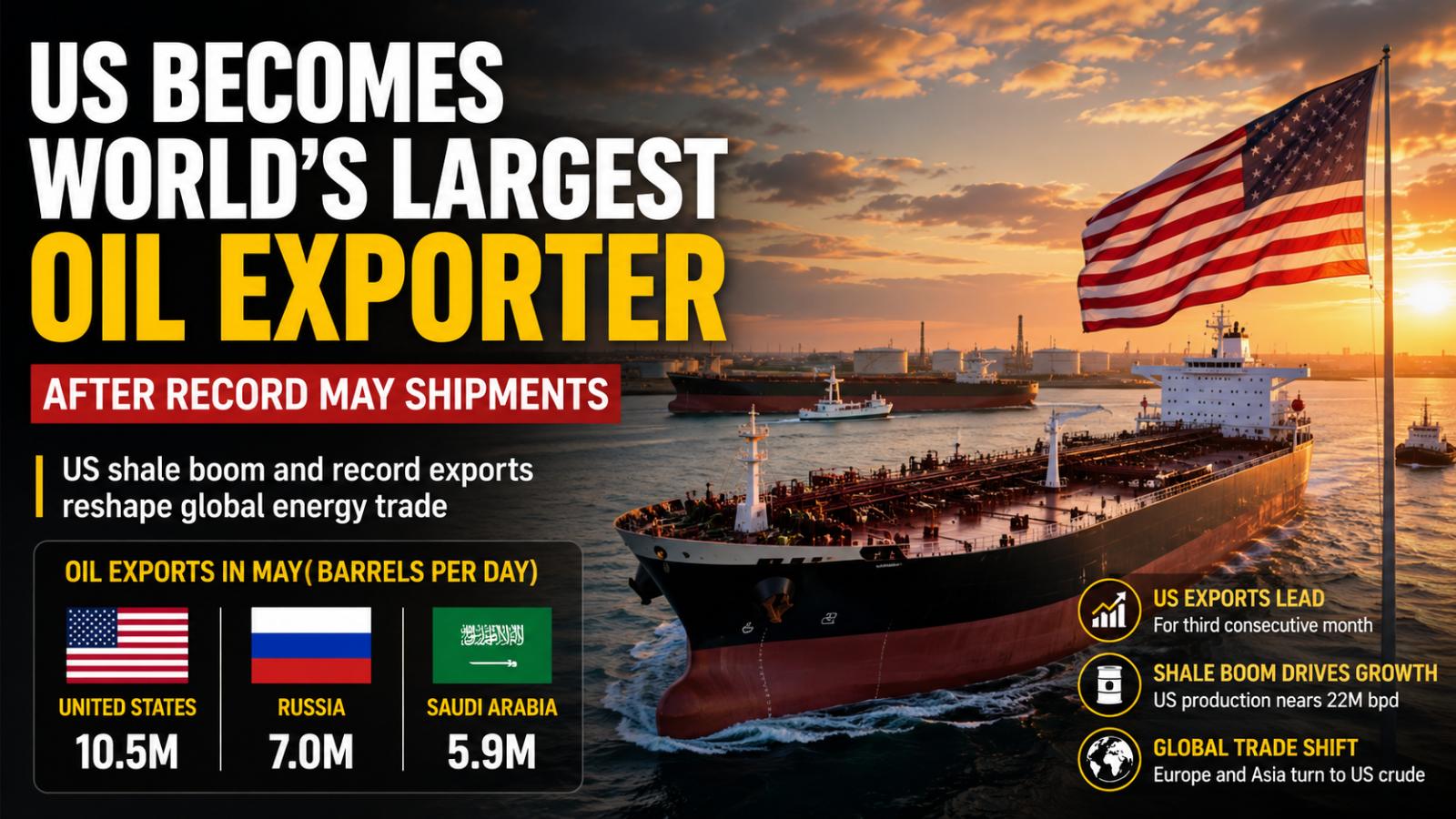
US shale oil exports reached a new milestone in May, pushing the United States ahead of Saudi Arabia and Russia in global crude oil and refined fuel shipments.
The shift marks a major reversal for a country that once depended heavily on West Asian oil and was deeply affected by the 1973 Arab oil embargo.
US Shale Oil Exports Reach May Record
Ship-tracking data cited by Reuters showed U.S. exports of crude oil and refined fuels reached about 10.
US shale oil exports reached a new milestone in May, pushing the United States ahead of Saudi Arabia and Russia in global crude oil and refined fuel shipments.
The shift marks a major reversal for a country that once depended heavily on West Asian oil and was deeply affected by the 1973 Arab oil embargo.
US Shale Oil Exports Reach May Record
Ship-tracking data cited by Reuters showed U.S. exports of crude oil and refined fuels reached about 10.
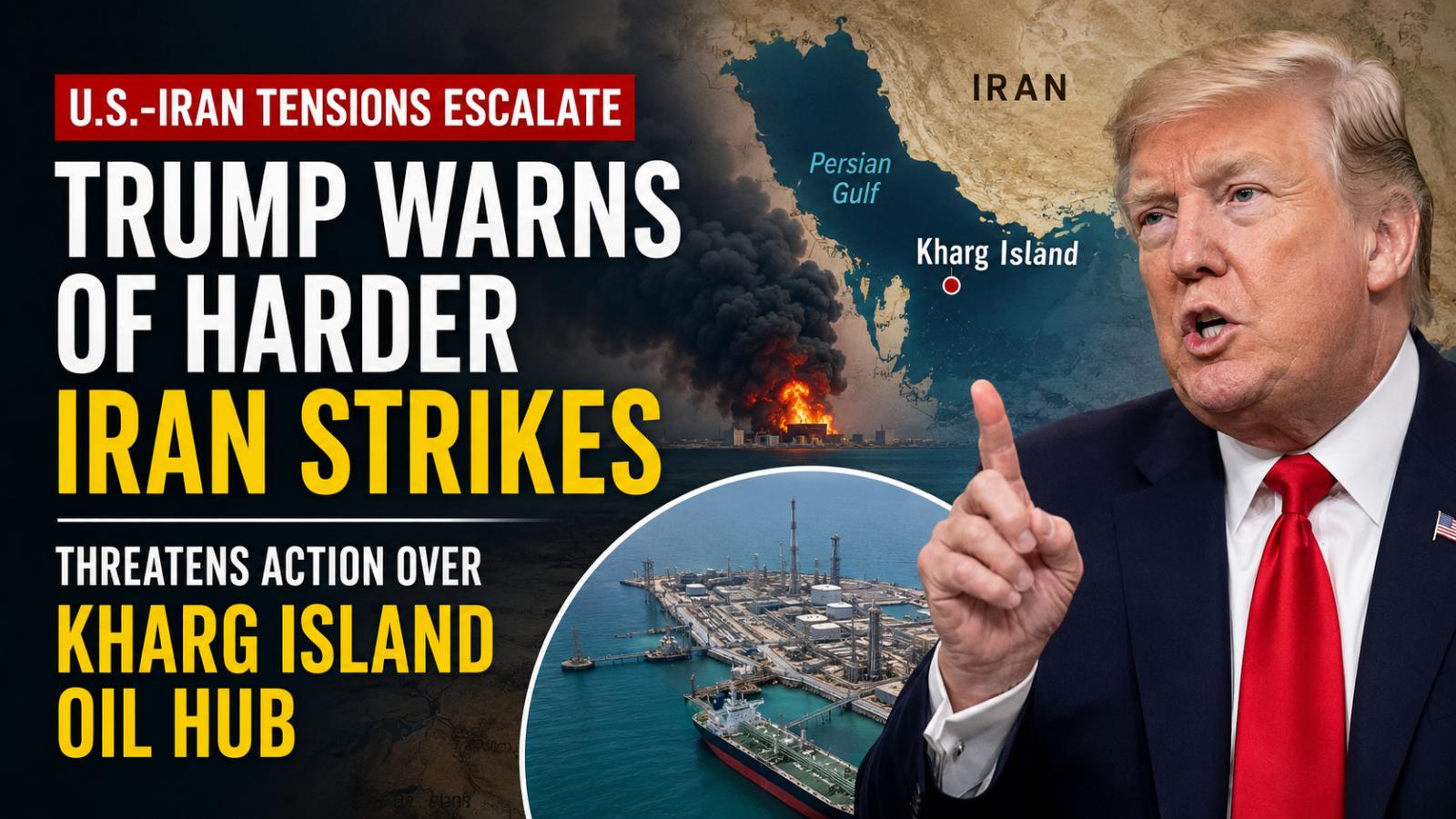
U.S. President Donald Trump’s latest warning over the Kharg Island oil hub has added a new layer of risk to the U.S.-Iran conflict and raised fresh concerns about Gulf security and oil markets.
Trump said on Thursday, June 11, 2026, that the United States would strike Iran “very hard” later Thursday night. In a Truth Social post, he claimed Iran’s navy, air force, radar, anti-aircraft systems and other defense capabilities had been severely weakened.
U.S. President Donald Trump’s latest warning over the Kharg Island oil hub has added a new layer of risk to the U.S.-Iran conflict and raised fresh concerns about Gulf security and oil markets.
Trump said on Thursday, June 11, 2026, that the United States would strike Iran “very hard” later Thursday night. In a Truth Social post, he claimed Iran’s navy, air force, radar, anti-aircraft systems and other defense capabilities had been severely weakened.
Iran’s Foreign Minister Seyed Abbas Araghchi will visit New Delhi this week to attend the BRICS foreign ministers’ meeting, where discussions are expected to focus on the growing West Asia crisis, regional stability, and global energy security. The two-day meeting, scheduled for May 14 and 15 under India’s BRICS chairmanship, comes at a time when tensions involving Iran, the United States, and Israel continue to affect the Strait of Hormuz and international oil markets. India, which dep
Iran’s Foreign Minister Seyed Abbas Araghchi will visit New Delhi this week to attend the BRICS foreign ministers’ meeting, where discussions are expected to focus on the growing West Asia crisis, regional stability, and global energy security. The two-day meeting, scheduled for May 14 and 15 under India’s BRICS chairmanship, comes at a time when tensions involving Iran, the United States, and Israel continue to affect the Strait of Hormuz and international oil markets. India, which dep
The Strait of Hormuz crisis has intensified after Ebrahim Azizi warned that any US intervention would be treated as a ceasefire violation. His remarks came in response to Donald Trump’s announcement of Project Freedom, a naval initiative aimed at guiding merchant vessels through the strategically vital w
The Strait of Hormuz crisis has intensified after Ebrahim Azizi warned that any US intervention would be treated as a ceasefire violation. His remarks came in response to Donald Trump’s announcement of Project Freedom, a naval initiative aimed at guiding merchant vessels through the strategically vital w
Ukraine has intensified its long-range strikes on energy infrastructure located deep inside Russia, targeting oil refineries, storage depots, and supply routes. These attacks mark a significant escalation in the ongoing
Ukraine has intensified its long-range strikes on energy infrastructure located deep inside Russia, targeting oil refineries, storage depots, and supply routes. These attacks mark a significant escalation in the ongoing
Iran has delivered a new proposal for negotiations with the United States through Pakistan, signaling a potential diplomatic opening amid heightened regional tensions. According to IRNA, the proposal was formally
Iran has delivered a new proposal for negotiations with the United States through Pakistan, signaling a potential diplomatic opening amid heightened regional tensions. According to IRNA, the proposal was formally
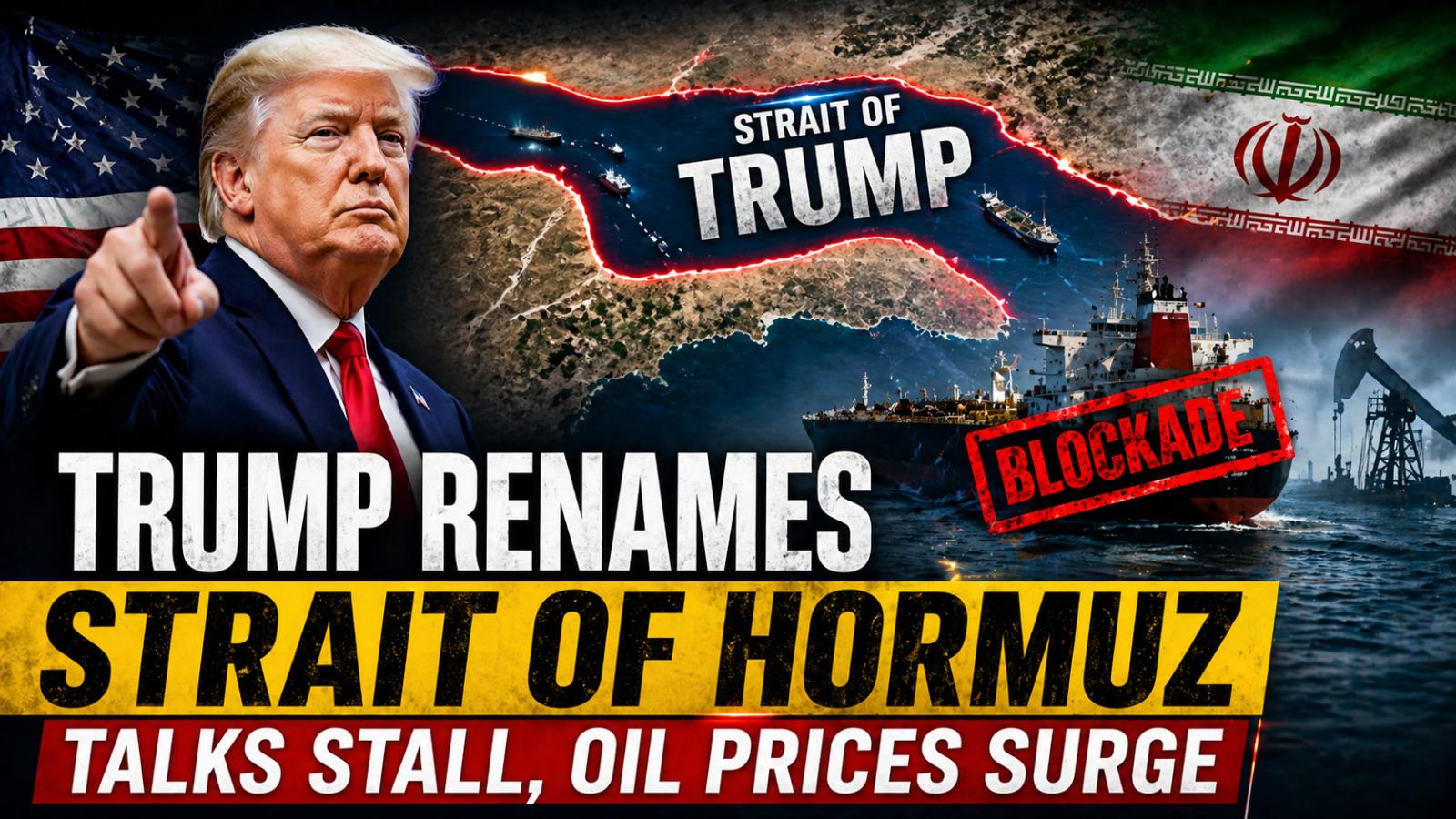
US President Donald Trump has drawn attention after sharing a modified map referring to the Strait of Hormuz as the “Strait of Trump,” a move that comes amid escalating tensions and stalled negotiations with Iran. The strategic waterway remains a focal point in the ongoing standoff, with both sides maintaining a blockade despite a previously agreed ceasefire.
Trump indicated that discussions to end the conflict are continuing remotely, describing them as telephonic due to logistical challenges. At the same time, Iran has attempted to revive dialogue by sending a proposal through Pakistan, facilitated by Foreign Minister Abbas Araghchi. However, indications suggest that the US administration is dissatisfied with the terms and is unlikely to accept the framework presented.
The proposal reportedly outlined a three-stage approach, beginning with a complete cessation of hostilities, followed by lifting the naval blockade and restoring maritime traffic through the Strait of Hormuz. The final stage involved renewed negotiations over Iran’s nuclear program. Despite these efforts, talks remain at an impasse, with both sides maintaining firm positions.
Trump defended the blockade, describing it as effective and emphasizing its economic impact on Iran. He stated that the pressure strategy would continue until Iran concedes. Meanwhile, energy markets reacted sharply, with Brent crude prices rising significantly, reflecting concerns over supply disruptions linked to the strategic route.
The Strait of Hormuz remains critical to global oil flows, and its continued closure by both US and Iranian forces underscores the fragile state of the ceasefire. Diplomatic efforts have yet to regain momentum, leaving the situation uncertain as geopolitical and economic pressures continue to build.
US President Donald Trump has drawn attention after sharing a modified map referring to the Strait of Hormuz as the “Strait of Trump,” a move that comes amid escalating tensions and stalled negotiations with Iran. The strategic waterway remains a focal point in the ongoing standoff, with both sides maintaining a blockade despite a previously agreed ceasefire.
Trump indicated that discussions to end the conflict are continuing remotely, describing them as telephonic due to logistical challenges. At the same time, Iran has attempted to revive dialogue by sending a proposal through Pakistan, facilitated by Foreign Minister Abbas Araghchi. However, indications suggest that the US administration is dissatisfied with the terms and is unlikely to accept the framework presented.
The proposal reportedly outlined a three-stage approach, beginning with a complete cessation of hostilities, followed by lifting the naval blockade and restoring maritime traffic through the Strait of Hormuz. The final stage involved renewed negotiations over Iran’s nuclear program. Despite these efforts, talks remain at an impasse, with both sides maintaining firm positions.
Trump defended the blockade, describing it as effective and emphasizing its economic impact on Iran. He stated that the pressure strategy would continue until Iran concedes. Meanwhile, energy markets reacted sharply, with Brent crude prices rising significantly, reflecting concerns over supply disruptions linked to the strategic route.
The Strait of Hormuz remains critical to global oil flows, and its continued closure by both US and Iranian forces underscores the fragile state of the ceasefire. Diplomatic efforts have yet to regain momentum, leaving the situation uncertain as geopolitical and economic pressures continue to build.
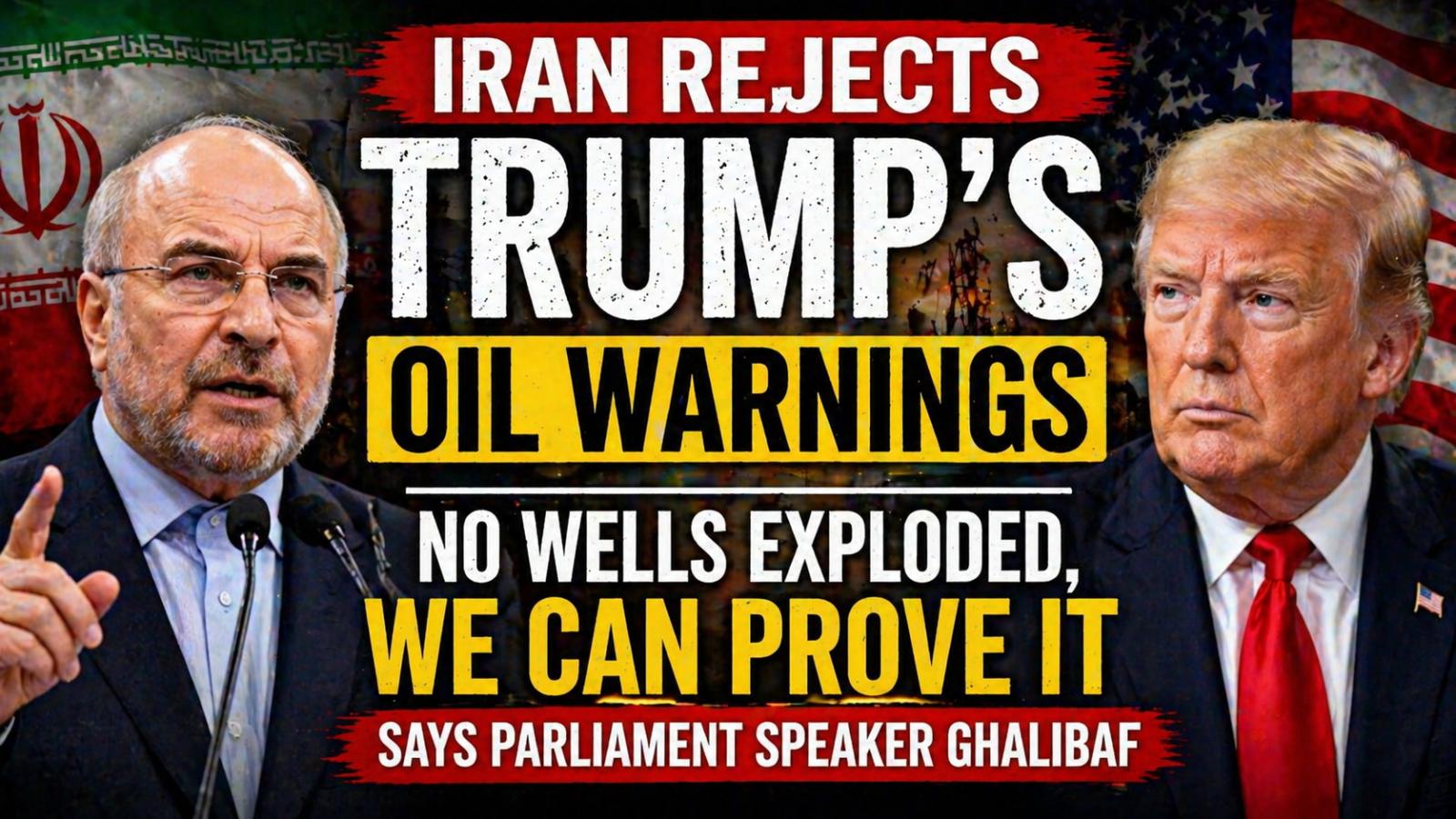
The Speaker of Iran’s Parliament, Mohammad Bagher Ghalibaf, has rejected recent claims made by US President Donald Trump regarding the stability of Iran’s oil infrastructure. Responding to warnings that Iran’s oil facilities were nearing critical failure, Ghalibaf dismissed the remarks as inaccurate and politically motivated, stating that conditions on the ground do not support such assessments. He emphasized that several days have passed without any reported incidents and suggested that extended monitoring could further demonstrate the resilience of Iran’s oil sector.
Ghalibaf also criticized the broader economic reasoning behind US policy measures, arguing that sanctions-based strategies have produced unintended consequences. He stated that approaches centered on economic pressure have contributed to rising oil prices rather than stabilizing global markets. According to his remarks, such policies reflect not only flawed strategies but also a deeper issue in decision-making.
The exchange follows recent developments in US policy toward Iranian oil exports. Washington moved to temporarily ease restrictions on a significant volume of Iranian crude already stored on tankers, allowing limited transactions involving existing shipments. US officials described the move as a calculated effort to influence oil markets while maintaining restrictions on new production or expanded trade.
Earlier, Trump had suggested that storage limitations and sanctions pressure could lead to disruptions in Iran’s oil infrastructure. However, Iranian officials have consistently maintained that both land-based and offshore storage capacities remain sufficient to manage production and exports. They argue that the country’s energy sector continues to operate within manageable limits despite ongoing sanctions.
The situation highlights continuing tensions between Tehran and Washington over energy policy and economic measures. As both sides present differing assessments, the broader impact on global oil markets and geopolitical stability remains closely watched.
The Speaker of Iran’s Parliament, Mohammad Bagher Ghalibaf, has rejected recent claims made by US President Donald Trump regarding the stability of Iran’s oil infrastructure. Responding to warnings that Iran’s oil facilities were nearing critical failure, Ghalibaf dismissed the remarks as inaccurate and politically motivated, stating that conditions on the ground do not support such assessments. He emphasized that several days have passed without any reported incidents and suggested that extended monitoring could further demonstrate the resilience of Iran’s oil sector.
Ghalibaf also criticized the broader economic reasoning behind US policy measures, arguing that sanctions-based strategies have produced unintended consequences. He stated that approaches centered on economic pressure have contributed to rising oil prices rather than stabilizing global markets. According to his remarks, such policies reflect not only flawed strategies but also a deeper issue in decision-making.
The exchange follows recent developments in US policy toward Iranian oil exports. Washington moved to temporarily ease restrictions on a significant volume of Iranian crude already stored on tankers, allowing limited transactions involving existing shipments. US officials described the move as a calculated effort to influence oil markets while maintaining restrictions on new production or expanded trade.
Earlier, Trump had suggested that storage limitations and sanctions pressure could lead to disruptions in Iran’s oil infrastructure. However, Iranian officials have consistently maintained that both land-based and offshore storage capacities remain sufficient to manage production and exports. They argue that the country’s energy sector continues to operate within manageable limits despite ongoing sanctions.
The situation highlights continuing tensions between Tehran and Washington over energy policy and economic measures. As both sides present differing assessments, the broader impact on global oil markets and geopolitical stability remains closely watched.