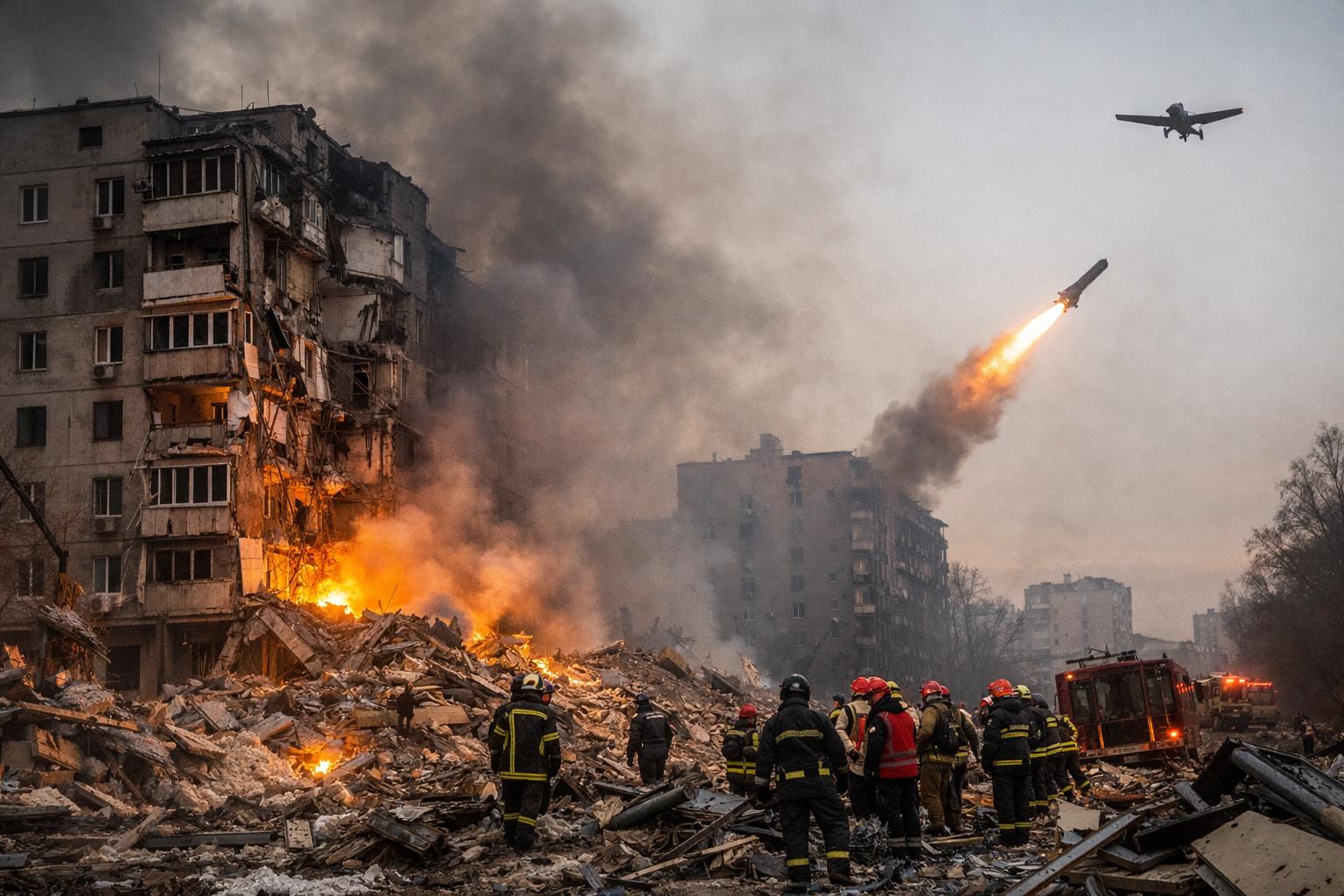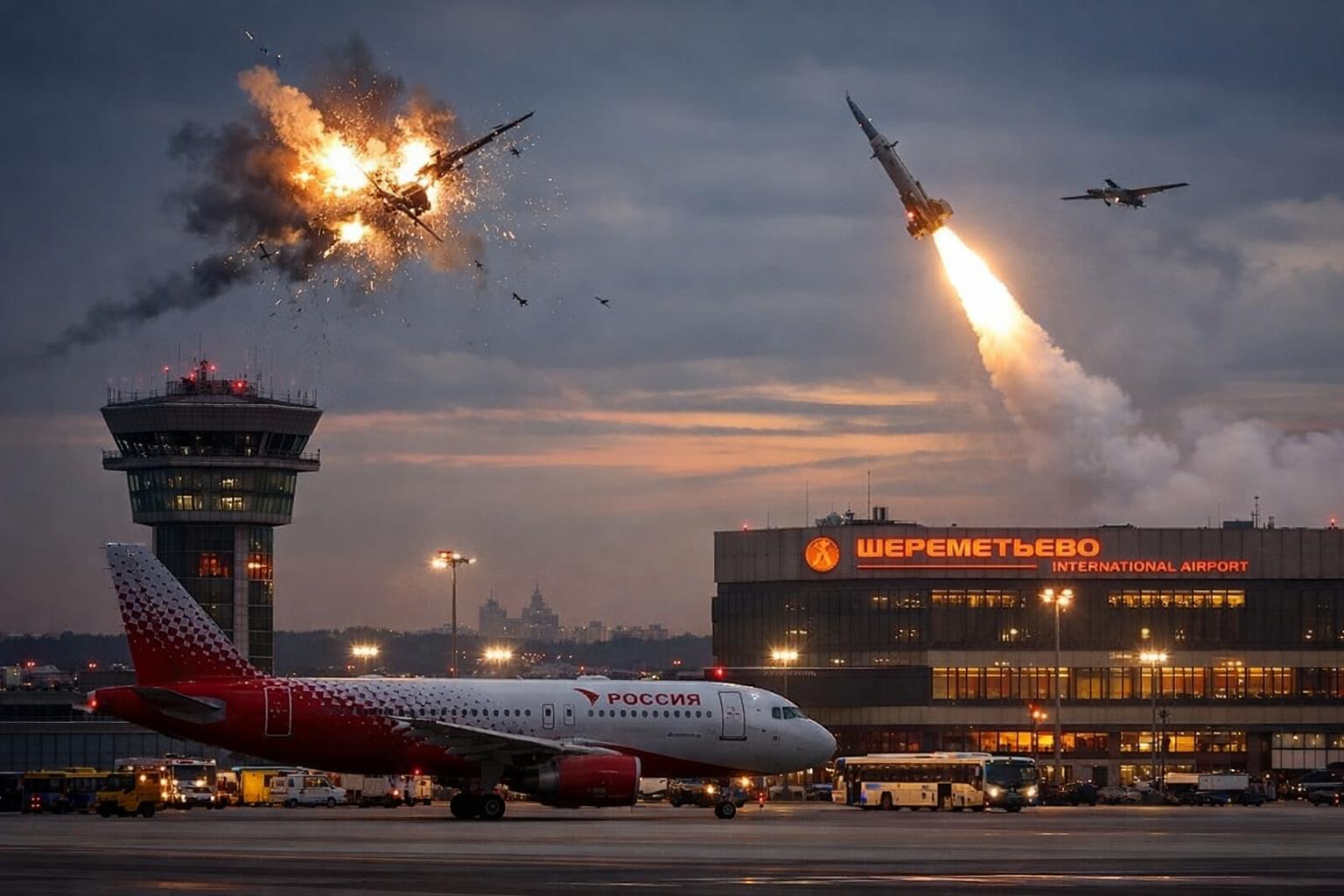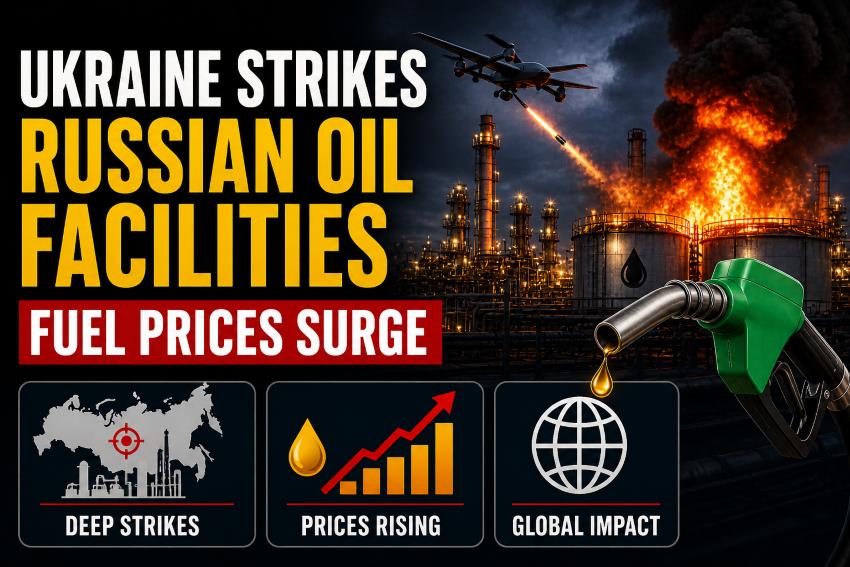
Ukraine’s recent wave of deep strikes on Russian oil facilities signals a strategic shift aimed at weakening one of Russia’s most critical economic sectors. By targeting refineries and storage units far from the frontline, Ukraine is attempting to disrupt the production and distribution of fuel that supports both civilian infrastructure and military logistics. Analysts believe these operations are designed not only to create immediate supply chain disruptions but also to increase long-term pressure on Russia’s energy-dependent economy.
However, the broader consequences of these attacks are being felt far beyond the conflict zone. Global oil markets have reacted with volatility, pushing fuel prices upward in several regions. As Russia remains one of the world’s key oil exporters, any disruption to its production capacity has ripple effects across international markets. Countries that rely on imported crude are already experiencing price fluctuations, which could translate into higher transportation and commodity costs for consumers. This situation raises concerns about inflationary pressures at a time when many economies are still recovering from previous global disruptions.
Impact on Global Energy Markets
The strikes have added uncertainty to an already sensitive global energy landscape. Traders and investors are closely monitoring developments, as even minor disruptions in supply can trigger significant price movements. Rising fuel costs may reduce the economic effectiveness of Ukraine’s strategy by indirectly affecting allied nations and increasing operational expenses for multiple industries worldwide. Governments may be forced to intervene through subsidies or strategic reserves to stabilize domestic markets.
Balancing Military Strategy and Economic Fallout
While Ukraine’s actions aim to weaken Russia’s war capabilities, they also highlight the complex balance between military objectives and economic consequences. Higher global fuel prices could impact public sentiment and political decisions in countries supporting Ukraine. Experts suggest that the long-term outcome will depend on how effectively global markets adapt and whether alternative energy supplies can offset the disruptions. As the conflict continues, the intersection of warfare and economic stability remains a critical factor shaping international responses and future strategies.