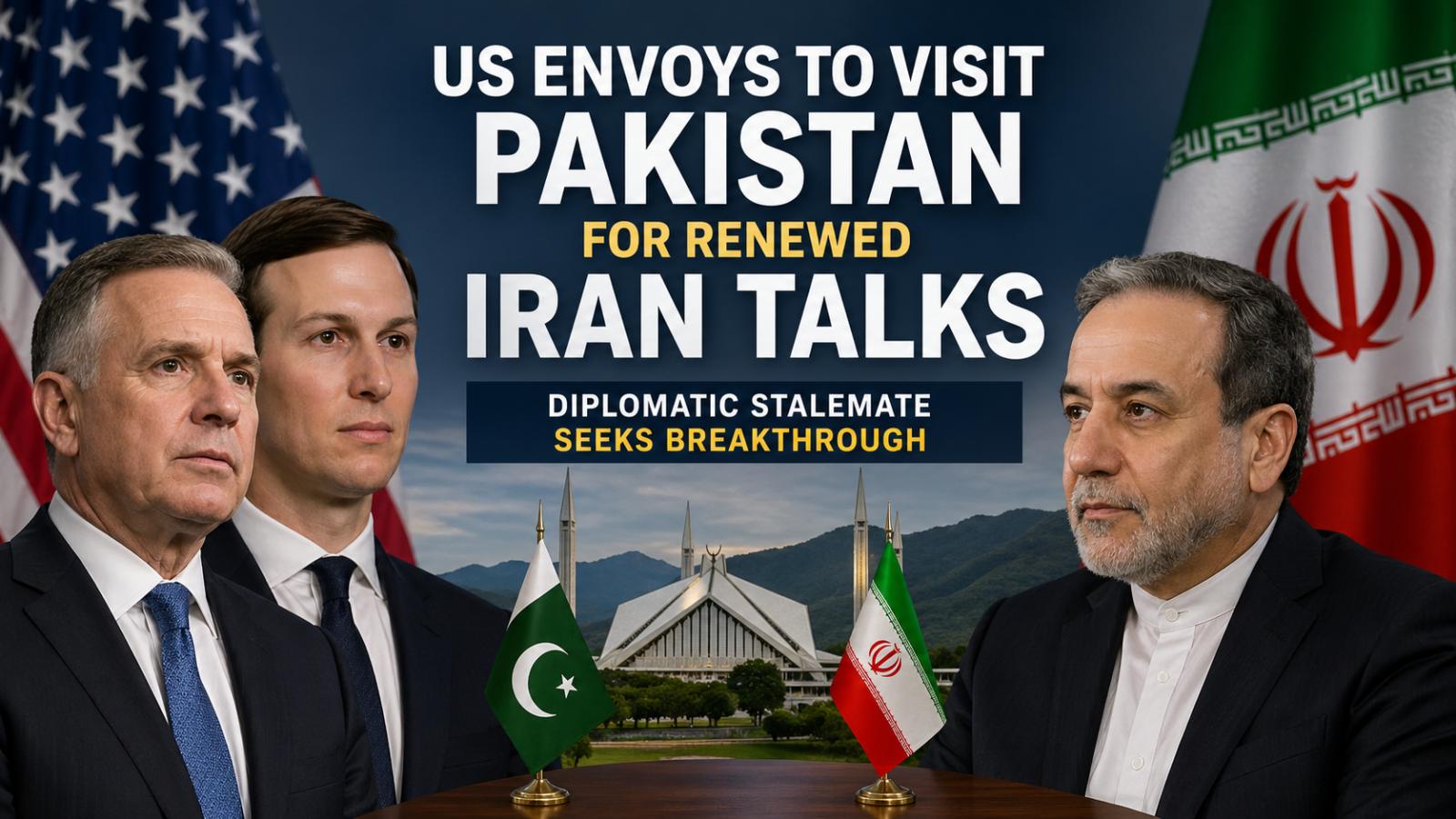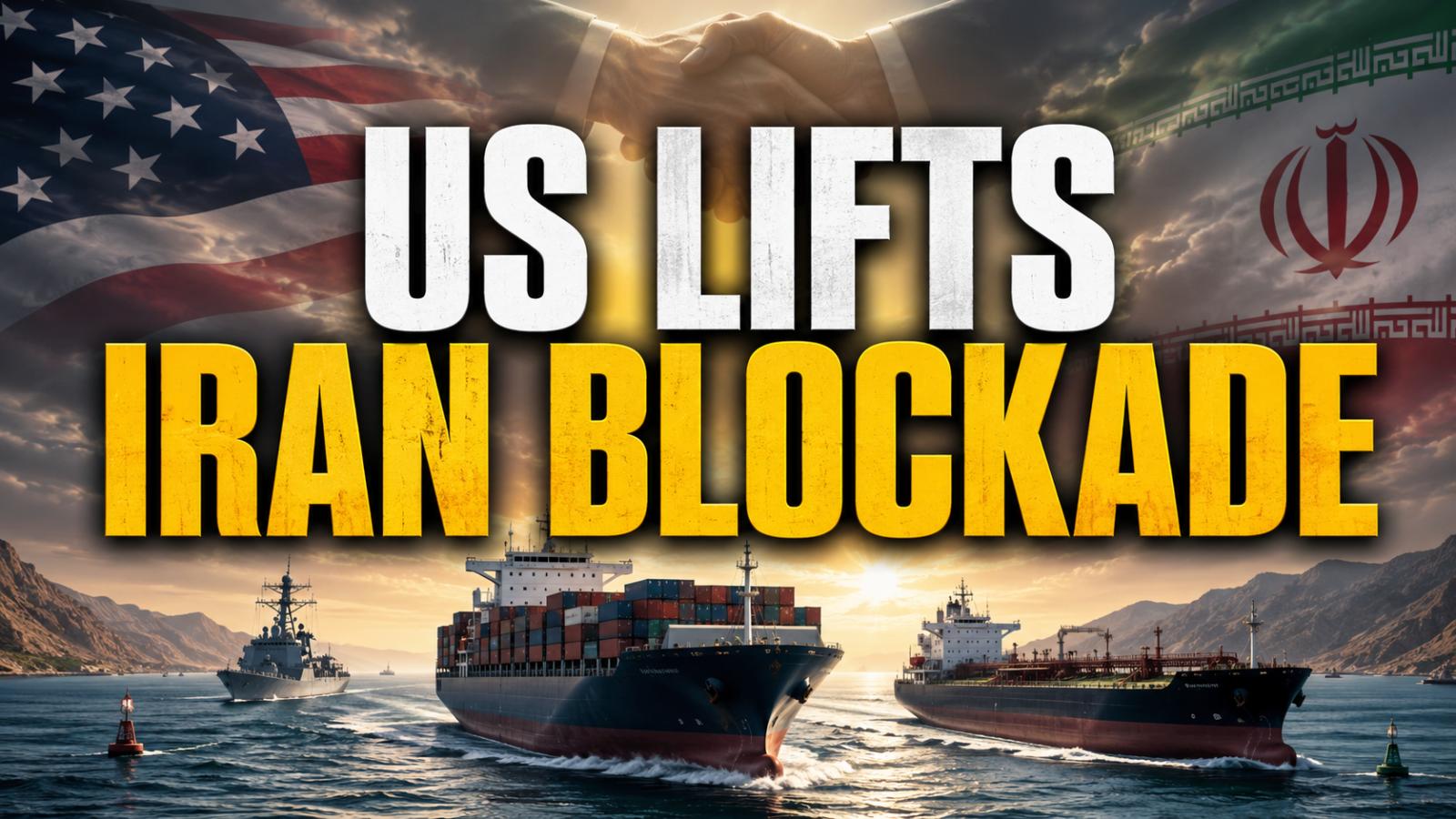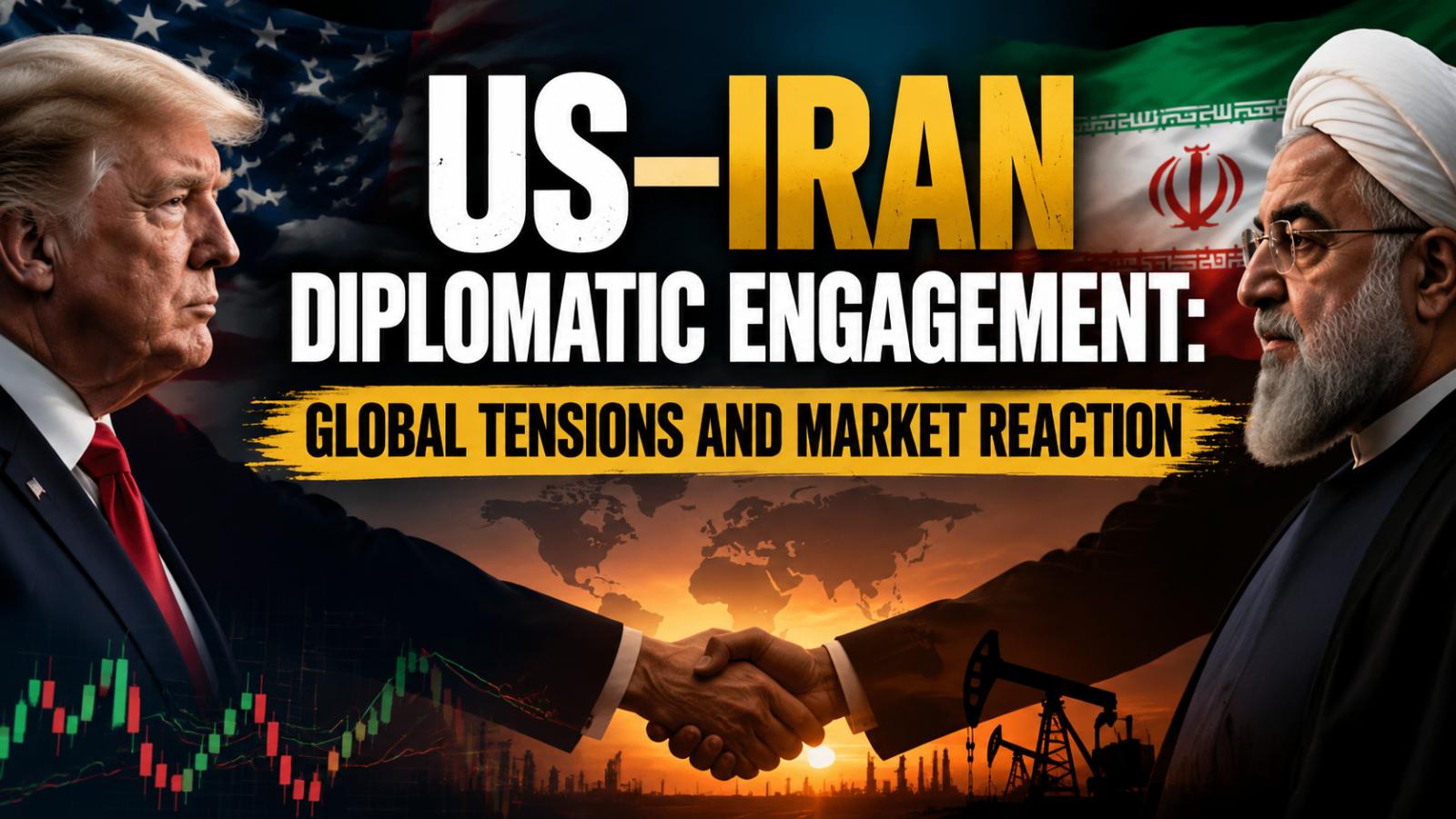
A new round of communication between the United States and Iran has drawn international attention, with both sides indicating a willingness to reopen structured dialogue after a prolonged period of tension. The engagement is being described by officials as an early-stage memorandum-style understanding aimed at reducing immediate escalation risks rather than finalizing a comprehensive agreement.
While no detailed treaty framework has been released, the move signals a shift toward managed communication channels between Washington and Tehran at a time when regional instability remains high. The development comes amid continued disputes over sanctions enforcement, nuclear oversight, and security concerns involving allied states in the Middle East.
Political Reactions and Competing Interpretations
The announcement has triggered sharply divided interpretations across political circles. Supporters argue the engagement reflects pragmatic diplomacy designed to prevent further deterioration in regional stability. They view the move as a necessary step to re-establish communication after years of limited direct contact.
Critics, however, question the framing and timing of the outreach, arguing that it may be politically motivated or overstated in its immediate impact. The lack of publicly detailed commitments has added to skepticism, with analysts cautioning against treating the development as a formal breakthrough.
Market Sentiment and Economic Signals
Following the news, global markets showed cautious movement, with attention focused on oil pricing trends and equity performance. Some observers noted that easing geopolitical tension narratives often coincide with short-term market optimism, particularly in energy-linked sectors.
However, financial analysts caution that market behavior is influenced by a wide range of factors including supply dynamics, inflation expectations, and broader investor sentiment. They argue it is difficult to directly link short-term price shifts to any single diplomatic development without broader confirmation.
Regional Stakes and Next Phase Uncertainty
The broader Middle East context continues to shape the significance of US–Iran engagement. Key issues such as sanctions policy, nuclear compliance monitoring, and regional security alignments remain unresolved. Any further progress will depend on sustained negotiations and the involvement of additional international stakeholders.
For now, the development is being viewed as an opening signal rather than a concluded agreement. The next phase will depend on whether both sides can translate preliminary communication into structured diplomatic progress with measurable outcomes.