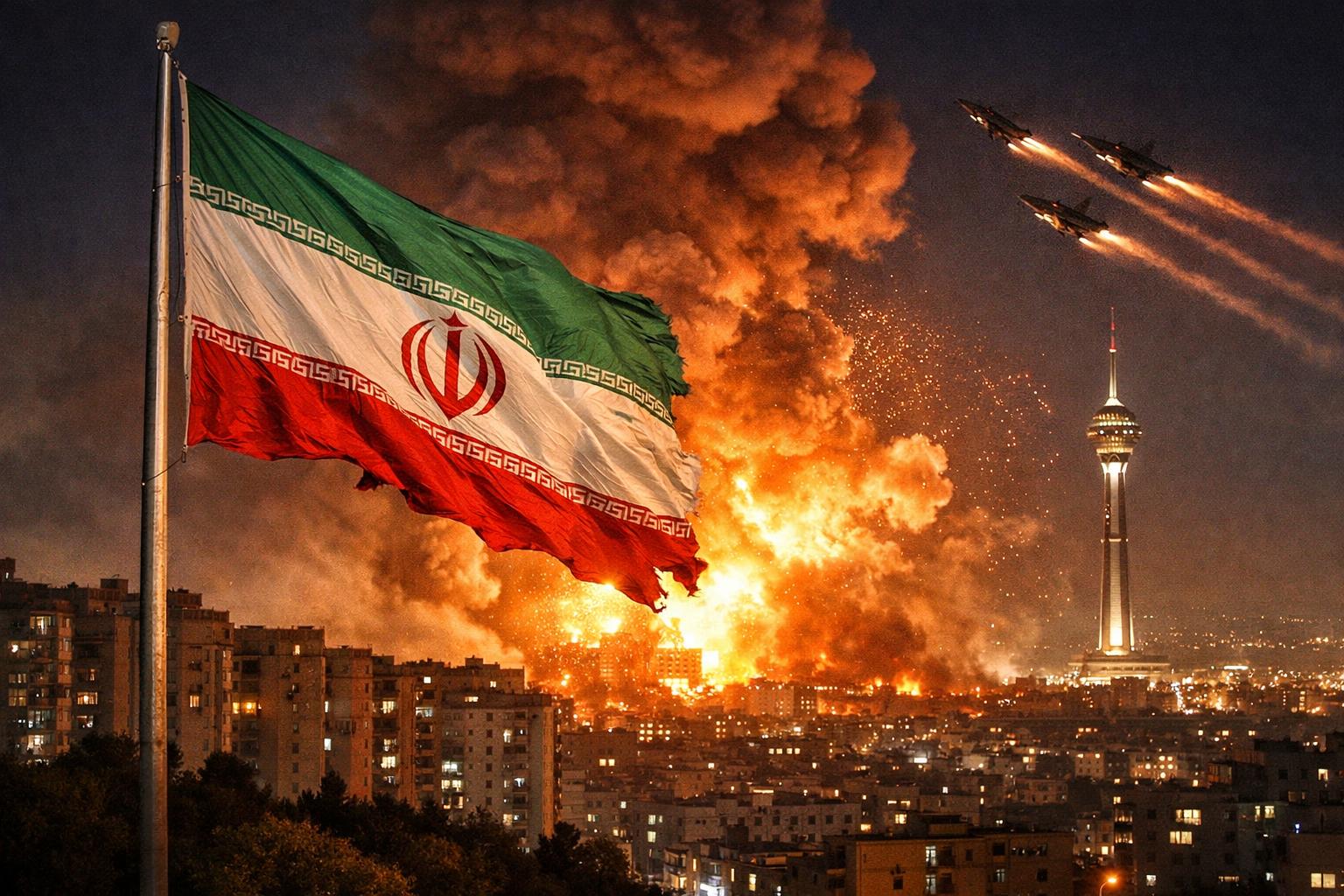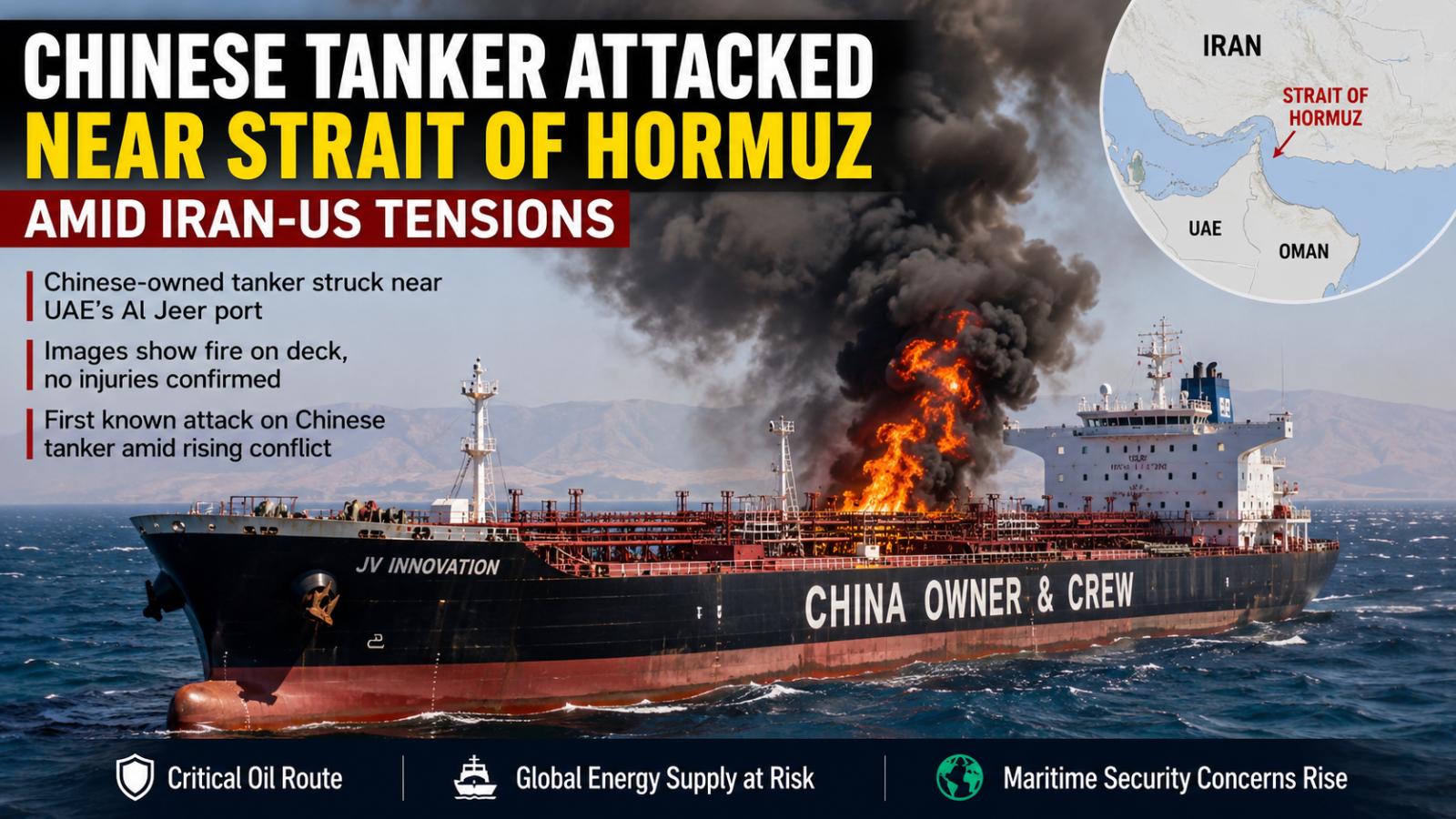
The United States has carried out another round of attacks on Iranian military infrastructure as fighting around the Strait of Hormuz threatens commercial shipping and regional stability. CENTCOM said its latest verified operation targeted coastal defence systems, missile facilities, drones and maritime capabilities across several Iranian locations.
US strikes Iran military targets across coastal regions
US Central Command said American forces completed a five-hour operation against Iranian military targets on July 13. The strikes hit facilities in Bushehr, Chabahar, Jask, Konarak, Abu Musa and Bandar Abbas, according to an official CENTCOM statement.
The command said precision weapons were used against coastal defence systems, missile and drone sites and Iranian maritime capabilities. It described the objective as weakening Iran’s ability to attack commercial vessels operating near the Strait of Hormuz. More than 50,000 US personnel are currently deployed across the Middle East, CENTCOM added.
The verified timing differs from reports describing the operation as a fresh Wednesday morning attack. CENTCOM’s latest publicly listed strike announcement states that the operation ended at 10:15 p.m. Eastern Time on July 13. No newer detailed strike statement had been posted on its public-release page at the time of verification.
Strait of Hormuz shipping faces growing security risks
The latest operation followed another wave of US strikes on July 12. CENTCOM said those attacks targeted Iranian air-defence systems, coastal radar installations, missile and drone capabilities and small military boats at several locations.
American fighter aircraft, naval vessels, aerial attack drones and maritime drones participated in that operation. CENTCOM said it used one-way maritime attack drones for the first time during the campaign.
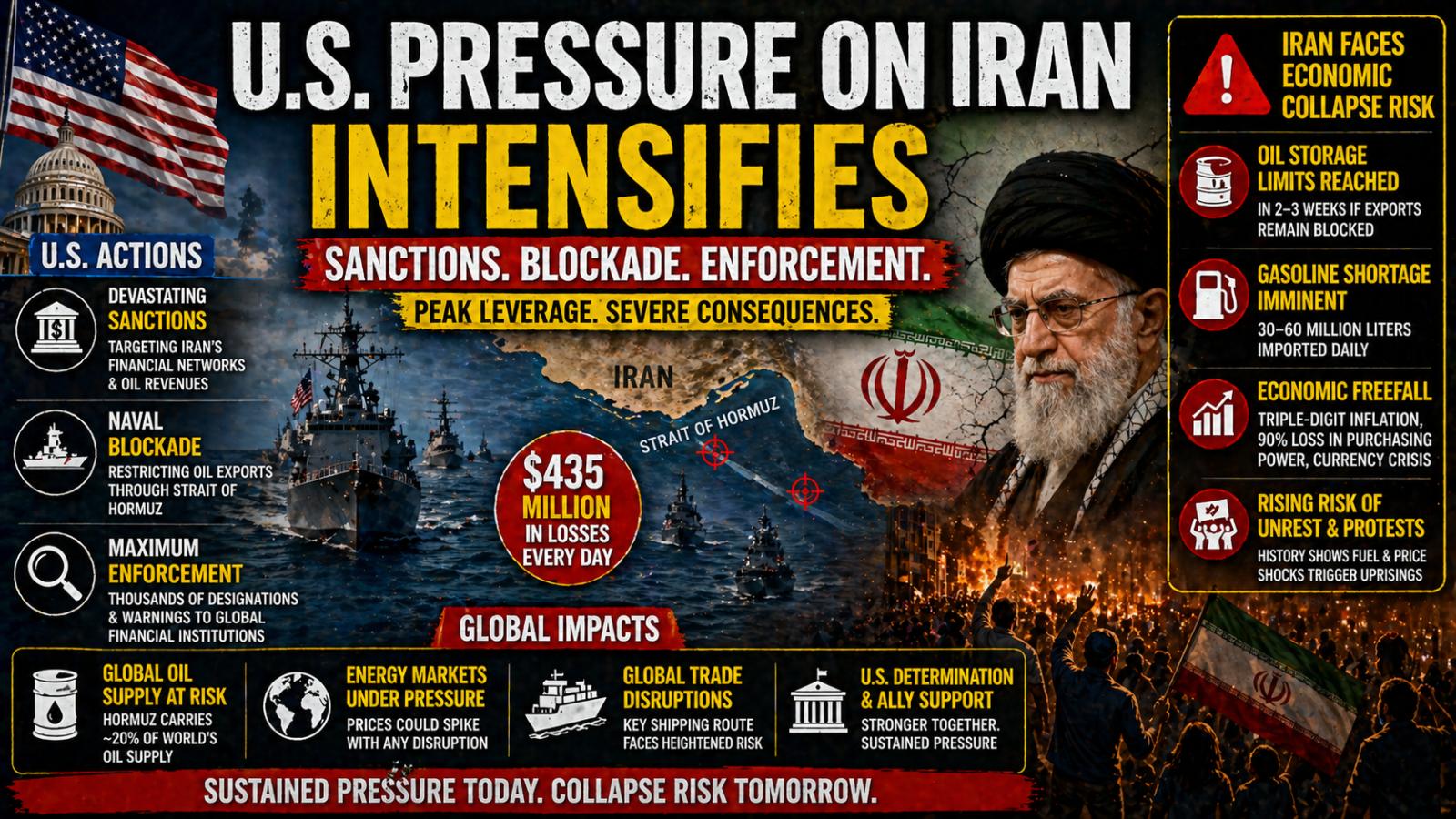
The Strait of Hormuz remains a critical route for international energy shipments and commercial trade. Any prolonged confrontation in the waterway could increase insurance costs, disrupt tanker schedules and create further uncertainty for oil-importing countries.
CENTCOM also announced on July 13 that US forces would resume naval blockade measures against Iran. Its public-release archive shows several rounds of strikes during July following attacks that the command attributed to Iran against commercial vessels.
Claims about civilian casualties, threatened attacks on Iranian bridges or power plants and the collapse of a reported 14-point peace agreement require clearer confirmation from official documents before publication as established facts.
India strengthens protection for Indian seafarers
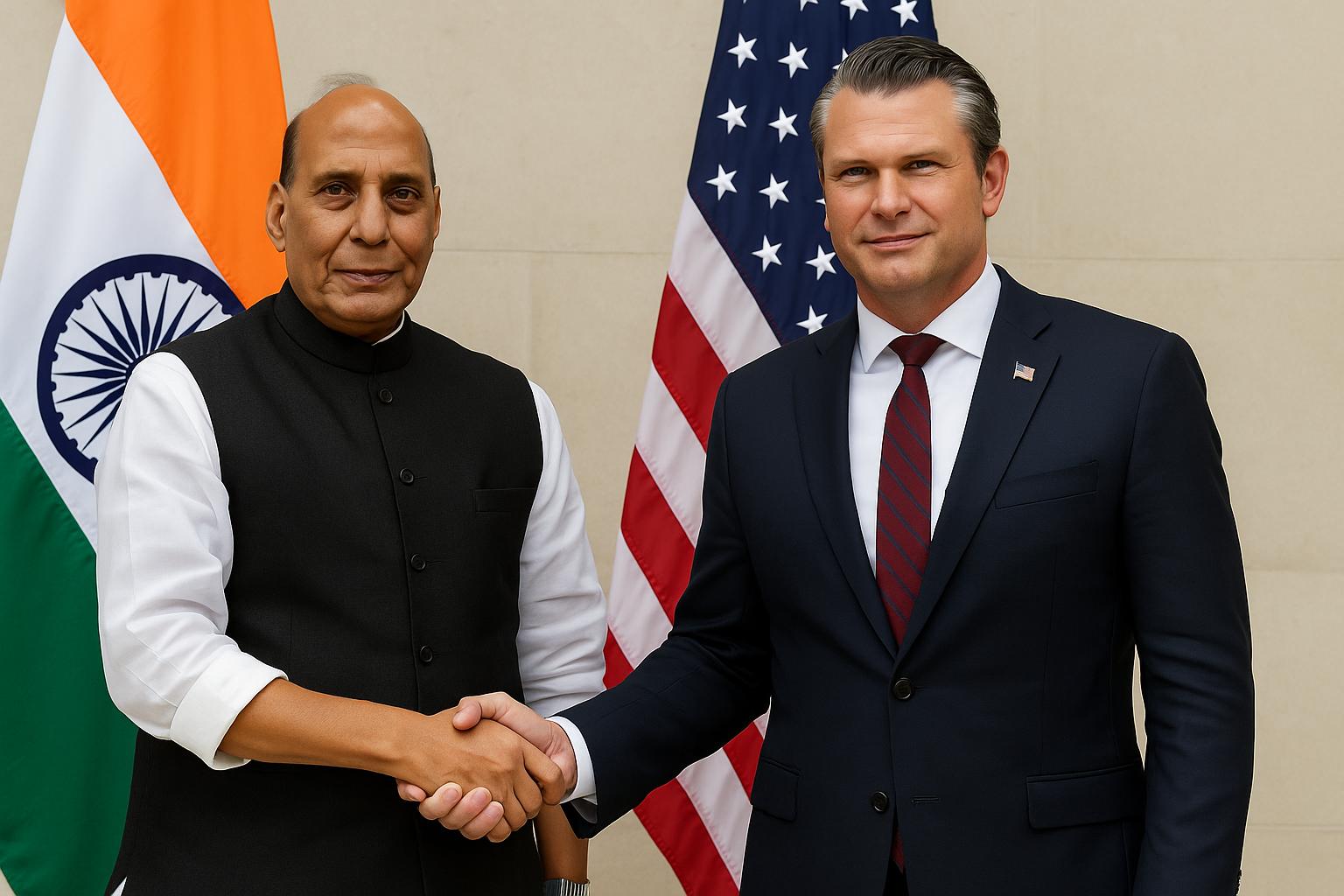
India has expanded measures to protect citizens working aboard vessels in the Persian Gulf, Strait of Hormuz and Gulf of Oman. Union Ports, Shipping and Waterways Minister Sarbananda Sonowal chaired a high-level review on July 14 and ordered a “Seafarer-First” response.
The government said officials from the shipping ministry, Ministry of External Affairs, Indian Navy, Directorate General of Shipping and Indian missions in the region were involved in the coordinated response. Authorities plan to improve communication, emergency assistance and real-time tracking of Indian crew members operating in high-risk waters.
India had already issued safety advisories for Indian seafarers and Indian-flagged ships earlier in 2026 as tensions increased across the Persian Gulf and adjoining maritime zones.
The expanding US-Iran conflict now carries consequences beyond the two countries. Continued military action could endanger sailors, interrupt commercial shipping and place further pressure on global energy markets. Any report on the conflict should clearly separate independently verified events from statements issued by the governments and military forces involved.