- datacompass
- 08 Jun 2026
- #netanyahu #israel #iran #trump #idf #nuclear #tehran #strike #military #middleeast
Netanyahu Halts Planned Strike on Iran
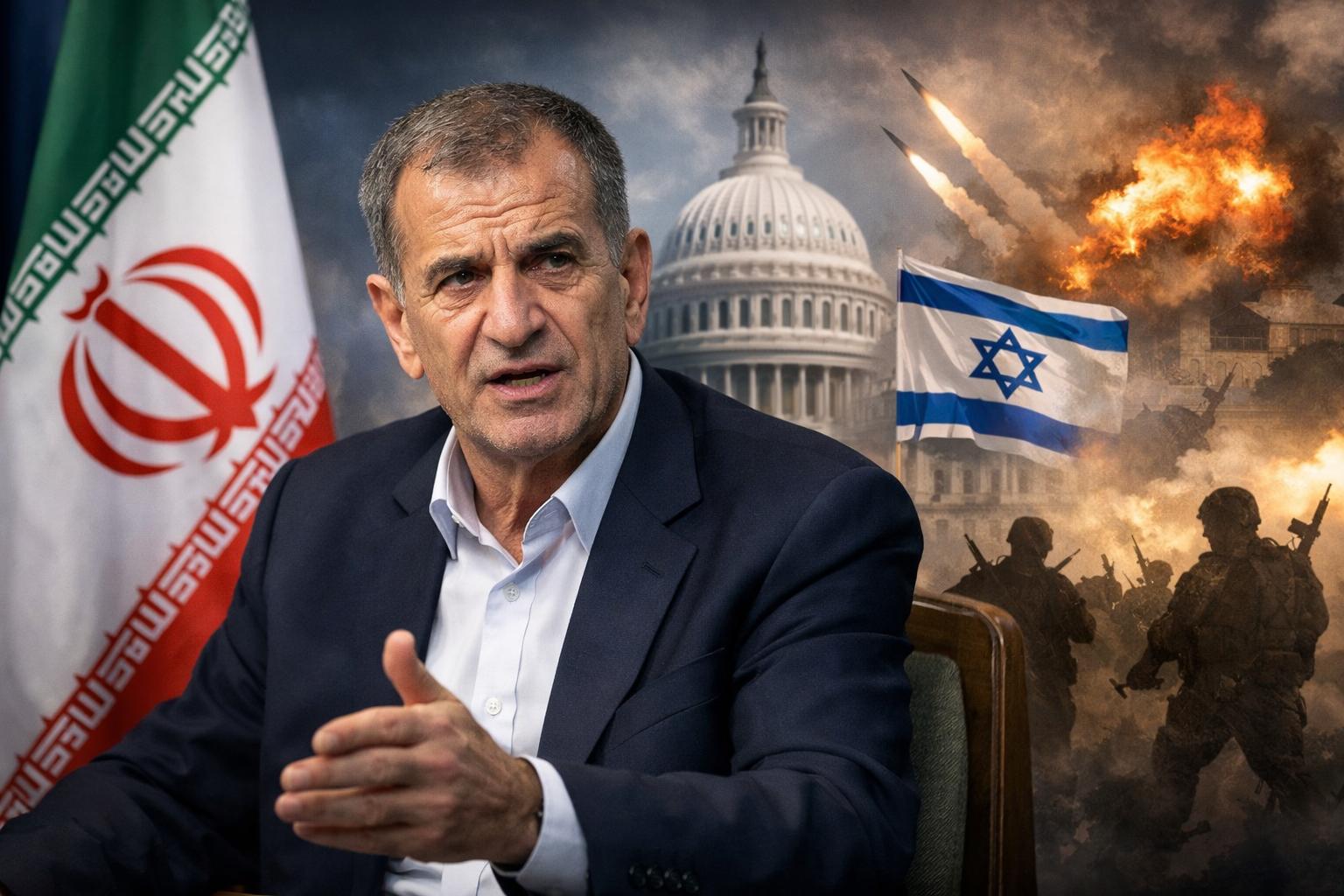
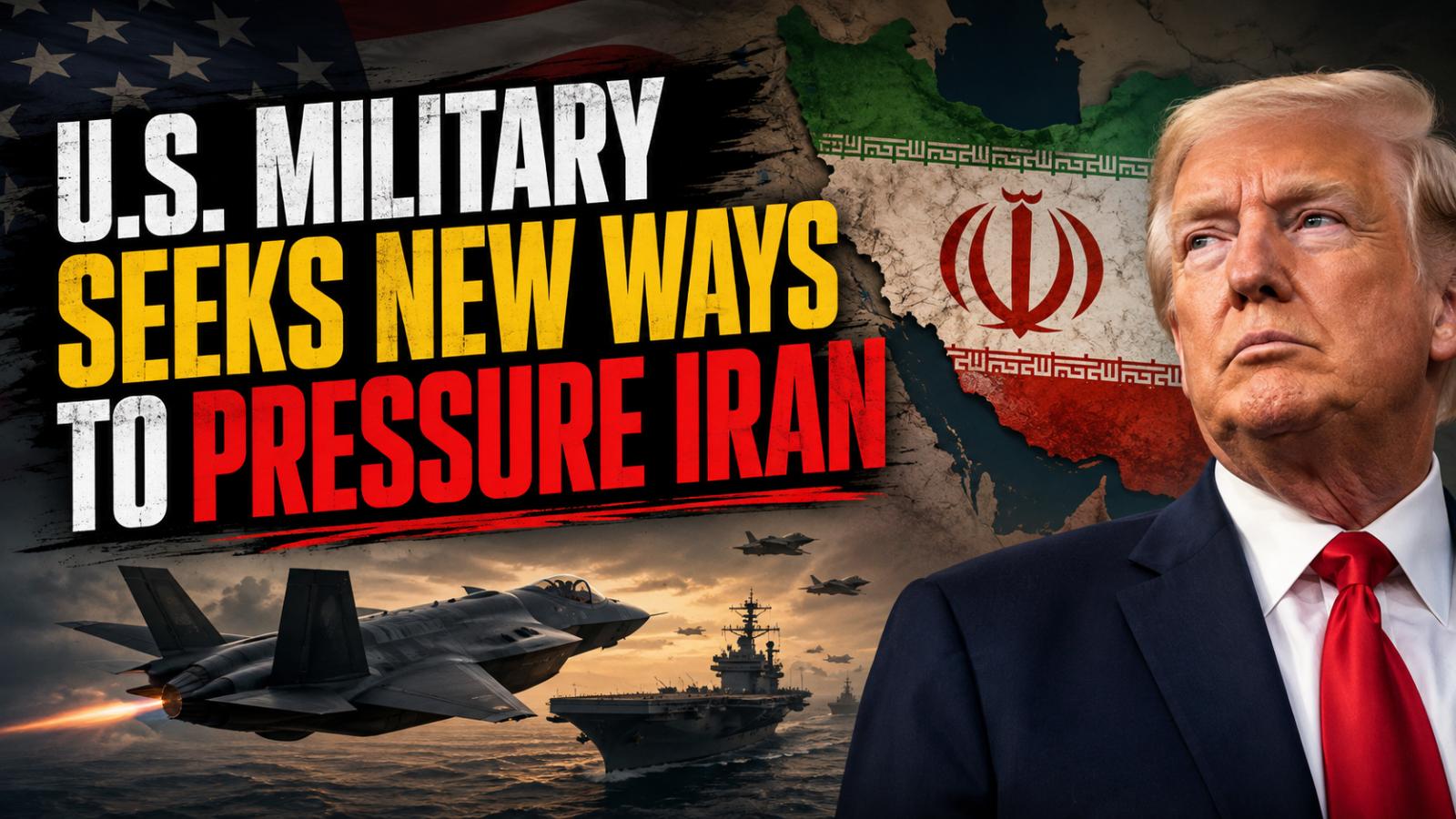
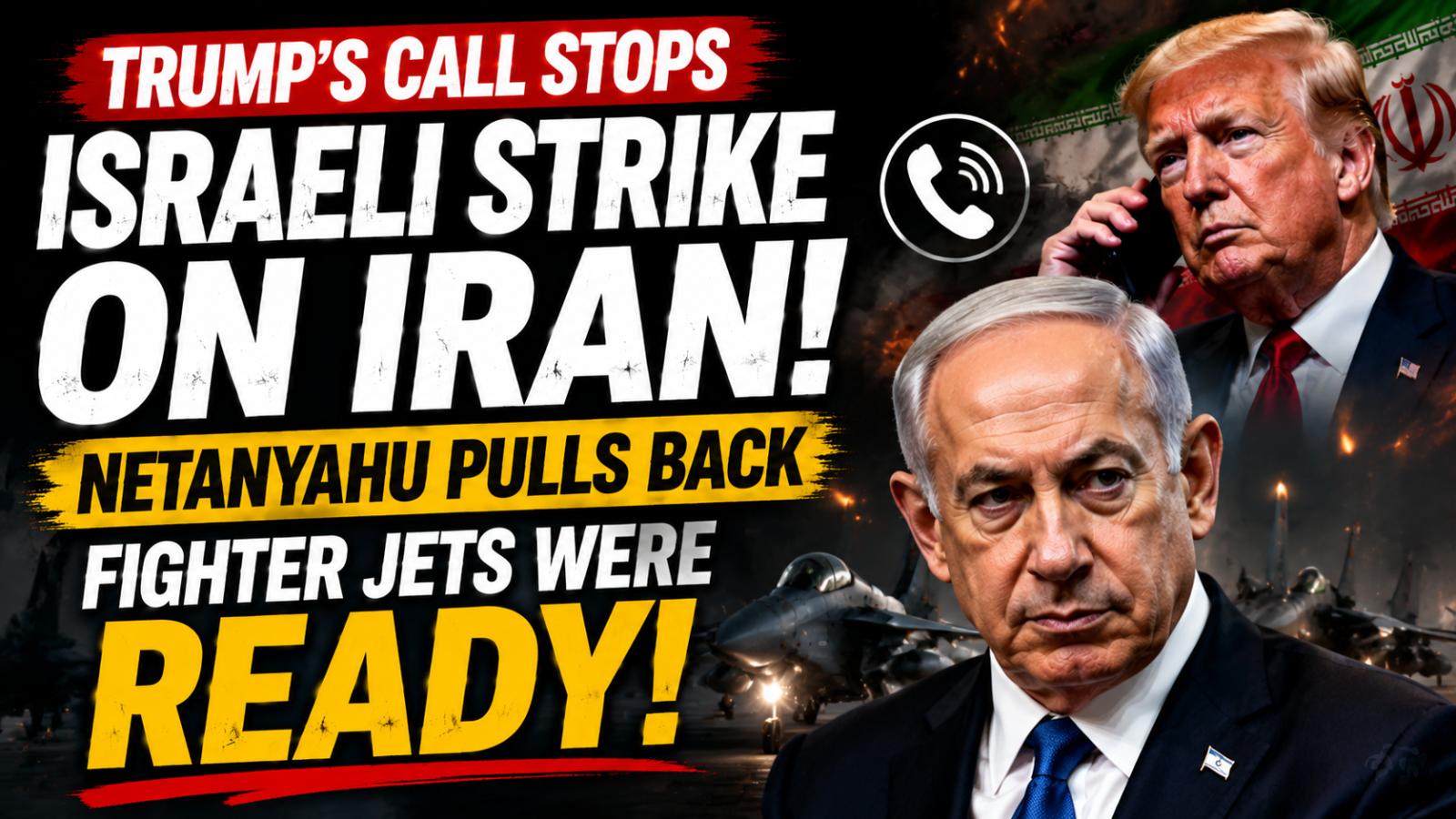
Israeli Prime Minister Benjamin Netanyahu reportedly called off a large-scale strike on Iran after a direct call from US President Donald Trump. The planned operation involved fighter jets poised on the runway, ready to target Iranian military and economic facilities. According to sources, Netanyahu justified the decision by emphasizing the strategic alignment with Washington, noting that Trump’s ongoing pressure and control over Iran’s nuclear material made it prudent to avoid confrontation with the US.
Coordination With Washington
Netanyahu defended the coordination with the US, stating, “We are on the same page as Trump. He is not releasing Iran’s frozen funds, he is determined to secure the nuclear material, and he is maintaining the pressure. Why should we pick a fight with him?” Israeli officials had initially urged caution, warning against succumbing to US pressure, but the prime minister maintained that strategic collaboration was essential for broader regional stability and security.
Israel’s Defensive Stance
Following the temporary halt, Netanyahu confirmed that Israel’s strikes on Iranian targets would resume if Tehran renewed hostilities. He stated, “After Iran attacked Israel, I directed the IDF to strike military and economic targets throughout Iran. At present, the fire on this front has been halted, because after the terrorist regime in Tehran was struck, it stopped attacking us.” The statement reflects Israel’s commitment to maintaining a defensive posture while coordinating with the United States to avoid escalation.
Implications for Regional Security
The pause in Israel’s operations demonstrates a careful balancing act between enforcing military deterrence and managing diplomatic relations with the United States. Analysts note that such coordination ensures Israel can respond decisively if Iran resumes aggression while minimizing risks of miscalculation. Netanyahu’s public remarks underscore the emphasis on strategic alignment with Washington, which plays a central role in any regional security decisions.