



















Israel shifts defence strategy amid US political strain
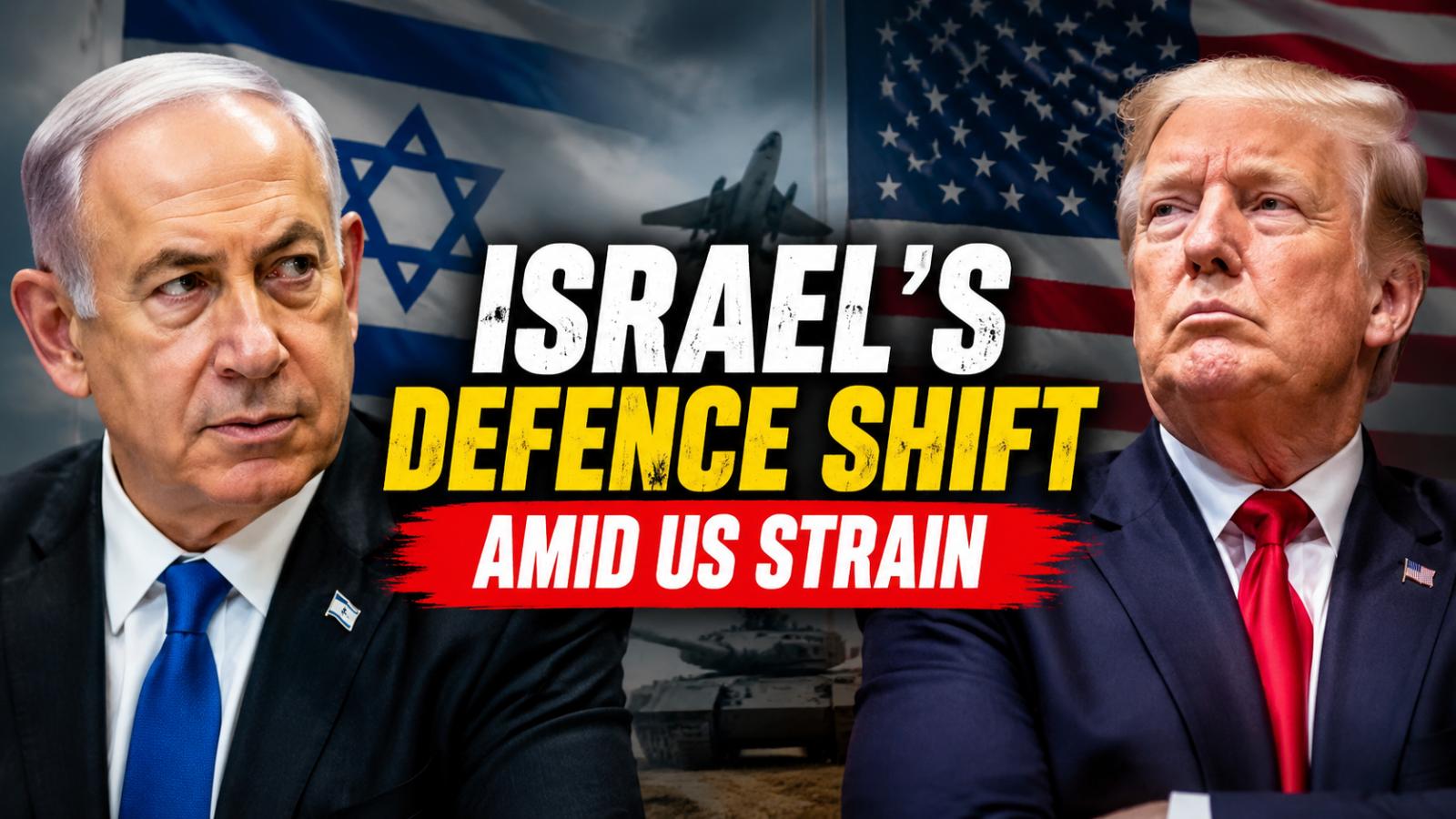
Tensions between Israel and the United States over regional security priorities have added pressure on Prime Minister Benjamin Netanyahu’s government to accelerate its push for greater military independence. The discussion has gained momentum as Israel continues operations linked to Iran-backed groups while simultaneously responding to diplomatic developments involving Washington and Tehran. Netanyahu recently emphasized that Israel cannot depend entirely on external military supply chains for long-term security needs. His remarks were delivered during a meeting with reserve officers in the West Bank, where he highlighted the importance of strengthening domestic defence production and reducing strategic vulnerabilities linked to foreign policy shifts. Domestic defence capacity becomes a strategic priority Israeli leadership is increasingly focused on expanding its local defence manufacturing ecosystem. The plan includes scaling up production of advanced weapon systems, improving technological innovation within the military sector, and reducing delays caused by international procurement dependencies. Officials argue that while US military support remains critical, future conflict scenarios require Israel to maintain uninterrupted access to essential defence capabilities without external constraints. This shift reflects broader concerns about regional instability and the speed at which security threats evolve. Diplomatic friction over regional agreements Recent US-led diplomatic efforts involving Iran have added another layer of complexity to the relationship. Israeli policymakers have expressed concern that regional understandings may not fully address threats posed by groups such as Hezbollah, which continue to operate along Israel’s northern border. From Israel’s perspective, security decisions tied to immediate threats cannot be constrained by broader international agreements. This difference in approach has created periodic friction between Washington and Jerusalem, even as both sides publicly reaffirm their strategic partnership. Political messaging highlights diverging priorities Netanyahu’s statements also reflect internal political messaging aimed at reinforcing a doctrine of strategic independence. While maintaining that the US remains Israel’s most important ally, he has repeatedly stressed that national security decisions must ultimately remain under Israeli control. The debate has also been reflected in wider political discourse, including commentary associated with US political figures and shifting positions on Middle East engagement. Although both governments continue coordination on defence matters, differences in threat assessment and timing of responses remain evident. Strategic autonomy framed as long-term necessity Israeli officials describe the current shift not as a break from alliances but as a recalibration of priorities. The focus is on ensuring that Israel can respond rapidly to evolving threats in a region marked by proxy conflicts, cross-border tensions, and shifting diplomatic alignments. The emerging strategy positions defence self-reliance as a structural requirement rather than a temporary policy adjustment, signaling a longer-term transformation in how Israel plans its security framework.
Israel shifts defence strategy amid US political strain
Tensions between Israel and the United States over regional security priorities have added pressure on Prime Minister Benjamin Netanyahu’s government to accelerate its push for greater military independence. The discussion has gained momentum as Israel continues operations linked to Iran-backed groups while simultaneously responding to diplomatic developments involving Washington and Tehran. Netanyahu recently emphasized that Israel cannot depend entirely on external military supply chains for long-term security needs. His remarks were delivered during a meeting with reserve officers in the West Bank, where he highlighted the importance of strengthening domestic defence production and reducing strategic vulnerabilities linked to foreign policy shifts. Domestic defence capacity becomes a strategic priority Israeli leadership is increasingly focused on expanding its local defence manufacturing ecosystem. The plan includes scaling up production of advanced weapon systems, improving technological innovation within the military sector, and reducing delays caused by international procurement dependencies. Officials argue that while US military support remains critical, future conflict scenarios require Israel to maintain uninterrupted access to essential defence capabilities without external constraints. This shift reflects broader concerns about regional instability and the speed at which security threats evolve. Diplomatic friction over regional agreements Recent US-led diplomatic efforts involving Iran have added another layer of complexity to the relationship. Israeli policymakers have expressed concern that regional understandings may not fully address threats posed by groups such as Hezbollah, which continue to operate along Israel’s northern border. From Israel’s perspective, security decisions tied to immediate threats cannot be constrained by broader international agreements. This difference in approach has created periodic friction between Washington and Jerusalem, even as both sides publicly reaffirm their strategic partnership. Political messaging highlights diverging priorities Netanyahu’s statements also reflect internal political messaging aimed at reinforcing a doctrine of strategic independence. While maintaining that the US remains Israel’s most important ally, he has repeatedly stressed that national security decisions must ultimately remain under Israeli control. The debate has also been reflected in wider political discourse, including commentary associated with US political figures and shifting positions on Middle East engagement. Although both governments continue coordination on defence matters, differences in threat assessment and timing of responses remain evident. Strategic autonomy framed as long-term necessity Israeli officials describe the current shift not as a break from alliances but as a recalibration of priorities. The focus is on ensuring that Israel can respond rapidly to evolving threats in a region marked by proxy conflicts, cross-border tensions, and shifting diplomatic alignments. The emerging strategy positions defence self-reliance as a structural requirement rather than a temporary policy adjustment, signaling a longer-term transformation in how Israel plans its security framework.
Israel Lebanon border tension grows over Beaufort Castle
Israel has signalled that its forces will remain in parts of southern Lebanon, including the area around Beaufort Castle, as border security remains a major concern despite continuing ceasefire pressure. Israeli officials say the military-held zone is needed to protect communities in Galilee and prevent Hezbollah-linked groups from regaining positions close to northern Israel. Defence Minister Israel Katz said Israel does not intend to wit
Israel Lebanon border tension grows over Beaufort Castle
Israel has signalled that its forces will remain in parts of southern Lebanon, including the area around Beaufort Castle, as border security remains a major concern despite continuing ceasefire pressure. Israeli officials say the military-held zone is needed to protect communities in Galilee and prevent Hezbollah-linked groups from regaining positions close to northern Israel. Defence Minister Israel Katz said Israel does not intend to wit
Netanyahu rejects claims Trump controls Israel decisions
Netanyahu rejects influence claims Israeli Prime Minister Benjamin Netanyahu has rejected claims that US President Donald Trump controls his decisions or that he directs Trump’s actions, saying both leaders act independently in the interests of their own countries. Speaking at the JNS Summit in Jerusalem on Sunday, June 21, Netanyahu addressed speculation over whether the two leaders influence each other’s positions on the Iran war and br
Netanyahu rejects claims Trump controls Israel decisions
Netanyahu rejects influence claims Israeli Prime Minister Benjamin Netanyahu has rejected claims that US President Donald Trump controls his decisions or that he directs Trump’s actions, saying both leaders act independently in the interests of their own countries. Speaking at the JNS Summit in Jerusalem on Sunday, June 21, Netanyahu addressed speculation over whether the two leaders influence each other’s positions on the Iran war and br
Israel to Keep Troops in Gaza, Lebanon and Syria
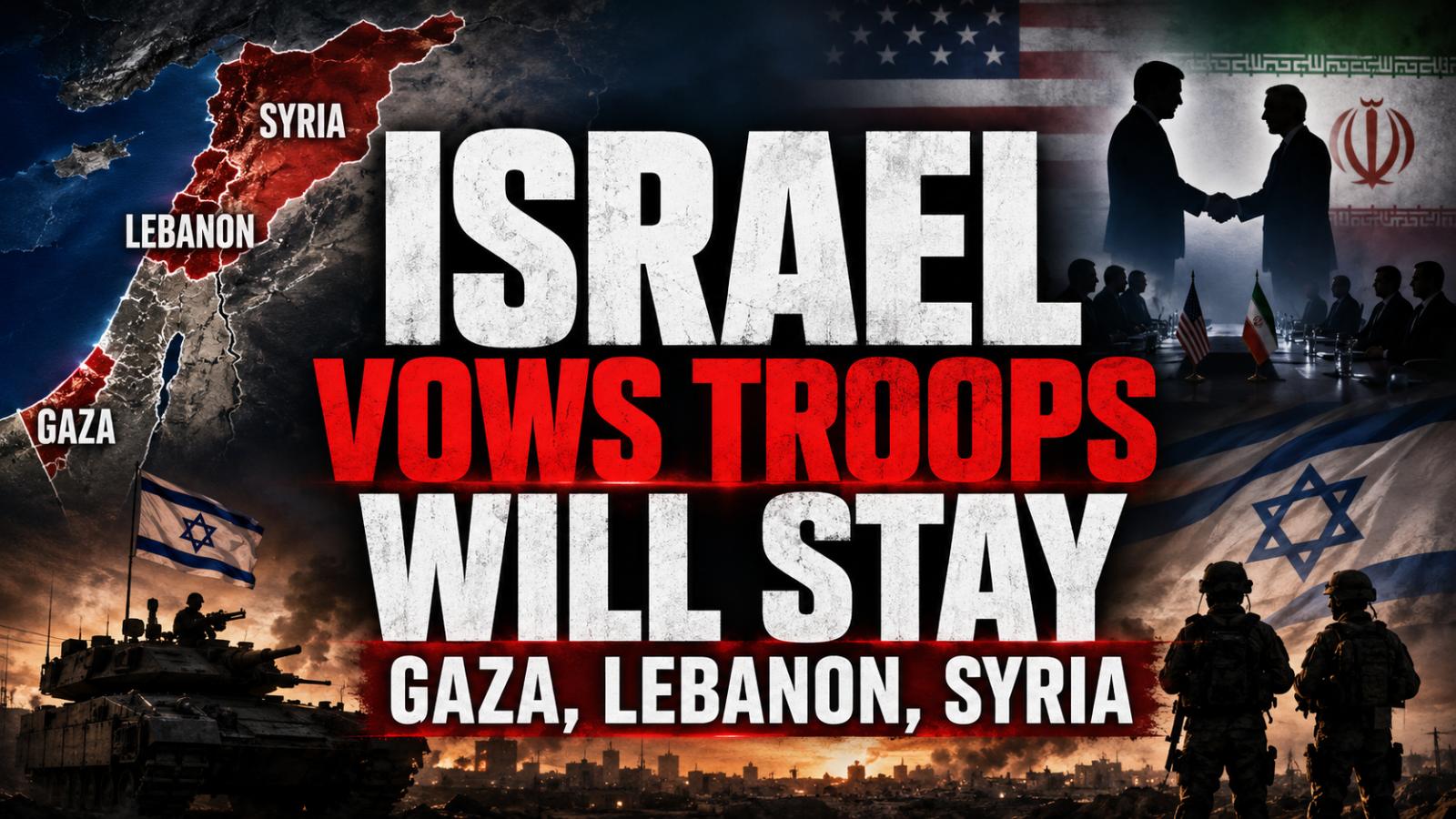
Netanyahu Defends Iran Campaign Israeli Prime Minister Benjamin Netanyahu said the joint US-Israeli military campaign against Iran had protected Israel from what he described as the danger of nuclear annihilation. Speaking after Washington and Tehran announced a preliminary agreement to halt the regional war, Netanyahu said Israel and the United States had removed an immediate Iranian nuclear threat and created a credible military deterrent for future negotiations. He said Iran would not be allowed to obtain nuclear weapons “with or without a deal,” while insisting that Israel would retain the ability to act if it judged the threat unresolved. Security Zones To Remain Netanyahu also said Israeli forces would remain in security zones in Gaza, Lebanon and Syria for as long as his government considered necessary. He argued that those buffer areas were created to protect Israel’s borders after years of threats from Iran-backed groups and other armed factions. His position comes as the US-Iran agreement seeks to reduce fighting across the region, including in Lebanon, where Hezbollah and Israeli forces have been involved in continued hostilities. The statement signals that Israel may not automatically withdraw from territory it currently controls even if broader diplomacy moves forward. Iran Deal Raises Tensions The US-Iran agreement has created political pressure inside Israel, with critics warning that the deal may leave major issues unresolved, including Iran’s missile program and support for regional armed groups. Netanyahu has avoided directly rejecting the diplomatic track, but he has stressed that Israel is not bound to accept security risks it considers unacceptable. The gap between Washington’s push for de-escalation and Israel’s insistence on military freedom of action could become a major test for future Middle East diplomacy. Netanyahu Confirms Election Run Netanyahu also confirmed that he plans to run in Israel’s upcoming elections. His announcement comes as he faces criticism from opposition parties over the handling of the war, the fate of hostages, continued military operations and the political cost of the Iran campaign. Despite domestic pressure and a continuing corruption trial, Netanyahu said he intends to seek another term. His remarks show that the Iran campaign, the US-Iran deal and Israel’s security zones are likely to become central issues in the election debate.
Israel to Keep Troops in Gaza, Lebanon and Syria
Netanyahu Defends Iran Campaign Israeli Prime Minister Benjamin Netanyahu said the joint US-Israeli military campaign against Iran had protected Israel from what he described as the danger of nuclear annihilation. Speaking after Washington and Tehran announced a preliminary agreement to halt the regional war, Netanyahu said Israel and the United States had removed an immediate Iranian nuclear threat and created a credible military deterrent for future negotiations. He said Iran would not be allowed to obtain nuclear weapons “with or without a deal,” while insisting that Israel would retain the ability to act if it judged the threat unresolved. Security Zones To Remain Netanyahu also said Israeli forces would remain in security zones in Gaza, Lebanon and Syria for as long as his government considered necessary. He argued that those buffer areas were created to protect Israel’s borders after years of threats from Iran-backed groups and other armed factions. His position comes as the US-Iran agreement seeks to reduce fighting across the region, including in Lebanon, where Hezbollah and Israeli forces have been involved in continued hostilities. The statement signals that Israel may not automatically withdraw from territory it currently controls even if broader diplomacy moves forward. Iran Deal Raises Tensions The US-Iran agreement has created political pressure inside Israel, with critics warning that the deal may leave major issues unresolved, including Iran’s missile program and support for regional armed groups. Netanyahu has avoided directly rejecting the diplomatic track, but he has stressed that Israel is not bound to accept security risks it considers unacceptable. The gap between Washington’s push for de-escalation and Israel’s insistence on military freedom of action could become a major test for future Middle East diplomacy. Netanyahu Confirms Election Run Netanyahu also confirmed that he plans to run in Israel’s upcoming elections. His announcement comes as he faces criticism from opposition parties over the handling of the war, the fate of hostages, continued military operations and the political cost of the Iran campaign. Despite domestic pressure and a continuing corruption trial, Netanyahu said he intends to seek another term. His remarks show that the Iran campaign, the US-Iran deal and Israel’s security zones are likely to become central issues in the election debate.
Israel Says Troops Will Stay in Gaza, Lebanon and Syria
Israel Reaffirms Security Zone Policy Israeli Defence Minister Israel Katz said Israel will not withdraw from security zones it currently controls in Gaza, Lebanon and Syria, signaling that any future regional agreement involving Iran and the United States may not automatically lead to Israeli troop pullbacks. In a statement posted Friday, June 13,2026 Katz said Israel’s security doctrine remains focused o
Israel Says Troops Will Stay in Gaza, Lebanon and Syria
Israel Reaffirms Security Zone Policy Israeli Defence Minister Israel Katz said Israel will not withdraw from security zones it currently controls in Gaza, Lebanon and Syria, signaling that any future regional agreement involving Iran and the United States may not automatically lead to Israeli troop pullbacks. In a statement posted Friday, June 13,2026 Katz said Israel’s security doctrine remains focused o
Netanyahu backs Trump pledge on Iran nuclear deal
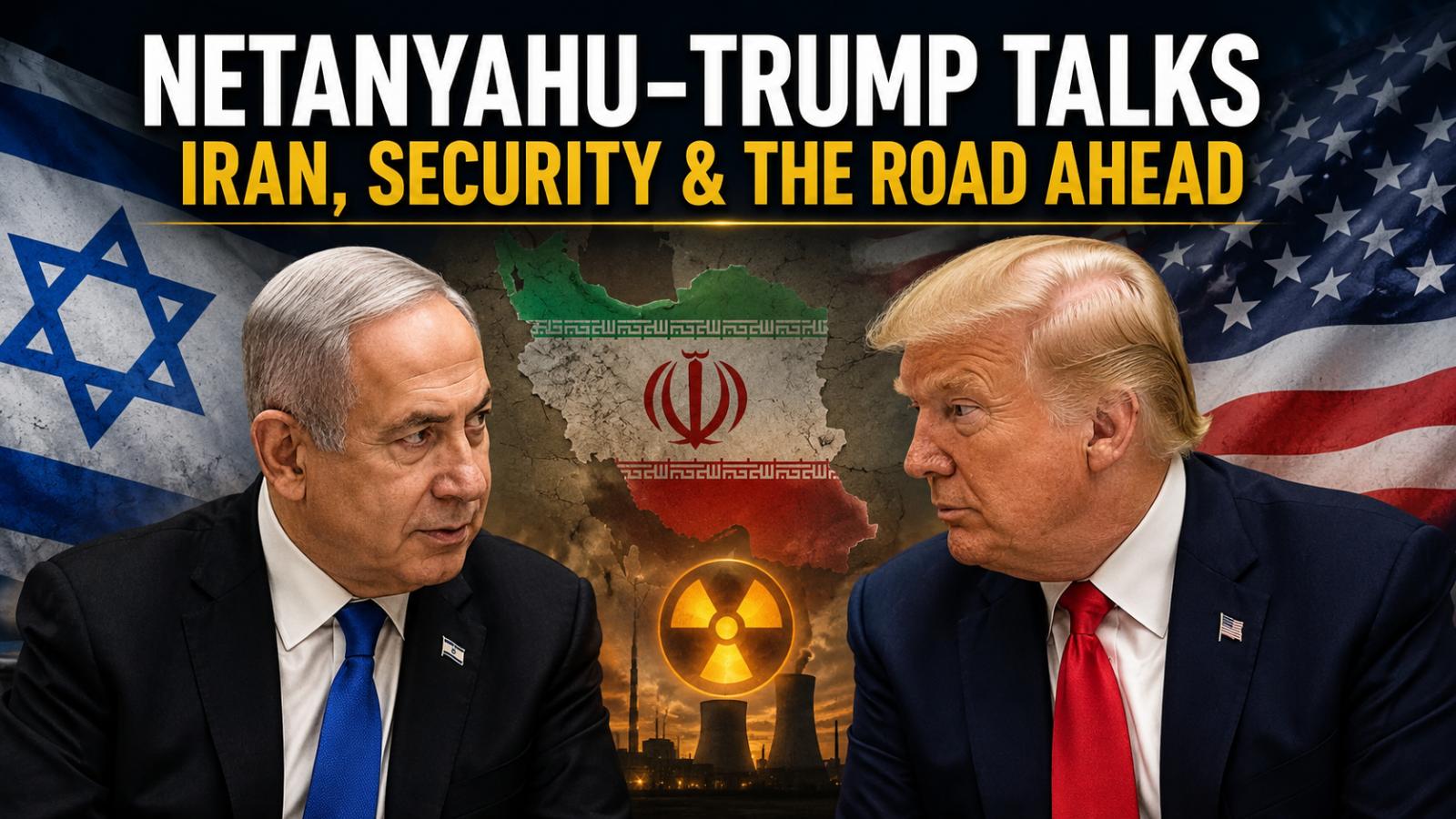
Netanyahu welcomes US assurances Israeli Prime Minister Benjamin Netanyahu has welcomed assurances from U.S. President Donald Trump that any final agreement with Iran would include strict limits on Tehran’s nuclear and missile programs. Netanyahu’s office said the two leaders discussed the proposed framework and that Israel appreciated Washington’s commitment to addressing Iran’s enriched nuclear material, enrichment infrastructure, m
Netanyahu backs Trump pledge on Iran nuclear deal
Netanyahu welcomes US assurances Israeli Prime Minister Benjamin Netanyahu has welcomed assurances from U.S. President Donald Trump that any final agreement with Iran would include strict limits on Tehran’s nuclear and missile programs. Netanyahu’s office said the two leaders discussed the proposed framework and that Israel appreciated Washington’s commitment to addressing Iran’s enriched nuclear material, enrichment infrastructure, m
Trump and world leaders congratulate PM Modi on record tenure
PM Modi Becomes India’s Longest-Serving Elected Prime Minister Prime Minister Narendra Modi reached a historic milestone on Wednesday, becoming India’s longest-serving elected prime minister. With an unbroken tenure of 4,399 consecutive days since first taking office on May 26, 2014, Modi surpassed the record previously held by India’s first Prime Minister, Jawaharlal Nehru, who ser
Trump and world leaders congratulate PM Modi on record tenure
PM Modi Becomes India’s Longest-Serving Elected Prime Minister Prime Minister Narendra Modi reached a historic milestone on Wednesday, becoming India’s longest-serving elected prime minister. With an unbroken tenure of 4,399 consecutive days since first taking office on May 26, 2014, Modi surpassed the record previously held by India’s first Prime Minister, Jawaharlal Nehru, who ser
Israel cabinet debates response to Hezbollah drone attacks
Israel’s security cabinet is grappling with internal disagreements on how to respond to recent Hezbollah drone attacks along the northern border. Far-right National Security Minister Itamar Ben-Gvir has called for assertive measures, including targeted strikes in Hezbollah-controlled areas and increased military operations in southern Lebanon. Ministers are debating how to balance decisive military action with diplomatic caution, particularly amid ongoing US scrutiny.
Israel cabinet debates response to Hezbollah drone attacks
Israel’s security cabinet is grappling with internal disagreements on how to respond to recent Hezbollah drone attacks along the northern border. Far-right National Security Minister Itamar Ben-Gvir has called for assertive measures, including targeted strikes in Hezbollah-controlled areas and increased military operations in southern Lebanon. Ministers are debating how to balance decisive military action with diplomatic caution, particularly amid ongoing US scrutiny.
Trump remarks on Netanyahu's career and election plans
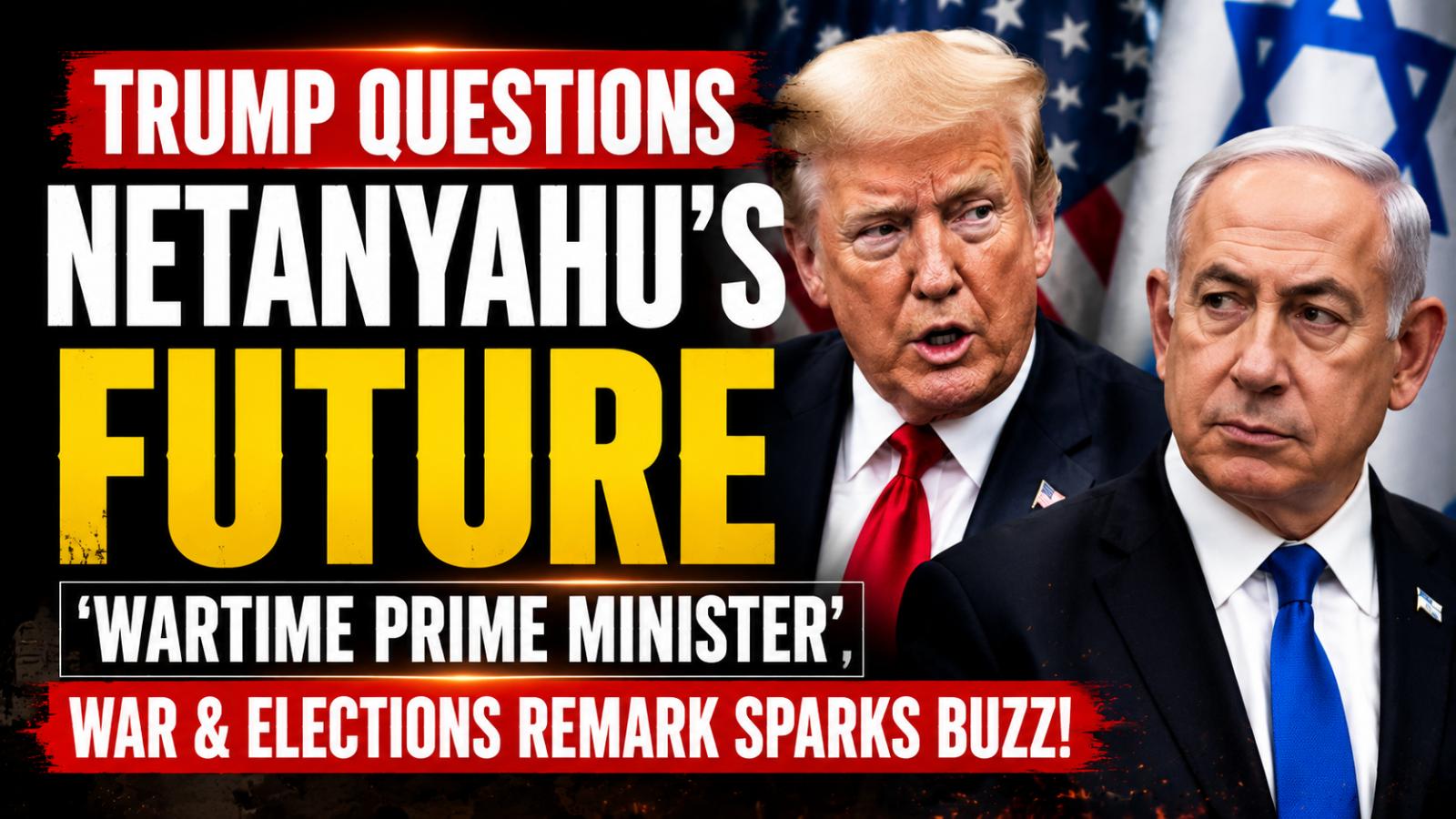
Trump Questions Netanyahu’s Election Plans US President Donald Trump has publicly questioned whether Israeli Prime Minister Benjamin Netanyahu intends to run in the upcoming national elections. In an interview with ABC, Trump referred to Netanyahu as a “wartime prime minister,” highlighting his long career and tenure during conflict periods. Trump suggested that the United States and Israel would soo
Trump remarks on Netanyahu's career and election plans
Trump Questions Netanyahu’s Election Plans US President Donald Trump has publicly questioned whether Israeli Prime Minister Benjamin Netanyahu intends to run in the upcoming national elections. In an interview with ABC, Trump referred to Netanyahu as a “wartime prime minister,” highlighting his long career and tenure during conflict periods. Trump suggested that the United States and Israel would soo
Trump Netanyahu Tensions Over Iran Response Downplayed by Israeli Envoy
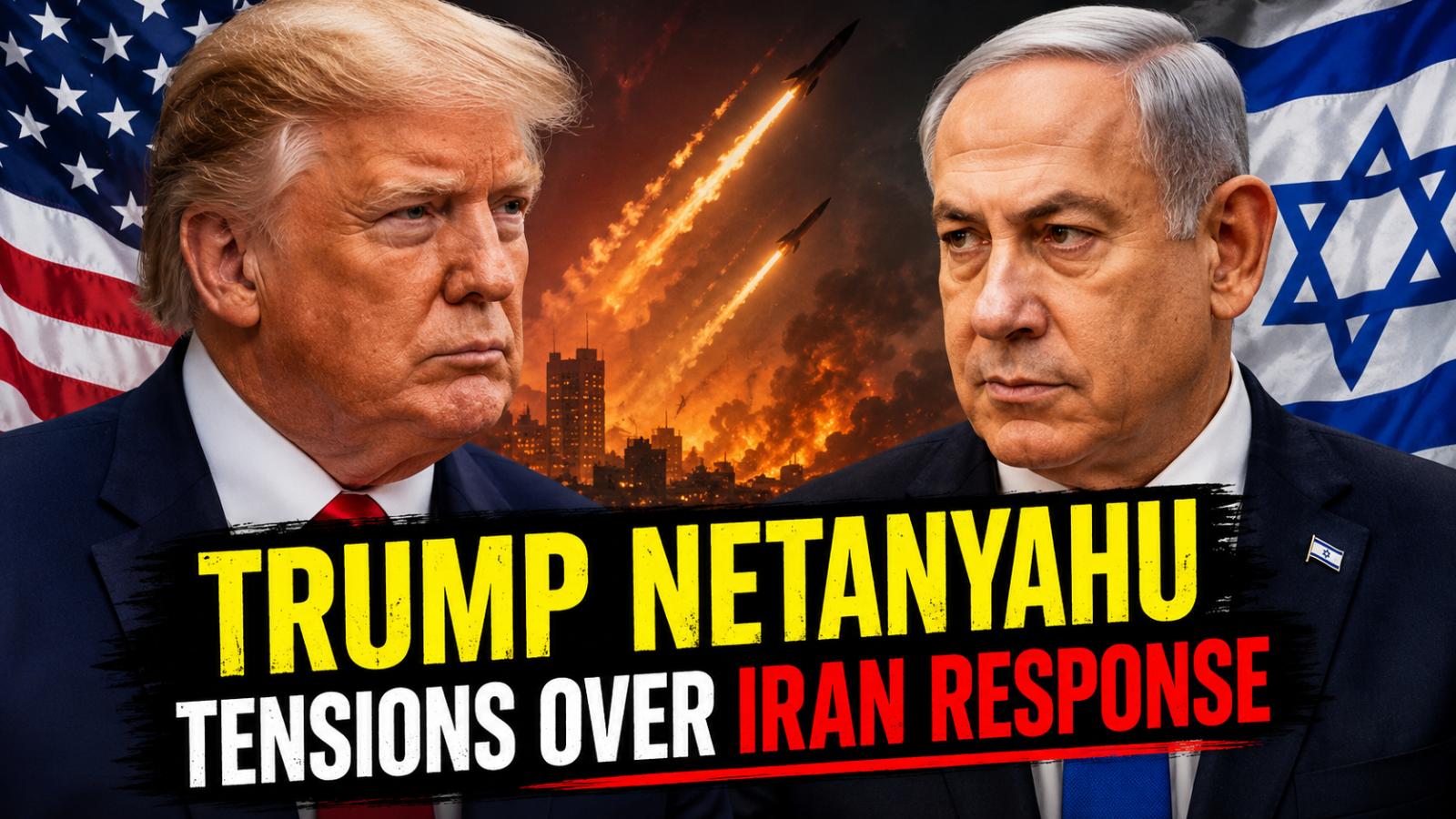
Reports of Trump Netanyahu tensions have become a major talking point as Israel and the United States continue to manage the fallout from Iran’s recent attacks and Israel’s possible military response. Israel’s ambassador to the United States, Yechiel Leiter, has tried to reduce the seriousness of the reports, saying the relationship between US President Donald Trump and Israeli Prime Minister Benjamin Netanyahu remains strong despite sharp discussions over Iran.
Trump Netanyahu Tensions Over Iran Response Downplayed by Israeli Envoy
Reports of Trump Netanyahu tensions have become a major talking point as Israel and the United States continue to manage the fallout from Iran’s recent attacks and Israel’s possible military response. Israel’s ambassador to the United States, Yechiel Leiter, has tried to reduce the seriousness of the reports, saying the relationship between US President Donald Trump and Israeli Prime Minister Benjamin Netanyahu remains strong despite sharp discussions over Iran.
Netanyahu Halts Massive Strike on Iran After Trump Call
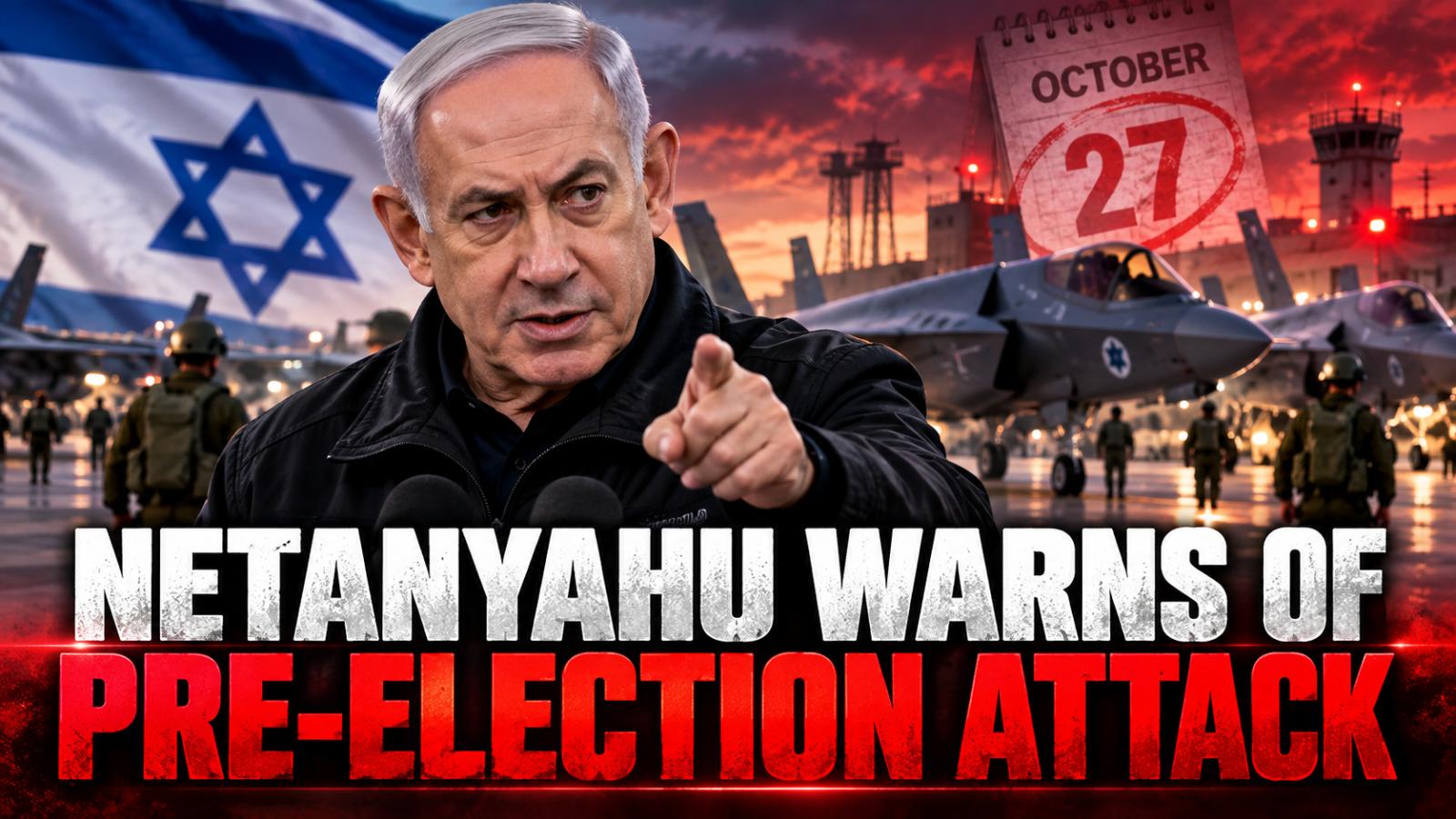
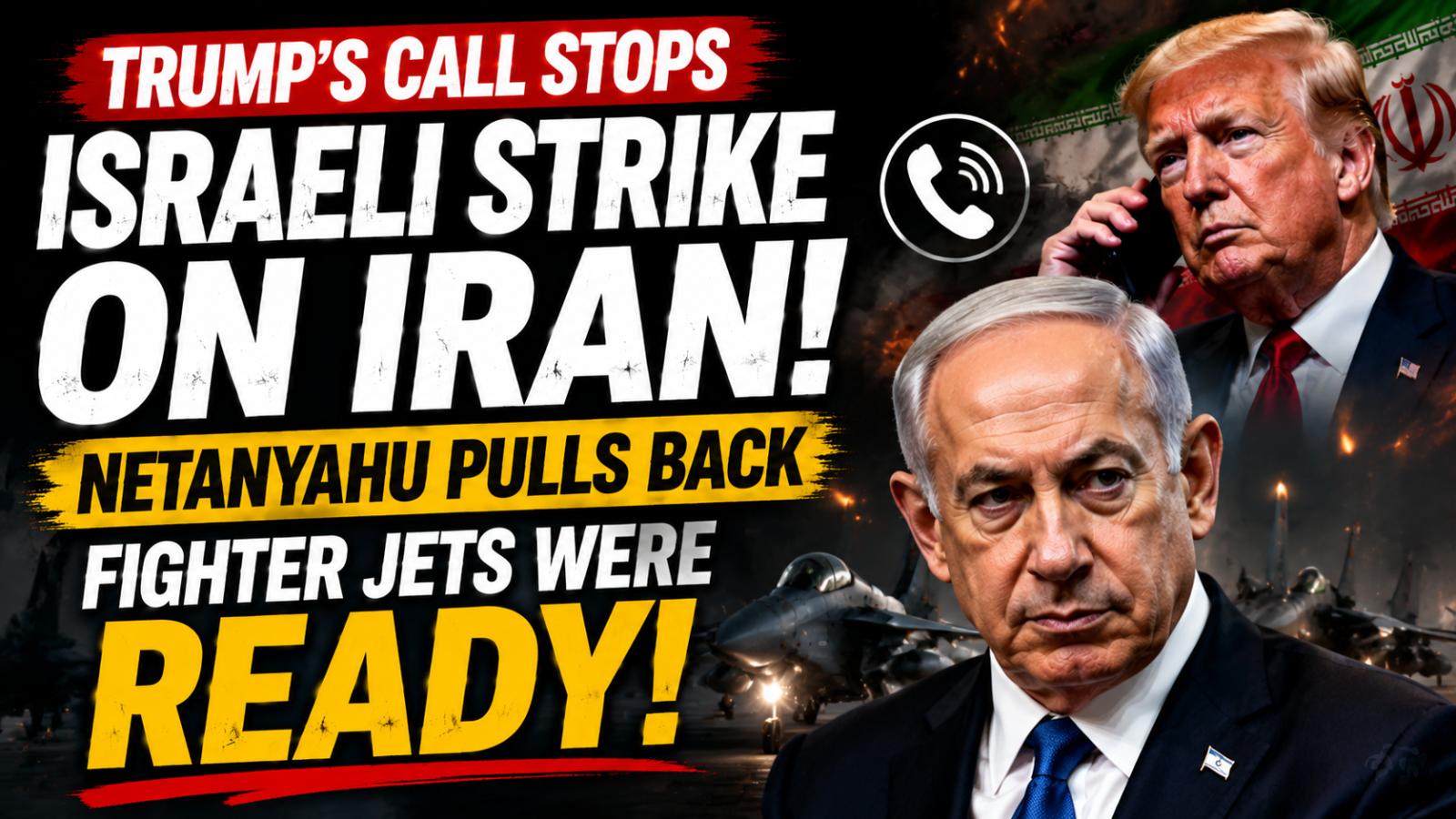
Netanyahu Halts Planned Strike on Iran Israeli Prime Minister Benjamin Netanyahu reportedly called off a large-scale strike on Iran after a direct call from US President Donald Trump. The planned operation involved fighter jets poised on the runway, ready to target Iranian military and economic facilities. According to sources, Netanyahu justified the decision by emphasizing the strategic alignment with Was
Netanyahu Halts Massive Strike on Iran After Trump Call
Netanyahu Halts Planned Strike on Iran Israeli Prime Minister Benjamin Netanyahu reportedly called off a large-scale strike on Iran after a direct call from US President Donald Trump. The planned operation involved fighter jets poised on the runway, ready to target Iranian military and economic facilities. According to sources, Netanyahu justified the decision by emphasizing the strategic alignment with Was
Trump Declares “Total Victory” Over Iran in Two Weeks
Trump Declares Total Victory Over Iran US President Donald Trump announced on Monday, June 8, that he will declare “total victory” over Iran within the next two weeks. Speaking at a tele-rally supporting Senator Lindsey Graham ahead of South Carolina’s primary vote, Trump emphasized that the US continues to negotiate with Iran over its nuclear capabilities. He stated that Tehran is “willing to give u
Trump Declares “Total Victory” Over Iran in Two Weeks
Trump Declares Total Victory Over Iran US President Donald Trump announced on Monday, June 8, that he will declare “total victory” over Iran within the next two weeks. Speaking at a tele-rally supporting Senator Lindsey Graham ahead of South Carolina’s primary vote, Trump emphasized that the US continues to negotiate with Iran over its nuclear capabilities. He stated that Tehran is “willing to give u
Trump Says Netanyahu Must Accept Iran Deal
Trump Says He Controls Iran Deal US President Donald Trump said Israeli Prime Minister Benjamin Netanyahu would have “no choice” but to accept any agreement Washington reaches with Iran, signaling a visible strain in US-Israel coordination during the latest West Asia crisis. In an interview, Trump said he “calls the shots” on the negotiations and argued that Netanyahu does not control the outcome of
Trump Says Netanyahu Must Accept Iran Deal
Trump Says He Controls Iran Deal US President Donald Trump said Israeli Prime Minister Benjamin Netanyahu would have “no choice” but to accept any agreement Washington reaches with Iran, signaling a visible strain in US-Israel coordination during the latest West Asia crisis. In an interview, Trump said he “calls the shots” on the negotiations and argued that Netanyahu does not control the outcome of
Iran-Israel Escalation Deepens After Missile Strike
Explosions Reported Across Iranian Cities Explosions were reported in Tehran, Tabriz and Isfahan on Monday, June 8, as tensions between Iran and Israel escalated after a new exchange of military attacks. Iranian state-linked reports said blasts were heard in several major cities, while Israel’s military later said it had struck military targets in western and central Iran. Details on damage and casualties were not immediately clear, and early reports from both sides remained limited. The latest strikes came shortly after Iran said it launched ballistic missiles toward Israel’s Ramat David air base in northern Israel. Israel Says It Hit Military Targets The Israel Defense Forces said the strikes inside Iran targeted military sites, framing the operation as a response to Iran’s missile attack. Israel said its defenses intercepted the missiles fired from Iran, while Iranian officials described their earlier strike as retaliation for an attack in Beirut. The sequence of claims and counterclaims has heightened fears that the conflict could move beyond limited exchanges and become a broader regional confrontation. The situation remains fluid, and neither side’s full battlefield assessment has been independently confirmed. Trump Had Urged Israel Not To Retaliate The escalation took place despite US President Donald Trump urging Israeli Prime Minister Benjamin Netanyahu not to retaliate against Iran. Washington has been trying to limit the risk of a wider West Asia conflict while talks involving Iran remain under pressure. Trump’s appeal showed concern that another round of strikes could complicate diplomacy and pull more actors into the crisis. However, Israel’s reported response suggests its leadership is prioritizing deterrence after Iran’s missile attack, even as the United States pushes for restraint. Regional Conflict Risk Grows The latest developments have placed renewed pressure on diplomatic channels and regional security planning. Iran has framed its actions as a response to attacks linked to Beirut, while Israel says it is targeting military infrastructure inside Iran. For US audiences, the central issue is whether this remains a controlled exchange or becomes a wider regional war involving Iran, Israel, Lebanon and US interests in the region. With explosions reported in multiple Iranian cities and Israel confirming strikes, the risk of further retaliation remains high.
Iran-Israel Escalation Deepens After Missile Strike
Explosions Reported Across Iranian Cities Explosions were reported in Tehran, Tabriz and Isfahan on Monday, June 8, as tensions between Iran and Israel escalated after a new exchange of military attacks. Iranian state-linked reports said blasts were heard in several major cities, while Israel’s military later said it had struck military targets in western and central Iran. Details on damage and casualties were not immediately clear, and early reports from both sides remained limited. The latest strikes came shortly after Iran said it launched ballistic missiles toward Israel’s Ramat David air base in northern Israel. Israel Says It Hit Military Targets The Israel Defense Forces said the strikes inside Iran targeted military sites, framing the operation as a response to Iran’s missile attack. Israel said its defenses intercepted the missiles fired from Iran, while Iranian officials described their earlier strike as retaliation for an attack in Beirut. The sequence of claims and counterclaims has heightened fears that the conflict could move beyond limited exchanges and become a broader regional confrontation. The situation remains fluid, and neither side’s full battlefield assessment has been independently confirmed. Trump Had Urged Israel Not To Retaliate The escalation took place despite US President Donald Trump urging Israeli Prime Minister Benjamin Netanyahu not to retaliate against Iran. Washington has been trying to limit the risk of a wider West Asia conflict while talks involving Iran remain under pressure. Trump’s appeal showed concern that another round of strikes could complicate diplomacy and pull more actors into the crisis. However, Israel’s reported response suggests its leadership is prioritizing deterrence after Iran’s missile attack, even as the United States pushes for restraint. Regional Conflict Risk Grows The latest developments have placed renewed pressure on diplomatic channels and regional security planning. Iran has framed its actions as a response to attacks linked to Beirut, while Israel says it is targeting military infrastructure inside Iran. For US audiences, the central issue is whether this remains a controlled exchange or becomes a wider regional war involving Iran, Israel, Lebanon and US interests in the region. With explosions reported in multiple Iranian cities and Israel confirming strikes, the risk of further retaliation remains high.
Iran Fires Missiles At Israeli Air Base
Iran Targets Ramat David Air Base Iran said it launched a major ballistic missile strike on Israel’s Ramat David air base in northern Israel on Sunday, June 7, describing the attack as a response to an earlier strike in Beirut. Iran’s Islamic Revolutionary Guard Corps said the operation was meant as a warning, signaling that Tehran may continue to respond if it believes its regional interests or allies
Iran Fires Missiles At Israeli Air Base
Iran Targets Ramat David Air Base Iran said it launched a major ballistic missile strike on Israel’s Ramat David air base in northern Israel on Sunday, June 7, describing the attack as a response to an earlier strike in Beirut. Iran’s Islamic Revolutionary Guard Corps said the operation was meant as a warning, signaling that Tehran may continue to respond if it believes its regional interests or allies
Trump rejects claims Netanyahu misled him on Iran policy
In a recent June 2026 podcast, former President Donald Trump addressed rumors suggesting Israeli Prime Minister Benjamin Netanyahu tricked him regarding Iran. Trump emphasized that discussions with Netanyahu, whom he calls "Bibi," focused on Israel’s operations in Lebanon and were not intended to provoke conflict. “I told Bibi, we have to be careful,” he stated, highlighting a cooperative approach rather than tension. He described their relationship as rooted in mutual respect and strat
Trump rejects claims Netanyahu misled him on Iran policy
In a recent June 2026 podcast, former President Donald Trump addressed rumors suggesting Israeli Prime Minister Benjamin Netanyahu tricked him regarding Iran. Trump emphasized that discussions with Netanyahu, whom he calls "Bibi," focused on Israel’s operations in Lebanon and were not intended to provoke conflict. “I told Bibi, we have to be careful,” he stated, highlighting a cooperative approach rather than tension. He described their relationship as rooted in mutual respect and strat
Trump mediates Israel-Hezbollah ceasefire as Iran talks resume
US President Donald Trump confirmed that Israel and Hezbollah have agreed to temporarily halt attacks, creating a window for possible peace talks in Lebanon. The president highlighted his direct involvement, including discussions with Israeli Prime Minister Benjamin Netanyahu and indirect communication with Hezbollah through intermediaries. Trump emphasized the ceasefire on his social media, noting that both sides have agreed to suspend operations against each other, while urging ho
Trump mediates Israel-Hezbollah ceasefire as Iran talks resume
US President Donald Trump confirmed that Israel and Hezbollah have agreed to temporarily halt attacks, creating a window for possible peace talks in Lebanon. The president highlighted his direct involvement, including discussions with Israeli Prime Minister Benjamin Netanyahu and indirect communication with Hezbollah through intermediaries. Trump emphasized the ceasefire on his social media, noting that both sides have agreed to suspend operations against each other, while urging ho
Iran Halts US Talks as Lebanon Conflict Escalates
Iran has decided to pause indirect negotiations with the United States in response to ongoing hostilities in Lebanon. Tehran cited repeated breaches of the ceasefire by Israeli forces as a primary reason for halting diplomatic exchanges. Officials emphasized that the suspension is temporary but signals a serious shift in Iran’s diplomatic approach. Tehran Signals Defensive Measures Iran’s le
Iran Halts US Talks as Lebanon Conflict Escalates
Iran has decided to pause indirect negotiations with the United States in response to ongoing hostilities in Lebanon. Tehran cited repeated breaches of the ceasefire by Israeli forces as a primary reason for halting diplomatic exchanges. Officials emphasized that the suspension is temporary but signals a serious shift in Iran’s diplomatic approach. Tehran Signals Defensive Measures Iran’s le
Trump brokers Israel-Hezbollah ceasefire via Pakistan mediation
A significant step toward peace emerged as Israel and Hezbollah agreed to halt hostilities, following active diplomacy from the U.S. and Pakistan. President Trump confirmed discussions with Israeli Prime Minister Netanyahu and Hezbollah representatives, resulting in mutual commitments to stop attacks. Iran Encourages Pakistan’s Mediation Role Iran requested Pakistan to continue its diplomatic i
Trump brokers Israel-Hezbollah ceasefire via Pakistan mediation
A significant step toward peace emerged as Israel and Hezbollah agreed to halt hostilities, following active diplomacy from the U.S. and Pakistan. President Trump confirmed discussions with Israeli Prime Minister Netanyahu and Hezbollah representatives, resulting in mutual commitments to stop attacks. Iran Encourages Pakistan’s Mediation Role Iran requested Pakistan to continue its diplomatic i
Israel Intercepts Rockets from Lebanon as Tensions Rise on Northern Border
Israeli defense forces successfully intercepted two rockets launched from Lebanon early Tuesday morning. Air raid sirens sounded across communities in northern Israel, prompting residents to seek immediate shelter. The Israeli Air Force quickly neutralized the threats, while officials reported a suspicious aerial object landing within Israeli territory. No injuries or property damage occurred, but the incident highlights the persistent security challenges along the northern border.
Israel Intercepts Rockets from Lebanon as Tensions Rise on Northern Border
Israeli defense forces successfully intercepted two rockets launched from Lebanon early Tuesday morning. Air raid sirens sounded across communities in northern Israel, prompting residents to seek immediate shelter. The Israeli Air Force quickly neutralized the threats, while officials reported a suspicious aerial object landing within Israeli territory. No injuries or property damage occurred, but the incident highlights the persistent security challenges along the northern border.


