Trump Declares Total Victory Over Iran
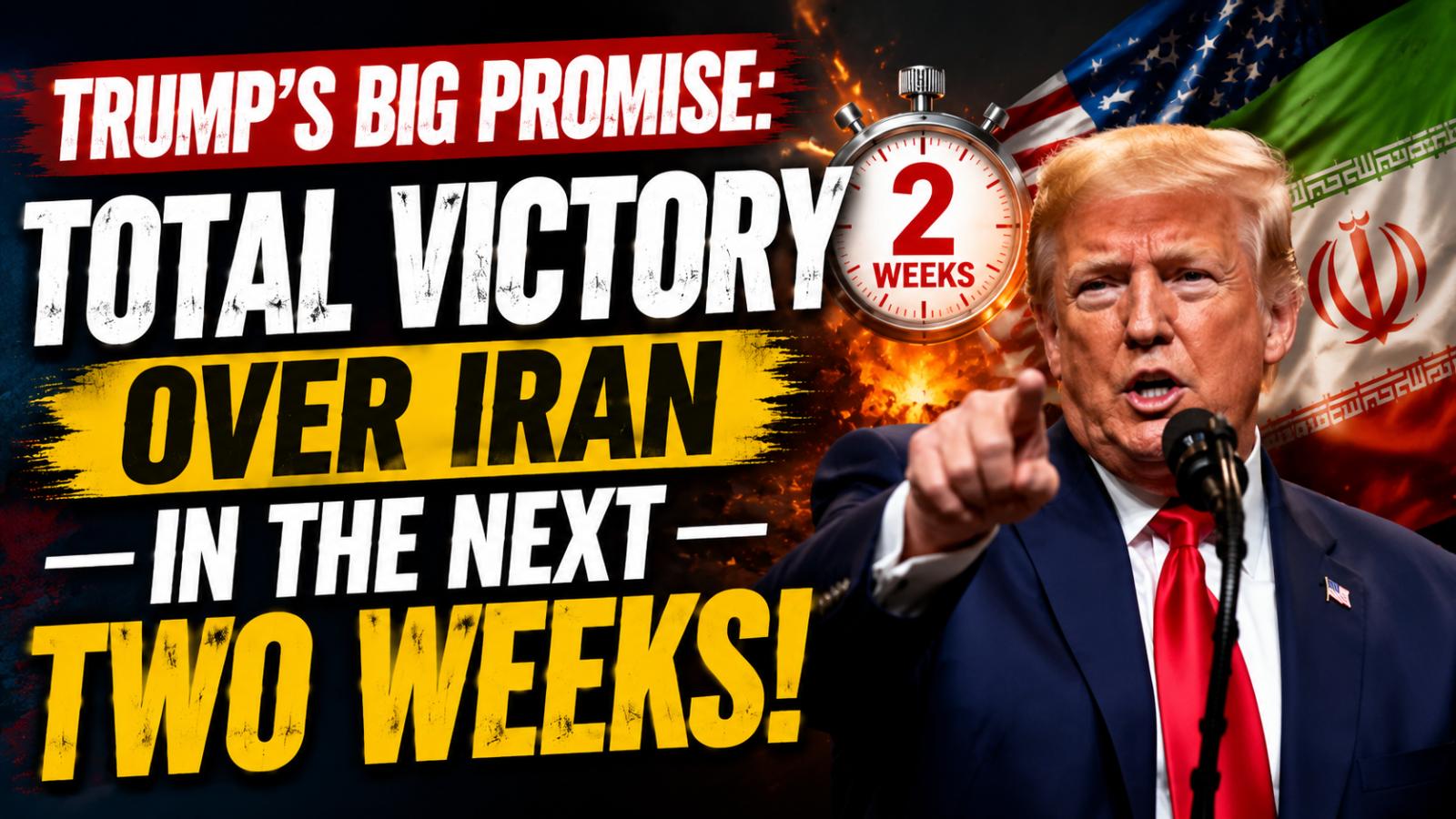
US President Donald Trump announced on Monday, June 8, that he will declare “total victory” over Iran within the next two weeks. Speaking at a tele-rally supporting Senator Lindsey Graham ahead of South Carolina’s primary vote, Trump emphasized that the US continues to negotiate with Iran over its nuclear capabilities. He stated that Tehran is “willing to give u
Trump Declares Total Victory Over Iran
US President Donald Trump announced on Monday, June 8, that he will declare “total victory” over Iran within the next two weeks. Speaking at a tele-rally supporting Senator Lindsey Graham ahead of South Carolina’s primary vote, Trump emphasized that the US continues to negotiate with Iran over its nuclear capabilities. He stated that Tehran is “willing to give u
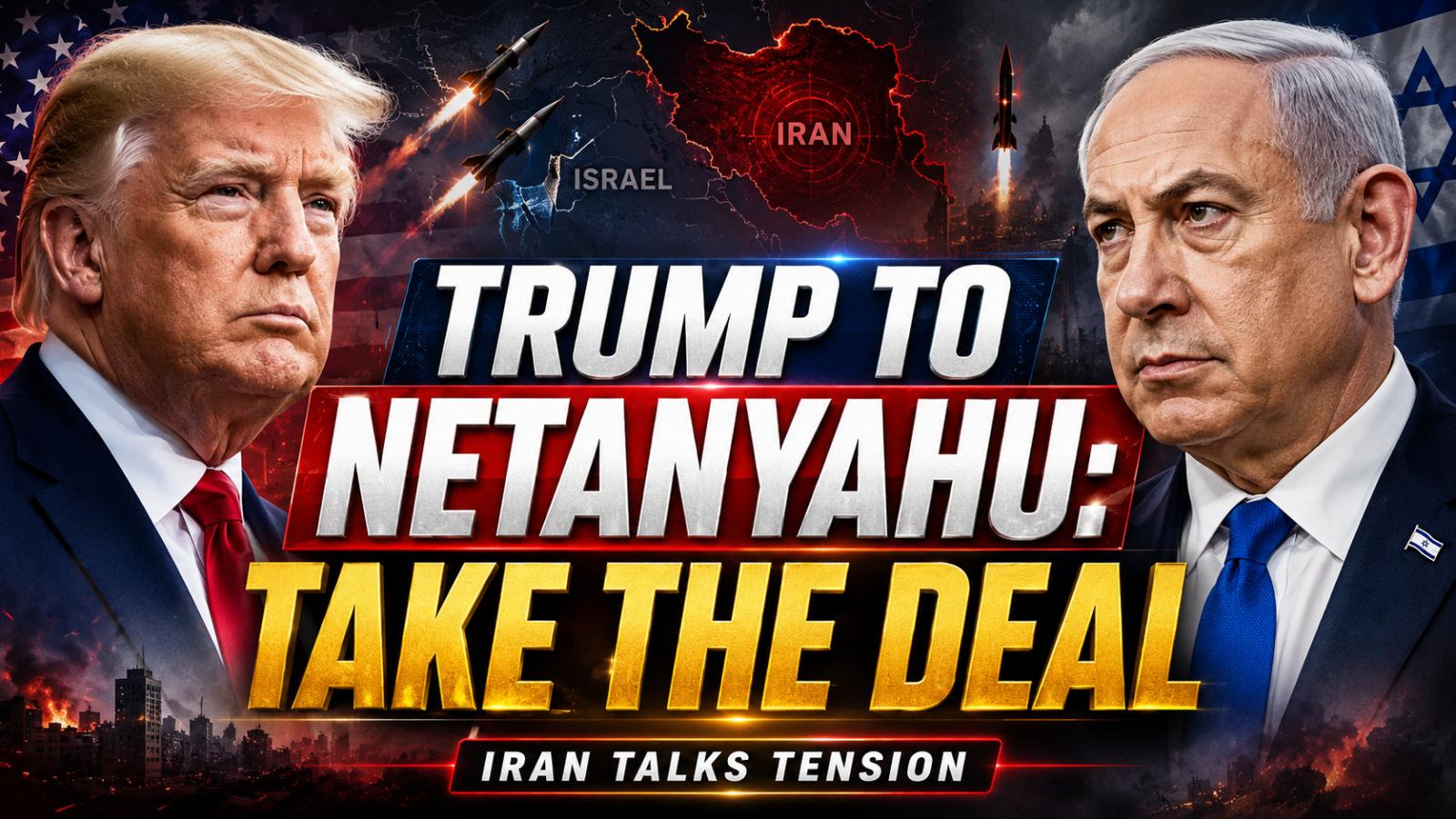
Trump Says He Controls Iran Deal
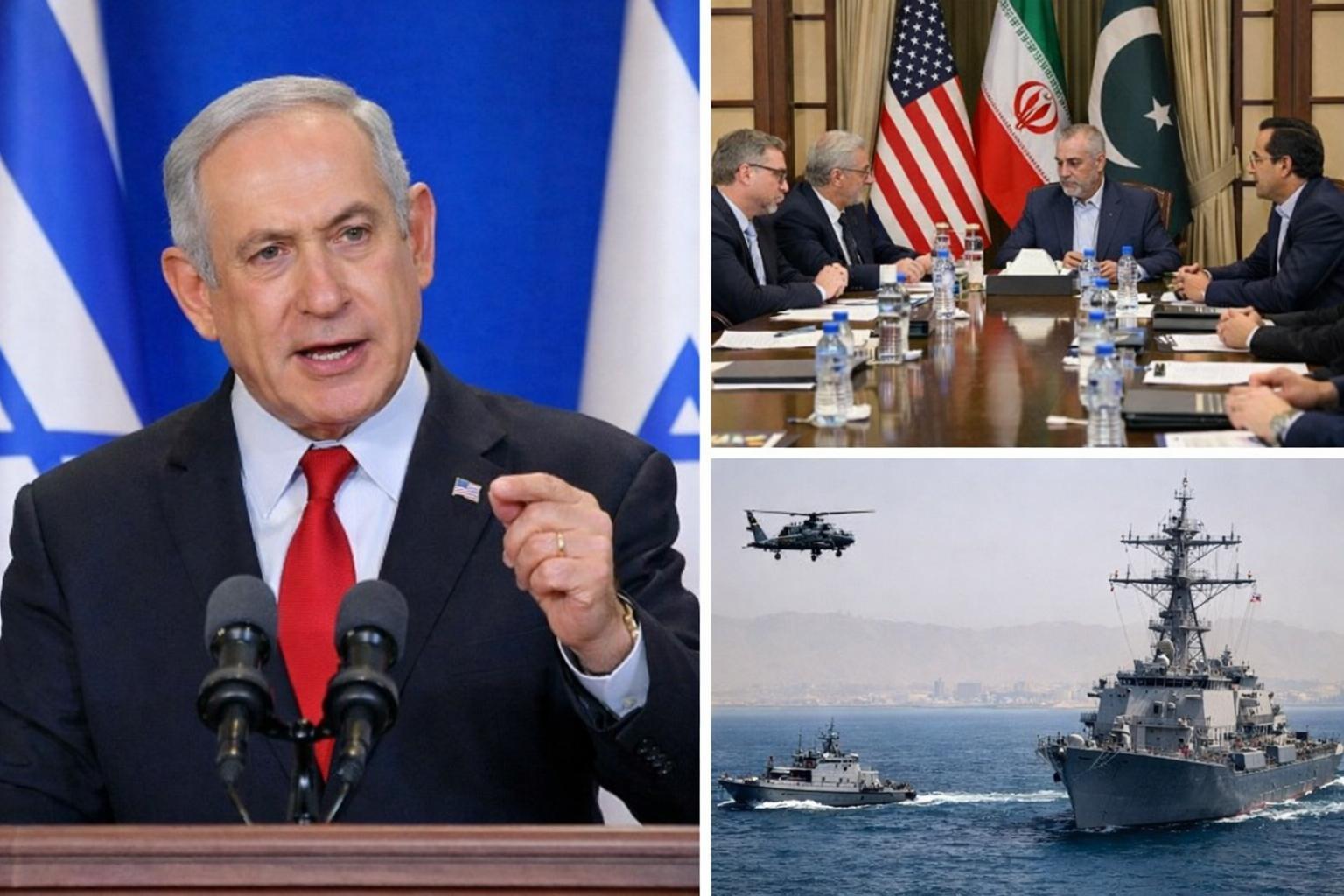
US President Donald Trump said Israeli Prime Minister Benjamin Netanyahu would have “no choice” but to accept any agreement Washington reaches with Iran, signaling a visible strain in US-Israel coordination during the latest West Asia crisis. In an interview, Trump said he “calls the shots” on the negotiations and argued that Netanyahu does not control the outcome of
Trump Says He Controls Iran Deal
US President Donald Trump said Israeli Prime Minister Benjamin Netanyahu would have “no choice” but to accept any agreement Washington reaches with Iran, signaling a visible strain in US-Israel coordination during the latest West Asia crisis. In an interview, Trump said he “calls the shots” on the negotiations and argued that Netanyahu does not control the outcome of
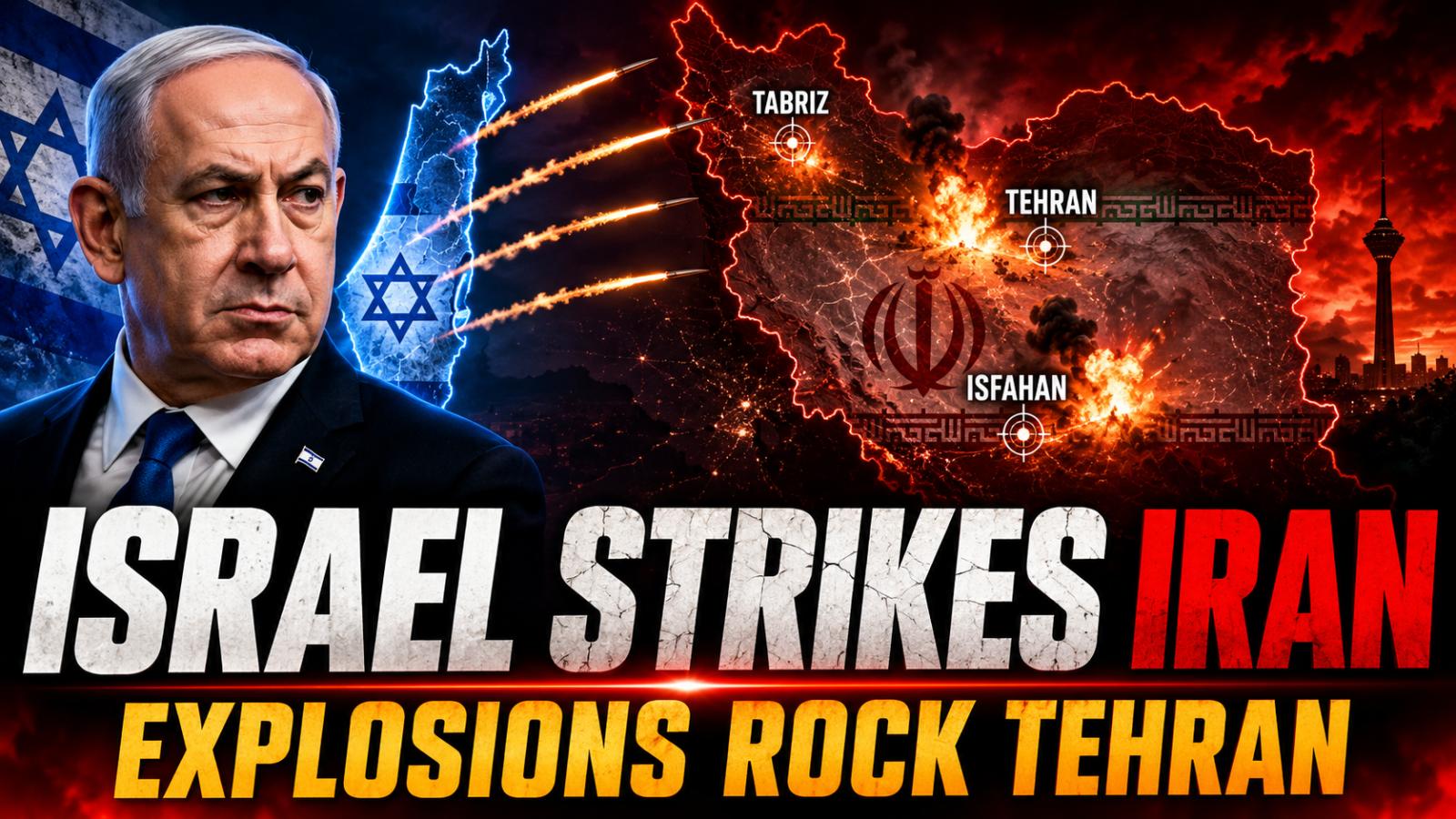
Explosions Reported Across Iranian Cities
Explosions were reported in Tehran, Tabriz and Isfahan on Monday, June 8, as tensions between Iran and Israel escalated after a new exchange of military attacks. Iranian state-linked reports said blasts were heard in several major cities, while Israel’s military later said it had struck military targets in western and central Iran. Details on damage and casualties were not immediately clear, and early reports from both sides remained limited. The latest strikes came shortly after Iran said it launched ballistic missiles toward Israel’s Ramat David air base in northern Israel.
Israel Says It Hit Military Targets
The Israel Defense Forces said the strikes inside Iran targeted military sites, framing the operation as a response to Iran’s missile attack. Israel said its defenses intercepted the missiles fired from Iran, while Iranian officials described their earlier strike as retaliation for an attack in Beirut. The sequence of claims and counterclaims has heightened fears that the conflict could move beyond limited exchanges and become a broader regional confrontation. The situation remains fluid, and neither side’s full battlefield assessment has been independently confirmed.
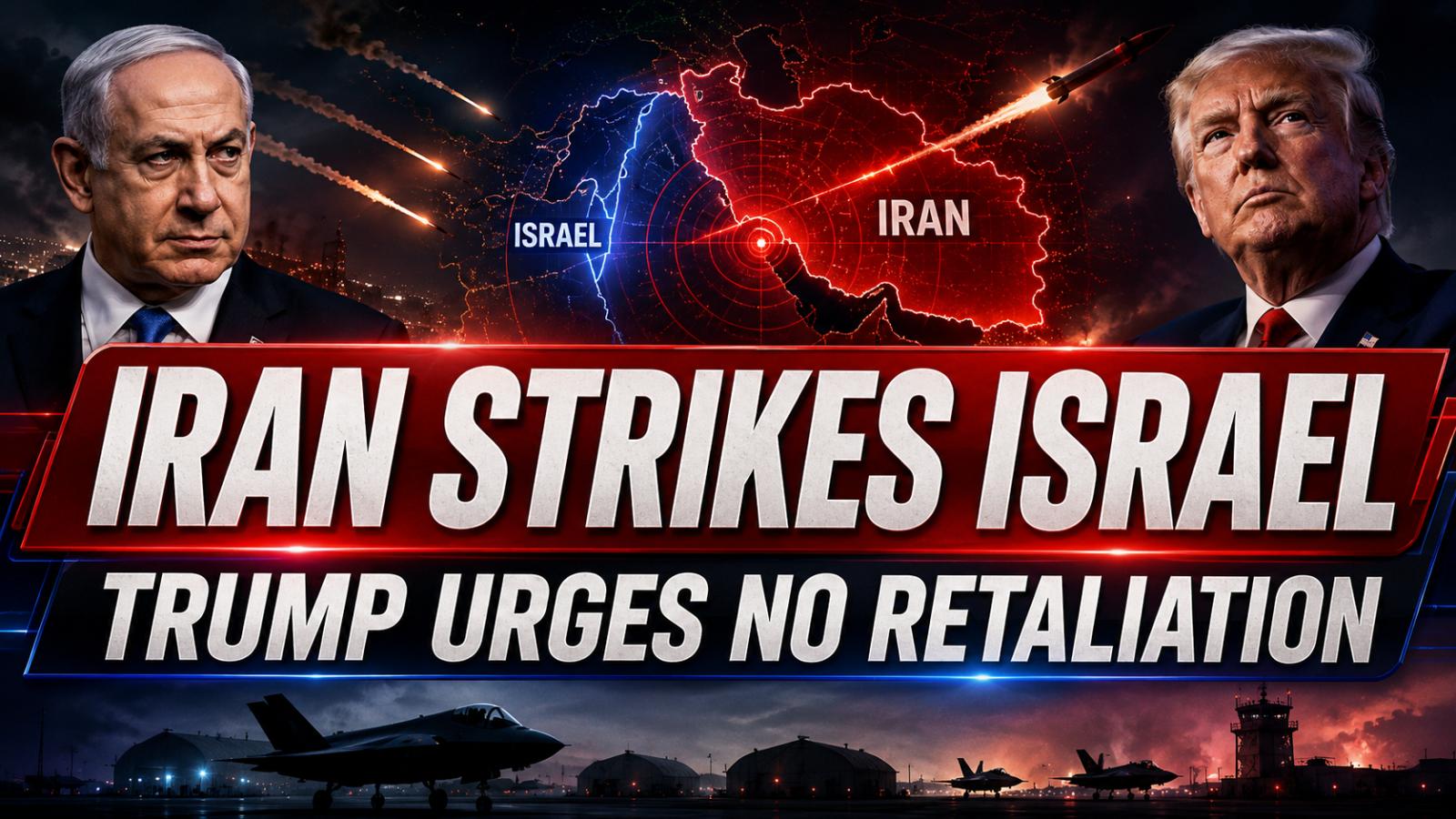
Trump Had Urged Israel Not To Retaliate
The escalation took place despite US President Donald Trump urging Israeli Prime Minister Benjamin Netanyahu not to retaliate against Iran. Washington has been trying to limit the risk of a wider West Asia conflict while talks involving Iran remain under pressure. Trump’s appeal showed concern that another round of strikes could complicate diplomacy and pull more actors into the crisis. However, Israel’s reported response suggests its leadership is prioritizing deterrence after Iran’s missile attack, even as the United States pushes for restraint.
Regional Conflict Risk Grows
The latest developments have placed renewed pressure on diplomatic channels and regional security planning. Iran has framed its actions as a response to attacks linked to Beirut, while Israel says it is targeting military infrastructure inside Iran. For US audiences, the central issue is whether this remains a controlled exchange or becomes a wider regional war involving Iran, Israel, Lebanon and US interests in the region. With explosions reported in multiple Iranian cities and Israel confirming strikes, the risk of further retaliation remains high.
Explosions Reported Across Iranian Cities
Explosions were reported in Tehran, Tabriz and Isfahan on Monday, June 8, as tensions between Iran and Israel escalated after a new exchange of military attacks. Iranian state-linked reports said blasts were heard in several major cities, while Israel’s military later said it had struck military targets in western and central Iran. Details on damage and casualties were not immediately clear, and early reports from both sides remained limited. The latest strikes came shortly after Iran said it launched ballistic missiles toward Israel’s Ramat David air base in northern Israel.
Israel Says It Hit Military Targets
The Israel Defense Forces said the strikes inside Iran targeted military sites, framing the operation as a response to Iran’s missile attack. Israel said its defenses intercepted the missiles fired from Iran, while Iranian officials described their earlier strike as retaliation for an attack in Beirut. The sequence of claims and counterclaims has heightened fears that the conflict could move beyond limited exchanges and become a broader regional confrontation. The situation remains fluid, and neither side’s full battlefield assessment has been independently confirmed.
Trump Had Urged Israel Not To Retaliate
The escalation took place despite US President Donald Trump urging Israeli Prime Minister Benjamin Netanyahu not to retaliate against Iran. Washington has been trying to limit the risk of a wider West Asia conflict while talks involving Iran remain under pressure. Trump’s appeal showed concern that another round of strikes could complicate diplomacy and pull more actors into the crisis. However, Israel’s reported response suggests its leadership is prioritizing deterrence after Iran’s missile attack, even as the United States pushes for restraint.
Regional Conflict Risk Grows
The latest developments have placed renewed pressure on diplomatic channels and regional security planning. Iran has framed its actions as a response to attacks linked to Beirut, while Israel says it is targeting military infrastructure inside Iran. For US audiences, the central issue is whether this remains a controlled exchange or becomes a wider regional war involving Iran, Israel, Lebanon and US interests in the region. With explosions reported in multiple Iranian cities and Israel confirming strikes, the risk of further retaliation remains high.
Iran Targets Ramat David Air Base
Iran said it launched a major ballistic missile strike on Israel’s Ramat David air base in northern Israel on Sunday, June 7, describing the attack as a response to an earlier strike in Beirut. Iran’s Islamic Revolutionary Guard Corps said the operation was meant as a warning, signaling that Tehran may continue to respond if it believes its regional interests or allies
Iran Targets Ramat David Air Base
Iran said it launched a major ballistic missile strike on Israel’s Ramat David air base in northern Israel on Sunday, June 7, describing the attack as a response to an earlier strike in Beirut. Iran’s Islamic Revolutionary Guard Corps said the operation was meant as a warning, signaling that Tehran may continue to respond if it believes its regional interests or allies
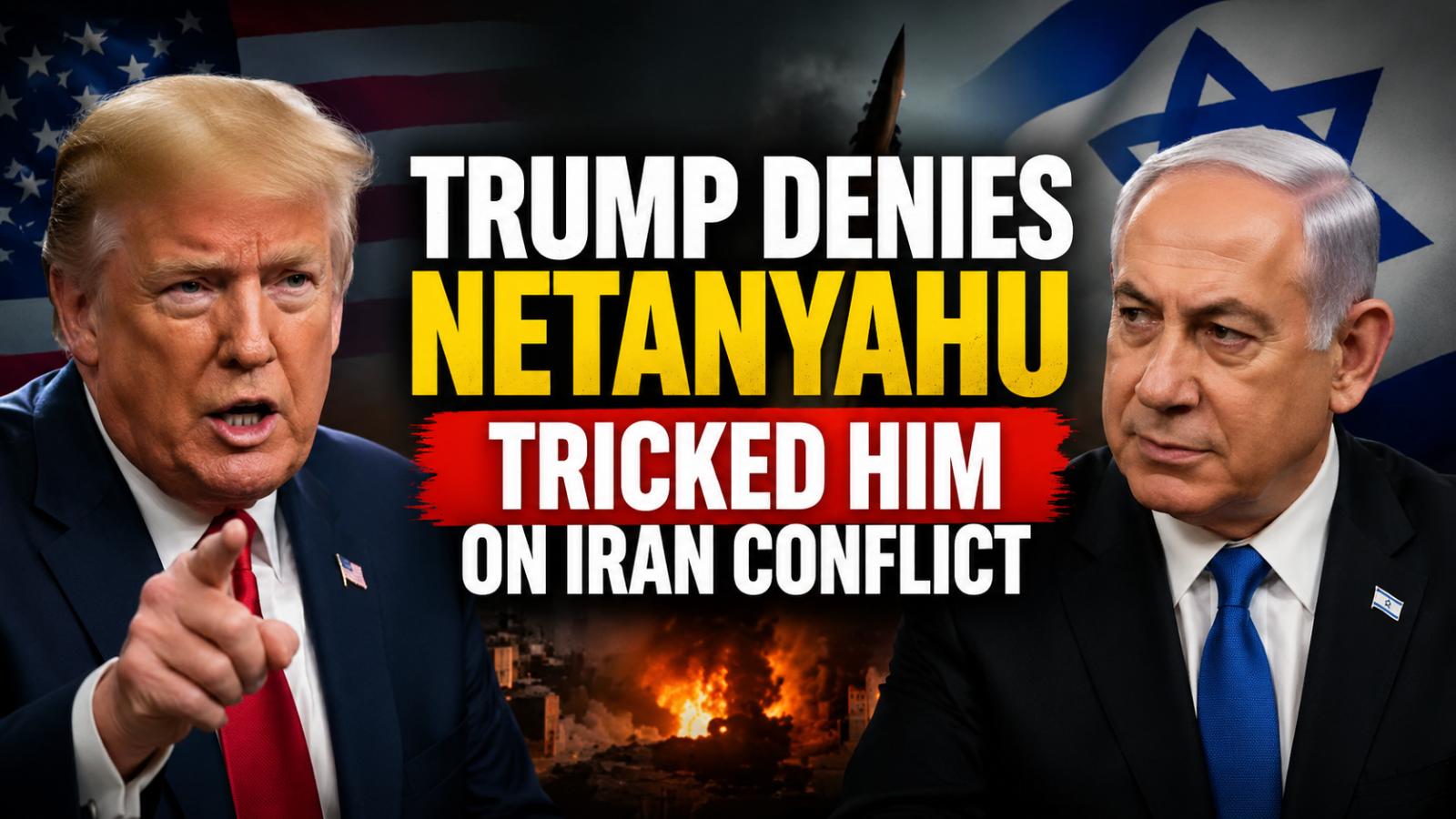
In a recent June 2026 podcast, former President Donald Trump addressed rumors suggesting Israeli Prime Minister Benjamin Netanyahu tricked him regarding Iran. Trump emphasized that discussions with Netanyahu, whom he calls "Bibi," focused on Israel’s operations in Lebanon and were not intended to provoke conflict. “I told Bibi, we have to be careful,” he stated, highlighting a cooperative approach rather than tension. He described their relationship as rooted in mutual respect and strat
In a recent June 2026 podcast, former President Donald Trump addressed rumors suggesting Israeli Prime Minister Benjamin Netanyahu tricked him regarding Iran. Trump emphasized that discussions with Netanyahu, whom he calls "Bibi," focused on Israel’s operations in Lebanon and were not intended to provoke conflict. “I told Bibi, we have to be careful,” he stated, highlighting a cooperative approach rather than tension. He described their relationship as rooted in mutual respect and strat
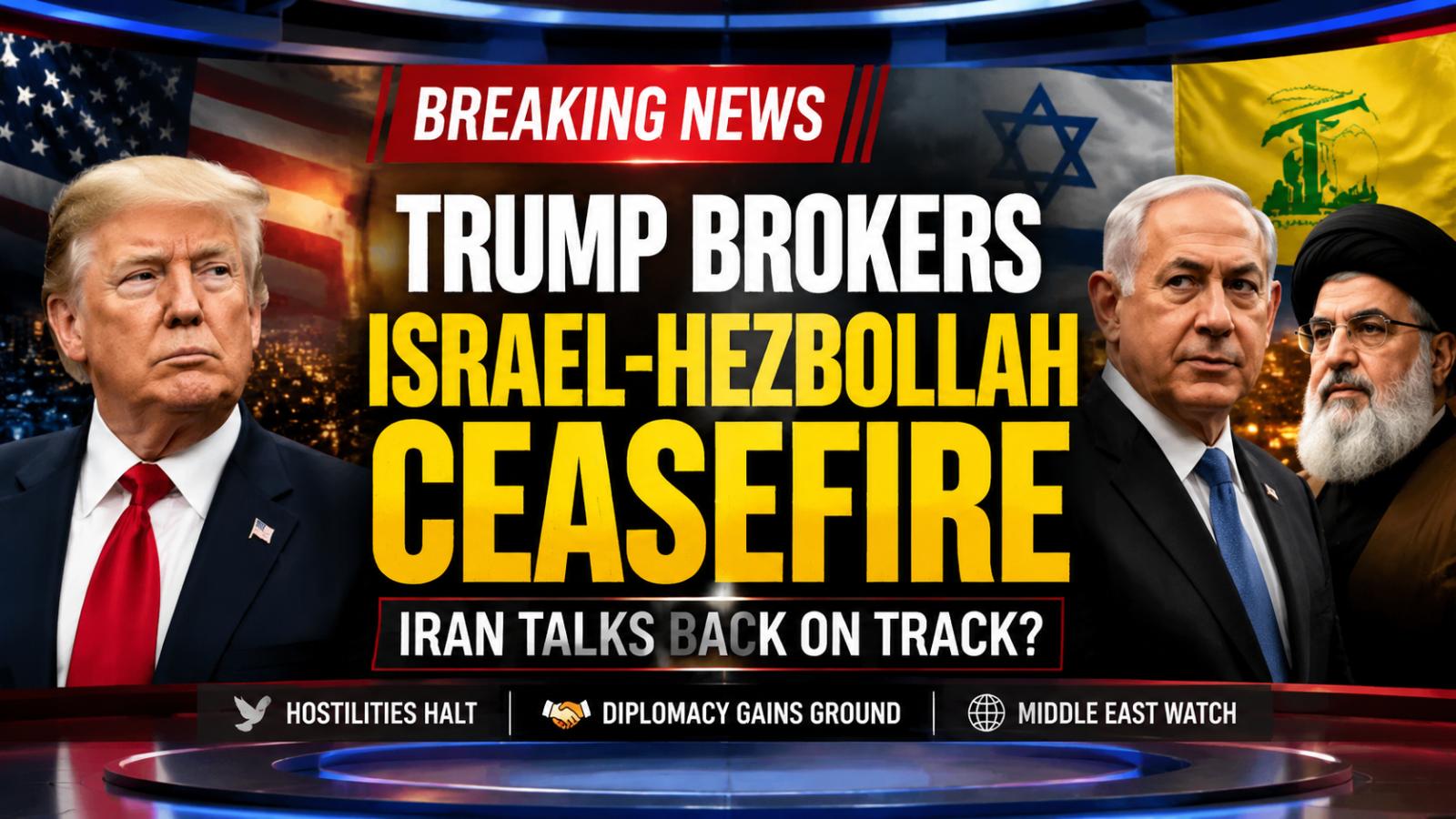
US President Donald Trump confirmed that Israel and Hezbollah have agreed to temporarily halt attacks, creating a window for possible peace talks in Lebanon. The president highlighted his direct involvement, including discussions with Israeli Prime Minister Benjamin Netanyahu and indirect communication with Hezbollah through intermediaries.
Trump emphasized the ceasefire on his social media, noting that both sides have agreed to suspend operations against each other, while urging ho
US President Donald Trump confirmed that Israel and Hezbollah have agreed to temporarily halt attacks, creating a window for possible peace talks in Lebanon. The president highlighted his direct involvement, including discussions with Israeli Prime Minister Benjamin Netanyahu and indirect communication with Hezbollah through intermediaries.
Trump emphasized the ceasefire on his social media, noting that both sides have agreed to suspend operations against each other, while urging ho
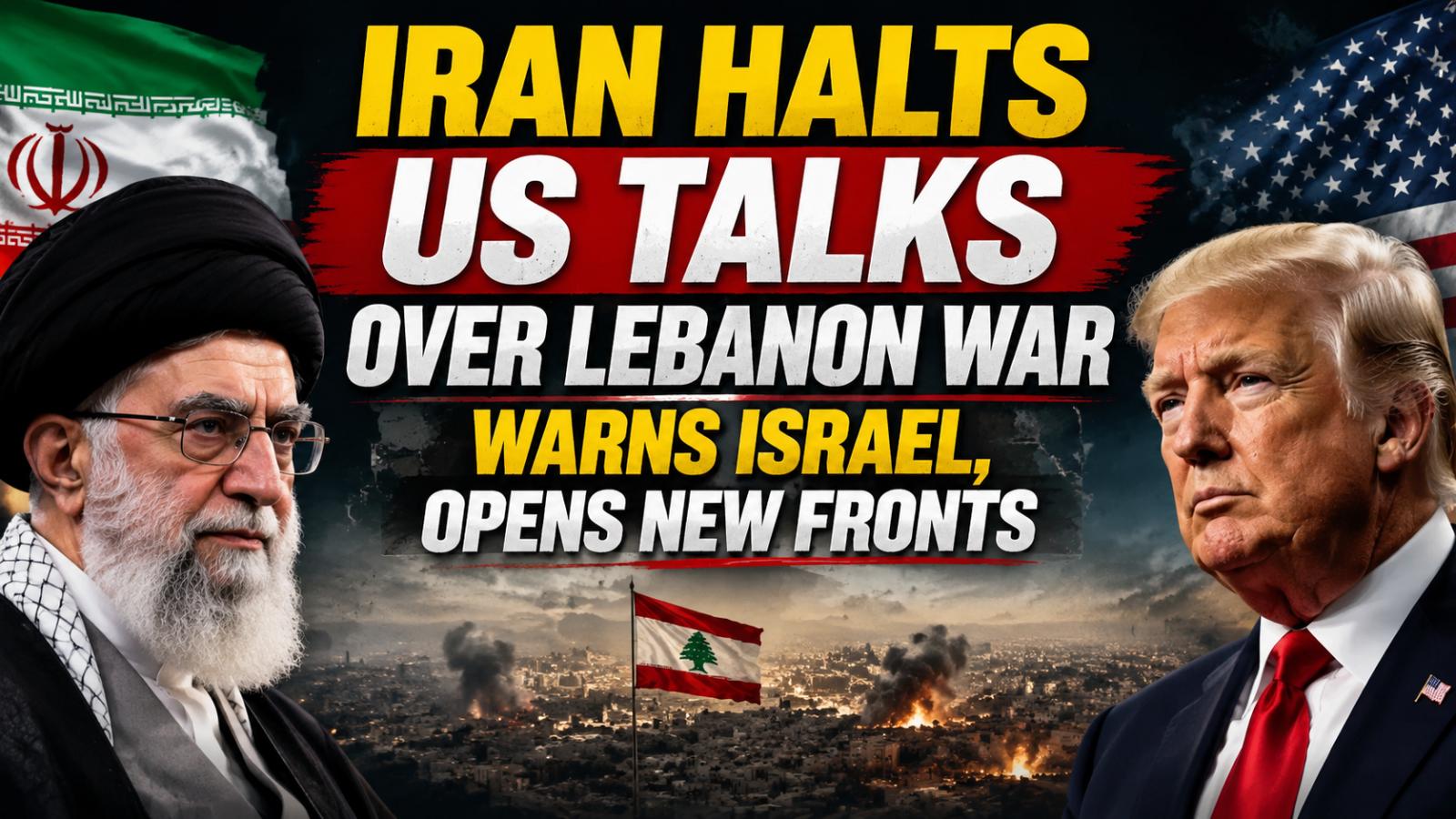
Iran has decided to pause indirect negotiations with the United States in response to ongoing hostilities in Lebanon. Tehran cited repeated breaches of the ceasefire by Israeli forces as a primary reason for halting diplomatic exchanges. Officials emphasized that the suspension is temporary but signals a serious shift in Iran’s diplomatic approach.
Tehran Signals Defensive Measures
Iran’s le
Iran has decided to pause indirect negotiations with the United States in response to ongoing hostilities in Lebanon. Tehran cited repeated breaches of the ceasefire by Israeli forces as a primary reason for halting diplomatic exchanges. Officials emphasized that the suspension is temporary but signals a serious shift in Iran’s diplomatic approach.
Tehran Signals Defensive Measures
Iran’s le
A significant step toward peace emerged as Israel and Hezbollah agreed to halt hostilities, following active diplomacy from the U.S. and Pakistan. President Trump confirmed discussions with Israeli Prime Minister Netanyahu and Hezbollah representatives, resulting in mutual commitments to stop attacks.
Iran Encourages Pakistan’s Mediation Role
Iran requested Pakistan to continue its diplomatic i
A significant step toward peace emerged as Israel and Hezbollah agreed to halt hostilities, following active diplomacy from the U.S. and Pakistan. President Trump confirmed discussions with Israeli Prime Minister Netanyahu and Hezbollah representatives, resulting in mutual commitments to stop attacks.
Iran Encourages Pakistan’s Mediation Role
Iran requested Pakistan to continue its diplomatic i
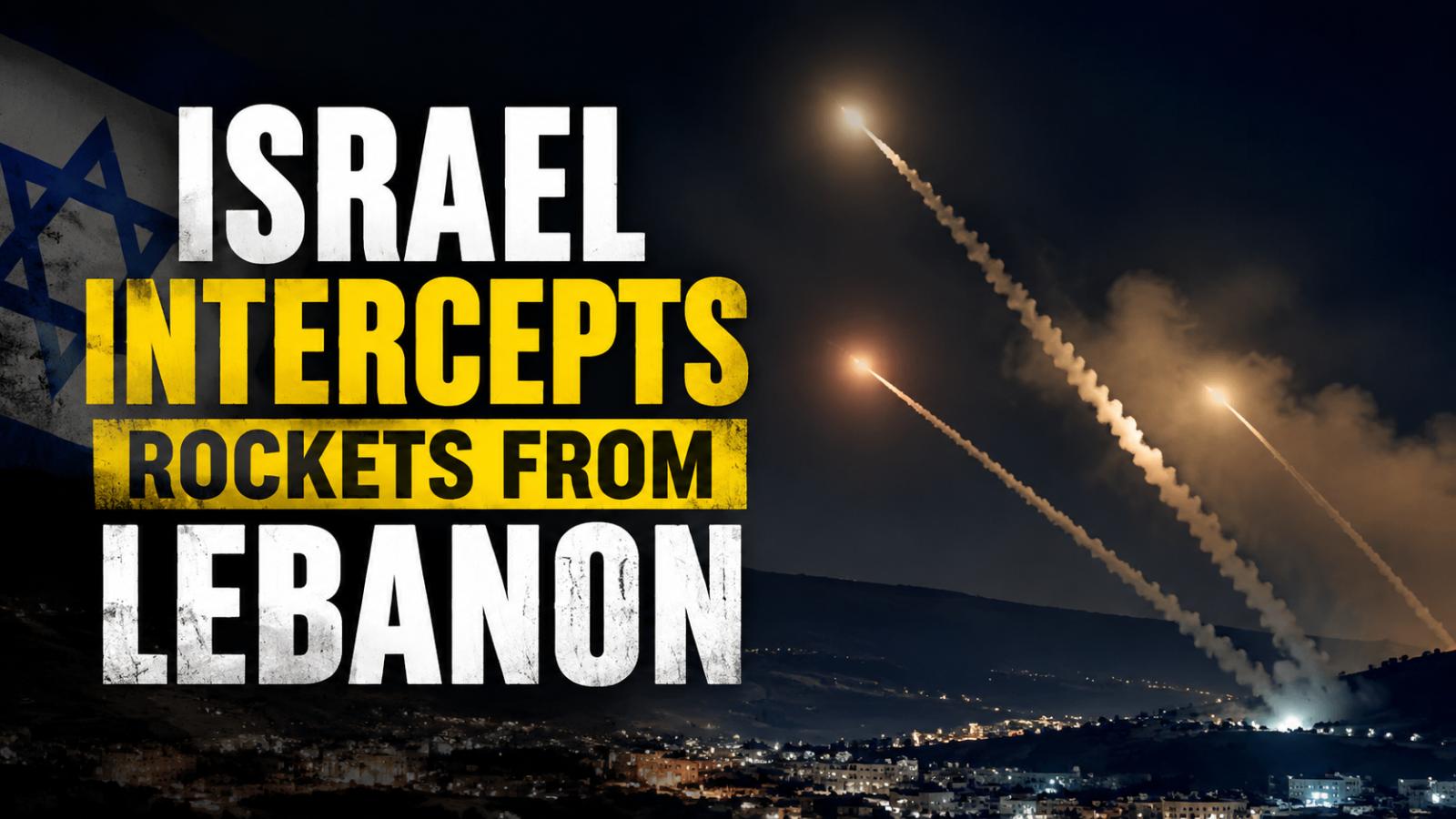
Israeli defense forces successfully intercepted two rockets launched from Lebanon early Tuesday morning. Air raid sirens sounded across communities in northern Israel, prompting residents to seek immediate shelter. The Israeli Air Force quickly neutralized the threats, while officials reported a suspicious aerial object landing within Israeli territory. No injuries or property damage occurred, but the incident highlights the persistent security challenges along the northern border.
Israeli defense forces successfully intercepted two rockets launched from Lebanon early Tuesday morning. Air raid sirens sounded across communities in northern Israel, prompting residents to seek immediate shelter. The Israeli Air Force quickly neutralized the threats, while officials reported a suspicious aerial object landing within Israeli territory. No injuries or property damage occurred, but the incident highlights the persistent security challenges along the northern border.
Macron Condemns Violence in Lebanon
French President Emmanuel Macron on Sunday, May 31, denounced the ongoing escalation in southern Lebanon, stating that the intensifying conflict cannot be justified. Macron called for an urgent end to the violence and emphasized the importance of diplomacy, urging the United States and Iran to quickly reach an agreement to prevent further regional escalation. In a message
Macron Condemns Violence in Lebanon
French President Emmanuel Macron on Sunday, May 31, denounced the ongoing escalation in southern Lebanon, stating that the intensifying conflict cannot be justified. Macron called for an urgent end to the violence and emphasized the importance of diplomacy, urging the United States and Iran to quickly reach an agreement to prevent further regional escalation. In a message
Israeli Prime Minister Benjamin Netanyahu held a phone conversation with US President Donald Trump on Sunday, May 17, as tensions involving Iran remained high and questions continued over the durability of the ceasefire. The discussion reportedly focused on the war with Iran, regional security conditions and the future of diplomatic efforts aimed at preventing another round of escalation. The call came amid reports that Washington and Jerusalem are weighing their next steps after the ceasefir
Israeli Prime Minister Benjamin Netanyahu held a phone conversation with US President Donald Trump on Sunday, May 17, as tensions involving Iran remained high and questions continued over the durability of the ceasefire. The discussion reportedly focused on the war with Iran, regional security conditions and the future of diplomatic efforts aimed at preventing another round of escalation. The call came amid reports that Washington and Jerusalem are weighing their next steps after the ceasefir
The United Arab Emirates (UAE) has officially denied reports claiming that Israeli Prime Minister Benjamin Netanyahu secretly visited the country amid escalating tensions in the Middle East, particularly with Iran. These claims initially surfaced from Netanyahu's office, which stated that the Israeli leader traveled to the UAE to strengthen military and diplomatic ties during a period of heightened regional conflict.
Netanyahu’s office had described the alleged visit as a “histo
The United Arab Emirates (UAE) has officially denied reports claiming that Israeli Prime Minister Benjamin Netanyahu secretly visited the country amid escalating tensions in the Middle East, particularly with Iran. These claims initially surfaced from Netanyahu's office, which stated that the Israeli leader traveled to the UAE to strengthen military and diplomatic ties during a period of heightened regional conflict.
Netanyahu’s office had described the alleged visit as a “histo
Israel-Iran War Ceasefire Faces New Pressure
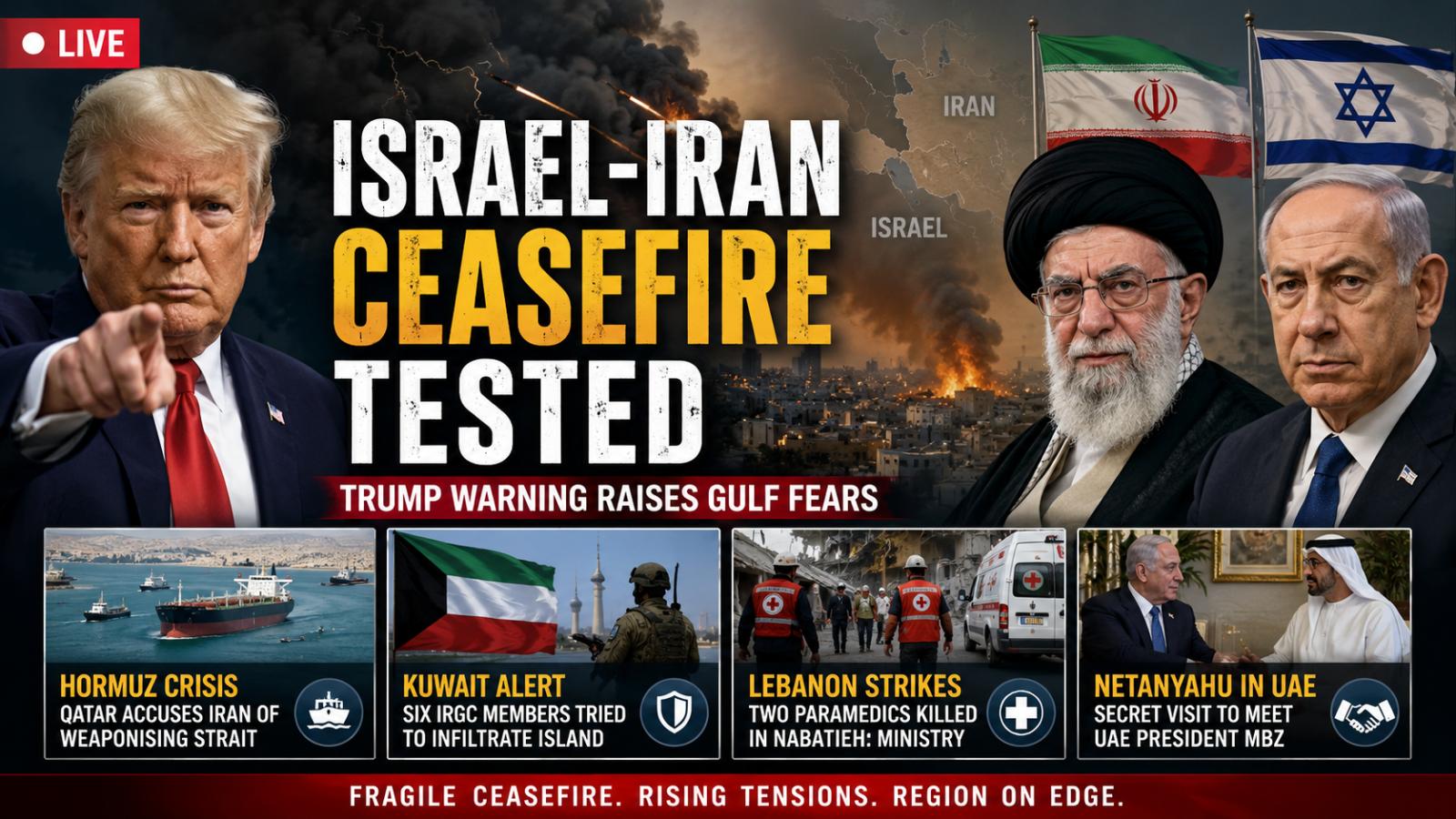
The Israel-Iran war ceasefire is under fresh strain after US President Donald Trump warned Iran that Washington would prevail “peacefully or otherwise,” while Tehran insisted its latest peace plan must be accepted.
The exchange sharpened doubts over whether the truce can hold as Gulf governments warn that the conflict is spilling into shipping, energy security and regional diplomacy.
Hor
Israel-Iran War Ceasefire Faces New Pressure
The Israel-Iran war ceasefire is under fresh strain after US President Donald Trump warned Iran that Washington would prevail “peacefully or otherwise,” while Tehran insisted its latest peace plan must be accepted.
The exchange sharpened doubts over whether the truce can hold as Gulf governments warn that the conflict is spilling into shipping, energy security and regional diplomacy.
Hor
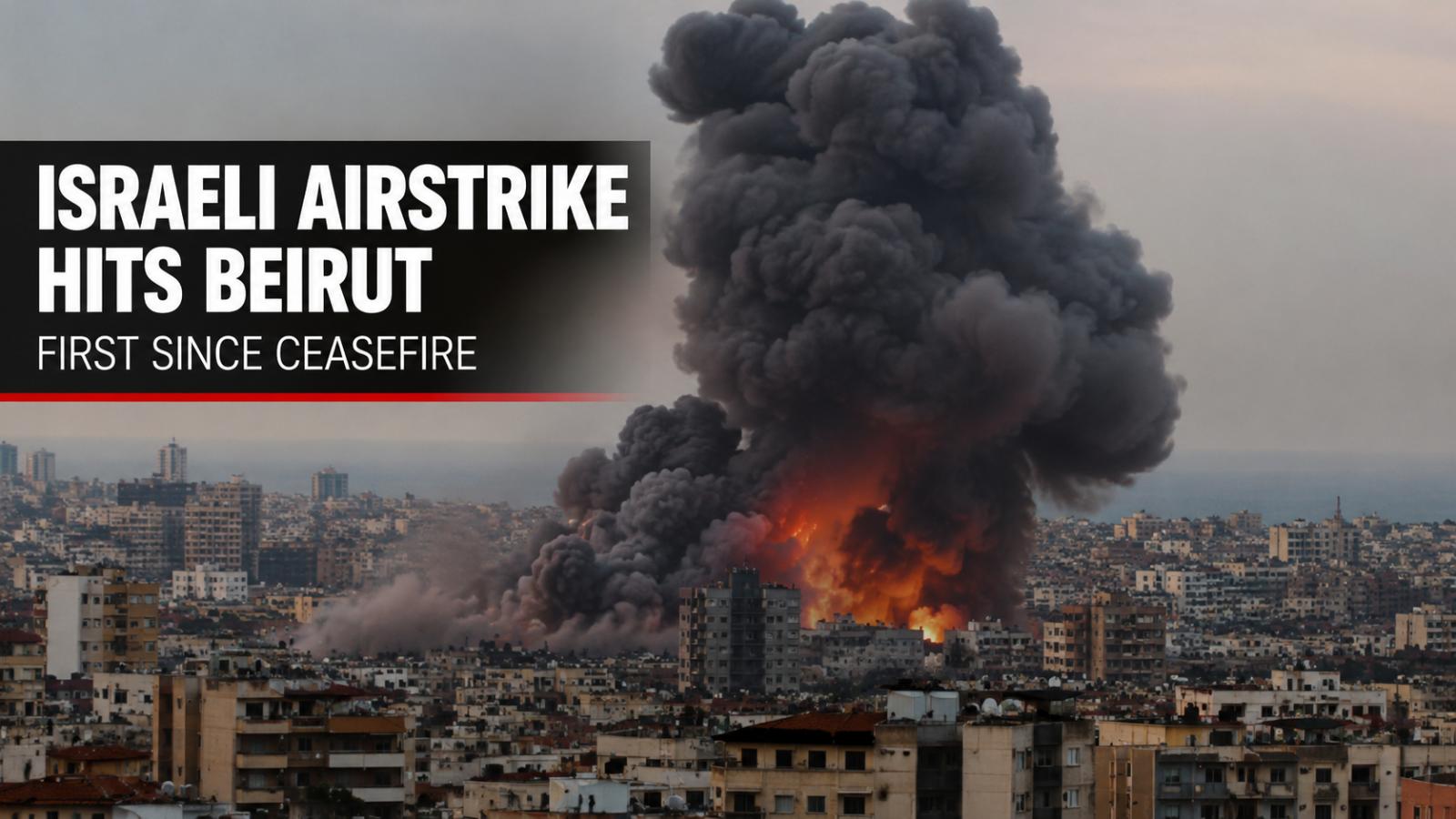
Israeli forces killed a senior Hezbollah commander in an airstrike in Beirut on May 6, Israeli Prime Minister Benjamin Netanyahu said on Thursday, marking the first strike on the Lebanese capital since an April ceasefire.
The Israeli military said the target was a commander from Hezbollah’s elite Radwan unit, struck in Beirut’s southern suburbs, an area known for Hezbollah presence. The military did not name the individual.
Hezbollah had not confirmed the death as of Thursday, leaving the claim unverified.
Netanyahu said the operation was part of Israel’s ongoing efforts to counter threats, warning that those involved in attacks against Israel would be targeted.
The strike was announced jointly by Netanyahu and Defence Minister Israel Katz a day earlier, amid rising tensions despite the ceasefire agreement reached in April.
The development comes as diplomatic efforts continue, including attempts by the administration of Donald Trump to facilitate talks between Israel and Lebanon. Lebanese President Joseph Aoun has said negotiations depend on Israel halting military actions.
The incident highlights the fragility of the ceasefire and raises concerns of renewed escalation along the Israel-Lebanon front.
Israeli forces killed a senior Hezbollah commander in an airstrike in Beirut on May 6, Israeli Prime Minister Benjamin Netanyahu said on Thursday, marking the first strike on the Lebanese capital since an April ceasefire.
The Israeli military said the target was a commander from Hezbollah’s elite Radwan unit, struck in Beirut’s southern suburbs, an area known for Hezbollah presence. The military did not name the individual.
Hezbollah had not confirmed the death as of Thursday, leaving the claim unverified.
Netanyahu said the operation was part of Israel’s ongoing efforts to counter threats, warning that those involved in attacks against Israel would be targeted.
The strike was announced jointly by Netanyahu and Defence Minister Israel Katz a day earlier, amid rising tensions despite the ceasefire agreement reached in April.
The development comes as diplomatic efforts continue, including attempts by the administration of Donald Trump to facilitate talks between Israel and Lebanon. Lebanese President Joseph Aoun has said negotiations depend on Israel halting military actions.
The incident highlights the fragility of the ceasefire and raises concerns of renewed escalation along the Israel-Lebanon front.
Israel strikes Hezbollah targets after rocket fire from Lebanon as tensions persist despite a truce extension, while diplomatic efforts and US energy measures reflect widening regional impact.
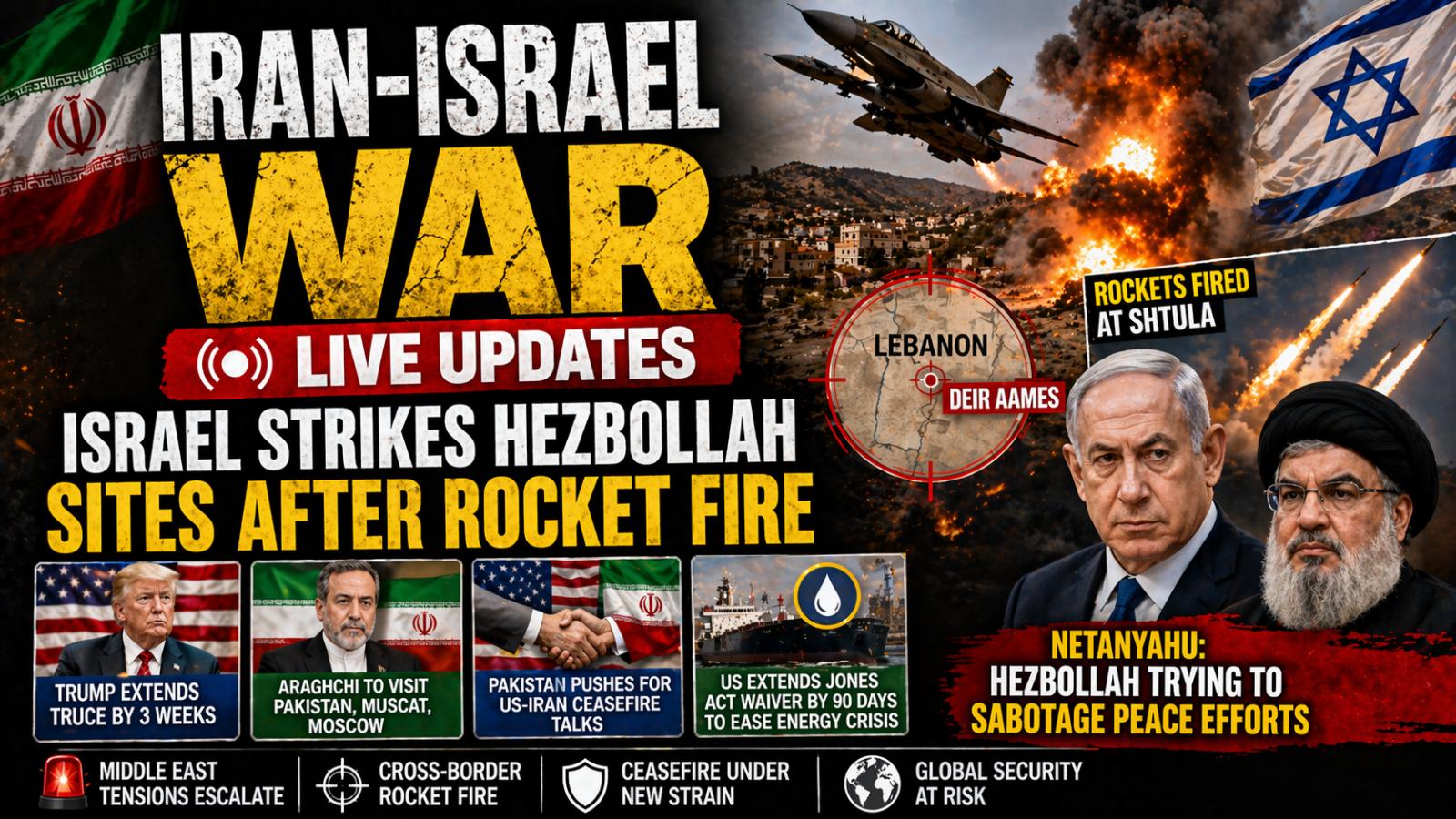
Iran-Israel war live updates: Israel strikes Hezbollah sites after rocket fire as regional tensions escalated on Friday, April 24, 2026, with the Israeli military confirming strikes on Hezbollah-linked locations in southern Lebanon following cross-border rocket launches.
The Israeli military stated that it targeted sites near the town of Deir Aames after rockets were fired toward the Israeli town of Shtula a day earlier. Deir Aames lies outside the designated border buffer zone that Israeli forces have continued to occupy even after a 10-day ceasefire agreement implemented the previous week. Earlier on Friday, April 24, 2026, the military issued evacuation warnings urging residents to leave the area before the strikes.
The renewed hostilities come despite diplomatic efforts to maintain calm. U.S. President Donald Trump announced on Thursday, April 23, 2026, a three-week extension of the Israel-Hezbollah truce. However, both sides have continued intermittent exchanges of fire, raising concerns about the durability of the ceasefire.
Israeli Prime Minister Benjamin Netanyahu accused Hezbollah of undermining peace efforts, stating on Friday, April 24, 2026, that the group was attempting to “sabotage” negotiations aimed at reaching a long-term agreement between Israel and Lebanon. His remarks marked his first public comments following the truce extension.
Meanwhile, diplomatic activity continued across the region. Iranian Foreign Minister Abbas Araghchi said his upcoming visits to Islamabad, Muscat, and Moscow are intended to coordinate with regional partners and discuss evolving developments. While he did not directly address potential talks with the United States, officials in Pakistan have recently intensified efforts to facilitate renewed ceasefire negotiations between Washington and Tehran.
In Washington, the White House announced an extension of a waiver to the Jones Act by 90 days on Friday, April 24, 2026. The measure is designed to ease domestic energy supply pressures amid disruptions linked to the broader West Asia conflict. Officials said the extension would help maintain the flow of oil and natural gas within the United States by allowing greater flexibility in maritime transport.
The combination of military actions, diplomatic outreach, and economic measures underscores the widening impact of the conflict, with regional instability continuing to influence global security and energy markets.
Israel strikes Hezbollah targets after rocket fire from Lebanon as tensions persist despite a truce extension, while diplomatic efforts and US energy measures reflect widening regional impact.
Iran-Israel war live updates: Israel strikes Hezbollah sites after rocket fire as regional tensions escalated on Friday, April 24, 2026, with the Israeli military confirming strikes on Hezbollah-linked locations in southern Lebanon following cross-border rocket launches.
The Israeli military stated that it targeted sites near the town of Deir Aames after rockets were fired toward the Israeli town of Shtula a day earlier. Deir Aames lies outside the designated border buffer zone that Israeli forces have continued to occupy even after a 10-day ceasefire agreement implemented the previous week. Earlier on Friday, April 24, 2026, the military issued evacuation warnings urging residents to leave the area before the strikes.
The renewed hostilities come despite diplomatic efforts to maintain calm. U.S. President Donald Trump announced on Thursday, April 23, 2026, a three-week extension of the Israel-Hezbollah truce. However, both sides have continued intermittent exchanges of fire, raising concerns about the durability of the ceasefire.
Israeli Prime Minister Benjamin Netanyahu accused Hezbollah of undermining peace efforts, stating on Friday, April 24, 2026, that the group was attempting to “sabotage” negotiations aimed at reaching a long-term agreement between Israel and Lebanon. His remarks marked his first public comments following the truce extension.
Meanwhile, diplomatic activity continued across the region. Iranian Foreign Minister Abbas Araghchi said his upcoming visits to Islamabad, Muscat, and Moscow are intended to coordinate with regional partners and discuss evolving developments. While he did not directly address potential talks with the United States, officials in Pakistan have recently intensified efforts to facilitate renewed ceasefire negotiations between Washington and Tehran.
In Washington, the White House announced an extension of a waiver to the Jones Act by 90 days on Friday, April 24, 2026. The measure is designed to ease domestic energy supply pressures amid disruptions linked to the broader West Asia conflict. Officials said the extension would help maintain the flow of oil and natural gas within the United States by allowing greater flexibility in maritime transport.
The combination of military actions, diplomatic outreach, and economic measures underscores the widening impact of the conflict, with regional instability continuing to influence global security and energy markets.
Israeli Prime Minister Benjamin Netanyahu has warned that tensions with Iran could escalate rapidly, underscoring the fragile state of the ongoing geopolitical situation. Speaking alongside Javier Milei, Netanyahu said the conflict remains unpredictable and developments could unfold at any moment. He empha
Israeli Prime Minister Benjamin Netanyahu has warned that tensions with Iran could escalate rapidly, underscoring the fragile state of the ongoing geopolitical situation. Speaking alongside Javier Milei, Netanyahu said the conflict remains unpredictable and developments could unfold at any moment. He empha
Iran has dismissed recent claims made by former US President Donald Trump, responding with sarcasm to his remarks on ongoing geopolitical developments. In an unusually sharp diplomatic exchange, Iran’s embassy in Zimbabwe mocke
Iran has dismissed recent claims made by former US President Donald Trump, responding with sarcasm to his remarks on ongoing geopolitical developments. In an unusually sharp diplomatic exchange, Iran’s embassy in Zimbabwe mocke
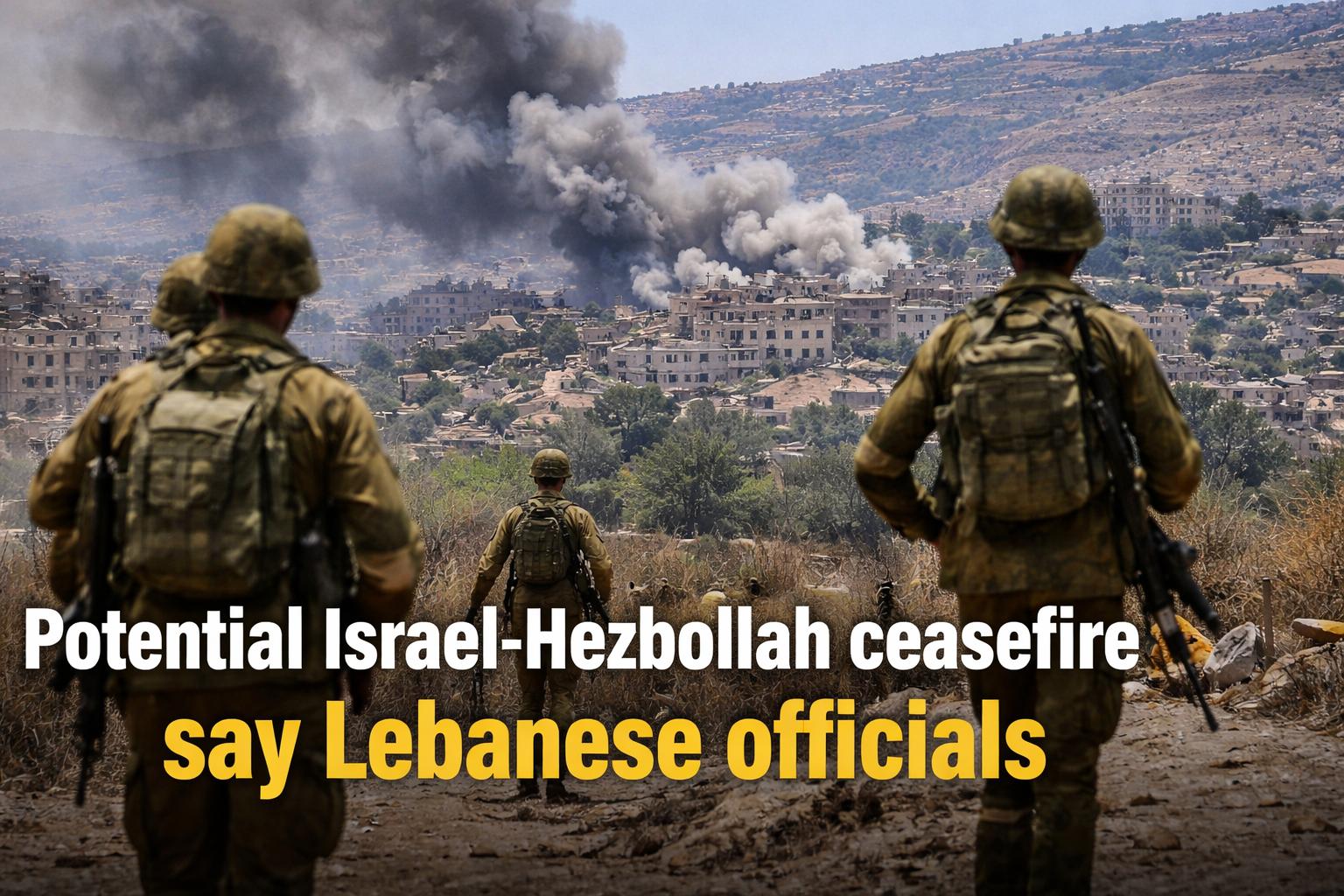
Reports indicate that a ceasefire between Israel and Hezbollah could be announced within days, according to Lebanese officials. The ceasefire is expected to come after Israeli ground forces complete their mission to capture the southern Lebanese town of Bint Jbeil, a stronghold of Hezbollah. Israeli Prime Minister Benjamin Netanyahu confirmed on April 15 that Israeli troops were “about to defeat” Hezbollah in the area.
The potential truce marks a complex and pivotal moment in th
Reports indicate that a ceasefire between Israel and Hezbollah could be announced within days, according to Lebanese officials. The ceasefire is expected to come after Israeli ground forces complete their mission to capture the southern Lebanese town of Bint Jbeil, a stronghold of Hezbollah. Israeli Prime Minister Benjamin Netanyahu confirmed on April 15 that Israeli troops were “about to defeat” Hezbollah in the area.
The potential truce marks a complex and pivotal moment in th
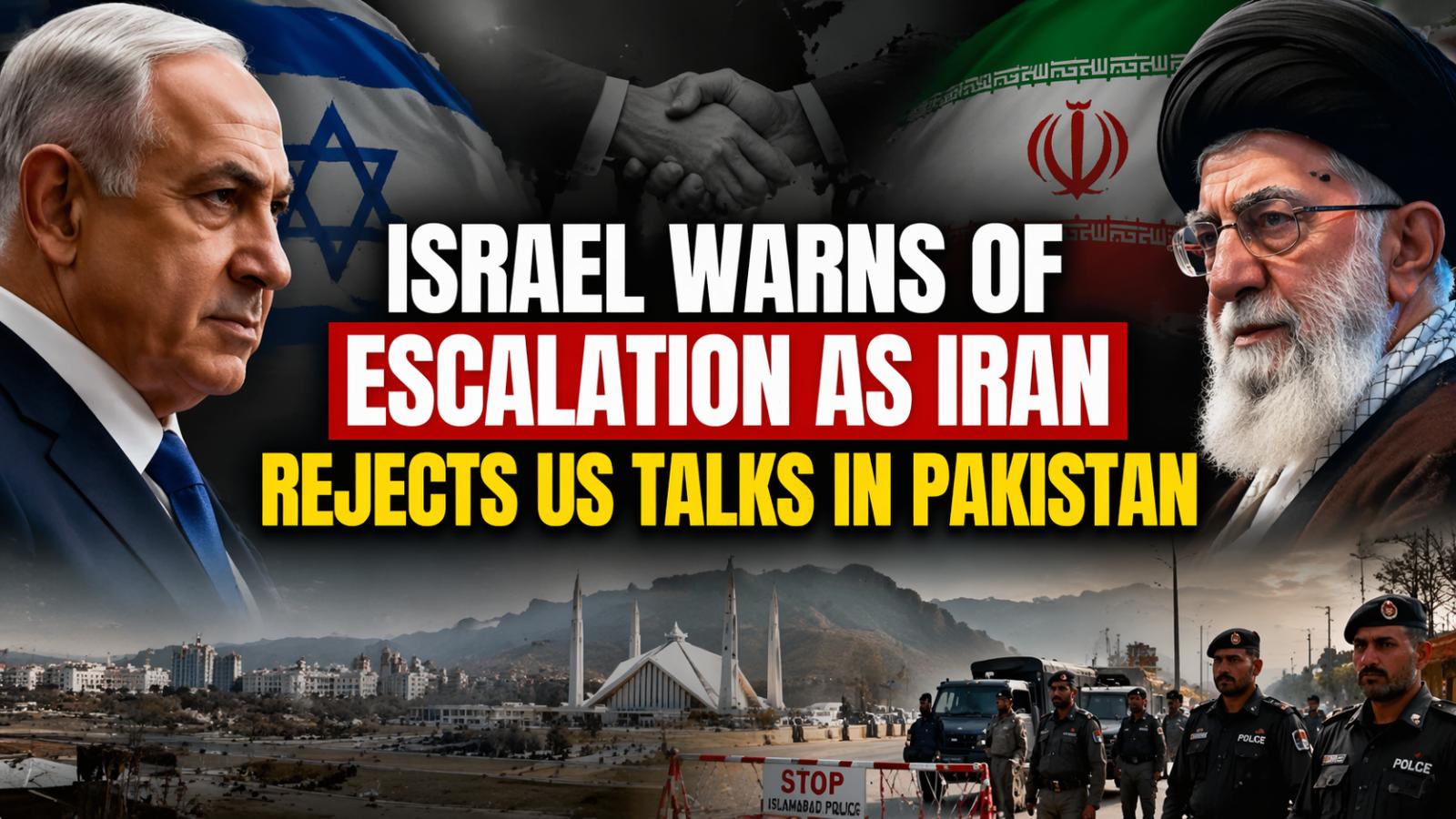
Israeli Prime Minister Benjamin Netanyahu said on Saturday, April 12, 2026, that Israel and the United States had achieved major strategic objectives against Iran, as high-level negotiations between Washington and Tehran continued amid visible strain in Islamabad, Pakistan.
In a televised address, Netanyahu stated that joint efforts had “crushed” Iran’s nuclear and ballistic missile pr
Israeli Prime Minister Benjamin Netanyahu said on Saturday, April 12, 2026, that Israel and the United States had achieved major strategic objectives against Iran, as high-level negotiations between Washington and Tehran continued amid visible strain in Islamabad, Pakistan.
In a televised address, Netanyahu stated that joint efforts had “crushed” Iran’s nuclear and ballistic missile pr
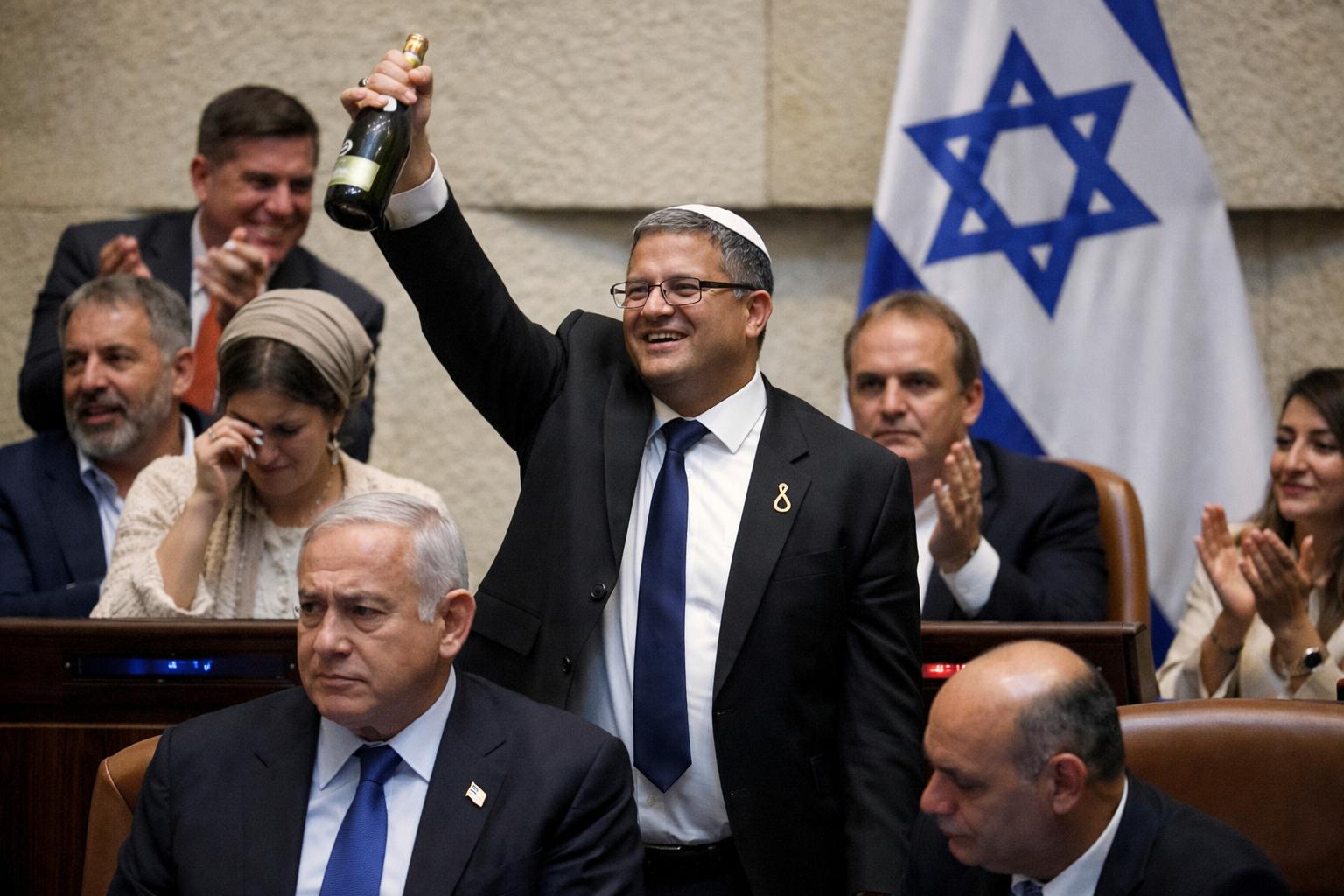
Israel’s parliament approved a controversial law introducing the death penalty for certain Palestinians convicted of killing Israelis during a session held in Jerusalem on Monday, March 30, 2026. The legislation marks a significant shift in Israel’s legal framework for handling security-related offenses and reflects a long-standing push by far-right leaders to impose stricter punishments for attacks described as terrorism.
Prime Minister Benjamin Netanyahu attended the vote in person and
Israel’s parliament approved a controversial law introducing the death penalty for certain Palestinians convicted of killing Israelis during a session held in Jerusalem on Monday, March 30, 2026. The legislation marks a significant shift in Israel’s legal framework for handling security-related offenses and reflects a long-standing push by far-right leaders to impose stricter punishments for attacks described as terrorism.
Prime Minister Benjamin Netanyahu attended the vote in person and